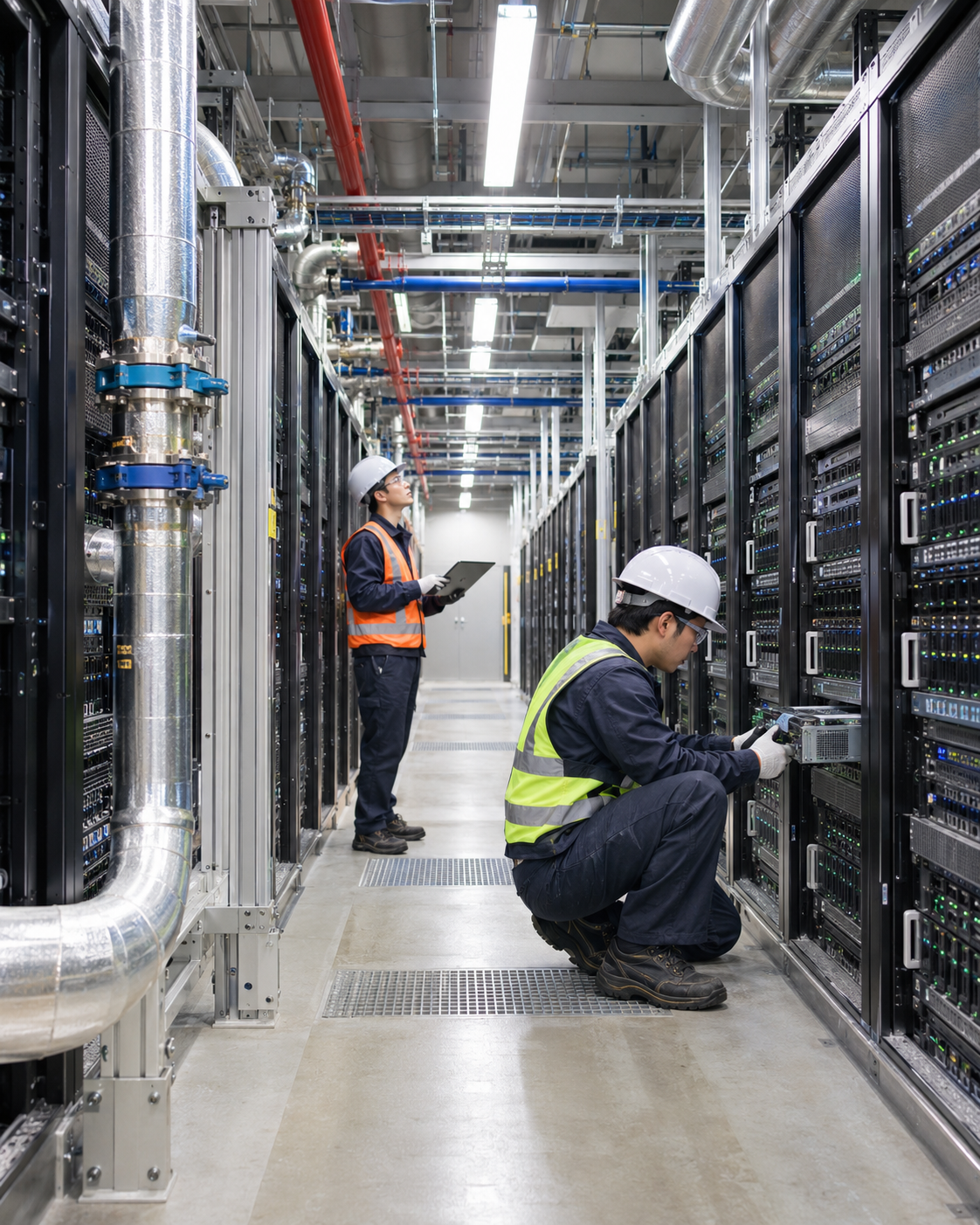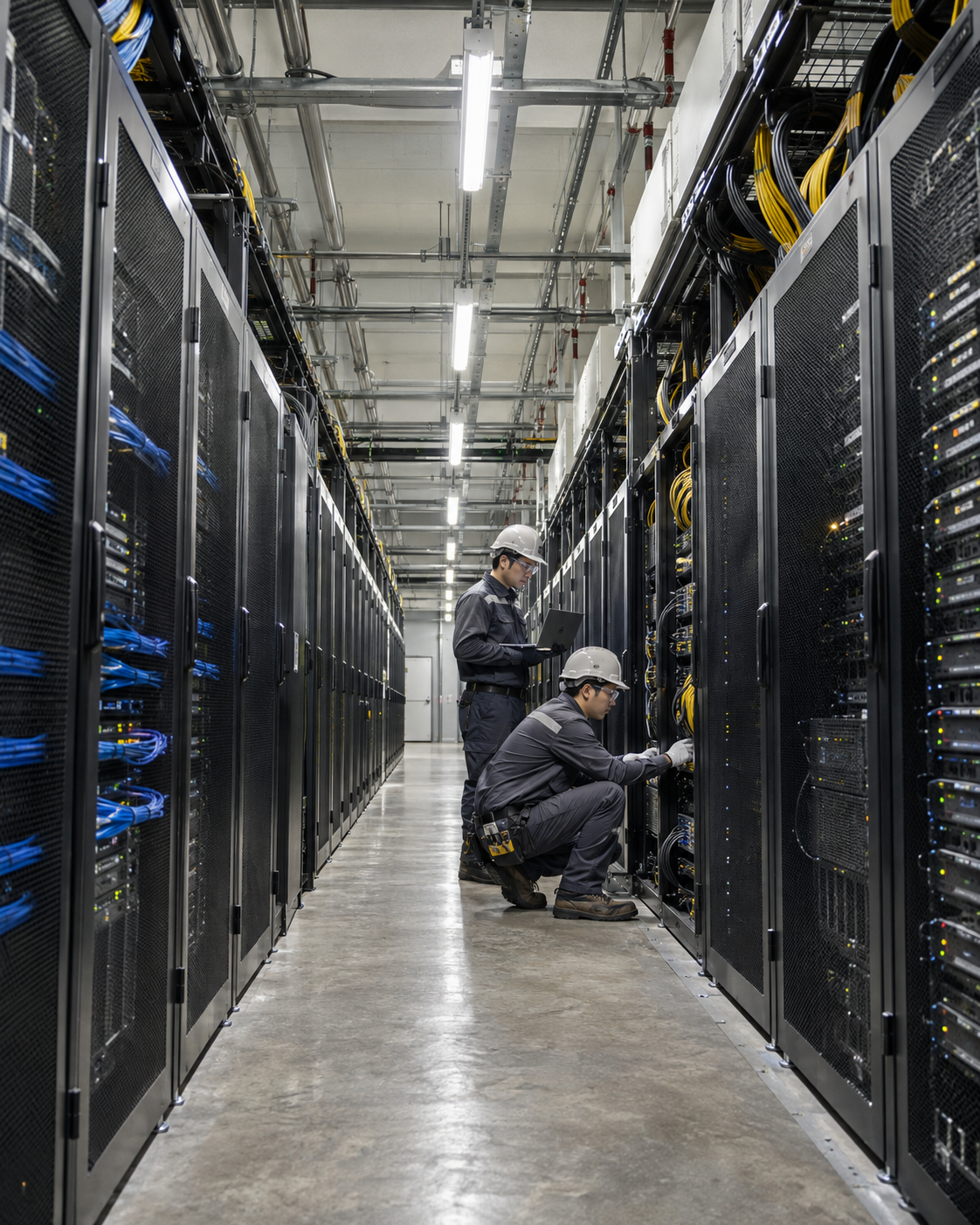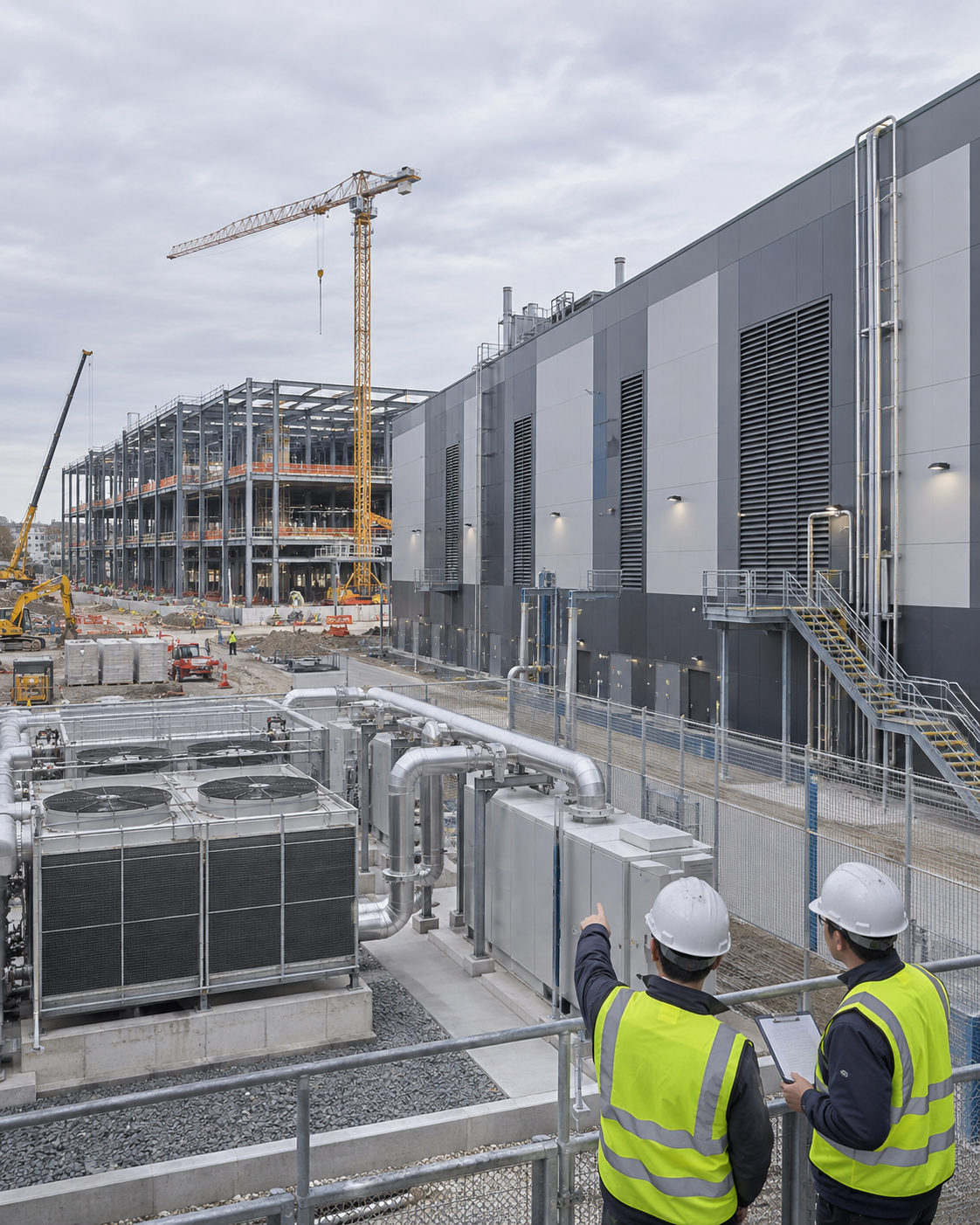
Meta Platform has disclosed the terms for issuing $15 billion in U.S. dollar-denominated corporate bonds to raise funds for investments in AI data centers and computing infrastructure. The offering consists of five tranches with different maturities, with coupon rates of 5.85% and 6.25% per annum applied to the 2031 and 2033 maturities, respectively.
This announcement is significant in that it moves beyond the stage of reviewing financing to a transaction where the amount and interest rate have been specifically determined. However, you must distinguish between the fact that the bond issuance terms have been finalized and the fact that the funds were actually deposited on the settlement date.
Meta forecasts capital expenditures in 2026 to be approximately $135 billion to $145 billion. This bond transaction reveals that the competition in AI is expanding beyond software development into an infrastructure competition that requires long-term capital investment.
$15 billion bond divided into five maturities

According to the issuance terms, it consists of $3.25 billion maturing in 2031, $3.25 billion maturing in 2033, $4 billion maturing in 2036, $1.75 billion maturing in 2046, and $2.75 billion maturing in 2056. The total is $15 billion. It is a structure that diversifies repayment timing across multiple maturities rather than relying on a single short-term loan.
The coupon rates also vary depending on the maturity. The first two bonds are 5.85% and 6.25% per annum, while longer maturities in 2036, 2046, and 2056 are offered at 6.55%, 7.35%, and 7.50%, respectively. These figures represent the interest rates promised by the bonds, and they may differ from the actual yield obtained by investors depending on the issue price.
| The difference between price confirmation and payment completion

The transaction terms table lists November 3, 2026 as the trading day and November 5 as the scheduled settlement date. Therefore, while it can be explained that the interest rate, maturity, and size were determined as of November 4, it should not be concluded that the issuance proceeds were finally deposited before the scheduled settlement date has passed.
This distinction is important even if it seems small when dealing with financial transactions. Issuance planning, price confirmation, and final payment are different procedural stages. The confirmation of this news is that Meta pursued a $15 billion bond transaction on specific terms, and payments and subsequent disclosures are subject to separate confirmation.
Demand for External Funding Increased by the Scale of Capital Investment
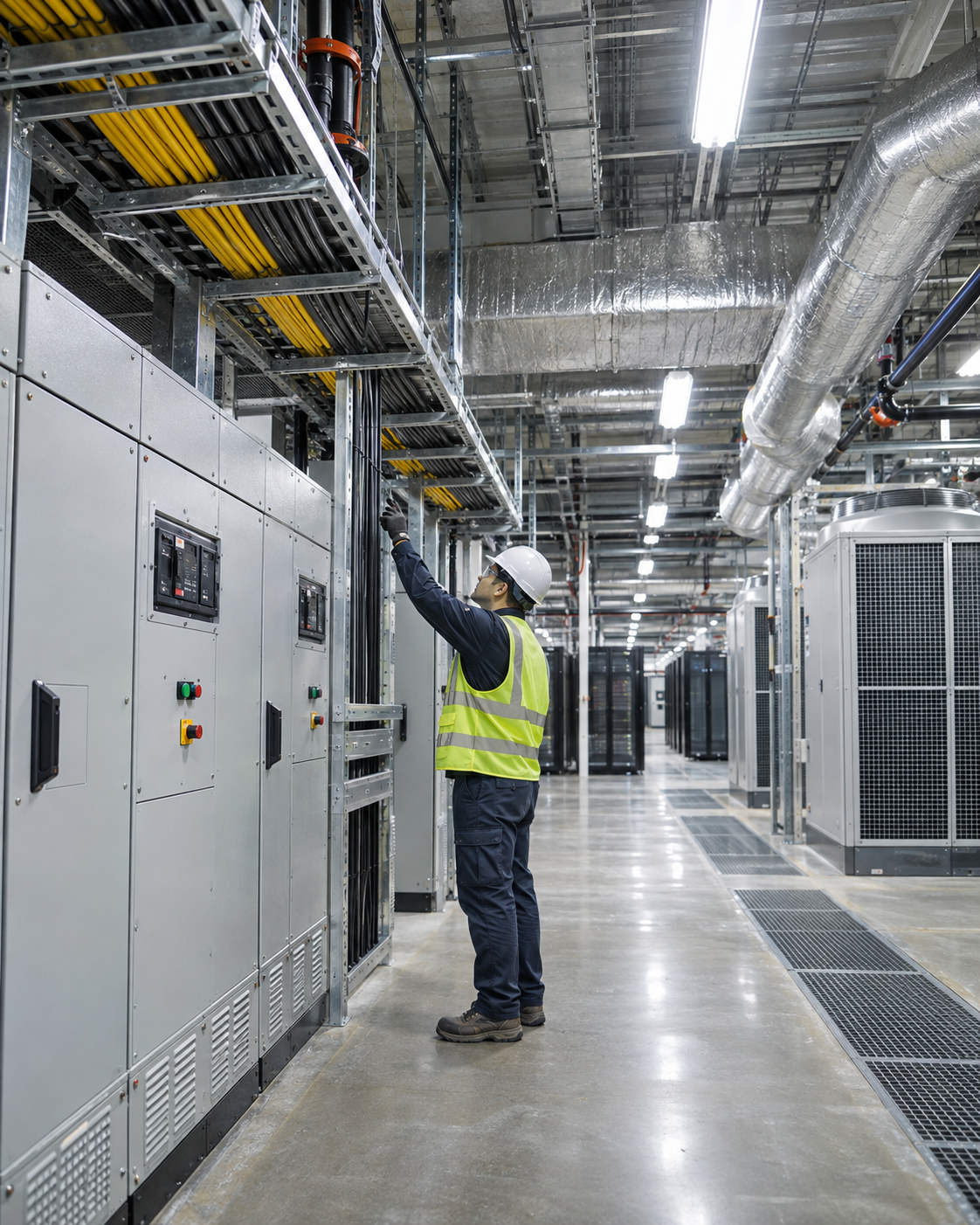
Meta projected capital expenditures for 2026 to be between $135 billion and $145 billion. Key investment areas include servers, network equipment, and the construction of data centers necessary for AI model training and service operations. Installing such facilities requires a large amount of capital, and the returns on investment may take several years to materialize.
The company is generating operating cash from its existing businesses, but is increasing external financing due to the rapid pace of investment in AI infrastructure. By issuing bonds, you can secure funds without increasing the number of shares at the moment, but you will be liable for interest payments and principal repayments in the future. This is why the cost of financing can't be ignored even if you can afford the cash.
| Connection with previous bond issuance

Meta issued approximately $25 billion worth of corporate bonds in April of this year and utilized the large-scale bond market last year as well. This latest $15 billion is not a one-off measure, but rather part of a trend where investment in AI facilities and capital market financing are expanding together. If large-scale facility contracts continue, they will inevitably have to consider whether they can fully support the pace of investment solely with operating cash.
However, you should not simply add up the issued amounts and interpret them all as new expenditures. The intended use of raised funds and the actual timing of capital investment execution may differ, and existing liquidity and repayment schedules must also be considered. What matters is the balance between cash flow and financial burden over the coming years, rather than the total amount of debt alone.
| Costs shown by interest rates and credit ratings

According to Reuters, Moody's assigned an Aa3 rating to this bond. While this assesses high creditworthiness, it does not mean that there will be no need to pay interest for an extended period. Particularly for longer maturities, changes in interest rate levels and market conditions become critical factors in determining financing costs.
Meta's current bond has repayment dates spread out from 2031 to 2056. While this has the advantage of reducing maturity concentration, the accumulation of long-term debt could leave a cost burden during periods of slowing performance. Unlike the stock market, bond market investors evaluate interest payment ability, debt size, and cash flow along with AI growth potential.
| Time lag between data center investment and return on investment
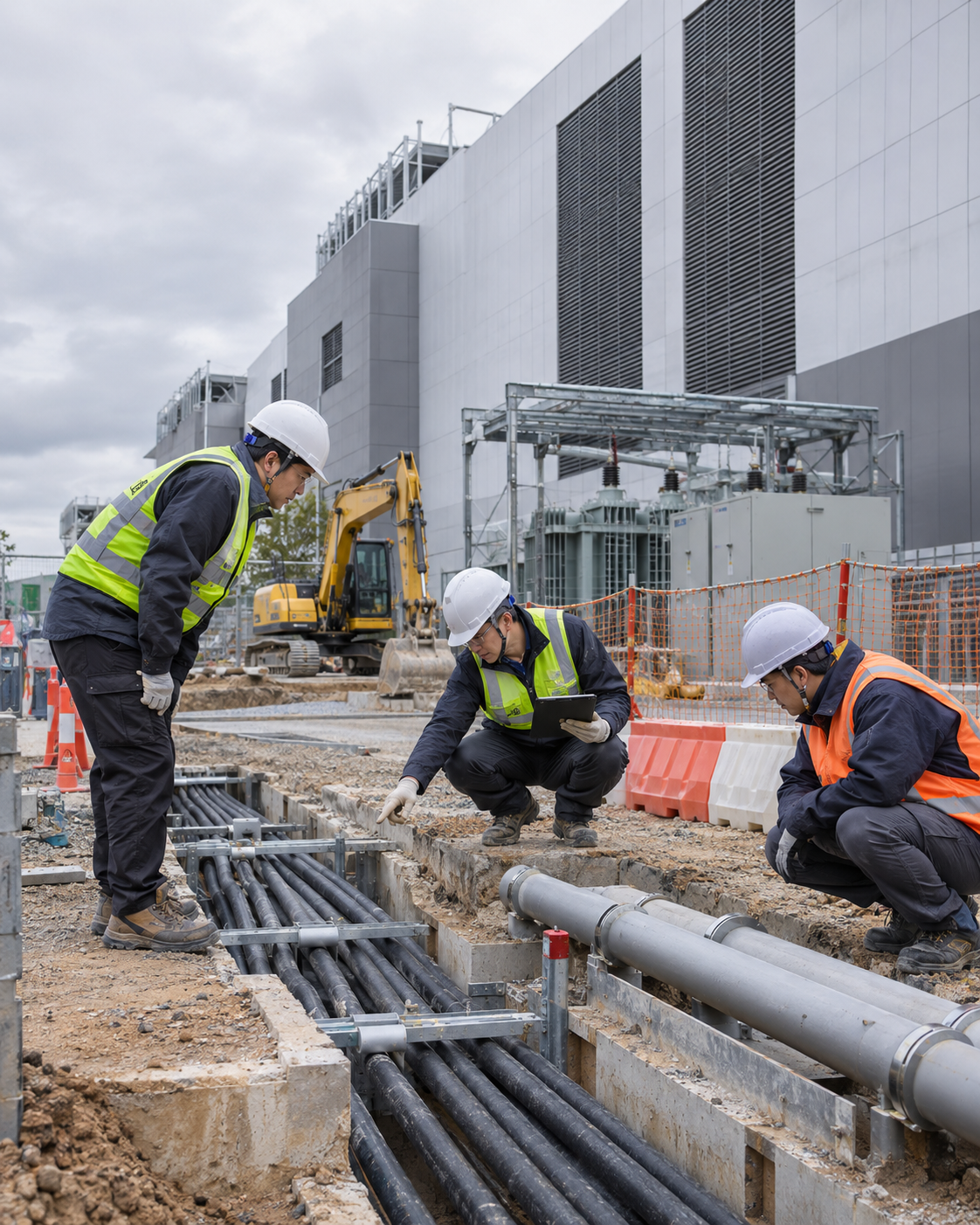
AI data centers must go through stages such as construction, power securing, equipment installation, and software optimization before they can provide actual services. Securing funding does not immediately mean that computing capacity will increase or AI revenue will grow. There may be a difference between the timing of the investment and the timing of revenue generation from customer service.
Meta leverages its proprietary AI technology and infrastructure to improve existing services such as advertising and recommendations. Therefore, it is difficult to measure the return on facility investment solely through external sales revenue. In the long term, we need to examine whether performance is evident across various metrics, including service performance, advertising efficiency, operating cost reduction, and the monetization of new services.
| Expansion of Big Tech Funding Competition

Building AI infrastructure requires not only semiconductors but also power, land, construction, cooling, and communication networks. When massive projects proceed simultaneously, competition among tech companies expands from model performance to securing power and accessing financial markets. If borrowing rates rise, the total long-term cost of constructing the same data center can vary.
However, we cannot conclude that this bond issuance signifies Meta's financial difficulties. The company holds substantial cash equivalents and operating cash flow, while simultaneously utilizing external funds in line with long-term investment plans. To determine whether this is a risk signal or strategic financing, you must examine the trends in investment execution and interest burden together.
Financial indicators to check after successful fundraising
The change demonstrated by this transaction is that Meta's expansion of its AI infrastructure has led to concrete long-term financial transactions in the capital market. The $15 billion bond with a fixed maturity and interest rate represents a step forward from previous reports regarding financing reviews. However, how the debt structure changes after actual settlement must be confirmed through additional disclosures.
Going forward, the completion of payments scheduled for November 5, the amount of capital investment executed in 2026, and changes in operating cash flow and interest expenses are important items to monitor. Whether the massive investment in AI data centers translates into actual product competitiveness and sustainable revenue will be revealed in the performance of the next quarter and the coming years.
References
Reuters — Meta raises $15 billion in five-part US bond sale to fund AI expansion Meta Platforms — Q3 2026 Form 10-Q Meta Platforms — November 3, 2026 Bond Issuance Terms and Conditions FWP Repost
Tags
#Meta #MetaPlatforms #AIDataCenter #CorporateBonds #Financing #AIInvestment #CapitalInvestment #BigTech #InfrastructureInvestment #BondMarket #InterestRates #DataCenter #IndustrialPolicy