AMD recorded revenue of $13.377 billion in the third quarter of 2026. That's a 45% increase from the same period last year. GAAP operating profit was $2.832 billion and net profit was $2.428 billion.
At the center of this performance is the data center business. Our quarterly revenue in this segment was about $8.5 billion, up 97% from the same period last year, which drove our overall growth. It was a quarter where my presence as an AI infrastructure provider grew more than the original image of the PC processor manufacturer.
However, we have to distinguish between the sales currently confirmed and the future growth prospects. AMD's Q4 targets and plans to expand new product production have not yet been finalized.
| Accompanying growth in revenue and profitability in Q3

Revenue also increased 16% to $11.536 billion in the previous quarter. The gross profit margin based on GAAP was 54%, the operating profit margin was about 21%, and the diluted earnings per share was $1.46. At the same time as sales grew, it was noticeable that operating profit increased by 123% compared to the same period last year.
The company's separate non-GAAP operating income was $3.923 billion, and its diluted earnings per share was $2.09. Non-GAAP figures are secondary indicators that adjust for specific costs and should not be mixed with GAAP performance. In order for investors or readers to judge the quality of growth, it's important to see the difference between the two criteria together.
| Increase revenue share of datacenter business
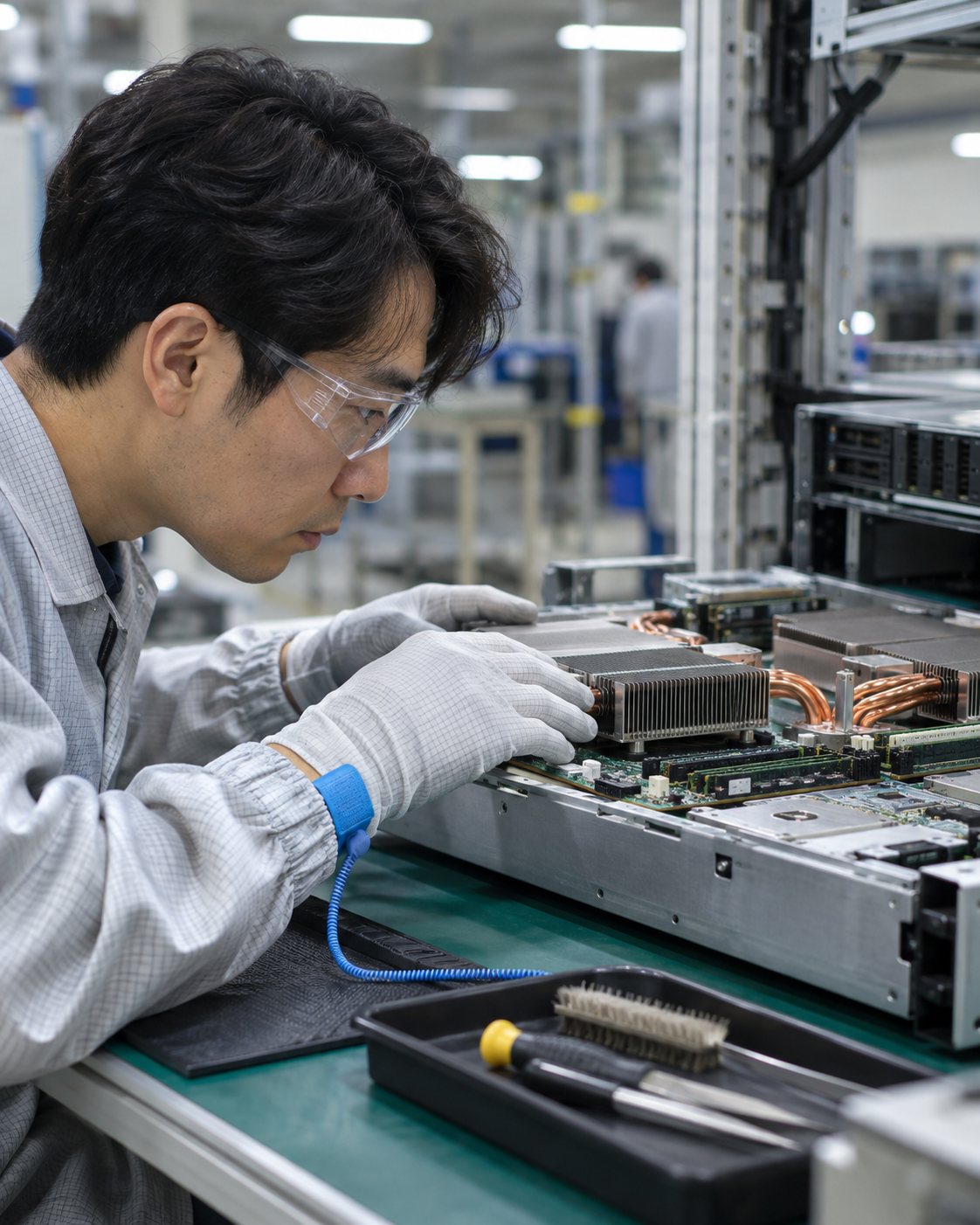
Approximately $8.5 billion in data center revenue accounts for more than 60% of total revenue. It means AMD is moving to a structure that relies heavily on selling servers and AI accelerators, as well as the traditional personal computer chip business. If a business unit grows so quickly, the growth engine of its overall performance will also change.
That doesn't translate into an entire 97% increase in AI GPU sales. The data center business also includes EPYC server CPUs, and the official announcement explained the strong demand of the two families together as a growth factor. Since the sales by product were not disclosed in detail, it is difficult to determine the exact contribution of the AI GPU alone.
| Split roles between EPYC and Instinct
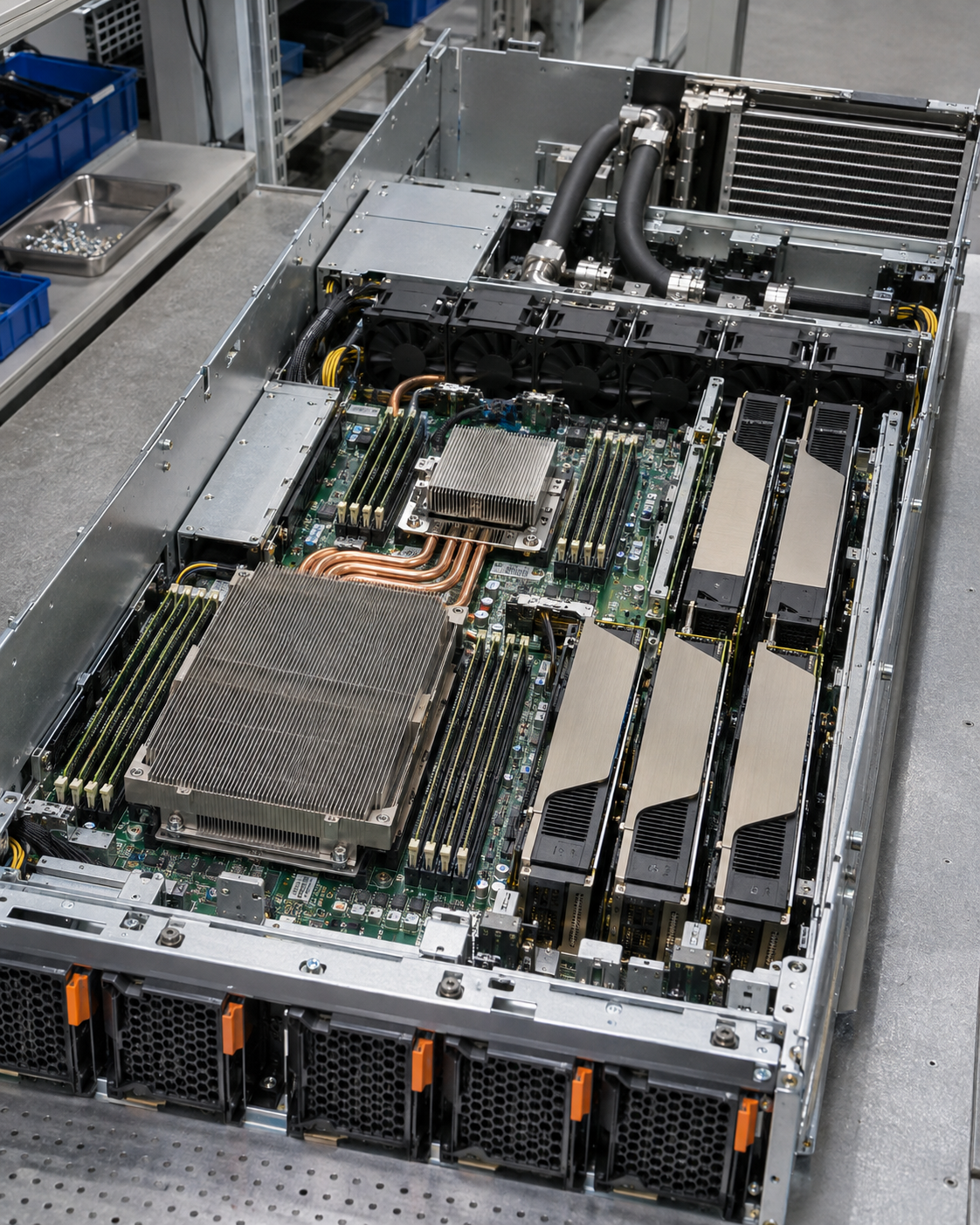
EPYC is the central processing unit responsible for general computation and data processing on the server, and Instinct is the accelerator responsible for large-scale parallel computation required for training and inferring AI models. Large AI facilities are not completed with just one side. In addition to GPU performance, the combination of CPU, memory, network, and software determines the actual throughput.
In its announcement this quarter, AMD presented the launch of the Instinct MI450 family of GPUs and demand for EPYC products as a backdrop for data center growth. As customers move from purchasing individual parts to designing rack-unit systems, what AMD has to offer can be broadened by the efficiency of the overall system beyond the specifications of a single chip.
| Business implications of the Helios rack system
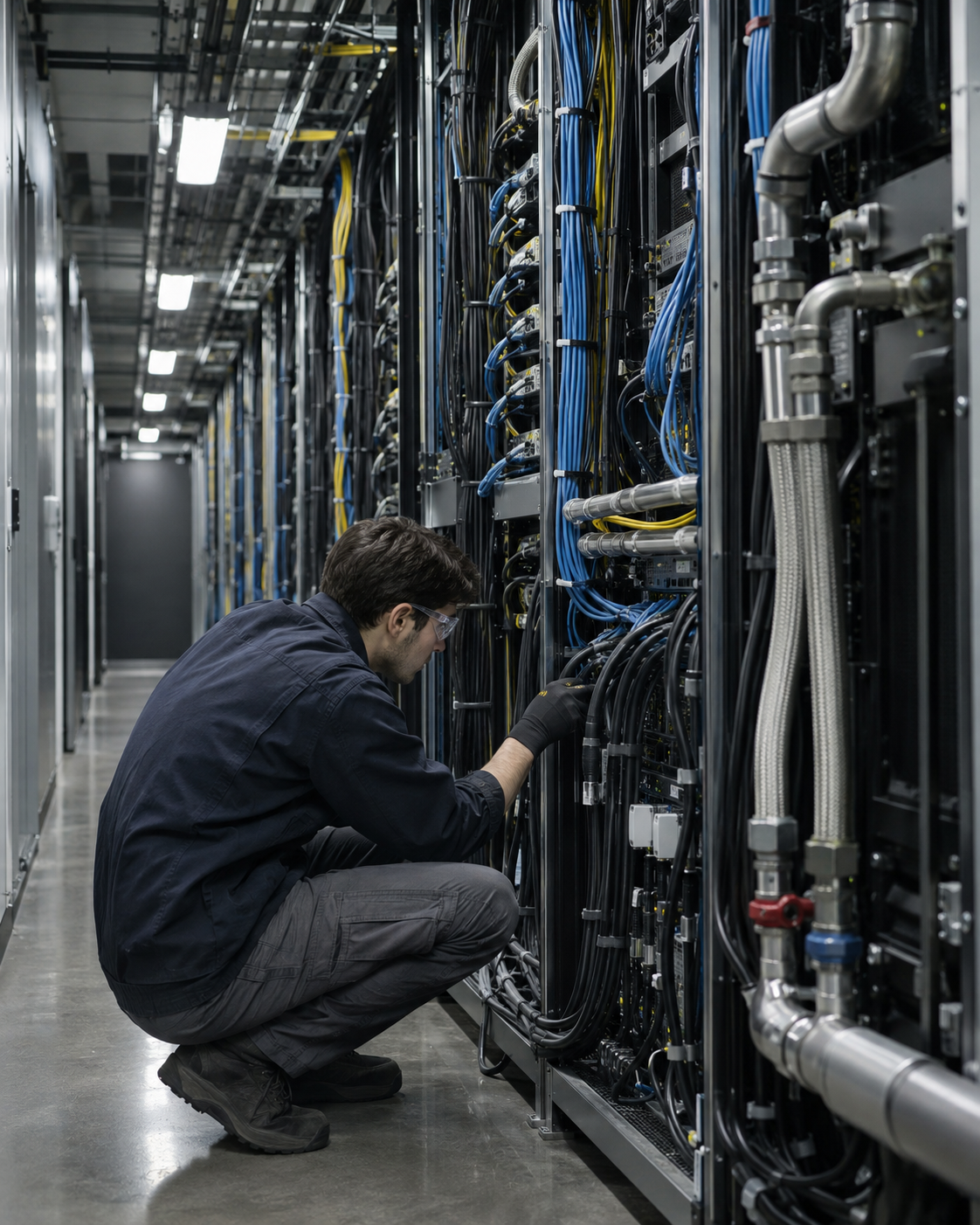
Helios is an AI computing system that integrates multiple accelerators and server parts into a single rack size. AMD is putting this platform at the heart of a family that combines next-generation Instinct GPUs with EPYC processors. This means targeting a larger infrastructure budget beyond the sale of GPU units.
The company has explained that some customers are driving real work on early Helios systems, but the pilot or initial deployment and extensive production supply are different from each other. We need to check whether the system operates reliably in various data center environments and what the cost of software porting and maintenance will be in future customer cases.
| Competitive landscape and software ecosystem
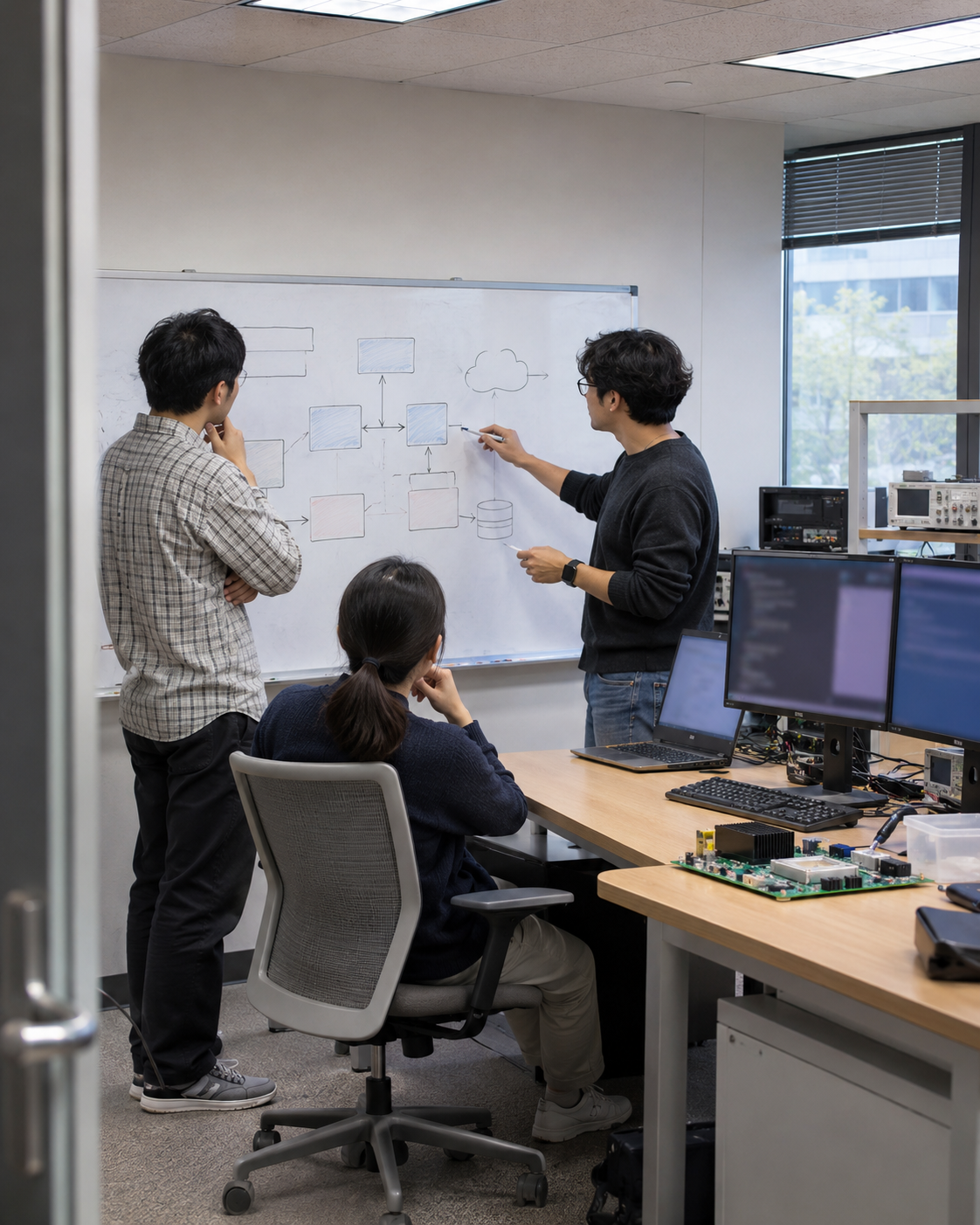
In the AI accelerator market, NVIDIA has accumulated not only hardware, but also CUDA-driven development tools and operational experience. In order for AMD to be more competitive, it is important not only the computing power of the chip, but also the software environment that makes it easy to run and optimize existing AI models. This is why the improvement of tools such as ROCm is a challenge to watch apart from the performance.
In addition, there is an incentive for companies not to rely too heavily on infrastructure for certain manufacturers. AMD's expanding supply may provide customers with other options, but actual substitutability will depend on model compatibility, communications performance, total cost of ownership, and supply stability. It is difficult to determine in advance the simple expansion of market share.
| Different growth streams by business unit
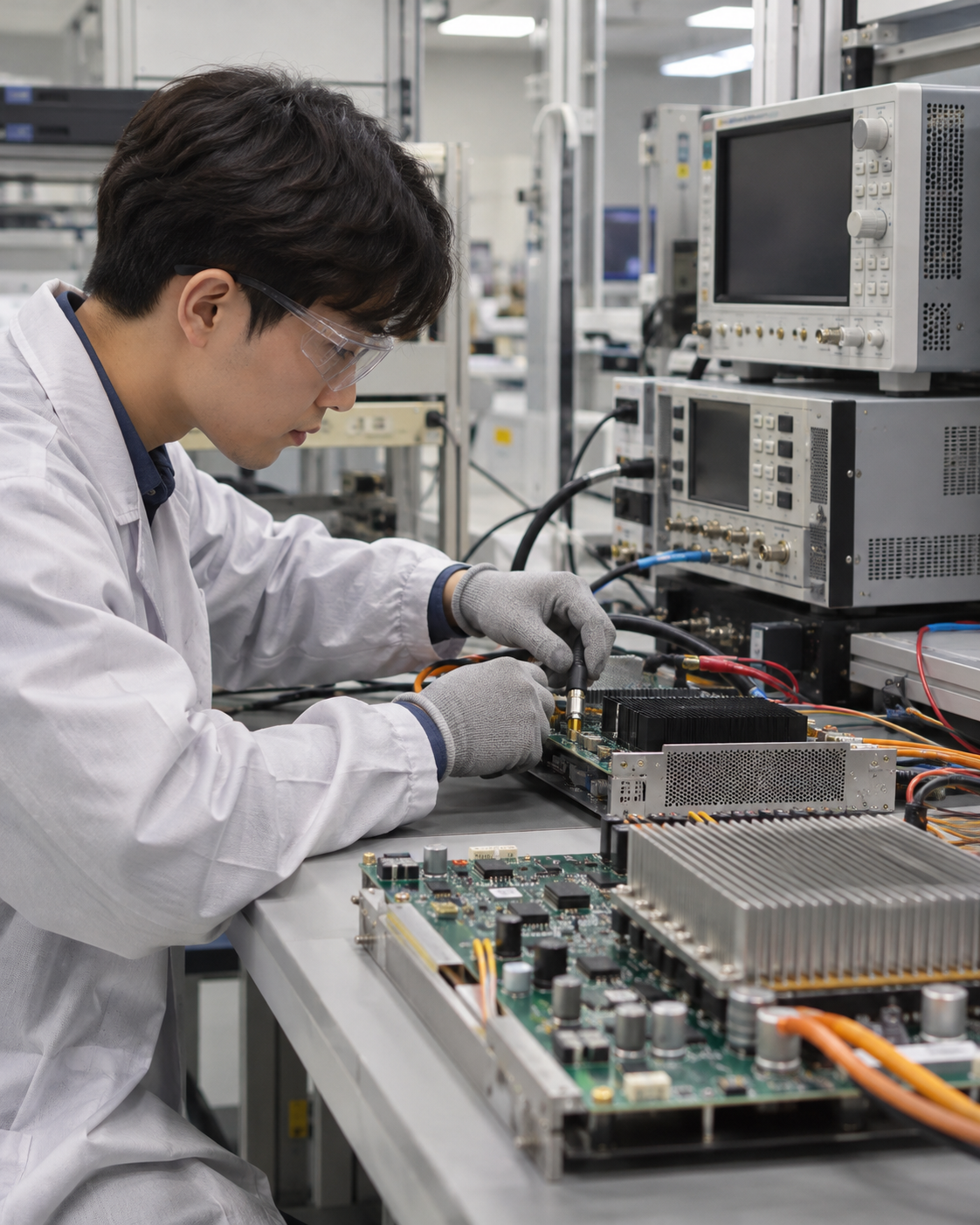
While the data center sector grew rapidly, client and gaming revenue was about $3.7 billion, down 8% from the same period last year. In the meantime, the PC-related client business has grown, but gaming-related sales have declined. It shows that the entire semiconductor industry is not moving in one direction.
Embedded business revenue increased by 29% to approximately $1.1 billion. Therefore, when looking at the overall performance, we should look at the cyclical demand and profit contribution of other businesses rather than just emphasizing the success of the AI sector. In particular, the bigger the data center bias, the more likely some large customers' investment schedule changes will be reflected in their quarterly performance.
| Q4 Revenue Projections and Supply Expansion Conditions
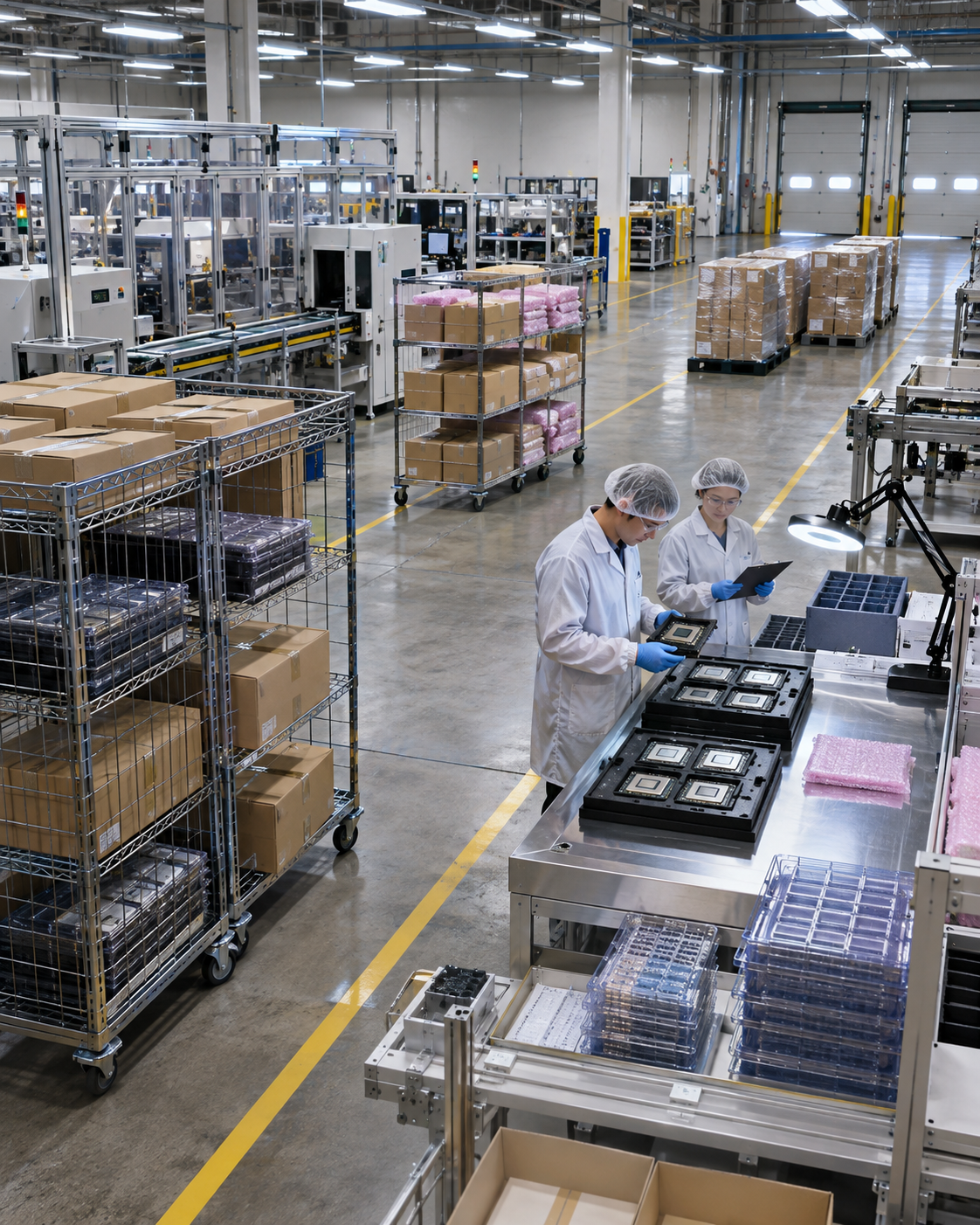
AMD forecast fourth-quarter revenue of about $17 billion and allowable range of up and down 3%. This is a guidance from management and does not mean a confirmed order or actual sales. The company explained that the expansion of the production of the next generation EPYC products with Helios is important in the next growth phase.
AI systems can only be delivered under various supply conditions such as high-bandwidth memory, advanced packaging, and power and cooling facilities. Even if demand is strong, the time of revenue recognition may change if parts are secured or data center preparation is delayed. Therefore, it is necessary to look at the actual shipment volume and profitability of the next quarter.
| The change in defined revenue and remaining validation
The significance of this announcement is that the AI investment has already been clearly reflected in AMD's performance. Nearly double year-over-year data center revenue growth shows AMD growing as a real provider of AI infrastructure expansion. At the same time, it is not to be missed that the server CPU and AI GPU contributed together.
In the future, whether sales are expected to reach $17 billion in the fourth quarter, repeat orders of Instinct products, large-scale field operations of Helios, and maintaining GAAP profitability are key indicators. These follow-up results can determine whether the published growth rate leads to a sustainable business structure.
References
AMD — AMD Reports Third Quarter 2026 Financial Results AMD — sec Filing for Q3 2026 Results Reuters — AMD forecast eases AI spending fears as data-center sales surge
Tags
# AMD # data center # AI semiconductor # AI infrastructure # Instinct # EPYC # Helios # GPU # serverCPU # semiconductor performance # ROCm # NVIDIA