Published time: Oct 28, 2026 01:01 GMT
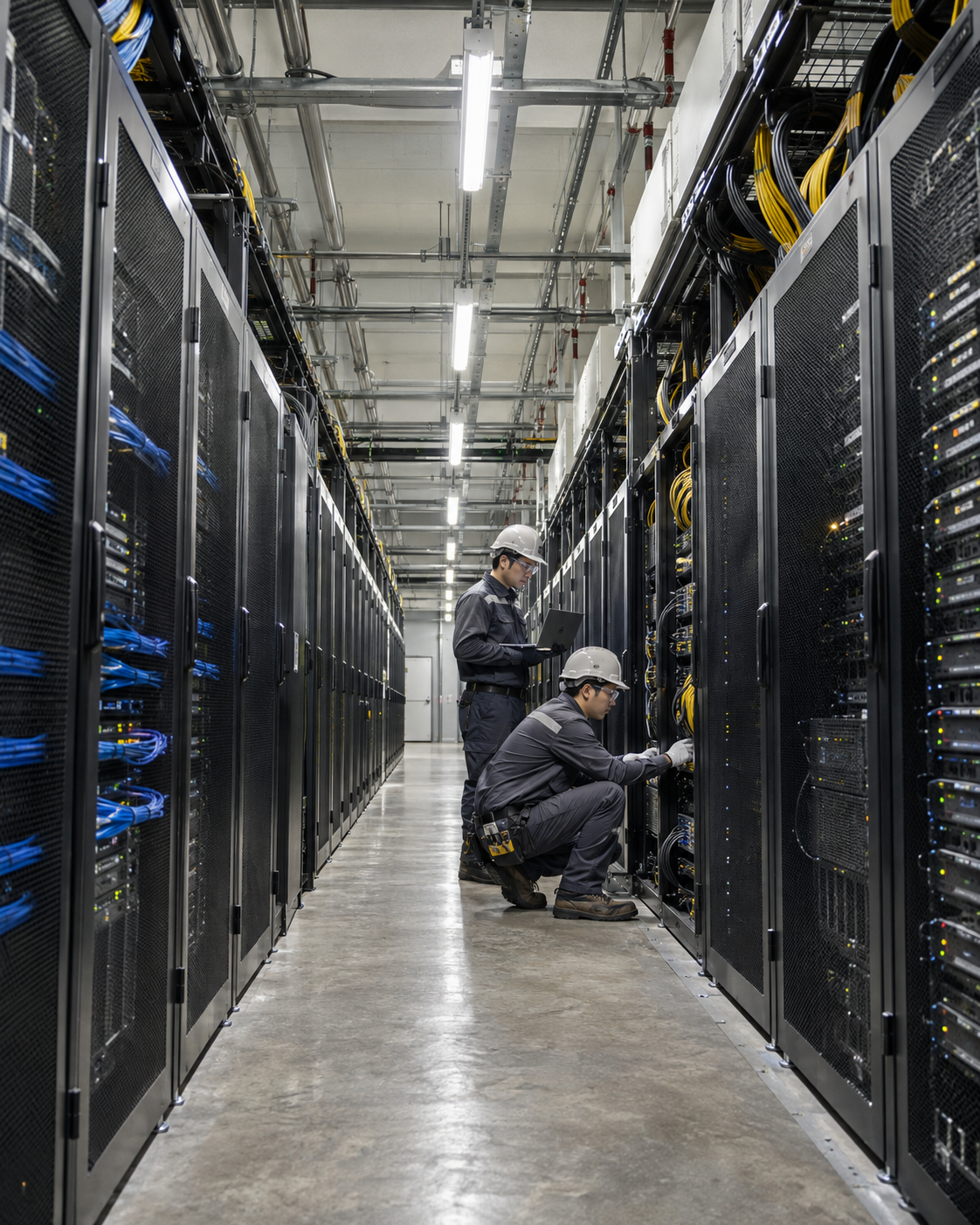
Oracle and NVIDIA announced that they are expanding their collaboration on cloud AI infrastructure. Oracle Cloud Infrastructure has started offering NVIDIA Vera Rubin NVL72 systems and Vera CPUs in general, and plans have been made to expand the AI supercluster to several gigawatts in the future.
The important thing is that the products we have already started to offer are different from the total capacity we will build in the future. This news shows the actual use stage of the next-generation AI computing service and the long-term expansion plan, but it does not mean that all facilities have been completed.

| General provision of Vera Rubin services
The official announcement from NVIDIA stated at OCI that the Vera Rubin NVL72 and Vera CPU have entered the general delivery state. General provision means that, unlike limited technology demonstrations or prior announcements, it is a stage where customers can use official services. However, it does not mean that the possibility of acquiring resources by region or the actual quota of customers are all the same.
This announcement is important because the new semiconductor has emerged as a cloud service option outside of the chip company's roadmap. Companies can leverage AI computing resources as needed without having to purchase equipment directly. For actual access conditions, you should check Oracle's regional service guidance and contract requirements.
| Scope of multi-gigawatt expansion plan

Both companies have announced plans to expand the OCI Supercluster to several gigawatts. Gigawatt is a unit of power scale, an indicator of how much power, cooling, and site infrastructure an AI facility requires. However, the number of GW in this announcement is the capacity presented as a future expansion goal, not a figure that all such facilities are currently in operation.
In addition, it is difficult to simply calculate the power scale with the number of GPUs or actual calculation performance. It's because every data center has different power usage efficiency, cooling structure, server configuration, and utilization. When comparing the size of the investment, we need to separate the published target capacity from the capacity already in operation.
| Redesign GPU and CPU roles

The Vera Rubin system is responsible for GPU-centric computation required for learning and reasoning of large models, while the Vera CPU supports agents to run tools or test code and find data. NVIDIA also emphasized that it allows customers to independently scale CPU resources and GPU resources.
This structure is an attempt to reduce the inefficiency of keeping the GPU on and waiting for the collateral to finish. The more AI agents spread, the greater the proportion of general server work. However, the actual cost savings may vary depending on how much of each resource is used.
| NVL72 Systems and Cluster Structure

NVL72 is a rack-based AI system configuration that connects multiple computing devices at high speed. Large models may not all go up in one accelerator, so multiple devices must quickly exchange calculations with memory. If a cloud provider services such a system, it means that not only hardware, but also operational tools and failover systems must be in place.
Particularly in large clusters, network latency and the way services are deployed affect the performance of the experience. With or without the latest chips, we need to look at the completion time of the learning task, the delayed inference response, and the cost of restarting in case of failure. It's hard to judge efficiency by the product name alone.
| HGX Rubin follow-up rollout plan
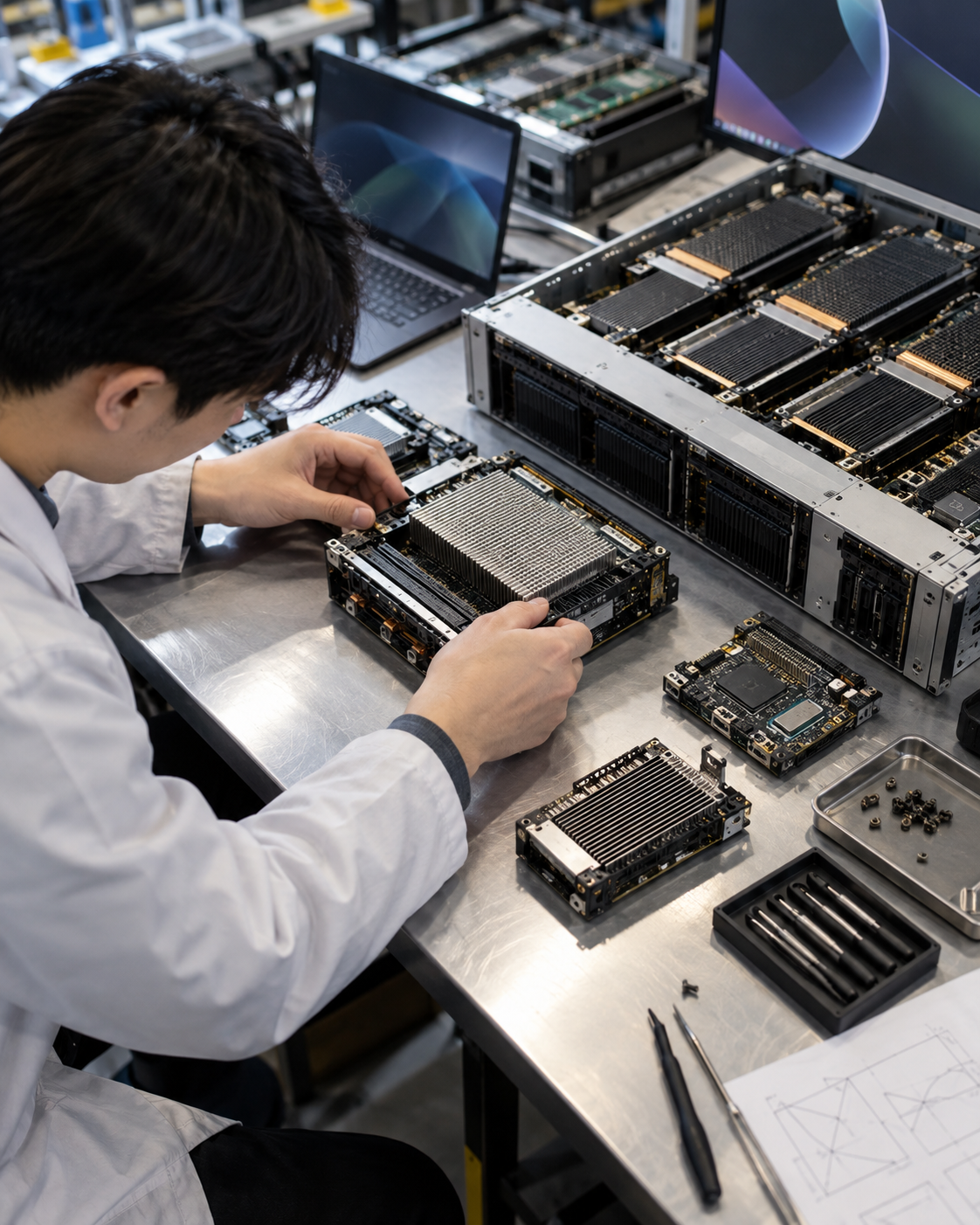
NVIDIA and Oracle have announced plans to add HGX Rubin NVL8 systems in the future. This is a follow-up product plan that should be distinguished from the current general availability of Vera Rubin NVL72. Different device configurations can be viewed in the direction of satisfying different needs depending on the model size, usage, and deployment.
With more equipment choices in cloud services, users don't have to run every model on the largest cluster. On the other hand, unifying software environments and operating policies is more important as it supports multiple equipment types. The timing and price of the new system need to be verified separately later.
| Oracle's Network and Own Technology

Oracle also plans to leverage its Acceleron network technology for some AI infrastructures. When you bundle AI servers at scale, the network directly affects throughput and cost. Even if you add GPUs and CPUs, if you're moving data slowly, you won't be able to take full advantage of expensive equipment.
The combination of its own network and NVIDIA technology means that Oracle is trying to differentiate itself at the operational level of cloud systems. However, it cannot be interpreted that the same configuration is used for all new clusters. The technical implications vary depending on which data centers and products actually apply to them.
| Expanding AI Cloud Supply Competition

Cloud operators need as much power, cooling, site, and operational resources as they need to get the latest GPUs. Oracle's number GW plan shows an aggressive expansion direction to respond to AI demand. At the same time, the larger the investment, the greater the burden of actual customer usage and profit.
Enterprise customers have more room to compare accelerator performance, security needs, and data movement costs across multiple clouds. But it's not the same as being able to easily lease resources and reserve enough capacity at any given time. As supply competition intensifies, it will be important to check the actual supply by region and the terms of the contract.
| Separation of operation status and expansion plan

The confirmation of this announcement is that Vera Rubin NVL72 and Vera CPU will be officially available in general at OCI. We plan to expand the number of GWs and introduce HGX Rubin NVL8 in the future. If you confuse the two levels, you can overestimate the actual supply capacity.
What we need to look at in the future is the supply of instances by region, customer cases, the measurement performance of the new system, and the progress in securing the power and facilities required for expansion. When a company evaluates the AI cloud, the real value of this announcement must be determined not only by the GPU name but also by when it can be introduced and the overall operating cost.
It's also important how cloud customers actually use resources. Costs and availability may vary for customers who borrow by the hour and those who reserve capacity for a longer period of time. The security and regulatory conditions also vary depending on the storage area of the data used by the AI model. Supplying the latest GPUs does not solve the problem of introducing all enterprises. Going forward, we'll need to check not only the model computation performance, but also the cost of moving data, the availability of services by region, and the reservation conditions. In the end, the key is the process of connecting the expansion goal of GW to the actual supply capacity that customers can utilize.
References
NVIDIA Announces Expanded Oracle Vera Rubin Cooperation