Published time: Oct 28, 2026 01:01 GMT
Google and Oracle Google's own AI accelerator TPU will also be offered in Oracle Cloud Infrastructure. This will be the first time that a large cloud provider outside of Google will supply Google TPUs. The actual service is planned to start in 2027, so it doesn't mean you can use TPUs in Oracle right now.
An important change in the AI semiconductor competition is that the boundary between chip makers and cloud operators is becoming flexible. This cooperation shows a change in the distribution method of providing AI accelerators used in its services to other cloud customers.
| First expansion to external large cloud
Oracle has announced that it will be the first hyperscale cloud to offer TPUs outside of Google. Hyperscale clouds are operators that provide large data center resources to their customers. It is significant in that it broadens the semiconductor options that were tied to the cloud directly operated by Google into the services of external operators.
Of course, this doesn't mean that all of Google's TPU technology and software will be migrated to Oracle. What was announced was a cooperative structure in which the TPU is provided by OCI. The type of chips available, the software environment, and the amount of resources by region need to be checked in more detail during the actual launch phase.
| Supply starts and organ expansion in 2027
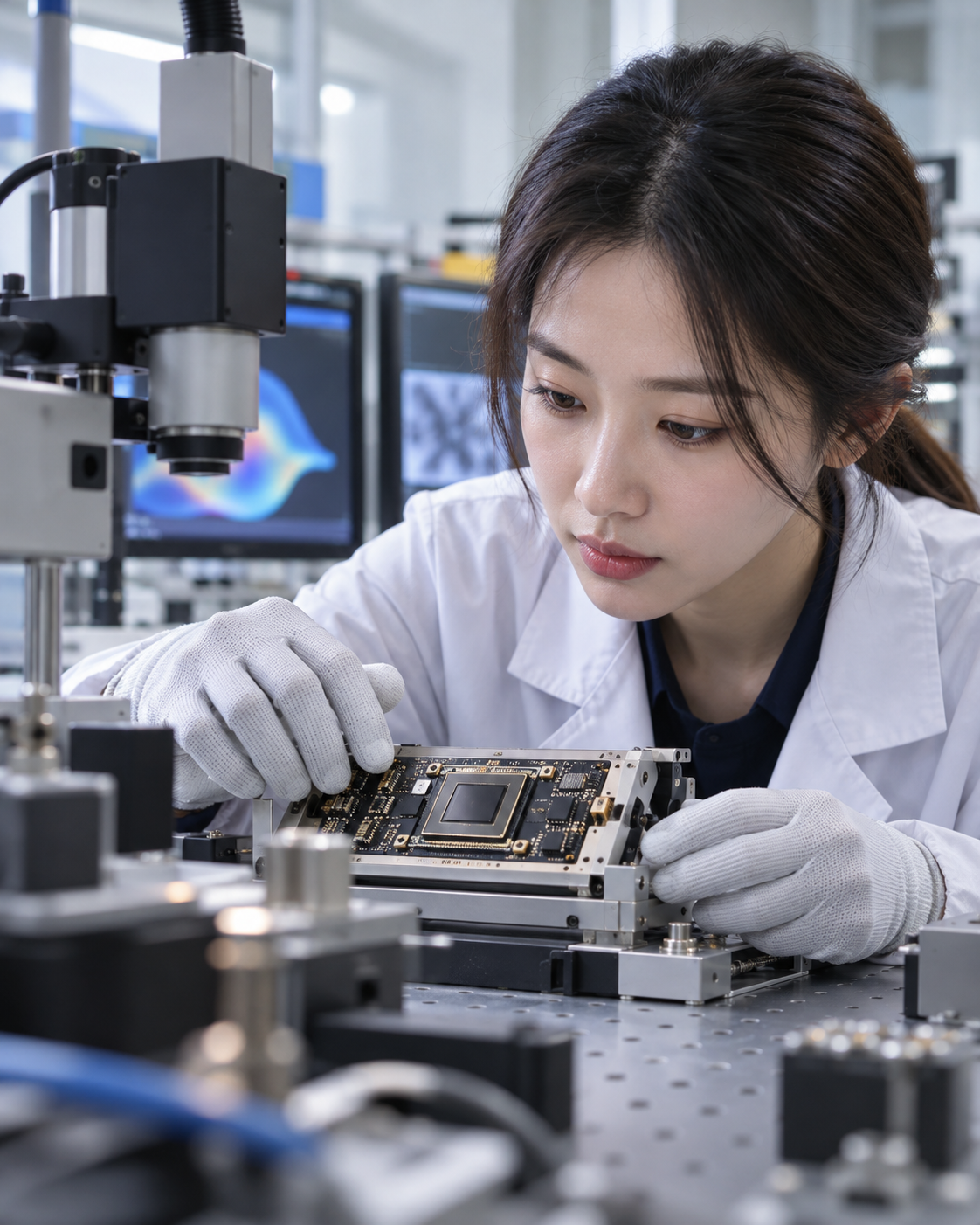
The two companies plan to offer Google TPUs to Oracle customers starting in 2027 and increase their supply over the next several years. Oracle is responsible for the infrastructure needed to operate the actual equipment, including power and cooling, and data center networking. Google can be described as a structure that provides AI accelerator technology.
The service that the customer can use right at the time of the announcement and the plan to provide it in the future are strictly different. Because there is still a process of installing new servers in the data center and validating software and operational policies. Therefore, it is accurate to understand this incident as' formalizing the external cloud supply plan 'rather than' starting TPU sales. '
| TPU 8t for learning and TPU 8i for reasoning
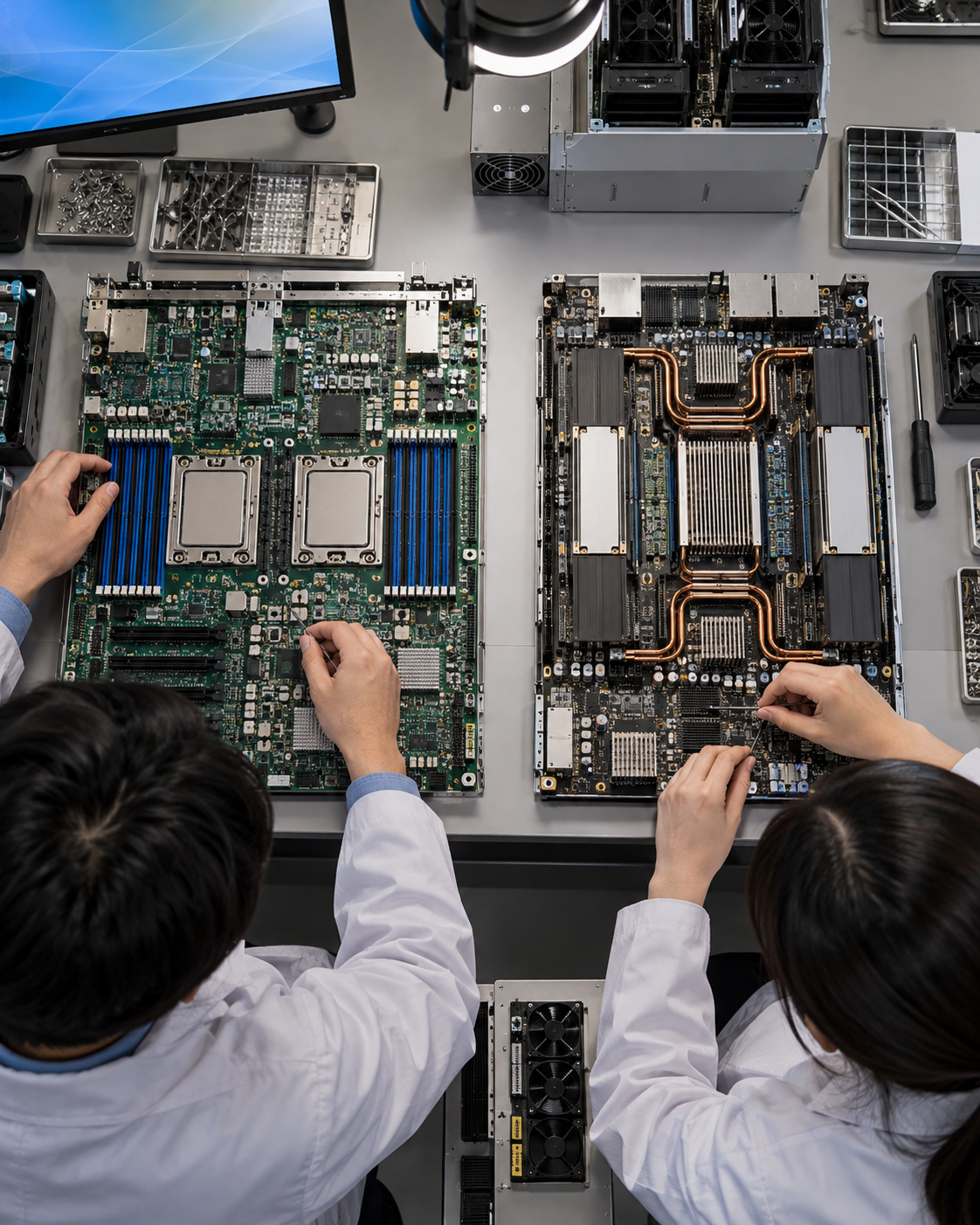
Google's 8th generation TPUs include 8t and 8i for different purposes. 8t focuses on large-scale AI model learning, and 8i focuses on inference and repetitive agent work that handles actual requests. This distinction is important because the process of creating the model and the process of operating the actual service differ in the computational resources and cost structure required.
Google also suggested the possibility of improving performance and shortening development time compared to the previous generation of 8t. However, these are company-side descriptions and are not figures that guarantee the same performance on all models from real users. The customer has to choose based on the throughput, latency, and cost of his model.
| Why TPU is a different option than GPU

TPU is a dedicated accelerator designed by Google for machine learning computation. Like the GPU, it performs AI calculations, but there are differences in how software tools and computational optimization are optimized. The actual operational performance can vary depending on which hardware is optimized for the model and framework the customer is already using.
If you simply compare the theoretical calculation performance of the chips, it is easy to miss the actual acquisition cost. It should also include engineer work to move and validate the model, compiler support, fault response, and long-term maintenance. The addition of TPUs to Oracle extends customer choice, not a declaration that they will replace GPUs for all workloads.
| Configure Oracle's multiple AI accelerators

Oracle also announced plans to offer Google TPUs separately from NVIDIA-based services. It can be seen as a strategy to gather multiple computational architectures in the same cloud. The idea is to choose the right hardware for different tasks, such as training large models, general inference, and running agents.
The customer has the advantage of comparing multiple suppliers, but there is also the burden of running different development environments. Even if it looks like one service in a cloud console, internal software optimization or network requirements may not be the same. We need to see if the integrated management experience is actually delivered.
| The importance of power, cooling, and networks
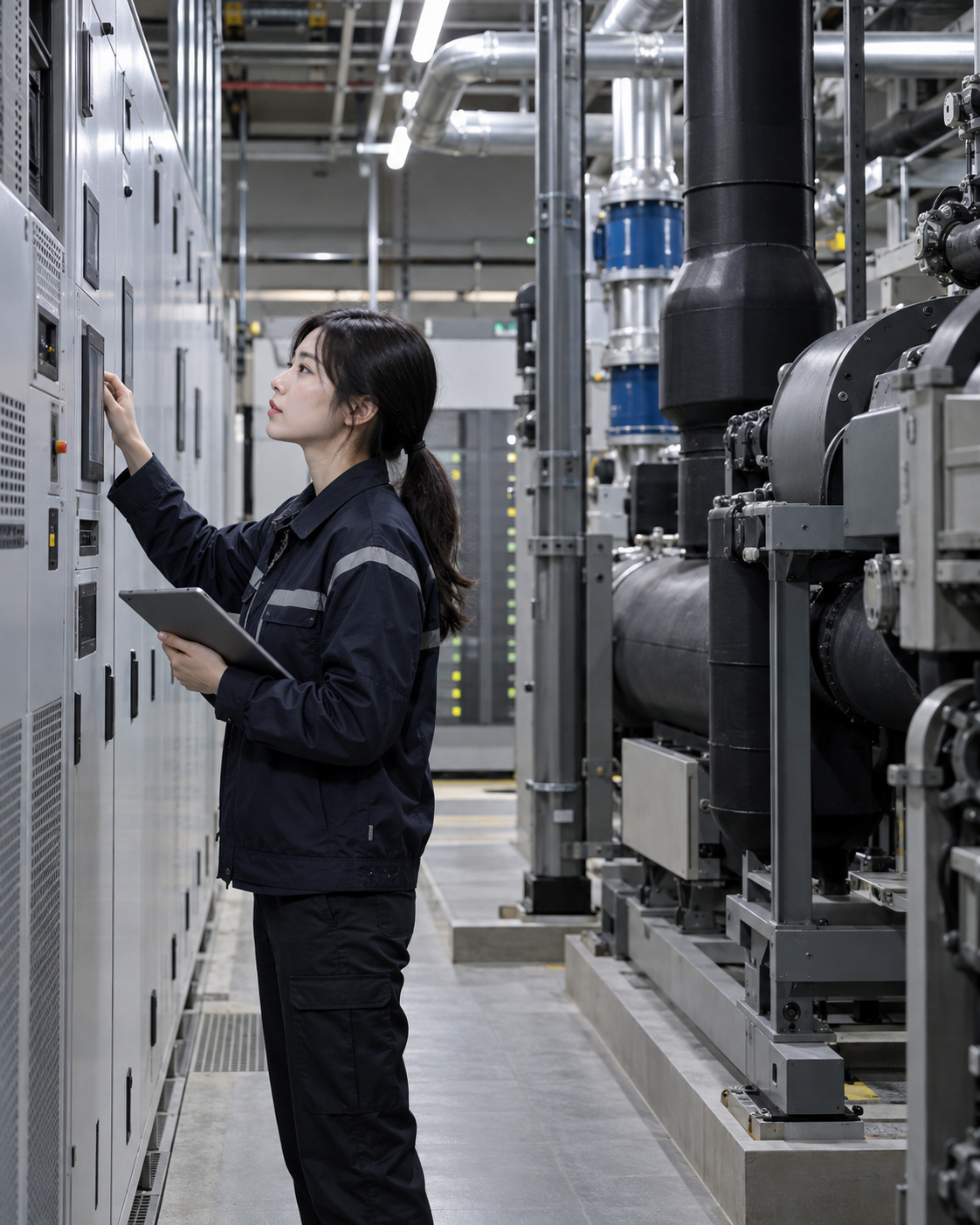
Oracle's datacenter infrastructure is not just an adjunct. High-performance AI accelerators require stable power supply and thermal management to maintain high utilization rates. When multiple chips are computed together, network communication performance also directly affects the time to complete the task.
If power contracts and cooling facilities are delayed in the process of increasing the number of equipment, the service expansion schedule may also be affected. Therefore, after the commencement of supply in 2027, it will be more important to see how much more capacity customers can actually use than announcing the introduction of the equipment.
| Google's Platform Strategy Changes
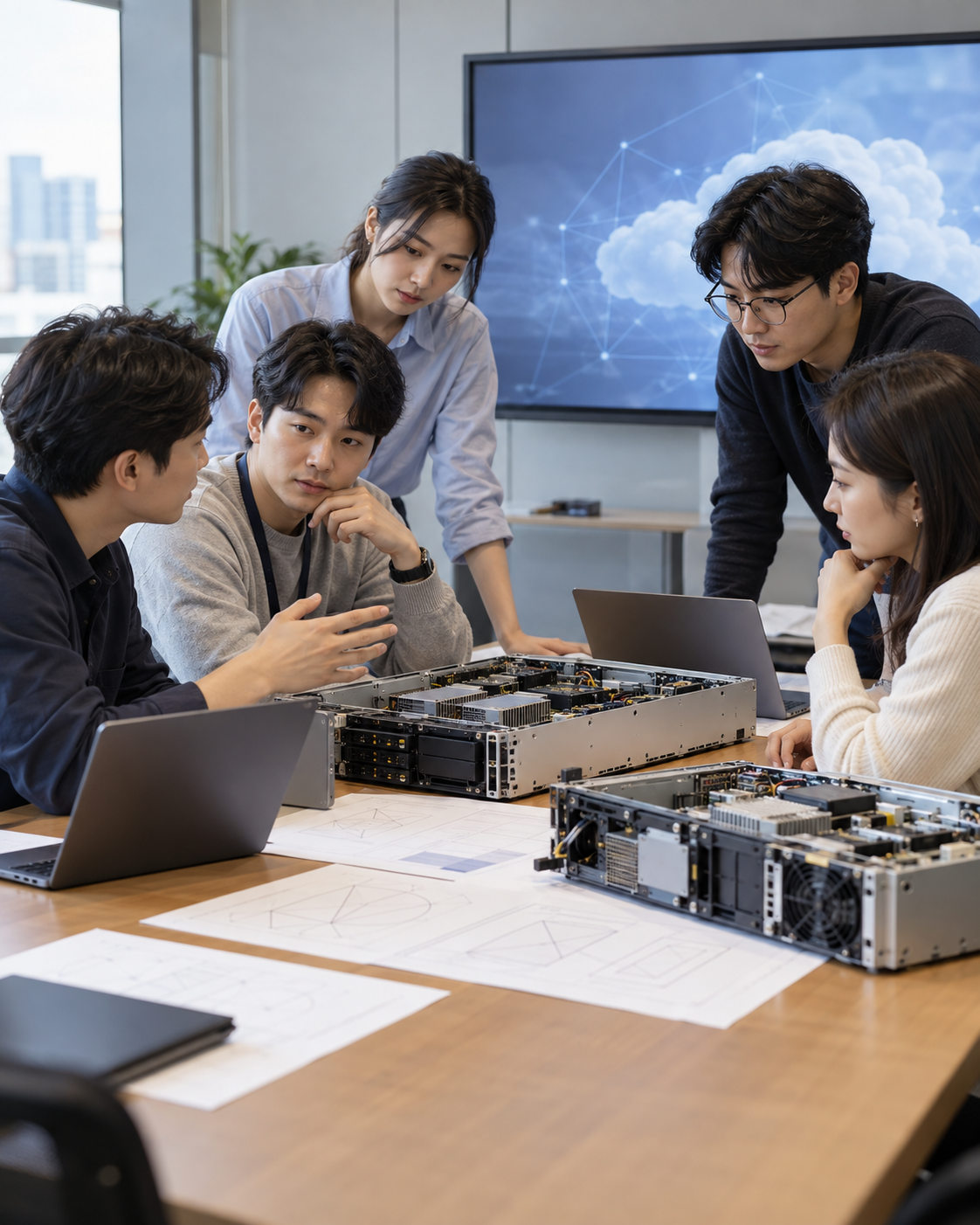
Google has developed TPUs as an axis of competitiveness in the cloud with its own AI services. This external supply decision shows the possibility of attracting more developers to the AI semiconductor ecosystem while expanding the use of technology. Oracle, on the other hand, will be able to accommodate different customer needs, even if it doesn't design all kinds of accelerators on its own.
However, this cooperation does not eliminate the competition between Google Cloud and Oracle. The two companies are still selling different services to corporate customers and working together in a mutually beneficial area of AI computing. It is reasonable to understand that competition and cooperation exist at the same time.
| Actual post-supply validation item
The announcement confirmed the cooperation plan aimed at delivering in 2027. When the actual supply starts, we need to check the compatibility of the provision area, the available capacity per TPU 8t · 8i, the usage fee, and the model development tools. In enterprise services, security regulations and where the data is located are also important purchase conditions.
The growing choice of AI accelerators is a positive change in itself. However, the point of competitiveness is when the model is actually executed and the cost and performance can be compared. The value of this contract will be verified through customer choice and operational performance after 2027.
The software ecosystem is an important variable that will determine the actual performance of this collaboration. To move an existing AI model to a TPU environment, We need to check the compatibility of the learning code and the computation library, the reproducibility of the results, and the performance difference. Being able to run the same model and being able to operate it as reliably as before is another matter. Once Oracle's TPU service is launched, we need to look at what level of development tools, monitoring, and cost estimation capabilities are available. The amount of time actual customers spend on previous tasks can be as important an evaluation criterion as the highest performance figures published by the company.
References
Oracle — Google TPU Supply Officially Announced Google Cloud — Oracle TPU Collaboration Official Blog