Opening time: October 28, 2026, 03:25 GMT
The FCC has approved Amazon Leo's deal to acquire Globalstar. The volume of the transaction is reported to be about $11.5 billion, and Amazon intends to expand its satellite Internet business using Globalstar's satellites and mobile communication frequency assets. The important thing is that we have laid the groundwork to enter the market where smartphones communicate directly with satellites rather than simply acquiring a company.
However, FCC approval and final closing of the deal are not the same thing. We need to separate the fact that we've crossed an important threshold of regulatory review from the fact that the actual transfer of assets is complete.
| Regulatory approval for $11.5 billion acquisition
The FCC announced that Amazon Leo has concluded and approved its review of the deal to acquire Globalstar. According to reports, the deal is about $11.5 billion. Unlike the acquisition contract between the companies themselves, the approval of the telecommunications regulator is a process of determining how frequency and satellite network use will affect the public interest, so it has great significance.
This decision has taken the deal one step further, but we need to check whether it's finalized or not. The actual change in company governance and service operation since the acquisition may not be the same as the regulatory approval date. Replacing 'Acceptance Approval' with 'Acquisition Completed' will misrepresent the stage of the case.
| Globalstar's Satellite and Frequency Assets

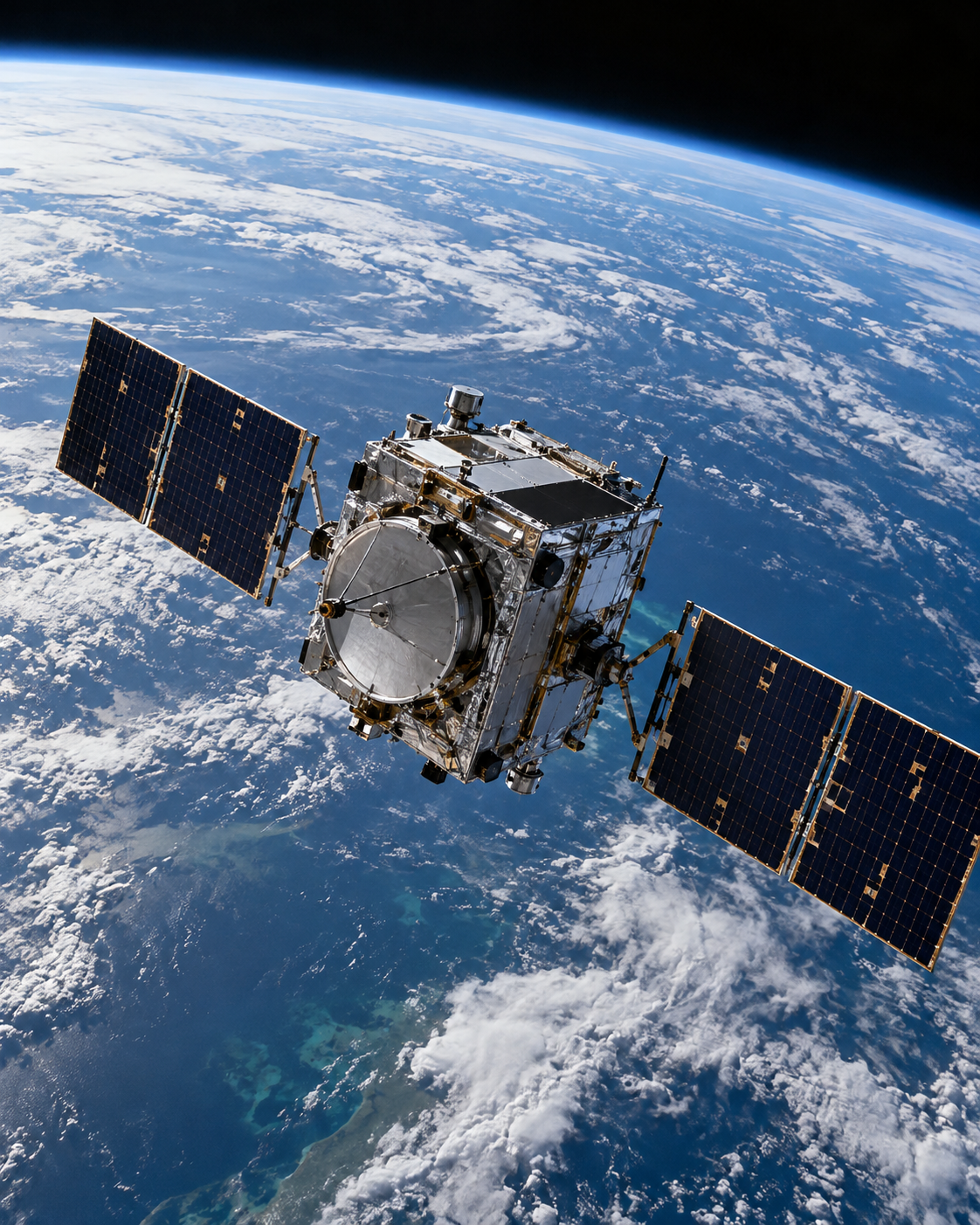
Globalstar has about 24 existing satellites and frequency assets for mobile satellites. Amazon Leo plans to expand its services by combining these assets with its own low-orbit satellite network. Frequency is as important as satellite numbers because it is a limited resource for sending and receiving signals in wireless communication.
The FCC's review included a mobile satellite communication frequency transfer of about 25 MHz. Even if you get the frequency, you have to cooperate with ground stations, terminals, network operating systems and carriers to implement the actual service. Securing the frequency does not guarantee the satellite connection of all smartphones immediately.
| Direct-to-Device Market Entry
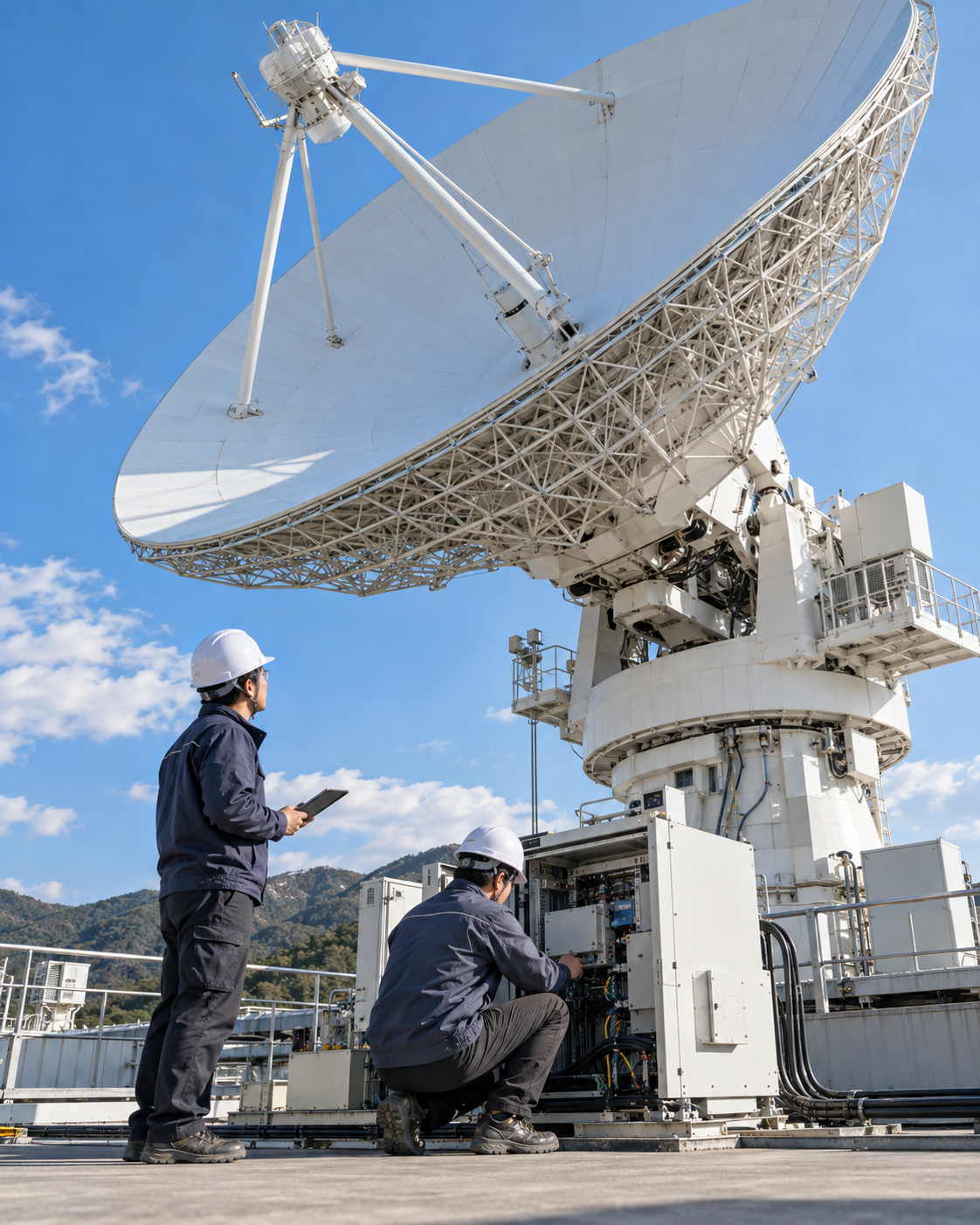
Direct-to-Device, or D2D for short, is a technology flow that allows ordinary mobile communication terminals to communicate directly with satellites. Attention is drawn to the possibility of providing messages or emergency communications in areas where ground base stations are not within reach. The reason Amazon wants to acquire Globalstar's frequency and infrastructure is also related to this service expansion.
However, emergency texting, high-speed Internet, and voice calls have different skill levels. Actual support functions vary depending on the antenna and chip of the terminal, frequency usage rights, and carrier agreement. Therefore, just because you announced your entry into the D2D business, you should not understand that general smartphone Internet service is available in all regions now.
| Competition to build low-orbit satellite network

Amazon Leo has launched hundreds of satellites since April 2025 and aims to build a low-orbit network of thousands of satellites by 2029. Low-orbit satellites communicate relatively close to Earth, which can be advantageous for lowering latency, but many satellites need to be operated closely to be able to continuously connect large areas.
Competition on satellite networks cannot be judged by launch performance alone. I need all available service areas, terminal installation costs, network maintenance, and regional regulatory permits. It's important not to confuse the announced construction goals with the number of satellites already in orbit.
| Relationship with Apple Satellite Services
Globalstar has provided a communications foundation for satellite-based safety features such as Apple's Emergency Rescue Call. Amazon has agreed to continue its existing Apple-related services and plans to acquire Apple's stake in Globalstar during the course of the transaction, Reuters reports. This shows the challenge of integrating the new infrastructure without disrupting existing customer service.
The most important thing for consumers is that the emergency communication function that they are currently using remains stable even after the transaction. If the company to be acquired has an existing important service contract, we need to expand the new business and secure continuity at the same time. Actual service changes can be determined when official terms or communications are communicated.
| Stand out from Starlink
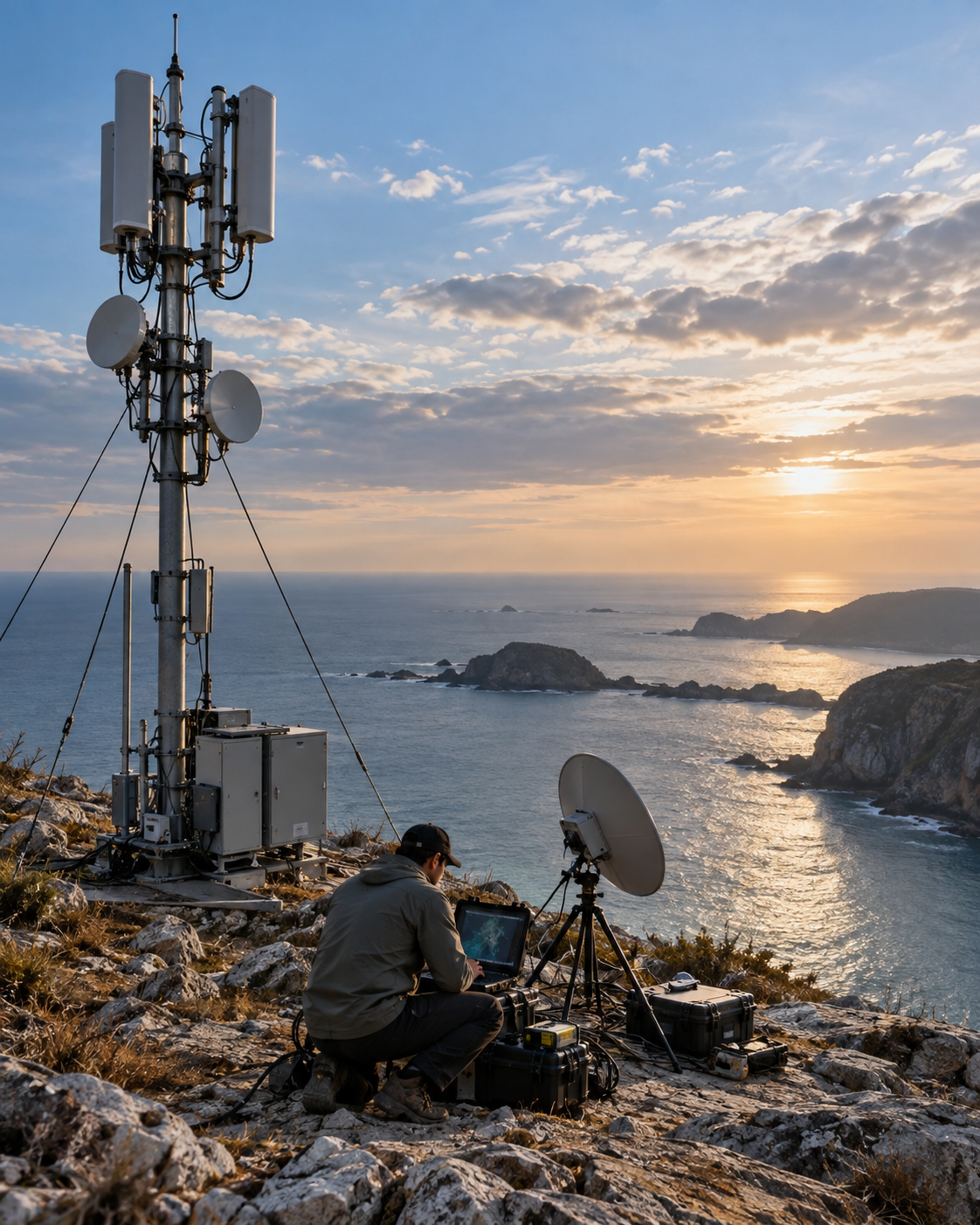
Amazon Leo needs to compete with Starlink, which has already expanded its offerings. The acquisition of Globalstar is a way to increase the resources needed for competition through securing existing satellite assets and mobile satellite frequencies. However, the type of frequency asset or the number of satellites cannot determine the end market competitiveness.
The criteria you choose include the actual coverage area, speed, rates, latency, and device compatibility. Business and government customers will also weigh resilience, security, and contract stability. In order for Amazon to compete in multiple markets, we need to connect large-scale launch plans to stable commercial services.
| Public Interest and Competition reviewed by FCC
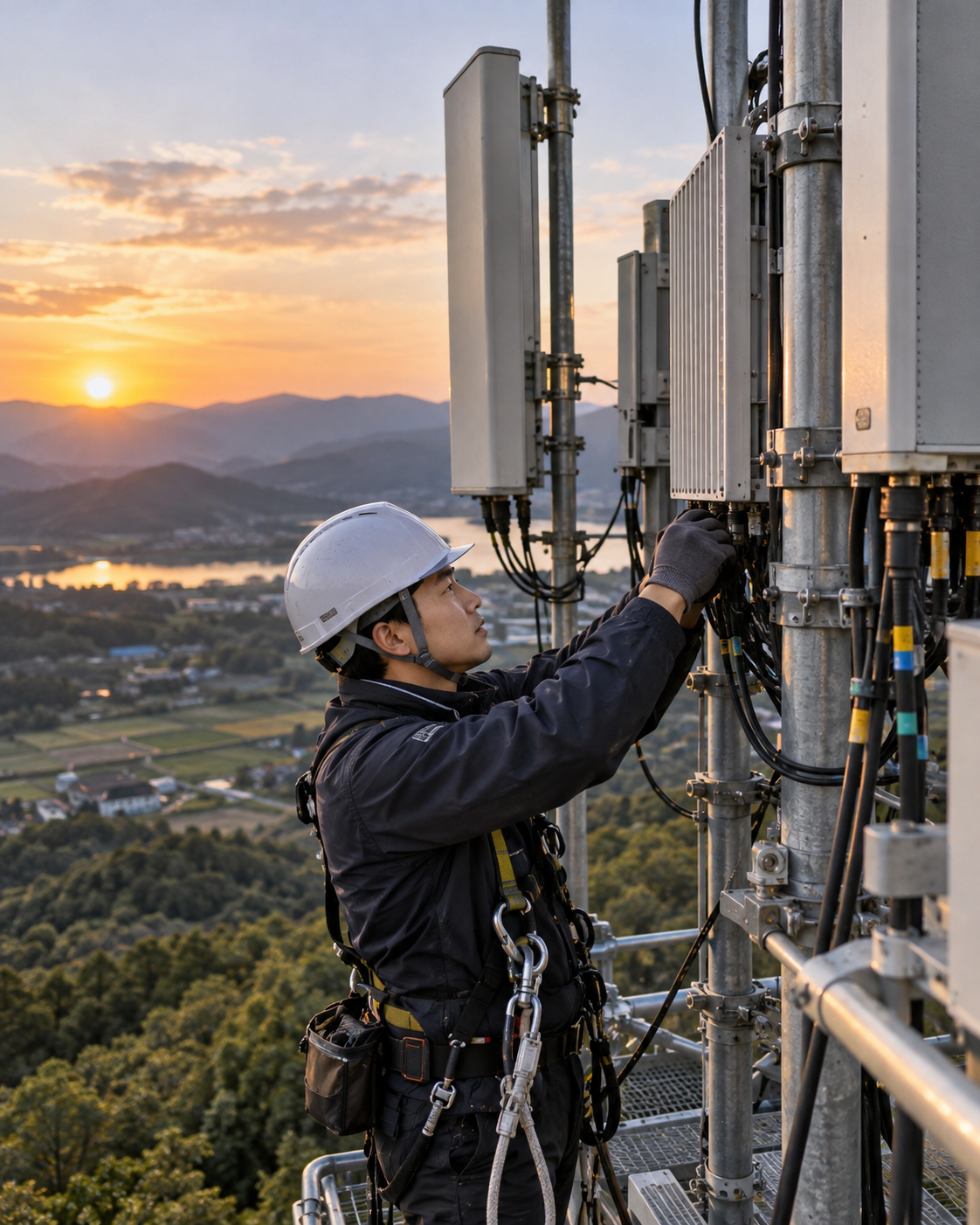
The FCC cited the possibility of improving connectivity, strengthening emergency communications, and expanding industrial data services in underserved areas as reasons for approval. When evaluating mergers and acquisitions of telecommunications infrastructure, it is considered not only the amount of transactions between companies, but also how efficiently frequencies are utilized and how user options vary.
Regulators' judgments include the prospects for market effects, so it is necessary to distinguish them from actual results. Whether the acquisition will increase competition or narrow the options for a particular service area depends on the operating strategy of the operators and subsequent regulatory conditions. The approval itself does not mean that it solved all the competition problems.
| The timeline for the closing of the transaction and the launch of the service
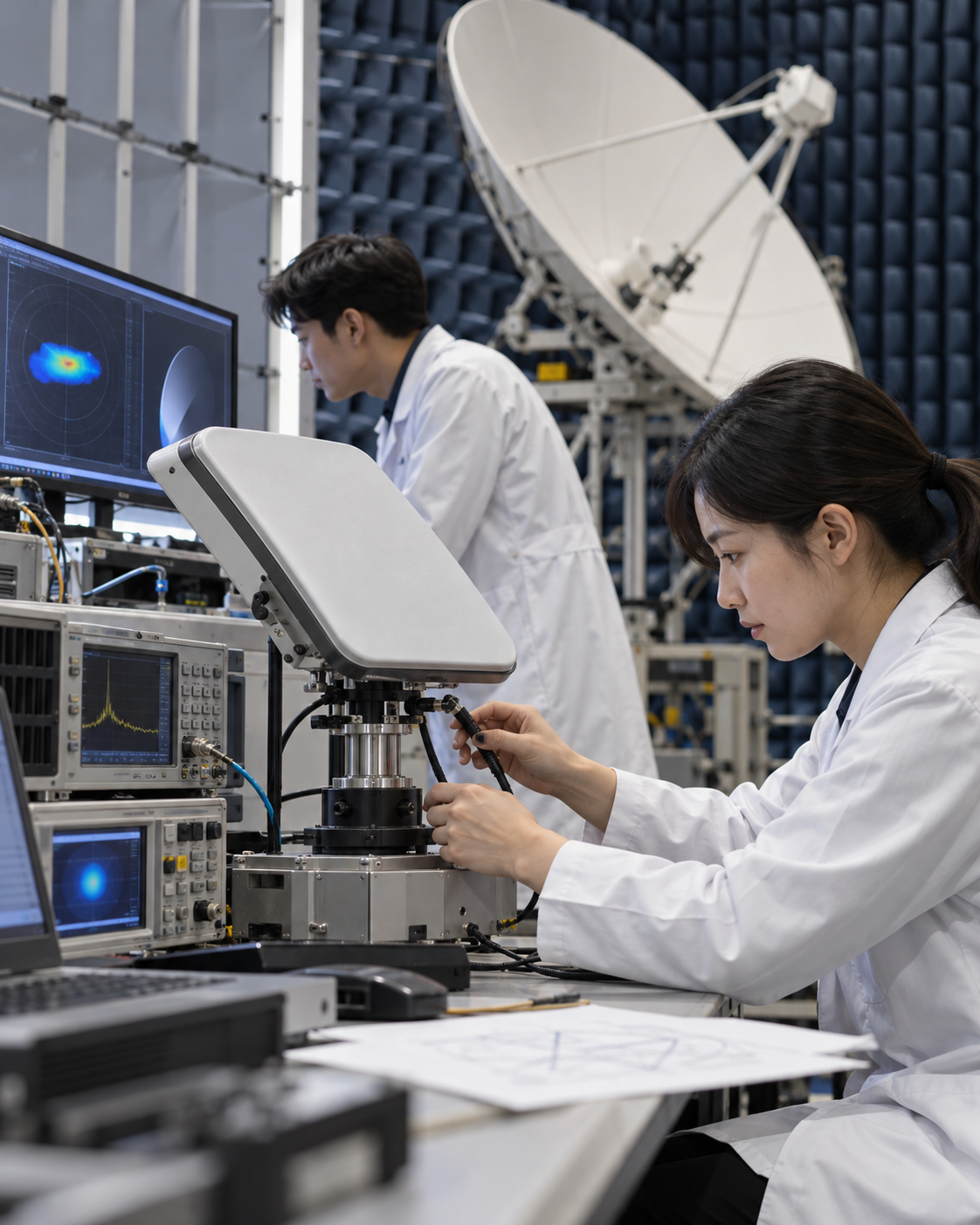
What we need to check in the future are the final closing announcement of the acquisition transaction, the consolidation plan of the Globalstar assets, and the specific target terminal and launch country of the D2D service. We also need to look at Amazon Leo's existing satellite internet service expansion schedule. Clumping different communication services into one announcement can blur the actual stage.
This FCC decision means that important regulatory barriers to Amazon's satellite communications strategy have been lowered. However, the changes that consumers will experience will appear when the actual network operation, plan announcement, and smartphone connectivity are provided. There's still some validation between regulatory approval and market performance.
In the commercialization of telecommunications services, cooperation between country-specific permits and operators is important. With the approval of the US FCC, the same frequency and service conditions are not automatically allowed in other countries. Smartphone direct connection may require technical support from device manufacturers and mobile carriers, and it is important that it works reliably even when accessed by many users at the same time in a disaster situation. This transaction is a step in securing the assets necessary for competition, not a test of the quality of consumer service. In the future, you have to look at the carrier alliance and the terminal support notice separately to see the actual progress.
References
Reuters — FCC Approves Acquisition of Amazon Leo and Globalstar Benton Institute — FCC Acquisition Approval Announcement Summary