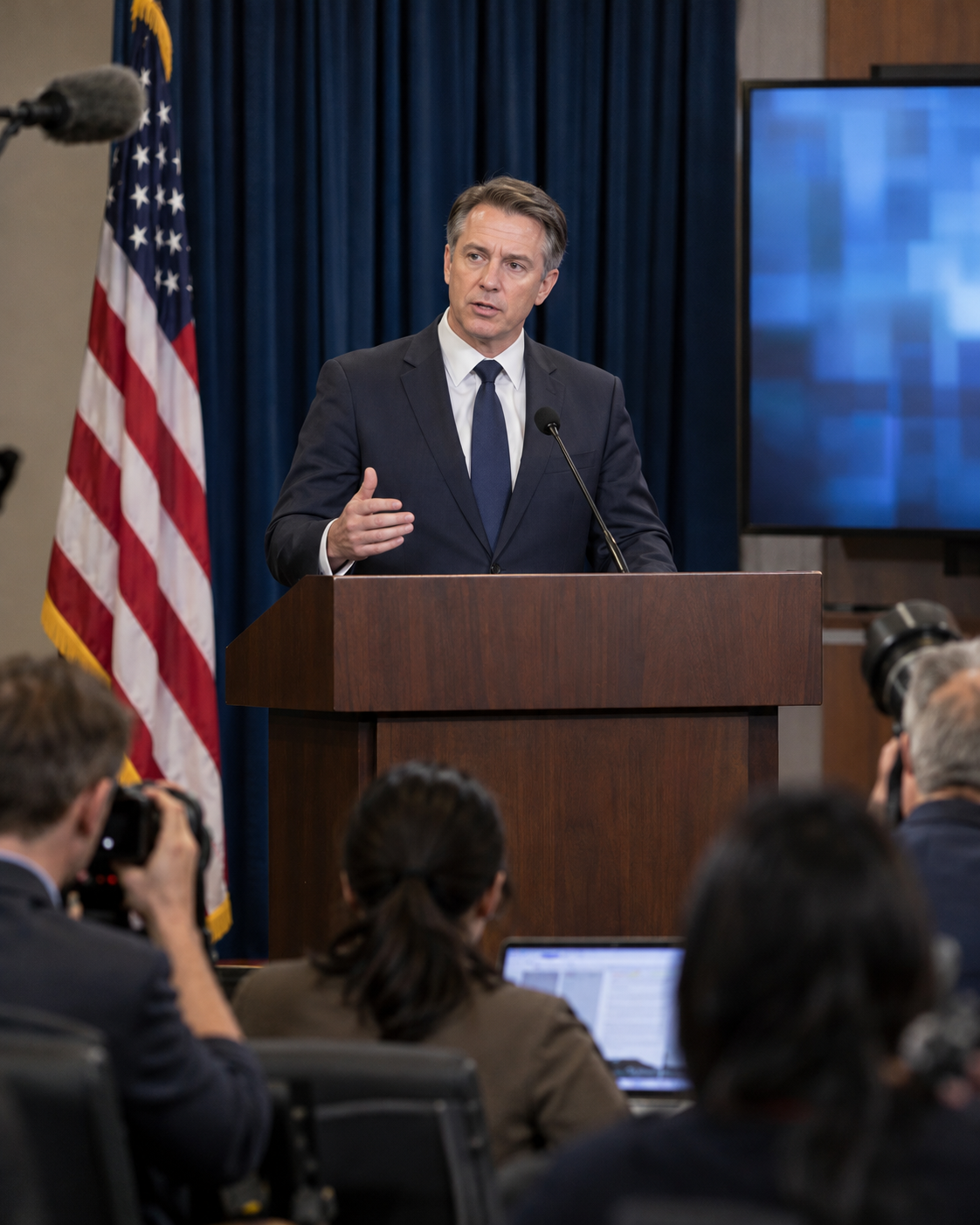
The controversy surrounding ChatGPT’s safety issues has escalated into legal action by several U.S. state governments. As of October 14, 2026 (local time), the attorneys general of eight U.S. states, including Iowa, filed separate lawsuits against OpenAI in their respective state courts. The key issues are how the company explained the product’s safety to users and to what extent it adequately mitigated the risks.
Until now, claims of harm related to AI chatbots have primarily garnered attention as cases brought by individual users and their families. What’s different this time is that a state government has filed a lawsuit directly, citing consumer protection laws. This means that, regardless of the technology’s usefulness, the government intends to examine product promotion, the protection of minors, and companies’ duty of care.
But for now, this is just the beginning of the lawsuit. If you confuse the arguments made by the attorneys general with the facts established by the court, you will misunderstand the case. Let's take a look, one by one, at what claims have been made and what has yet to be determined.
| Eight states filed lawsuits independently on the same day

The states that filed the lawsuit are Iowa, Kansas, Arizona, Arkansas, Idaho, Montana, Nebraska, and West Virginia. According to an official announcement from the Iowa Attorney General’s Office, the state attorneys general have filed separate lawsuits in their respective state courts. Unlike the joint statement issued by several state governments, it is significant that they have actually entered into court proceedings. However, this does not mean the cases have been consolidated into a single lawsuit in the same federal court. Each state’s Depending on the Consumer Protection Act and court procedures, the claims, scope of relief, and trial schedule may vary.
| The legal crux is consumer disclosure regarding safety

The main allegation raised by state governments is that OpenAI failed to adequately inform users of the potential risks they might face while promoting or describing ChatGPT as a safe service. Iowa alleged a violation of its state consumer fraud law. According to Reuters, some lawsuits also included claims that the company’s actions endangered public health and safety. In consumer protection cases, rather than making general assertions that a product is inherently dangerous, companies’ It is important to consider specific indications and descriptions, actual usage patterns, and how to apply relevant state laws. In court, the plaintiff must prove this connection.
| Arguments Concerning Minors and Vulnerable Users
The plaintiffs argue that the way chatbots gain users’ trust—by responding with excessive agreement or overly familiar tones—can be problematic, particularly for minors or vulnerable users. The lawsuit cited examples such as dangerous health information, responses that encourage self-harm or harm to others, and reactions that reinforce false beliefs about reality. Given the gravity of these allegations, it is crucial to examine the context of individual cases and the design of the service to determine We need to verify whether there is a causal relationship. Just because the government presented some problematic examples doesn't mean we can generalize that all ChatGPT conversations work that way.
| What measures were sought in the lawsuit?
Several states are seeking court orders requiring changes to how the service operates, as well as civil monetary penalties and damages. Reuters reported that some lawsuits also call for restrictions on the development of AI models capable of self-improvement unless they ensure sufficient alignment with human values. This does not mean the court has already banned the development of such models. It is the relief sought by the plaintiffs, and the actual scope of what is permitted is It depends on the court's ruling and the legal basis. The extent to which the scope of technical regulations may be expanded could also become a key issue in the trial.
| Civil litigation and a finding of unlawful conduct are different

The fact that has been confirmed in this case is that eight states filed a lawsuit. No final court ruling has yet determined whether ChatGPT caused specific harm, which disclosures were false, or which requirements of the Consumer Protection Act were met. The company can dispute the facts or refute the claims based on its safety measures and disclosure content. While some media outlets reported that OpenAI emphasized age-based protection features and safety measures, the actual performance and scope of these features still need to be verified separately. When writing an article, it’s more accurate to say “claimed to have violated” rather than “violated.”
| From Individual Damages Lawsuits to State Enforcement
This isn’t the first dispute involving AI services. Reuters reported that several individual plaintiffs have filed separate civil lawsuits against OpenAI, and there was a similar state lawsuit in Florida earlier. What’s new about this case is that eight other states have simultaneously taken legal action based on similar concerns. When state governments step in, they not only seek individual compensation for damages but also demand that companies change the way they describe their products and their overall business operations. The claim itself could be the central issue. At the same time, we need to look separately at what the court actually recognizes in each case.
In court, questions about the risks that chatbots can pose and how companies recognized and responded to those risks may be addressed together. Key issues may include whether there are discrepancies between product safety descriptions and evaluation records, when and where safeguards for minors were implemented, and what limitations were communicated to users. However, the mere fact that such questions are raised does not necessarily mean that specific internal documents exist or We can't assume that the company concealed the facts. We need to read the complaint, the supporting evidence, and the company's official rebuttal together to minimize misunderstandings.
| Product Design and Records Management Challenges Facing AI Companies

The lawsuit could increase pressure on generative AI companies to disclose the results of their safety verifications and any limitations when making safety claims. In particular, there may be a growing need to document which accounts and conversations the minor protection features actually apply to, how they assess risky responses, and whether the results change following feature updates. From a corporate perspective, the challenge lies in going beyond simply providing information on the terms of service to refining guidance tailored to users’ ages and circumstances, responding to warning signs, and establishing external verification procedures. However, no specific obligations have been newly established, and this aspect We need to see how the court ruling and additional regulations play out.
There is also a possibility that court rulings may vary from state to state. This is because, even if the lawsuits deal with similar issues, the elements required under the state consumer protection law and the evidence submitted to each court are not the same. We need to be careful not to treat a ruling from a single case as a uniform rule that applies directly to the entire United States.
| Questions to be addressed in the upcoming trial

First, we need to examine what specific cases are included in the complaints and evidence submitted by each state, and how the court interprets the scope of application of the Consumer Protection Act. OpenAI’s official response, the actual changes made to safety measures, and whether a temporary injunction or settlement is reached will all be important developments to watch. This case is significant in that AI safety issues have moved beyond ethical debates to become a legal dispute surrounding explanations provided to consumers and product operations. However, the filing of a lawsuit does not constitute a ruling; the most important criterion for interpreting the case is to distinguish between the plaintiffs’ claims and the verified technical facts.
Tags
#OpenAI #ChatGPT #8 U.S. States #AI Safety #Consumer Protection Act #Protection of Minors #AI Regulation #AI Litigation #ChatbotSafety #Industrial Policy #AI Governance