On the manufacturing floor, AI is less of a tool for answering questions and more of a technology for detecting defective products, predicting equipment failures in advance, and adjusting complex operating conditions. Rather than providing eye-catching answers, it helps factories operate more quickly and reliably.
These changes were reflected in concrete figures in the results of the manufacturing AI transformation—known as M.AX—released by the Ministry of Trade, Industry and Energy on August 4.
To date, the government has supported approximately 170 businesses through the AI Factory Pioneer Project. After reviewing 42 of these businesses—which started their operations relatively early and have already shown results—it was found that, It was confirmed that productivity increased by an average of 30.1% and the defect rate decreased by an average of 15.5%.Okay.
Electric Vehicle Battery Quality Inspection Time Reduced by 90%; Shipbuilding Welding Process Productivity Increased by 50%like Case Studies by Industry...was also released.
So what exactly is the “AI factory” that the Ministry of Trade, Industry and Energy refers to, and to what extent do these figures reflect the changes taking place in South Korea’s manufacturing sector?
| First, we need to distinguish between the 170 locations and the 42 locations
The first thing to check in this announcement is the scope of the performance metrics.
|
Category |
Information released by the Ministry of Trade, Industry and Energy |
Points to Keep in Mind When Reading |
|
Scope of Support |
Approximately 170 business locations |
This does not mean that the setup of all business locations is complete. |
|
Entities Subject to Performance Review |
42 work sites where work began early |
This is not the average of all 170 or so locations |
|
Average Productivity |
Up 30.1% |
These figures represent a composite of performance data from various industries and processes. |
|
Average Defect Rate |
15.5% decrease |
It was not announced as a 15.5 percentage point decrease |
|
Goals for 2030 |
500 AI Factories and 25 AX Demonstration Industrial Parks |
This is not about current results, but rather future policy goals. |
In other words, it would be inaccurate to interpret this as meaning that productivity at all 170 or so domestic factories that have adopted AI has increased by 30.1%. You must also take into account the caveat that this finding is based on an assessment of the 42 factories where results have begun to materialize.
Still, It is clear that AI in manufacturing has moved beyond mere pilot projects and has begun to transform the time and quality of actual production processes.Show me.
| Here's how an AI factory differs from a data center
AI FactoryThat expression is used in two different ways these days.
When companies like NVIDIA refer to an "AI factory," they are often referring to a computing infrastructure that combines large-scale GPUs with power, cooling, and networking to train AI models and generate inference results.
On the other hand, the “AI factory” referred to in this Ministry of Trade, Industry and Energy initiative is A concept that involves applying AI models, robots, sensors, and inspection equipment to actual manufacturing plants to make production processes smarterWow.
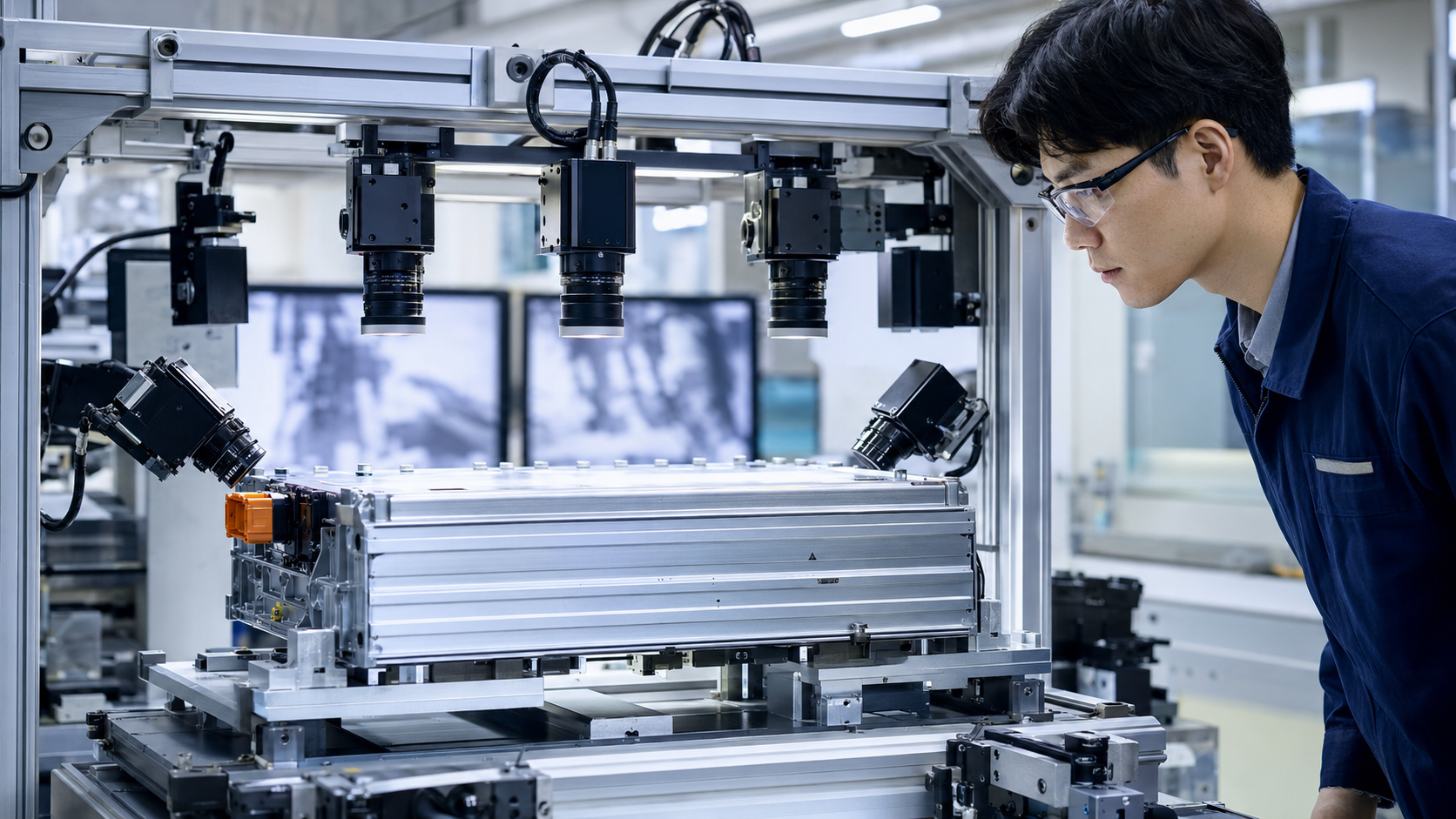
It's a system where cameras detect minute defects in products, sensor data is used to predict equipment failures, and AI adjusts working conditions or controls the movements of robots.
While traditional automation was strong at repeating predetermined commands, AI factories differ in that they analyze data continuously coming in from the shop floor and even assist with decision-making.
M.AX, which is used by the Ministry of Trade, Industry and Energy, also Manufacturing AI TransformationIt's an abbreviation. It signifies a commitment to transforming the entire manufacturing industry—from production planning and quality control to inventory, supply chains, and product development—rather than simply installing AI on a single piece of equipment.
| Inspection time is reduced, and defects that were previously missed are detected more quickly
Of the examples released this time, the easiest to understand is quality inspection.
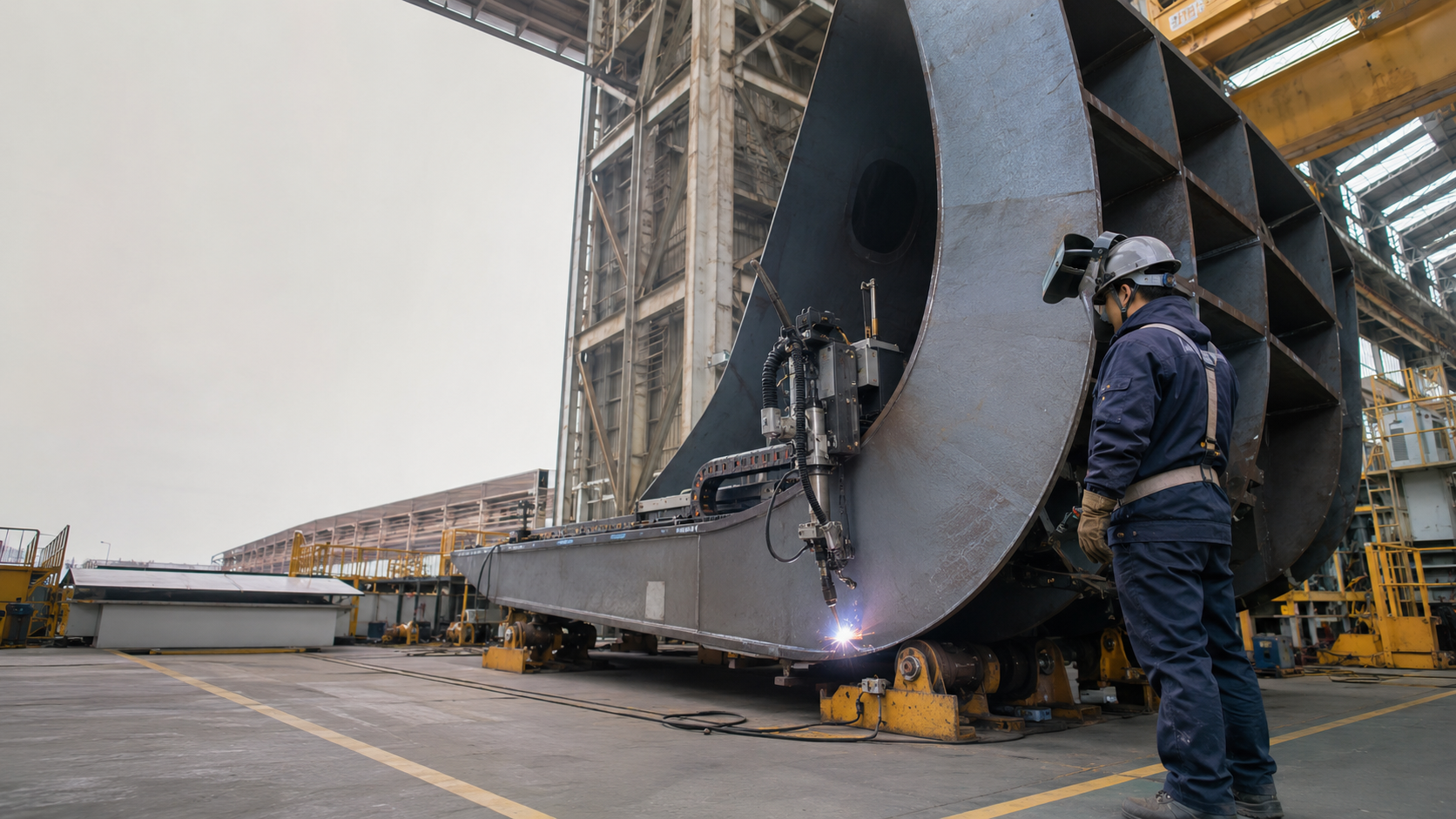
Asan Sungwoo Hi-Tech, an automotive parts company, is Unmanned Autonomous Manufacturing System for Electric Vehicle BatteriesBy implementing this, we reduced quality inspection time by 90%. Assuming, for simplicity's sake, that the previous inspection took 10 minutes, this change means we can now complete the same scope of inspection in about 1 minute.
Shinhan Diamondis used to inspect CMP discs used in semiconductor wafer polishing AI Automated Inspection SystemBy implementing this, we reduced inspection time by 33%. ENK also used AI vision inspection to cut inspection time for high-pressure cylinders used in shipbuilding and for specialty gases by 22%.
Inspection on the manufacturing floor requires repeating the same process countless times, and even the smallest defect cannot be overlooked. By using cameras in conjunction with AI vision models, images that used to be checked manually one by one can be quickly classified, and areas suspected of having defects can be highlighted for the operator to review first.
The key isn't simply reducing the number of inspectors. Faster inspection speeds can minimize downtime in the production flow, and the accumulated defect data can be used to improve subsequent processes.
| Productivity has also increased in semiconductor equipment manufacturing and shipbuilding welding.
The impact of AI wasn't limited to the inspection process.
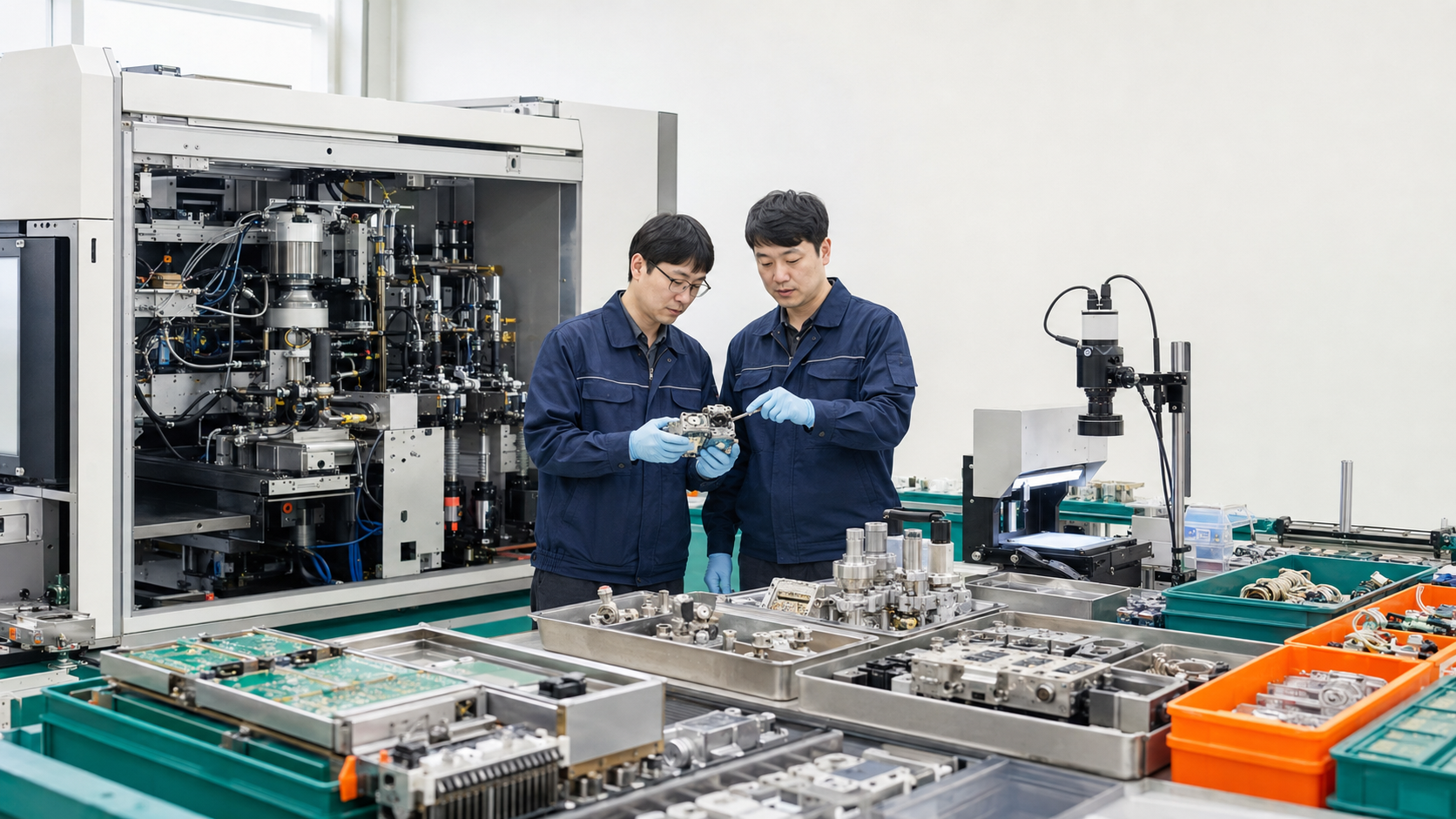
Surplus Global uses Applying AI to the recycling process of dismantling semiconductor equipment and sorting and recovering componentsIt increased productivity by 66.7%. This is an example of how AI was used to more quickly determine which parts could be recovered in complex operations where the structure and condition of each piece of equipment vary.
In the shipbuilding sector, HD Hyundai Samho is Introducing AI-based autonomous welding and inspection solutions into Rudder Trunk’s welding and production processesIt increased productivity by 50%. The rudder trunk is a key structural component that supports the shaft connecting the ship's steering gear to the rudder. AI has been integrated into this process, which involves challenging working conditions and requires strict quality control.
Hwasin inspects the condition of its battery case production equipment in advance Predictive Maintenance SystemBy implementing this, we reduced the product defect rate by 20%. Rather than waiting for equipment to completely break down before shutting it down, this approach analyzes data such as vibration and temperature to detect signs of trouble early on.
Based on these examples, the role of AI in manufacturing can be broadly divided into three categories.
AI Vision Inspection for Detecting Defects with a Camera
Predictive Maintenance: Analyzing Equipment Data to Predict Failures
Autonomous Control for Adjusting Process Conditions and Robot Movements
It may seem to have a narrower range of functions than AI that converses freely like a chatbot. However, because its goals are clear and results can be directly measured in terms of time, defect rates, and output, it’s relatively easy to verify the return on investment on the factory floor.
| Why AI Results in Manufacturing Are So Easily Quantifiable
The manufacturing process is The same task is repeatedand, compared to standard products, The criteria for defective products are relatively clearYeah. Data is also constantly being generated by sensors and testing equipment.
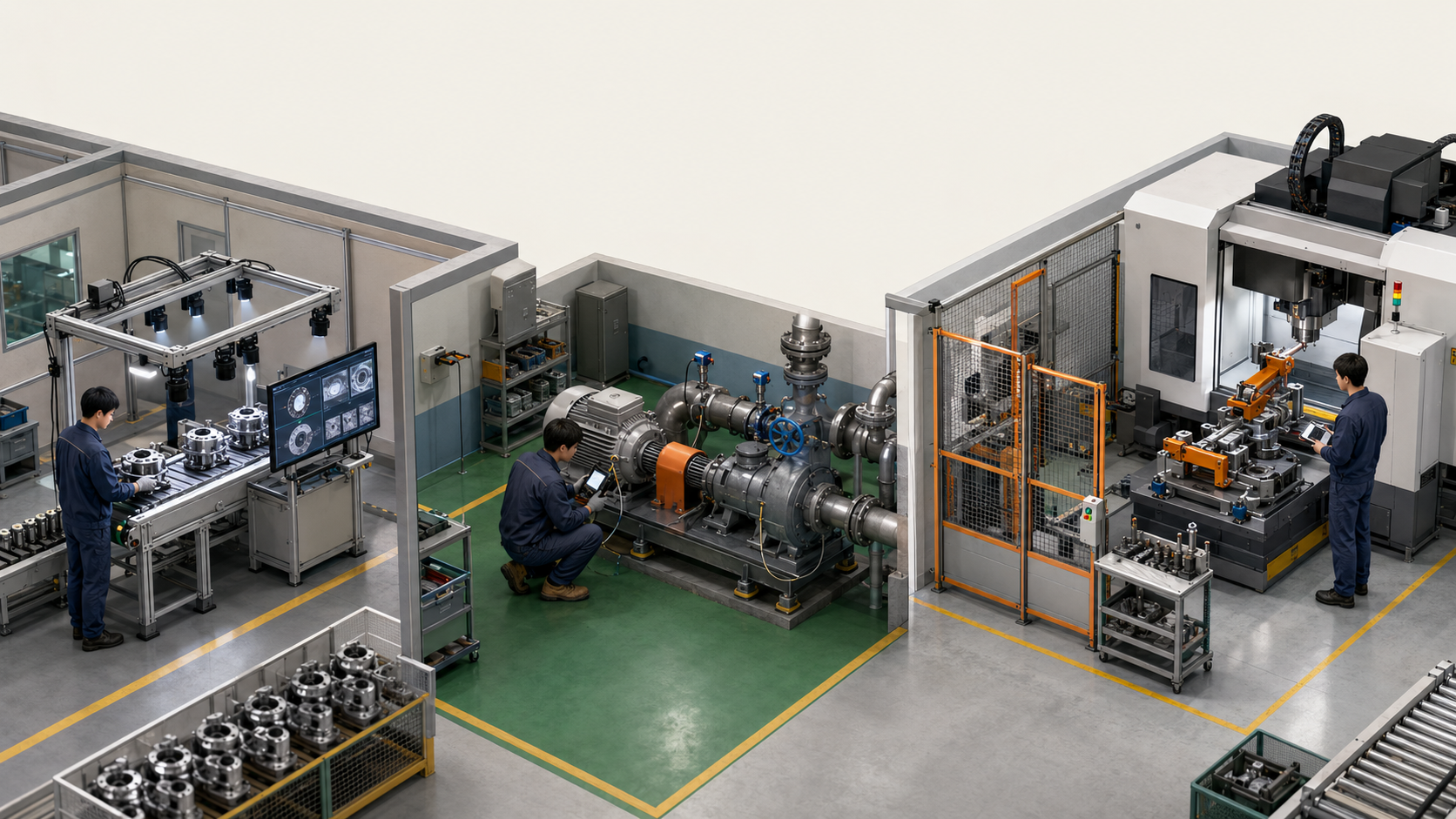
In this kind of environment, the problems AI needs to solve are specific—such as reducing inspection time, identifying specific defects, or detecting anomalies before equipment stops. Since it’s possible to compare work hours and production volume before and after implementation, it’s easy to quantify the results.
In manufacturing, even small improvements can have a significant cumulative effect. Even a change that reduces the inspection time for a single product by just a few seconds can make a big difference in overall production time and costs when thousands of units are produced each day. Detecting defective products before they move on to the next process also helps reduce rework and waste of raw materials.
However, simply installing an AI model won’t automatically produce these results. You also need accurate sensors and cameras, organized manufacturing data, a system to connect to existing equipment, and on-site experts to verify the results.
Ultimately, what matters most in a factory isn't the largest AI model, but rather how accurately and reliably it can improve a specific process.
| It is difficult to assume that the same effect will be observed at all factories
While these figures are significant, it is still difficult to generalize them as representative of the overall performance of the Korean manufacturing sector.
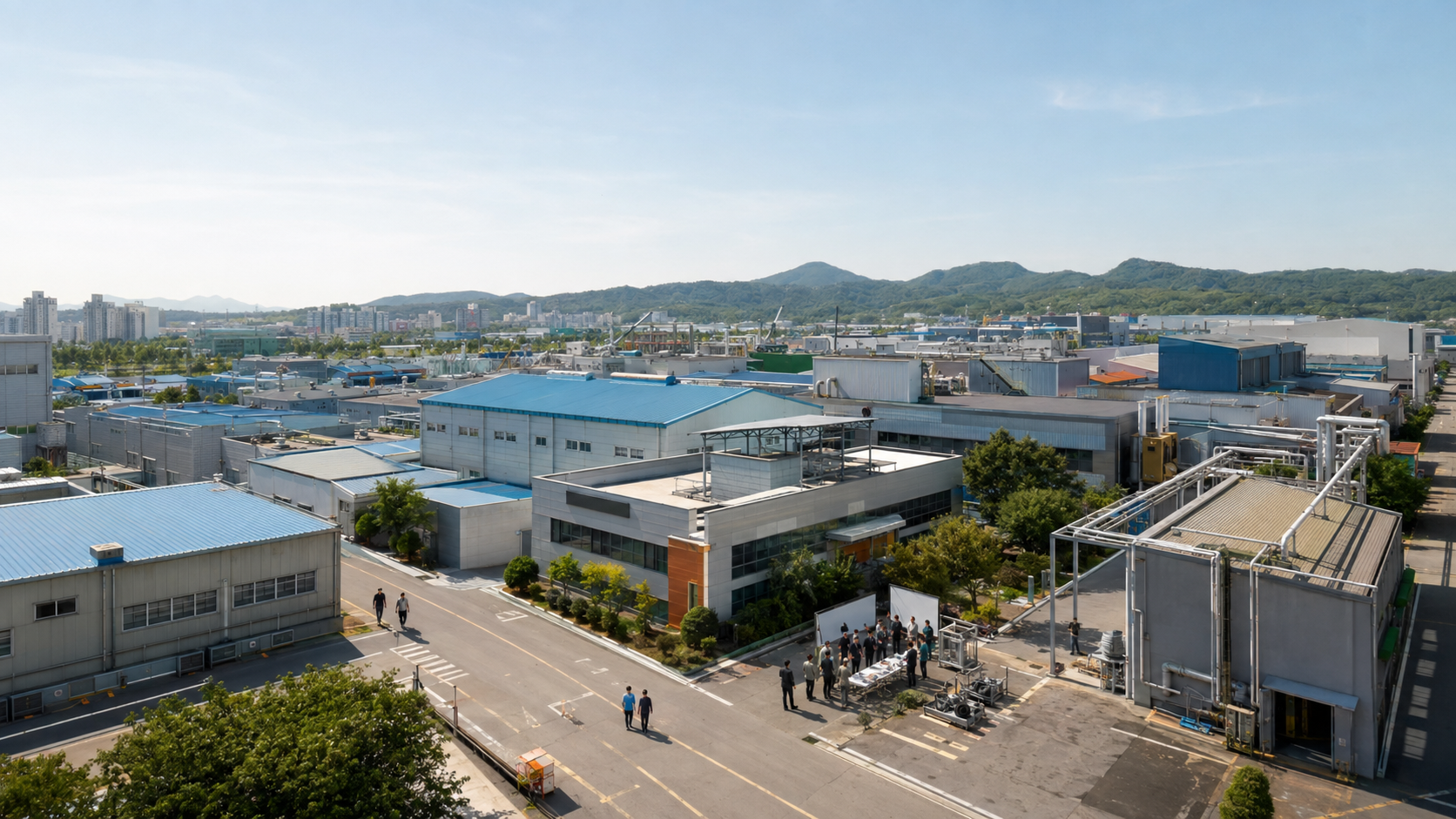
First of all, the sites selected for inspection aren’t 42 randomly chosen locations, but rather those that started operations relatively early and have already shown results. We need to consider the possibility that success stories were included first.
The official announcement did not provide detailed information on investment and operating costs by facility, the performance measurement period, or the specific method used to calculate the average. Even if productivity increases by 30%, the economic benefits perceived by companies could differ if the costs of implementation and maintenance are higher.
It’s also important to consider how operators intervene when AI makes an error, whether accuracy is maintained even when new products or equipment are introduced, and how manufacturing data and plant operation information are protected. Small and medium-sized enterprises, in particular, may find it difficult to hire separate data specialists and maintenance personnel.
Therefore, this announcement is “If we implement AI in all factories, productivity will increase by 30 percent.”Rather than a guarantee, this is closer to preliminary evidence suggesting that significant improvements are already possible in manufacturing processes that meet the right conditions.
From now on To more accurately assess the actual competitiveness of AI factories, the completion rates, long-term performance, and return on investment for all 170 or so sites that received support must be disclosed.I'm sure I can do it.
| Which processes should AI be implemented in first for maximum effectiveness?
For AI Factory, it’s more realistic to start with processes where it’s easier to measure results rather than trying to transform the entire factory at once.
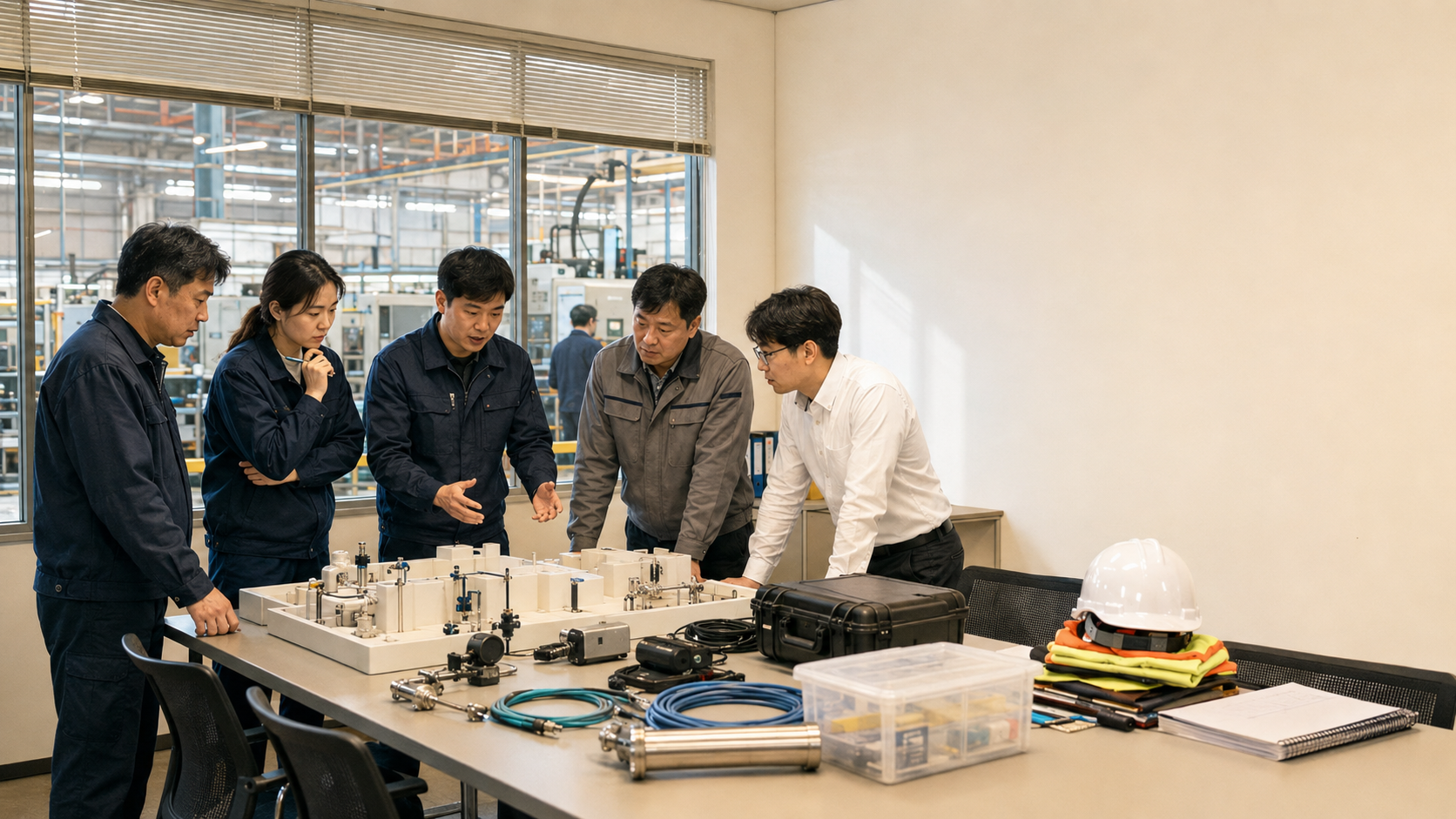
The following scenarios are relatively well-suited for clearly defining the purpose of implementation.
A process in which a person repeatedly performs the same quality inspection
A process where even a single small defect results in significant costs
A process where a sudden equipment shutdown would cause significant production disruptions
A process that relies too heavily on the judgment of skilled workers
A process for which sufficient sensor data and work records have already been accumulated
Conversely, sites with very little data or where products and working conditions vary significantly from one instance to the next may require more time for AI training and validation. If AI is adopted simply because it’s trendy without first accurately identifying the site’s specific problems, there’s a risk of being left with nothing but expensive equipment and software.
In this case as well, the areas where the impact was greatest were “Shorter inspection times,” “Lower defect rates,” “Improved productivity”The goal was specific, just like that. You could say that the starting point for manufacturing AI lies not in grand, unmanned factories, but in precisely identifying a single problem to solve.
| By 2030, we will expand beyond a single factory to encompass an entire industrial complex
The Ministry of Trade, Industry and Energy plans to, by 2030, Plans are in place to establish 500 AI factories and expand the AX demonstration industrial complexes to 25Wow.
Currently, the M.AX Alliance includes approximately 1,500 participating organizations, including manufacturers, AI companies, universities, and research institutions. It also operates 11 subcommittees covering areas such as AI factories, AI semiconductors, AI robots, and AX industrial complexes.
Going forward, the company will push ahead with the development of core technologies for a “full-stack AI factory,” where AI autonomously operates the entire manufacturing process without the need for continuous human intervention. Plans also include a project to capture the tacit knowledge of master craftsmen and skilled workers as data, as well as the establishment of a national manufacturing data library to securely store and utilize data collected from various projects.
The reason why this transition at the industrial complex level is important is that it allows small and medium-sized enterprises and mid-sized companies to share AI infrastructure and specialized personnel. Since it is difficult for individual companies to establish their own data centers and AI teams, the plan is to lower the barrier to adoption by providing equipment, technology, and training collectively through regional hubs.
However, the figures of 500 and 25 are not achievements we’ve already made—they’re targets for 2030. Managing actual utilization rates and sustaining continuous improvement is even more important than simply increasing the number of facilities.
| The core of an AI factory isn't a factory without people
When you hear the term "AI factory," it's easy to immediately picture a scenario where all workers are replaced by robots.
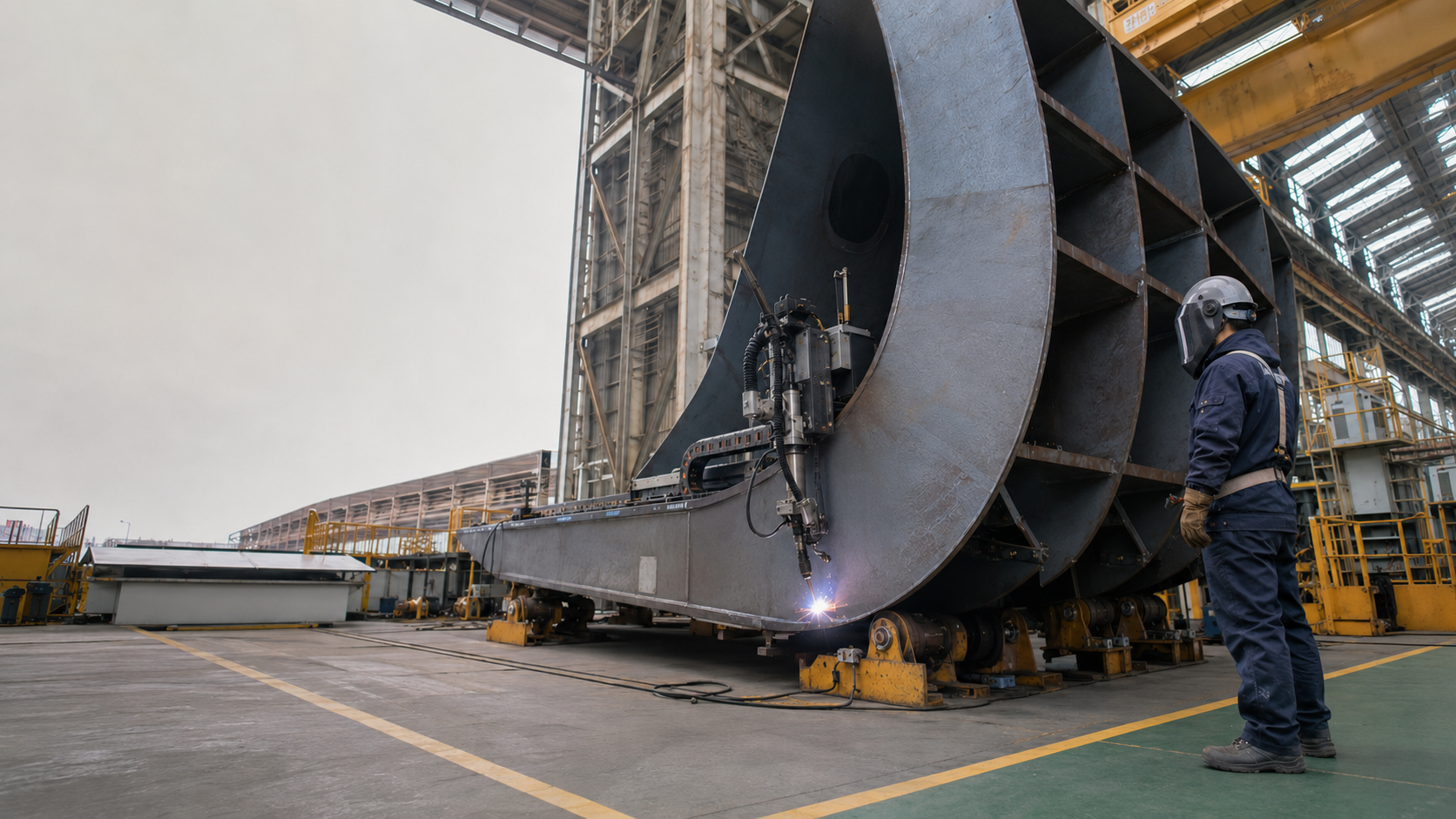
However, the key point of the cases that have been made public so far isn't about eliminating people all at once. A system in which AI handles repeat inspections first, allowing workers to focus on verifying suspicious results or improving the processis close to.
The plan to capture skilled workers' know-how in data is part of the same trend. With the number of experienced workers declining, the goal is to document work conditions and decision-making criteria so that new workers can make use of them.
Of course, retraining is essential as work processes change. If there is a shortage of on-site personnel capable of operating AI systems and verifying results, the technology may not be utilized properly. That is why we must consider not only productivity figures but also worker safety, changes in roles, and the effectiveness of training.
This announcement demonstrated that AI in manufacturing is no longer just a slogan for the distant future. After all, in diverse settings—such as battery inspection, semiconductor equipment remanufacturing, and shipbuilding welding—we’re already seeing tangible improvements in time efficiency, defect rates, and productivity.
However, the initial results from 42 plants do not guarantee success for all 170 or so plants or for all domestic manufacturers. What needs to be confirmed going forward is not a larger target number, but whether each plant can recoup its investment while maintaining accuracy and safety over the long term.
Ultimately, this is what will define the competition in the AI factory sector. It won’t be about who can showcase the most impressive AI; rather, what will matter is who can identify on-site problems more accurately and translate small but repetitive improvements into actual productivity and quality gains.
Thank you for reading to the end.
I thought I'd posted the article yesterday, but I just saved it and forgot all about it T_T
From now on, I'll do my best to post once a day!!

References
#AI Factory #Ministry of Trade, Industry, and Energy #AI in Manufacturing #ManufacturingAX #MAX #SmartFactory #Artificial Intelligence #Factory Automation #AI Vision Screening #Yejibojon #Electric Vehicle Batteries #Semiconductors #Shipbuilding #HD Hyundai Samho #Productivity Improvement #Reducing Defect Rates #IndustrialParkAX #Manufacturing Data