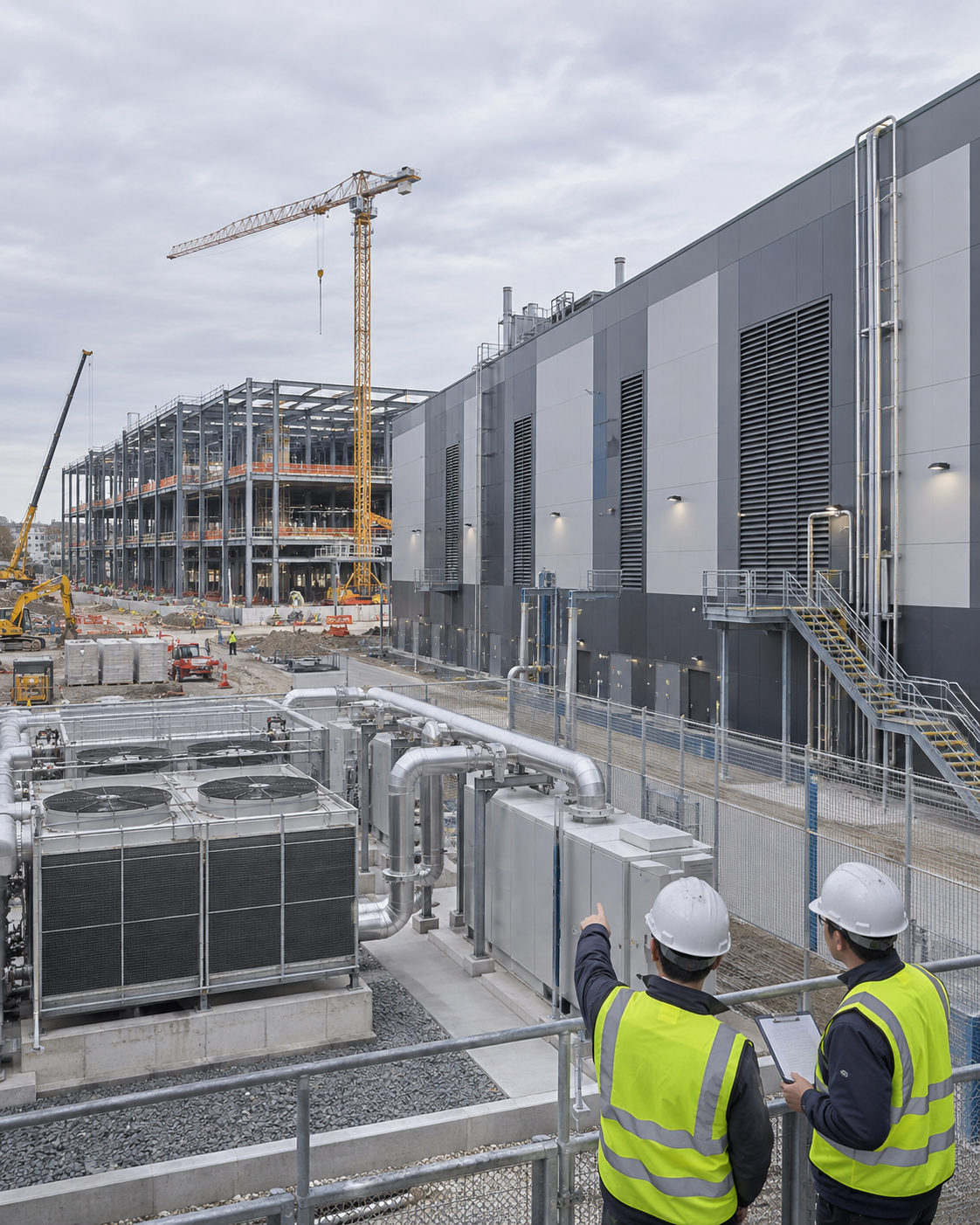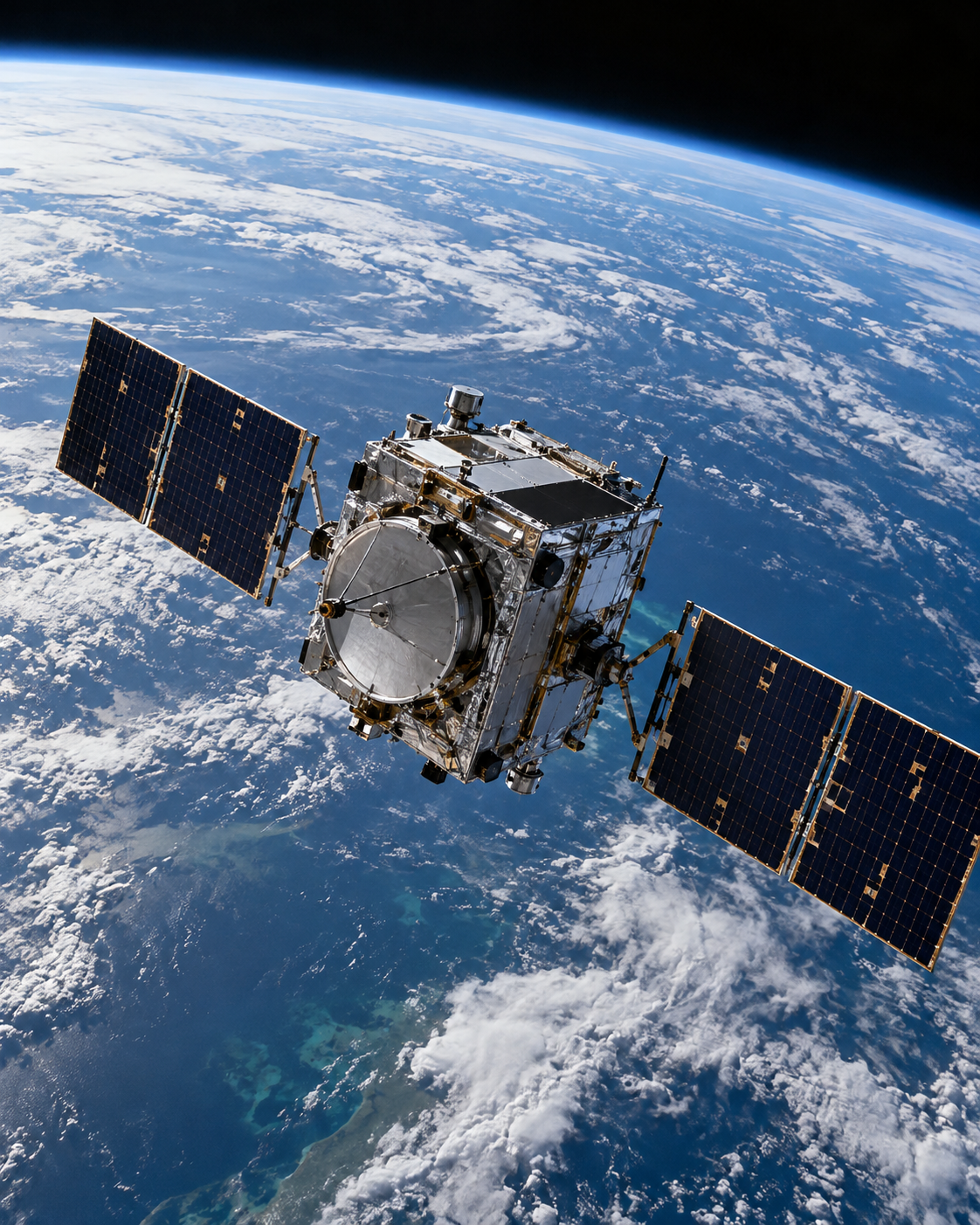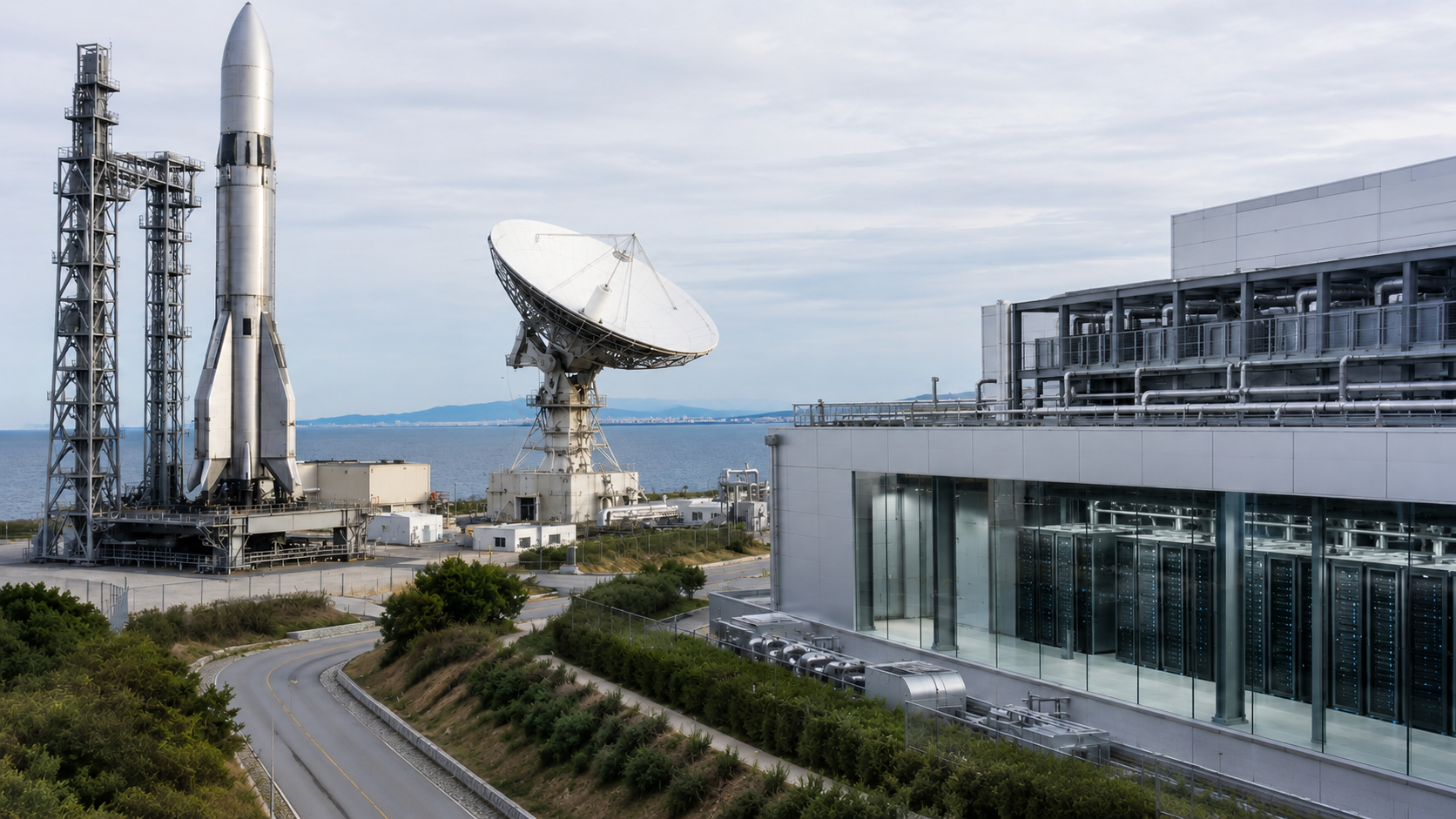
When you hear "SpaceX," what's the first thing that comes to mind?
Many people probably picture things like massive rockets, reusable launch vehicles, and Mars exploration. However, the company’s first quarterly earnings report since going public revealed some somewhat unexpected figures. Revenue from the AI division Responsible for rocket launches and spacecraft development Approximately 2.7 times the revenue from the Space segment...because it had reached that amount.
SpaceX's total revenue for the second quarter of 2026 was $7.814 billion, a 91.9% increase from the same period last year. Of that total, revenue from the AI segment was $2.561 billion, while revenue from the Space segment was $962 million. The largest business segment remained the Connectivity segment, centered on Starlink, but Looking solely at growth rates and investment levels, it is clear that the company’s focus is rapidly shifting toward AII could have.
In this post, I'll take a look at how SpaceX is evolving based on its first earnings report as a publicly traded company.
| First Report Card Since Going Public: Revenue Was Stronger Than Expected

According to the 10-Q filed by SpaceX with the U.S. Securities and Exchange Commission, Second Quarter 2026 Financial ResultsIt is as follows.
|
Item |
Second Quarter of 2026 |
Second Quarter of 2025 |
Compared to the same period last year |
|
Total Revenue |
$7.814 billion |
$4.071 billion |
91.9% increase |
|
Connectivity Revenue |
$4.291 billion |
$2.588 billion |
65.8% increase |
|
AI Revenue |
$2.561 billion |
$737 million |
247.5% increase |
|
Space Revenue |
$962 million |
$746 million |
29.0% increase |
|
Operating Loss |
$143 million |
$970 million |
Loss Reduced by 85.3% |
|
Net Loss |
$541 million |
$1.008 billion |
Losses Reduced by 46.3% |
Total revenue exceeded market expectations of approximately $6.9 billion. Although the company is still operating at a loss, it is noteworthy that both the operating loss and net loss were lower than last year.
However, it would be difficult to conclude that SpaceX has immediately established a stable revenue structure based solely on the fact that its revenue has increased significantly. This is because profitability and investment burdens vary greatly from one business segment to another.
| AI revenue was about 2.7 times that of the Space division
The most notable aspect of these earnings is the AI segment. AI revenue increased by 247.5% compared to a year ago, $2.561 billion... was recorded. Sales volume reached... in just one year. About 3.5 timesSo it's gotten bigger, I guess.
In contrast, revenue from the Space segment—which includes rocket launch services and spacecraft development—totaled $962 million. In a simple comparison, AI revenue was approximately 2.66 times that of the Space segment, and there was a significant difference in their share of total revenue, at 32.8% and 12.3%, respectively.
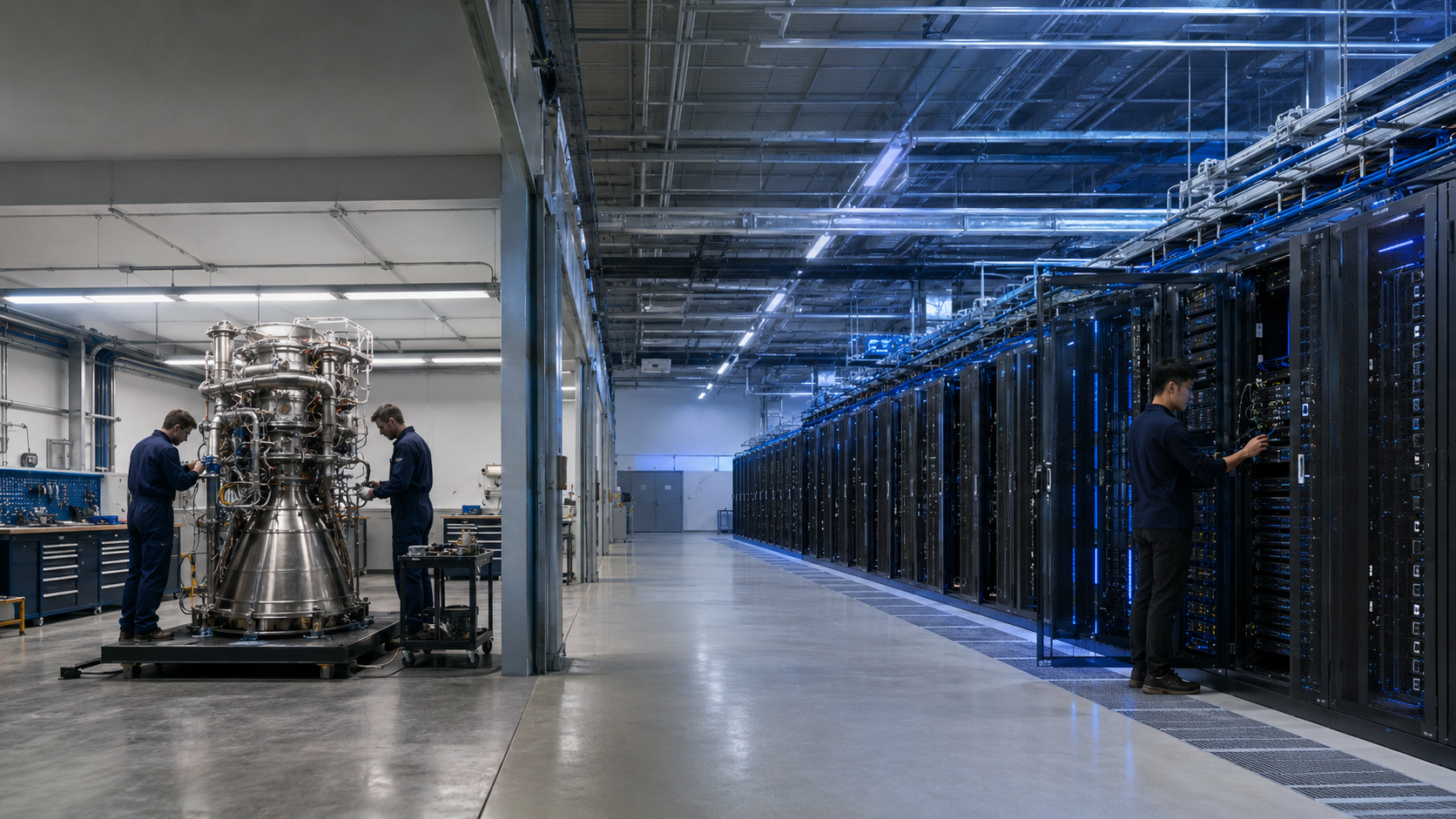
There's one thing we need to make clear here. SpaceX reported its financial results broken down into the following three segments.
Space - Launch services and spacecraft development using Falcon, Starship, Dragon, and other systems
Connectivity - Starlink's Communications Services for Individuals, Businesses, and Governments
AI - AI Solutions, Computing Infrastructure, and Advertising Business
Therefore, “AI Earned More Than Space”The expression A comment comparing the Space and AI divisions from an accounting perspectiveOh, come on. I didn't include Starlink—which uses satellites—in the comparison of space ventures.
| Computing infrastructure drove revenue growth more than AI models
Of the $2.561 billion in AI revenue, $2.194 billion came from AI solutions and infrastructure, while advertising revenue totaled $367 million. In other words, the driving force behind this rapid growth was not simply an increase in AI chatbot subscribers. The business of providing large-scale GPU and data center computing power to other AI companies plays a more important roleI did that.
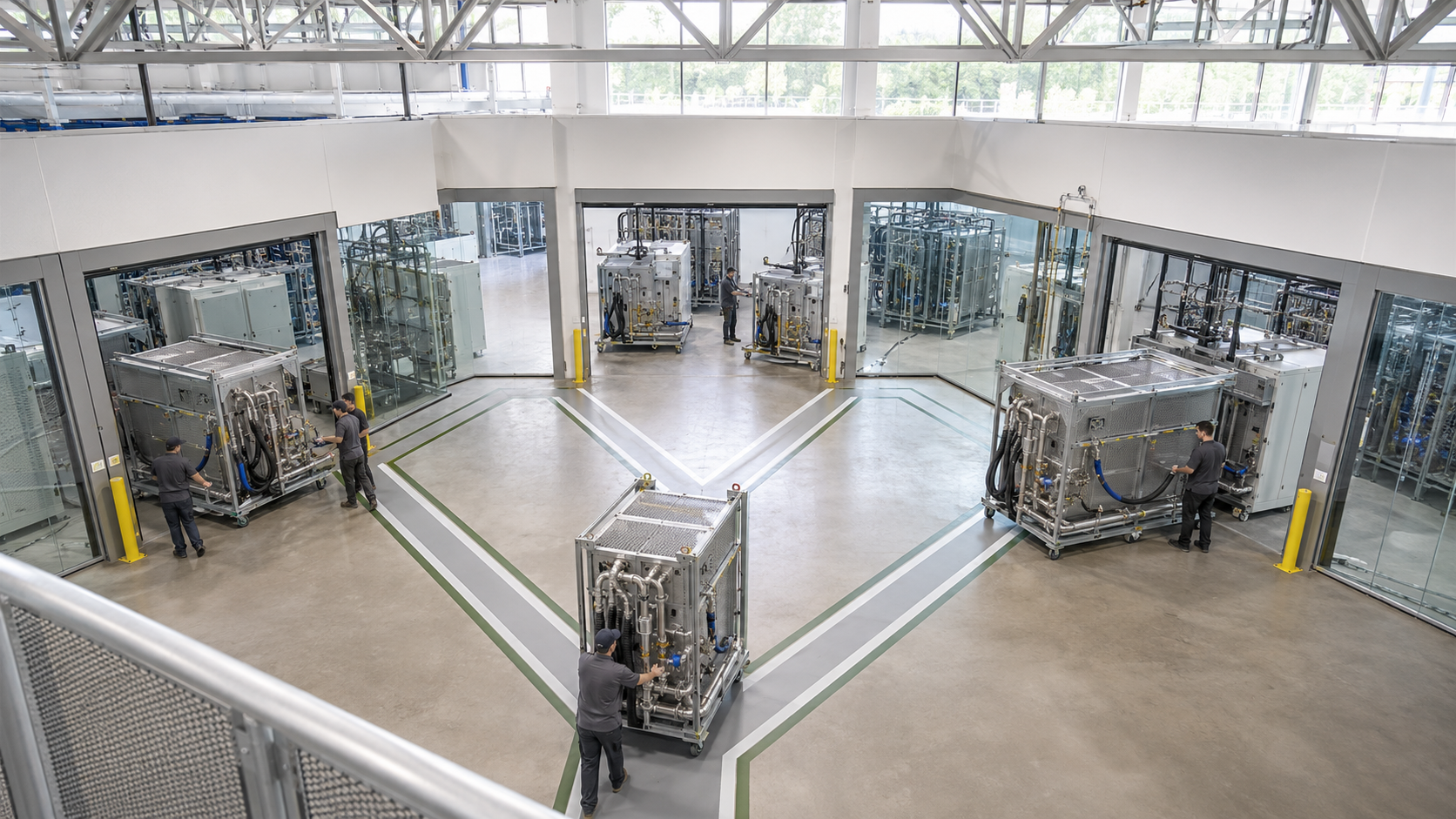
The Verge reported that contracts to provide computing resources to companies such as Anthropic and Google have contributed to its growth. This business model refers to cloud service providers specializing in AI computing, NeoCloudIt's similar to that. Rather than offering a broad range of general-purpose cloud services, it's a model where they quickly set up and rent out the GPU infrastructure needed for AI training and inference.
SpaceX made xAI a wholly owned subsidiary in February 2026. Since then, as AI models and data center operations were integrated into SpaceX—which had previously been a rocket, satellite, and communications company—the company’s reported earnings structure has shifted to three pillars: Space, Connectivity, and AI.
| Still, Starlink is our biggest business.
Although AI showed strong growth, the largest source of revenue this quarter was Starlink-centered Connectivity CategoryThat was the case. Revenue totaled $4.291 billion, accounting for 54.9% of the total, and increased by 65.8% compared to a year ago.
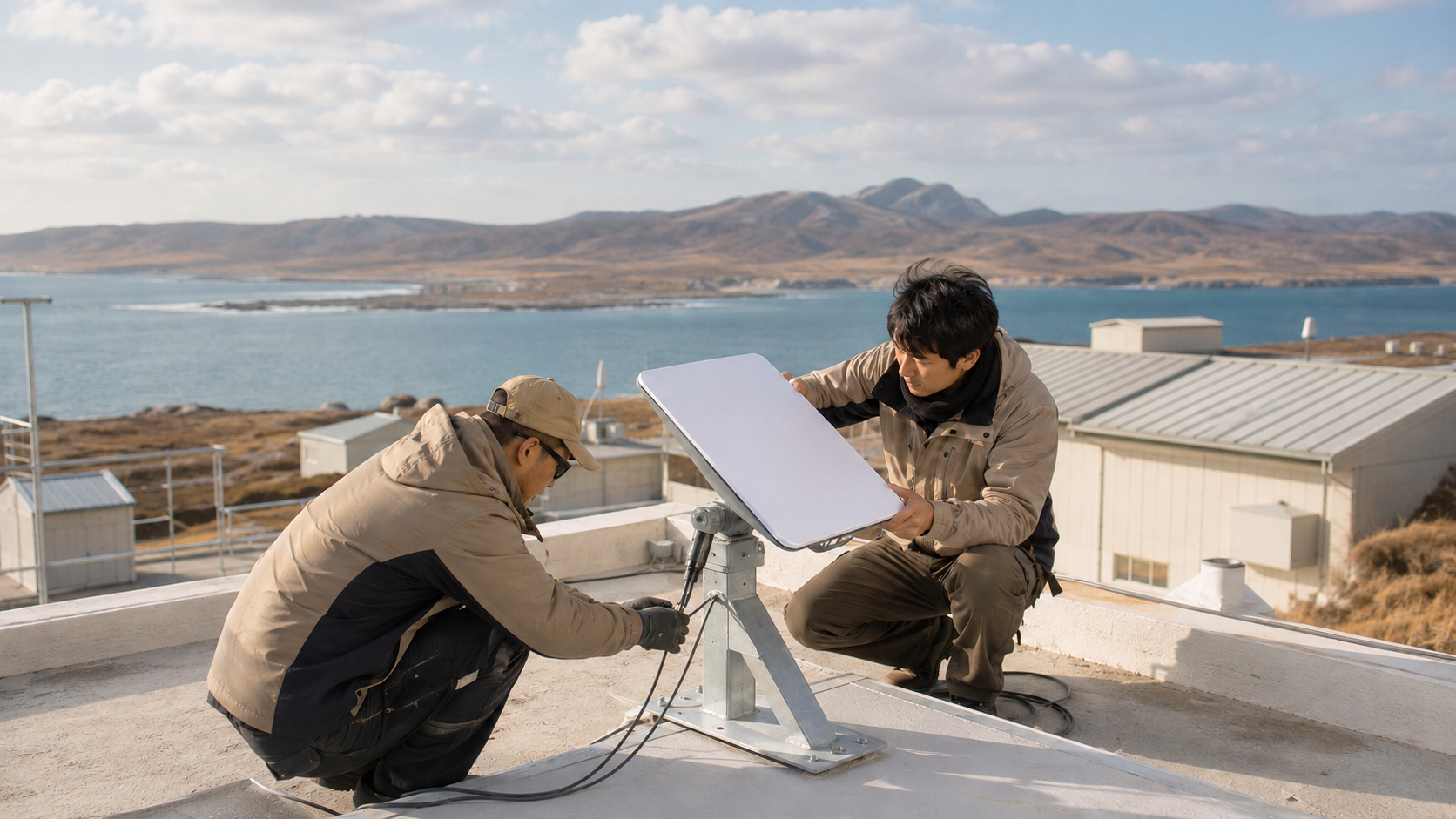
The number of Starlink subscribers has also risen from 6 million last year to 12 million this year It doubled. The Connectivity division posted an operating profit of $1.656 billion, making it the only one of the three business units to turn a profit.
In contrast, the AI division posted an operating loss of $1.257 billion, while the Space division posted an operating loss of $542 million. A structure in which profits generated by Starlink are largely offsetting the costs of expanding AI data centers and developing StarshipThat's one way to look at it.
So it’s not entirely accurate to say that SpaceX has simply transformed into an AI company. Starlink still accounts for the bulk of its revenue and profits, and while AI is the fastest-growing business, it’s also the one that requires the most funding.
| We spent $15.8 billion on AI alone
Even more astonishing than the AI revenue figures is the capital expenditure. SpaceX's total capital expenditure for the second quarter was $18.369 billion, of which $15.828 billion was allocated to the AI division.
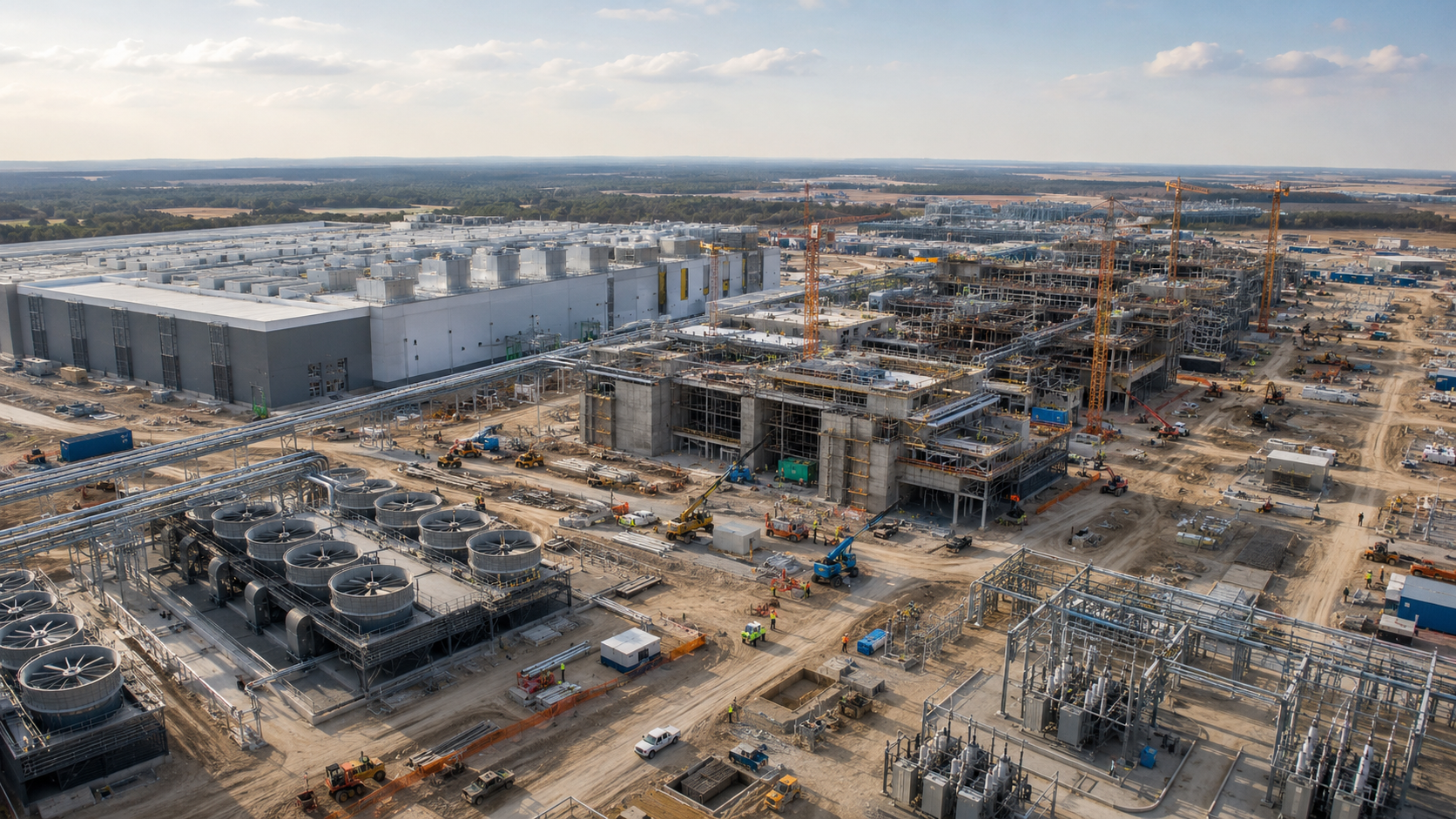
Approximately 86.2% of total capital expenditures are focused on AIThat's how it turned out. Compared to the $749 million in AI capital expenditures in the same quarter last year, it has increased by about 21 times. This amount is also about 6.2 times this quarter's AI revenue.
Of course, capital expenditures aren’t expenses that are fully expensed in a single quarter; they’re investments in building data centers and equipment that will be used for many years to come. Therefore, we can’t simply compare revenue and capital expenditures on a one-to-one basis to assess profitability.
Nevertheless, these figures show that SpaceX views AI not as a small new business, but rather as The fact that the company views this as a key infrastructure project on which its future dependsShow me that. At the same time, the biggest challenge remains: how quickly future AI revenue will be able to recoup this massive investment.
| The New Structure SpaceX Is Designing
Looking at these results, SpaceX's business appears to be less a collection of three separate sectors and more a single, interconnected structure.
Rocketto send satellites and equipment into space at a low cost, and
Starlink...thereby establishing a global telecommunications network and a stable revenue base,
AI Data Centers and Computing ServicesHow to Enter New Growth Markets

In the long run, A plan to build an AI computing facility in spaceIt also outlines these challenges. With many issues to resolve—such as power, cooling, launch costs, and maintenance—it’s not yet at the stage where it can be considered a fully realized business. However, unlike other AI infrastructure companies, SpaceX can highlight its ownership of rockets and a satellite network as a key differentiator.
Ultimately, what SpaceX is aiming for is not to operate a rocket company, a telecommunications company, and an AI company separately, but rather A vertically integrated infrastructure company that directly connects everything from launch vehicles to networks and computingIt looks closer to that.
| Three Things to Check Going Forward

First, Sustainability of AI RevenueWow. This growth was largely driven by computing supply contracts signed with major AI companies. If the company is highly dependent on a few large customers, its growth rate could fluctuate depending on contract renewals or improvements in the GPU supply shortage.
Second, Investment EfficiencyWow. Even though revenue in the AI division more than tripled, it still posted an operating loss of $1.257 billion. We’ll have to see if the more than $15.8 billion in quarterly capital expenditures translates into higher utilization rates, long-term contracts, and increased profits.
Third, The Execution Capabilities of Starlink and StarshipWow. Starlink needs to steadily increase its subscriber base and profits in order to continue funding AI and space development. At the same time, the development of Starship must proceed as planned if the company is to launch heavier next-generation satellites at a lower cost.
Conclusion
SpaceX's first earnings report as a publicly traded company showed that the company's identity can no longer be defined solely by its rockets. Starlink is the largest source of revenue, AI is the fastest-growing sector, and rockets are the long-term technological foundation.These three pillars are all moving in unison.
It’s certainly a symbolic shift that AI revenue has significantly surpassed that of the Space division. However, considering the more than $15.8 billion in AI capital expenditures and the ongoing operating losses, it’s fair to say that the real assessment is just beginning.
Going forward, when looking at SpaceX, it seems we’ll need to consider not only the number of successful launches but also Starlink subscribers, AI computing contracts, and the efficiency of data center investments. It will be interesting to see whether this experiment—in which a rocket company expands into an AI infrastructure company—will succeed.
Thank you for reading to the end!

References
SpaceX Form 10-Q for the Second Quarter of 2026 — U.S. Securities and Exchange Commission
Report on SpaceX's First Quarterly Earnings as a Public Company — Reuters
A Comparison of SpaceX's AI and Space Division Revenues — The Verge
Data Verification Date: August 5, 2026, Korea Standard Time
#SpaceX #SpaceX #AI #xAI #Starlink #Starlink #AI Data Center #NeoCloud #IT News #Tech News