OpenAI's top-tier model, GPT-5.6 SolThey've lowered the price of the developer API.
Based on the standard short context, the input price is The price per 1 million tokens dropped from $5 to $4, and the output price fell from $30 to $20. In terms of the reduction rate, the input price fell by 20%, and the output price by about 33%.Hey.
The price this time is at least Promotion valid through November 21, 2026Wow. Given that prices were lowered for GPT-5.6 Terra and Luna last July, followed by the top-tier Sol, this can be seen as a sign that the benchmark for competition in AI models is shifting from “who is smarter” to “who can deliver the same performance at the lowest cost.”
| How Much Has the Price of GPT-5.6 Sol Dropped?
The change this time is to the standard short-context pricing for the OpenAI API.
|
Category |
Previous Price |
Promotional Price |
Discount Rate |
|
Input 1 million tokens |
$5 |
$4 |
20% |
|
Output: 1 million tokens |
$30 |
$20 |
About 33% |
It's worth noting that the reduction in output prices is more significant. This is because output tokens have a major impact on costs when AI generates long reports or code, or performs multi-step agent tasks.
For example, let's assume that 10 million tokens are used as input and 2 million tokens as output over the course of a month. Under the regular rate, it would have cost $110, but with the promotional price, it was reduced to $80. This means the monthly cost is about 27% lower for the same usage.Wow.
| Not all requests are charged at $4 or $20
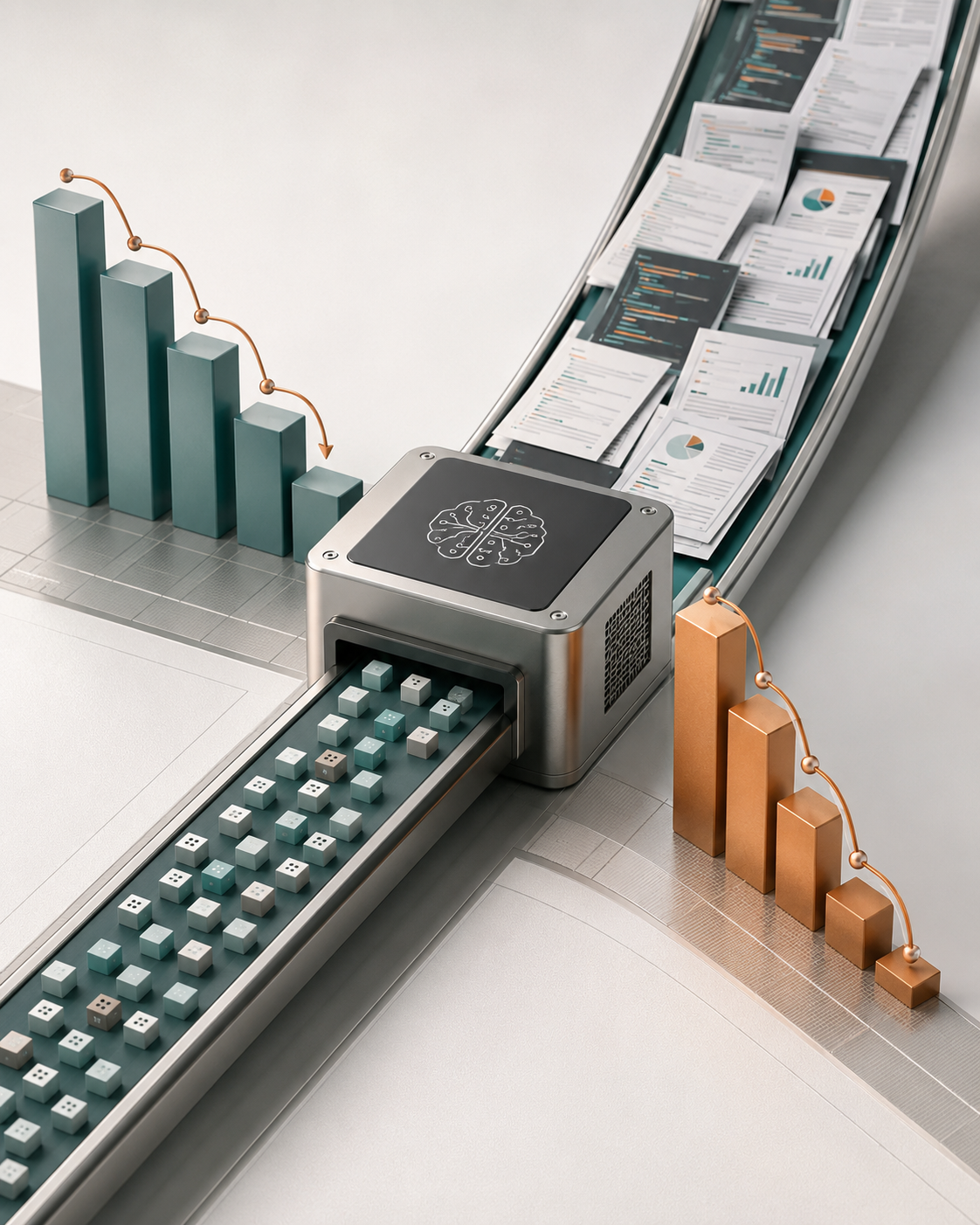
The price mentioned in the headline is based on a short context using the standard processing method.
Currently, cached inputs for GPT-5.6 Sol cost $0.40 per 1 million tokens, and cache writes cost $5. In contrast, Requests with an input length exceeding 272,000 tokens will have the input price doubled and the output price multiplied by 1.5 for all requests.Okay.
Some tools, such as web searches or computer usage, may also incur additional charges. When calculating the actual bill, you need to consider not only the base rate but also the context length, prompt cache, processing method, and tool calls.
| Following Terra and Luna, Sol Joins the Price War
On July 30, OpenAI lowered the price of GPT-5.6 Terra by 20% and the price of Luna by 80%. This time, Sol—the highest-performing model in the GPT-5.6 product line—was also included in the price reduction.
The current standard price for short-context orders is as follows.
|
Model |
Input 1 million tokens |
Output: 1 million tokens |
Main Uses |
|
GPT-5.6 Sol |
$4 |
$20 |
Complex reasoning, coding, and specialized tasks |
|
GPT-5.6 Terra |
$2 |
$12 |
Tasks that require a balance between performance and cost |
|
GPT-5.6 Luna |
$0.20 |
$1.20 |
Cost-sensitive bulk processing |
The roles of the three models are clearly defined. This allows for model allocation where simple classification or repetitive tasks are sent to Luna, general tasks are handled by Terra, and Sol is used for tasks with high failure costs or high difficulty.
If the price of Sol drops, it could make it easier to shift some of the work that was previously processed on Terra due to cost considerations over to Sol. This is not merely a discount; it’s a change that could alter the very criteria companies use to deploy their models.
| This is different from the general ChatGPT subscription fee reduction
This announcement focuses on APIs that developers can integrate into their apps or services.
This announcement does not involve a reduction in the monthly subscription fees for general subscription plans such as ChatGPT Plus, Pro, and Business. The subscription fees paid by ChatGPT users for conversations and the API fees paid by businesses or developers based on token usage are part of separate pricing structures.
Therefore, you shouldn't interpret the news that "the price of GPT-5.6 Sol has dropped" as meaning that the ChatGPT subscription fee has gone down.
| The benchmark for AI competition is Cost-effectivenessis expanding
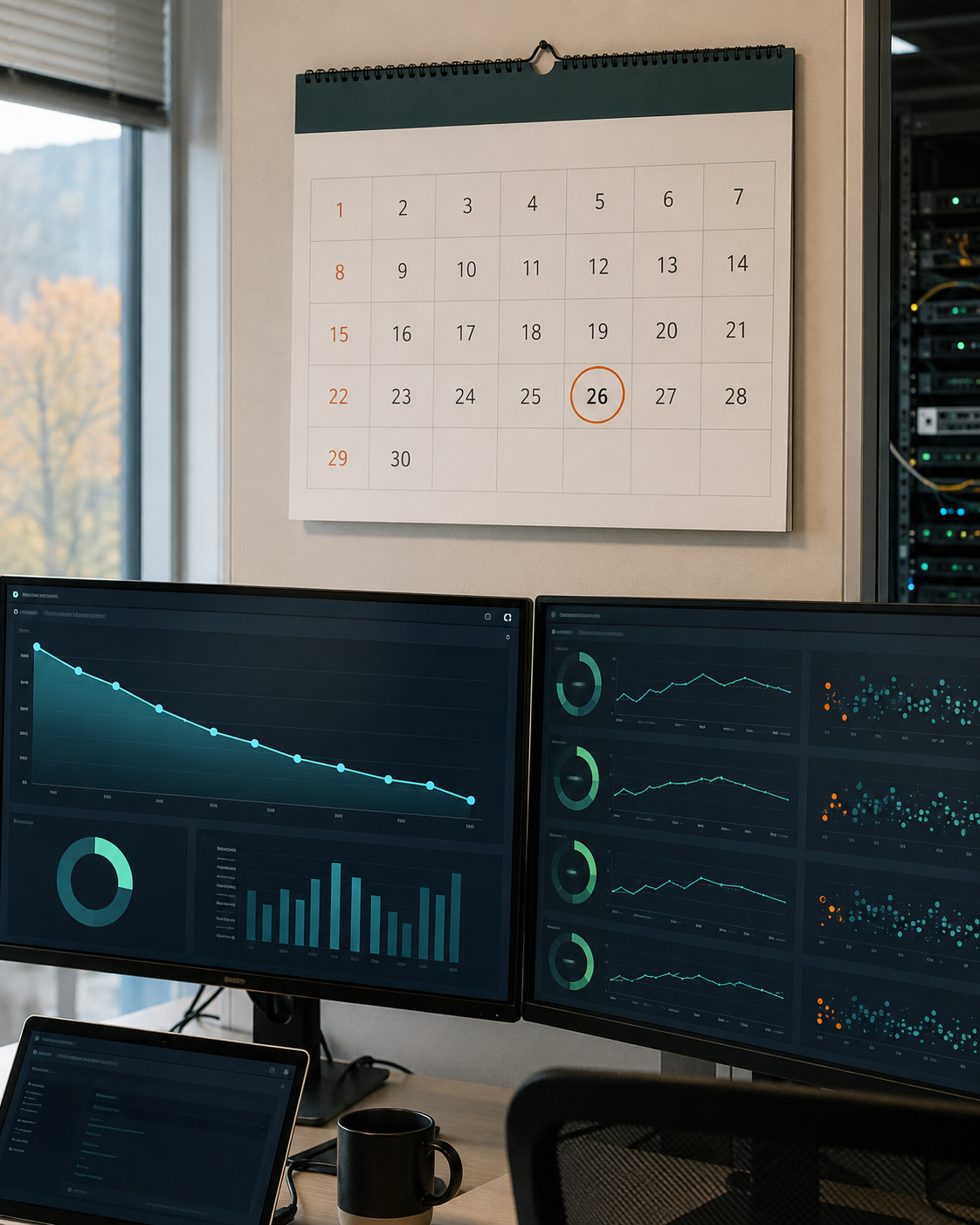
Early competition in the generative AI market focused on benchmark scores, model size, and inference capabilities. However, as companies begin to deploy AI at scale in real-world services, cost structures are becoming equally important.
Even if a model offers slightly better performance, it’s difficult to deploy it for high-volume services if the cost per request is too high. Conversely, if the unit cost decreases, high-performance models can be deployed for tasks with high call volumes, such as customer support, document analysis, and coding agents.
OpenAI's decision to lower the price of Sol, following its moves regarding Terra and Luna, can be interpreted as a response to these changes. Competitor models, including Claude and Gemini, are now likely to be compared not only on the basis of their top scores but also in terms of price, processing speed, token efficiency, and cache policies.It's big.
| What we should compare is not the token price, but the cost of a single successful transaction.
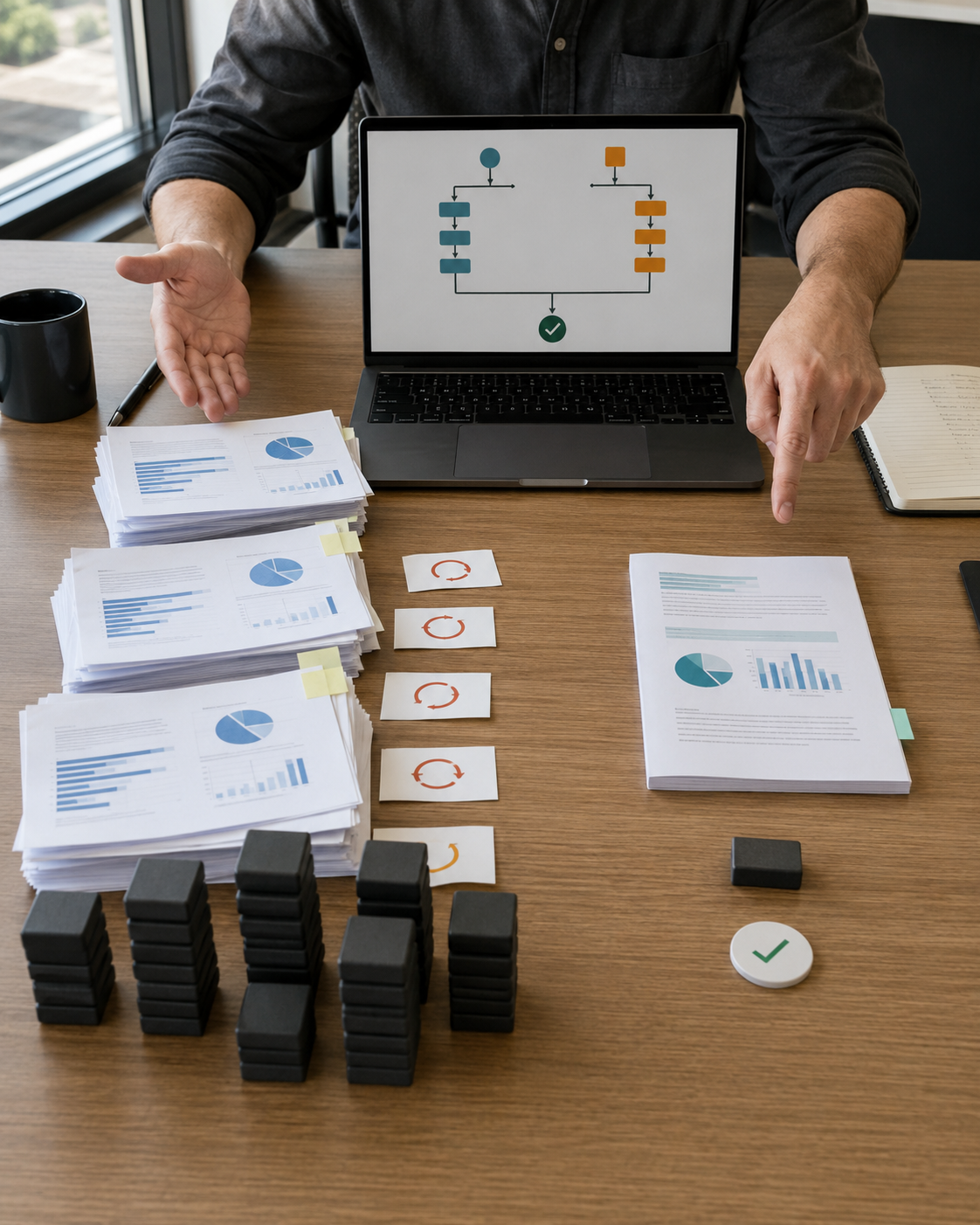
If you look only at the API price list, the cheapest model might always seem like the best option. But in reality, the total cost is determined by whether you can generate the desired response in a single request, the rate at which you need to resend requests, and the length of the generated response.
If a low-cost model has to attempt the same task three times, while a high-performance model can complete it in one go, the total cost could end up being higher even if the per-token cost is lower. Conversely, continuously using the highest-performance model for simple tasks results in unnecessary expenses.
So For companies, model routing—which automatically assigns tasks to Sol, Terra, or Luna based on difficulty—is more important.It’s possible. Future price competition in the AI sector is likely to center not simply on “how much per million tokens,” but rather on “how much it costs to achieve a single desired result.”
| Will the price still be the same three months from now?

This price reduction is a promotion that will be in effect until at least November 21, 2026. OpenAI has not yet announced whether it will maintain the same price after that, extend the promotion period, or revert to the original price.
Therefore, when companies draw up long-term budgets, they need to factor in the possibility that costs will rise again after the promotion ends, rather than assuming only the discounted price. Conversely, measuring actual usage and task success rates during this period can serve as a good trial period for determining which tasks are most cost-effective to assign Sol to.
| The Outcome
The price cut for GPT-5.6 Sol demonstrates that even top-tier AI models are not immune to cost pressures. As model performance becomes increasingly standardized, companies and developers are considering not only accuracy but also speed, token usage, operational stability, and total cost.
Although this change is a short-term promotion, the direction seems clear. Going forward, the key question in the AI market is likely to shift from “Which model received the highest score?” to “Which model can complete actual tasks at the lowest cost?”
Thank you for reading!
Starting today, instead of one post per day, I’ll post based on the number of issues that come up each day.
It looks like the number of posts will change! I'll do my best from now on!!

#OpenAI #GPT56Sol #GPT56 #Generative AI #AI Pricing #API Pricing #Artificial Intelligence #AI Agent #Developer API #IT News