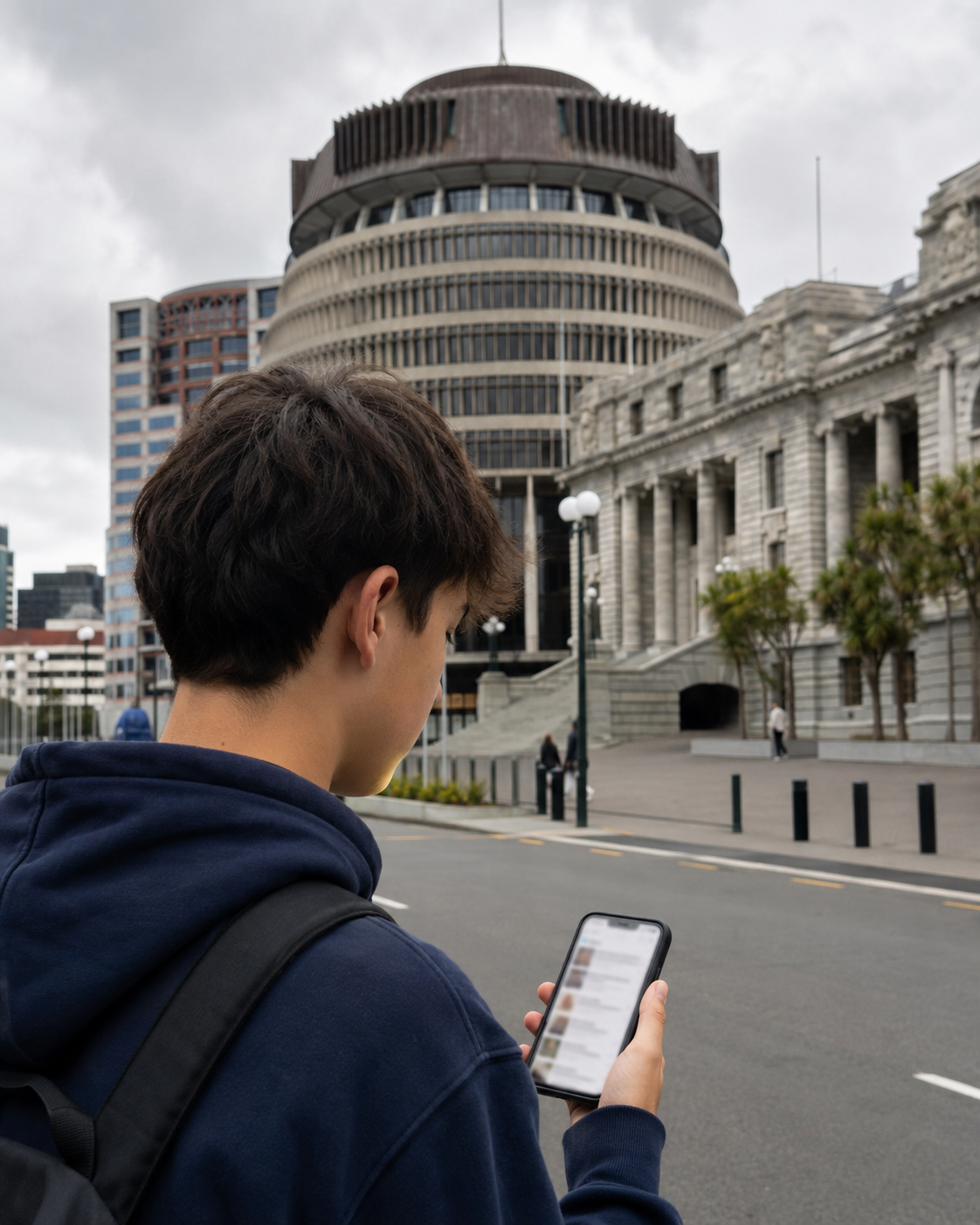
New Zealand is pushing for legislation to restrict social media use by those under 16Yes. The proposal also includes strong penalties, stipulating that platforms could be fined up to 10% of their global revenue if they fail to properly verify users' ages.
However, this doesn’t mean the service will be banned immediately. The bill still needs to go through parliamentary review, and with opposition emerging even within the coalition government, it’s uncertain whether it will actually pass. This announcement should be viewed not as a finalized regulation, but as a step showing the direction New Zealand is taking in establishing online safety standards.
| Simple No Accounts for Users Under 16It has a broader scope
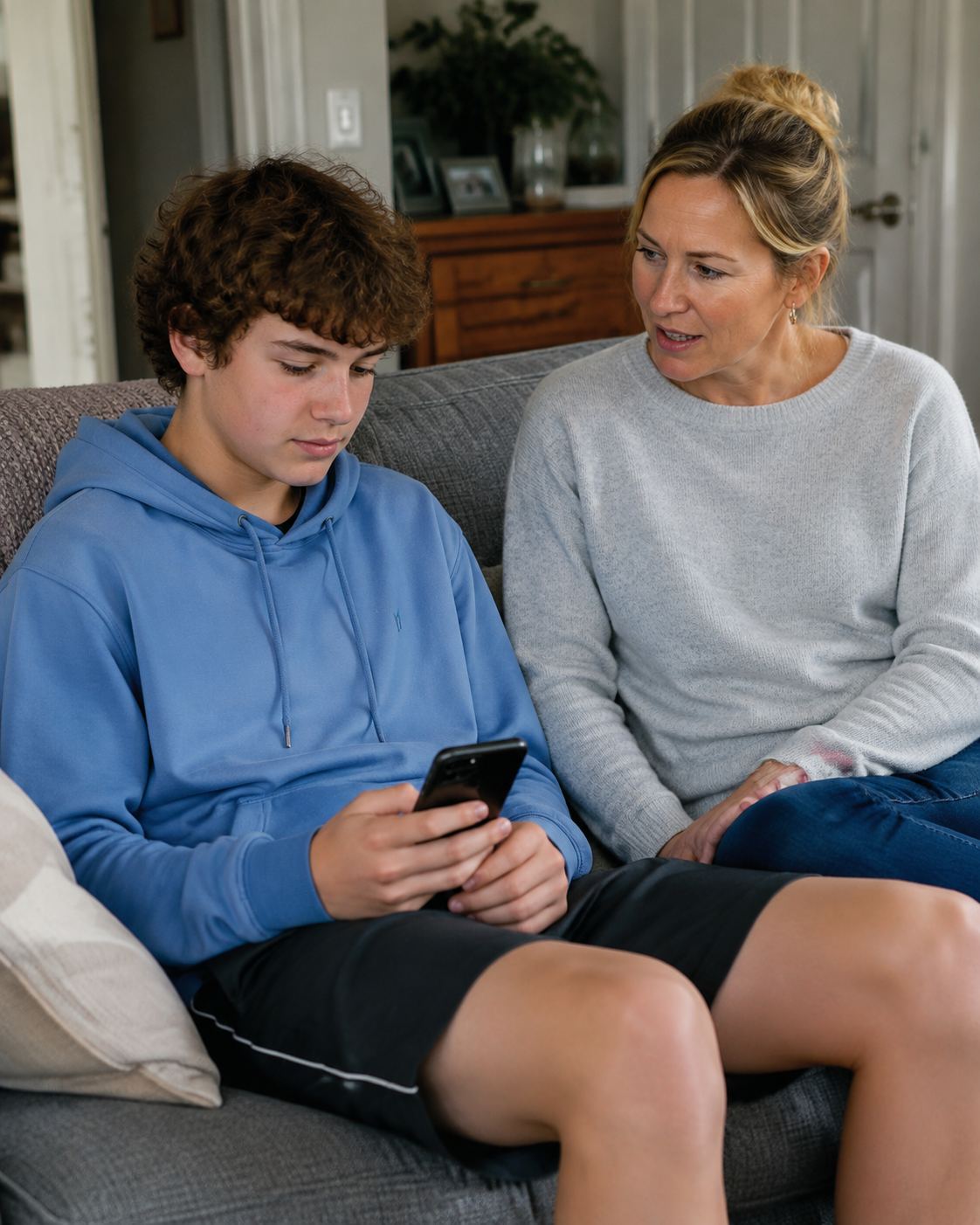
The official title of the bill is the “Online Safety (Minimum Age and Child Safety Risk Assessment) Act.” It requires high-risk social media platforms—such as Instagram, TikTok, Snapchat, and Facebook—to take reasonable measures to verify that users are at least 16 years old.
To check, you can Existing account information, facial age estimation technology, digital identity verification services, official identification documents These and other options were proposed. It's a structure that allows for a combination of various methods rather than mandating a single approach.
Platforms used by children must regularly assess the risks their services may pose and report on how they are mitigating those risks. The legislation also includes provisions to bring new services, such as AI companion platforms, under the regulatory framework and to establish an online safety oversight body under New Zealand’s Ministry of Internal Affairs.
| Why 10% of Global Sales Matters

The most striking aspect is the size of the fines. Companies that fail to comply with their obligations will be fined based not on their local sales, but Impose fines of up to 10% of global revenueI can do it.
If fines are imposed based solely on revenue generated in the New Zealand market, global platforms may view such penalties as a minor business expense. However, basing fines on global revenue could compel them to treat age verification and child protection systems as business risks.
However, the 10% figure is not a fixed fine automatically imposed for each violation, but rather the maximum amount specified in the bill. The actual level of penalties and the criteria for their application can only be determined once the bill is passed and a detailed enforcement system is established.
| If age verification is strengthened,

The biggest challenge with the bill is “how to accurately identify those under 16.” If the system relies solely on the date of birth entered in the account, it’s easy to circumvent; however, expanding the use of facial age estimation or ID verification could raise concerns about the collection and storage of personal information.
There is also the risk that users who are of legal age could be blocked due to incorrect age verification. Ultimately, the success or failure of the bill depends less on the prohibition clause itself than on Whether a platform can establish a reliable age verification process without collecting excessive amounts of personal informationIt can be said to depend on that.
| The bill has not yet been passed
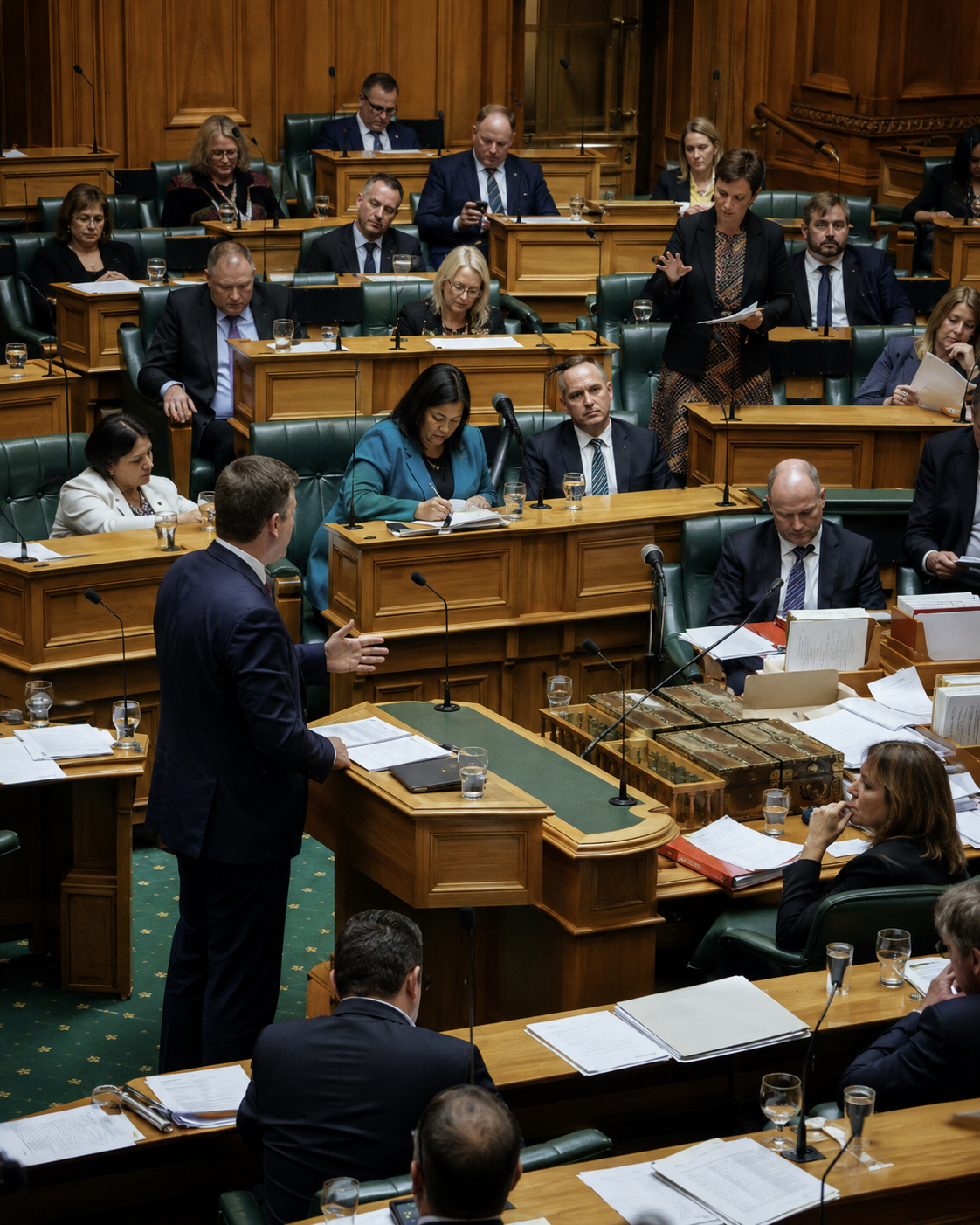
The New Zealand government cited the fact that children are exposed to harmful content and addictive service designs—which are affecting their sleep, education, and family life—as the rationale for introducing the bill.
However, the parties that make up the coalition government— New Zealand First has stated that it opposes the billHe explained that the role parents should play could be shifted to government regulations, and that actual enforcement would not be easy. Since no agreement has been reached within the coalition government, it remains to be seen whether the proposal will secure enough votes in Congress.
Therefore, at this stage, it would be inaccurate to say that “New Zealand has banned social media for those under 16.” It would be more accurate to say that “New Zealand is pushing for a ban.”
| The Focus of Social Media Regulation

The key point of this bill is that it places the responsibility for age verification and risk management on platforms rather than holding minors or their parents accountable. Since it requires services to establish procedures for assessing and mitigating the risks they pose to children, it can be viewed as a regulatory measure that goes a step further than simply imposing age restrictions on sign-ups.
The key issues moving forward are clear. The actual success of the initiative will hinge on how effective it is at protecting children, how well it safeguards personal information during the age verification process, and to what extent it can reduce circumvention attempts.
While it remains uncertain whether the New Zealand bill will pass, it is becoming increasingly clear that platforms will find it harder to avoid liability simply by claiming that “the user lied about their age.” This is a development worth watching, as social media regulation is expanding beyond content removal to include age verification during the sign-up process and responsibility for service design.
Source of Data
The New Zealand government, Government moves to ban U16s from social media
Reuters, New Zealand to introduce bill banning social media for children under 16
#New Zealand #No Social Media #Social Media for Under-16s #Online Safety Bill #Age Verification #OnlineSafetyForTeens #OnlineChildSafety #Privacy Protection #SocialMediaRegulation #Platform Regulation #BigTechRegulation #10 Percent of Global Revenue #Regulation of AI Companions #DigitalPolicy #International IT News