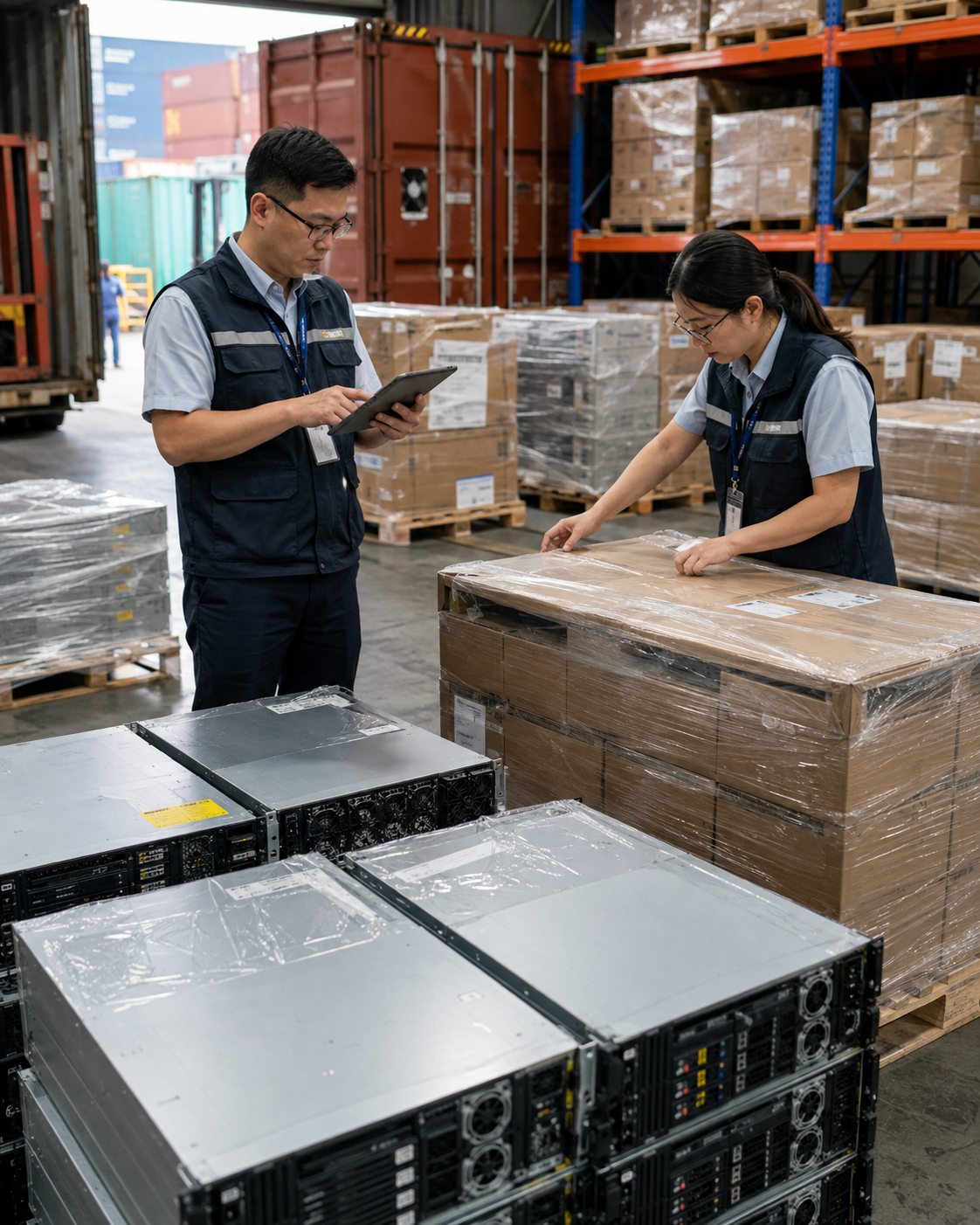
The conflict between the U.S. and China over AI semiconductors has led to an actual criminal case.
The Keelung District Prosecutors' Office in Taiwan has charged a company with illegally exporting high-performance AI servers equipped with NVIDIA chips to China, Nine people, including local employees of NVIDIA and Super Micro, have been indictedHe said he did.
This case is noteworthy because it demonstrates that export controls on cutting-edge AI chips are no longer limited to government regulations or internal corporate guidelines, but are now extending to the criminal liability of individuals involved in the distribution process.
| 130 AI servers were shipped to China
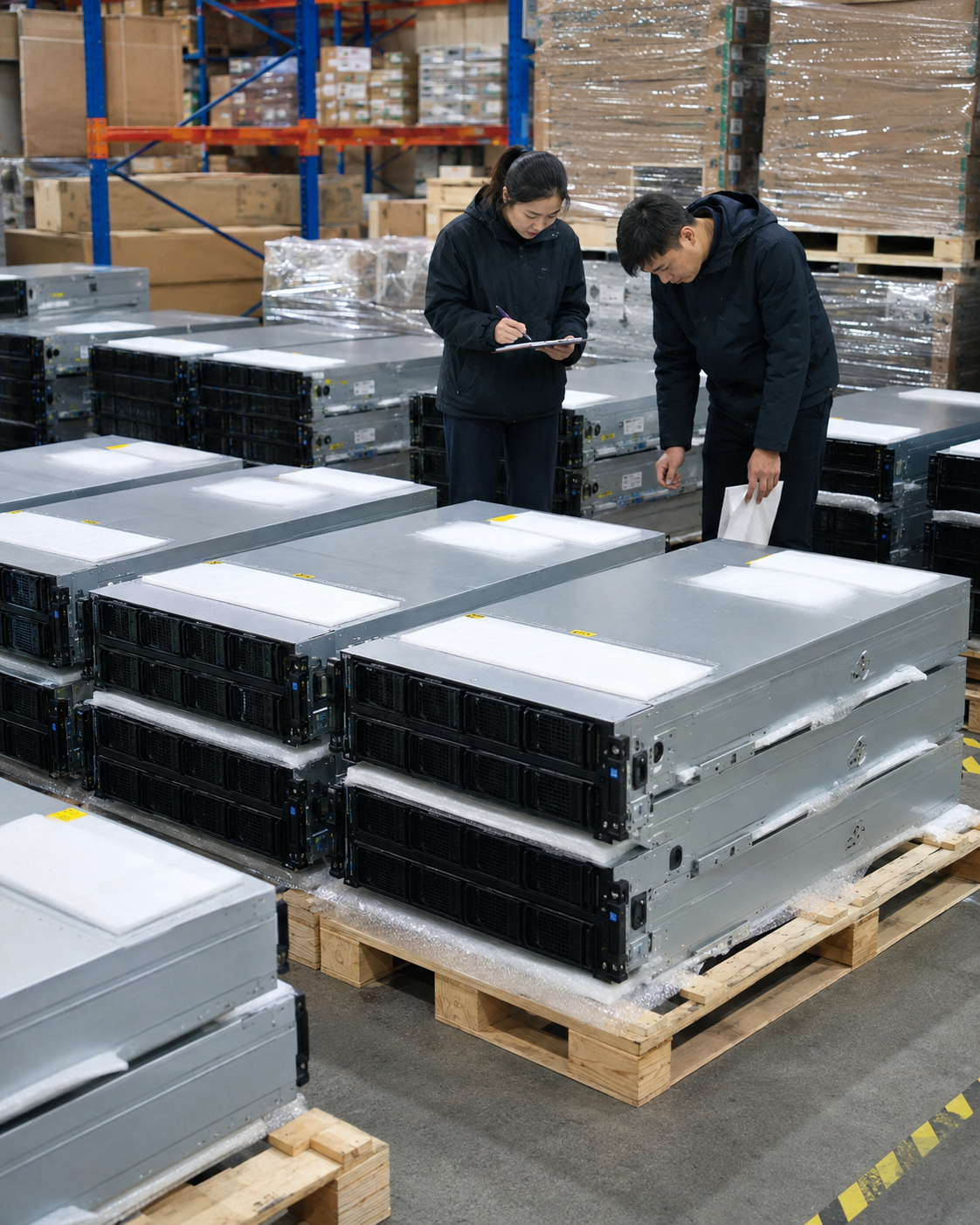
According to Taiwanese prosecutors, those involved in the case placed orders for 130 high-performance AI servers from Super Micro, each equipped with an NVIDIA B300 GPU, in three separate batches.
Of these, 74 units have already been delivered to customers in China, while the shipment of the remaining 56 units was halted after Taiwanese customs authorities detected irregularities during the export process. Investigations revealed that some of the servers were shipped to China via a third country.
Prosecutors say that while reselling the servers, Approximately $21.2 million in illicit profitsIt is reported that they obtained [...].
However, at this point, the prosecution has charged the suspects and referred the case to court. The extent of the liability the indicted individuals will actually face will be determined in the upcoming trial.
| Why We Listed Taiwan as the Final Destination

To purchase high-performance AI servers, you must submit documentation specifying the end user, installation location, and intended use. It has been reported that when purchasing quantities above a certain threshold, sales and technical representatives were required to conduct an on-site inspection of the installation location.
Although the defendants submitted documents stating that they would use the servers in Taiwan and not re-export them to other countries, prosecutors believe they had planned to sell them to Chinese customers from the outset.
The indictment also stated that they passed an on-site inspection by setting up a leased space—which was too small to actually operate 130 servers—to look like a normal data center.
According to the prosecution, while the transaction appeared to be a normal one within Taiwan based on the paperwork, its actual destination was China.Wow.
| NVIDIA, Super Micro
In this news item, it’s important to distinguish between the company and individual employees.
The targets of the indictment are not NVIDIA and Super Micro as companies, but rather Nine individuals, including employees of the two companies' Taiwan subsidiaries and representatives from local distributors, trading companies, and data centersWow.
Prosecutors argued that while the two companies had internal export control procedures in place to verify buyers and end-users, some officials conspired to circumvent the screening process even though they were aware of those procedures.
As of the time of this Reuters report, neither NVIDIA nor Super Micro had issued an immediate statement regarding the indictment. Therefore, this should not be interpreted to mean that the companies directed or directly participated in illegal exports.
| AI Semiconductor Export Controls Become a Criminal Case
The U.S. has been restricting exports of NVIDIA's high-performance chips, citing concerns that advanced AI semiconductors could be used in China's military and surveillance technologies.
However, this case does not involve the U.S. government directly indicting a Taiwanese national. The Taiwanese prosecution applied charges under local law—such as breach of trust and document forgery—based on the submission of false documents and the obstruction of internal reviews.
The U.S. semiconductor restrictions on China form the backdrop to the deal, and actions suspected of being taken to circumvent those restrictions have led to a criminal case in Taiwan.
It has also become clear that for export controls to be effective in practice, every stage of the transaction—from chip manufacturers to server manufacturers, distributors, trading companies, and data centers—must be verified.
| Moving forward
Following this indictment, companies that sell high-performance AI servers are likely to go beyond simply verifying the end users listed in their contracts.
There may be a growing push to verify whether the installation site actually has the power and space needed to operate the server, where the funds for the purchase came from, and whether the equipment was moved to another country after delivery.
That means even regular corporate customers may have to submit more documentation or spend more time going through the review process.
However, it’s hard to say that this single incident alone will immediately disrupt the entire supply of NVIDIA chips or AI servers. The change that’s clearly evident right now is not so much a supply shortage as it is the growing scrutiny of distribution channels and the increasing burden of regulatory compliance on companies.
The competition in AI semiconductors is no longer just about making faster chips. The ability to track, right through to the end, who purchases high-performance equipment and where it is actually used has also become a critical challenge for both companies and governments.
Source
Announcement by the Keelung District Prosecutors' Office, Taiwan, August 24, 2026
Reuters, Taiwan indicts nine over alleged illegal export of AI servers to China
#Taiwan #NVIDIA #NVIDIA #SuperMicro #AI Server #AI Semiconductors #Advanced Semiconductors #Semiconductor Export Controls #Export Restrictions on China #Data Center #GlobalSupplyChain #Semiconductor Industry #Technological Hegemony #Industrial Policy #IT News