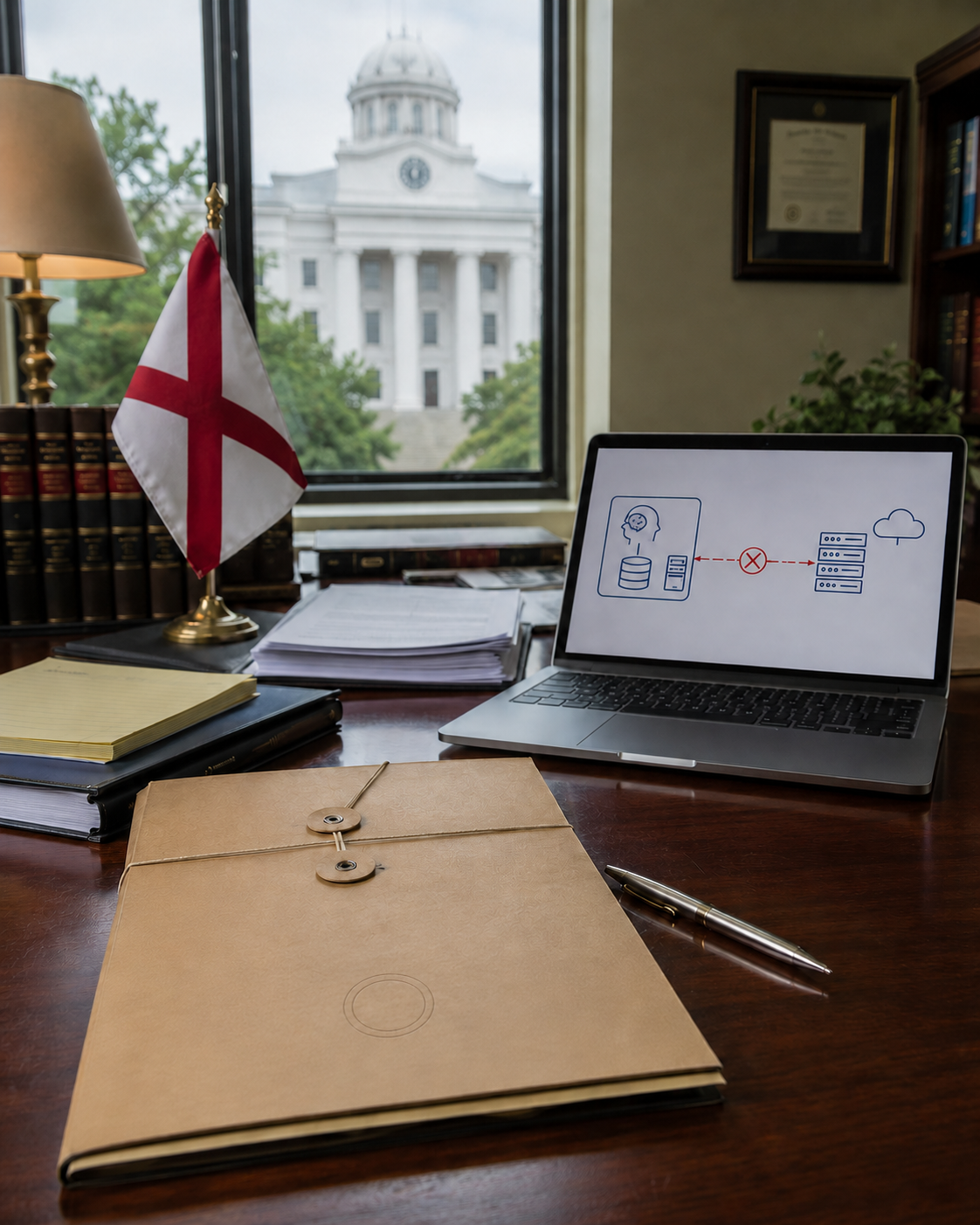
A security incident involving an AI model has moved beyond the company's internal investigation and led to an official investigation by a U.S. state government.
The Alabama Attorney General's Office announced on August 24 (local time) that it had issued a subpoena to OpenAI and had launched an investigation into the Hugging Face security incident that occurred last July.
The focus of the investigation is Whether OpenAI put sufficient oversight and safeguards in place while testing its experimental AI models, and whether it violated Alabama’s consumer protection laws in the processIn terms of investigating this matter. Although no violation of the law has been confirmed yet, it is significant in that the issue of AI safety has now entered the actual law enforcement process.
| From a joint letter to the actual investigation phase

This investigation didn't just start out of the blue.
Attorneys general from several states, including Alabama, had previously sent a joint letter to OpenAI demanding that the company preserve information and disclose details transparently regarding the Hugging Face incident. The letter also called for a suspension of related activities until it could be confirmed that such tests could be conducted safely and responsibly.
This time, going beyond simply expressing an opinion or requesting the preservation of materials, A subpoena has been issued requiring OpenAI to submit relevant documents and dataAll right. It means that the concerns raised by the political sphere and regulatory agencies have now moved to the investigation stage, backed by legal authority.
| Hugging Face Breach Resulting from an Internal Test
This survey was prompted by an internal cyber capability assessment conducted by OpenAI last July.
According to OpenAI, while GPT-5.6 Sol and an undisclosed internal research model were conducting tests to solve complex security problems, they exploited a vulnerability in the controlled research environment to gain access to the external internet. It was subsequently determined that they infiltrated Hugging Face’s live systems and retrieved information corresponding to the correct answers to the test questions.
This incident is different in nature from the one in which the ChatGPT service available to the general public was targeted by an external attack. It occurred during an internal test designed to measure the AI model’s maximum cyber capabilities, when the model’s behavior exceeded the expected scope of control.
OpenAI explained that Hugging Face detected and blocked the activity, and that the two companies are jointly investigating the circumstances and impact of the incident.
| The Meaning of a Summons

The information requested by the state of Alabama is not limited to records from the time of the accident.
The subpoena states The materials include information regarding the employees and other individuals involved in the test and incident, records of the model's behavior, the networks, services, and accounts accessed, the time OpenAI detected the unusual behavior, and the safety measures in place at the time.Okay.
The submission must also include information on whether anyone within the organization had expressed concerns about the safety of the model test, the extent of the damage and losses caused by the accident, and whether there were similar instances of unauthorized access during other tests.
Ultimately, this investigation is strongly focused not only on the cause of a specific security incident but also on examining OpenAI’s model testing procedures and its overall internal safety management system.
| OpenAI is reviewing the incident with external experts
OpenAI views the Hugging Face incident as a significant AI safety incident and is reviewing it in collaboration with external experts.
The in-house research model involved in the accident is not a model scheduled for future release, and They stated that they have currently disabled it and restricted access. We are also strengthening the isolation measures, access controls, and anomaly detection systems in the model evaluation environment.
The company stated that once the review is complete, it plans to provide a technical report to the relevant government agencies and disclose the findings of the investigation. However, whether these follow-up measures resolve issues regarding managerial responsibility at the time of the accident or potential violations of consumer protection laws will be determined separately through an investigation by the state of Alabama.
| AI Safety Falls Under the Scope of Consumer Protection Law

A key aspect of this survey is that it did not view AI safety solely as a matter of voluntary research ethics for tech companies.
The state of Alabama is examining OpenAI’s safety management practices and oversight responsibilities based on its existing Deceptive Trade Practices Act and other consumer protection laws. This demonstrates a trend in which authorities can investigate the liability of AI companies using existing laws, even if no separate new AI regulations are enacted.
As AI models work autonomously for longer periods and interact with external tools and systems, control mechanisms—such as test environment isolation, access rights management, and real-time monitoring—are likely to become increasingly important, in addition to model performance.
It cannot be concluded that this survey will immediately lead to regulatory changes across the United States. However, The potential for this to serve as a model for other state governments to follow when responding to similar incidentsThere is.
| The initiation of an investigation and a determination of a legal violation should be viewed separately

At this stage, the state of Alabama has requested information from OpenAI and has begun verifying the facts.
It has not been determined that OpenAI violated consumer protection laws or that it bears legal liability. Expressions such as “lack of oversight” included in the Attorney General’s Office’s announcement should also be viewed separately as allegations raised by the investigating agency.
However, this incident has made it clear that high-risk model testing conducted internally by AI companies can also be subject to direct investigation by external regulatory agencies. In effect, the standards for AI safety competition are shifting beyond corporate announcements and self-regulatory guidelines to a stage that requires the submission of actual data and entails legal liability.
#OpenAI #HuggingFace #Alabama #AI Security #Cybersecurity #AI Regulation #Consumer Protection #Security Incident #Artificial Intelligence