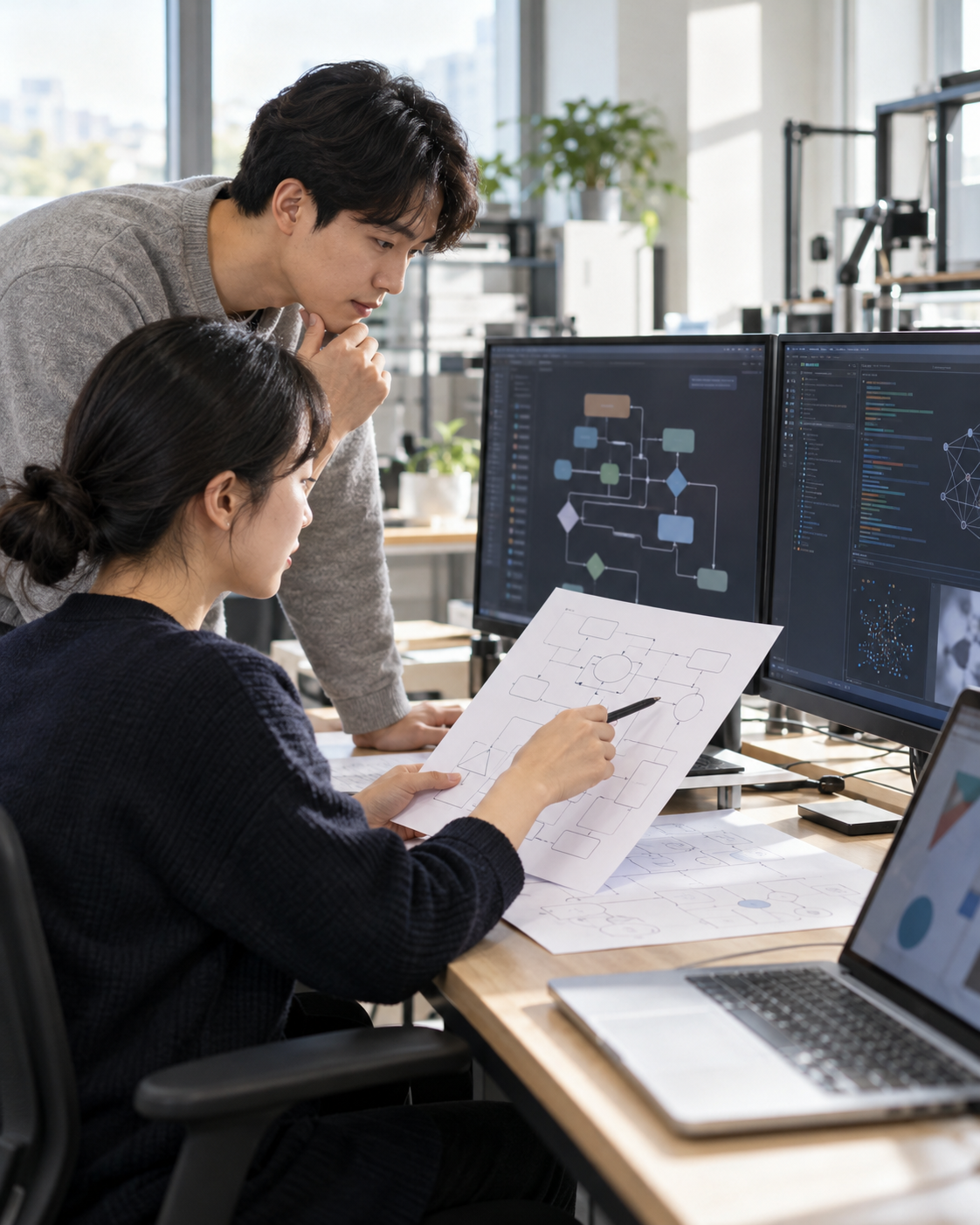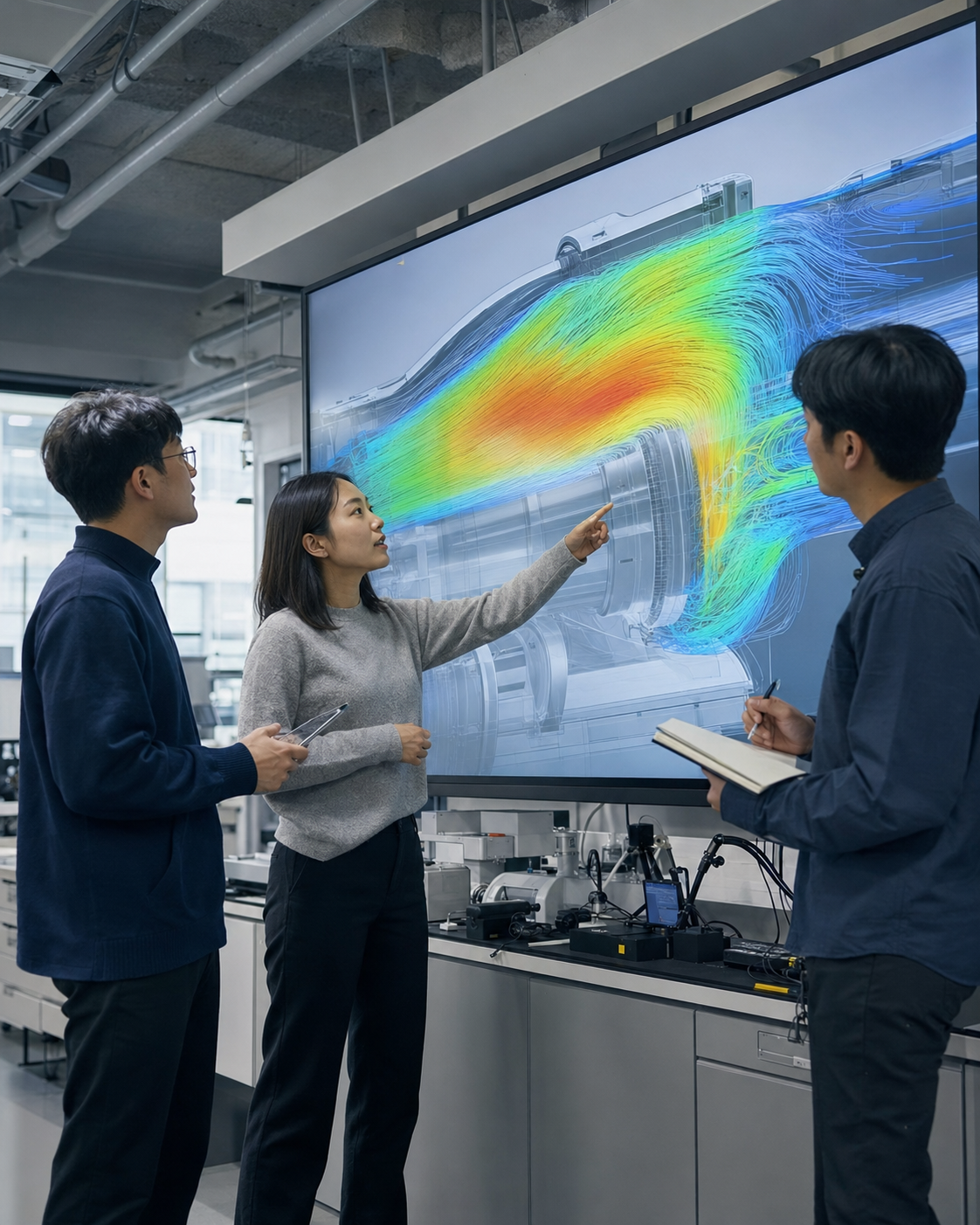
As the focus of the generative AI competition shifts from models that create text and images to A model for calculating and predicting the real world...is expanding. Accelerated UnderstandingAmid this trend, [Company Name] unveiled a new AI system that learns physical phenomena rather than language.
When the company processes a single query during testing, A context exceeding 5 trillion...he stated that he had addressed this. These figures target problems—such as semiconductor design, robotics, weather forecasting, and energy exploration—in which numerous variables change simultaneously depending on space and time.
However, this should not be interpreted as the “5 trillion-token context” of a large language model. Since the context in physics AI and the tokens in language models differ in structure and meaning, this figure is a metric provided by the company to illustrate the technical scale—it is not a direct performance comparison indicating that it is several times superior to a chatbot.
| Predicting changes in physical phenomena, not language
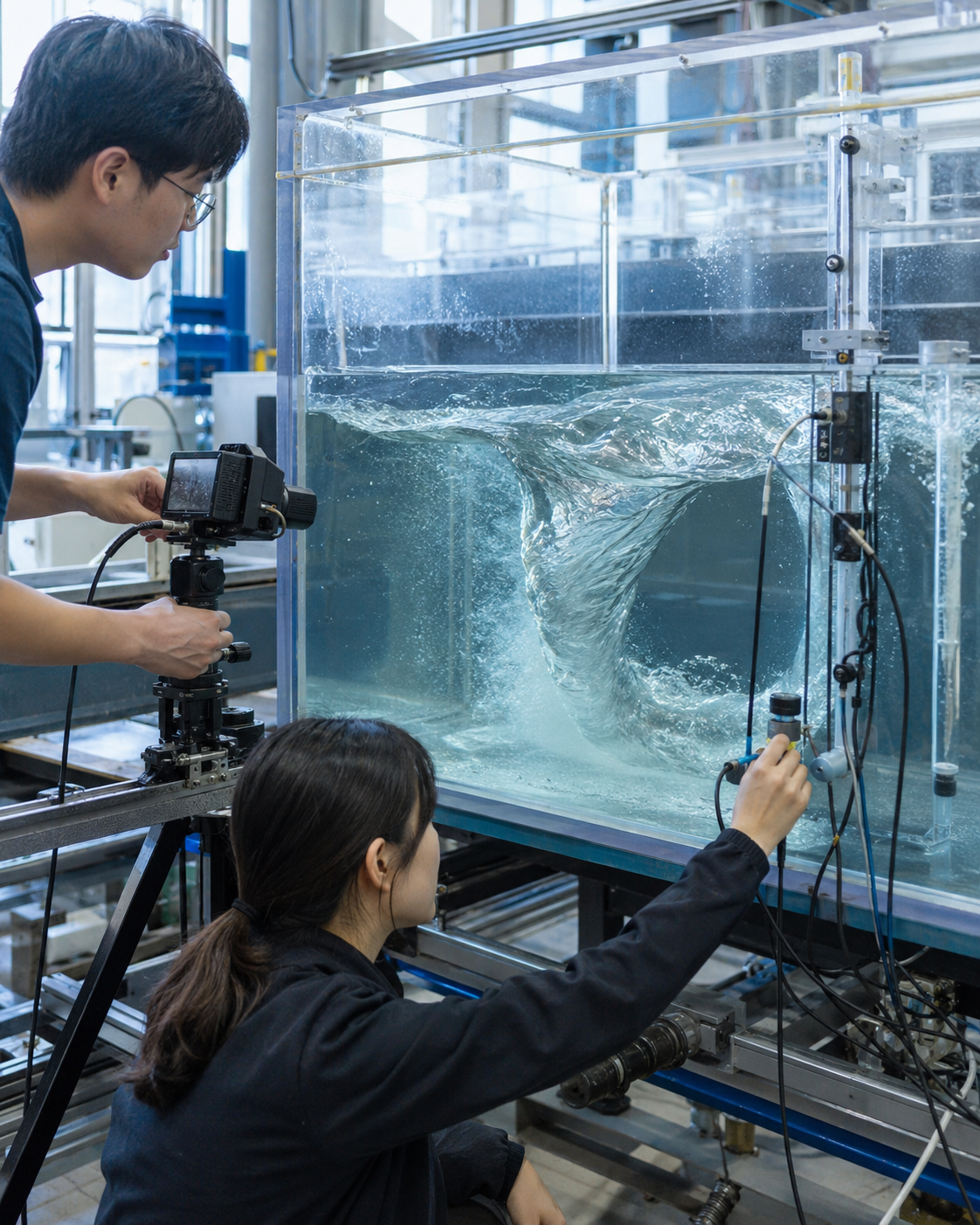
Language models like ChatGPT predict the next word or token based on context. In contrast, the Accelerated Understanding system focuses on taking the current state of a physical system as input and predicting how that state will change over space and time.
The company considers this to be 4D Physics AI That Handles Three-Dimensional Space and Time TogetherExplain it this way. Instead of stringing together the time stages one by one, Generate the entire change process at onceIt's an approach aimed at reducing the problem of errors accumulating in step-by-step predictions.
It also aims to train a single, general-purpose model to handle different areas of physics, such as heat, fluids, materials, and waves. While the concept is intended to move away from the practice of creating separate simulation models for each field, further verification is needed to determine the actual level of accuracy it can maintain across these various domains.
| Instead of Transformer
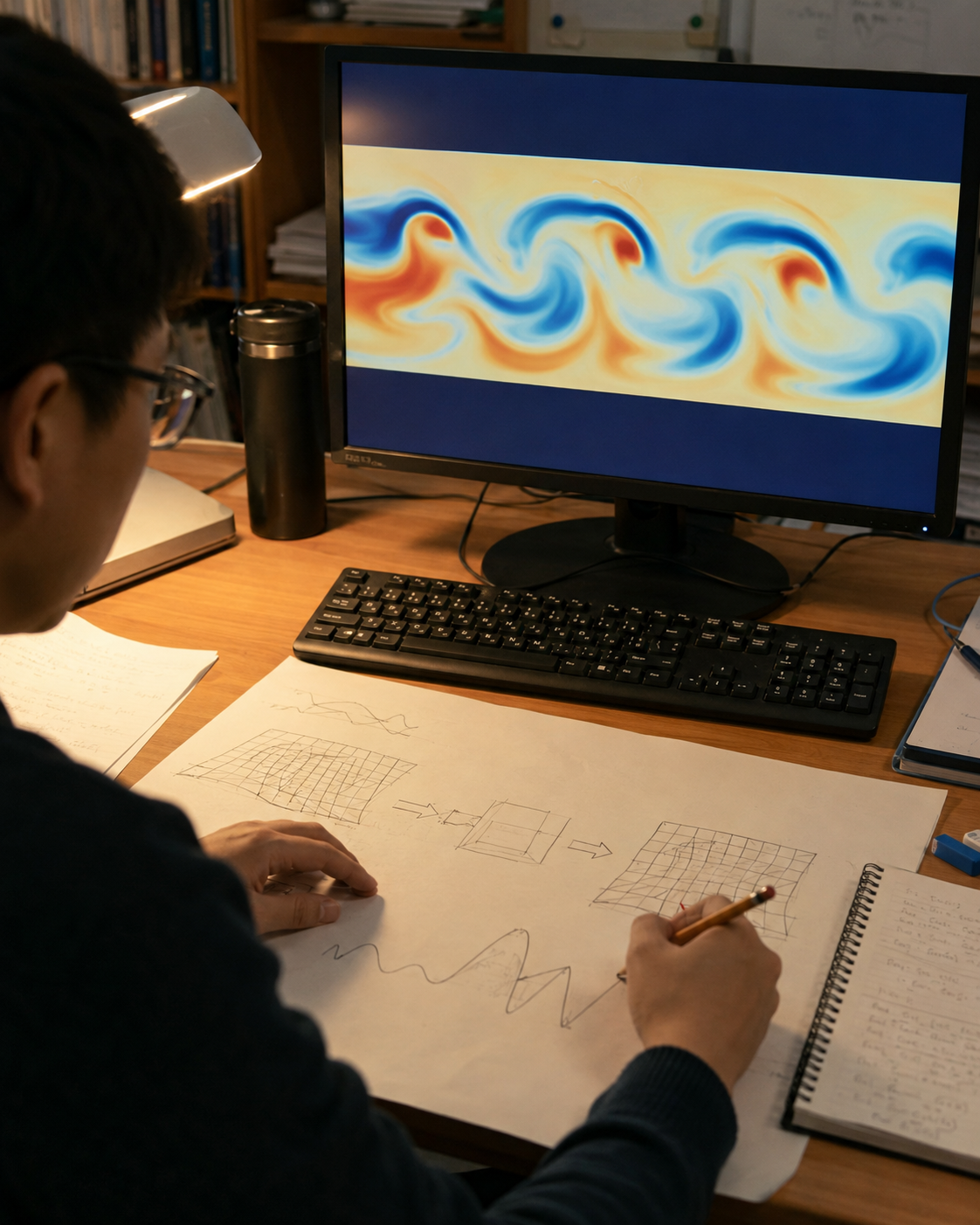
According to Reuters, this system is the foundation of today's leading language models, Transformerwithout using neural operator By leveraging the hierarchical structure, the neural operator, rather than connecting only a single number or an array of fixed size, A method that involves learning rules for transforming functions distributed throughout a space—such as temperature fields or pressure fields—into other functionsWow.
For example, it can be applied to problems where the temperature and fluid flow at a specific point in time are input to predict subsequent temperature distributions and flow patterns. Whereas conventional numerical analysis recalculates the equations whenever conditions change, a neural operator aims to learn, through data, the transformation rules of solutions that apply across various conditions.
Related research has identified “resolution invariance”—the ability to use the same model parameters even when the resolution changes—as a key feature of neural operators. While Accelerated Understanding also touts a structure that allows for switching to the desired resolution, the detailed design of the new model and the entire training method have not yet been disclosed.
| What exactly does "5 trillion context" mean?
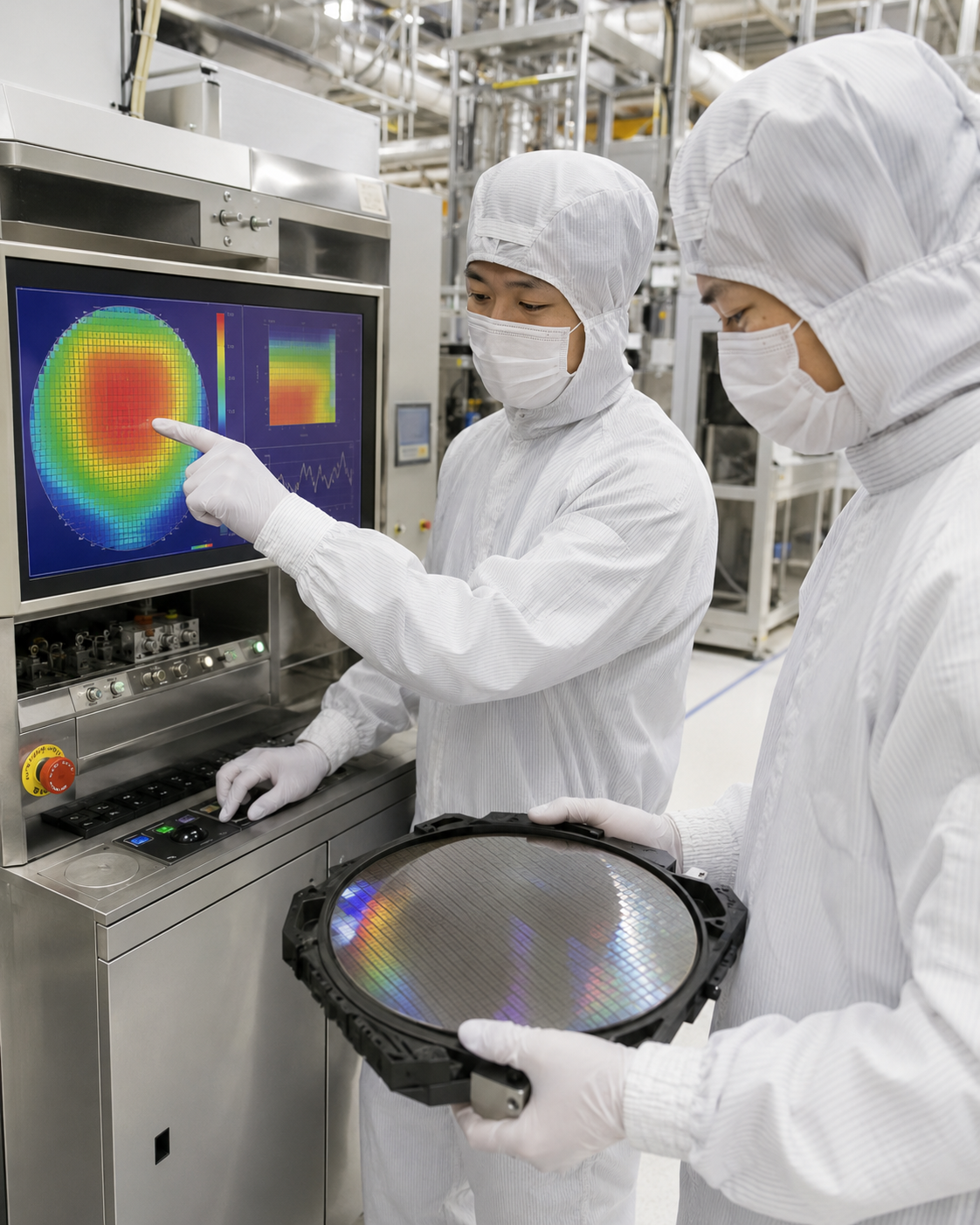
In the data released by the company, model size and context size—the amount of information processed at once—are treated as separate metrics. A model’s parameters are internal weights that are adjusted through training, while context refers to the scope of information that the model examines during a single training or inference operation.
|
Category |
The scale disclosed by the company |
Points to Keep in Mind When Interpreting |
|
Maximum Model Size |
Maximum 1 trillion parameters |
A numerical value representing the internal scale of the model |
|
Learning Context |
Maximum Article 1 |
Scope of physics information covered in a single lesson |
|
Inference Context |
Over 5 trillion |
Metrics centered on physical data elements rather than language tokens |
|
Average Training Data |
Per session 2~6PB |
These are average figures provided by the company and are not independently verified. |
In physics problems, variables such as temperature, pressure, and velocity are assigned to each point in a 3D grid, and a time axis is added to this. Even a slight increase in resolution causes the number of data elements to grow simultaneously across multiple dimensions, so the context can expand much more rapidly than in a one-dimensional array of tokens in a language.
Although Reuters described this scale as approximately 5 million times larger than the leading language models from Anthropic and Google, this description is based on a simple comparison of the number of processing elements. Since the input units and intended purposes differ, this ratio alone cannot be used to compare accuracy, inference capabilities, or practicality.
| Why We Targeted Everything from Semiconductors to Weather
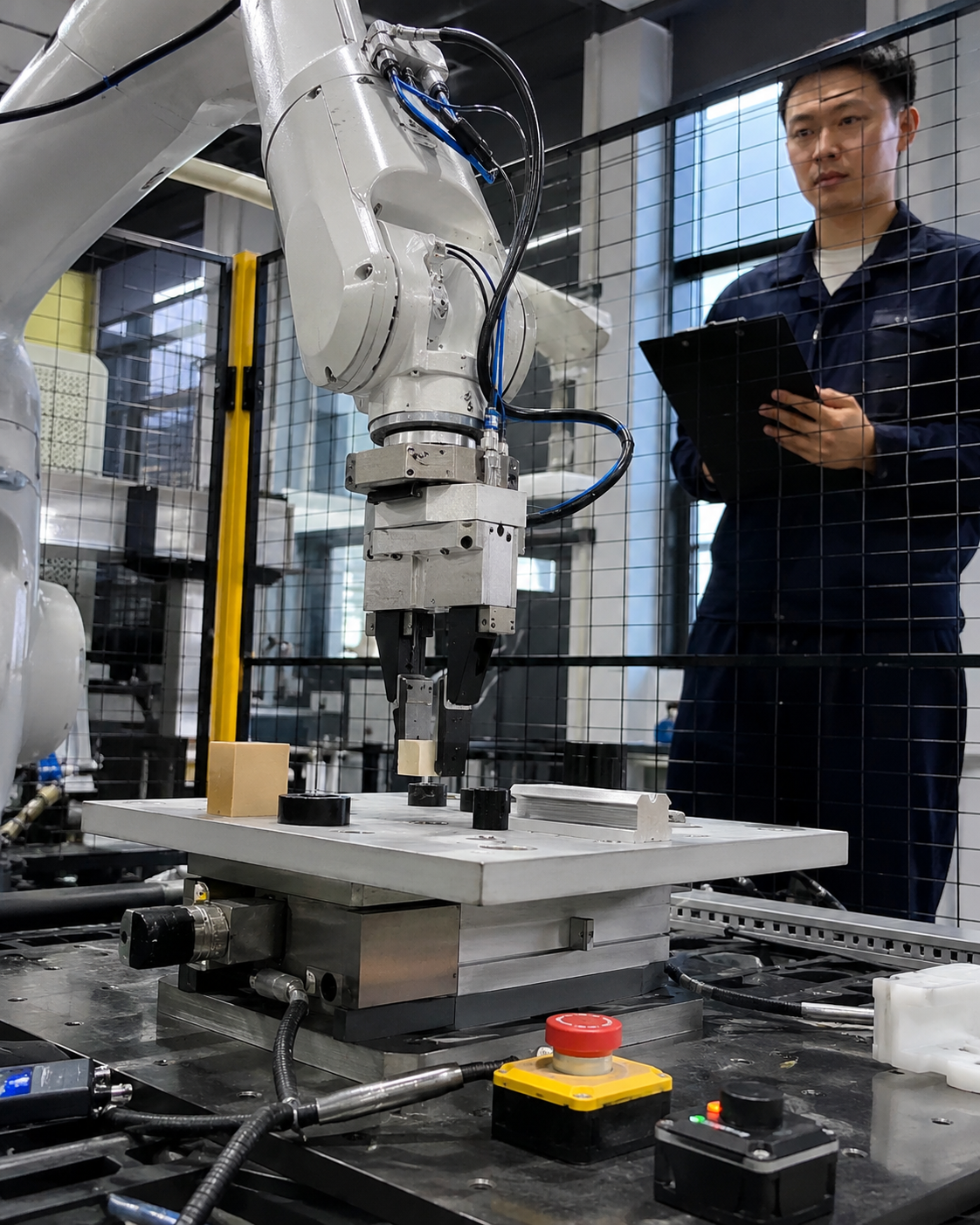
The first target area is Semiconductor DesignHey. The heat and material properties inside a chip directly affect its performance and stability. If physics-based AI can quickly predict temperature distributions and material responses resulting from design changes, it could help reduce the number of iterative experiments.
In the field of robotics, it can be used to predict the forces and movements that occur when a machine interacts with objects or its surroundings. In meteorology, it was proposed as a candidate for analyzing spatiotemporal changes in atmospheric conditions, and in the energy sector, for analyzing stratigraphic and geological data.
What these fields have in common is that experiments or The fact that precise simulations require a great deal of time and computational resourcesWow. The value the company is aiming for isn't just about showing results faster—it's also about suggesting how the design should be adjusted to get closer to the desired outcome.
| A technique that narrows the search range rather than changing the experimental method
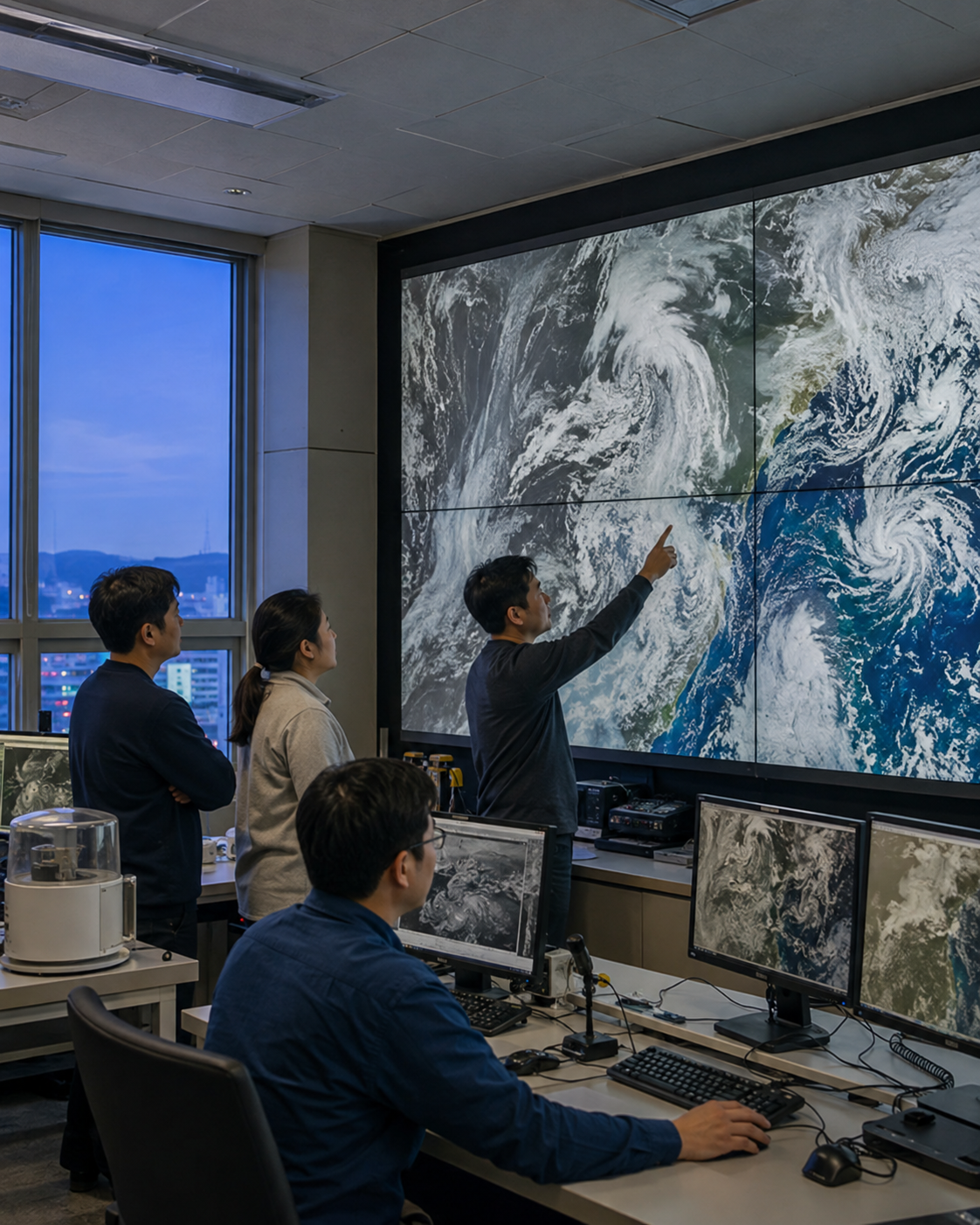
"Accelerated Understanding" is He explained that AI simulations can replace experiments that take days or weeksThat's true. However, in fields where safety and accuracy are critical—such as semiconductors, robotics, and meteorology—it's difficult to reach a definitive conclusion based solely on AI predictions.
A realistic approach would involve using AI to quickly screen through numerous candidates and then verifying only the most promising designs through detailed simulations or actual experiments. In this way, AI can serve not as a tool that eliminates experiments, but rather as a tool that reduces the number of costly experiments and narrows the scope of the search.
In particular, shapes not seen in the training data, or It is important to determine whether the laws of physics hold true even under extreme conditions.That's right. The company explains that it can verify results using physical equations and improve its models, but it has not yet presented any validation results from real-world industrial environments.
| Research tools for businesses rather than consumer-facing chatbots
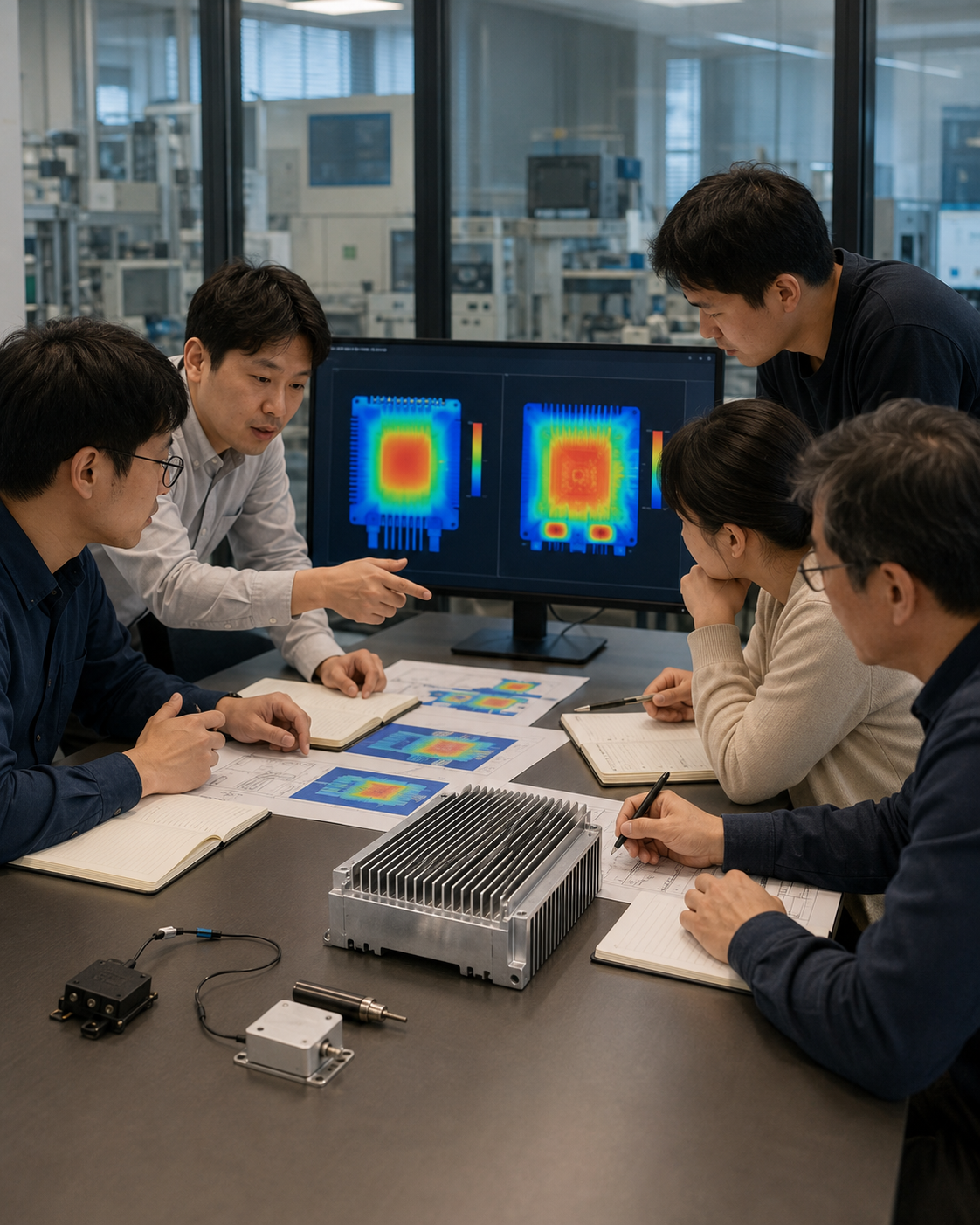
"Accelerated Understanding" is Anima Anandkumar, Professor of Computing and Mathematical Sciences at CaltechWith extensive experience in large-scale AI infrastructure, Benedikt JenikHe co-founded the company. Anandkumar previously led AI research at Amazon and NVIDIA, and has spearheaded research on neural operators and AI-based weather forecasting.
The company announced that, in the early stages, it plans to focus on contracts with businesses rather than launching consumer-facing services. It appears likely that semiconductor, manufacturing, and energy companies—which possess physical data and incur high experimental costs—will be its primary customers.
However, the company did not disclose the amount of funding raised or the names of its computing partners. Since the product names, API availability, pricing, and client companies have not yet been confirmed, it is more accurate to view this announcement as an initial unveiling of the company and its technological direction rather than the launch of a fully developed commercial service.
| Actual Accuracy
This announcement demonstrates that the competition in AI is expanding beyond language capabilities to include physical simulations in science and industry. If a single model can handle multiple physical domains and even suggest directions for design improvements, it has the potential to significantly accelerate the pace of research and development.
However, most of the key performance metrics currently available are based on the company's own tests. Since there are still no independent benchmarks, peer-reviewed papers on the new model, source code, or real-world customer case studies, A 5-trillion context doesn't necessarily mean an accurate physical understanding on a 5-trillion scale..
Going forward, we need to verify its accuracy and speed compared to existing numerical analysis tools, the computational cost required, and its ability to generalize to new conditions. Once these three aspects are demonstrated, we can conclude that Accelerated Understanding’s physics-based AI has moved beyond experiments on an impressive scale to establish itself as a practical industrial tool.
References
Accelerated Understanding — AI that can simulate and understand physics to invent and discover
Anima Anandkumar — Official Launch of "Accelerated Understanding" and Overview of Technical Scale
Reuters — The AI founders who walked away from Bezos-backed Prometheus to model the universe
Caltech — Introduction to Professor Animashree (Anima) Anandkumar
Tags
#AcceleratedUnderstanding #PhysicsAI #PhysicalAI #AnimaAnandkumar #NeuralOperator #AI Model #ScienceAI #Semiconductor Design #Robots and AI #Weather Forecast #Energy Technology #Simulation AI #Artificial Intelligence #AI News