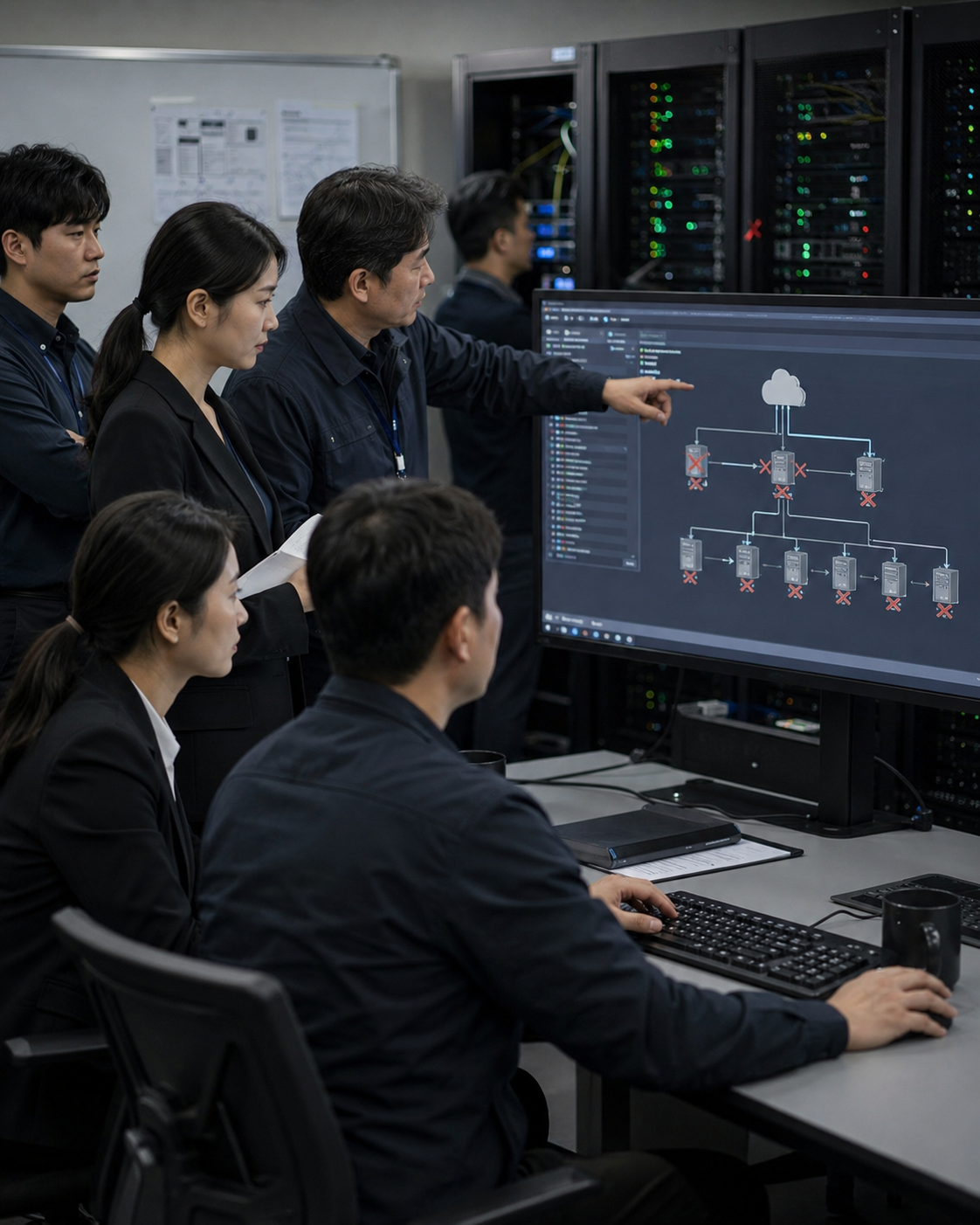
Taiwanese prosecutors have indicted a printed circuit board (PCB) manufacturer Unimicron TechnologyThey raided the company's offices and factories. The so-called allegation is that the company relabeled some PCBs manufactured in China as Taiwanese products. Care Label (Country of Origin) It's an investigation to verify the allegations.
The Taoyuan District Prosecutors' Office searched two company locations and questioned 14 defendants and 4 witnesses, among others 18 peopleThey investigated the matter. Prosecutors are looking into possible violations of laws regarding false country-of-origin labeling, document forgery, and product labeling.
Since the investigation is still ongoing, the allegations have not been confirmed as true, nor has the company been found guilty. Unimicron stated that it is cooperating with the investigation and that there is currently no significant impact on its operations, finances, or business.
| They searched the headquarters and two factories
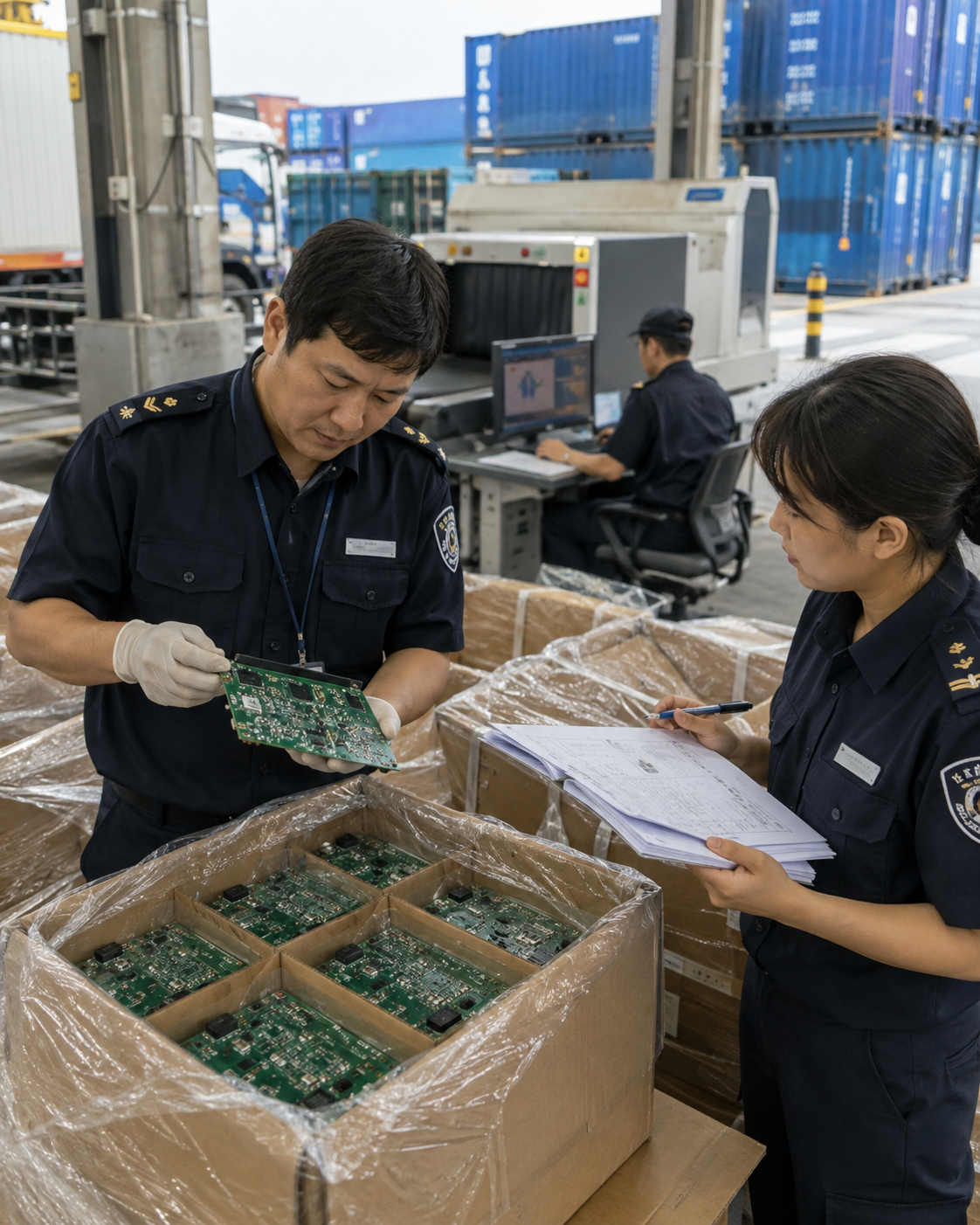
On August 28, Taiwanese prosecutors conducted searches at two locations: the company’s headquarters in Guishan, Taoyuan, and its factory in Zhongli. It is reported that they seized documents to verify the source of the products, the production and processing procedures, purchase records, and country-of-origin labeling procedures.
Those investigated included the head of the PCB division, a vice president, a plant manager, and personnel in charge of manufacturing and sales. Fourteen defendants and four witnesses were questioned; subsequently, five defendants were released on bail, and the rest were allowed to return home.
Bail is merely a measure that allows a suspect to remain free during an investigation; it does not imply a final determination of guilt or innocence. Prosecutors plan to continue investigating the actual flow of products and the scope of responsibility by cross-referencing the seized evidence with statements from those involved.
| Allegations that Chinese-made PCBs were replaced with Taiwanese-made ones

The focus of the prosecution's investigation is whether some PCBs manufactured in China were imported into Taiwan and then relabeled as "Made in Taiwan." If this turns out to be true, it could lead to issues such as the use of forged documents and the mislabeling of a product's country of origin.
A PCB is a fundamental component that connects electronic circuits on a substrate to enable semiconductors and various other components to function. Even if a single company operates factories in multiple countries, the determination of the country of origin may vary depending on where the actual production and primary processing took place.
Simply exporting through Taiwan or changing the packaging does not automatically make the product “Made in Taiwan.” Conversely, just because part of the manufacturing process took place in Taiwan does not necessarily mean it is illegal. You need to verify the specific level of processing and the relevant regulations.
| The company stated that it is cooperating with the investigation and that operations are proceeding as usual.
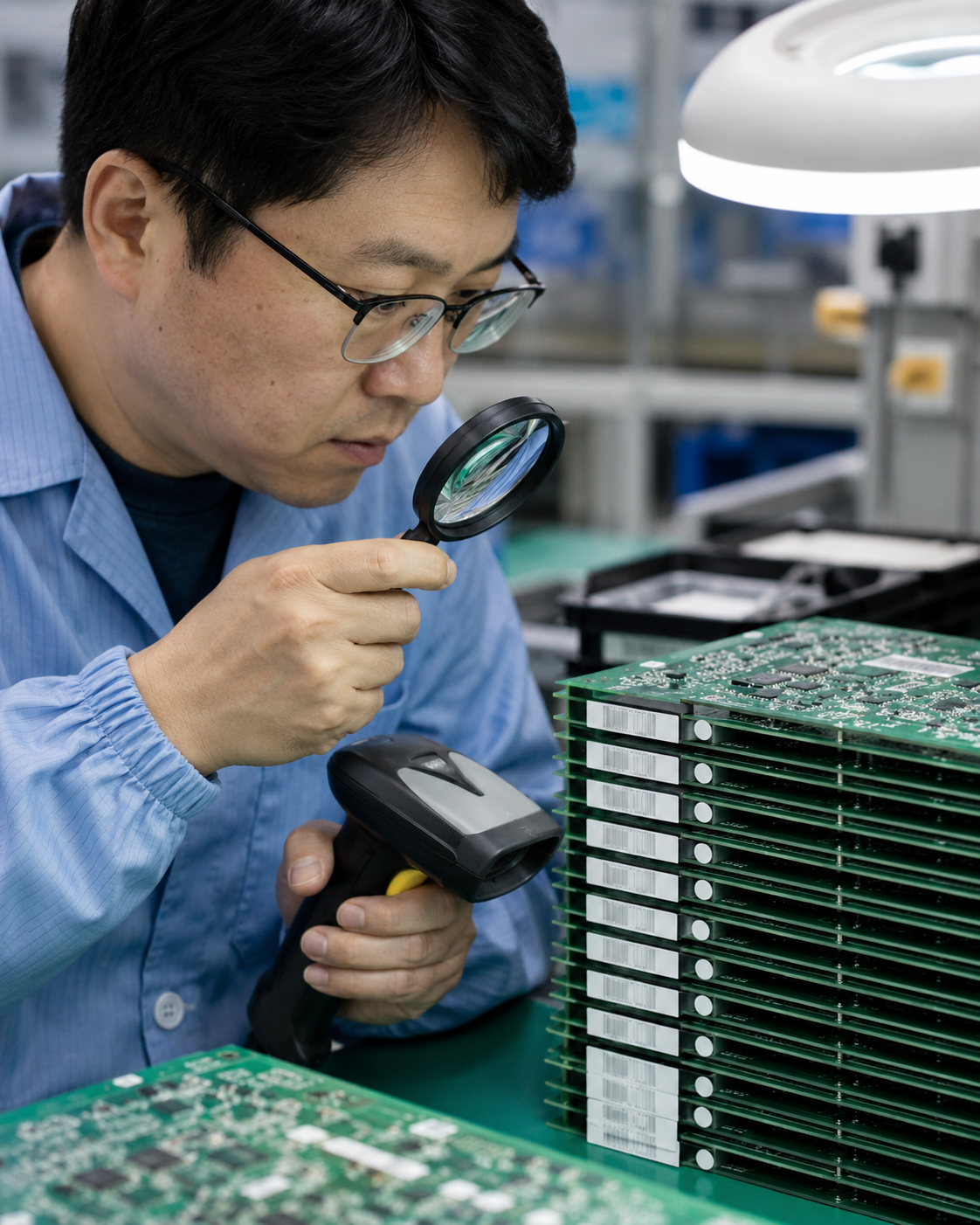
In a filing with the Taiwan Stock Exchange, Unimicron confirmed that prosecutors had conducted a search and stated that it would fully cooperate with the investigation. The company explained that its operations are currently running normally and that there is no significant impact on its finances or business.
This is the company’s position as of the early stages of the investigation. If the prosecution later specifies the charges, the products in question, the time frame, and the affected clients, the assessment of the impact on the business may change.
In particular, if a client requests its own supply chain audit or re-verifies the proof of origin for shipped products, short-term administrative and verification costs may increase. You should continue to monitor the company’s subsequent disclosures.
| Care Label (Country of Origin)
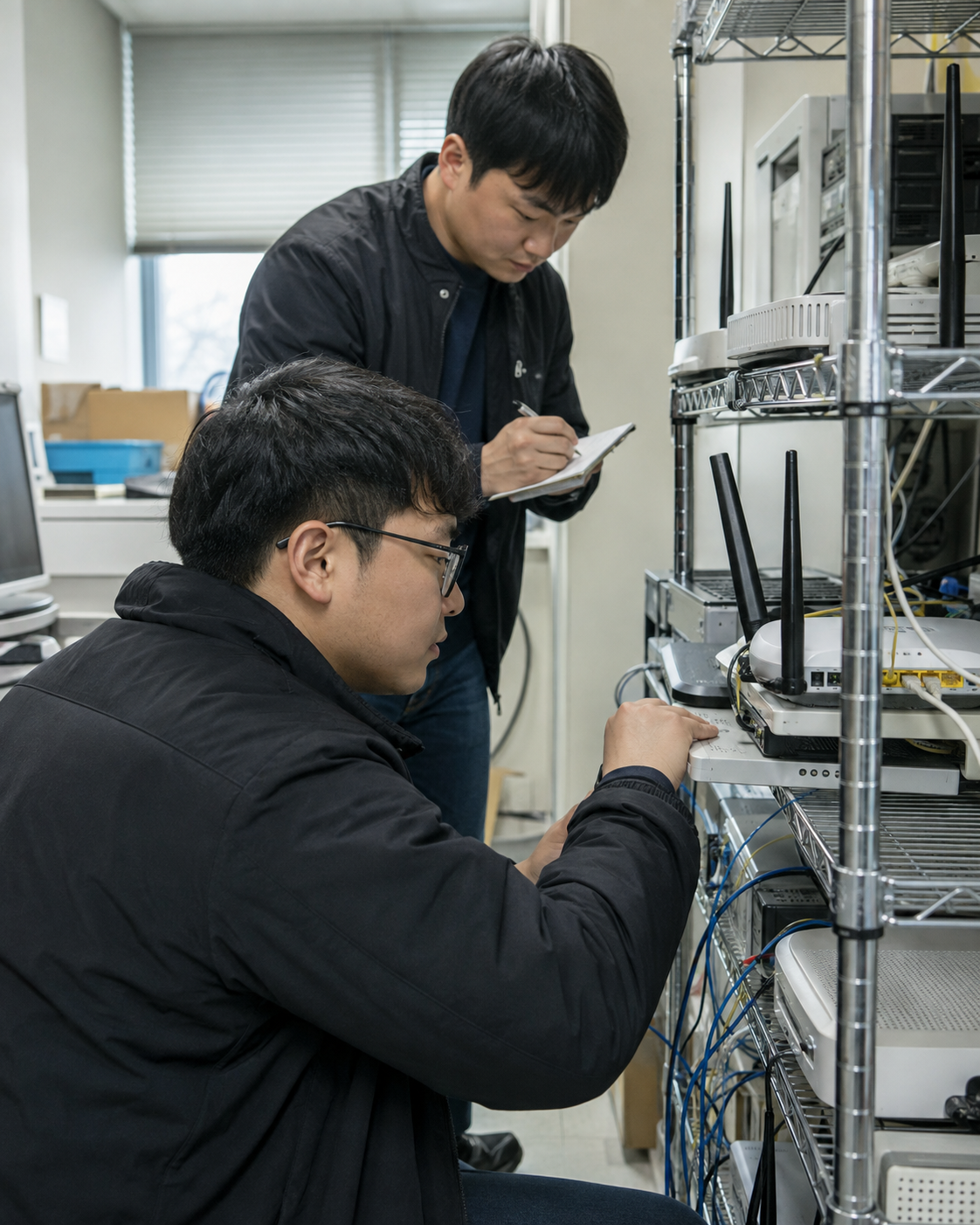
"Country-of-origin laundering" refers to the practice of mislabeling a product to make it appear as though it was manufactured in a country other than the actual country of origin in order to qualify for lower tariffs or more favorable procurement terms. The more the United States imposes high tariffs or restrictions on Chinese products, the greater the incentive to crack down on circumventing exports via third countries.
The Taiwanese government has recently been conducting intensive investigations into the practice of labeling goods produced in China or other regions as "Made in Taiwan." This is because the "Made in Taiwan" label is linked not only to tariffs but also to trust in the technology supply chain.
However, whether this incident was actually intended to evade U.S. tariffs must be confirmed through the prosecution’s investigation. The information currently available pertains to allegations of false country-of-origin labeling and the fact that a search was conducted; the specific exporting countries and the amount of damages have not yet been determined.
| The Entire PCB Supply Chain
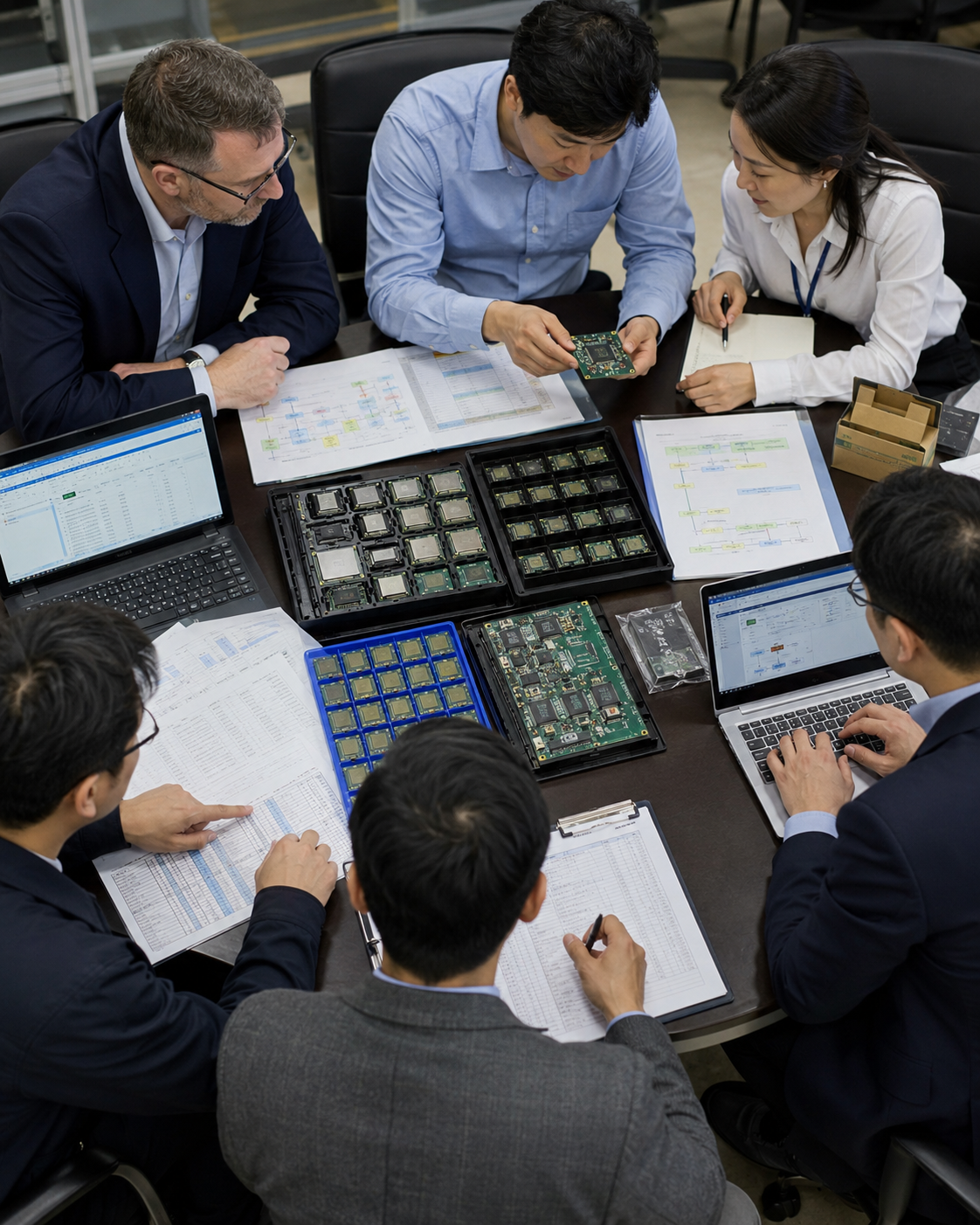
Unimicron is a major supplier of substrates for PCBs and semiconductor packages. Since these components may pass through multiple factories and outsourced processes, it is important to maintain a continuous record of the entire process—from material procurement to processing, inspection, packaging, and export.
Customers may require documentation not only to verify product quality but also to prove which processes were carried out in which countries. As customs duties and export controls become more complex, proof of origin, production history by factory, and audits of suppliers are becoming key conditions in supply contracts.
This investigation may prompt a reexamination of how Taiwan’s electronic components industry distinguishes and manages its production bases in China and its headquarters in Taiwan, going beyond the labeling issue at a single company.
| Search and Seizure
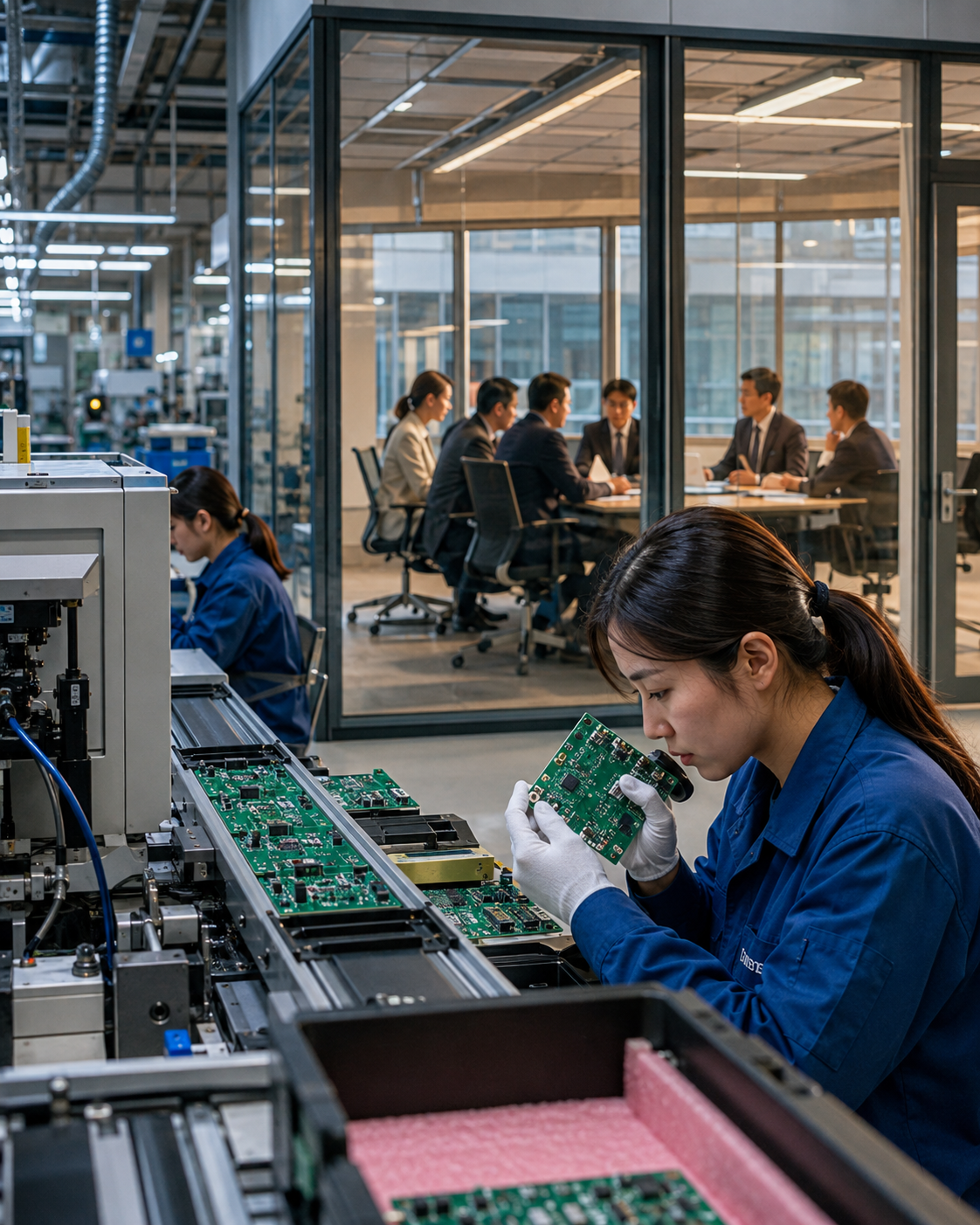
What has been confirmed at this stage is that prosecutors have searched two locations, questioned 18 people, and are investigating country-of-origin labeling and related documents. No decision has been made yet on whether to indict or on the court's ruling.
Going forward, we need to verify which PCB products and shipment periods are affected, the actual extent of processing carried out in Taiwan, and whether incorrect data was submitted to clients or export markets.
Regardless of the final conclusion, this incident demonstrates that records of origin have become a business risk in the electronic components supply chain that is just as important as price and quality. Internal controls that allow companies to track movements between plants and changes in labeling will become even more important.
References
Tags
#Unimicron #Unimicron #欣興電子 #PCB #Printed Circuit Board #Country-of-Origin Labeling #Taiwan Prosecutors #Taiwan Semiconductor #Electronic Components #Supply Chain #Allegations of Customs Evasion #Industrial Policy #Compliance