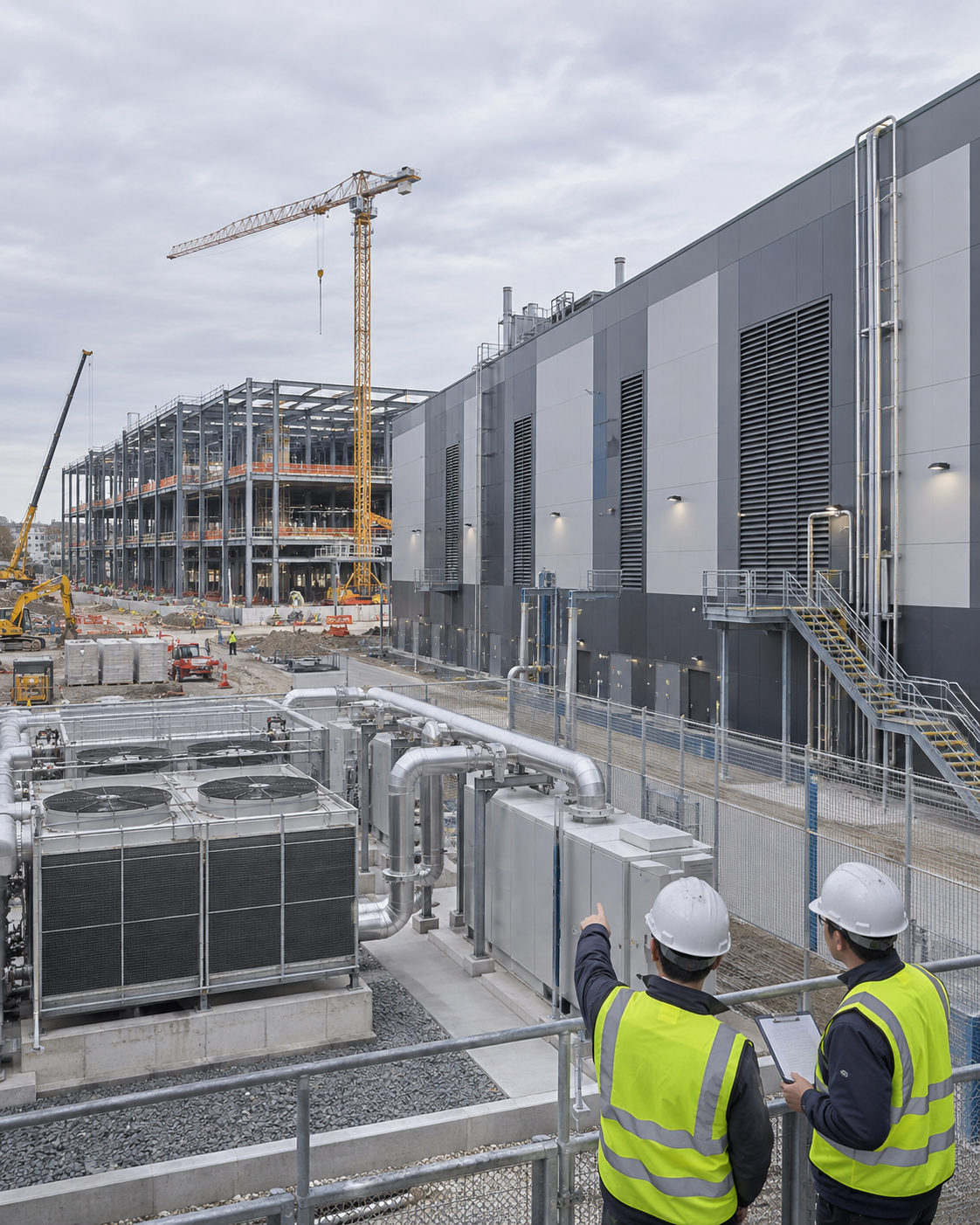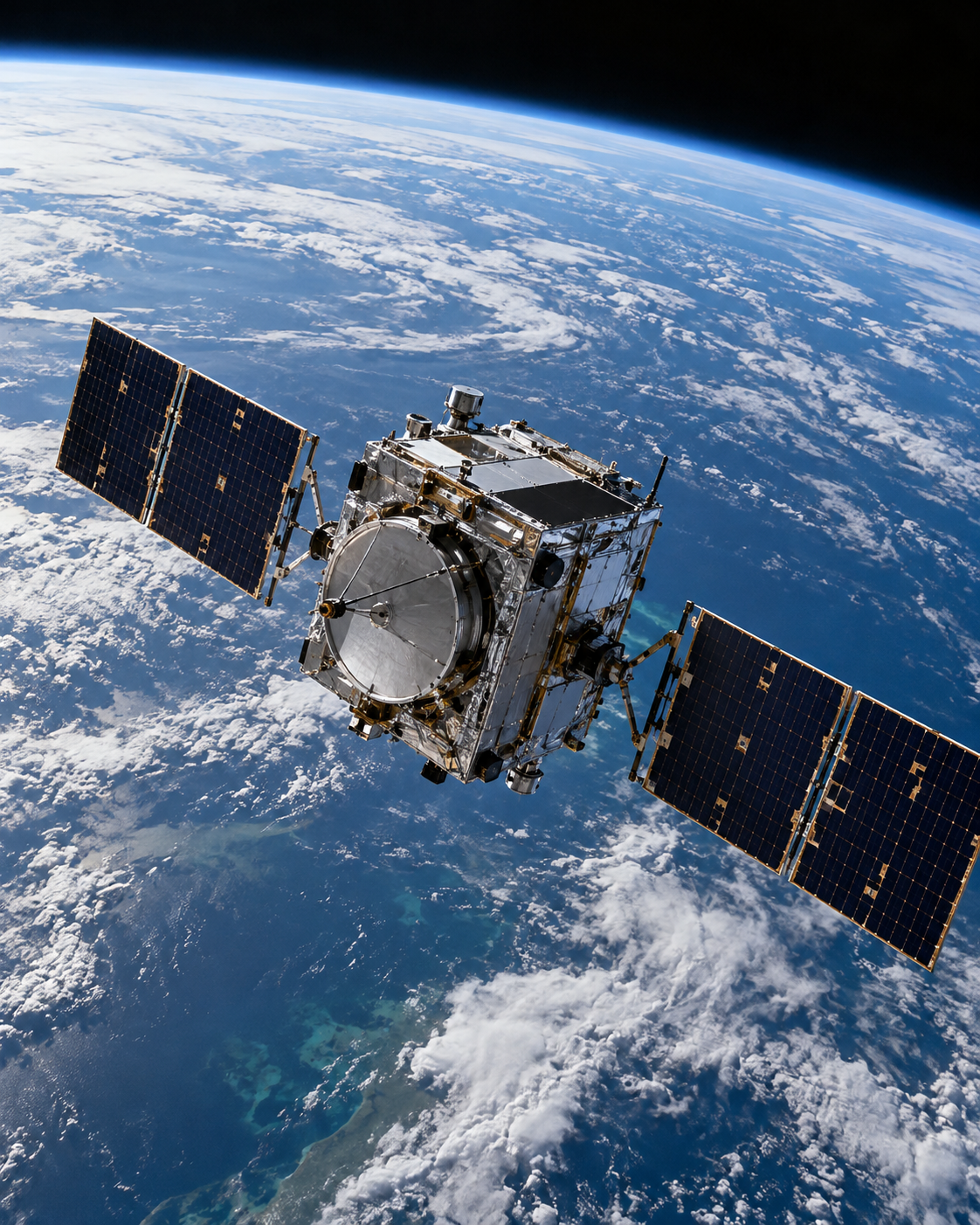
The Ministry of Science and ICT's 2027 Budget ProposalThis 29.6476 trillion wonIt was organized as follows. Compared to the 2026 supplemental budget 24.5% This marks the largest increase on record, driven primarily by investments in artificial intelligence infrastructure, models, and services.
The budget for the AI transition alone 9.4211 trillion wonWow. The scope of investment has expanded to include three major megaprojects—semiconductors, AI data centers, and physical AI—as well as securing GPUs and data, and support for AI services for the entire population.
However, these figures, ahead of the National Assembly's review, Government Budget ProposalWow. It is important to note that the final amounts and implementation methods for each project may change following National Assembly approval and during the subsequent public notice process.
| The total budget is 29.6476 trillion won.
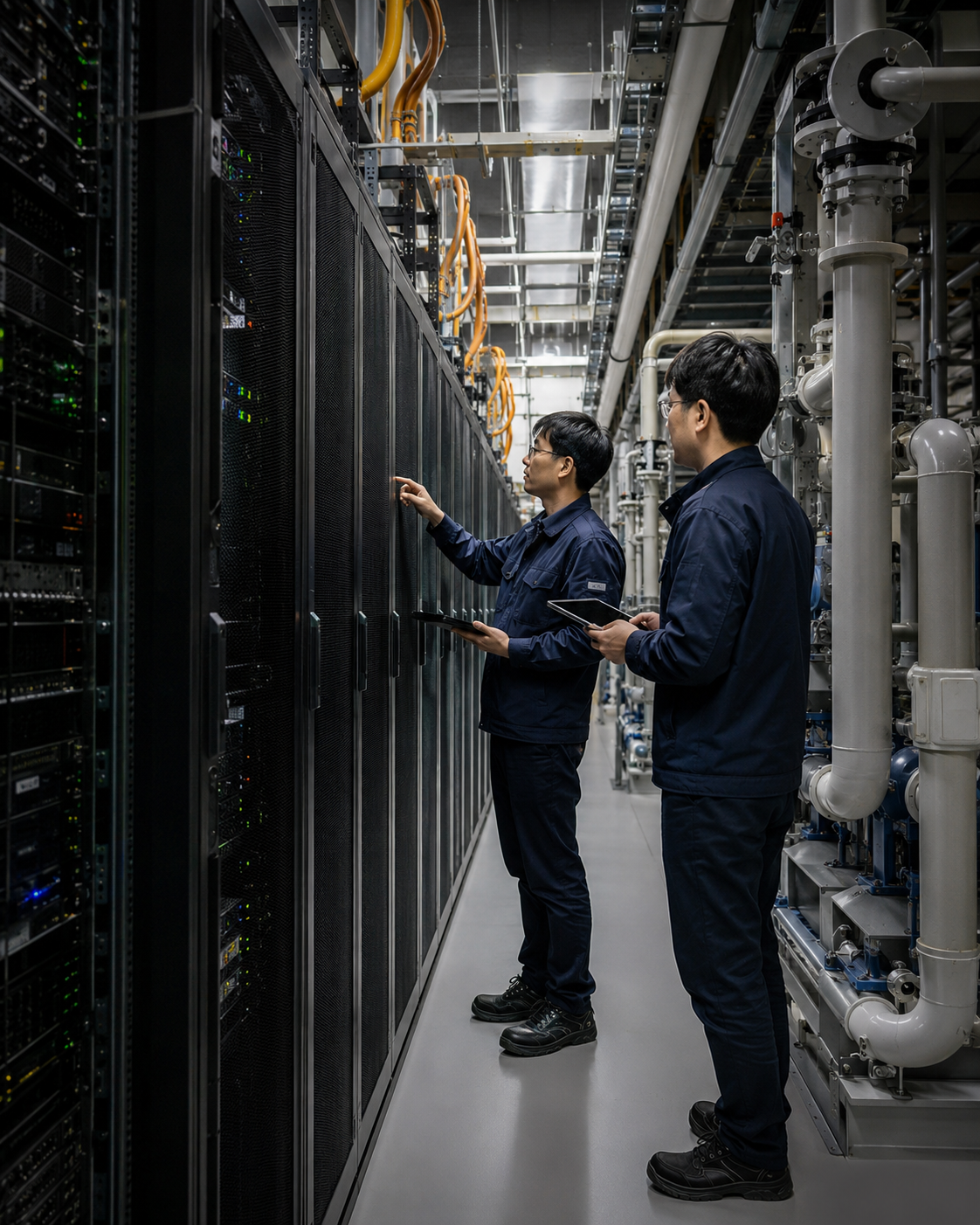
The 2027 budget proposal under the jurisdiction of the Ministry of Science and ICT is the 2026 supplementary budget 23.8204 trillion wonSee 5.8272 trillion won It has increased. The growth rate stands at 24.5%, which effectively quantifies the government’s policy direction of making AI and cutting-edge technology the core pillars of its growth strategy.
Of this amount, the research and development budget is approximately 14.1 trillion won...an increase of 18.5% compared to this year. The Ministry of Science and ICT's AI budget accounts for about 57% of the government's total AI budget, and its R&D budget accounts for about 36% of the government's total R&D budget.
| The budget for the AI transition has increased to 9.4211 trillion won

In the “Accelerating South Korea’s AI Transformation” category, compared to this year, 84.3% An additional 9.4211 trillion won was allocated. About one-third of the Ministry of Science and ICT's total budget is allocated to AI-related areas.
The budget will be allocated across four areas: three major megaprojects, cutting-edge AI models and technologies, AI services and applications, and an AI-inclusive society. It is characterized by a full-cycle support approach that involves building infrastructure and developing models, and then connecting them to actual industries and public services.
| Allocating 795.6 billion won to three major megaprojects
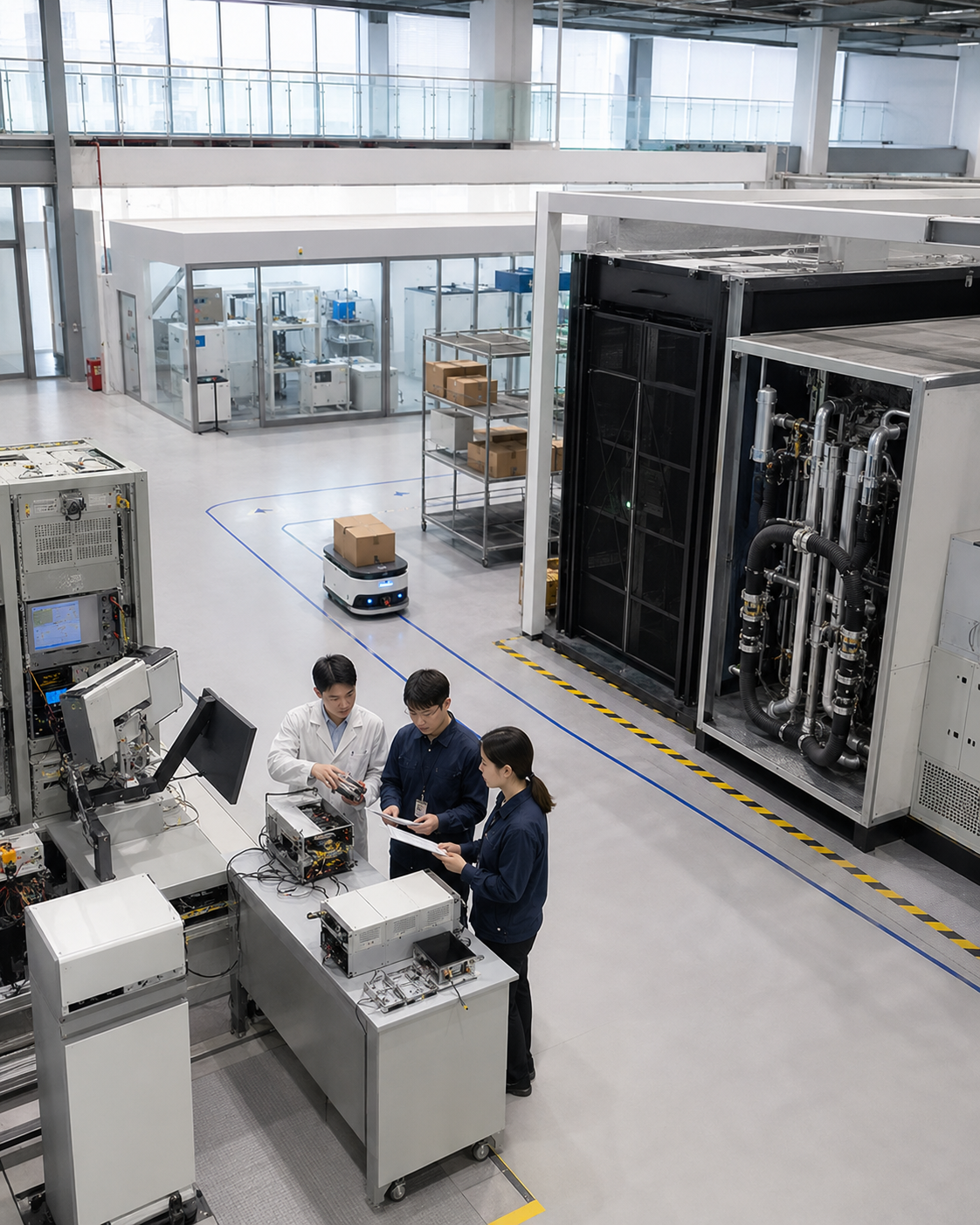
Combining semiconductors, physical AI, and AI data centers Three Major Mega-Projects The budget will increase from 298.1 billion won this year to next year 795.6 billion won...an increase of about 2.7 times. It's a vision that moves beyond supporting technologies on a sector-by-sector basis to connect data centers, chips, and real-world industrial applications into a single ecosystem.
A total of 87.8 billion won has been newly allocated for the establishment of AI data center clusters and the promotion of the industry, while 115.5 billion won has been set aside for the development and advancement of materials, components, equipment, and cloud technologies. Funding has also been allocated for full-stack demonstrations to verify the performance and commercial viability of domestically produced AI semiconductors by applying them to actual products and services.
| Access to GPUs and data is the foundation of competition in model development
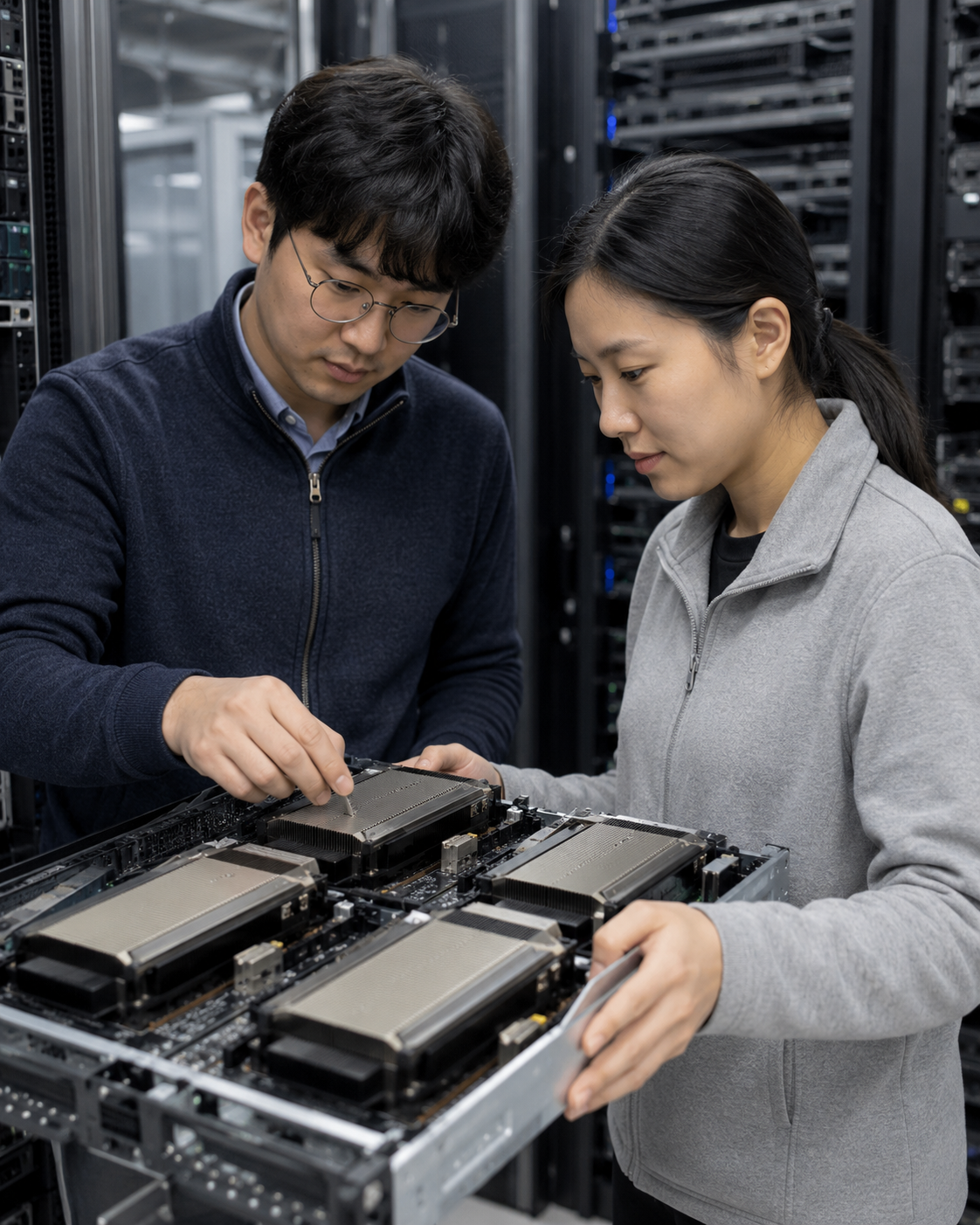
In the field of securing top-tier AI models and technologies, 5.5937 trillion wonThis lineup has been set. The government is developing the latest generation of GPUs, approximately 10,000 copiesWe plan to expand our foundation for developing proprietary, high-performance AI models by providing training data and specialized talent.
Just buying a GPU doesn't automatically make you competitive. Power, cooling, high-speed networks, data quality, and a team of model researchers must all be in place to deliver actual performance. Operational efficiency and the rate of civilian utilization after the equipment is acquired will be key evaluation criteria.
| Demonstrations of physical AI and domestically produced semiconductors are also expanding
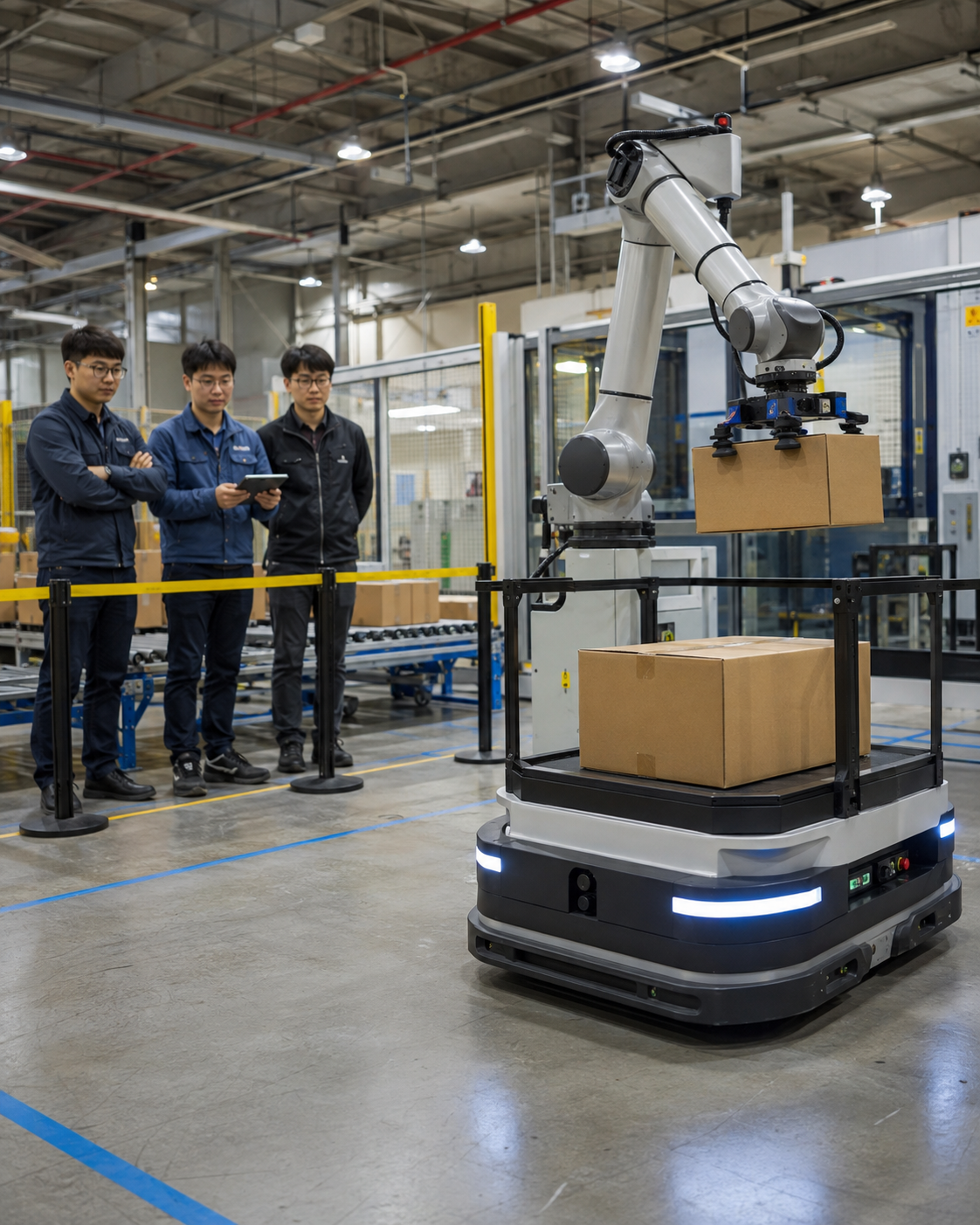
In the field of physical AI, we are securing real and synthetic data to enable robots and autonomous systems to learn about the physical world, and we are supporting the development of general-purpose foundation models and field demonstrations in industrial settings. New initiatives have also been added, such as establishing training centers, developing core technologies, and applying them to logistics operations.
In the semiconductor sector, there is a process for verifying domestic AI chips by connecting them to servers, the cloud, and services K-AI Semiconductor Full-Stack Reference The project is underway. Whether we can create cases that go beyond technology development and lead to actual purchases and adoption will determine the success of the policy.
| Expanding the scope to include AI services and inclusion policies

Regarding AI services and applications, 1.8611 trillion won, In an AI-inclusive society, 1.1707 trillion wonI was assigned this. A new budget of 250 billion won has been allocated for the “AI for All” initiative, which aims to enable all citizens to use domestic AI services at no cost.
This also includes support for regional AI transformation, science and technology-focused foundation models, and global collaborative research. However, rather than simply focusing on increasing the number of users, we must also measure service quality, privacy protection, and disparities in access across regions and socioeconomic groups in order to properly assess the effectiveness of the policy.
| We need to review the final budget and the results of its execution.

This announcement signifies that major policy initiatives, such as the Future Preparedness Fund, have been translated into specific projects and funding amounts across various government agencies. In particular, since it provides comprehensive support for infrastructure, models, and services all at once, it could significantly increase the chances for the domestic AI ecosystem to transition from the research stage to the actual market.
Conversely, there is also a risk that large budgets will be duplicated across similar projects or spent solely on procuring equipment. The amount finalized following the National Assembly’s review, the criteria for selecting contractors, We must continue to monitor GPU utilization rates, the progress made in adopting domestically produced chips, and the tangible service benefits experienced by the public.
References
Tags
#Ministry of Science and ICT #2027 Budget Proposal #AI Budget #Artificial Intelligence Policy #AI Data Center #Physical AI #AI Semiconductors #GPU #KAI Semiconductor #AI for Everyone #National R&D #Industrial Policy