
OpenAIA AppleOpenAI has again refuted the trade secret infringement lawsuit filed by Apple through court documents. Apple claims that employees who left the company to join OpenAI took hardware design, manufacturing, and supply chain materials with them, but OpenAI counters that there is a lack of concrete evidence that trade secrets were stolen.
OpenAI claims that this lawsuit is intended to prevent competitors from recruiting talent and to discourage employee mobility. It also argued that, given the problems with Apple’s information management and resignation procedures, Apple cannot shift the blame onto its competitors.
The claims made by both sides have not yet been established as fact by the court. This dispute illustrates that the two companies have entered a phase where they are competing for consumer AI hardware and key talent, even as they maintain a cooperative relationship.
| Apple filed a lawsuit in July

On July 10, Apple filed a lawsuit in the U.S. District Court for the Northern District of California against OpenAI and a former employee Tang Yew Tan, Chang Liu, has filed a lawsuit against io Products, a hardware company acquired by OpenAI.
Apple is It is alleged that former employees took confidential product designs, manufacturing processes, and supplier information and used them in OpenAI's development of consumer hardware. Apple's argument is that OpenAI's hiring process was used not merely to recruit talent, but as a channel to obtain internal information from Apple.
| OpenAI countered that there was insufficient evidence of a leak
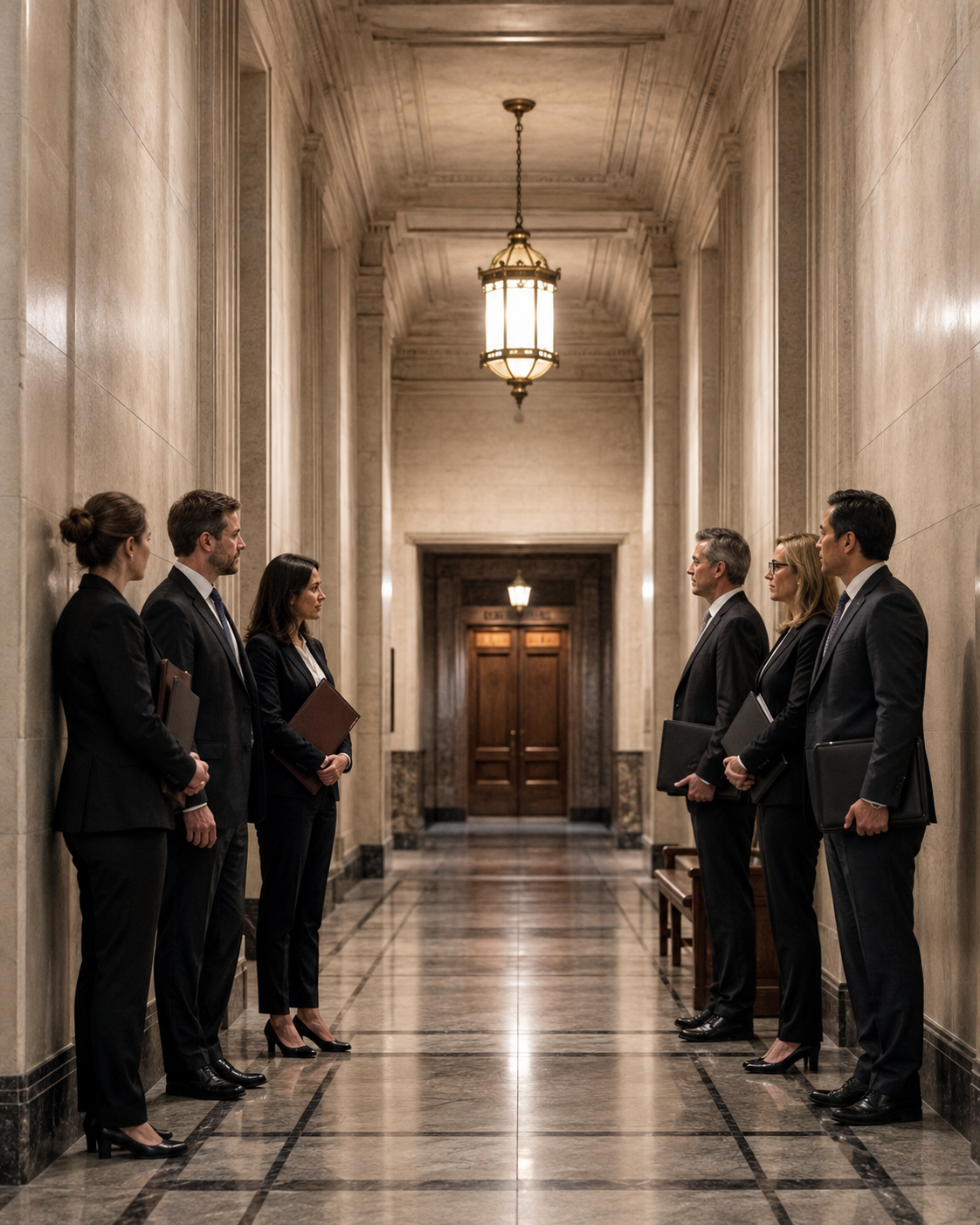
In its latest court filing, OpenAI explains what trade secrets Apple is entitled to protection for, They argued that it did not sufficiently demonstrate what information was actually provided to OpenAI and used by them.
Former employees are also denying any wrongdoing. Regarding allegations that they accessed certain materials after leaving the company, they maintain that they were either assisting a former colleague’s request or handling non-confidential information, and that they had no intention of passing Apple’s trade secrets on to OpenAI.
| He argued that it was a “lawsuit intended to curb competitors”
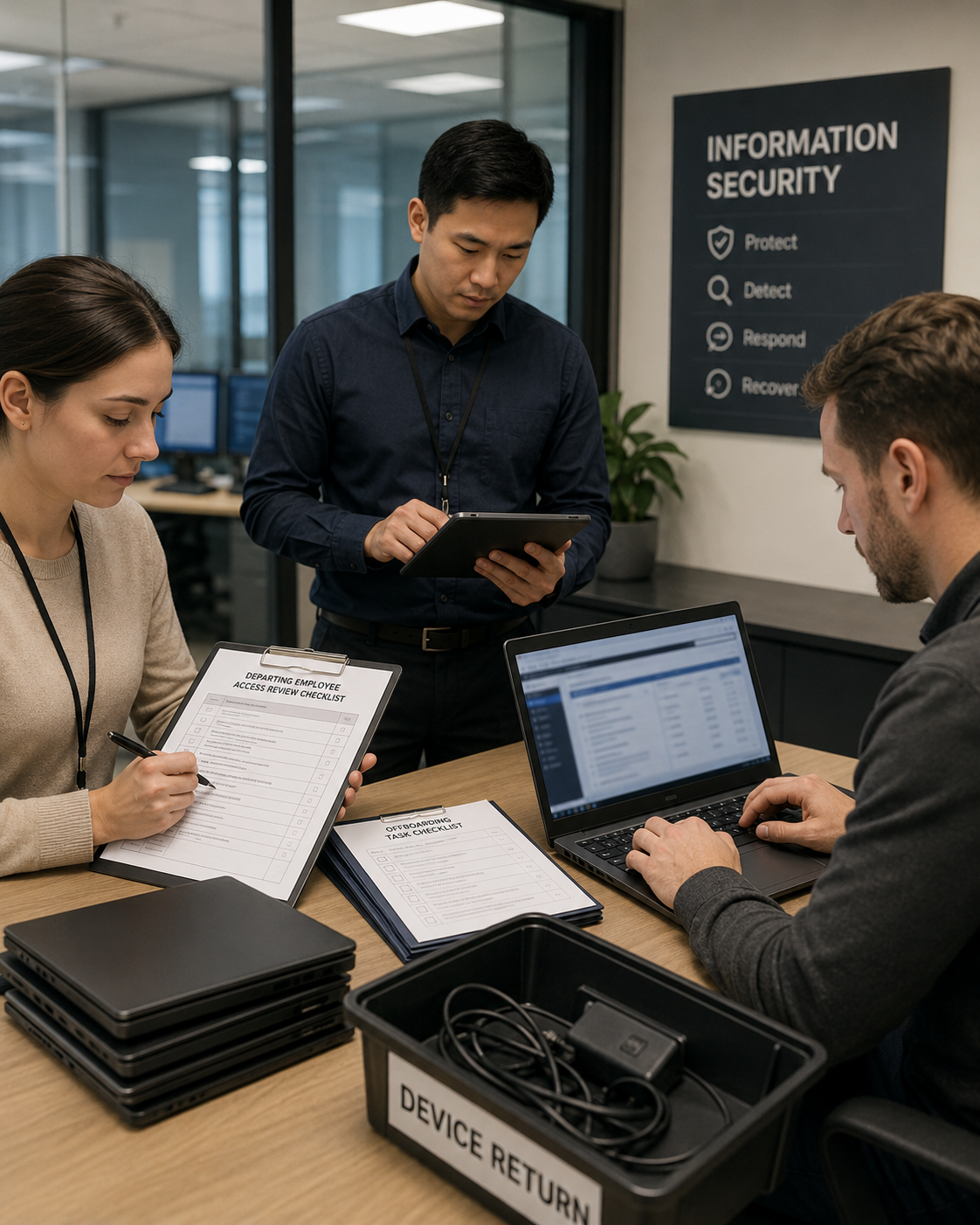
OpenAI claimed that Apple is using the lawsuit to keep a new competitor in the hardware sector in check and to prevent employees from leaving the company. It also emphasized that California is a state that broadly permits employees to join competitors.
Apple stated in the complaint that more than 400 former Apple employees have joined OpenAI. However, the mere fact that many employees have left does not prove a breach of trade secrets, and The ownership of specific information and the channels through which it was acquired and used must be verified.
| The resignation process and personal use of iCloud are also points of contention.
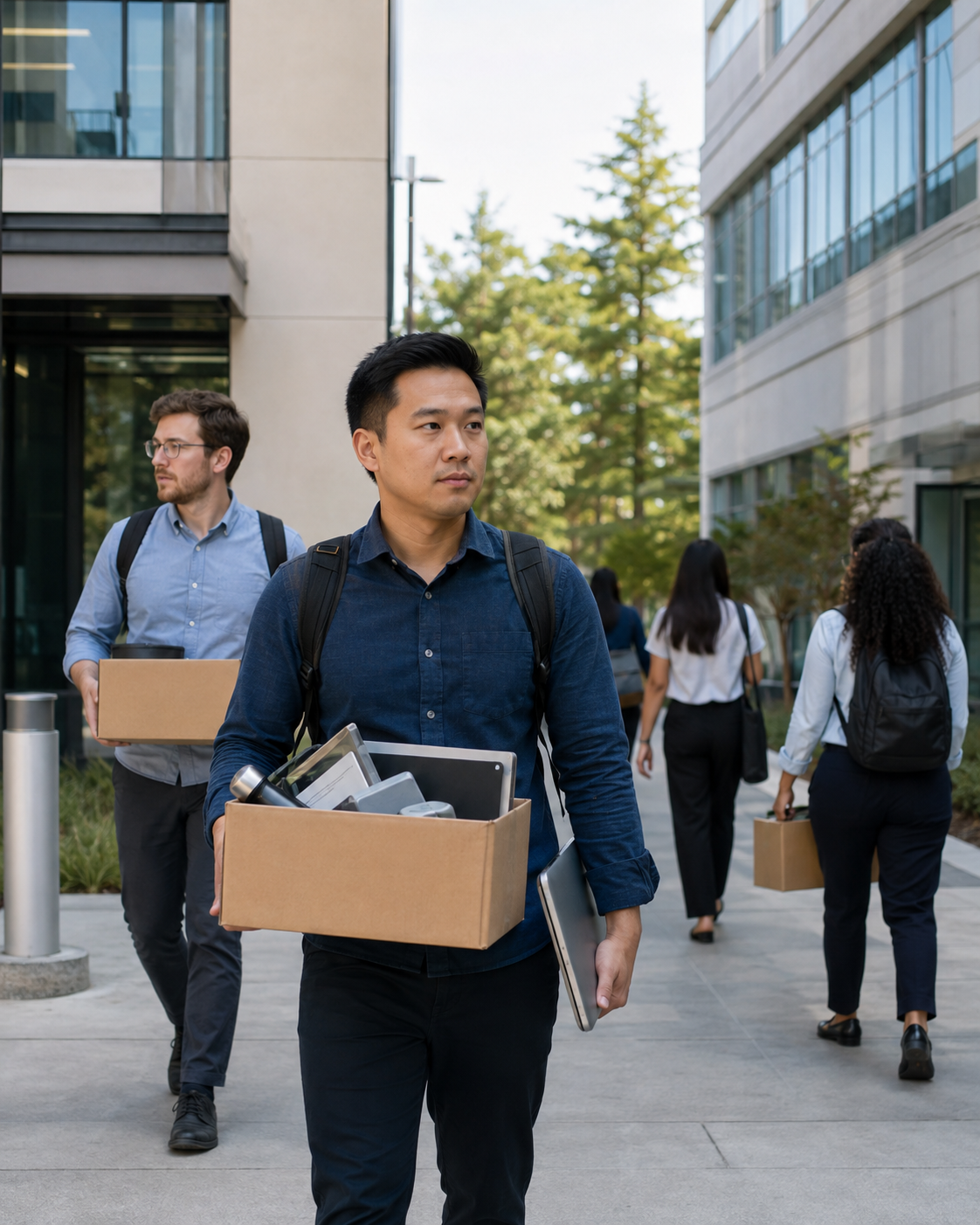
OpenAI is It is alleged that Apple had issues with its internal management procedures, such as allowing employees to use their personal iCloud accounts for work or failing to clearly revoke access immediately upon their departure. The argument is that the line between work-related and personal data has become blurred.
From Apple’s perspective, it could argue that even if there are vulnerabilities in its internal systems, that does not give employees or competitors the right to access confidential information. Ultimately, the court must evaluate the confidentiality of the information, Apple’s efforts to protect it, and whether the defendants actually obtained and used the information.
| Trade secret lawsuits require specific evidence
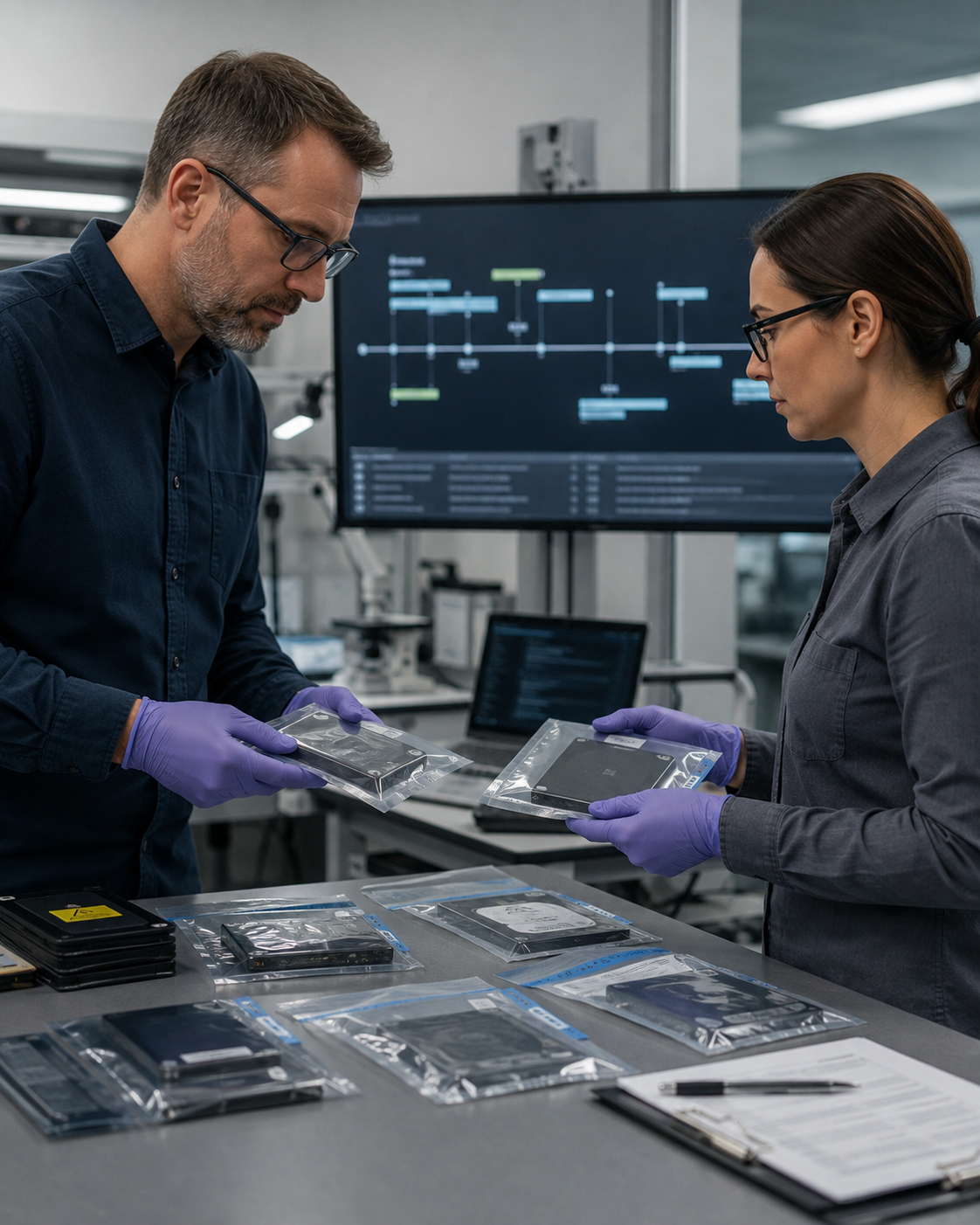
To be protected as a trade secret, It is important that the information has economic value because it is not known to the general public, and that the company has taken reasonable measures to keep it confidential. Just because a document is labeled “confidential” doesn’t mean it receives the same level of protection as all other documents.
Apple must specify exactly what design and manufacturing information was leaked, and OpenAI must substantiate its claim that it did not receive or use that information. At this stage, it is impossible to determine which side’s claim is true.
| The competition in AI hardware is fueling tensions
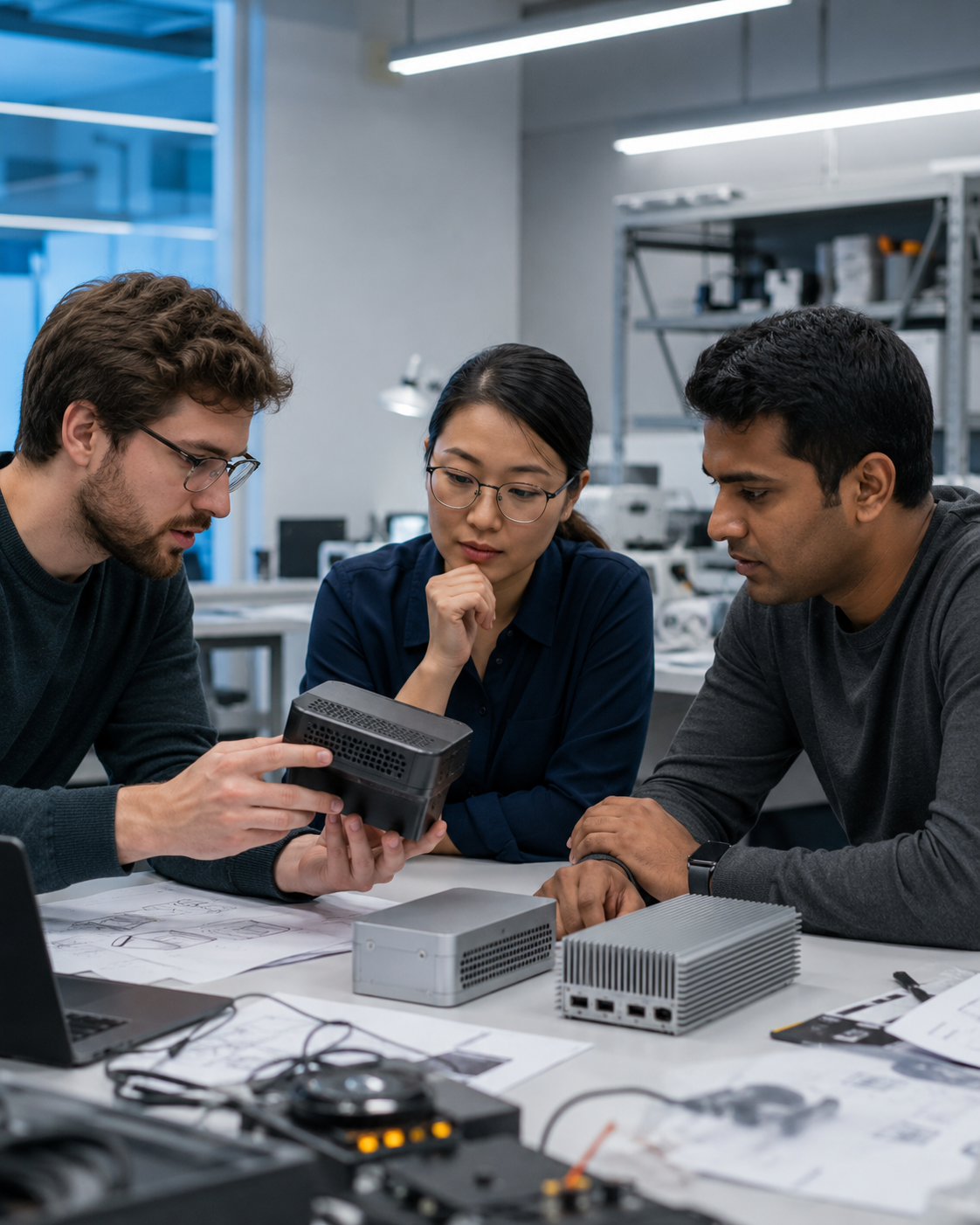
OpenAI has acquired io Products and is developing consumer AI hardware that differs from existing screen-based devices. Since Apple, too, needs to deeply integrate AI into its own devices and operating systems, the two companies are both software partners and potential hardware competitors.
When key designers and supply chain experts move from one company to another, it becomes difficult to draw a clear line between their experience and trade secrets. As the AI hardware market grows, similar disputes over talent and technology are likely to increase at other companies as well.
| We'll have to wait and see what the court decides next and whether the evidence is disclosed.
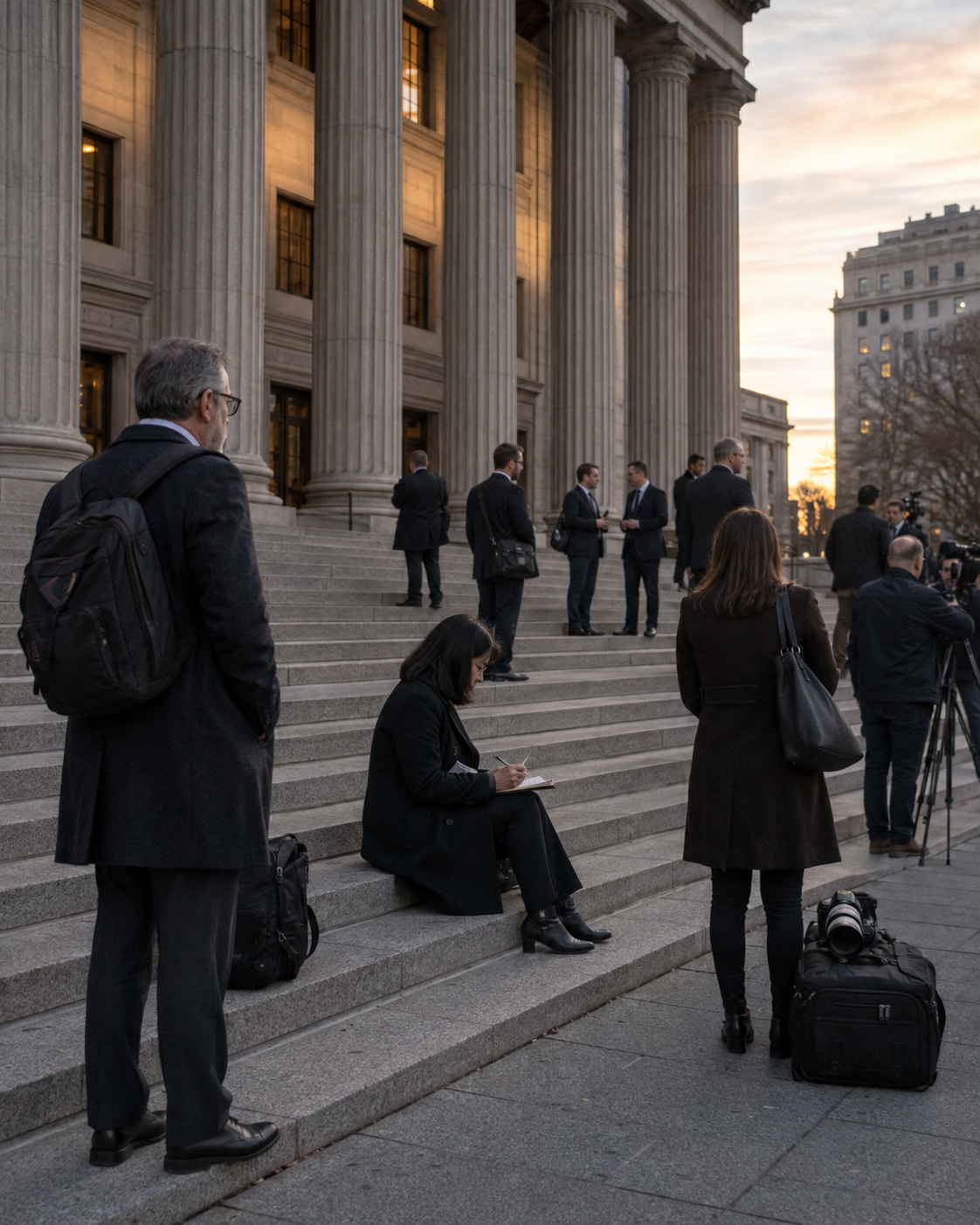
OpenAI has previously requested that the lawsuit be dismissed, while Apple is pushing back by demanding expedited discovery. The next turning point will be whether the court dismisses the case, allows only some of the claims to stand, or moves forward with full-scale discovery.
Although this submission is OpenAI's official rebuttal, it is not a ruling. To accurately assess the significance of the dispute, it is necessary to distinguish between the court orders to be disclosed in the future, the actual evidence, and the development and launch status of both companies' hardware products.
References
Tags
#OpenAI #Apple #Trade Secrets #AI Hardware #Technology Litigation #Talent Mobility #ioProducts #Consumer AI Devices #U.S. Federal Court #Intellectual Property Rights #Hardware Competition #Tech Industry