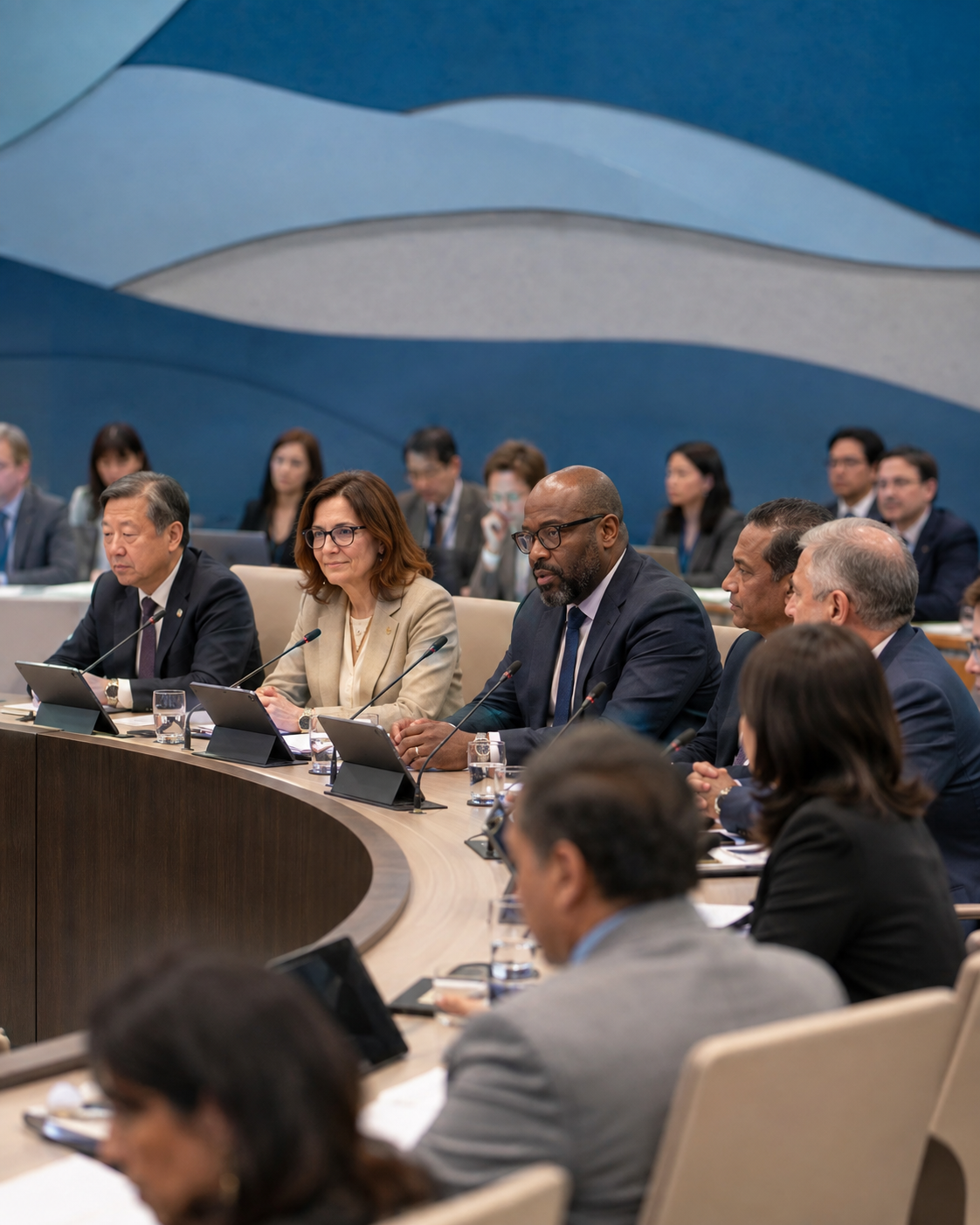
Instead of creating a broad new regulatory framework for AI at the G20 technology summit, the U.S. is addressing issues that are difficult to handle under existing systems Let's apply additional regulations only to new issues...put forward the "Carolina Principles."
Michael Kratsios, who heads the White House Office of Science and Technology Policy, stated that China has also signed on to this principle. It is noteworthy that the United States and China—which are competing in the field of AI—have both committed to the broader goal of guarding against excessive regulation.
However, the full text of the principles has not been made public, and it is not a legally binding international agreement. At this stage, it can be viewed as reflecting the regulatory direction and political signals put forth by the United States rather than how G20 member countries will actually incorporate them into their domestic policies.
| A Halt to Comprehensive New Regulations Targeting AI Alone
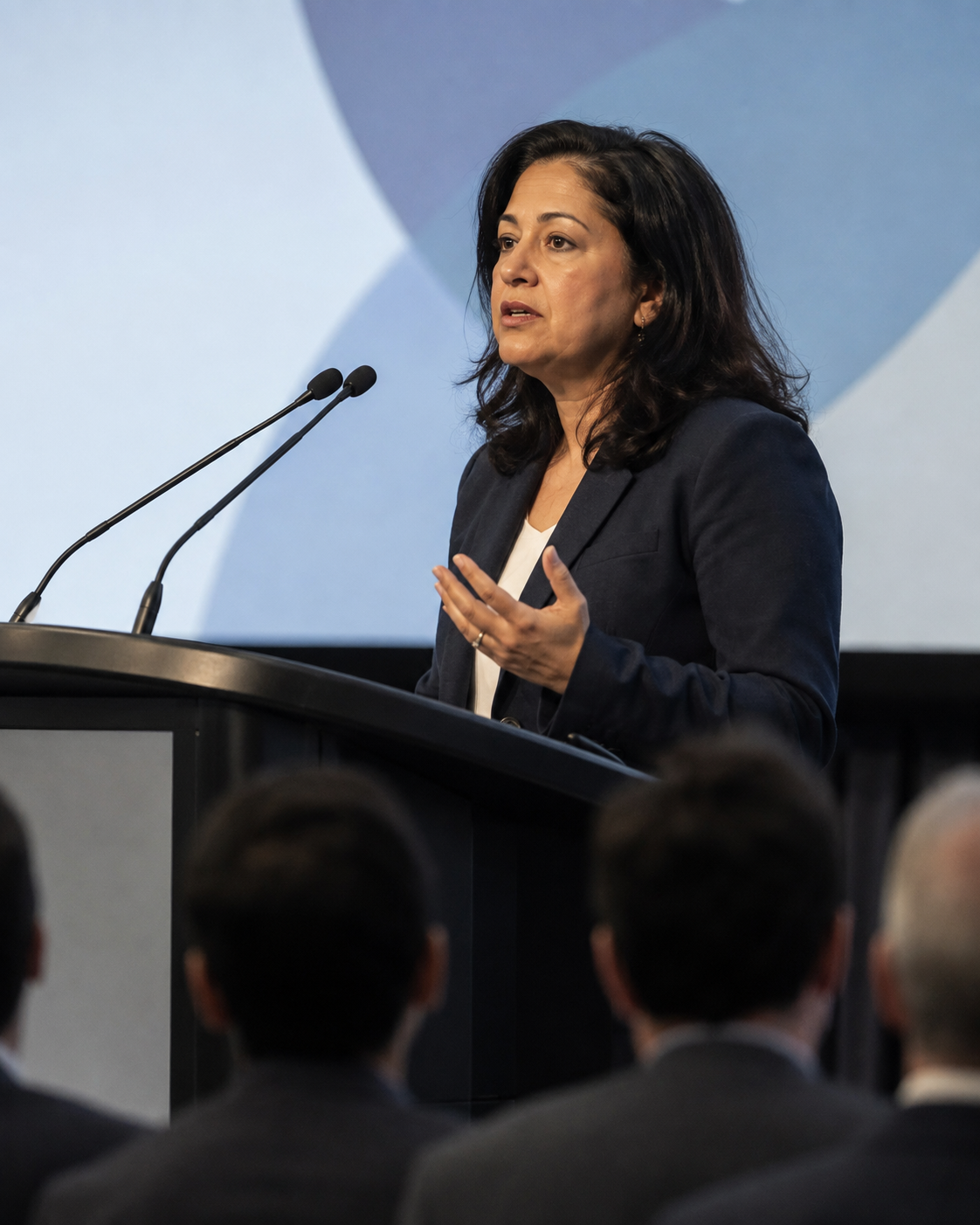
The core of the Carolina Principles is that we shouldn't create a completely separate regulatory framework every time a new technology emerges. The approach is that while new regulations should be considered for problems arising specifically from AI, there is no need to create separate AI-specific regulations for issues that can already be addressed under existing consumer protection, competition, and liability laws.
Kratsios explained that policymakers should not treat every innovation as an isolated issue. This reflects the U.S. government’s technology policy direction, which aims to expand basic research and business opportunities while ensuring that regulations do not slow down product development and commercialization.
| China Also Signed the Principles

Kratsios told reporters that the Chinese government had also signed the Carolina Principles. Yin Hejun, China’s Minister of Science and Technology, attended the meeting, and the U.S. and Chinese sides also held a separate bilateral meeting.
However, as of the time of the Reuters report, the Chinese government had not issued its own statement, nor had the full text of the principles been released. Therefore, it remains unclear what interpretation China has agreed to regarding all the specific wording, or whether it will actually be reflected in domestic regulations going forward.
| The U.S.'s Strategy to Reduce the Regulatory Burden

The U.S. proposal aligns with an industrial strategy aimed at maintaining an environment where domestic AI companies can quickly launch models and services. As diverse regulations increase around the world, companies will have to comply with country-specific safety standards and reporting requirements, which could also drive up launch costs.
Conversely, while minimizing regulations may be beneficial for the expansion of U.S. companies, it could lead to uncertainty regarding who is liable and what the pre-approval standards are in the event of a safety incident. It is highly likely that the question of who will determine what constitutes a “new issue” will become a major point of contention during the actual policy-making process.
| DeepMind Calls for AI Safety Testing

Demis Hassabis of Google DeepMind urged countries at the conference to establish safety tests for AI systems. The position is that, even without creating many new regulatory agencies, there needs to be a standard procedure for assessing the risks of high-performance models before they are released.
Given the rapid increase in the cyber capabilities and autonomy of recent models, the questions of “whether to increase regulation” and “whether to conduct verification” are not necessarily the same. That's because even under a light regulatory framework, it's possible to implement measures such as evaluation criteria, incident reporting, and independent verification.
| Meta and SpaceX are opposed to expanded regulation

Mark Zuckerberg of Meta argued that countries should not restrict OpenWeight AI models whose core components have been made public. Elon Musk of SpaceX criticized the European Union’s technology regulations, saying they hinder corporate development.
Meanwhile, Musk also said that countries outside of China need to develop new energy sources to address the power requirements of AI data centers. This demonstrates that the regulatory debate extends beyond model safety to include energy, industrial competitiveness, and national security.
| International Common Principles and Domestic Law Are Separate Matters

While the principles agreed upon at the G20 can help align member countries' policy directions, they are not, in and of themselves, laws that impose obligations on companies. The European Union’s AI Act and digital regulations, the U.S. federal and state-level systems, and China’s generative AI regulatory framework are already operating in different ways.
Even if member states sign the Carolina Principles, it cannot be assumed that they will immediately repeal existing laws or halt new regulations. The actual impact will depend on where each country draws the line between “areas adequately covered by existing regulations” and “new risks arising from AI.”
| We need to review the public documents and follow-up policies.
This proposal represents an effort by the United States, as the 2026 G20 chair, to steer international discussions on AI regulation toward a focus on innovation and commercialization. China’s participation demonstrates that even among competing nations, there may be a minimum common ground aimed at avoiding excessive regulation.
However, the full text of the principles has not been made public, and there is still a lack of independent official confirmation from China. We will need to review the document’s specific provisions on safety and liability, the list of signatory countries, whether it will be adopted at the December G20 Summit, and each country’s implementation plans before we can accurately assess its significance.
Tags
#CarolinaPrinciples #G20 #AI Regulation #Artificial Intelligence Policy #United States #China #MichaelKratsios #DeepMind #Meta #SpaceX #AI Safety #OpenWeight #Industrial Policy #IT News