Dropbox suffered a security breach in August 2026 that affected approximately 5,000 accountsThey have officially confirmed that this was an unauthorized access incident. Investigations revealed that the attacker exploited a legacy account linking structure between Lenovo ID and Dropbox, where two-factor authentication was not enabled.
In less than one-third of the compromised accounts, the actual stored files were viewed or downloaded. While not all Dropbox users were affected, this incident demonstrates that allowing users to log in via external accounts can compromise the security of core services.
Dropbox has terminated all authentication sessions using Lenovo IDs and removed the existing connection between the two services. It has also reported the incident to data protection regulators.
| Unauthorized access from August 4 to 21

According to a notice Dropbox sent to some users, unauthorized access is August 4 through August 21 It happened in the meantime. The company confirmed to Reuters that approximately 5,000 accounts were affected.
The extent of the damage varied by account. It was reported that files were actually opened or downloaded in less than one-third of the accounts where the attacker successfully logged in, while for the rest, only unauthorized access to the accounts was detected.
| Linking an old Lenovo ID serves as a gateway

Lenovo explained that its previous account linking method could have been used to improperly authenticate certain Dropbox accounts. The outdated integration structure that remained between Lenovo ID itself and Dropbox was the source of the problem.
Lenovo has stated that its customer accounts were not directly compromised and is continuing its investigation. The core issue in this incident is that authentication trust was not sufficiently verified when Lenovo ID accessed Dropbox accounts.
| Accounts without two-factor authentication are affected

Dropbox has been compromised Accounts linked to a Lenovo ID that does not use two-factor authentication...stated that it had an impact. Even if a password or a single external authentication method had been compromised, requiring an additional verification step would likely have prevented access.
This incident demonstrates that the security of core services depends not only on their own login mechanisms but also on the security settings of linked external accounts. The longer an old integration remains in place, the more likely it is that weak links will emerge that don't meet current authentication standards.
| Viewing and downloading files on some accounts
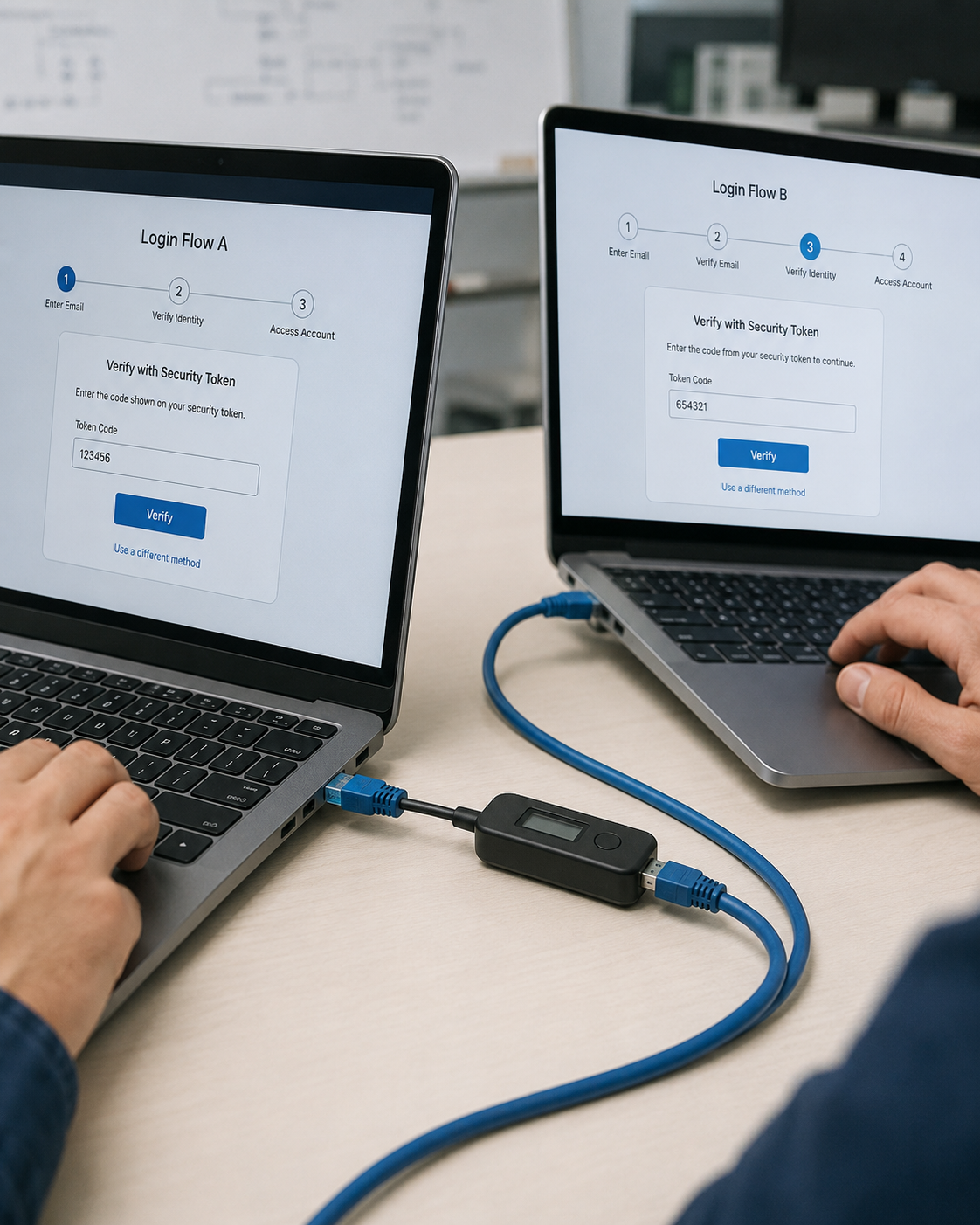
The most sensitive aspect of this incident is that the unauthorized login did not stop at a mere attempt but actually resulted in access to files. Dropbox stated that content was viewed or downloaded from less than one-third of the compromised accounts.
Based on the information that has been made public, it is not clear what types of files were exposed or how many were affected. Since the content stored in each account varies, the extent of the damage may differ, and users will need to check through the individual notifications sent to them.
| Dropbox's Response

Dropbox has ended all sessions authenticated with a Lenovo ID and disconnected the link between Lenovo IDs and Dropbox accounts. The system has also been updated so that users will be prompted to re-enter their Dropbox password even when accessing their accounts through external links.
The company notified the affected users of the incident and reported it to the data protection regulatory authority. While blocking the authentication path reduces the likelihood of further access, it is technically difficult to retrieve files that have already been downloaded.
| Security Items for Users to Check

Users who have received an alert from Dropbox should check their recent logins and connected devices, and it's a good idea to log out of any inactive sessions and disconnect any third-party apps. It's also important to set different passwords for Dropbox and your Lenovo ID and to enable two-step verification.
If you've used the same password on other services, you should check those services as well. You should also check for any suspicious file-sharing links or unexpected account notifications.
| There is a growing need to clean up old account linkages

This incident demonstrates that even if the core systems of a large-scale platform aren't directly compromised, a single outdated partner login can lead to actual file exposure. Companies should periodically review the authentication levels and the need to maintain even past integrations with few users.
The final investigation results to be released by Dropbox and Lenovo, the scope of the exposed data, and the exact process by which the attacker bypassed authentication will be crucial. In addition to the 5,000 accounts currently known, we'll need to wait for follow-up announcements to see if the scale of the damage has changed.
Tags
#Dropbox #Lenovo #LenovoID #Account Compromise #DataBreach #CloudSecurity #Two-Factor Authentication #Cybersecurity #Privacy Protection #Account Linking #Security Incident #CloudStorage #IT News


