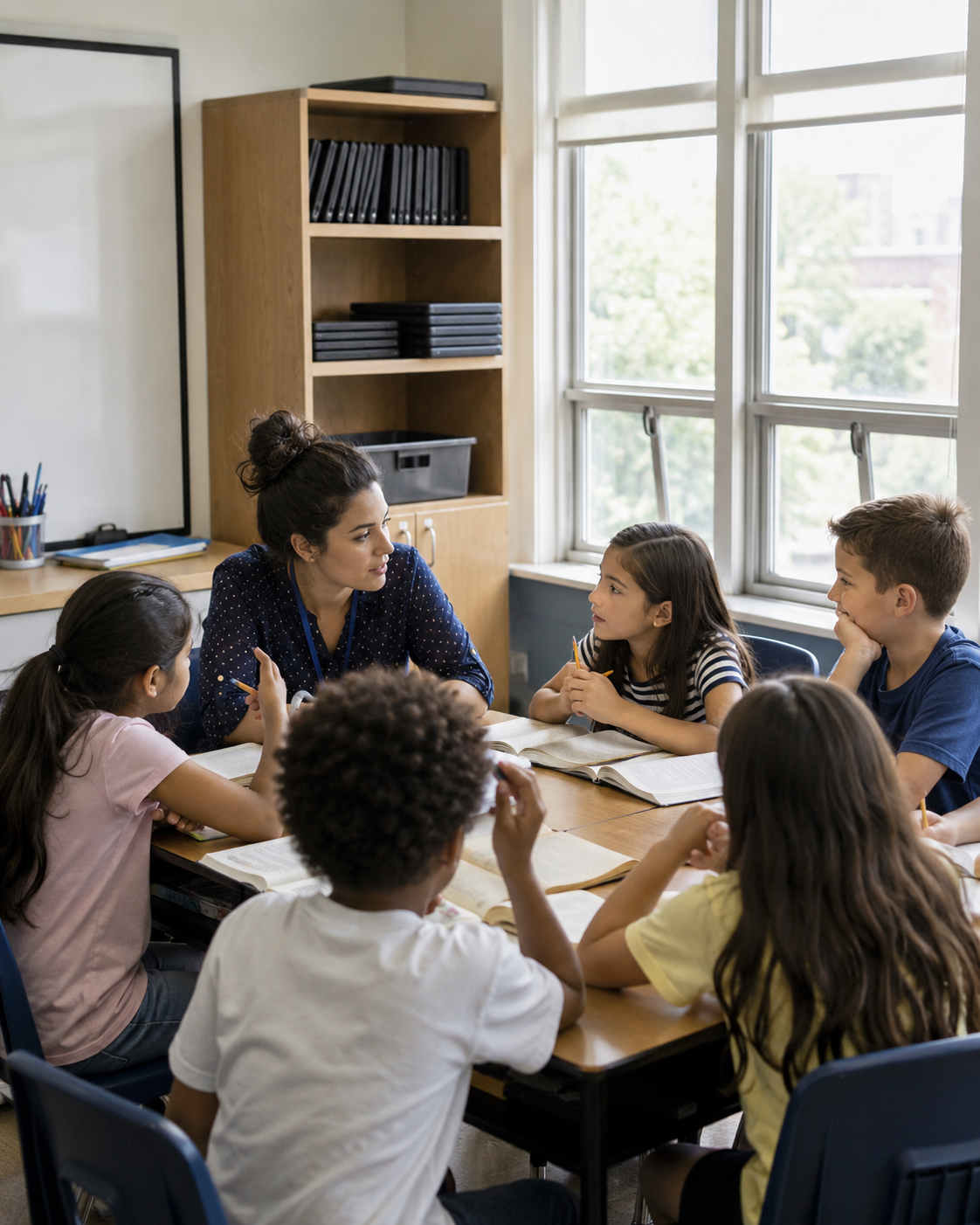
New York City, home to the largest public school system in the United States, will, during the 2026–2027 school year, Use of generative AI by students in grades 2-K through 8 to be suspendedWe've decided to do it. It's a large-scale policy that will affect about 600,000 people—roughly two-thirds of all students.
This measure is not a policy to permanently eliminate all AI technology from schools. To suspend the use of generative AI tools by young students for one year, review the impact on their learning and development during that time, and then determine the next course of action MoratoriumWow.
For high school students, there are programs focused on teaching critical thinking about AI, as well as limited pilot programs. Another key feature of this policy is that it tailors the approach based on the students' ages.
| Approximately 600,000 students from 2-K through 8th grade

The policy applies to students from 2-K, which is part of the early childhood education curriculum, through 8th grade, the final year of middle school. The use of generative AI software by students will be suspended for one academic year, from the 2026–2027 school year.
The New York City Mayor's Office is The target students are approximately 600,000 people...accounting for about two-thirds of all public school studentshe said. He explained that this is the broadest set of restrictions on generative AI for students currently in place in the United States.
The moratorium will be in effect for one school year. During this period, a consultative body comprising students, teachers, parents, labor unions, experts, and administrative officials will assess the impact and issue recommendations for the next school year.
| AI educational tools for classrooms are also subject to suspension
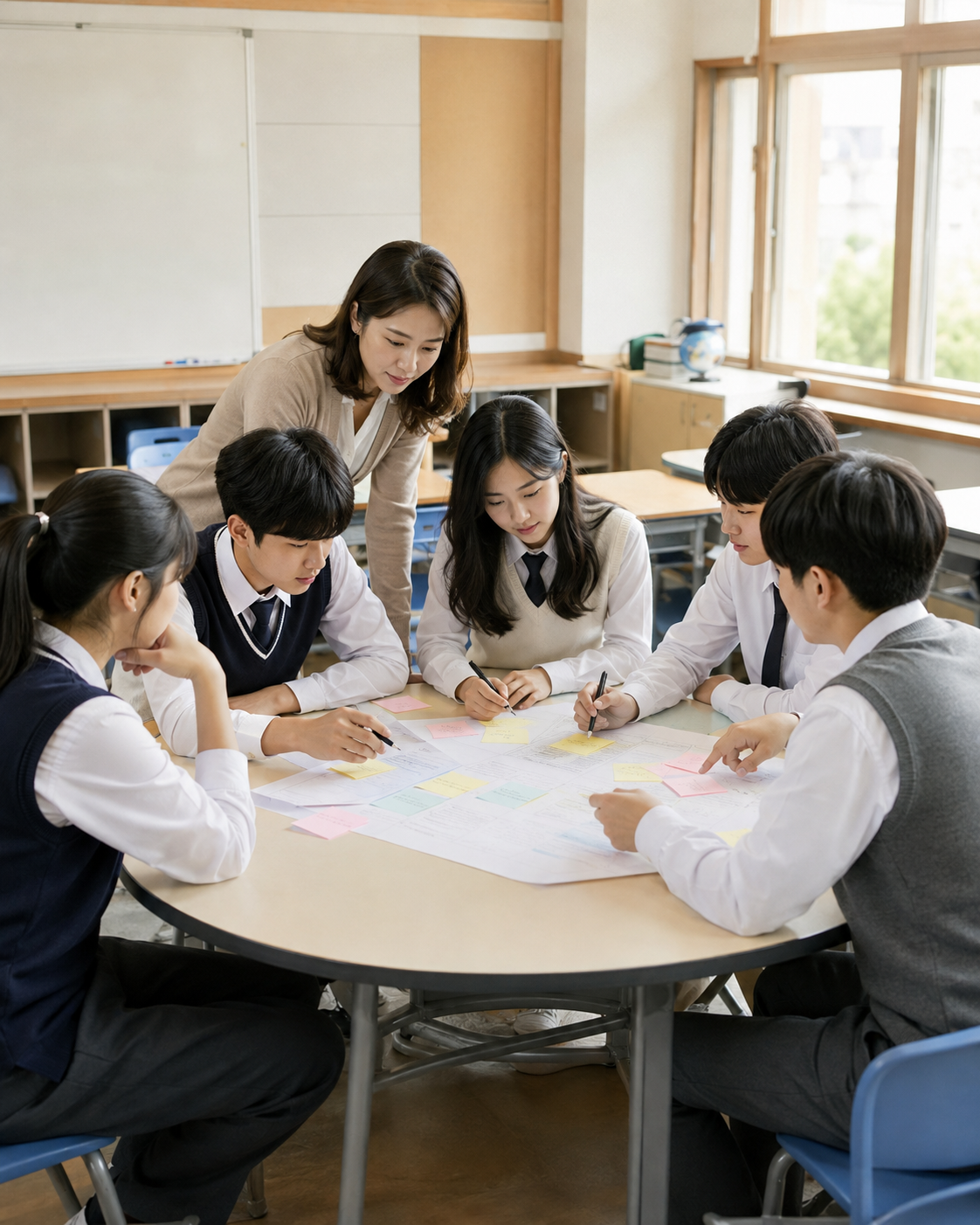
According to Reuters, the medication currently used in classrooms 40 AI-Based Educational ToolsIt is also included in the list of items to be suspended. It's an approach that goes beyond simply blocking general-purpose chatbots like ChatGPT to examine the full range of generative AI features that students actually encounter.
Chatbots designed to interact with students are prohibited for all students, regardless of grade level. This constitutes a separate standard with a broader scope than the moratorium on generative AI for younger students.
However, this policy does not prohibit teachers from using AI for lesson preparation or administrative tasks. The key focus is generative AI that “students are directly exposed to.”
| The decision to prioritize human-centered learning
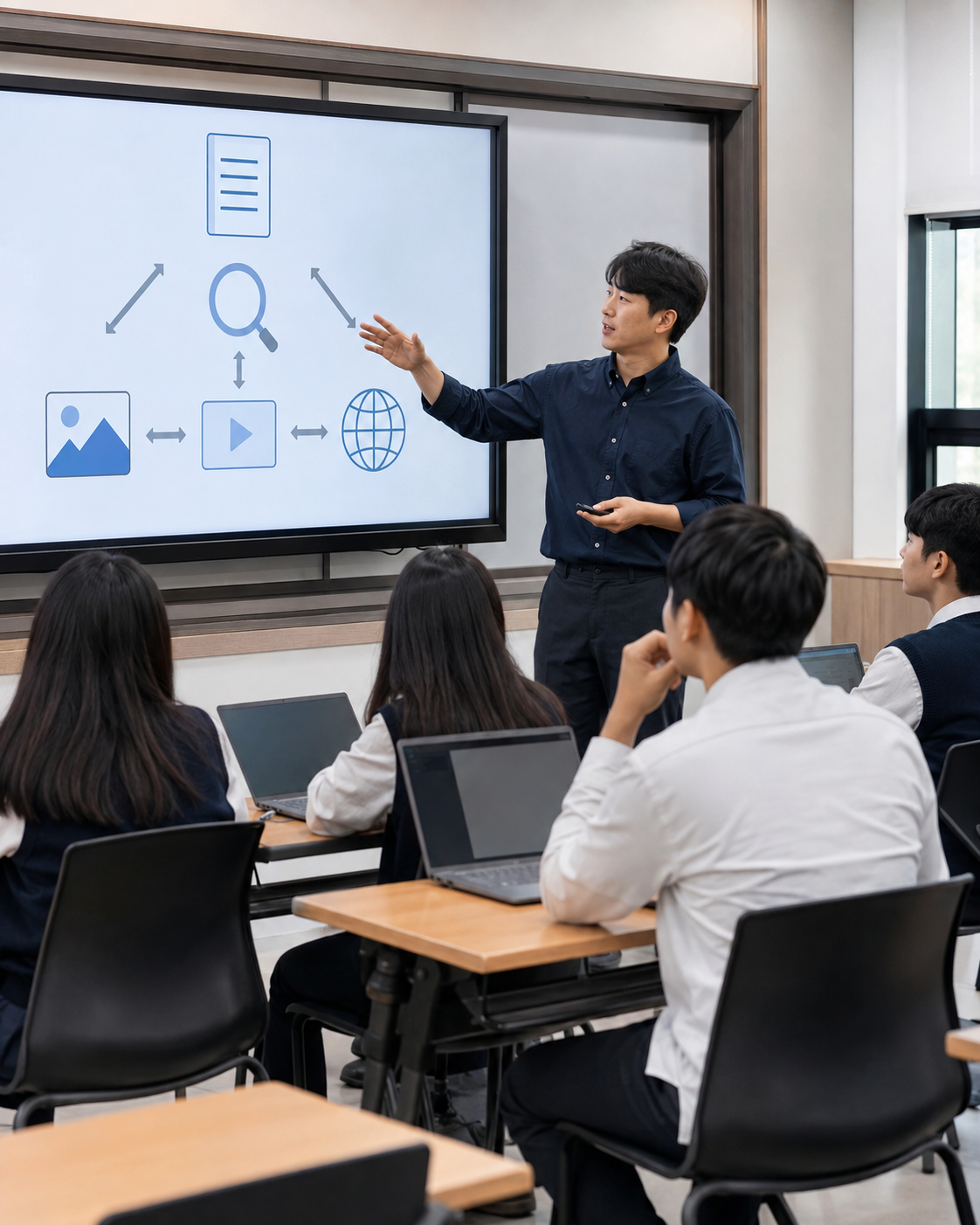
New York City explained that it is important for young students to grapple with problems on their own in their interactions with teachers and peers. This reflects concerns that overreliance on AI, which provides quick answers, may prevent students from getting sufficient practice in reading, writing, critical thinking, and social interaction.
In particular, Generative AI can produce information that seems plausible but is actually incorrect, and young students may find it difficult to judge the reliability of that information. The school also needs to review how personal information is collected and used.
On the other hand, AI may also help provide individualized learning support and improve accessibility. Therefore, Instead of imposing a permanent ban, New York City chose to study the impact for one year and test the measure in a controlled environment.
| High school students engage in educational activities and conduct limited experiments
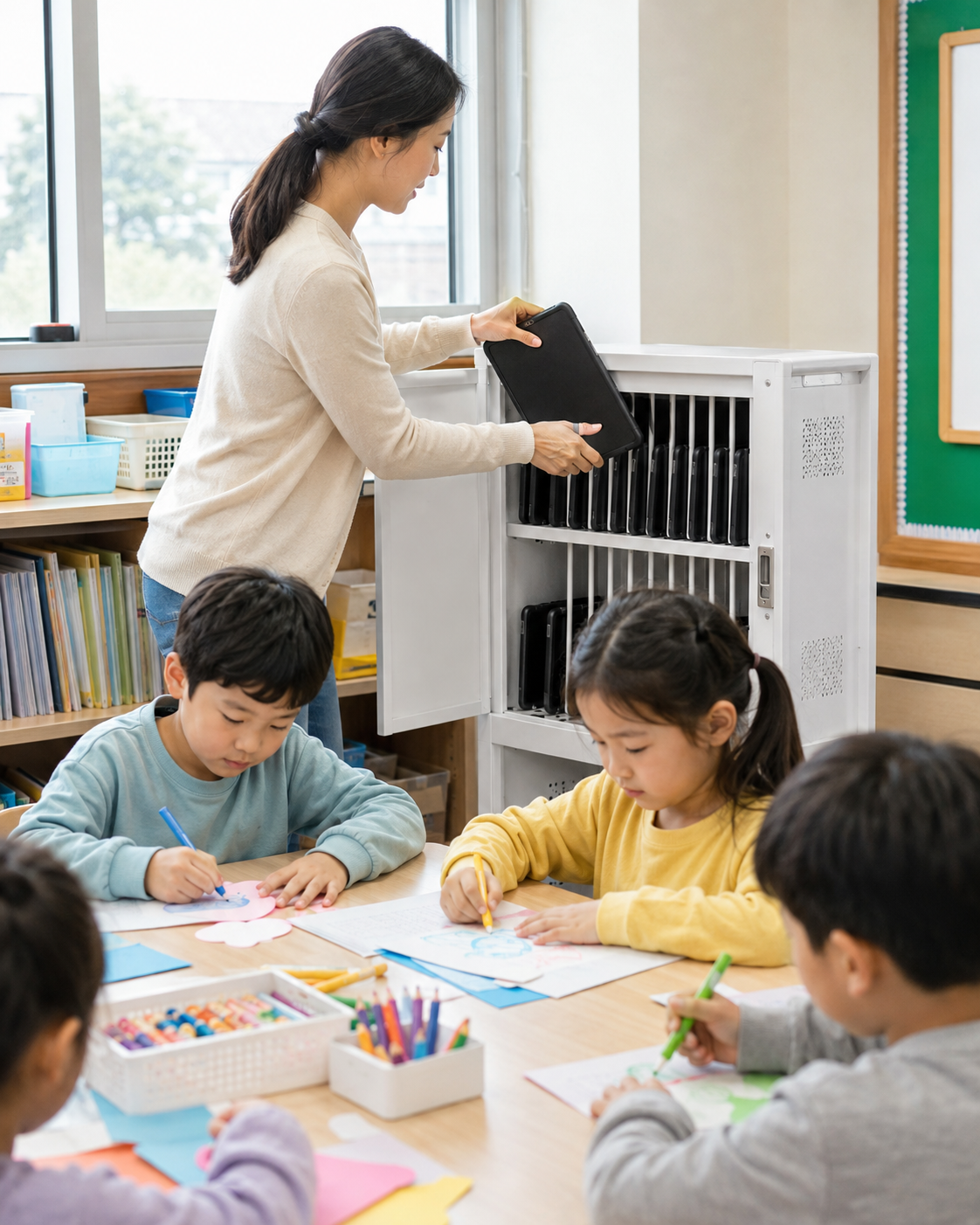
Students in grades 9 through 12 will be offered an educational module each semester designed to help them critically understand AI. The module will focus on how AI generates information, how to verify its results, and how to use it responsibly.
Some high school classrooms are also conducting limited pilot programs using supervised platforms. For older students, this approach focuses on developing their ability to use technology in a controlled environment rather than simply preventing them from using it.
This distinction reflects both the need for AI literacy and concerns about the developmental stage of young students. It will be important to see how transparently the evaluation criteria and results of the pilot program are disclosed.
| A screen time policy was also introduced

Along with the generative AI moratorium, New York City has also announced age-based screen time guidelines. The goal is to reexamine not just a single type of technological tool, but the overall way digital devices are used in schools.
According to an AP report, the recommendations include 30 minutes of screen time per day for grades 3–5 and 45 minutes for grades 6–8. To determine which devices and activities count toward the time limit in actual classes, you’ll need to check the detailed guidelines.
Simply reducing screen time doesn't automatically improve the quality of learning. We need to consider the purpose of digital activities, lesson design, and accessibility support for students with disabilities all at once.
| Impact on U.S. School District Policies
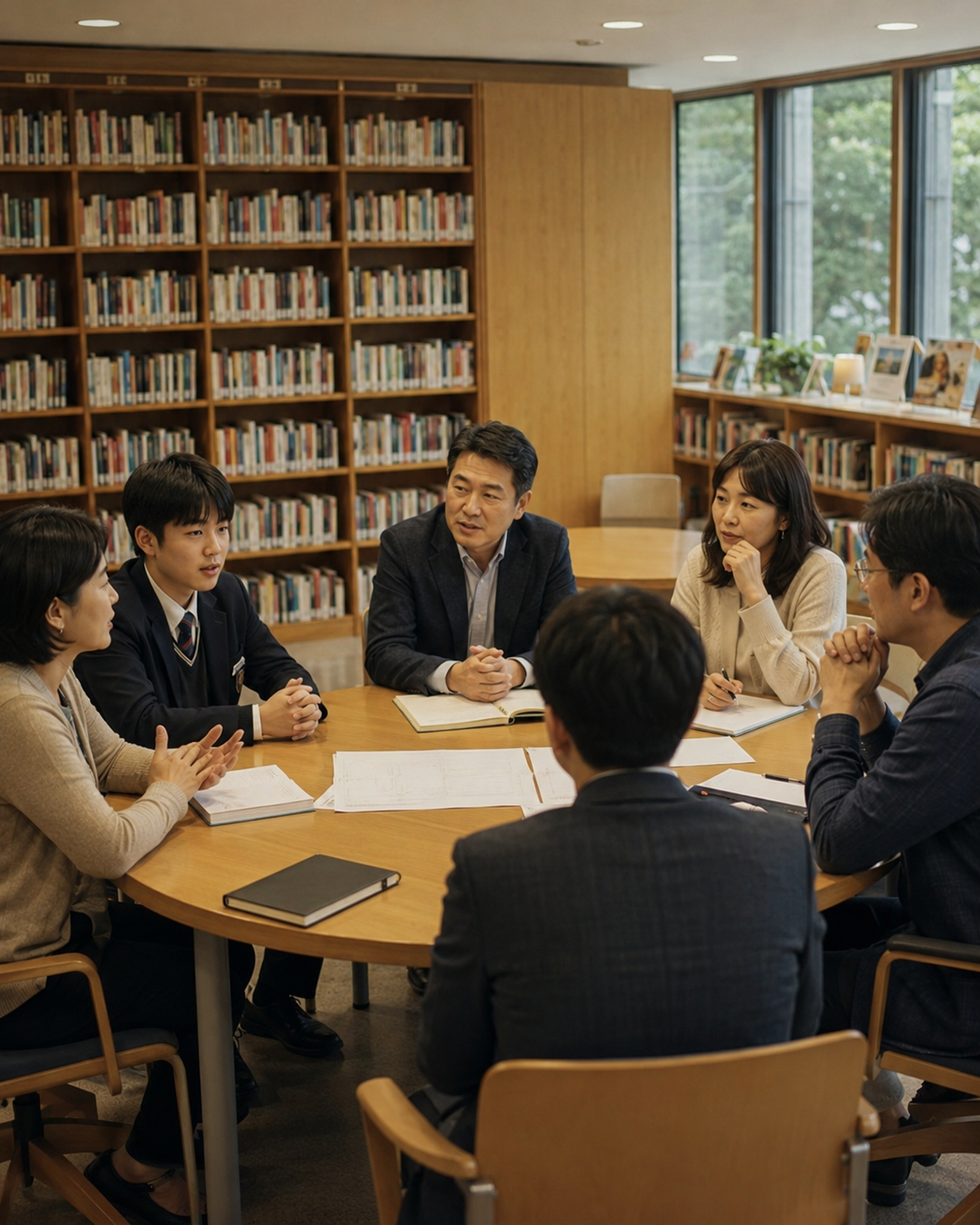
Since New York City has the largest number of students in the U.S. public school system, this decision is likely to influence the development of guidelines in other regions as well. Large school districts, including Los Angeles, are also reviewing their policies on AI use by young students.
Schools need to strike a balance between the rapid innovation offered by tech companies and the pace at which innovations are validated in the classroom. Rather than adopting a product immediately just because it has been released, There may be growing calls to prioritize learning outcomes, safety, privacy, and teachers' control.
On the other hand, if each school district applies rules that differ too much from one another, it could cause confusion for students and teachers. There is also a need to establish common safety standards and age-appropriate usage guidelines.
| The basis for the decision to be made a year from now is key
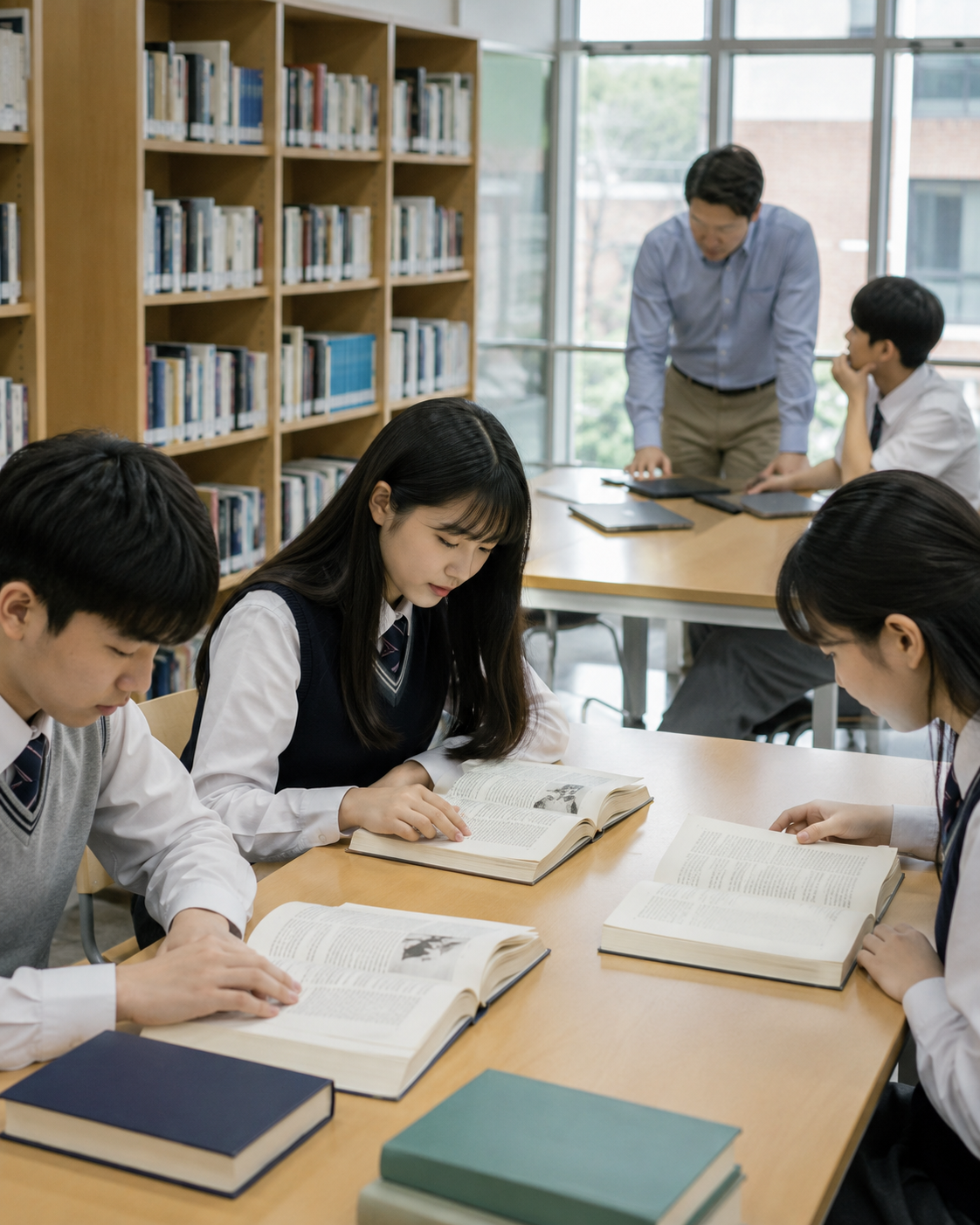
This policy is less a decision to abandon AI education and more a choice to pause and gather evidence before implementing it on a large scale for young students. Its nature is also evident in the fact that it focuses on AI education for high school students and is still in the limited pilot phase.
From now on We need to examine how the impact on student academic achievement, critical thinking, teachers' workload, and privacy and accessibility is measured. It's also important not to judge the difference between the group that used AI and the group that didn't based solely on scores.
The recommendations that the advisory body will issue a year from now could serve as a reference for not only New York City but also other school districts. The next issue to be decided is which approach to take: a full resumption after the moratorium, age-based restrictions, or allowing only approved tools.
Tags
#New York City #Generative AI #AI Education #Public Education #StudentAI #AI Moratorium #EdTech #Digital Education #AI Literacy #Education Policy #Privacy Protection #School