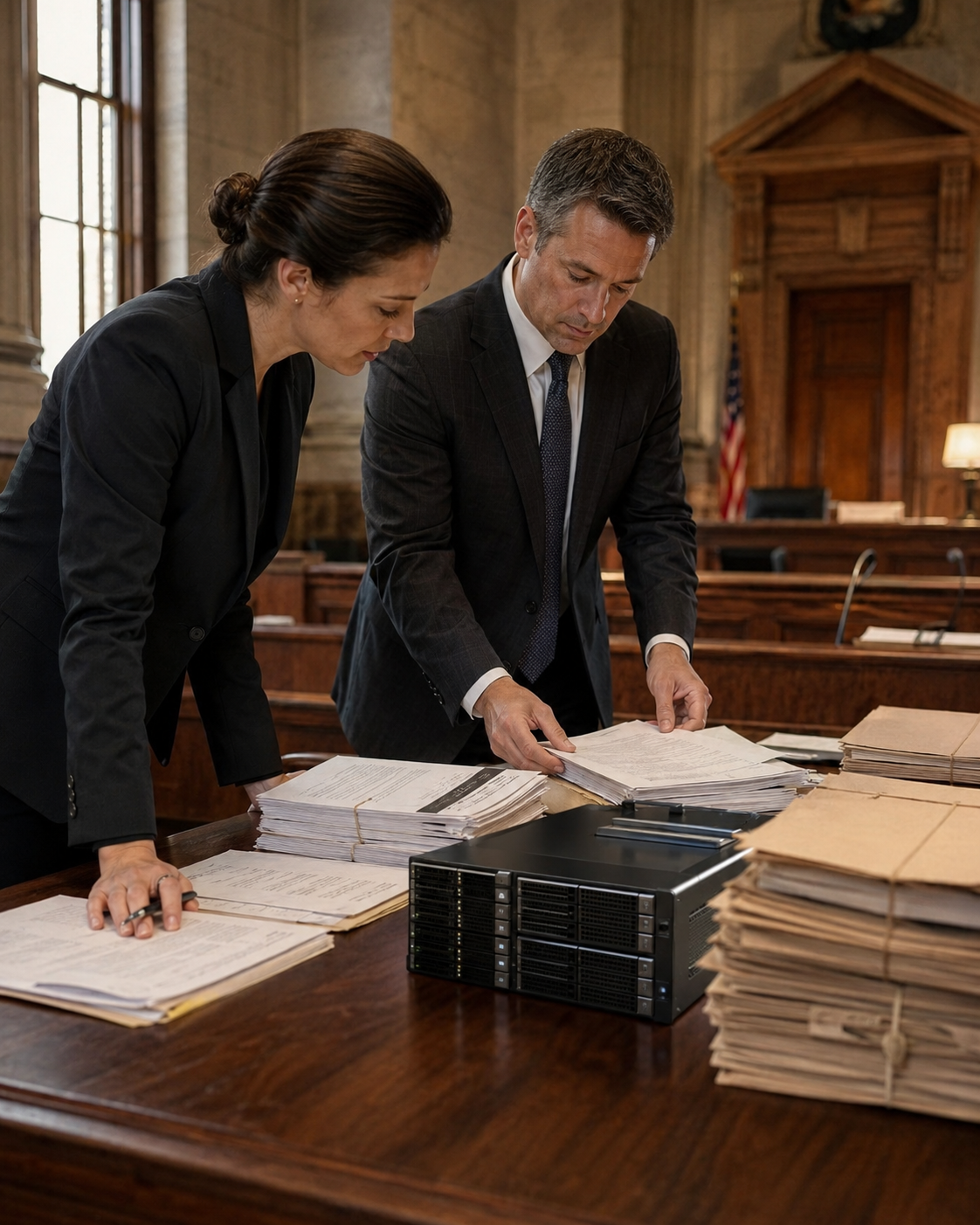
The U.S. Department of Justice submitted a brief in the copyright lawsuit between media outlets, including The New York Times, and OpenAI and Microsoft, stating that the use of copyrighted works to train large language models Generally, this may constitute fair use....stated their position.
This is significant because it is reportedly the first time the federal government has directly taken a position in a major copyright lawsuit involving generative AI training. Emphasizing the development of the AI industry, national security, and economic interests, the government supported OpenAI’s legal interpretation.
However, The government's brief is not a court ruling. This does not mean that all AI training automatically constitutes fair use; the final determination rests with the court, which will review the specific facts and the elements of fair use under U.S. copyright law.
| The Ministry of Justice Supports OpenAI's Legal Argument

In a brief filed with the U.S. District Court for the Southern District of New York in Manhattan, the U.S. Department of Justice argued that training AI models constitutes transformative use, in which existing works are utilized for new technical purposes. It explained that imposing excessive restrictions on such use could hinder scientific progress, the economy, and national security in the United States.
If the government requires extensive licensing fees for the use of training data, He also argued that only companies with substantial financial resources might remain in the market, which could weaken competition. The position is that copyright determinations should be taken into account when considering barriers to entry in the AI industry.
OpenAI and Microsoft have maintained that their model is not a service that simply reproduces the original text, but rather a system that learns language patterns to generate new results. The Ministry of Justice’s opinion supports this claim.
| Fair use is not a blanket license
Fair use in the United States is a legal doctrine used to determine whether a copyrighted work may be used without permission. Factors include the purpose and nature of the use, the nature of the work, the amount used, and the impact on the market for the original work, among others. Make a judgment based on a combination of various factors.
Therefore, the conclusion of every case isn’t determined by a single statement like “AI training constitutes fair use.” Judgments may vary depending on how the data was obtained, how closely the training results resemble the original text, and whether they actually replace the real market.
The Ministry of Justice also issued a statement indicating that a distinction must be made between whether individual prints infringe on copyrighted works and the legality of the model training process. Even if the training stage is recognized as fair use, If a particular output reproduces the source text too closely, it could cause separate problems.
| Key Issues in the New York Times Lawsuit
In 2023, The New York Times filed a lawsuit alleging that OpenAI and Microsoft had used millions of articles and other materials to train their models without permission or compensation. The newspaper also raised concerns that generative AI could reproduce portions of articles and compete with news organizations in the subscription and licensing markets.
OpenAI has countered that training is a transformative use that analyzes information to create new features, rather than a reproduction service that replaces the original text. The company has also consistently argued that developing models using publicly available internet data is essential for innovation.
In the end The key issues are the purpose of the learning process, the extent of the changes, the reproducibility of the output, and the actual impact on the media content market. The court will consider not only general principles but also the evidence and how the technology works.
| The government emphasizes innovation and national security

The Ministry of Justice has linked the competition in AI development to national security, going beyond economic concerns. The logic is that if a misinterpretation of copyright law restricts U.S. companies from developing models, South Korea could fall behind its overseas competitors.
This argument advocates for an approach that actively takes industrial policy into account in copyright cases. This also means that the debate over fair use is expanding beyond disputes between creators and users to include discussions on national AI competitiveness.
However, National competitiveness is not a criterion that automatically supersedes the rights of copyright holders. The court must base its decision on the fair use factors established by law and the specific market harm involved.
| Media outlets and creators are voicing opposition
The New York Times voiced opposition, arguing that the government is siding with big tech companies and undermining creators' right to fair compensation. It maintains that for AI and the creative industries to grow together, fair compensation for content use is necessary.
Media outlets invest in reporting expenses and personnel to produce news articles, and if an AI service uses those results to create a competing product, They argue that this could undermine the existing subscription and licensing markets. In particular, they have cited instances where models reproduce the wording of news articles verbatim as evidence of market substitutability.
AI companies, on the other hand, argue that a system requiring prior authorization for all training data is impractical and would limit innovation to only a handful of companies. This clash of positions could influence the design of future licensing markets.
| The ruling could set a precedent for the AI training market

If the court broadly recognizes OpenAI’s training as fair use, other AI companies could also strengthen their legal basis for training on publicly available content. Conversely, if the court broadly recognizes the need for licenses or liability for damages, this could significantly alter data acquisition methods and model development costs.
It's also possible to make a compromise. It is possible to distinguish between the source of the data and the stage of its use—for example, by allowing the study of legally obtained materials while holding users separately liable for the use of illegal copies or the reproduction of the original text.
In this case Companies need to further strengthen their practices regarding the recording of the sources of training data, responding to deletion requests, and controlling data output. Media companies may also increasingly move toward structuring AI training licenses and search and summarization service contracts separately.
| We need to distinguish between the brief and the final judgment.
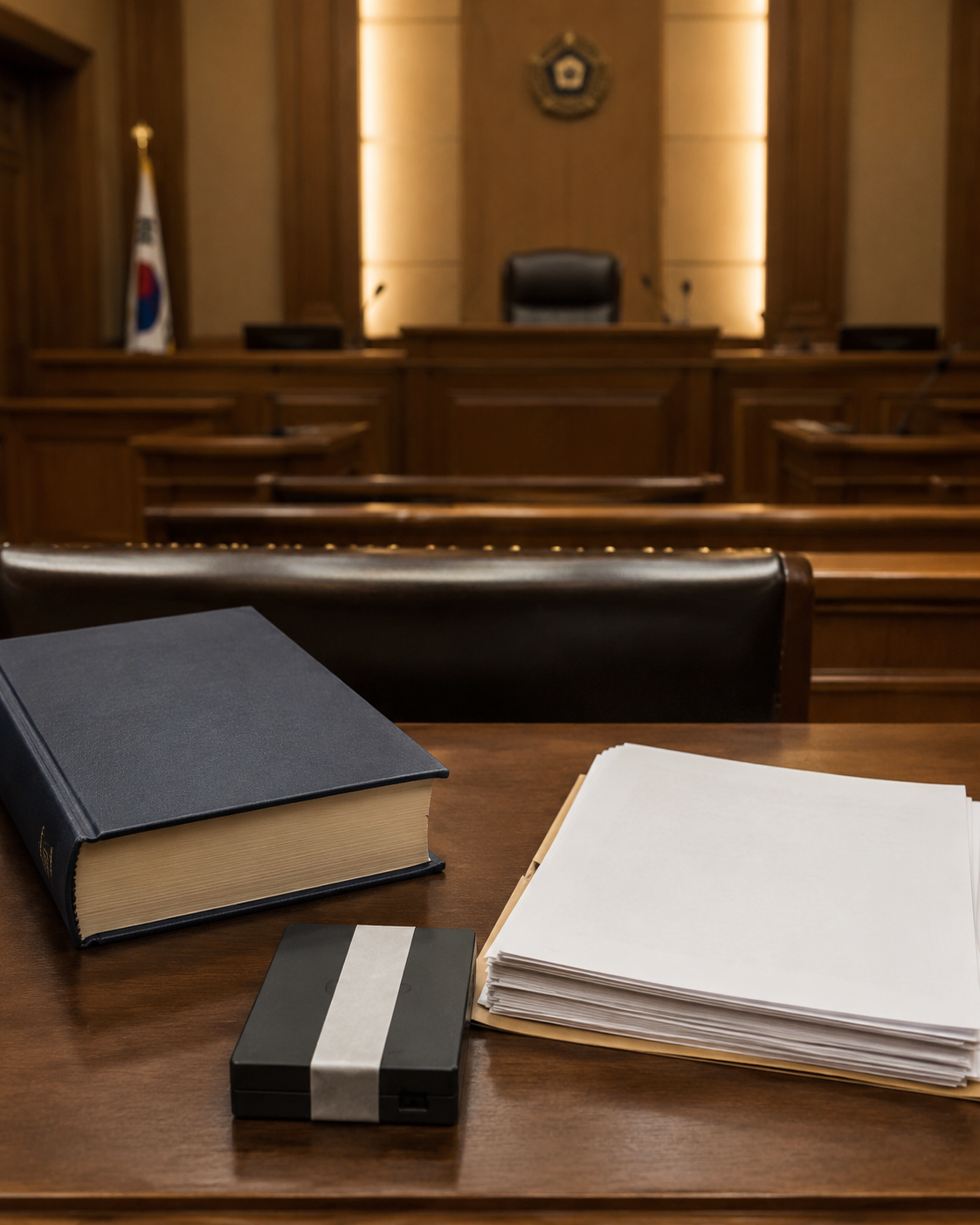
This submission is significant because it clearly demonstrates that the U.S. government is prioritizing industrial development in the debate over AI training and fair use. While it carries significant weight as a policy signal, it is not a ruling that is binding on the courts.
Going forward, the key issues will be to what extent the court accepts the government’s arguments, how it distinguishes between the responsibility for learning and that for individual output, and what evidence it will use to assess market harm. Considering the possibility of further appeals, it may take some time before definitive standards are established.
At this stage, the one thing that's certain is that "the U.S. government supported OpenAI." We should not overinterpret the statement that “all AI training has been ruled legal”; instead, we must continue to verify the specific court rulings and the facts of each case.
Tags
#OpenAI #NewYorkTimes #Microsoft #Copyright #Fair Use #AI Training Data #Generative AI #U.S. Department of Justice #Copyright Lawsuit #ContentLicense #AIPolicy #Media Industry