
Anthropic is helping retail, travel, and ticketing companies ClaudeThe company has released a design blueprint that enables the creation of shopping agents for customers and sales agents for businesses based on [...]. This strategy goes a step beyond simply providing a generic chatbot; it helps companies build agents tailored to their own products and operational data.
The shopping agent identifies customer preferences to recommend products and assists with adding them to the shopping cart. The seller agent analyzes inventory, prices, and marketing materials to help operations managers make decisions.
Anthropic reported that, in one partner case study, average cart size increased by about 30–35% and the likelihood of completing a purchase rose by about 60%. Since these are preliminary results from a specific partner, this does not guarantee the same results for all companies.
| Providing two types of agent blueprints

The blueprint released by Anthropic outlines how companies can use Claude to shopper agentWow merchant agentThis is a guide to designing [...]. Rather than simply providing a ready-made e-commerce platform, we propose an implementation approach that can be integrated with the company’s product data and business systems.
The customer-facing agent identifies the customer's needs through conversation and helps narrow down the options. The business-facing agent supports product management and marketing decisions based on internal data.
The scope of application includes not only general retail businesses but also travel and ticket sales companies. This is because, even though the types of products differ, the process of comparing terms across many options and checking inventory or seat availability is similar.
| Shopping Agent: Browsing and Shopping Cart Support

When shopping online, users have to compare prices, inventory, shipping terms, and personal preferences across multiple screens. A shopping agent can organize these criteria through natural language conversation and suggest relevant products.
Once a customer selects the product they want, an agent can help them add it to their cart. The goal is to reduce the hassle of having to change search terms multiple times or adjust filters manually.
However, For recommendations to be accurate, they must be linked to the latest price and inventory data. If the product information is outdated or the terms are misinterpreted, it can cause more confusion than convenience.
| Seller's agent: Operational decision-making support

The seller agent can be used to generate recommendations regarding inventory, pricing, and marketing campaigns. It provides an interactive way to consolidate information that representatives previously had to check by switching between various reports and systems.
For example, it can help you identify products with rapidly declining inventory, compare price changes with sales trends, and draft campaigns for specific customer segments.
Anthropic explained that the structure does not involve a seller's agent completing the purchase on behalf of the business. A key limitation of the current blueprint is that it leaves final decision-making and transaction authority in the hands of people and existing systems.
| The company claims a 30–35% increase in shopping carts and a 60% increase in completed purchases

Angela Jiang, Product Manager at Anthropic, noted in a partner case study that the average cart size was approximately 30~35% has increased, and the likelihood of customers completing a purchase is approximately 60% They stated that it had gone up.
These figures demonstrate the potential for agent-based shopping experiences to reduce friction in product discovery. If you summarize the customer's needs through conversation and suggest relevant products all at once, it can make it easier for them to discover additional products or complete their purchase.
However, the names of the partners, the duration of the experiment, the sample size, and the comparison conditions were not sufficiently disclosed. We shouldn't treat a company's announcement regarding a specific early adoption case as representative of the average performance of the entire retail industry.
| Expansion into the retail, travel, and ticketing sectors
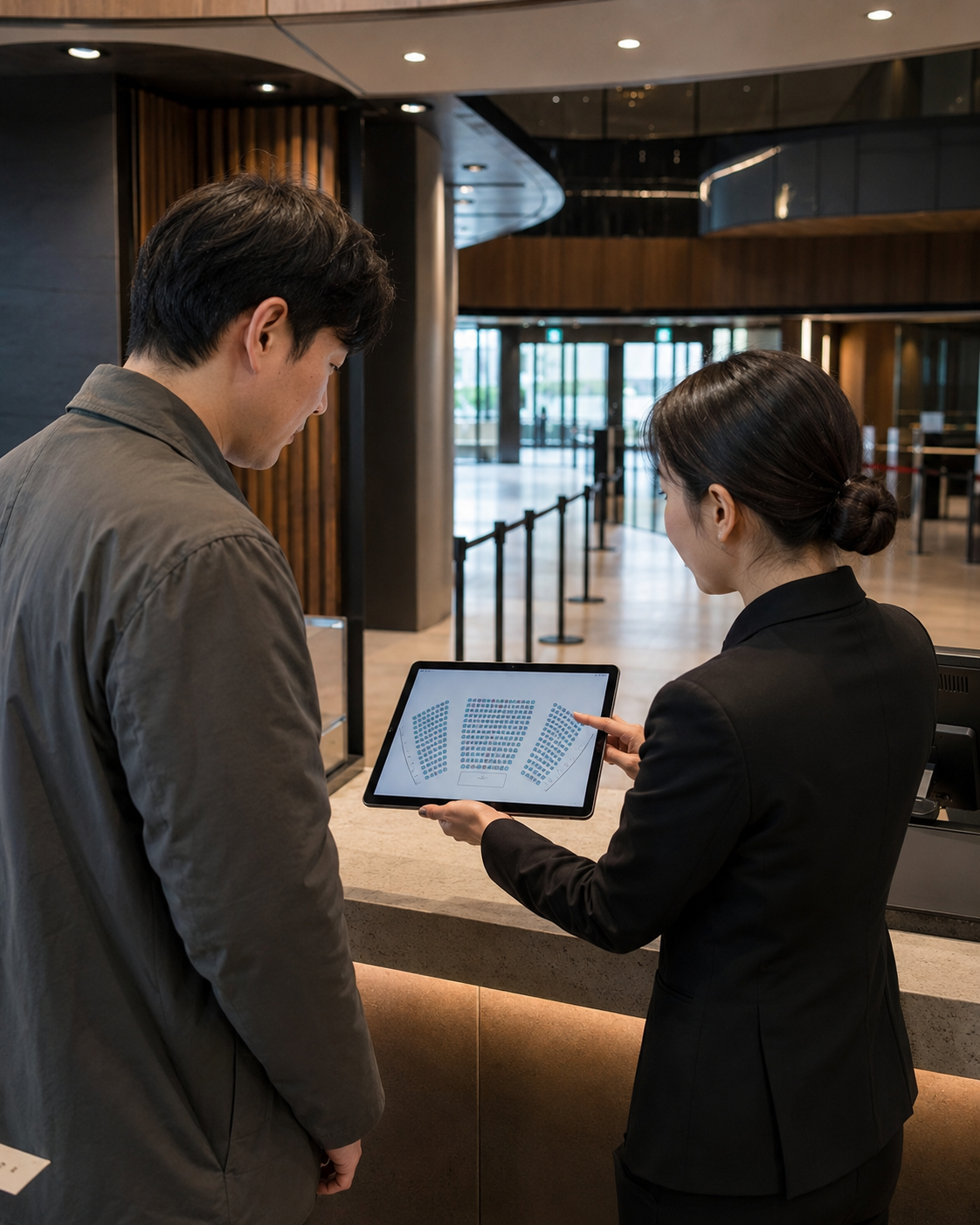
Travel packages and tickets involve many variables to consider—such as dates, locations, seats, refund policies, and budget—making this an ideal field for interactive agents. This is because they can gather a user’s criteria all at once and compare multiple options.
However, inventory levels and prices change frequently in real time, and the cancellation policy is complicated. If the agent isn't connected to the latest data, it could lead to incorrect recommendations or booking errors.
Companies must design a system that not only leverages Claude's language capabilities but also securely integrates payment, inventory, customer account, and reservation systems. Actual service quality is heavily influenced by these integration efforts.
| Data Control and Customer Relationships Are Key

Retailers need to consider that AI agents may handle sensitive information—such as customer preferences, purchase history, and location—while interacting with customers. You should use only the necessary information and clearly specify the retention period and purpose of use.
If the reason for the recommendation is unclear, there is a risk that the ad will be perceived as a neutral recommendation. We need an explanation regarding whether sponsorship is involved, the pricing criteria, and the personalization methods.
It's also important for customers to have the ability to modify an agent's suggestion or switch to a human agent. Even if automation increases convenience, A company cannot outsource its customer relationships and responsibilities to an external model.
| Verification is needed from design drawings to actual results

This announcement reflects Anthropic's move to expand Claude beyond a consumer-facing chatbot to serve as foundational technology for businesses' pre- and post-transaction processes. By introducing both shopping and seller agents, the company is targeting both the customer experience and internal operations simultaneously.
However, There's a difference between unveiling a blueprint and operating a stable commercial service. Accurate product information, access control, privacy protection, error handling, and integration with existing systems must all be in place.
From now on We need to verify the methods used to measure the number of companies that have actually adopted the solution, the repeat usage rate, and the impact on purchase conversions, as well as the error rates. In particular, the key question will be whether the initial results—30–35% and 60%—can be sustained even with a larger number of partners and over the long term.
Tags
#Anthropic #Claude #ShoppingAgent #Seller's Agent #AI Agent #RetailAI #E-commerce #Retail #TravelTips #Ticket Platform #PersonalizedRecommendations #Generative AI