Abu Dhabi, United Arab Emirates Institute of Foundation Models(IFM)consisting of six AI models of different sizes K2 Horizon They unveiled their product lineup. It’s a structure that connects everything—from small devices like smartwatches and smart glasses to enterprise servers—into a single product family.
The reason this announcement is drawing attention is that it didn't stop at simply distributing the final model weights. IFM has made the training code, data and data preparation methods, intermediate checkpoints, settings, training logs, and evaluation results publicly available, allowing researchers to trace the process by which the model was created.
However, it would be inaccurate to simplify this by saying, “All training data is distributed in its entirety without any conditions.” IFM explained that for data that cannot be redistributed, the composition and mixing ratios are disclosed instead of the original data, and each dataset is subject to its own separate license.
| 6 types ranging from 900 million to 375 billion parameters
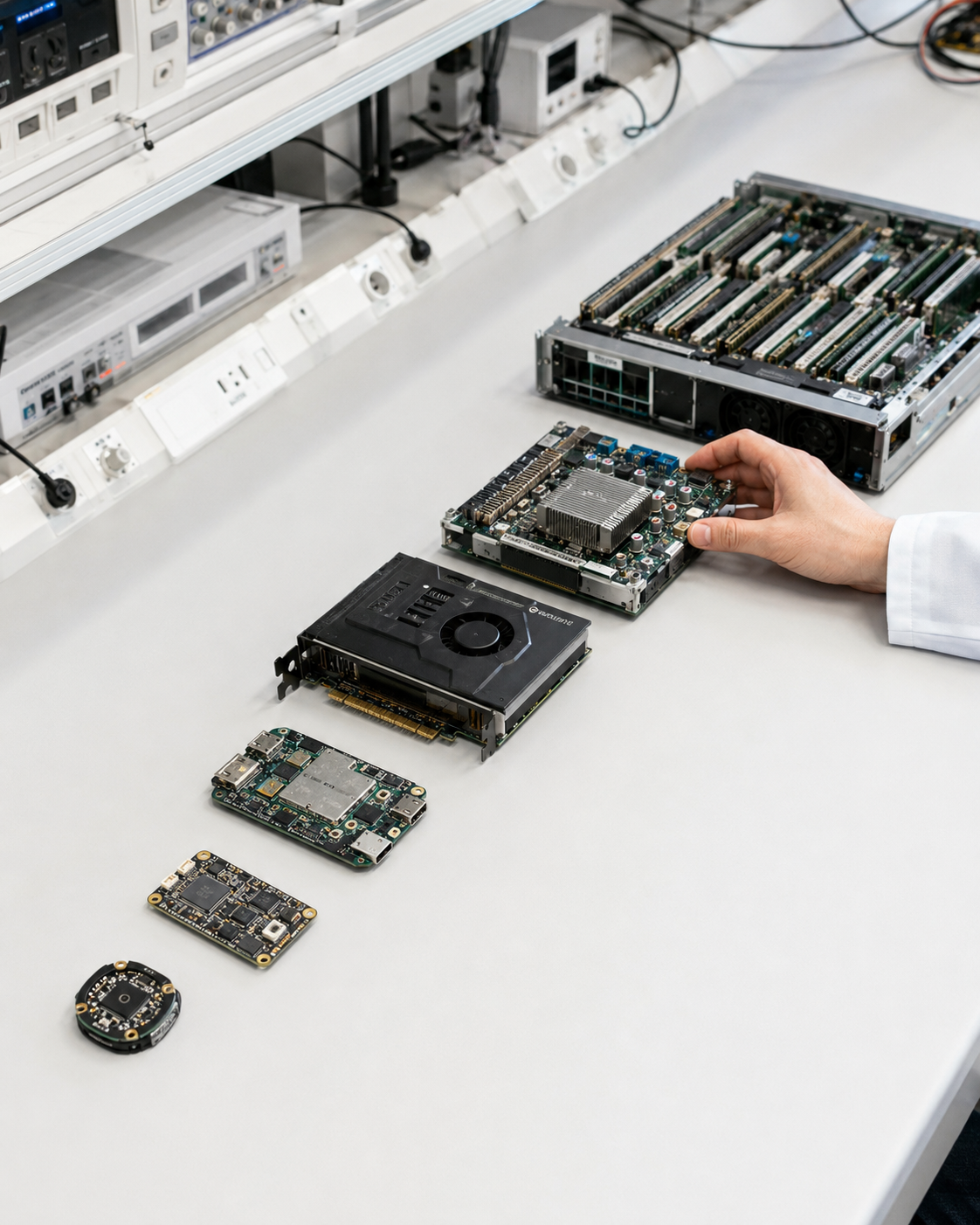
The K2 Horizon product line is 0.9B, 3.7B, 7B, 32B, 36B-A4B, 375B-A23B...is composed of. "B" refers to 1 billion parameters, and the "A" following the name indicates the number of parameters that are actually activated during a single processing step.
The largest model, the 375B-A23B, activates approximately 23 billion parameters per token out of a total of 375 billion parameters. The 36B-A4B model is also designed to use approximately 4 billion of the total 36 billion elements, utilizing a sparse structure that reduces computational load while maintaining full capacity.
| Revealing the Development History Beyond the Final Weighting
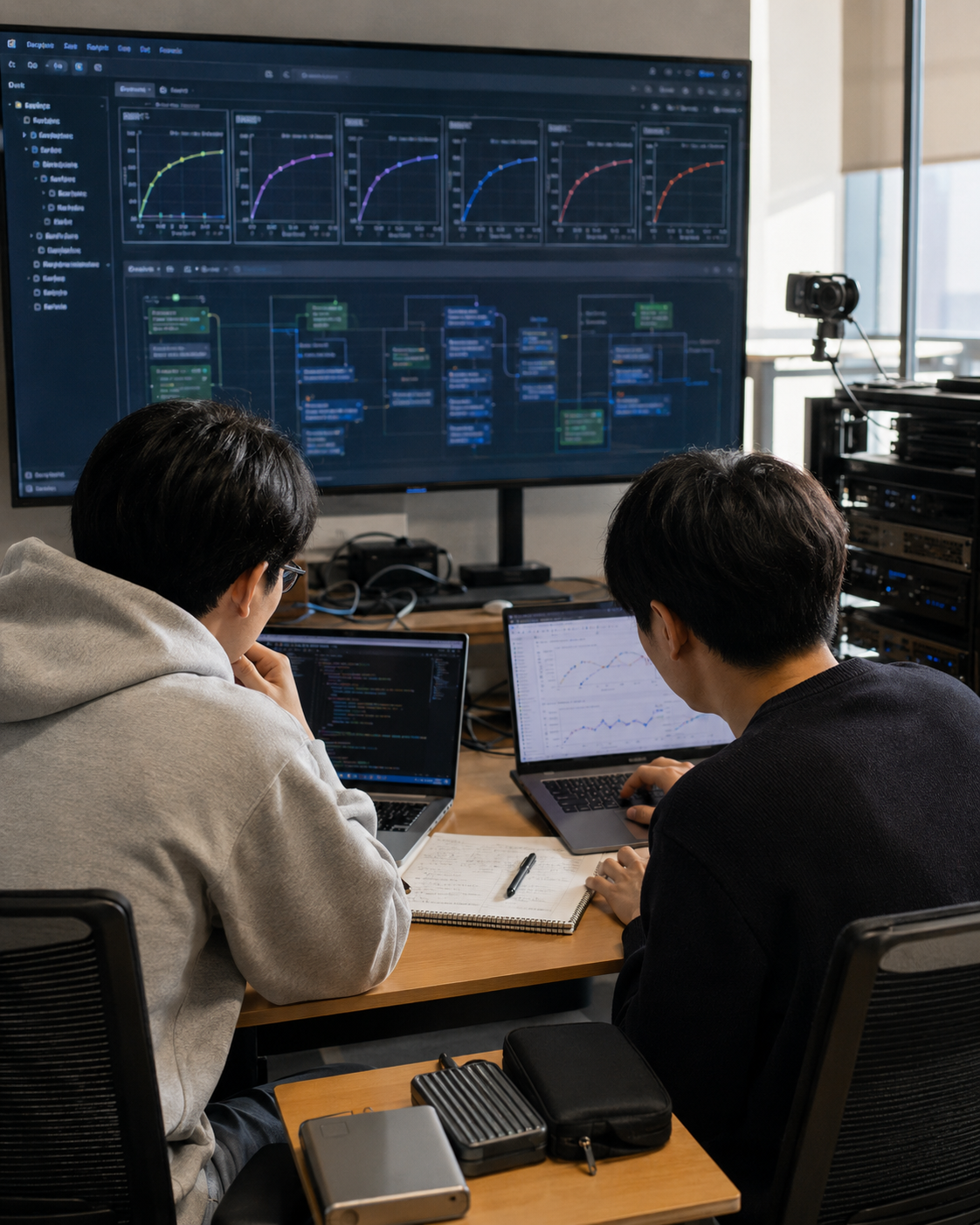
IFM announced that it will disclose not only the final weights for each model but also the entire development process, from pre-training through inference to agent-based post-training. This includes training code, configuration files, training methods, intermediate checkpoints, detailed logs, and evaluation results.
With this data, researchers can do more than just run the final model; they can compare which training stages produced specific capabilities or issues. It also makes it much easier to replicate the same method or adapt it to different data and tools.
| Connecting everything from edge devices to enterprise servers
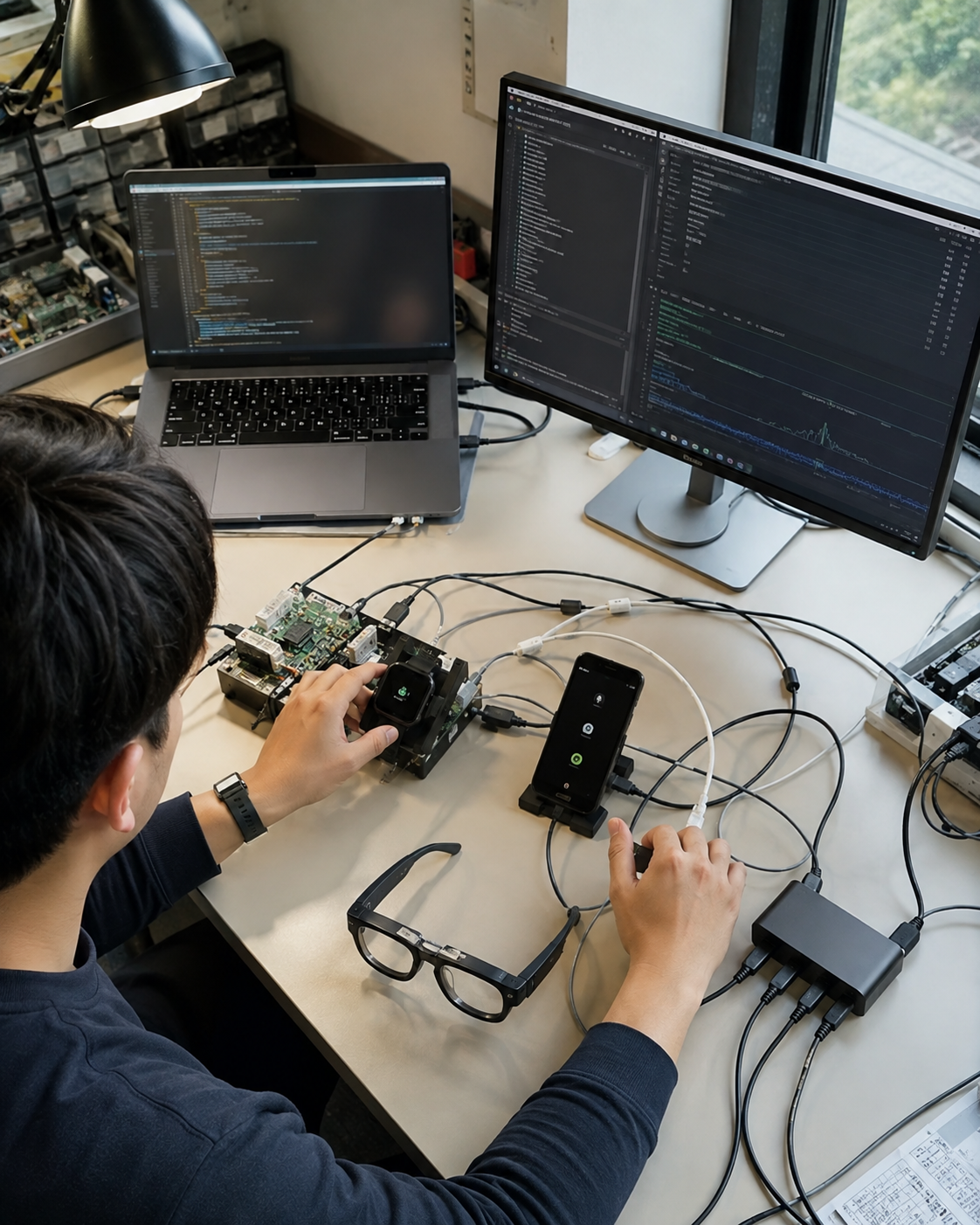
The smallest 0.9B The model is designed to perform lightweight interactions and tasks on resource-constrained devices, such as smartwatches and smart glasses, after undergoing quantization. The 3.7B and 7B versions are aimed at more complex coding and inference tasks on smartphones and local devices.
The 32B and 36B-A4B are suitable for high-performance personal workstations or on-premises servers, while the 375B-A23B is designed for enterprise needs such as complex research, software development, and long-running agent tasks. Another key feature is that they share the same basic architecture and interfaces, making it easy to scale model sizes based on task complexity and cost.
| MoE and the New MoVA Architecture
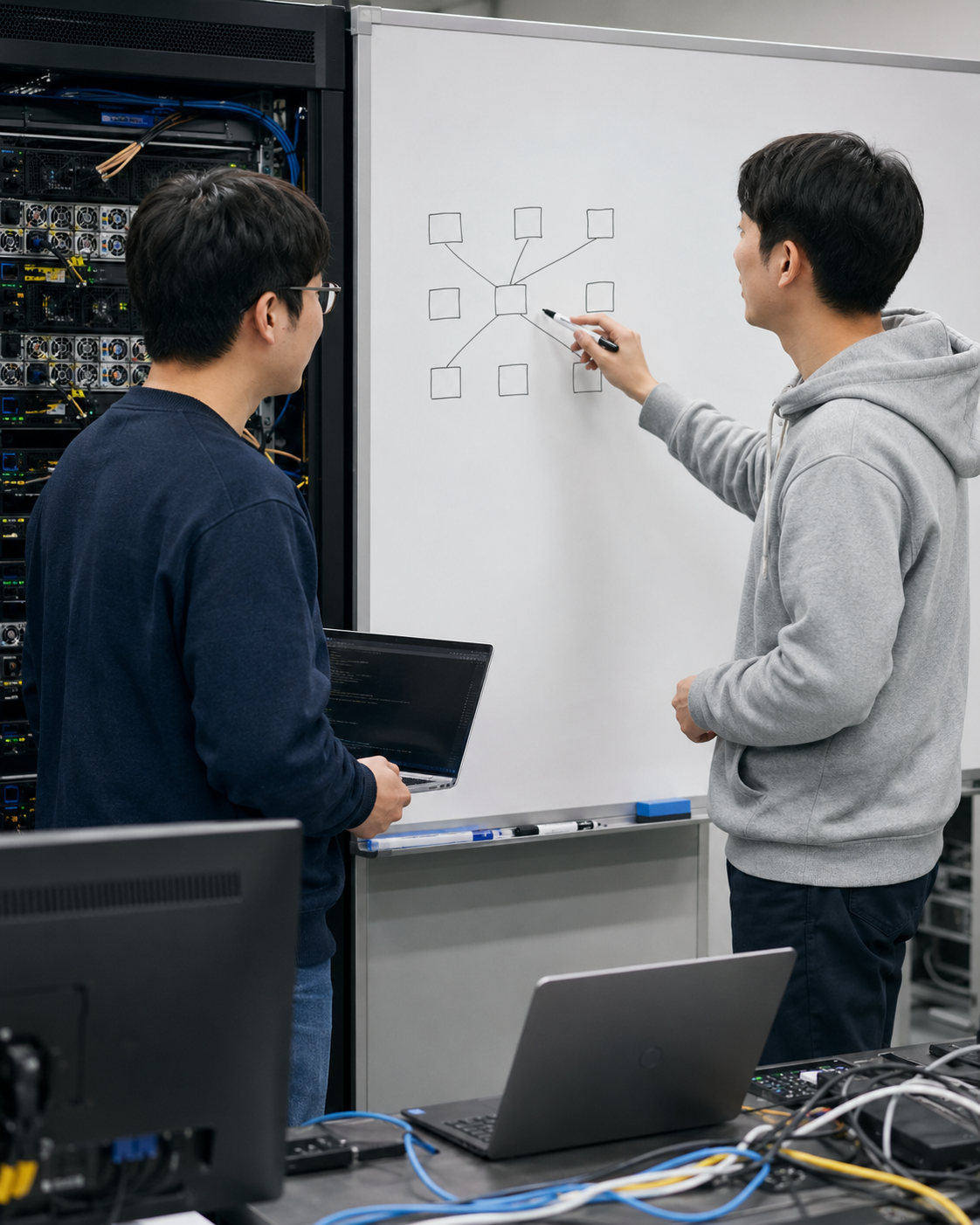
The 375B-A23B allows users to select and use only some of the various expert modules Mixture of Experts(MoE) Use a architecture. Since it doesn't calculate all the parameters every time, this approach aims to reduce processing costs while still leveraging the capacity of large models.
The 36B-A4B has an IFM Mixture-of-Value-Attention(MoVA)A rare attention structure—known as —has been implemented. The company claims it delivers high efficiency relative to the number of active parameters, but, We need to re-evaluate performance, memory usage, and processing speed in an independent environment.
| Licensing and Support for Various Hardware
The model and code are Apache 2.0 It is released under a license. The dataset follows the licenses applicable to each dataset, such as ODC-BY; in cases where redistribution of the original data is legally difficult, the dataset provides information on its structure and how it was compiled.
IFM announced that it can be deployed not only on NVIDIA hardware but also on AMD and Cerebras hardware, and that it will support vLLM, SGLang, and Ollama from launch. This decision is aimed at both local execution and large-scale server operations, without being tied to specific chips or a single cloud provider.
| Limitations Revealed Alongside Claims of High Benchmark Scores
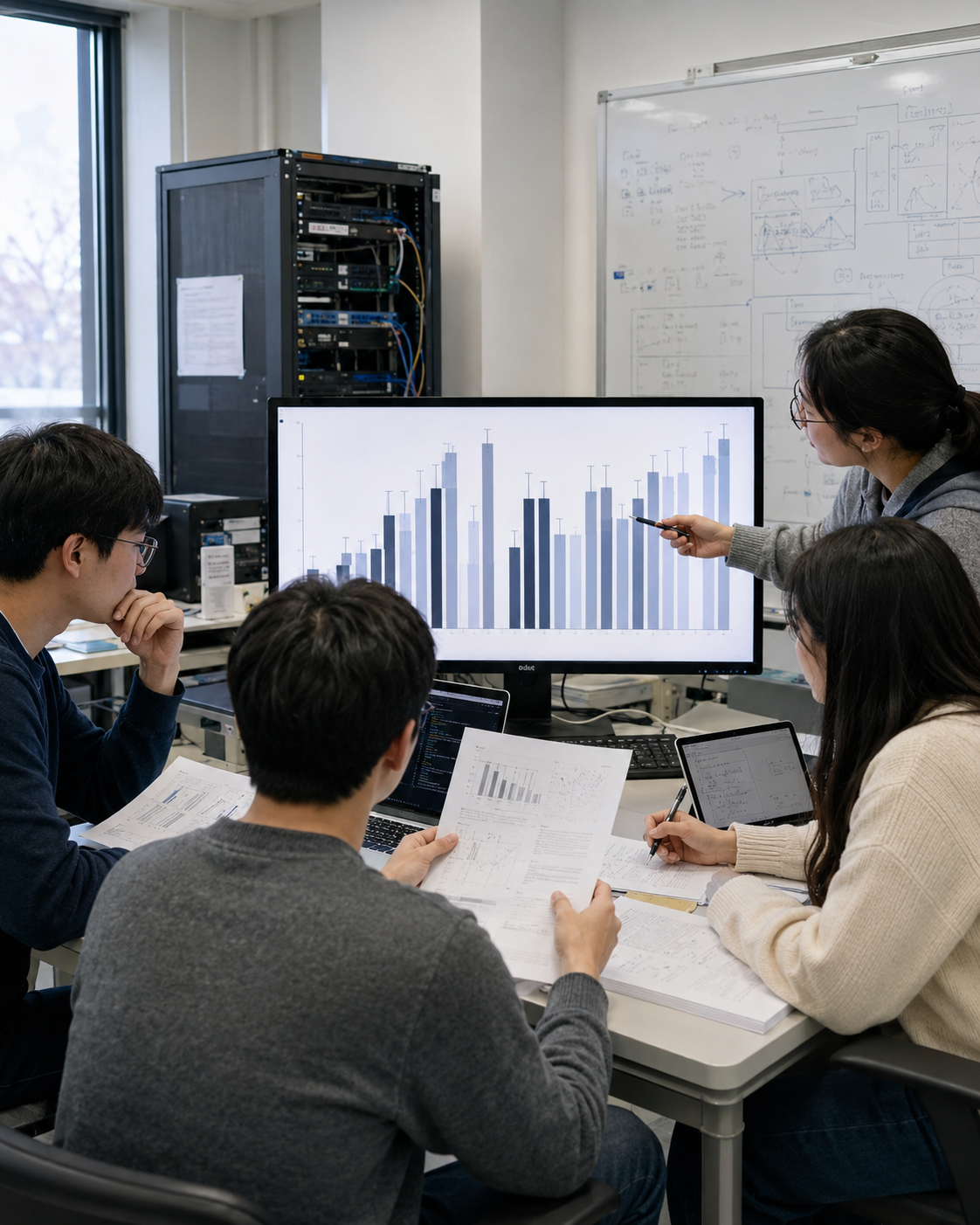
IFM announced that its 0.9B, 3.7B, and 7B models delivered top-tier performance across various evaluations in their respective size categories, and that its large model also achieved competitive results in coding and agent tasks. However, since these figures are based on the company's specified execution environment and comparison criteria, it is important to be able to reproduce them externally.
Interestingly, IFM even disclosed cases in some evaluations where the model found the correct answers online, resulting in inflated scores. This is a warning that high scores may not solely reflect actual problem-solving ability. Since we’ve made the intermediate checkpoints and logs publicly available, the fact that external researchers can analyze when this behavior occurred is another benefit of this release.
| Toward reproducible open research on “OpenWeight”
K2 Horizon illustrates the difference between the "open-weight" approach—which only accepts finished model files—and "open research," which allows for the examination and iteration of the development process. If real-world data is consistently provided as promised, it could enhance transparency in AI training methods and safety research.
Going forward, we need to verify the quality of the public repository, the scope of the data license, the reproducibility of external benchmarks, and the cost and speed across various hardware configurations. The claim that a model is “the most open” gains credibility not from a press release, but when other researchers can reproduce the same results and verify the findings.
Tags
#IFM #K2Horizon #Open-Source AI #OpenWeight #AI Model #Training Data #Model Weights #Artificial Intelligence Research #MoE #MoVA #Edge AI #Abu Dhabi #UAE