
An amended Criminal Code that expands the scope of espionage charges in South Korea to include foreign countries and equivalent organizations took effect on September 13, 2026. This change addresses the limitation of the previous Criminal Code, under which espionage charges were applied primarily to acts linked to North Korea.
The new provision criminalizes acts of detecting, collecting, leaking, transmitting, or brokering state secrets—or aiding and abetting such acts—under the direction, instigation, or other communication of intent from foreign entities or other parties. This effectively provides a stronger legal basis for criminal prosecution against the overseas leakage of technologies linked to national competitiveness, such as semiconductors, displays, batteries, and AI.
However, not every instance of transferring technology to a foreign company automatically constitutes espionage. In actual cases, investigative agencies and courts will be responsible for determining, on a case-by-case basis, whether information constitutes a state secret and what kind of communication took place with foreign parties, among other requirements under the new provision.
| What has changed from the previous espionage offense?

The former Article 98 of the Criminal Code was structured to punish espionage on behalf of enemy nations and the disclosure of military secrets. In practice, however, it was difficult to apply this provision to cases involving the leakage of technology related to foreign governments or companies that were not enemy nations, so authorities have primarily relied on the Industrial Technology Protection Act and laws related to trade secrets.
The amended Criminal Code retains the existing provisions regarding enemy states while establishing a separate offense of espionage for foreign countries and other entities under Article 98-2. The biggest change is that we can now independently handle cases involving breaches of state secrets linked to foreign entities or equivalent organizations.
The National Assembly passed the amendment on February 26, 2026, and it was promulgated as Act No. 21450 on March 12. A six-month grace period applied to the provisions related to espionage, so they took effect on September 13.
| Acts Punishable Under the New Provision

According to the amendments released by the Ministry of Justice, the scope of the offense covers a range of acts—from the initial stages of gathering or collecting state secrets for foreign entities or other parties to the subsequent disclosure, transmission, or brokering of such secrets. The provision also applies to cases where an individual aids or abets the offense without directly carrying it out, and the statutory penalty is a fixed-term imprisonment of at least three years.
The key point here is that the requirements for connecting with foreign parties have been specified. The key issue is not whether the actions were carried out due to a simple security lapse or a routine data breach, but whether they were carried out under orders, instigation, or other forms of communication from foreign entities or similar sources.
We also need to pay close attention to the fact that the subject has been designated a state secret. Since not all internal materials designated as important by a company automatically become state secrets, it is highly likely that the boundaries of what constitutes industrial information protected under criminal law will be clarified through future investigations and court precedents.
| Why the Semiconductor and AI Industries Are Taking Notice

Technology leaks in high-tech industries are not limited to traditional security domains, such as military intelligence. Semiconductor processes, memory design, battery manufacturing, displays, and AI technologies can directly impact supply chains, export competitiveness, and national infrastructure.
At the time the amendment was passed, the National Intelligence Service assessed that it would strengthen the country’s ability to prevent the outflow of strategic technologies such as semiconductors, displays, batteries, and AI. Reuters also described the implementation as a measure by South Korea to strengthen safeguards for core technologies amid intensifying global competition in the semiconductor industry.
The recent spate of cases involving foreign companies—such as the allegations of technology transfer by a former semiconductor industry employee—also served as a backdrop for the institutional reforms. Since the new law does not single out any specific country, it can be applied to cases involving any foreign nation—including allied nations—as long as the requirements are met.
| Relationship with the Existing Industrial Technology Protection Act
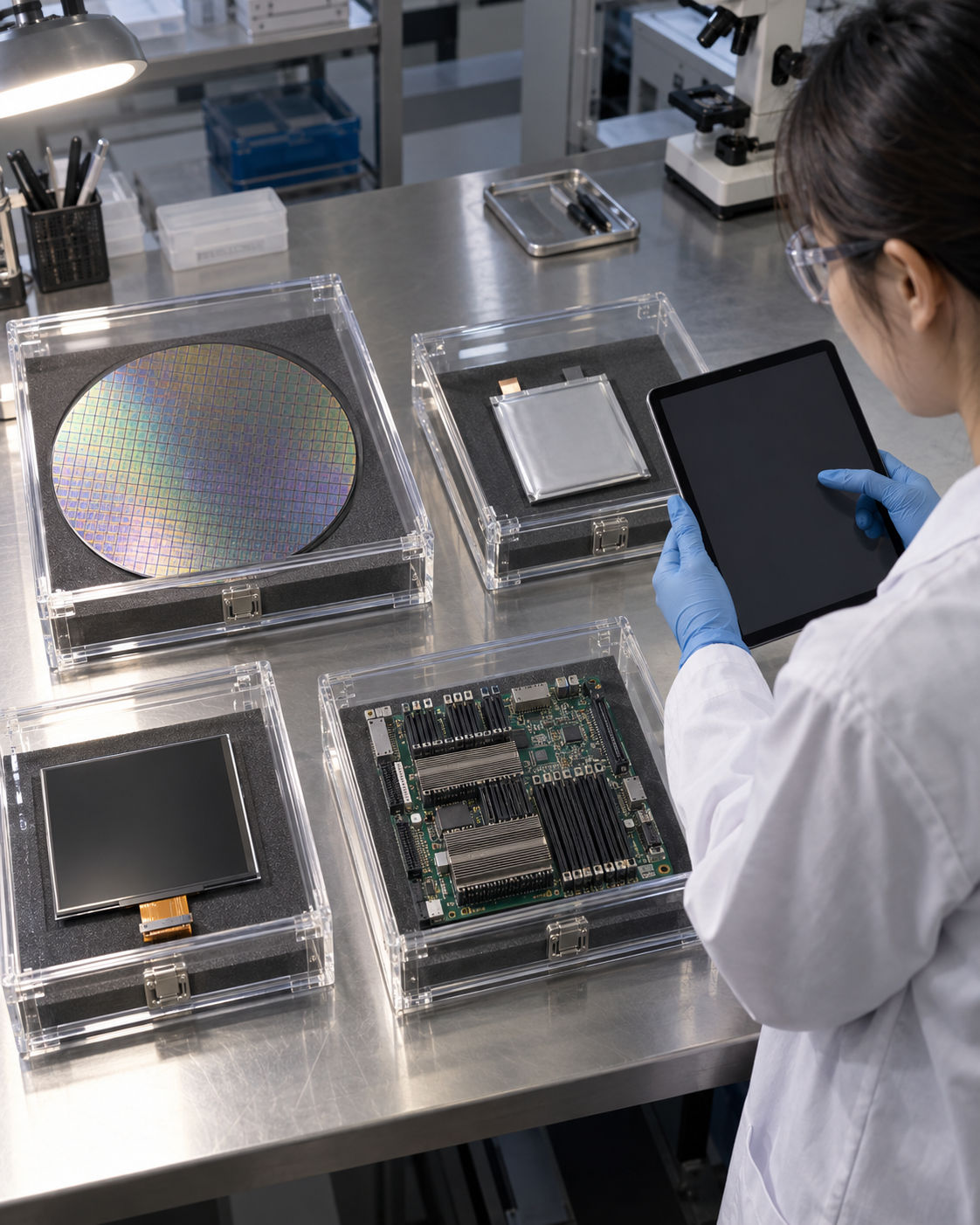
Until now, technology leaks have primarily been addressed by special laws such as the Act on the Prevention and Protection of Industrial Technology, the National High-Tech Strategic Industries Act, the Defense Industry Technology Protection Act, and the Unfair Competition Prevention Act. These laws each set different requirements, such as whether the technology in question is a designated national core technology or a trade secret, or whether it was intended for use overseas.
Just because new provisions of the Criminal Code have taken effect doesn’t mean these special laws will disappear. Depending on the nature of the case and the manner in which the act was committed, it may be necessary to determine which provisions—those of the Criminal Code or the special laws—apply, and whether multiple charges can be established simultaneously.
Therefore, it is more accurate to view this change not as the consolidation of all industrial technology leaks into a single criminal offense, but rather as the addition of punitive measures based on national security considerations to the existing legal framework.
| Information management has also become more important for companies

Companies that exchange technical data with overseas research institutes, joint ventures, or partner companies need to define information classifications and access permissions more clearly. To distinguish between legitimate international collaborative research and the illegal transfer of confidential information, records of approvals, procedures for the transfer of materials, and the scope of business necessity must be documented.
Basic controls—such as the recovery of retired employee accounts, the use of external storage devices, cloud sharing permissions, and partner access logs—are also becoming increasingly important. Just because laws have been strengthened doesn't mean data leaks are automatically prevented, so internal security systems and reporting procedures are the starting point for effective deterrence.
Meanwhile, given the expanded scope of application, clear enforcement guidelines are needed to ensure that routine overseas collaboration by companies is not hindered. The key practical issues will be defining the scope of state secrets and determining what constitutes evidence of communication with foreign parties.
| Points to Check After Implementation
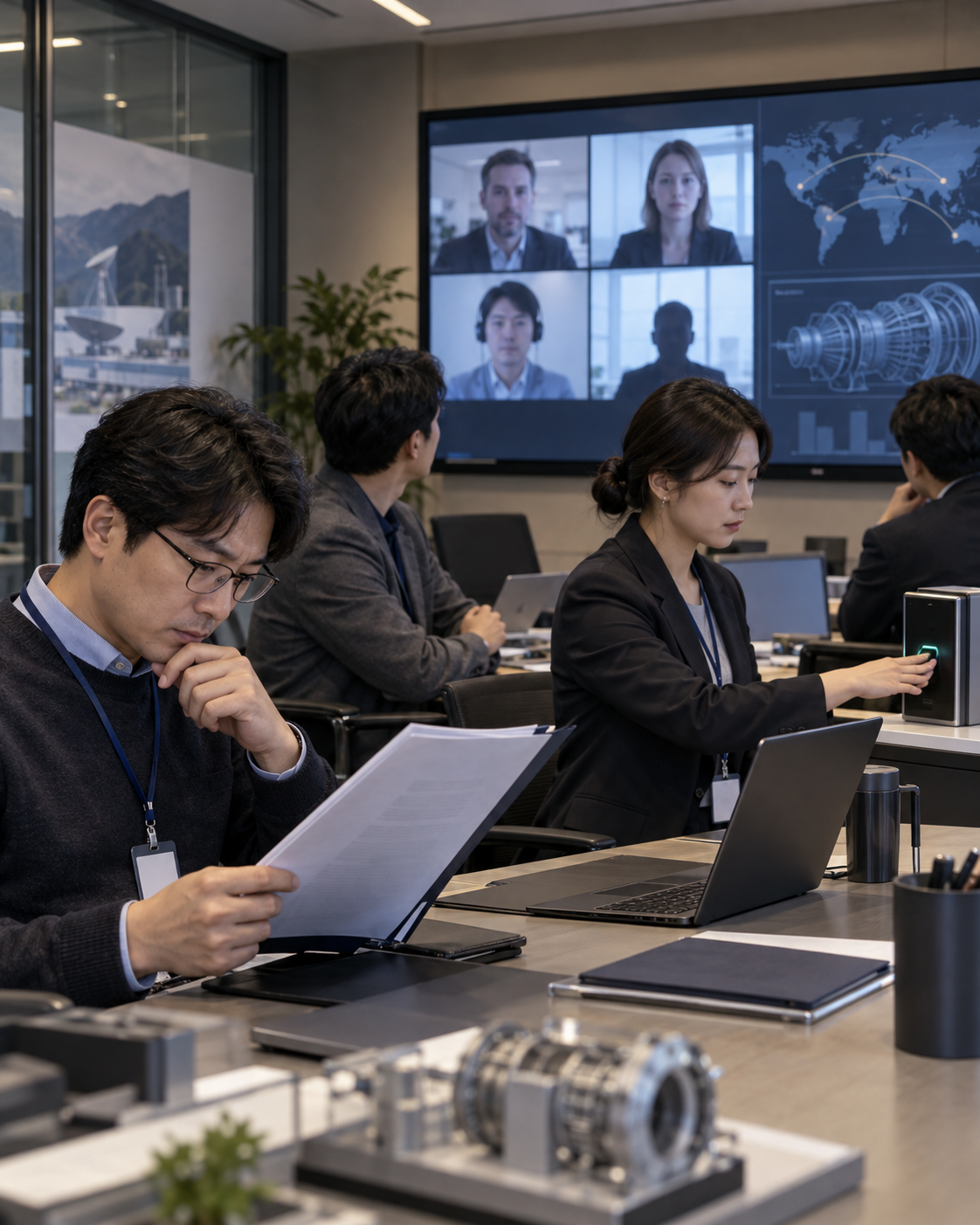
This amendment marks a major change to the espionage offense framework of the 1953 Criminal Code—which had focused on enemy nations—by adding separate offenses for acts committed on behalf of foreign entities and others. This means a legal basis has been established to impose harsher penalties for the leakage of strategic technologies, including semiconductors.
What has been finalized so far are the implementation of the new provision, its elements, and the statutory penalties. It is difficult to say definitively which technical information is actually recognized as a state secret and how it interacts with existing laws protecting industrial technology, as there is no established case law on the matter.
Going forward, we need to examine how the first investigations and prosecutions unfold, what criteria the courts use to determine state secrets, and how procedures to protect legitimate international collaboration among companies will take shape. The effectiveness of the system is likely to depend not only on the severity of penalties but also on clear and consistent enforcement.
Tags
#Espionage #Amendment to the Criminal Code #State Secret #Technology Leak #Industrial Espionage #Semiconductor Security #National Core Technologies #AI Security #Industrial Policy #Information Security #Laws of the Republic of Korea #Economic Security