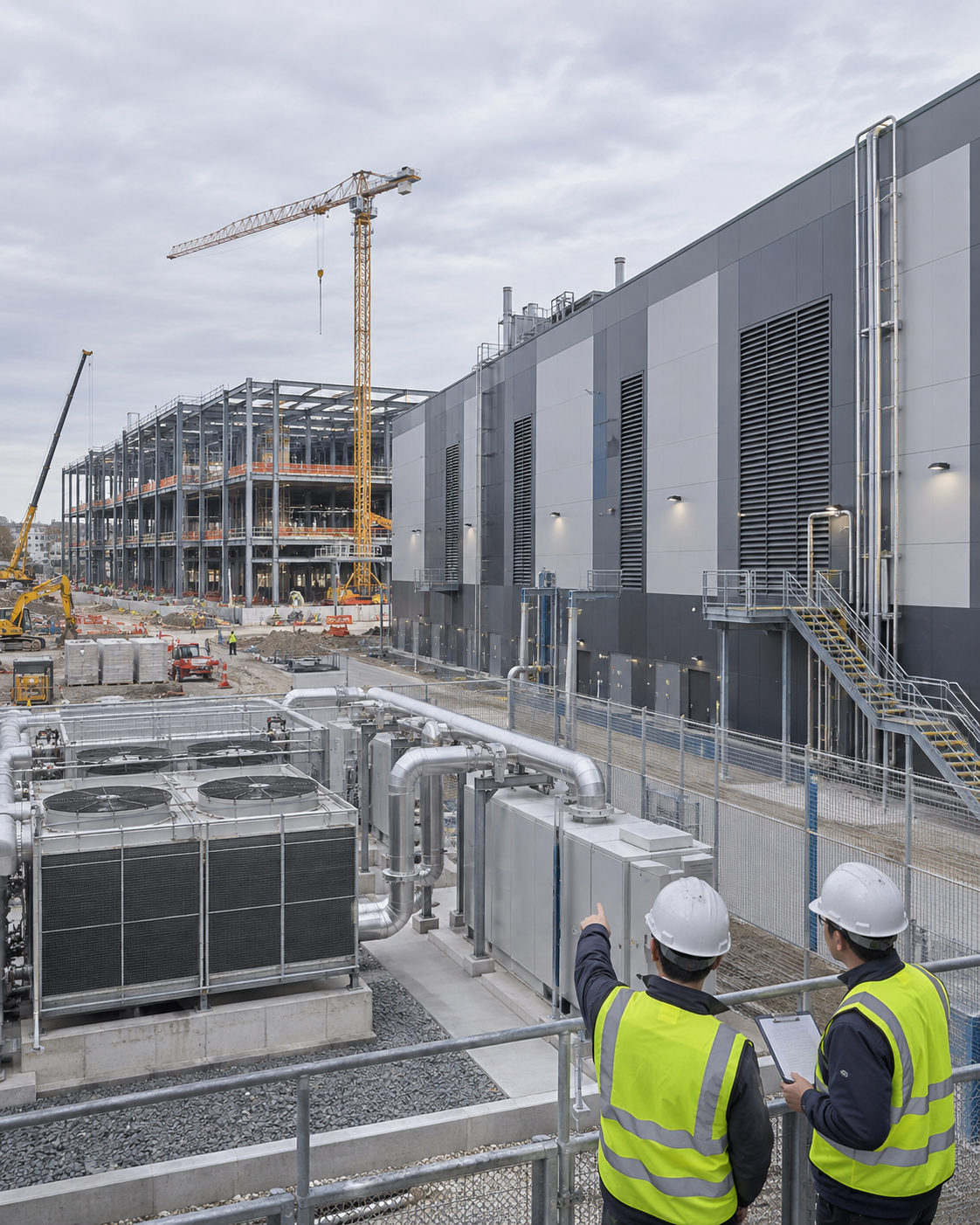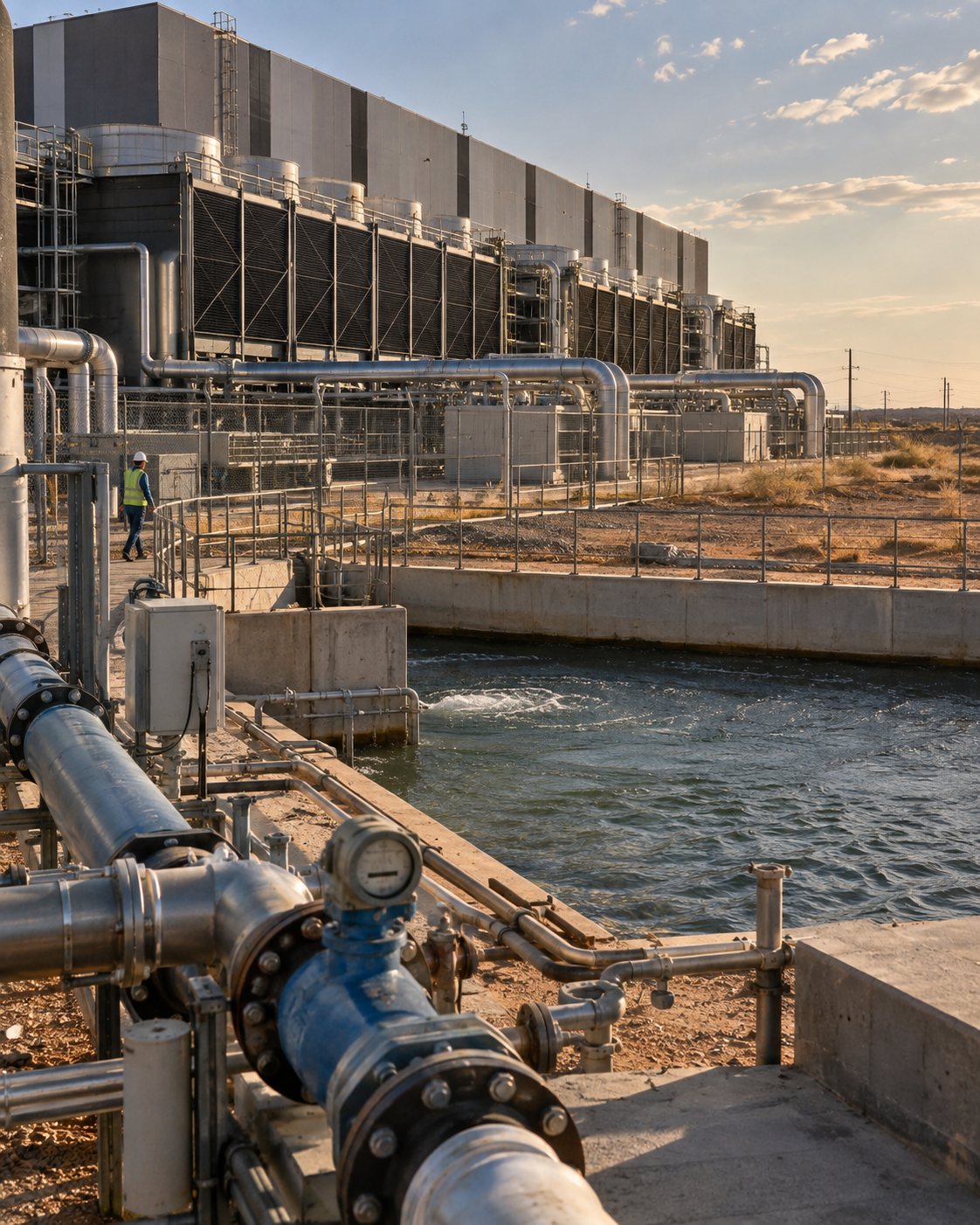
The state of Texas has decided to enforce reporting requirements more strictly for large-scale water-using facilities, including data centers. Governor Greg Abbott has directed the Texas Water Development Board to impose legal consequences on facilities that fail to submit water usage survey data or submit inaccurate reports.
As the expansion of AI data centers has made securing a power supply a major issue, the water used for cooling is also emerging as a key requirement for infrastructure expansion. In regions prone to recurring droughts and water shortages, it is difficult to develop long-term supply plans for cities and industries without accurately assessing water usage.
This measure is not the enactment of a new law, but rather an executive order directing the active enforcement of the reporting requirements and enforcement measures set forth in the existing Texas Water Code. It is important to note that the scope of the applicable permits does not include all environmental permits, but rather focuses primarily on water-related permits.
| Which facilities are subject to reporting?

Texas conducts surveys of large-scale water users regarding their usage and water sources. Data centers may also be included in this survey depending on their size and usage conditions. The submitted data is used to forecast regional demand and plan investments in public water supply and water resource facilities.
The state government Submitting complete and accurate information in the prescribed manner is not a choice but a legal obligation.he emphasized. Without these reports, it becomes difficult for public agencies to determine how much water data centers actually use and what impact this has on other users.
| Possible Consequences of Failure to Submit

According to Abbott's directive, the Texas Water Development Board must identify past and future reporting omissions and take legal action. This includes referring relevant cases to county or district attorneys and notifying the Texas Commission on Environmental Quality.
Facilities that submit documents late or fail to submit them may face adverse consequences regarding new water use permits, amendments, or renewals under Chapter 11 of the Texas Water Code. The state government has also made it clear that failure to submit the required documents can in itself constitute a criminal offense. However, the severity of penalties imposed on individual facilities varies depending on the facts of the case and the enforcement procedures.
| Electricity Connection Reviews Meet Water Usage

Texas is also pushing for audits of data centers awaiting grid connection to verify their water usage, sources, and efficiency. It has been indicated that if the required information is not provided, grid connection may be denied.
This means that the location of a data center cannot be viewed solely in terms of power. Power and water are interconnected through cooling methods, power generation structures, and regional infrastructure. Large-scale facilities must demonstrate the availability of both resources simultaneously in order to reduce uncertainty in the project schedule.
| How AI Data Centers Use Water
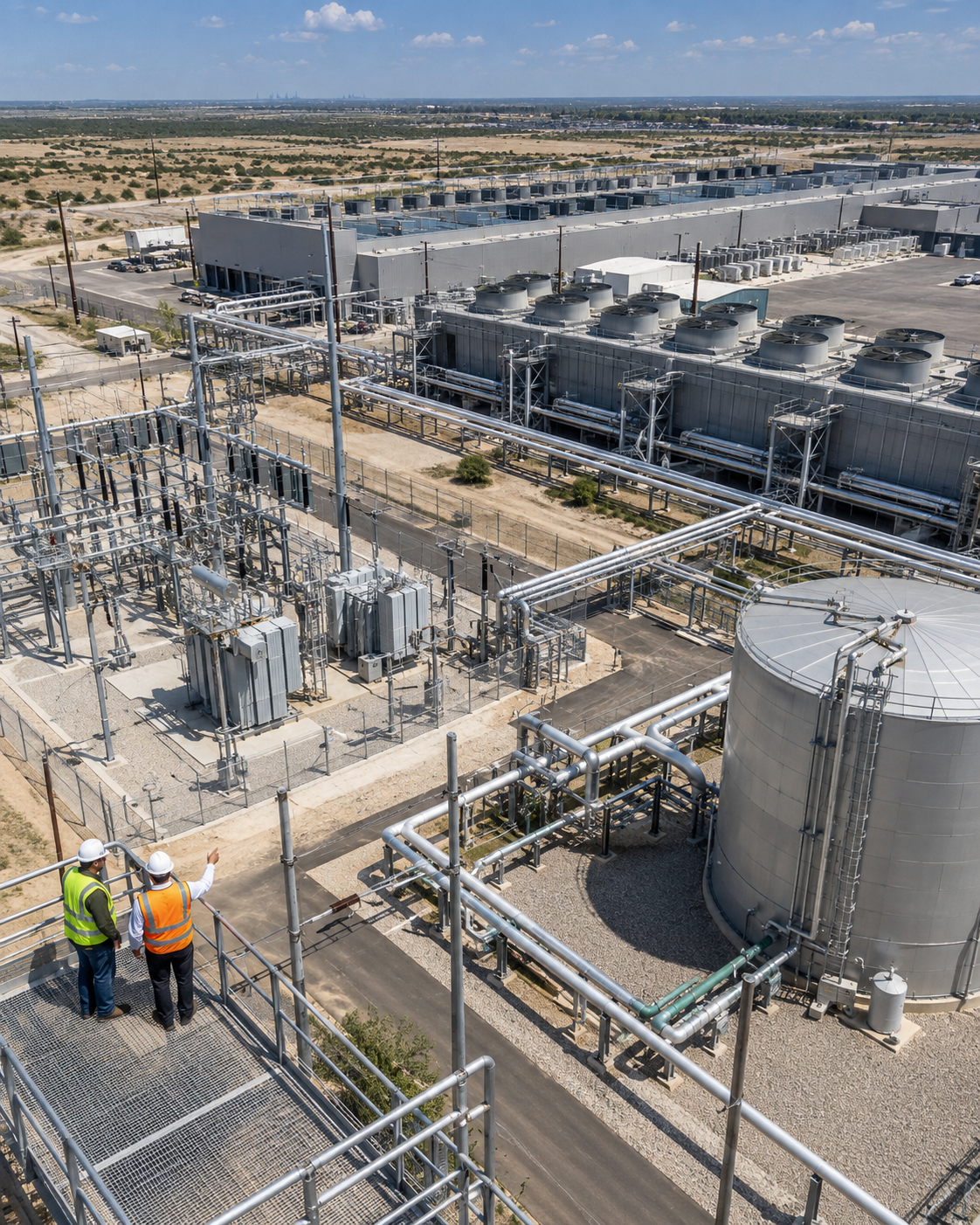
To dissipate the heat generated by servers, data centers use various methods, such as air cooling, evaporative cooling, and liquid cooling. Water consumption varies significantly depending not only on the size of the facility but also on the climate, cooling design, operating rate, and whether reclaimed water is used. Not all data centers use the same amount of water.
So Rather than just disclosing the total volume, it’s important to look at the water source, consumption and discharge volumes, seasonal usage patterns, and the reuse rate all together. Accurate reporting serves as the starting point for comparing companies and for regional water resource planning.
| Operational Changes Companies Need to Prepare For

Businesses planning to build or expand a facility in Texas Water usage data must be included in the permit and power connection schedule for management purposes. Internal controls are also needed to consolidate measurement data held separately by various departments and to verify that submission standards align with actual measurement methods.
In the long term, cooling technologies that reduce water consumption, the use of treated or reused water, and early consultation with local water resource agencies could become competitive advantages. However, Since energy-efficient technologies may involve trade-offs in terms of energy consumption or costs, it is necessary to evaluate them based on local conditions.
| Finalized Measures and Remaining Issues

What is certain is that the governor has ordered stricter enforcement and legal penalties for violations of existing reporting requirements. Facilities that fail to submit the required documents may face disadvantages in the water-related permitting and utility connection processes. The Texas Water Development Board plans to report on further progress to the governor as well.
The same penalty is not yet automatically applied to all data centers; the procedure varies depending on the specific violation and the type of permit. We'll have to wait and see whether the scope of the actual survey, examples of sanctions, the level of publicly available data, and water efficiency standards will be added in the future.
Tags
#Texas #Data Center #AI Infrastructure #Water Consumption #Water Resources #Environmental Policy #Cooling Technology #Data Center Regulations #Power Grid #Sustainability #Industrial Policy