
Amended regulations in China that link immigration control more directly to national industrial and technological security took effect on September 15, 2026. It includes a provision stating that relevant authorities may restrict the departure of Chinese citizens who pose a risk of compromising industrial or technological security by violating export control or technology import/export regulations.
In industries where technology and labor move together—such as semiconductors, artificial intelligence, and advanced manufacturing—regulatory measures can affect both business operations and the mobility of individuals. It is increasingly likely that individuals and companies preparing for overseas business trips, job changes, or joint research projects will need to scrutinize their compliance with export controls more closely.
However, the timeframe of 6 months to 3 years, which is frequently mentioned in the published summary, is not uniformly applied to all violations of the technology security provisions. That period is specified in the provisions regarding separate grounds, such as illegal entry or exit, whereas the clause on travel restrictions related to technological security does not specify a fixed period.
| Background on the Implementation of the New Regulations
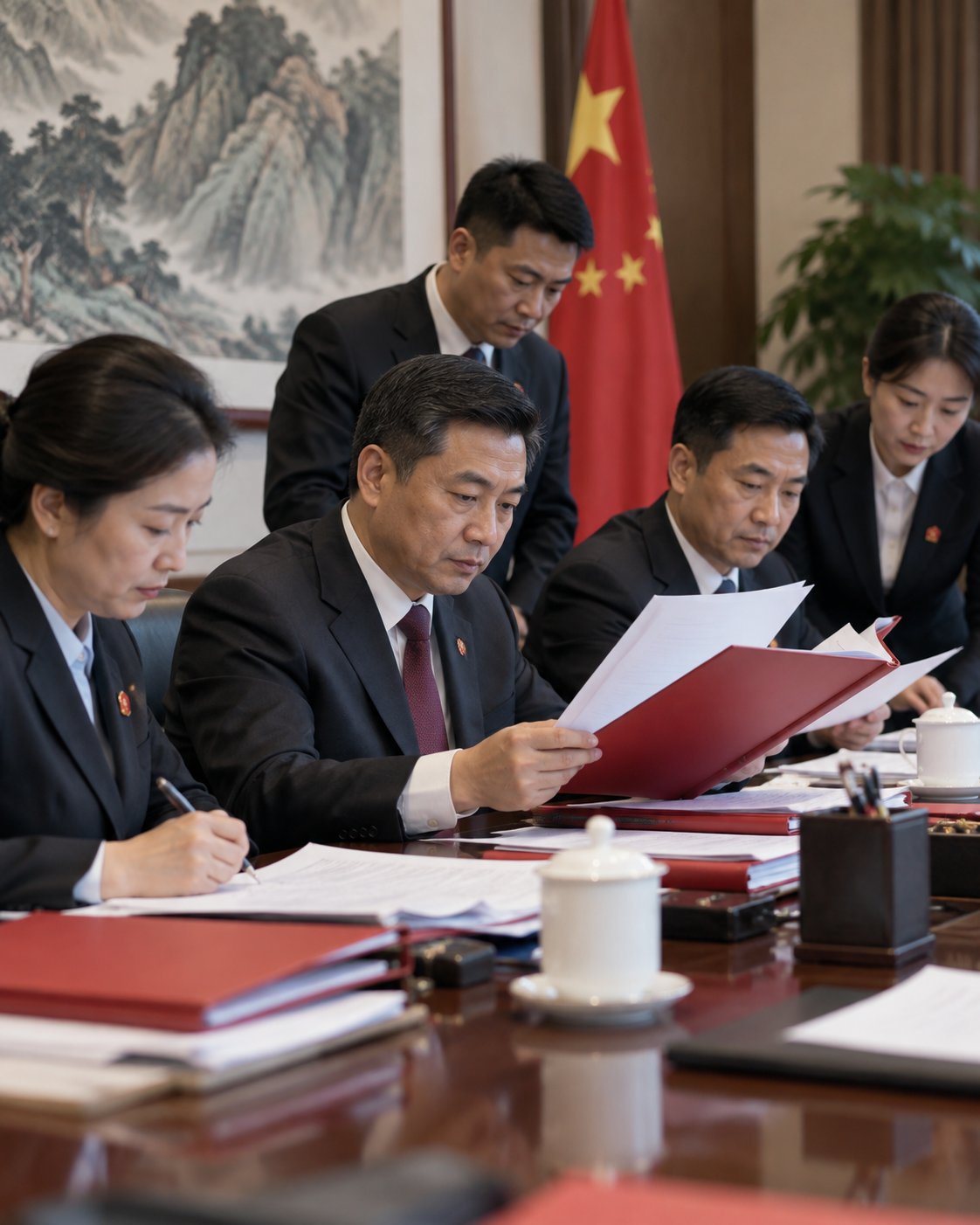
In July 2026, the State Council of China announced revised immigration regulations and set September 15 as the effective date. The regulations specify restrictions on the departure of Chinese citizens and the entry of foreigners, as well as procedures for notification of decisions and appeals.
This amendment drew attention because it expands the scope of immigration control to include not only criminal investigations and civil obligations but also export controls and the management of technology imports and exports. In effect, the policy direction of viewing advanced technology as a core asset of national security has been reflected in the management of human mobility as well.
| Actual Content of Provisions Related to Technology Security

The regulations allow relevant authorities, such as the Ministry of Commerce, to impose travel restrictions in accordance with the law when Chinese citizens violate export control or technology import/export management regulations, and such actions pose a risk of harming national industrial and technological security.
The key point is that the risk assessment can be triggered not only when actual damage has already occurred, but also in other situations. However, to determine who assesses the risk, what evidence and criteria are used, and how long the restrictions remain in place, one must examine specific enforcement cases alongside the relevant laws and regulations.
| A distinction must be made between periods ranging from 6 months to 3 years

The period of departure restrictions, ranging from 6 months to 3 years, applies to specific categories of individuals, such as Chinese nationals who have been placed under administrative detention for fraudulently obtaining immigration documents or for illegal entry or exit, and nationals who have returned after engaging in illegal or criminal activities abroad that harm national security or interests.
The sentence addressing the possibility of a technology security breach is presented as a separate piece of evidence afterward and does not specify the same time period. Therefore, assuming that violators of export controls are automatically subject to a penalty ranging from 6 months to 3 years is a broader interpretation than the original text. The actual duration and conditions for lifting the penalty must be confirmed with the deciding authority and the applicable law.
| Potential Impact on Semiconductor and AI Companies
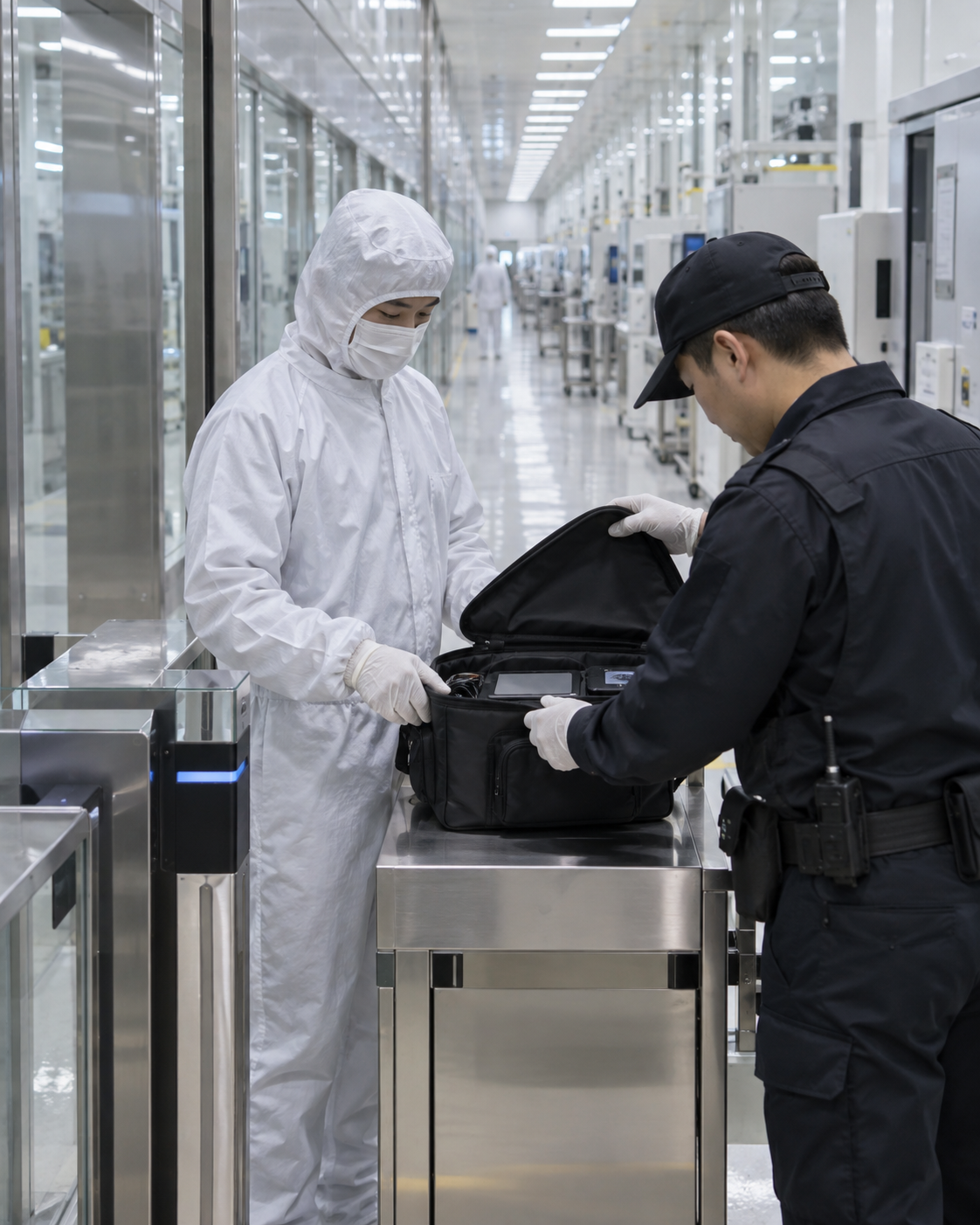
High-tech companies are already subject to various controls when transferring technical data, source code, manufacturing process information, and research findings across national borders. If the possibility of travel restrictions is added to the mix, compliance reviews may be strengthened in the processes of overseas assignments, international conferences, joint research, and talent recruitment.
In particular, there is a possibility that companies will monitor more closely which materials individual employees access and what work they undertake overseas. On the other hand, there are concerns that if the scope of application remains unclear, even normal academic and industrial exchanges could be stifled. To assess the actual impact, we need to see how the regulations are implemented in practice.
| Notices and Remedies

The regulations generally require that restrictive decisions be communicated in writing and that the reasons for the decision and available remedies be explained. Affected individuals may consider legal procedures such as administrative reconsideration or litigation. The framework also stipulates that relevant agencies must lift the measures once the grounds for the restrictions no longer exist.
However, there are exceptions under which notification may not be provided if it could affect national security or a criminal investigation. Depending on how these exceptions are applied, there can be a significant difference in the parties’ ability to understand the basis for the decision and challenge it.
| Confirmed Policies and Points to Be Clarified

What has been confirmed is that violations of technology import/export regulations and export controls can serve as grounds for restricting travel abroad when there is a risk that such violations could harm industrial and technological security. The new regulations took effect on September 15, 2026, and explicitly establish the link between national security and the movement of personnel.
Based solely on publicly available information, it is still difficult to determine the specific criteria for assessing national security concerns, the typical duration of restrictions, and the speed of the lifting process. Until the first enforcement cases, administrative interpretations, and corporate internal compliance standards emerge, it is necessary to distinguish between facts and possibilities rather than jumping to conclusions about the system’s impact.
Tags
#China #Travel Restrictions #Technology Security #National Security #Export Controls #Technology Import and Export #Semiconductors #Artificial Intelligence #Industrial Policy #Human Resources Management #Compliance