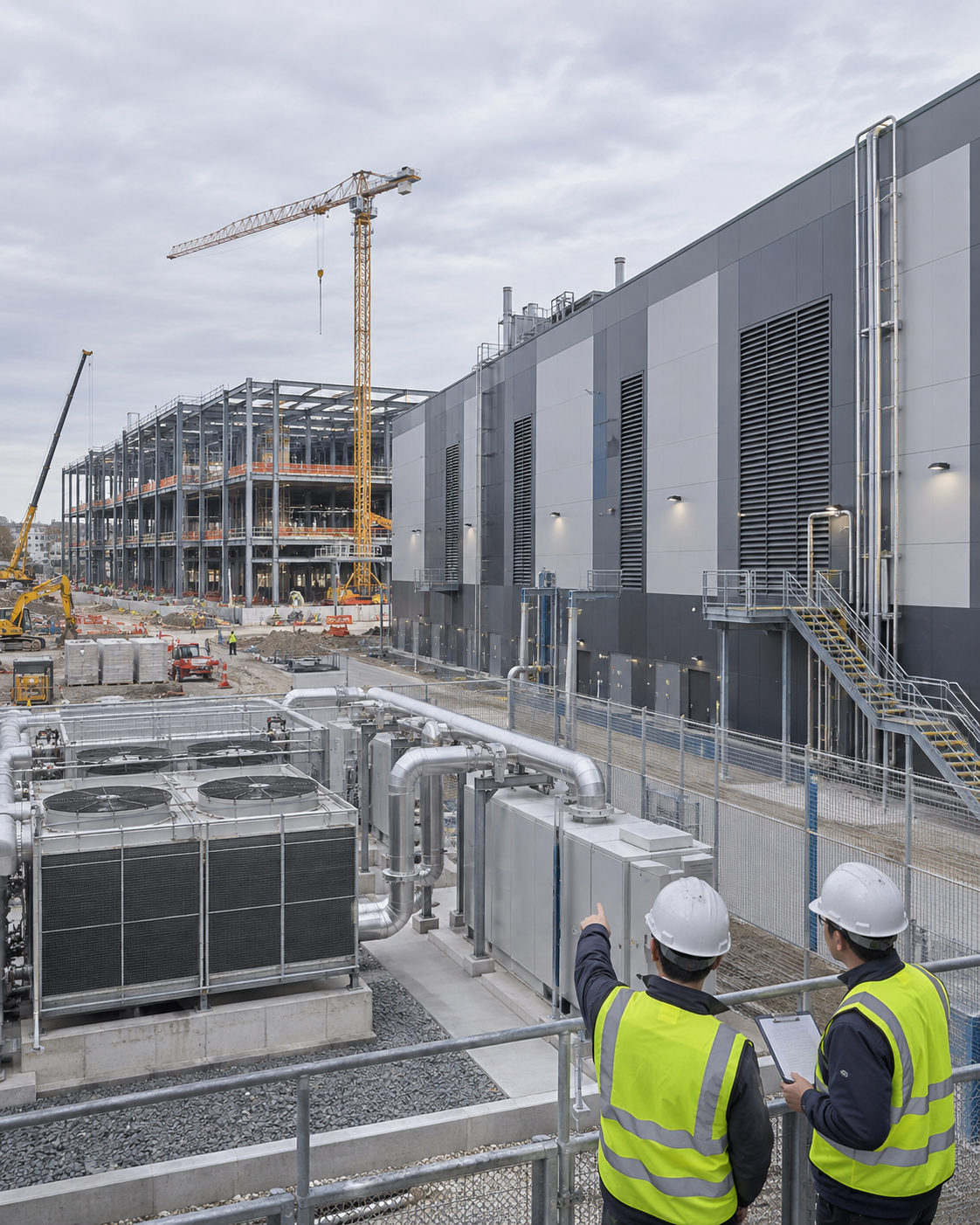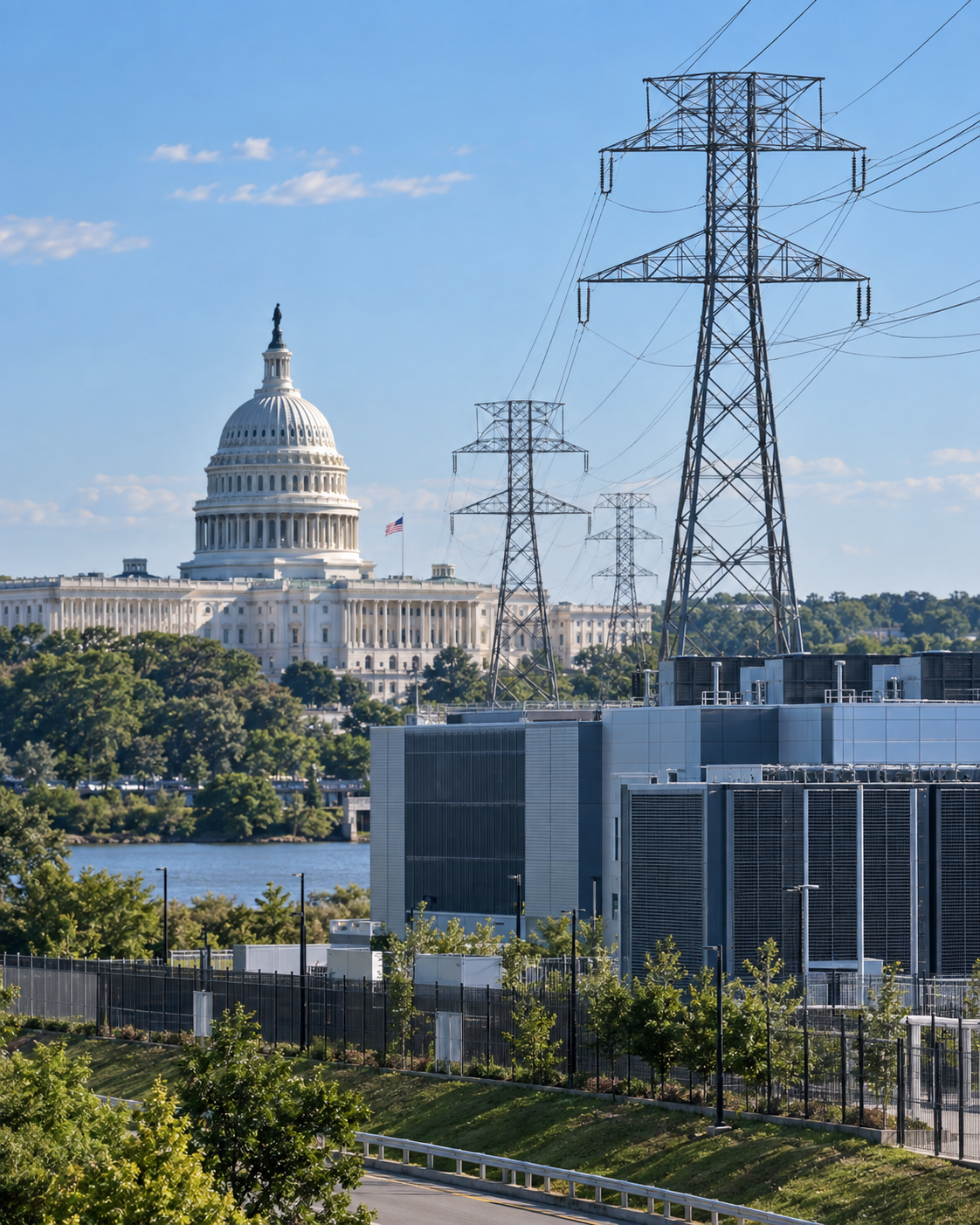
The U.S. House of Representatives passed the Ratepayer Protection Act—which addresses who will bear the cost of the power infrastructure needed for the expansion of AI data centers—by a vote of 417 to 3. Reuters reported that this is the first time a bill directly addressing the economic burden of data center growth has passed the House.
The core of the bill concerns power generation, transmission, and distribution facilities newly constructed for large-scale electricity consumers, such as data centers, The idea is to have the state regulatory agency review the standards so that the user in question bears the additional costs. The regulation primarily applies to data storage and computing facilities with a maximum power demand of 100 MW or more on a single site or campus.
However, the law isn't finalized just because of this vote. The bill still needs to pass the Senate and be signed by the president, and since it is structured to require state governments to review relevant standards rather than immediately mandating specific rate plans, its actual impact will depend on the subsequent procedures.
| A bill that passed the House of Representatives by a vote of 417 to 3
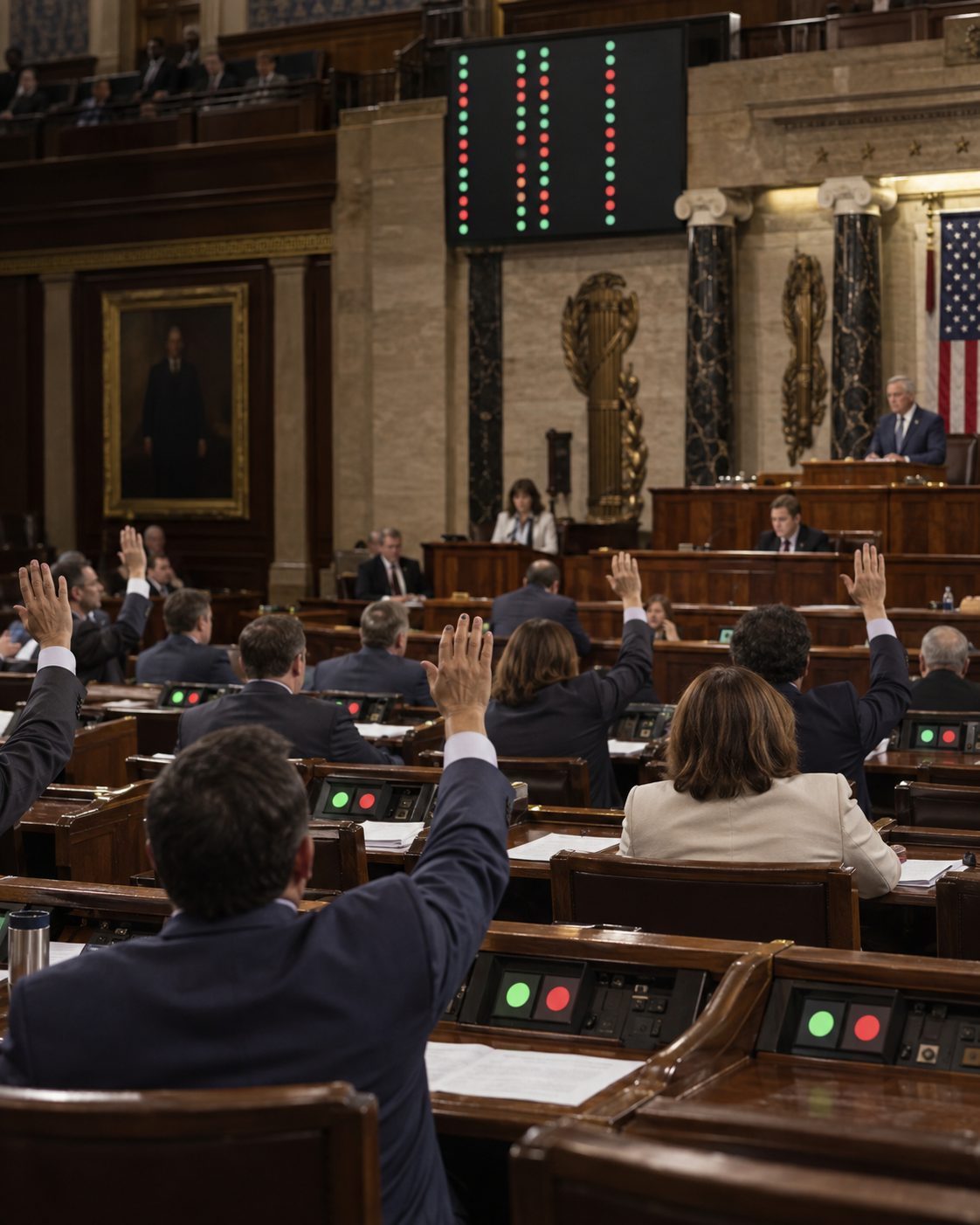
On September 16, 2026 (local time), the U.S. House of Representatives passed the Ratepayer Protection Act by an overwhelming margin. With the majority of both Republican and Democratic lawmakers voting in favor, this demonstrated that the issue of data center electricity costs has emerged as a bipartisan policy priority.
This outcome reflects both the view that the AI industry’s growth should be supported and the demand to prevent electricity rate hikes for ordinary households. While attracting large data centers can generate investment and jobs, concerns have grown that the costs of building new power plants and transmission grids could be passed on to existing users.
Passage by the House of Representatives is an important step, but it does not mean the law will take effect. The bill must be passed by the Senate and signed by the president to become federal law.
| Who Will Pay for the Additional Grid Costs?
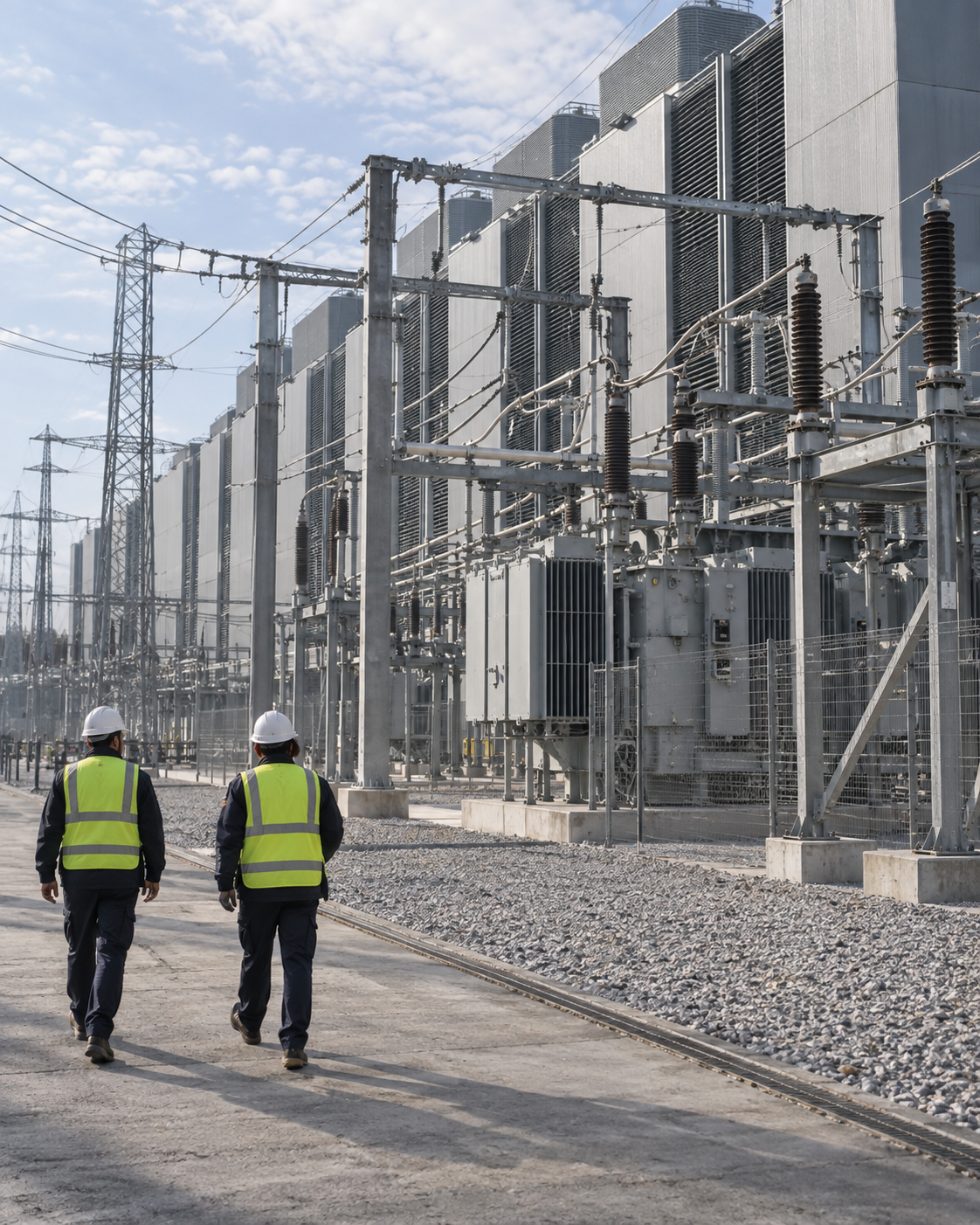
The bill would require the state public utility regulatory agency to review standards that require large-scale electricity users to bear the full cost of the additional infrastructure they need. The scope may include not only power generation facilities but also the costs of expanding transmission and distribution networks.
According to the official explanation, the program primarily targets data storage and computing facilities that record a peak demand of 100 MW or more on a single site or campus. Measures are also being discussed to ensure that costs already incurred are not passed on to other users even if a large-scale data center cancels its contract or stops purchasing electricity.
If this structure is applied to actual rates, data center operators may have to bear a greater share of the initial site costs and the risks associated with power contracts. On the other hand, this creates an opportunity to reduce the problem of investment costs for large-scale facilities being factored into the rates for ordinary households and small businesses.
| Why AI Data Centers Have Become a Key Issue in Energy Policy
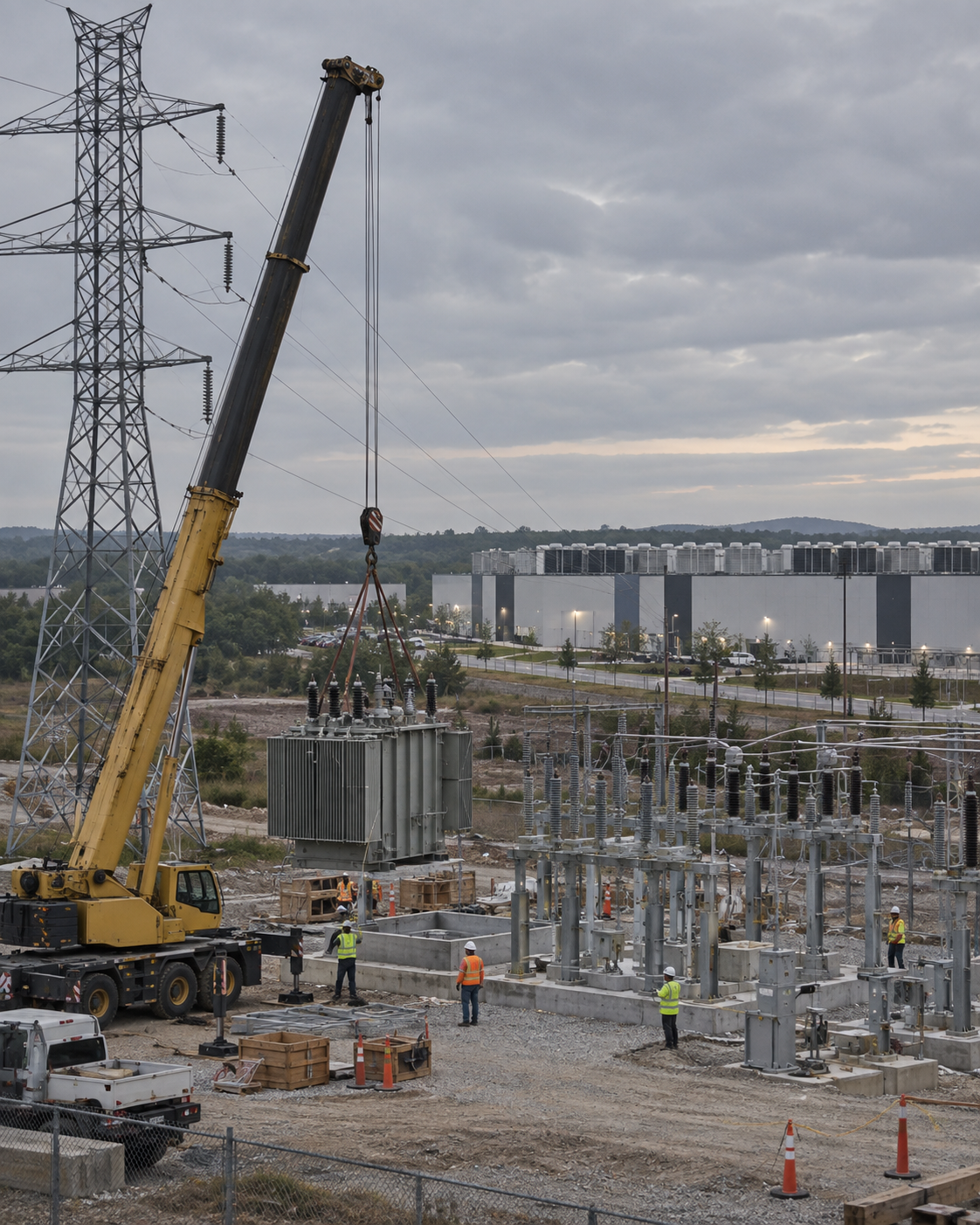
As demand for generative AI training and inference grows, the construction of large data centers and power facilities is proceeding simultaneously across the United States. Since facilities with a capacity of hundreds of MW can create significant new demand on a single regional power grid, it may be necessary to expand power plants, substations, and transmission lines.
If the construction costs are recouped through the utility bills of all electricity users, households and businesses that do not have data centers will also have to share in the costs. Conversely, if the data center bears all the costs, this could affect the project's economic viability and the choice of location.
This bill is more about establishing the principle of cost-sharing first, rather than blocking data centers. The idea is to reduce the reliance on existing customers to subsidize the expansion of AI infrastructure, even if we do support the expansion itself.
| Limitations Raised Despite Strong Support

The consumer advocacy group Public Citizen criticized the bill for not directly requiring state governments to implement data center burden standards, but only calling for a review. They argue that the bill’s effectiveness in protecting consumers from electricity rate hikes may be limited.
The impact of data centers on local communities goes beyond just the cost of the power grid. Issues such as water use, land use, noise, tax incentives, and local jobs are not directly addressed in this bill.
Conversely, it could also be argued that the federal government did not impose uniform rate rules on all states but left room for each state to make decisions tailored to its own electricity market structure. Ultimately, state-level hearings and regulatory decisions could determine how the burden is actually allocated.
| Impact on Data Center Operators and Local Communities

If the bill is ultimately enacted and implemented on a state-by-state basis, Data center developers are likely to need to factor in power infrastructure costs more accurately from the outset of their projects. Long-term power purchase agreements, security deposits, and liability for costs incurred during facility decommissioning may also become key negotiation points.
Local governments and power companies must weigh not only the tax revenue and employment benefits resulting from large-scale investments but also the long-term costs of the power grid. In areas with limited power supply, the scale of data center projects or their start dates may need to be adjusted.
This bill won't result in an immediate reduction in electricity bills for consumers. It has a stronger preventive nature, aimed at reducing the ways in which new costs are passed on to existing users.
| Remaining Steps Until the Law Is Enacted
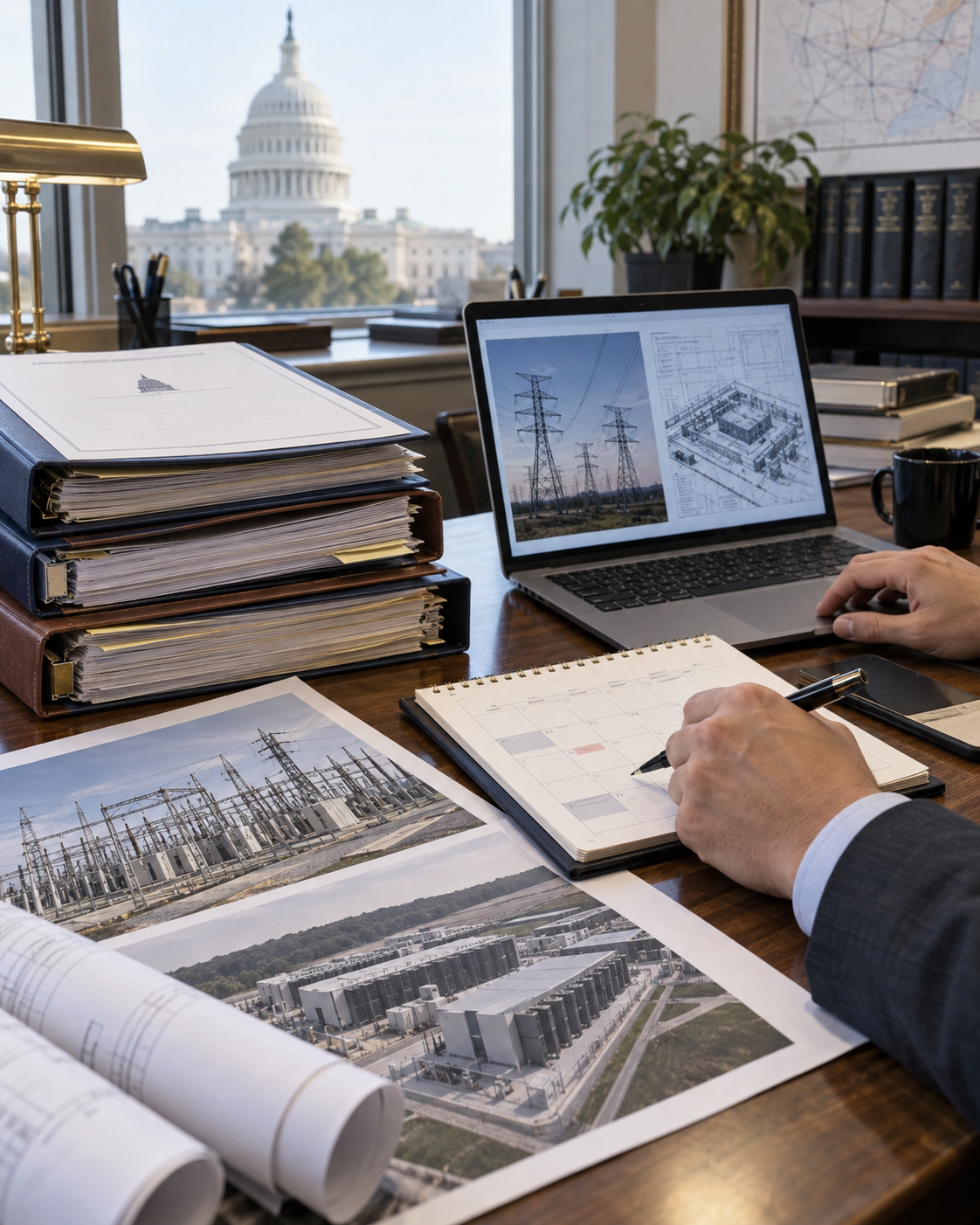
What is certain at this point is that the House passed the bill by a vote of 417 to 3. The Senate's schedule for deliberation, the final text of the bill, and whether the president will sign it have not yet been determined.
Even if it becomes law, the outcome may vary depending on the standards adopted by the state regulatory agency. Subsequent regulations must also specify how to calculate the additional costs to be borne by data centers and whether these rules apply to existing facilities.
The most significant aspect of this vote is that Congress has begun to address AI data centers not only as a matter of technology and industrial policy but also as an issue affecting household electricity bills and local infrastructure costs. The next step is to determine whether this strong vote of support will translate into actually implementable rate standards.
Tags
#U.S. House of Representatives #RatepayerProtectionAct #Data Center #AI Infrastructure #Power Grid #Electricity Bills #Energy Policy #Industrial Policy #100MW #Power Grid #Electricity Costs #AI Data Center