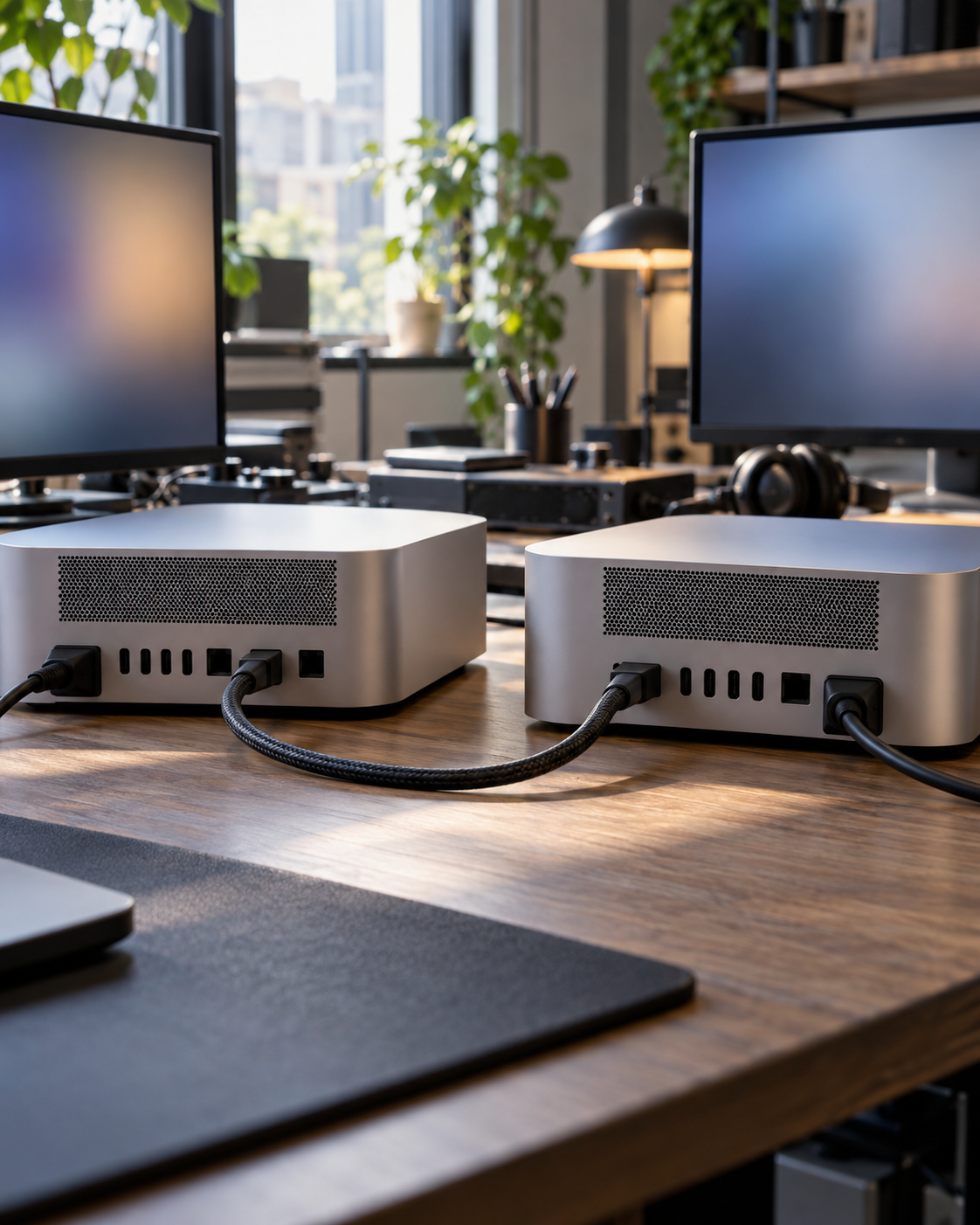
Anthropic revealed that Claude is taking the lead on 26% of the company’s internal AI research and development work. This percentage rose rapidly from about 1% in March 2026 to 26% in August.
Here, the phrase "taking the lead" refers to acting based on high-level instructions provided by a person It means that Claude performs most of the task from start to finish, but under human supervision. Anthropic has made it clear that none of the research being measured is conducted entirely autonomously by Claude.
When you include the work done in collaboration with Claude, where a person provided specific guidance, the proportion of research and development involving AI exceeded 90%. Although that’s a high figure, Since 26% and 90% refer to different levels of autonomy, they should not be interpreted interchangeably.
| 26% does not represent the proportion of fully autonomous research

Anthropic categorized and measured the extent to which AI is involved in research tasks on a step-by-step basis. Twenty-six percent fell into the "AI-led" stage, in which Claude, after receiving high-level instructions, is able to carry out a significant portion of the task on its own from start to finish.
On the other hand, the figure of “over 90%” encompasses a collaborative phase in which a person provides direction from close quarters while Claude handles large chunks of the work. This can broadly include tasks where AI is responsible for certain processes, such as assisting with code writing and experiment design, analysis, and organizing results.
Therefore, this doesn't mean that Claude independently decides on a quarter of Anthropic's research without human involvement. The explanation states that human oversight remains in place throughout all measurement stages, and that the research objectives, final decisions, and authority to make actual system changes are all under the control of people and organizations.
| Rapid increase from 1% in March to 26% in August

According to metrics released by Anthropic, the proportion of AI-driven work rose from about 1% in March 2026 to 26% in August. This signals that research tools, model capabilities, and internal workflows have all evolved in just a few months.
This classification uses a metric developed by Epoch AI, a nonprofit research organization that tracks the pace of AI development. It is a method designed to distinguish between the "simple use," "collaborative," and "AI-led" stages based on how well tasks can be completed using only high-level instructions.
However, judgment may come into play when classifying tasks, and There is a limitation in that this is based on a survey of a single company's internal research environment. In order to apply the same standards to other research institutes for comparison, the types of tasks and evaluation procedures must be disclosed more transparently and undergo external verification.
| Approximately 30,000 agents are active on the internal platform

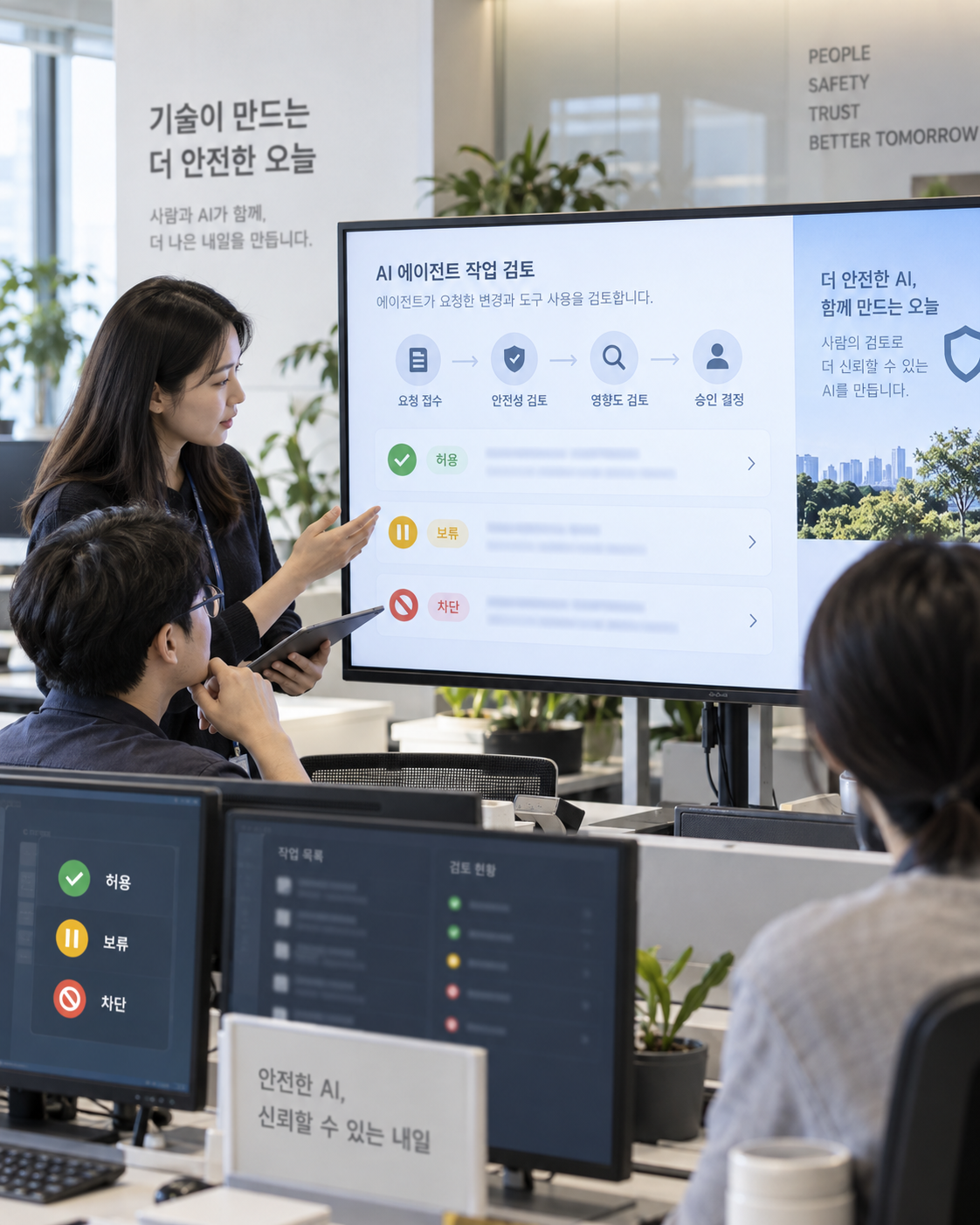
Anthropic reported that in August 2026, approximately 30,000 AI agents were active at any given time, performing research and engineering tasks on its main internal platforms. Rather than a single "Claude" conducting research on its own, the structure is more akin to numerous task units running in parallel.
Agents can be tasked with using tools—such as modifying code, running experiments, and analyzing results. While this type of parallel processing speeds up research, it also increases the risk that incorrect commands or errors will spread across multiple tasks simultaneously.
Anthropic explained that the agent checks every action before carrying it out. The company stated that, out of more than 1 billion decisions made during the month of August, approximately one in every 47,000 was blocked, but, We cannot conclude that the entire system is safe based solely on a low blocking rate.
| The proportion of computing resources used for safety research was also disclosed
Anthropic reported that, based on a sample week in July 2026, approximately 6% of the computational resources allocated to AI research were used for safety-related tasks. When looking solely at AI-led research, the proportion of resources dedicated to safety-related tasks was approximately 12%.
The company explained that because it classified tasks that simultaneously improve both performance and safety as "performance studies," this figure may be more conservative than the actual number. This also means that the results can vary depending on which studies are classified as "safety" studies.
The number of operations is just one indicator of safety efforts. To assess the level of safety investment, it is necessary to consider factors such as research personnel, the quality of evaluations, procedures for incorporating identified issues into actual products, and the authority to halt high-risk experiments.
| Why the Speed at Which AI Assists in AI Development Matters

If models take on more of the coding, experimentation, and evaluation for the next generation of models, research cycles could become shorter. This would free researchers from repetitive tasks, allowing them to test more hypotheses, and make it easier to conduct multiple experiments simultaneously.
Conversely, if the proportion of code and analyses generated by AI that are then reviewed by another AI increases, the same errors could persist across multiple stages. If people end up merely approving the results without understanding the entire process, there is a risk that supervision will become merely a formality.
Anthropic released these metrics because it believed society needed data to assess how close AI is to achieving recursive self-improvement—the ability to create subsequent models completely autonomously. The current figures aren't evidence that we've reached that stage; they're just initial measurements to track the rate of change.
| Will regular disclosures lead to comparable benchmarks?
Anthropic has stated that it will continue to publish these metrics going forward. If these measurements are not just a one-time publicity stunt but are repeated using the same definitions and methods, they could serve as important data for gauging the pace of automation in AI research.
However, since each company defines leadership and collaboration differently, it's difficult to make direct comparisons based on numbers alone. An external agency needs to verify the sample and classification methods, and procedures are needed to clearly notify stakeholders when the measurement range changes.
What was confirmed in this announcement is that Claude's involvement in internal research has expanded rapidly, and that Anthropic has measured this as 26% AI-driven work and more than 90% collaborative work. There is no basis for concluding that the research was conducted entirely autonomously, and moving forward, both the reproducibility of the results and the actual extent of human supervision must be verified.
Tags
#Anthropic #Claude #AI Agent #AI Research #AI Development #Laboratory Automation #Human-AI Collaboration #AI Safety #EpochAI #Generative AI #AI Transparency #Next-Generation AI