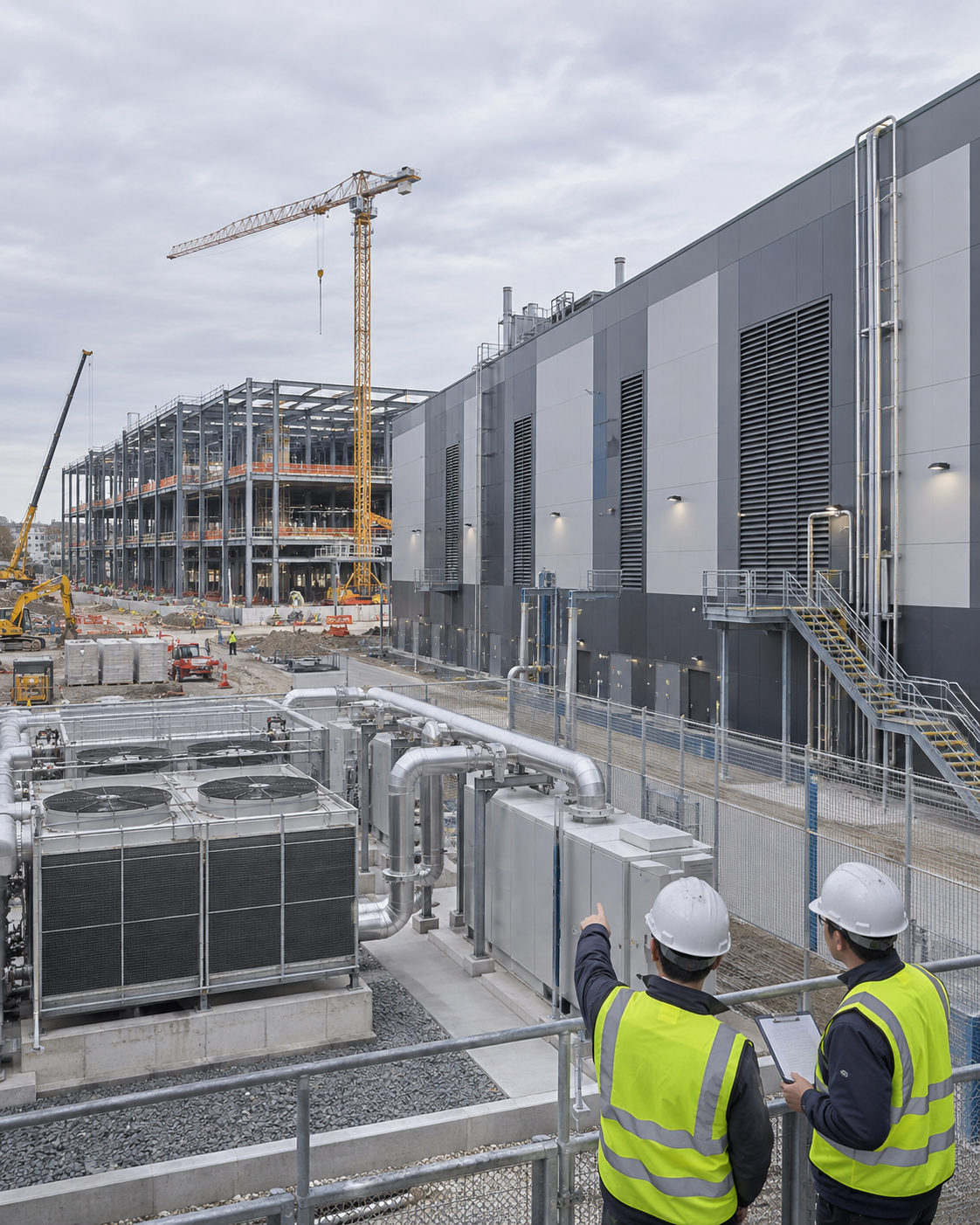
The state of Virginia has unveiled the “Data Center Accountability Framework” to reduce secrecy surrounding data center development and alleviate the burden on the power grid and the environment. Key provisions include requiring local government approval for projects exceeding 25 MW, restricting non-disclosure agreements, and ensuring a fairer allocation of grid costs to data centers.
However, not all of these measures immediately became legal obligations. Governor Abigail Spanberger has initiated some administrative measures through Executive Order 22, but the 25-megawatt approval threshold and several long-term regulations will require action by the state legislature in 2027.
| The World's Largest Data Center Cluster
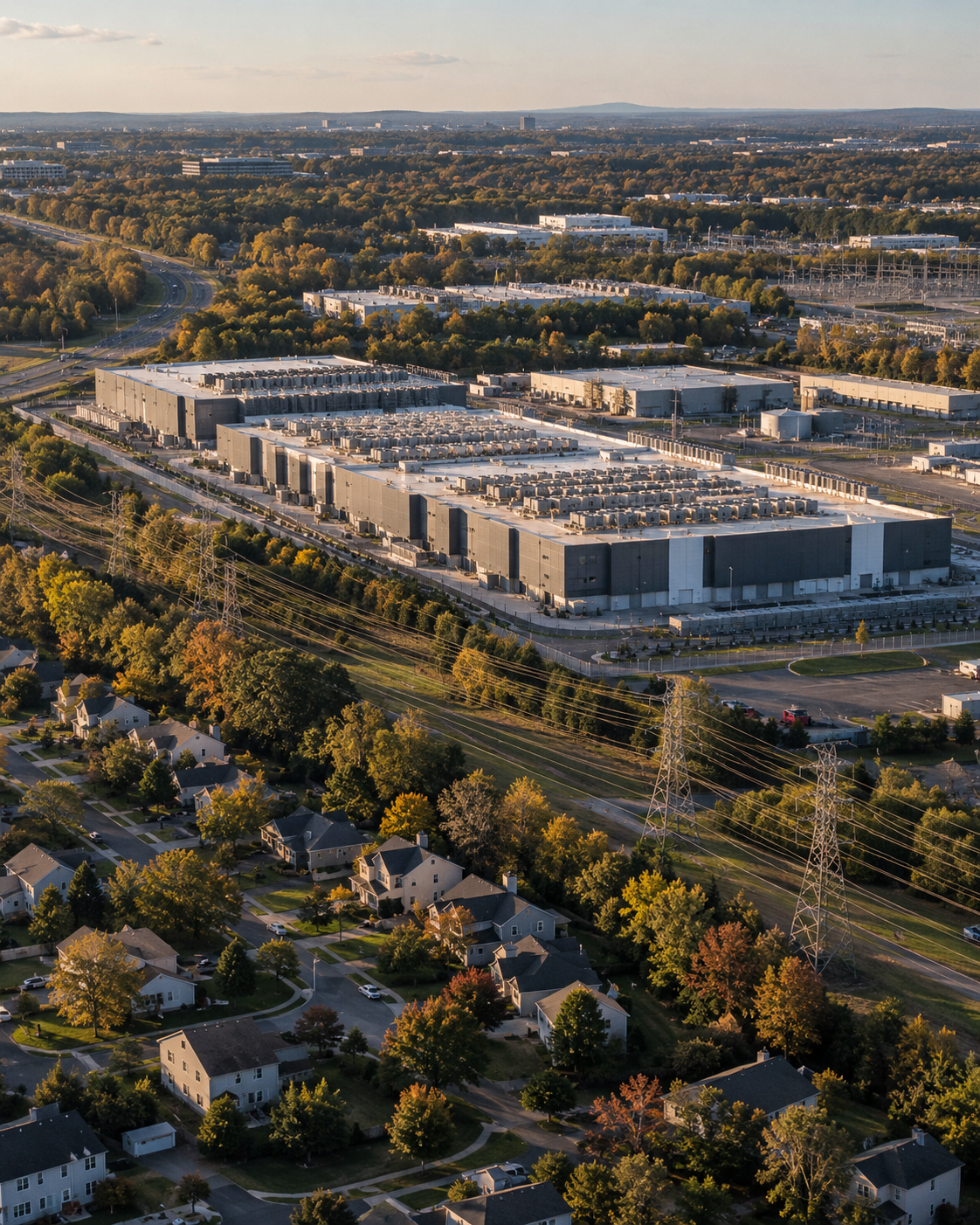
Virginia is considered one of the regions with the highest concentration of data centers in the world. In particular, Northern Virginia is home to a high concentration of facilities that support large-scale cloud and AI services, and as a result, issues such as electricity demand, investment in the power grid, noise, and water usage have become key issues in local politics.
This framework moves away from the approach that treated the attraction of data centers solely as an economic growth policy, This shift involves considering both the costs to the community and the responsibilities of businesses. Given the rapid increase in mega-scale facilities driven by demand for AI, this also signifies that major data center hubs are taking the lead in raising regulatory standards.
| 25 MW is the threshold for stricter local approval requirements

The framework applies to data centers that consume more than 25 MW of electricity, regardless of whether they have already received business approval, A plan to require approval from local governments...was proposed. The aim is to reduce automatic or blanket "by-right" development and have local governments reassess the impact of individual projects.
While 25 MW represents a much higher power demand than that of typical commercial facilities, it is not an exceptionally high threshold by recent standards for AI data centers. If this standard is codified into law, a significant number of large-scale projects could be subject to separate reviews and public comment procedures.
| Non-Disclosure Agreements and Expedited Approval Practices
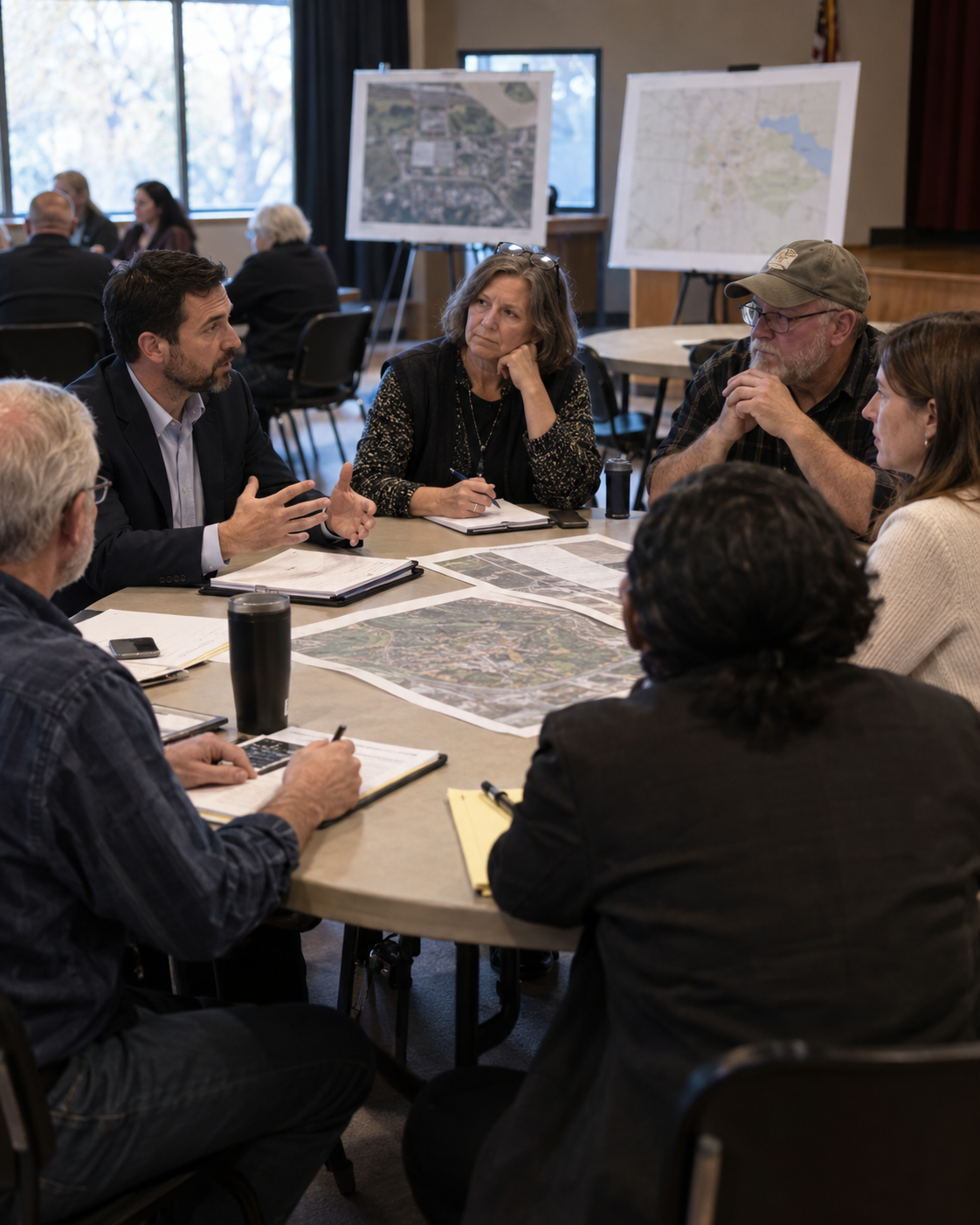
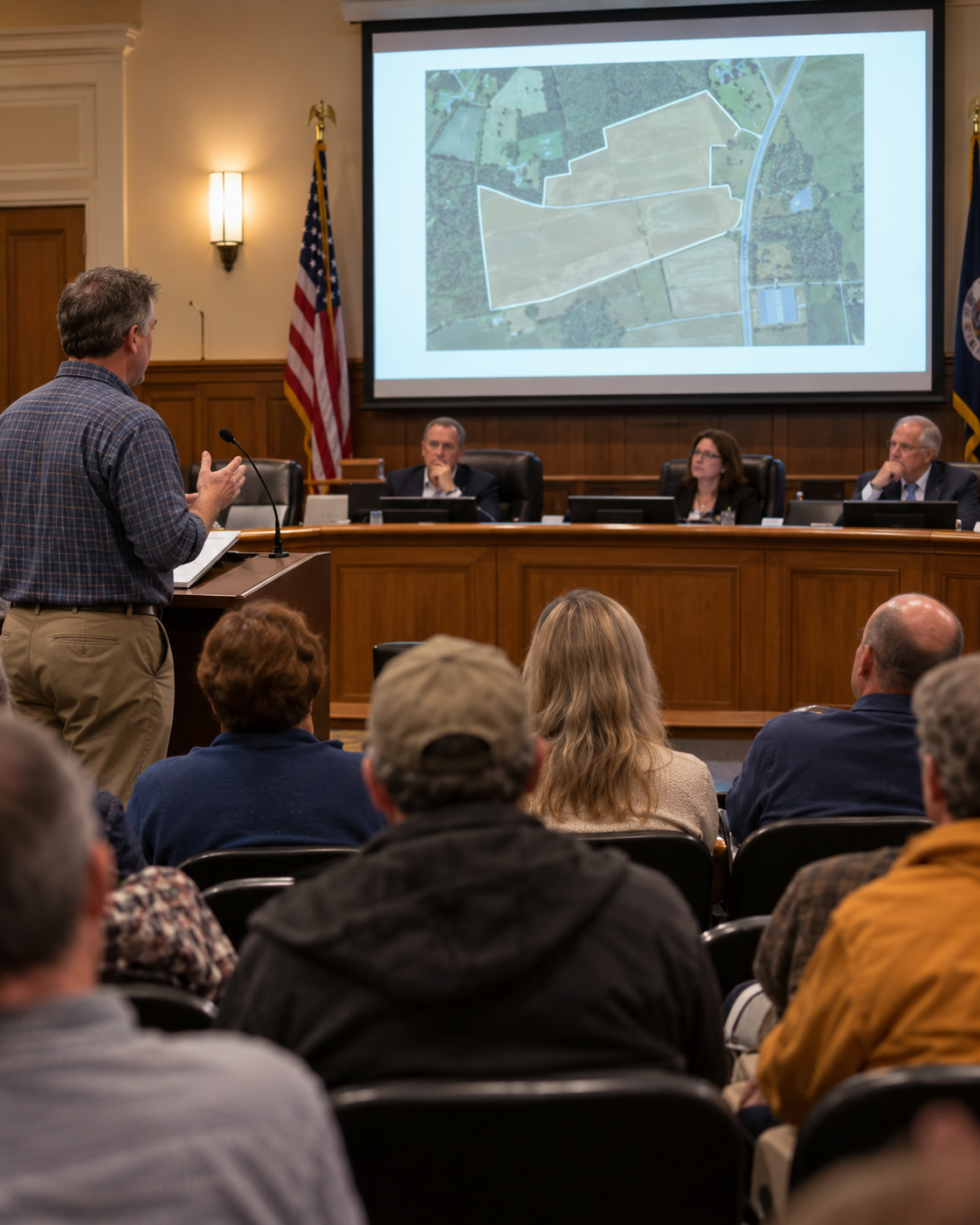
The new plan is Prohibit non-disclosure agreements that conceal potential or planned data center projects from residents, and...It includes provisions requiring that community benefit agreements be included in development contracts. It also aims to reduce the scope of state land development grants and expedited permitting for large-scale projects.
If a community benefit agreement is introduced, developers may have to negotiate benefits that residents can tangibly experience, such as infrastructure improvements, environmental enhancements, or local job creation. The process of determining whether to proceed with a development and under what conditions is likely to become more transparent than before.
| Standards for Noise, Water, and Emergency Generators
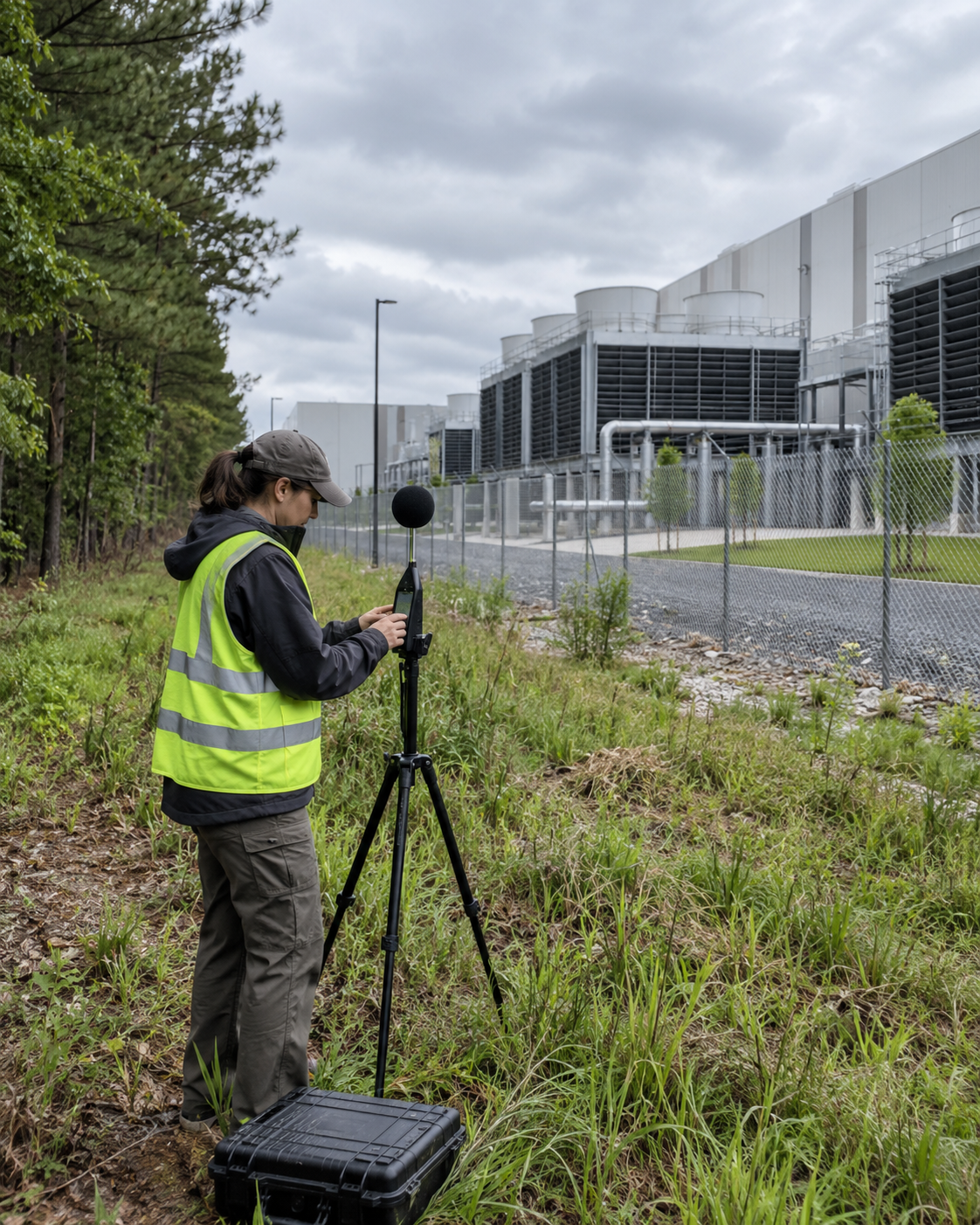
In the environmental sector, the plan includes raising standards for energy efficiency, water usage, land impact, and emergency power generation, as well as accelerating the implementation of data center noise regulations. It also proposes regulations for areas with limited cooling water supplies, an analysis of the cumulative impact of diesel emergency generators, and a transition to cleaner emergency power sources.
We plan to encourage measures such as renewable energy, water reuse, and waste heat recovery, while also assessing their impact on the local landscape and historical resources. It's not just a matter of obtaining a permit for a single building; it's an approach that considers electricity, water, air, and land as a unified whole.
| Who Bears the Cost of the Power Grid?
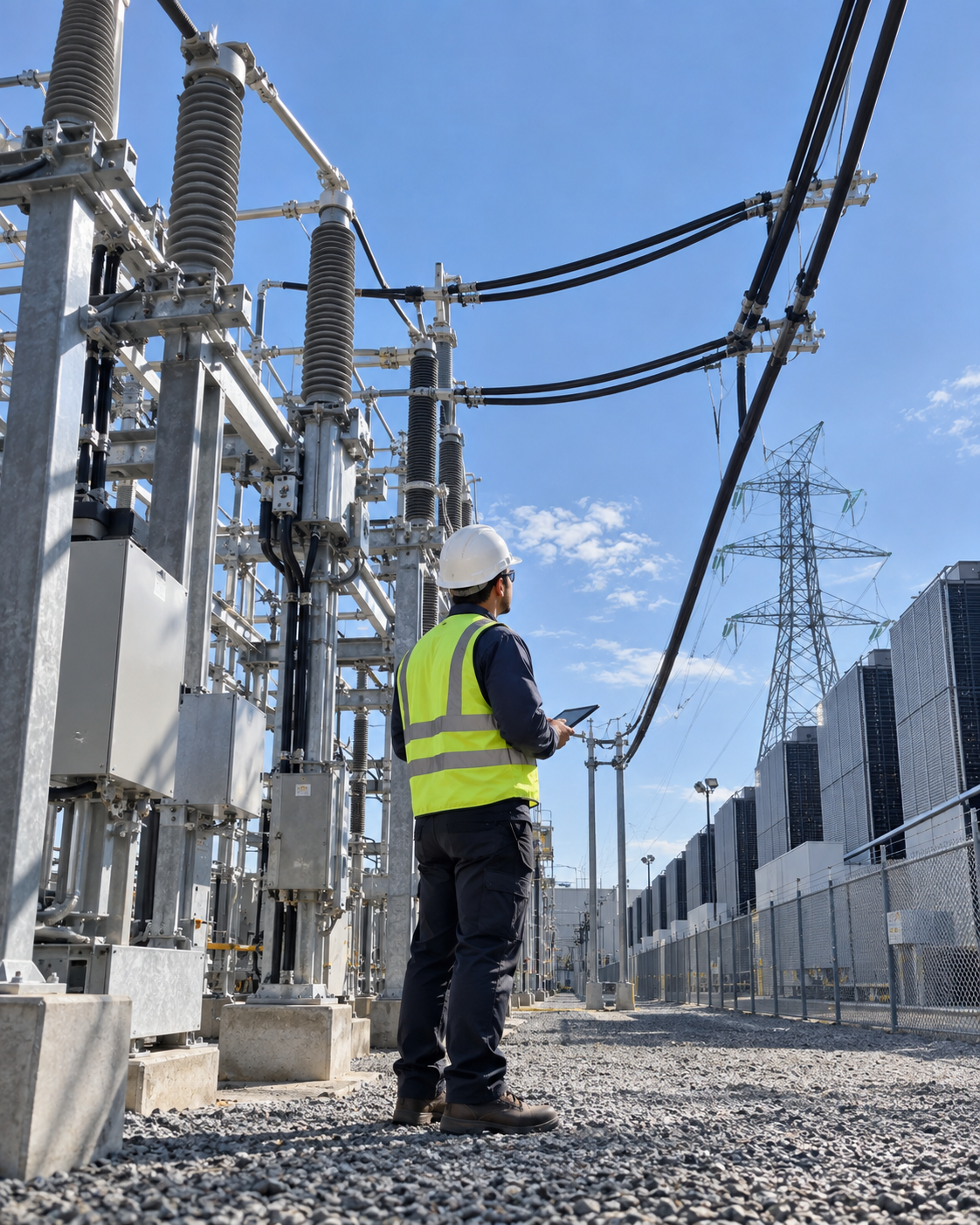
The framework addresses the costs associated with the development and expansion of the power transmission grid, among other things A move to adjust the utility companies' rate structure so that data centers bear a fairer share of the burden... was included. This measure is intended to alleviate concerns that capital expenditures for facilities serving large customers are being passed on to ordinary households through their electricity bills.
From a business perspective, location decisions must take into account not only the speed at which power can be secured but also grid reinforcement costs and long-term rates. If the cost burden increases, it could lead to delays in project schedules within Virginia or alter the competitive landscape for site selection against other states.
| Immediate Implementation and Legislative Tasks

Measures to enhance transparency and review regulations—which the administration can implement immediately under Executive Order 22—have already begun. However, many key provisions, such as local approval requirements and changes to subsidies, must undergo deliberation by the state legislature in 2027 and be subject to specific implementing regulations.
So This announcement should not be interpreted as meaning that all regulations have been finalized. The actual impact depends on the wording of the bill, the scope of its application to existing projects, the method for calculating the 25 MW threshold, and how the rules for allocating electricity costs are determined.
| Conditions for Expanding AI Infrastructure
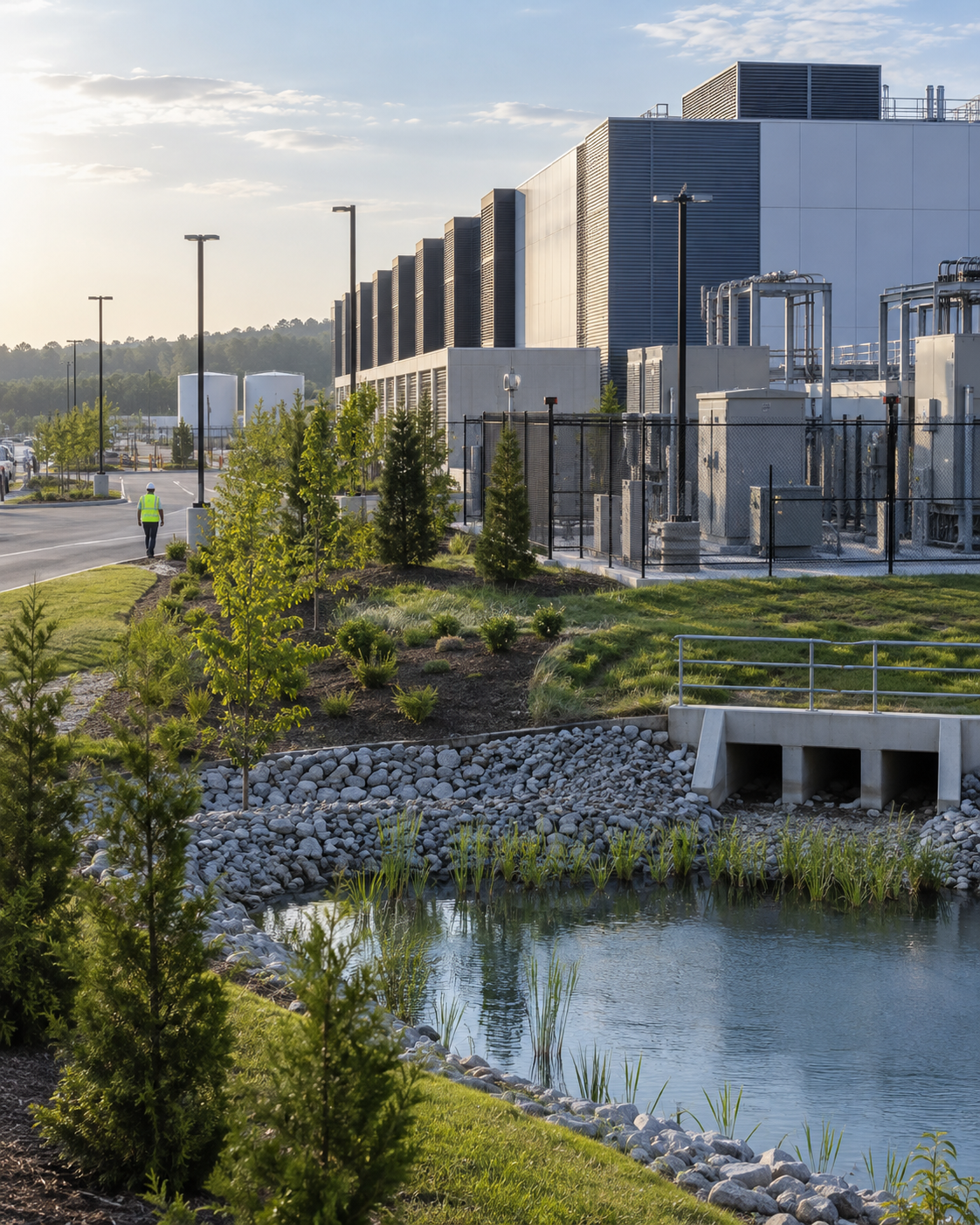
Virginia's announcement signals that the questions of who pays for these projects and what authority local communities have have become just as important as building data centers themselves. Since these standards come from a densely populated area with global significance, they could influence policies in other states as well.
What has been confirmed is the release of the framework and the initiation of certain measures through executive orders. Whether stricter approval requirements for projects of 25 MW or more and long-term environmental and cost regulations will actually become legal obligations is We need to review the legislative process and specific regulations for 2027.
References
Tags
#Virginia #Data Center #AI Infrastructure #Industrial Policy #Power Grid #25MW #Environmental Regulations #Electricity Bills #Community #Cloud #Energy Policy #DataCenter