U.S. President Donald Trump announced plans to appoint a new artificial intelligence advisor—the so-called “AI czar”—and to establish an “AI force.” The announcement was made via a social media post on September 19, 2026, but the nominee, the organization’s authority, staffing, budget, and launch schedule were not disclosed.
Therefore, what has been confirmed at this stage is the President’s plan to establish a new policy coordination role and organization. It would be inaccurate to describe the situation as if the actual appointments, executive orders, or the launch of the government organization had already been completed.
This plan was announced after David Sax, a former AI and cryptocurrency advisor, stepped down from his government position in the spring of 2026 to take on an external advisory role. It can be seen as a move by the Trump administration to reestablish a separate oversight body while maintaining its growth-oriented approach to AI policy.
| Only the name and direction have been announced.
President Trump explained that his intention was to support and monitor the development of the AI industry without hindering its growth. He also reiterated his position that, should any problems arise, they could be addressed through the existing criminal and civil justice systems.
However, no details have yet been released regarding whether the AI Force is an internal White House organization, a government-wide task force involving multiple agencies, or an independent advisory body. The official title, legal status, and nomination process for the "AI czar" have not been confirmed either.
The key point of the news isn't that the organization was created, but that the president publicly promised to establish the organization and appoint a new advisor. Until further administrative measures are announced, it is appropriate to view this as merely the announcement stage of the plan.
| The second AI coordination role since David Sax
Venture capitalist David Sachs served as an advisor on AI and cryptocurrency policy in Trump’s second administration. After stepping down from his government role in the spring of 2026, he transitioned to an external advisory role.
If Trump follows through on this promise, the new appointee will become the administration’s second AI czar. However, the term “czar” is often used informally in the U.S. government to refer to a key figure responsible for coordinating specific policies. A job title alone doesn't automatically grant budget execution authority or regulatory power.
It's just as important who is appointed as it is which organization they're affiliated with. The extent of its authority to coordinate among agencies—such as the White House Office of Science and Technology Policy, the Department of Commerce, the Department of Homeland Security, and the Department of Justice—that share responsibility for AI industry, standards, security, and accountability will determine its actual influence.
| A "growth-first" policy and the director's pledge were announced together
President Trump made it clear that he does not intend to stifle the AI industry. This aligns with the administration’s approach of leveraging existing laws and corporate accountability rather than rapidly expanding new, comprehensive regulations.
Sax recently stated that AI developers should be responsible for product safety and be held accountable if problems arise, while expressing a negative stance on the need for additional federal regulations. It remains to be seen whether the new AI advisor will follow this line or strengthen safety oversight.
The name "AI Force" may sound like a highly controlled organization, but Based solely on the information currently available, we cannot conclusively determine that it is a regulatory agency. It hasn't been decided yet which of the following should be prioritized: industry support, inter-agency coordination, security audits, or incident response.
| The U.S.-China AI competition is also a factor behind the announcement.
This announcement came ahead of the scheduled meeting between President Trump and Chinese President Xi Jinping. The United States and China are competing over AI models, semiconductors, data centers, and industry standards.
During the same period, AI security and guardrails were also on the agenda during talks between U.S. Treasury Secretary Scott Bessent and Chinese Vice Premier He Lifeng. In effect, plans to appoint a new official to coordinate domestic AI policy and international consultations emerged almost simultaneously.
However, no official organizational chart or division of roles linking the new AI czar directly to U.S.-China consultations has been announced. The interpretation that the new advisor will also be in charge of diplomatic negotiations is still merely speculation.
| Designing permissions is more important than naming things
AI policy involves a complex interplay of industrial development, national security, consumer protection, copyright, the labor market, and government procurement. Rather than having a single advisor directly oversee all these areas, it is more likely that the advisor will synthesize policies from various agencies and present options to the president.
To be an effective coordinator, the scope of responsibility and the reporting structure must be clear. If there is an overlap in authority, it could lead to conflicts with existing ministries; conversely, if its role is limited to an advisory function, it will be difficult to bring about actual policy changes.
AI Force, too The meaning differs depending on whether it is a permanent or temporary organization. The key point of the upcoming announcement will be whether this is a project that requires congressional budget approval or an advisory body that can be established solely by presidential executive order.
| Follow-up Actions to Be Confirmed Going Forward
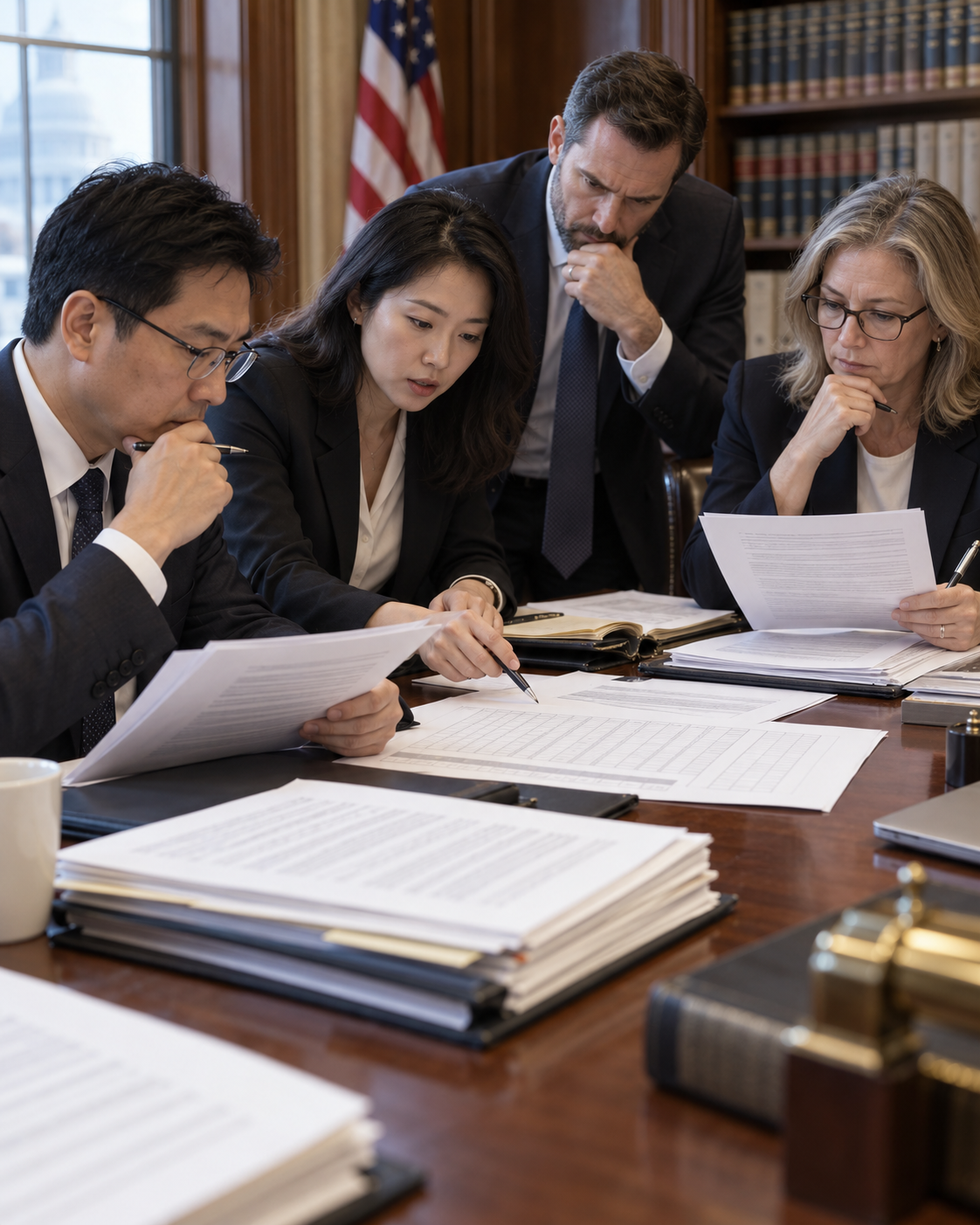
What was confirmed in this announcement is that President Trump revealed plans to appoint a new AI advisor and establish an AI task force. The name of the new advisor, the organization’s structure, its legal authority, and the implementation timeline have not yet been disclosed.
Going forward, we’ll need to check the White House’s official personnel announcements, executive orders and presidential memoranda, the list of participating agencies, and the budget and reporting structure. Another key point to watch is whether the policy of addressing AI safety within the existing legal framework will be translated into specific enforcement guidelines.
Ultimately, the significance of this news lies in the fact that a new coordination channel for U.S. AI policy has been announced. The actual extent of the policy changes can only be assessed after the authority granted to the new advisor and the organization is made public, rather than based on the title alone.
Tags
#DonaldTrump #U.S. AI Policy #AI Advisor #AIczar #AIforce #White House #DavidSachs #AI Regulation #AI Industry Policy #U.S.-China Technology Competition #AI Governance