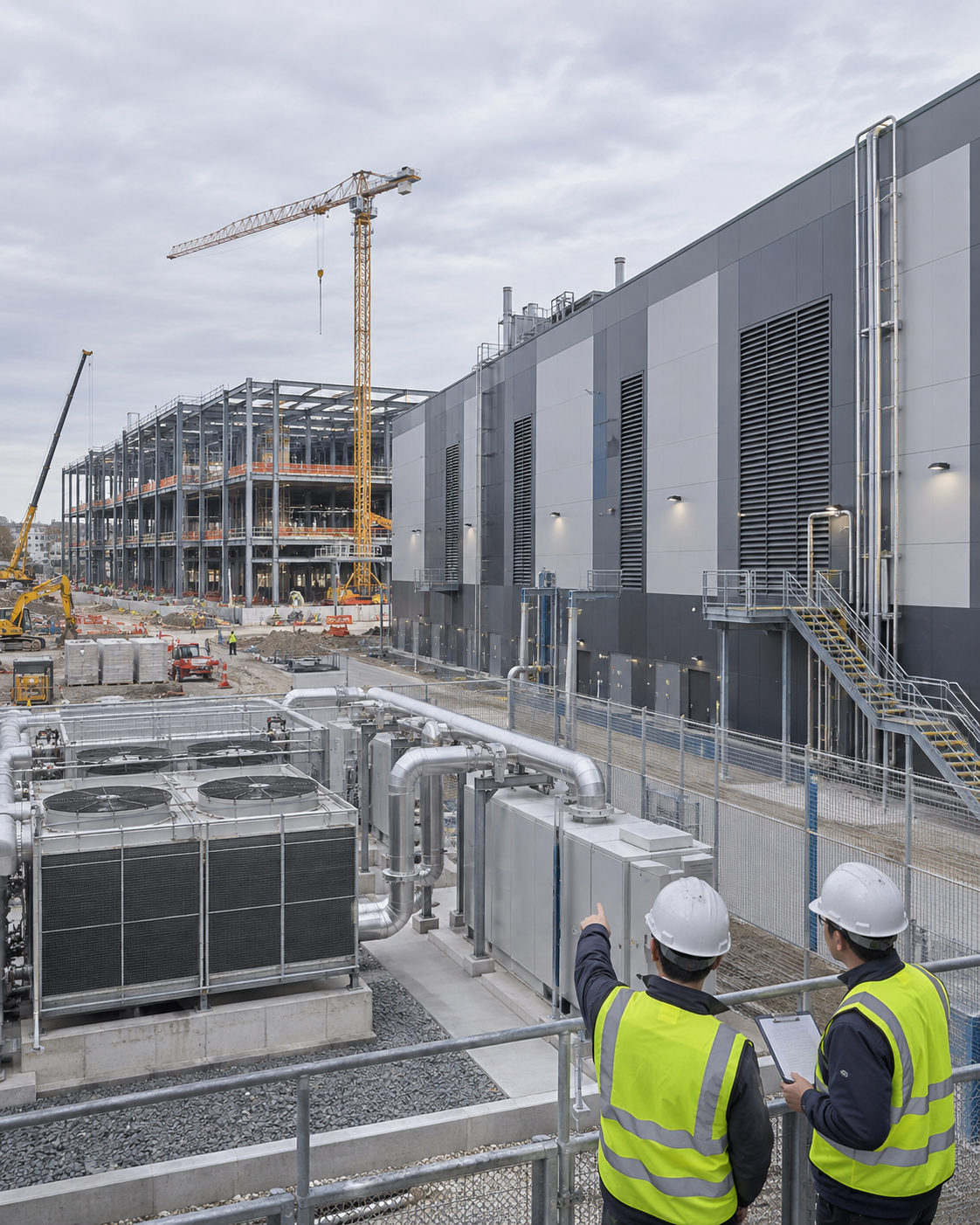
The International Monetary Fund (IMF) has analyzed that while artificial intelligence could boost productivity in Europe by about 1% over a period of approximately five years, it could also widen labor market disparities, strain power grids, and increase dependence on U.S. and Chinese technology. This information was included in background materials prepared for the informal meeting of European Union finance ministers held in Dublin, Ireland, on September 18–19, 2026.
The IMF estimates that about 60% of workers in advanced European economies are employed in jobs with high exposure to AI. It also noted that European data centers already consume about 3% of the continent’s total electricity, and that demand could rise significantly as AI use expands.
The key point isn't the simplistic conclusion that AI will unconditionally benefit or harm the European economy. The analysis concludes that to reap productivity gains, we must further integrate markets and power grids among member states, manage the impacts that vary by workforce and region, and invest in Europe’s own AI industry.
| A 1% increase in productivity over five years is an estimate of the cumulative effect.

The figure of about 1% cited by the IMF is an estimate of the additional productivity gains Europe could achieve over a five-year period through the adoption of AI. This doesn't mean that the economic growth rate automatically increases by 1 percentage point every year or that gross domestic product immediately rises by 1%.
Improving productivity means creating more value with the same amount of time and resources. When AI complements human work in tasks such as document creation, analysis, customer service, software development, and research, it can improve both processing speed and quality.
However, the impact varies depending on a company's digital infrastructure, workers' skills, access to data, and the regulatory environment. Simply purchasing AI tools does not guarantee an increase in productivity; it also requires investment in changing work processes and training employees.
| A 60% exposure rate does not mean a 60% loss of jobs

The IMF estimates that about 60% of workers in advanced European economies are employed in jobs that are highly exposed to AI. When we say a job is "highly exposed," it means there's a high likelihood that AI will take over many of the tasks associated with that job—it doesn't mean that the same proportion of jobs will disappear.
In some jobs, AI can take over repetitive tasks, thereby increasing human productivity. On the other hand, in fields where AI directly replaces human work rather than complementing it, job reductions or shifts in employment may occur.
The problem is that this change manifests differently for each worker. Workers who possess the technical skills and negotiating power to leverage AI may benefit more, but those lacking access to retraining or career transition opportunities may be hit harder by the impact.
| Data centers already account for about 3% of electricity consumption,
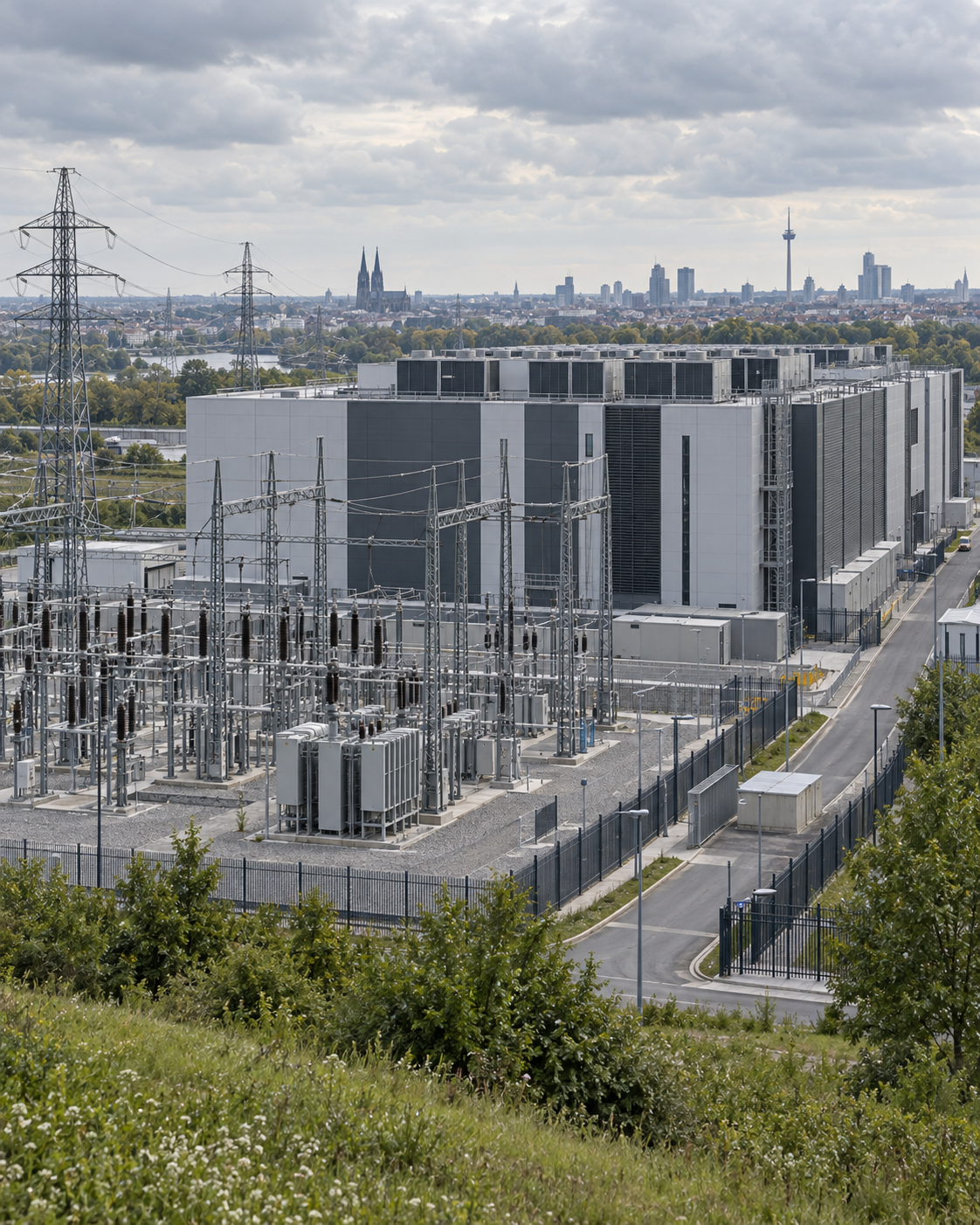
According to IMF data, European data centers currently account for about 3% of the continent's electricity consumption. As AI model training and service operations increase, the amount of electricity consumed by servers and cooling systems will also rise.
The burden is not evenly distributed across Europe. In tech hubs with a high concentration of data centers—such as Frankfurt, London, Amsterdam, Paris, and Dublin—pressure is already building on local power grids.
The IMF He proposed strengthening cross-border power grid investments and the integration of the European energy market. This means that we must not only increase power generation capacity but also expand the transmission grid—which ensures a stable supply of electricity to areas where it is needed—and the interconnection capacity between member countries.
| The benefits of AI also vary by member country

Advanced economies with sufficient technological infrastructure and capital are likely to adopt AI more quickly and reap greater productivity gains. In contrast, regions with small businesses and insufficient digital investment may see a slower pace of adoption, which could widen existing disparities.
The IMF believed that completing the EU single market would help spread the adoption and benefits of AI more widely across the 27 member states. When markets for capital, labor, services, and energy are fragmented by country, it is difficult for European companies to scale up and apply the same technologies across multiple countries.
To reduce regional disparities, simply establishing common rules isn't enough. We need to address the actual implementation conditions, such as the implementation costs for small and medium-sized enterprises, worker retraining, and regional power infrastructure.
| Reliance on U.S. and Chinese Technology Poses a Strategic Risk

The IMF has warned that as the U.S. and China lead the development of AI models, Europe could find itself in yet another situation of strategic dependence. Heavy reliance on foreign companies for core models, cloud services, and semiconductors could jeopardize access to these technologies due to price fluctuations, supply conditions, or international conflicts.
Reducing this risk doesn't mean excluding all foreign technology. It essentially means that even within Europe, we need to develop models, computing infrastructure, data, and application services to ensure we have options.
However, fostering domestic industries requires large amounts of capital, electricity, and a skilled workforce. Simply strengthening protectionist policies could drive up the cost of technology adoption or reduce cooperation with global markets, so openness and resilience must be built into the system from the outset.
| Productivity, energy, and employment should be viewed as a single policy
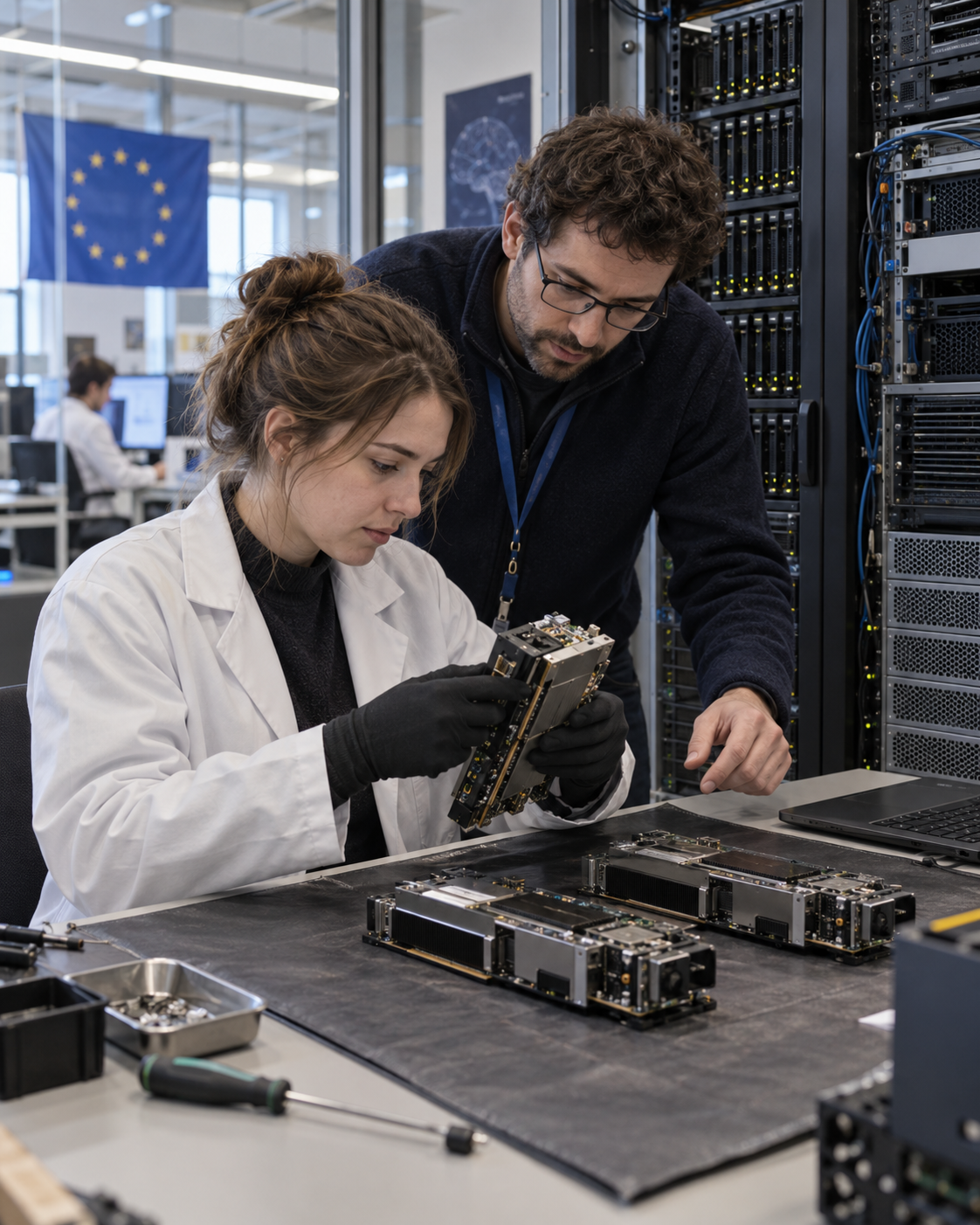
The reason this IMF analysis is significant is that it did not view AI policy as an issue confined solely to the software industry. Productivity gains depend on corporate investment and workers’ skills; the expansion of services requires data centers and power grids; and technological self-reliance is linked to capital markets and the integration of a single market.
What has been confirmed are the projections and risk assessment provided by the IMF. The figures—a productivity increase of approximately 1% over five years, approximately 60% of workers in high-exposure occupations, and approximately 3% of data center power consumption—are projections and estimates; actual results may vary depending on policy and the pace of AI adoption.
Going forward, we need to monitor the extent to which the EU invests in cross-border power grids and its own AI industry, whether the adoption gap among member states is narrowing, and whether productivity gains are leading to stable wages and employment. The economic impact of AI is likely to be determined not only by model performance but also by the people, power, and market structures that support it.
Tags
#IMF #European Union #EU Economy #Artificial Intelligence #AI Productivity #AI Employment #Data Center #Power Grid #Technological Sovereignty #AI Industry Policy #European Single Market #Digital Transformation