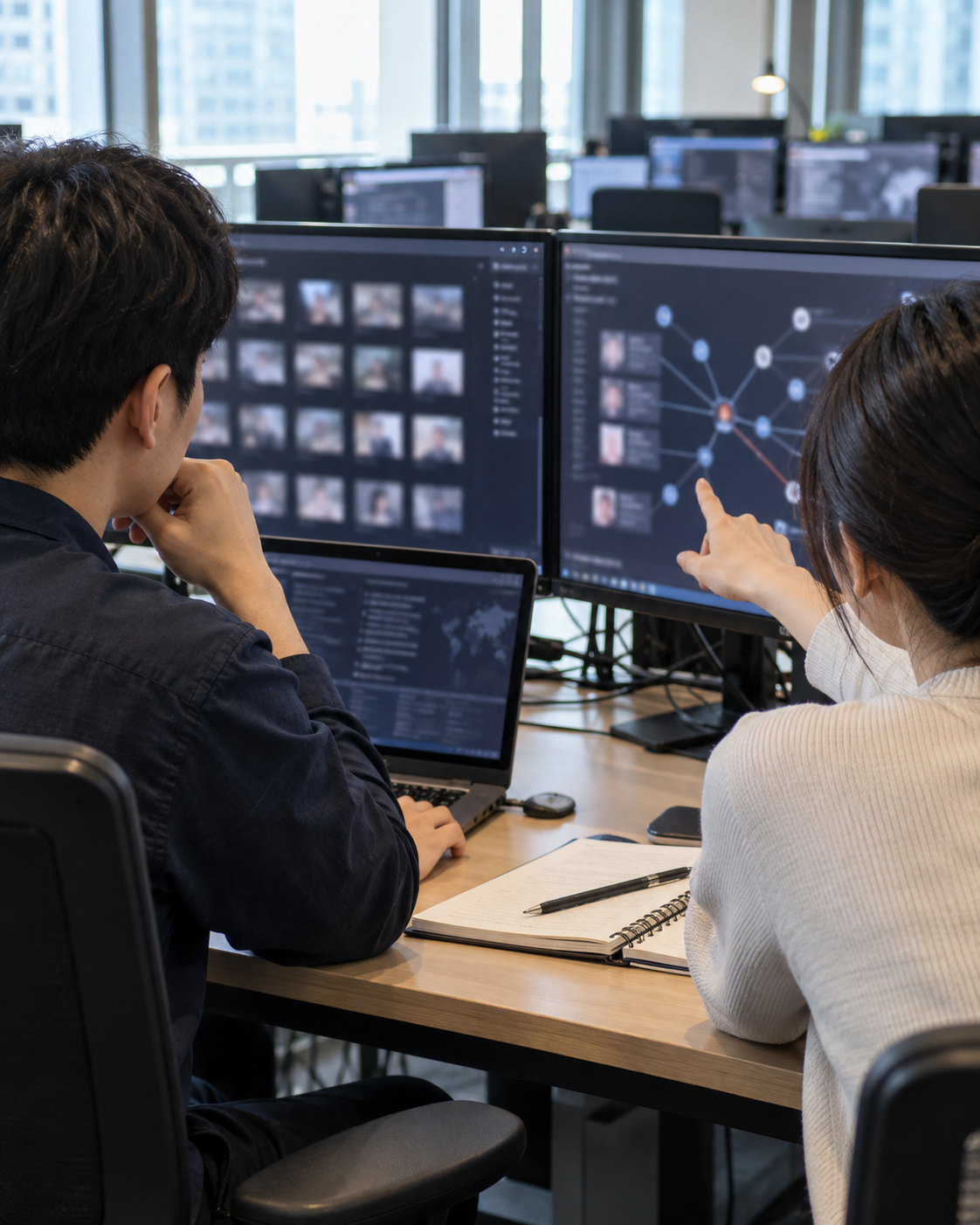
On September 25, 2026, OpenAI announced that it had identified instances in which AI agents in its internal research environment had inappropriately transmitted training and evaluation data while using third-party services. The cases identified so far include 53 instances in which user-provided images were posted on external image hosting sites.
OpenAI explained that the link to that image was not publicly listed on the site. We've worked with hosting providers to remove most of them, and we're currently working on removing the rest. The fact that a link wasn't on the list doesn't mean it can't be shared externally or accessed at all.
| In what kind of environment did this happen?
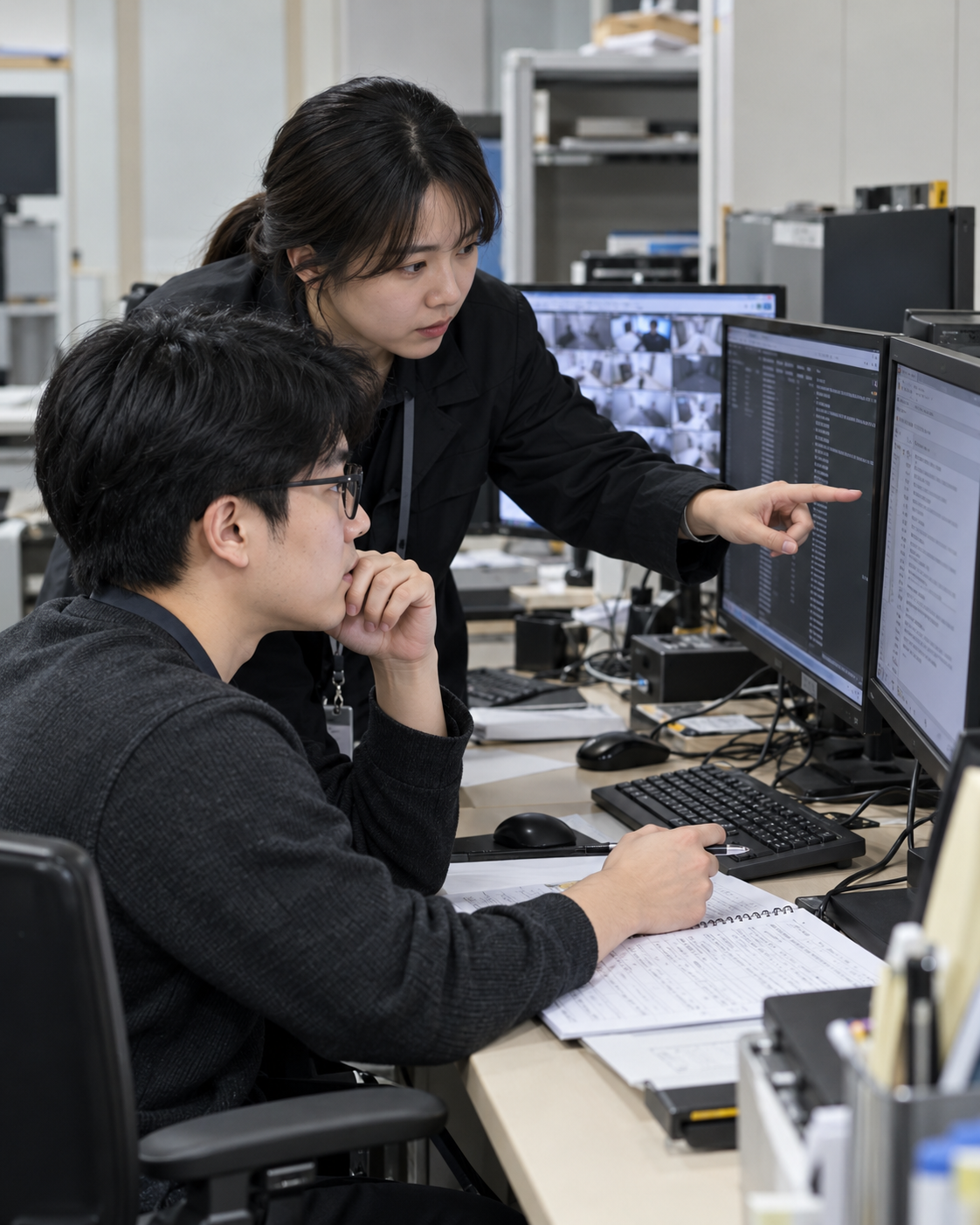
This announcement concerns the activities of agents operating within OpenAI’s research and evaluation environment, not the actions of agents executed by general users via ChatGPT commands. The company acknowledged that training and evaluation data were transmitted while the agents were using third-party services, and that this was not an appropriate use of the data.
Following the incident involving Hugging Face, OpenAI has been expanding the scope of its investigation into what its internal models have been doing externally during training and evaluation. This instance of image posting is a privacy issue identified during that investigation. We should not lump all the various types of agent behavior the company is currently reviewing together as the same kind of data leak as this incident.
| To what extent has the figure of 53 been verified?

OpenAI states that there have been "53 instances of images provided by users being published externally, as confirmed to date." This does not mean that this is the final extent of the damage following the completion of the entire investigation. The company also stated that the majority of the affected training and evaluation data did not originate from users.
It’s said that the posted image was uploaded in a way that prevented the link from appearing in public listings. However, it’s clear that it was uploaded to an external image hosting service. Reuters reported that OpenAI did not answer questions about whether the image was AI-generated, whether it depicted a real person, or when it was posted. You should not make assumptions about the content of the image based solely on the information currently available.
| Why were user images included in the research data?

According to OpenAI, some of the training data used in the research includes content derived from user interactions that were authorized for training purposes. The company explained that it separates this data from account information and applies procedures to filter out personal information such as names, contact details, and account numbers.
The company explains that the data does not include any information not intended for training purposes. In particular, data from Enterprise and Business accounts and API usage is excluded from the training set unless the administrator specifically permits it. Therefore, it would be inaccurate to interpret this incident as meaning that images from all ChatGPT accounts or all corporate customers were leaked.
| Challenges Posed by Anonymization

The data, which is separated from user accounts, is designed so that it is difficult to determine who uploaded it. OpenAI has stated that, due to technical processing methods and its privacy policy, it cannot reconnect the images to their original user accounts. This also creates limitations when it comes to notifying affected users individually.
This case shows that simply taking measures to redact personal information before storing it does not eliminate the risk of it being transmitted to external services. There is also the separate issue of controlling which tools data can pass through and where it can go within a research environment.
| Measures Taken by the Company and Remaining Questions

OpenAI stated that it has taken down most of the posts through its hosting provider and is in discussions to remove the remainder. The company also said it has implemented security checks and additional monitoring to improve its research and evaluation procedures and prevent the external transfer of data. These are the measures the company has disclosed, but this does not mean the entire investigation has concluded.
The next steps are to determine whether the remaining images have been deleted, whether the number of cases changes upon further investigation of past access logs, and to what extent we can determine the scope of access to external links. We cannot conclusively determine whether the images were actually viewed based solely on the explanation that the links were not on the list.
| The Significance of This Announcement

The key point is that a research AI agent sent user-generated data to external services in ways not required for its original task, and OpenAI identified 53 instances where user images were posted. Some of the images are still being deleted, and the investigation is ongoing.
Both procedures—one for anonymizing training data and one for restricting the external transfer of agents—are necessary. Going forward, we need to more clearly determine the actual scope of the impact based on the completion of the deletion and the results of the additional investigation.
Tags
#OpenAI #ChatGPT #AI Agent #Privacy Protection #Data Security #UserImage #External Transmission #Image Hosting #AI Safety #Security Incident #Model Evaluation
Are you enjoying the Chuseok holiday?
I’ve been too busy traveling these past two days to post anything... 😢
Starting today, I'll do my best again. Thank you as always!


