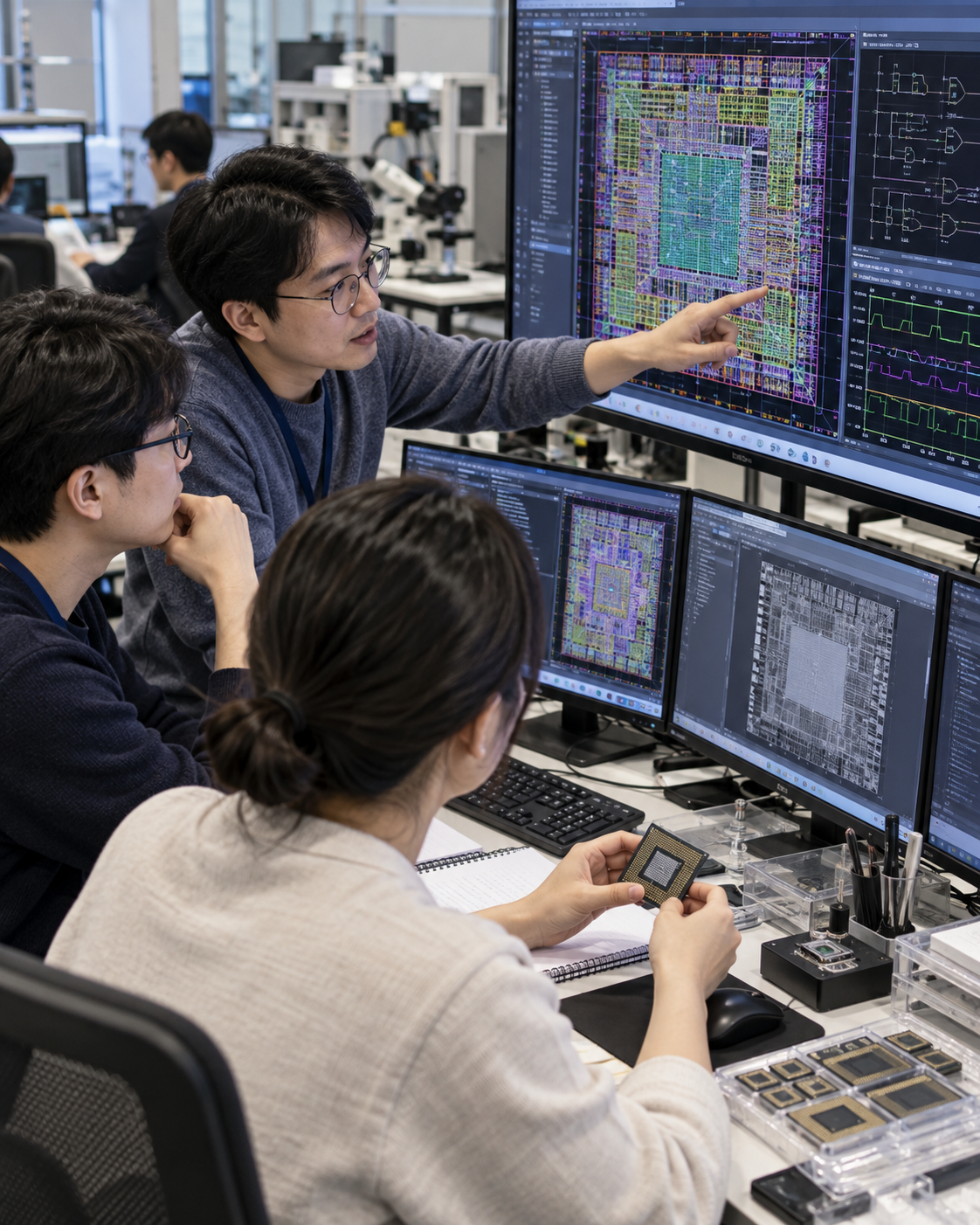
OpenAI and Synopsys have agreed to jointly develop GPT-Synopsys, an AI model specialized for semiconductor design. The key isn't just adding a little semiconductor knowledge to a general-purpose chatbot; it's about training OpenAI's model to use Synopsys' electronic design automation (EDA) tools so that it can be integrated into the actual chip design workflow.
Semiconductor design is a field that involves a series of tools and iterative processes, from circuit specification to verification, physical layout, and final sign-off. The two companies plan to enable AI to provide greater assistance throughout this process and introduce a structure where they share product revenue if the model contributes to actual design improvements. This is particularly significant as it represents a case where generative AI goes beyond document generation and coding to integrate directly with high-cost, specialized engineering software itself.
| What is the purpose of the GPT-Synopsys model?
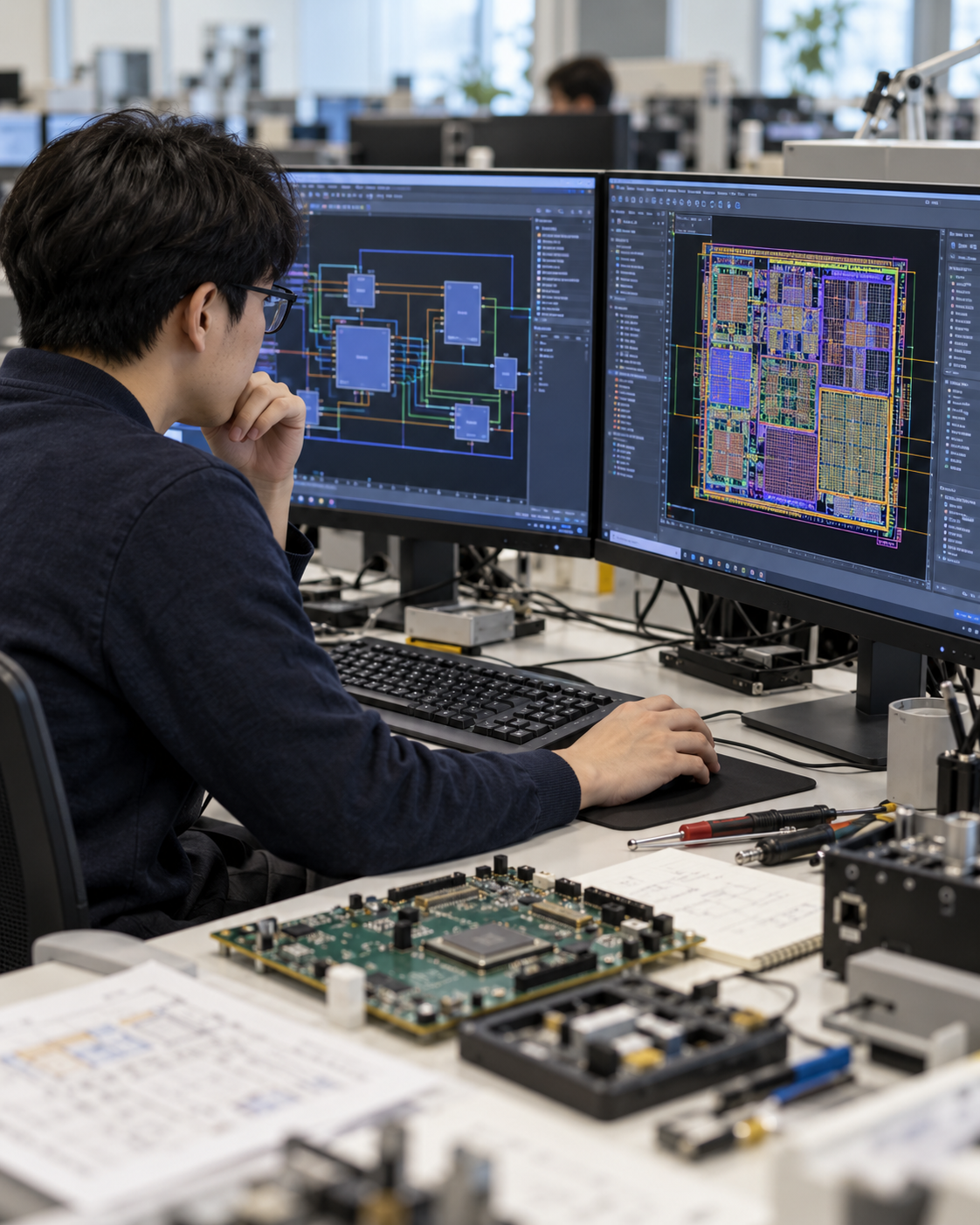
The goal of GPT-Synopsys is to create an AI that understands and can directly utilize the specialized tools used by semiconductor design engineers. Synopsys provides EDA software used in various stages, including circuit design, verification, transistor placement and routing, and power and performance analysis. If the model can handle these tools, it can be expanded to receive instructions in natural language, select the appropriate tool, and interpret the results.
This may seem similar to code-generating AI, but it requires a much higher level of accuracy. Since even a minor error in chip design can result in losses ranging from millions to hundreds of millions of dollars after the actual silicon is manufactured, it is essential to have a system in place to verify AI-generated results using existing verification processes.
| If AI is integrated into EDA, which processes will become faster?
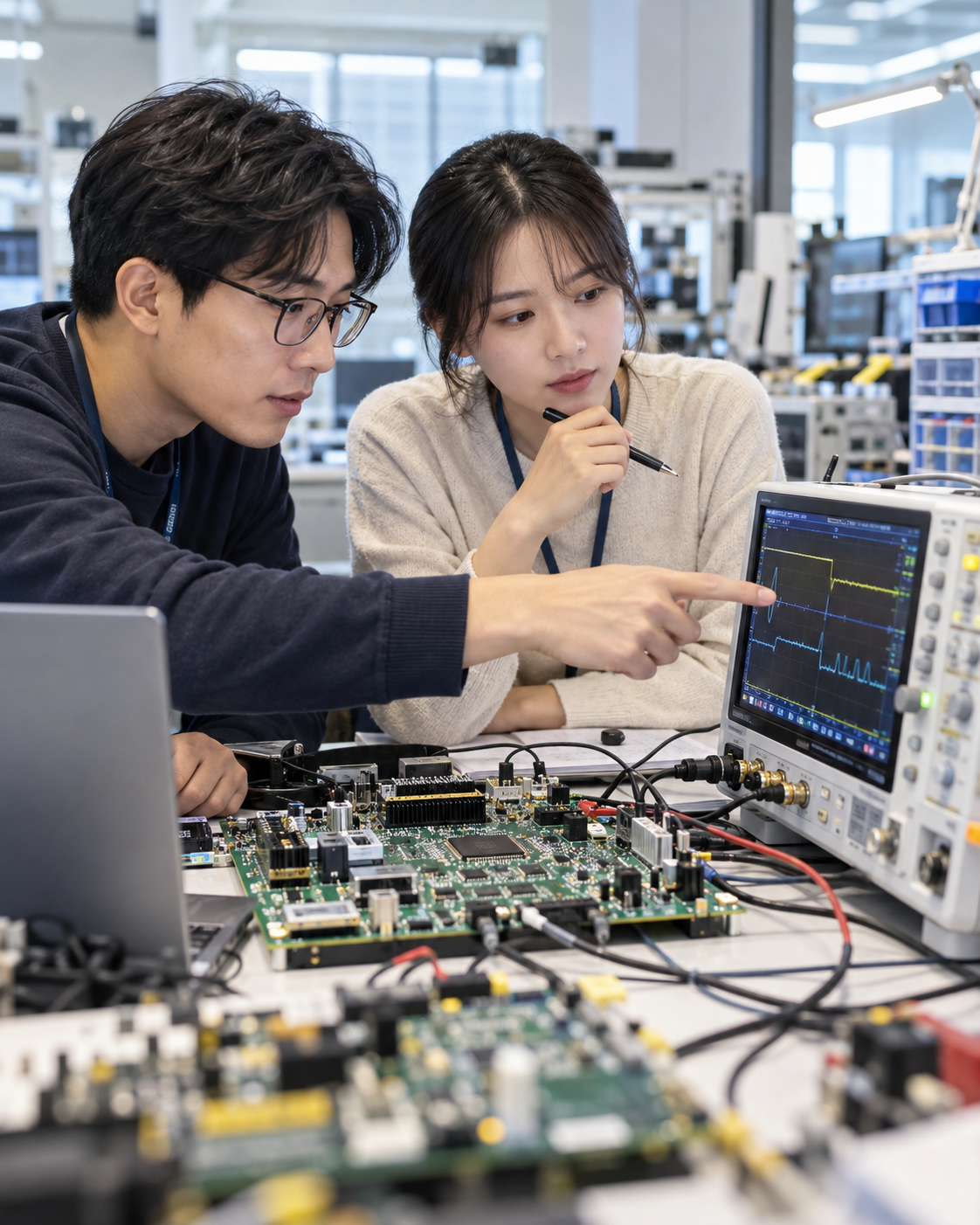
Chip design isn’t a one-time task; it’s an iterative process of design → verification → revision → re-verification. It takes a lot of time for people to compare the results from various tools to identify the root cause of problems, adjust constraints, and run new calculations. If AI automates intermediate analysis and tool execution, engineers can reduce the time they spend on repetitive tasks.
Through this collaboration, Synopsys aims to reduce the time required for certain design tasks by several months. Since these figures are targets, the actual results may vary from project to project; however, even shaving a few weeks off the semiconductor development schedule can make a significant difference in the product’s launch timing and market competitiveness.
| It learns "how to use tools" rather than a general-purpose model
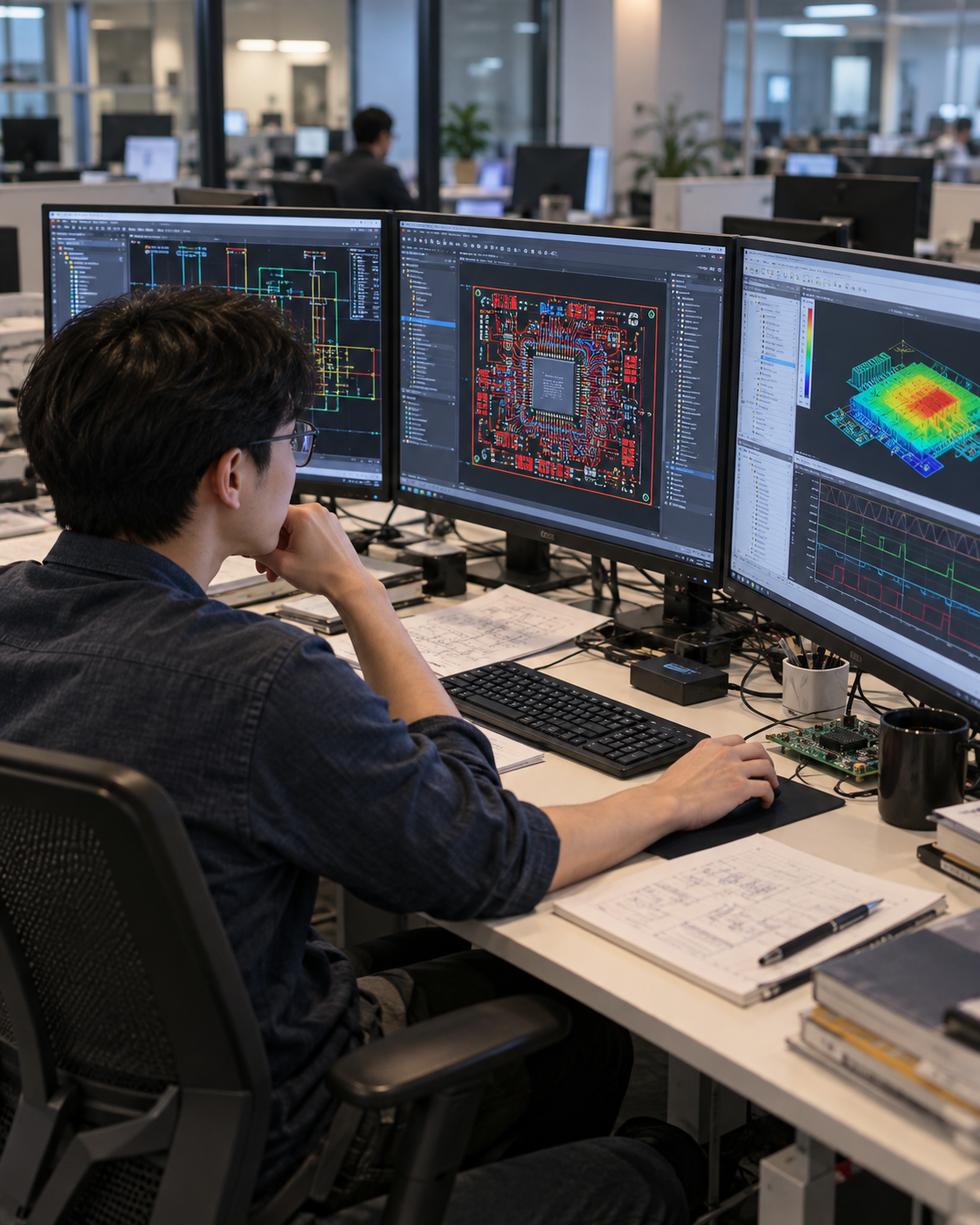
The key to this collaboration is that the OpenAI model isn't just learning about semiconductors—it's also learning how to use Synopsys' design tools. Specialized software involves complex input formats, constraints, error messages, and validation procedures, making it difficult to complete actual tasks using only basic natural language knowledge.
If the tool-based model works as intended, users can describe their goals and constraints rather than manually handling various commands and settings, allowing the AI to sequentially invoke the necessary tools. This can be seen as an example illustrating the shift of generative AI from an “answer generator” to a “specialized software operations layer.”
| Still, traditional calculations are responsible for the final verification.
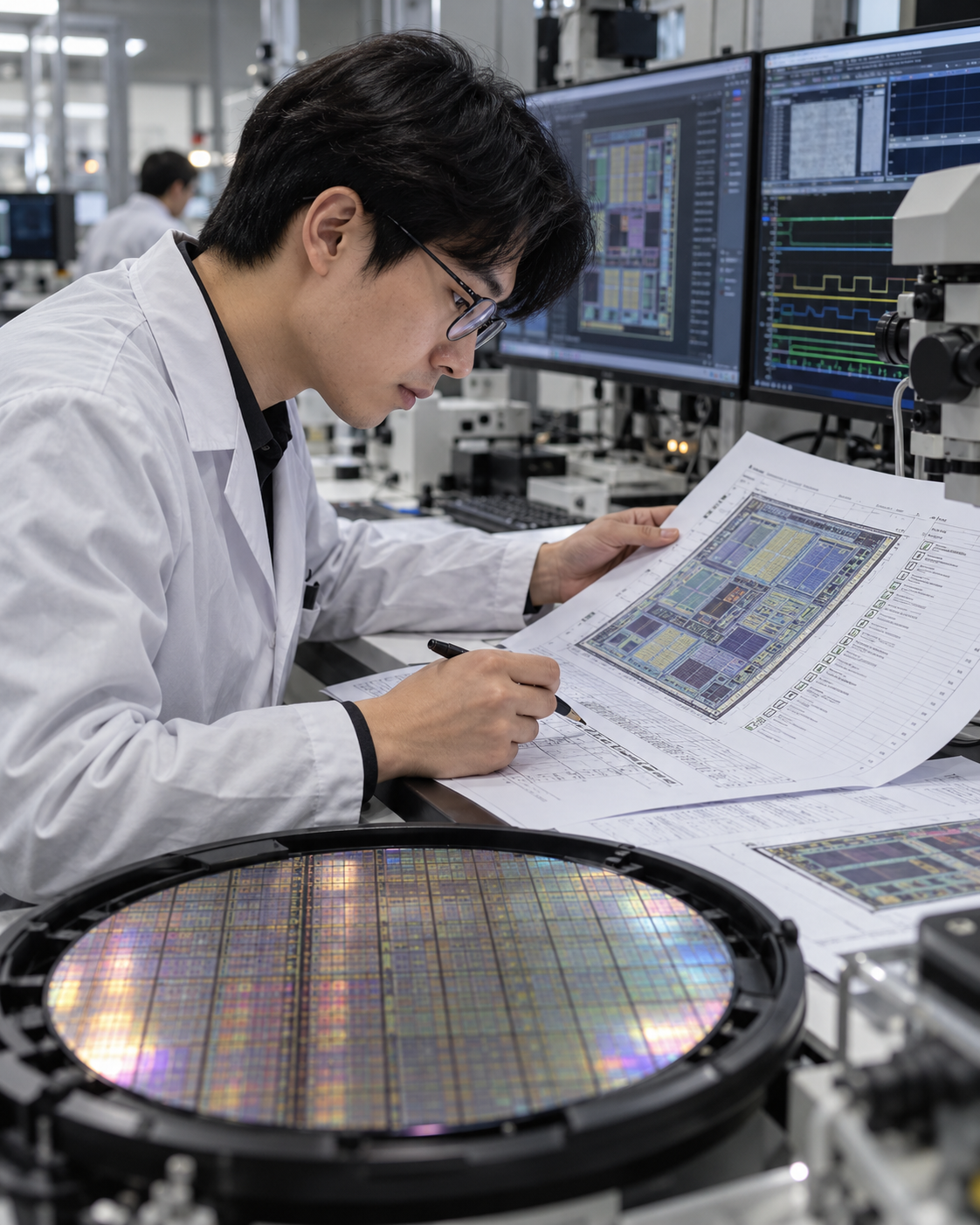
Synopsys explained that even design results proposed by AI must undergo a sign-off process to verify their physical and electrical feasibility using conventional calculation methods. This is the most important point to understand about GPT-Synopsys. While AI can propose plausible circuits or layouts, Deterministic EDA tools must verify that the final chip meets the manufacturing rules and timing and power requirements.
Therefore, for the time being, it is more likely that AI will play a role in manipulating EDA tools more quickly and interpreting the results, rather than replacing existing EDA. This structure combines the flexibility of generative models with the verifiability of traditional computational tools.
| The Confidence Reflected in the Revenue-Sharing Structure

According to Reuters, OpenAI plans to pay Synopsys a subscription fee for training and, once the product begins to be used, implement a revenue-sharing model between the two companies based on factors such as design improvements. This approach is more closely tied to performance and usage than a simple licensing agreement.
This structure has the advantage of aligning the interests of both parties. Synopsys can generate new AI revenue streams by providing its tools and IP, while OpenAI can enter a high-value-added niche market. Conversely, if performance falls short of expectations, revenue could be limited, so it becomes crucial to demonstrate actual productivity gains.
| This is also linked to the shortage of semiconductor design personnel
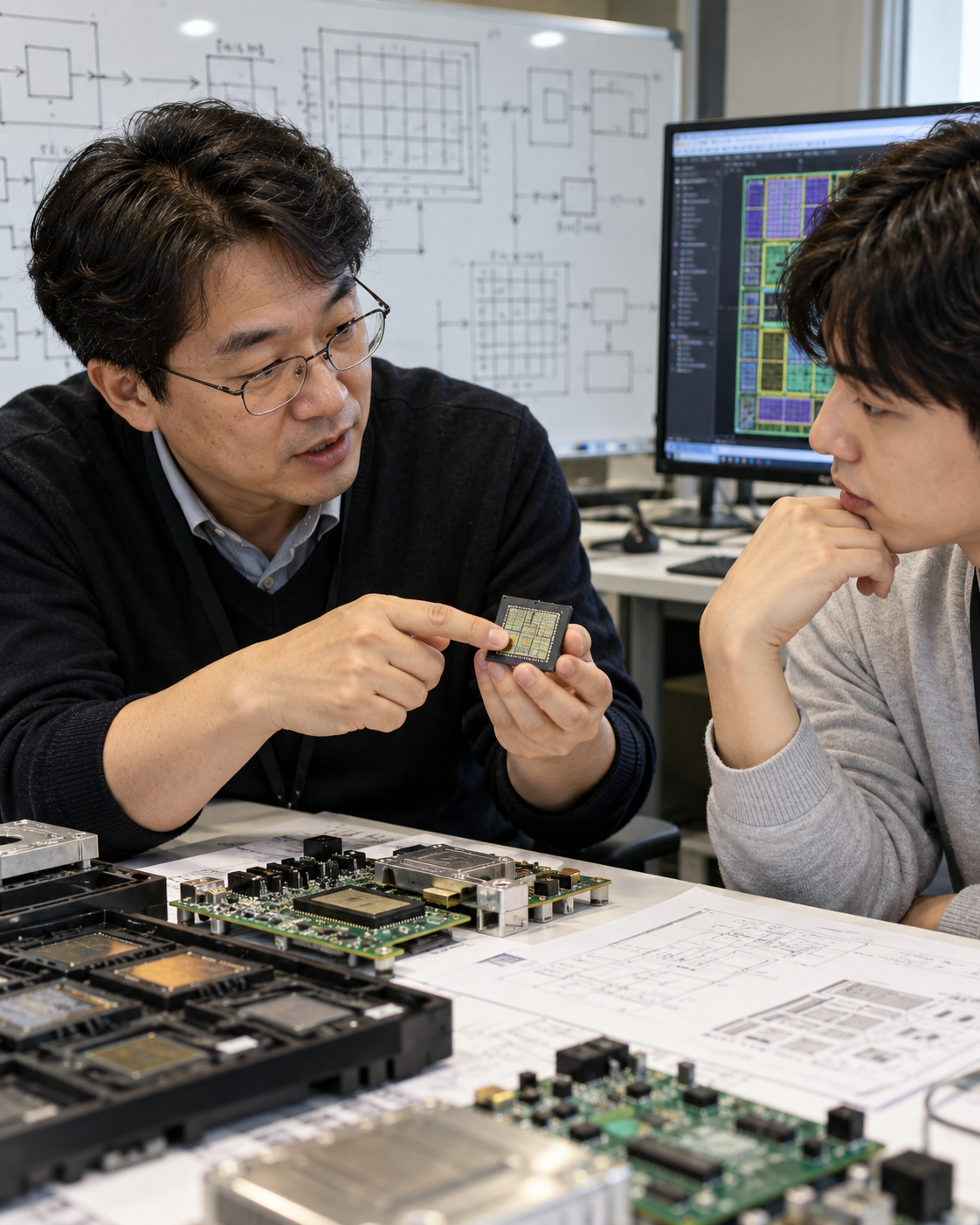
While the number of transistors and the complexity of designs in cutting-edge chips continue to increase, it is difficult to quickly expand the pool of skilled semiconductor design engineers. For this reason, the EDA industry has long been working to increase automation, and recently, competition to integrate agent-based AI into the design flow has been intensifying.
If GPT-Synopsys is successful, it will free skilled engineers from repetitive configuration and exploration tasks, allowing them to focus on higher-level design decisions. However, there is also a risk that novice engineers will come to rely on AI results without having the capability to verify them. The more specialized the field, the more likely it is that a paradox will arise: “As automation increases, the ability to verify becomes even more important.”
Furthermore, if the insights of experienced designers can be captured as data and reused by the entire team, we can expect to see improved productivity across the organization. Conversely, if incorrect automation rules are applied repeatedly, errors can be replicated on a large scale, making an organization-wide review system necessary.
| It also aligns with Synopsys' existing AI strategy
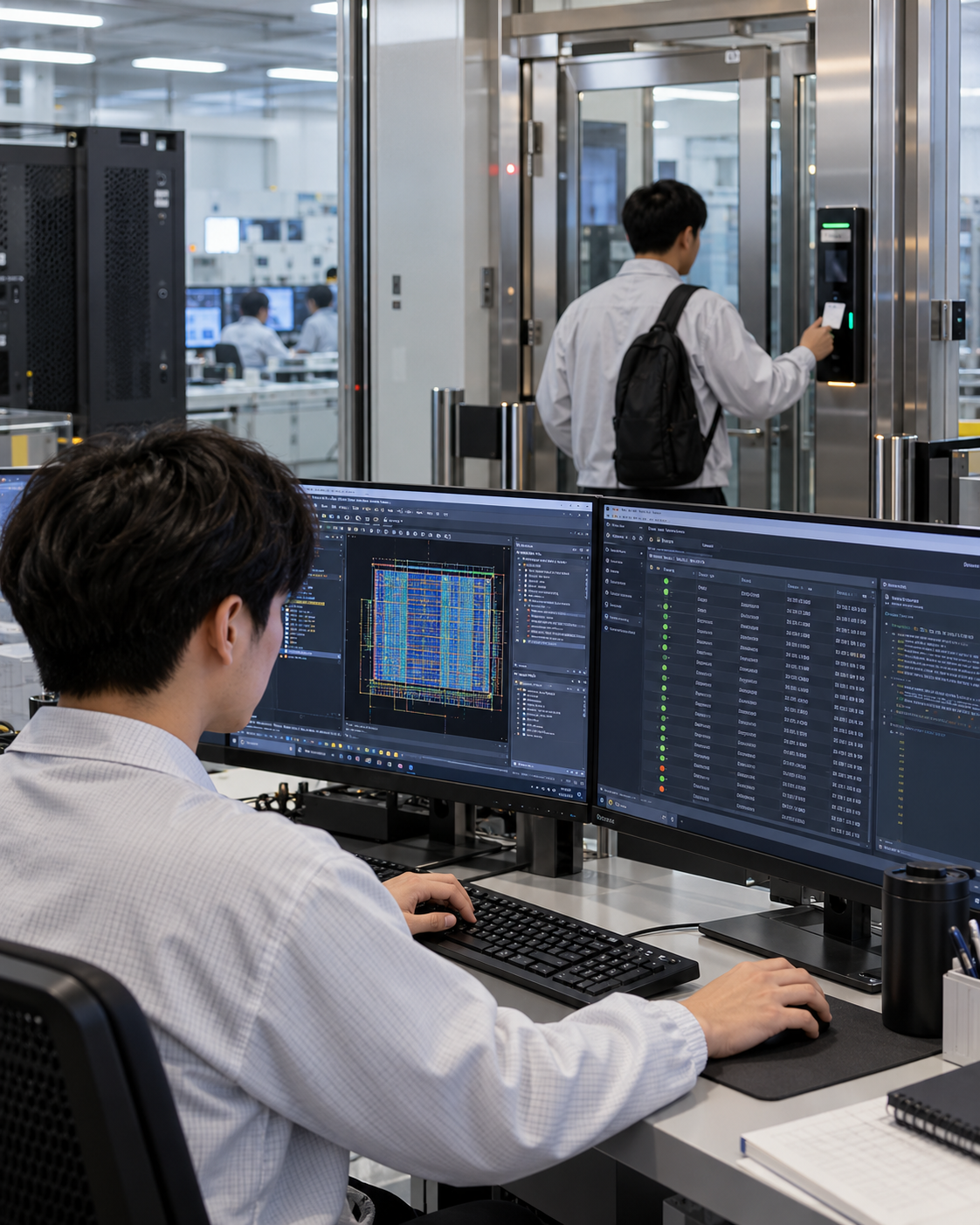
Synopsys is already expanding its AI-based automation capabilities, including engineering agents that perform long-term tasks and the Autopilot platform. This collaboration with OpenAI can be seen as a strategy to integrate powerful general-purpose inference models into the system in the form of specialized models.
In the semiconductor EDA market, competitors—including Cadence—are also stepping up their AI automation efforts, so it’s crucial to see how seamlessly GPT-Synopsys integrates into actual customer workflows. Even if the model performs well, adoption may be slow if it’s difficult to integrate with existing design data and verification environments.
| What remains to be seen is the actual design outcome
At this stage, a multi-year collaboration and joint development plan have been announced; a finished product that all customers can use immediately has not yet been released. Therefore, metrics such as the scope of support tools to be released in the future, customer use cases, costs, data security measures, and the sign-off failure rate will be important.
In particular, semiconductor design data is a company’s core intellectual property, so there are very high security and confidentiality requirements when connecting it to external models. For GPT-Synopsys to establish itself as a true industry-standard tool, it must demonstrate not only fast design but also data isolation, auditability, and reproducible verification procedures. This collaboration will serve as an important test case to see whether AI can change the way specialized engineering software is used.
Tags
#OpenAI #Synopsys #GPTSynopsys #EDA #Semiconductor Design #Chip Design #Generative AI #AI Agent #Semiconductors #Electronic Design Automation #EngineeringAI #AI Model