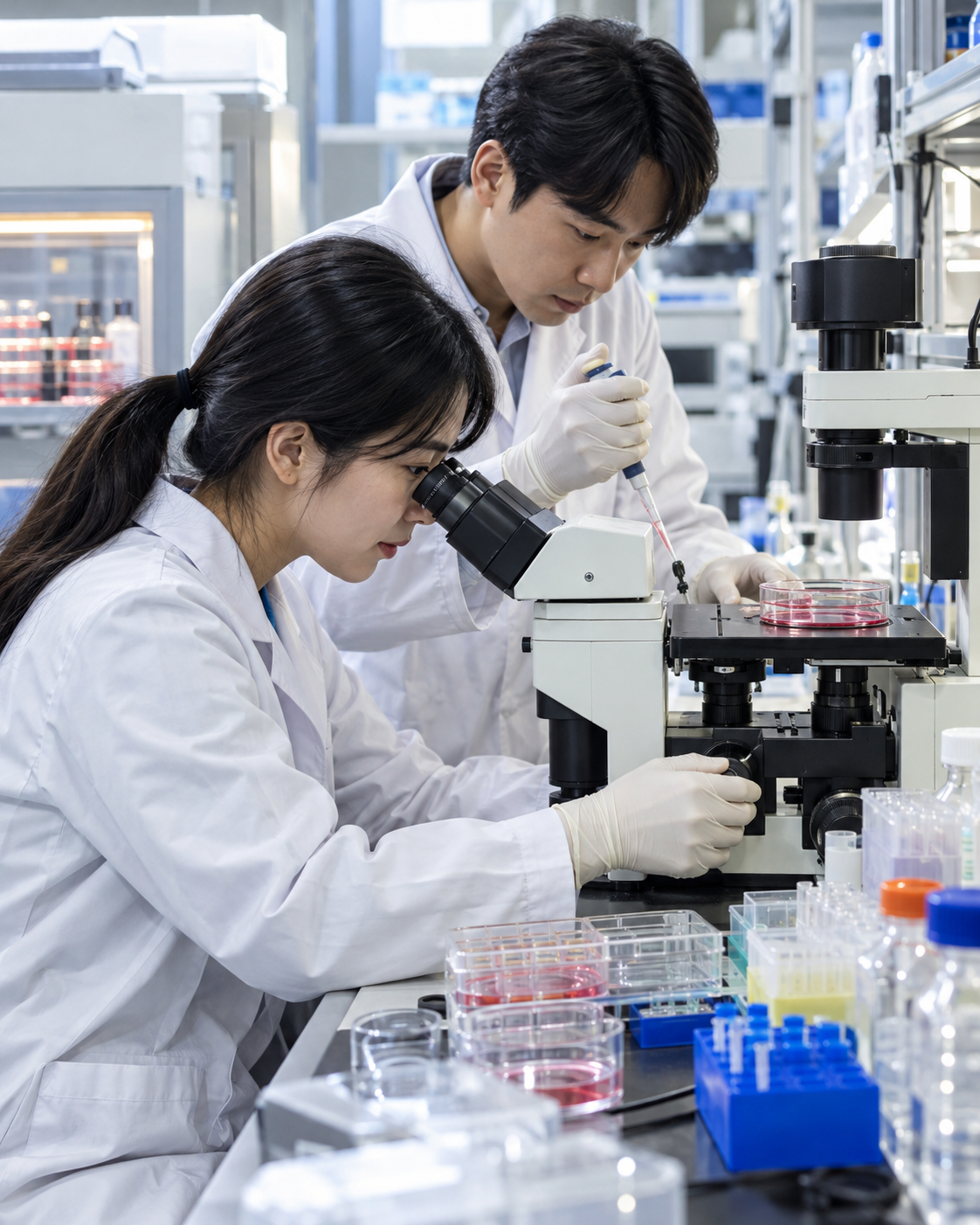
Is a smarter model all it takes to study diseases using AI? In reality, there may be a severe shortage of high-quality biological data for the model to learn from. It’s not easy to even begin measuring, in a consistent manner, what changes occur when a specific drug is administered to a particular cell or how different cells respond to the same stimulus.
The expansion of collaboration announced on October 7 by the U.S. Department of Energy (DOE), the National Institutes of Health (NIH), and the nonprofit research organization Biohub is aimed precisely at addressing that issue. The total funding for the Virtual Biology Initiative—which also includes Google DeepMind, Isomorphic Labs, and Meta—was reported to be approximately $1.8 billion.
The key point here is that this doesn't mean all $1.8 billion is new cash coming in. This scale is the result of combining public data assets built up in the past, commitments from existing research institutions, and the financial and technical resources to be invested in the future.
| What is this newly added partnership?

Biohub, the U.S. Department of Energy (DOE), and the National Institutes of Health (NIH) announced that they are expanding their collaboration to build the data infrastructure needed for AI models that predict biological processes. According to an official DOE announcement, the three organizations have signed a memorandum of understanding (MOU). An MOU is a document that outlines the direction and roles of the collaboration; it does not mean that all funding has been allocated or that research outcomes have been finalized immediately.
This isn't just a project involving government agencies. Google DeepMind, Isomorphic Labs—a Google-affiliated AI-driven drug discovery company—and Meta have joined as new private-sector investment partners. The plan is for each organization to take on specific responsibilities, such as providing experimental equipment, computational resources, data curation, and AI model development capabilities.
The goal is to make it possible to compare and reuse experimental results that are scattered across different research institutions.
| We need to take a close look at exactly how the $1.8 billion is allocated

Biohub’s official materials indicate that the funding includes the previously committed $500 million, more than $500 million to be invested by the DOE over the next five years, and a combined $300 million from Google DeepMind, Isomorphic Labs, and Meta. Data and research resources previously built by the NIH with an investment of over $500 million will also be utilized in this joint initiative.
Therefore, it would be incorrect to interpret the $1.8 billion mentioned in the news headline as meaning that “the U.S. government and companies invested $1.8 billion in new funds today.” Specifically, the part about the NIH refers not to a new cash budget allocation but to the use of data and repositories created through past federal investments.
Although the total investment from the three private companies has been disclosed, this press release does not specify how much each company is contributing.
| How did the project, which had already begun, expand?
This isn't the first time the Virtual Biology Initiative has been launched. Biohub announced this initiative in April 2026 and has been supporting related measurement technologies and external research based on a $500 million funding commitment. It explained that $400 million of that amount is allocated to the development of new measurement technologies, while $100 million is earmarked to support research activities outside of Biohub.
The significance of this announcement lies in the fact that it brings national research facilities and large-scale private AI research organizations into closer alignment with existing foundation-led research. This means that the DOE’s national laboratories, the NIH’s medical research data, and companies’ model development capabilities will all be working toward a common goal.
The process of aligning the measurement methods and data formats of different organizations will determine the success or failure of the collaboration.
| What exactly is virtual cell technology?
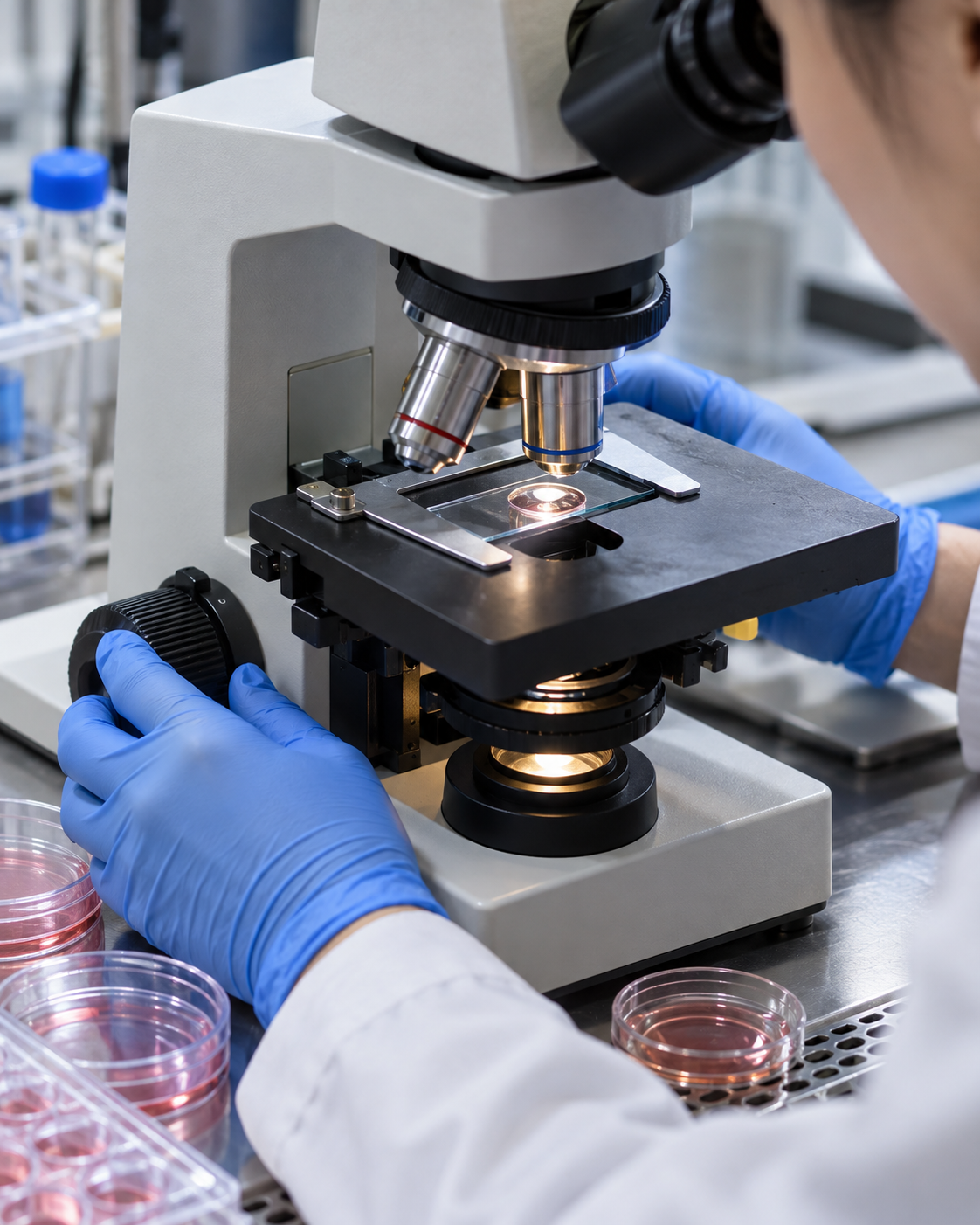
The "virtual cell" that this project aims to create does not refer to a finished product that perfectly replicates all the characteristics of a real cell. By utilizing an AI model trained on the changes cells exhibit under various experimental conditions, we are getting closer to our research goal of predicting responses to new stimuli or drugs.
For example, if we could calculate in advance how a particular drug candidate alters a certain cellular state, researchers could prioritize the most promising experiments. The idea is that this could help reduce the trial-and-error process in the lab and aid in the exploration of new disease mechanisms.
However, the cellular responses predicted by AI do not necessarily guarantee that the treatment will be effective for actual patients. Cells, tissues, organs, and the human body vary in complexity, and the verification of clinical efficacy and safety remains a separate step. This announcement is not about the launch of a therapeutic agent, but rather about laying the groundwork based on foundational data prior to that.
| The method of measurement is just as important as the amount of data
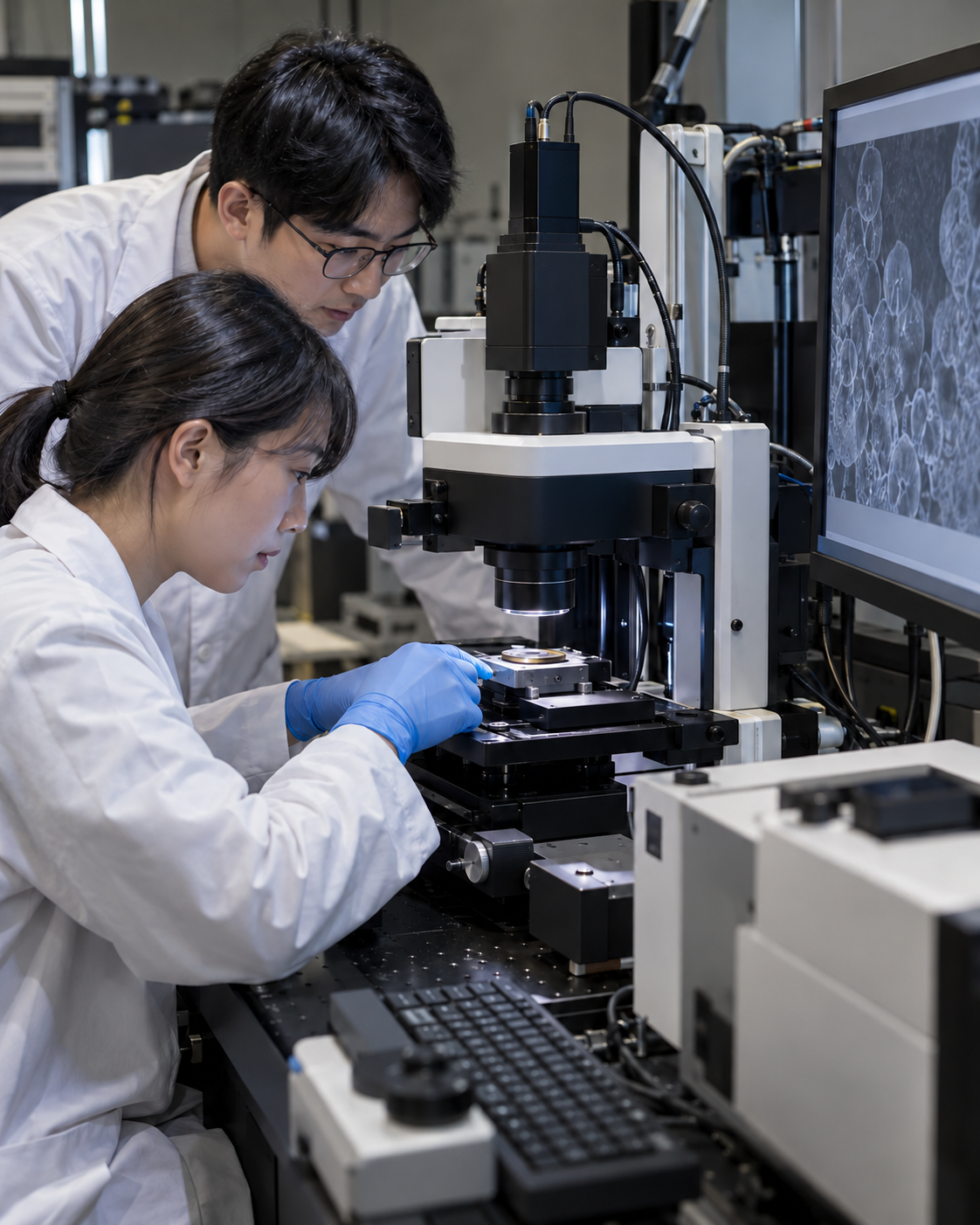
Biological data is often difficult to collect in large quantities as easily as text or images. This is because even with the same cells, results can vary depending on the environment, the time of measurement, and the experimental conditions. If each lab records data differently, it becomes difficult to use that data for large-scale AI training.
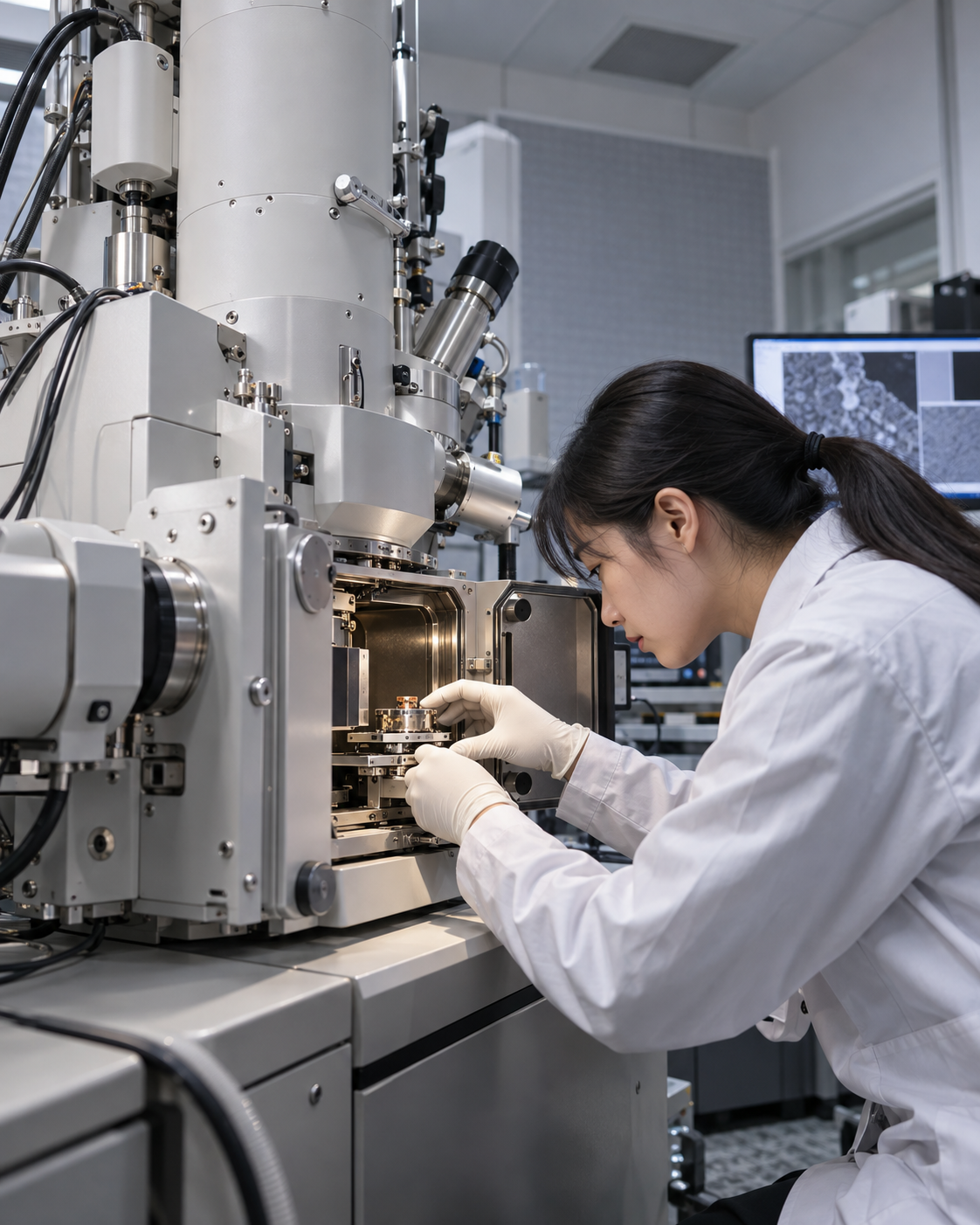
Biohub explained that it plans to expand its capabilities—including cryo-electron tomography, microscopy imaging, and molecular and cellular manipulation techniques—to measure cellular structures and responses more comprehensively. It also aims to link data across institutions by applying common data formats and identification systems.
This project is It’s more accurate to view this as an investment in data production facilities rather than simply an investment in model training.
| How the Research Environment Is Changing with the Participation of the DOE and NIH
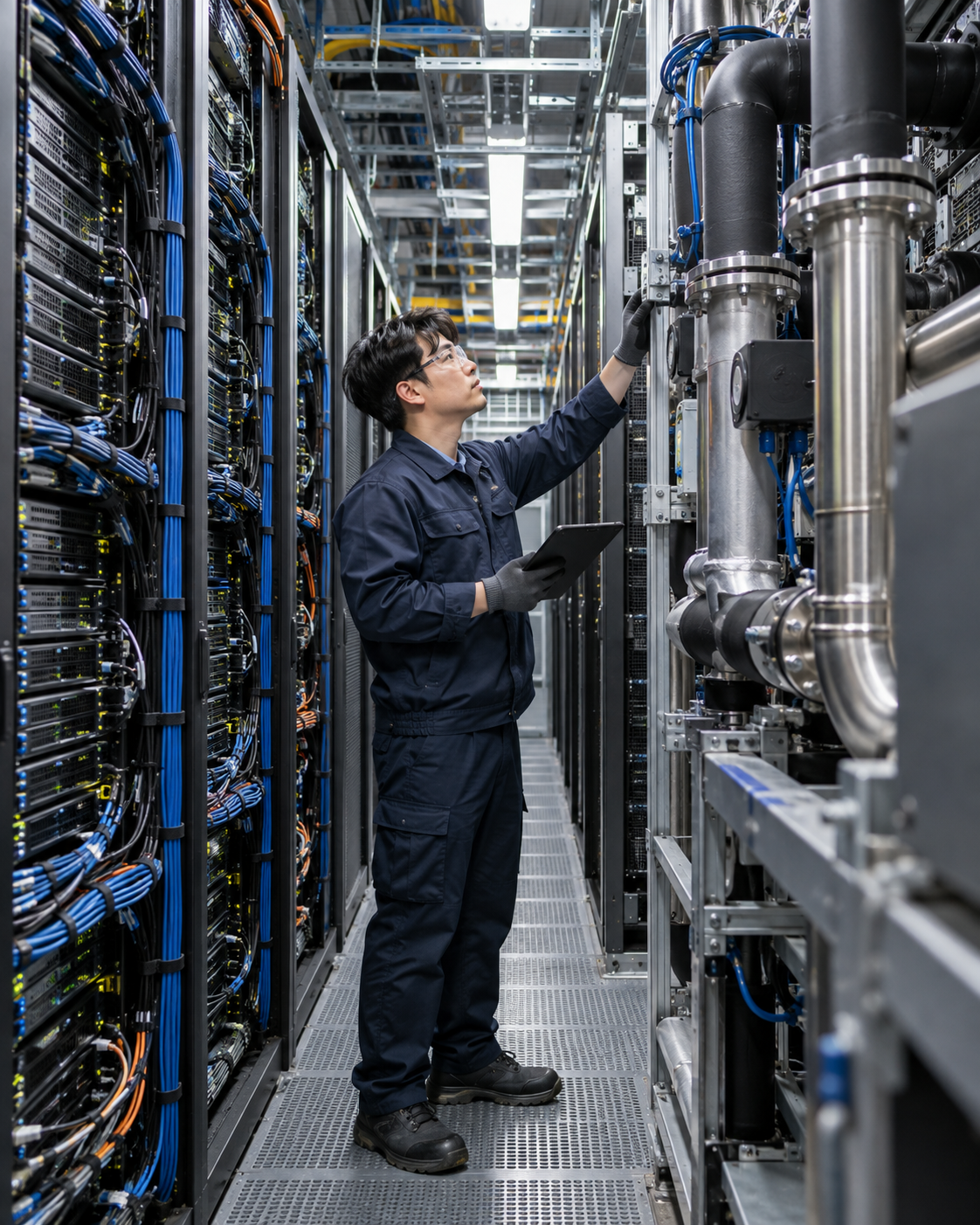
The DOE plans to utilize large supercomputers, exascale computing resources, advanced imaging equipment, and automated laboratories at national laboratories. Exascale refers to a level of supercomputing capable of performing an extremely large number of calculations per second. This equipment can be used to calculate complex cellular changes and analyze the results of large-scale experiments.
The NIH is involved in linking existing biomedical data and research programs—such as those established through the National Library of Medicine and the National Center for Biotechnology Information—and standardizing them into a format that AI can use. Its role is not only to collect new data but also to ensure that existing resources are interoperable.
There is also the possibility that the public nature of research infrastructure will be strengthened as the government directly provides experimental facilities and public data. However, we will need to review the future operational guidelines to determine exactly what data will be made available, when, and under what conditions.
| What companies and research institutions aim to achieve together is
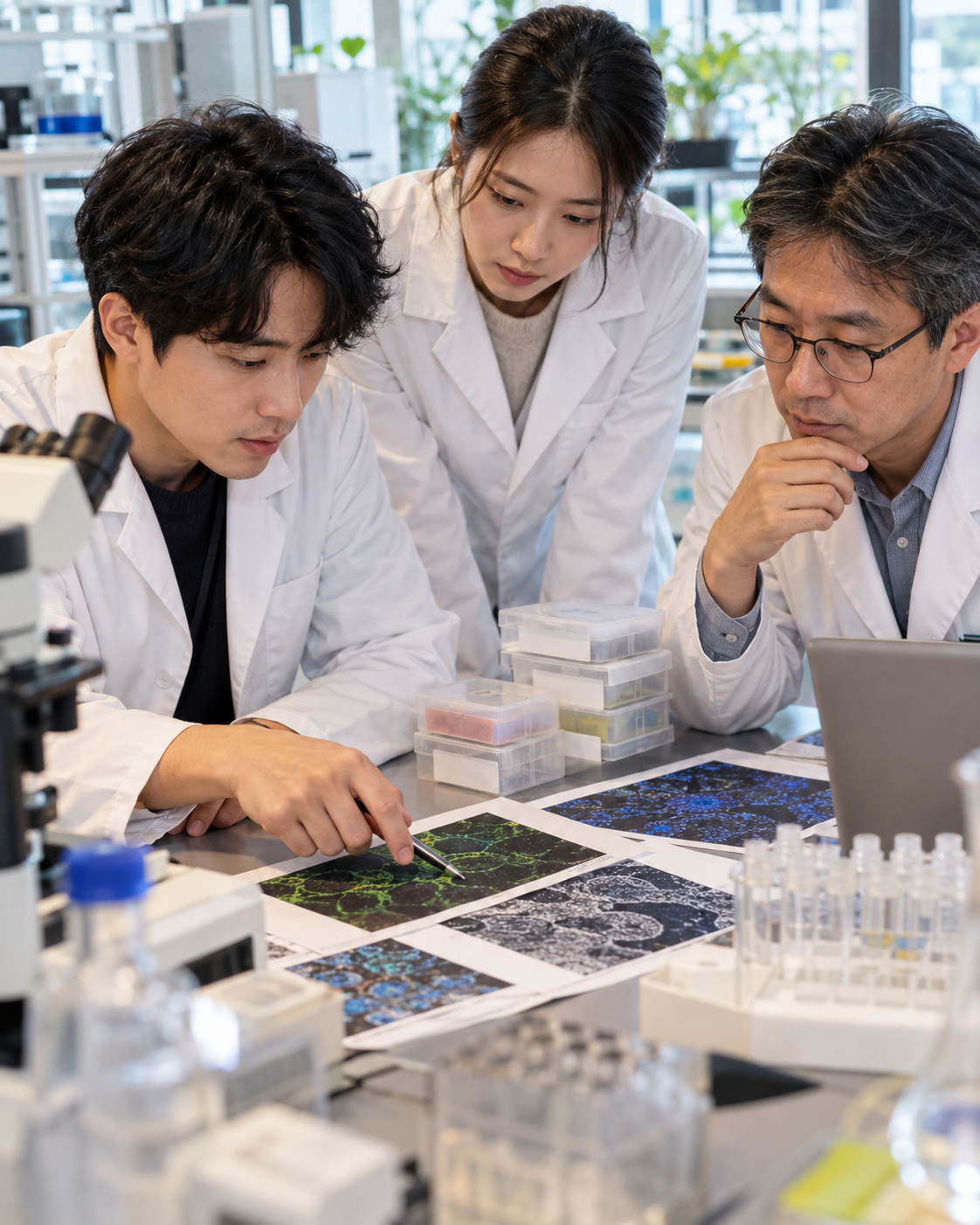
Google DeepMind and Isomorphic Labs have been developing AI-powered scientific research and drug discovery technologies. Meta also possesses extensive AI research capabilities. The reason these organizations are participating cannot be viewed simply as a matter of donations; rather, it is because a shared data foundation can serve as the basis for advancing various research models in the future.
The official announcement also highlighted collaboration with various research organizations, including the Allen Institute, the Broad Institute, the Human Cell Atlas, and the Wellcome Sanger Institute. NVIDIA stated that it plans to contribute accelerated computing infrastructure, software, and technical expertise.
Once enough public data has been accumulated, even universities and small research teams will have the opportunity to utilize data that would be difficult for them to collect on their own. On the other hand, how access conditions, data quality, and the scope of commercial use are designed are key factors that will determine the extent of the actual benefits.
| Expected Outcomes and Unresolved Challenges
When evaluating the success of this partnership, it is not enough to look only at the total investment amount. We need to verify the types and volume of data actually being released, the degree to which experimental conditions have been standardized, the results of replication studies by independent research teams, and whether the predictive models work accurately in new experiments.
When research data contains patient information or sensitive medical records, the protection of personal information and data usage permissions also become important. Furthermore, if a model is trained with a bias toward specific cells or experimental conditions, its predictive power may decline in other environments. These limitations cannot be automatically resolved through large-scale collaboration alone.
This is significant because it marks the concretization of a plan to broaden the foundation for next-generation biological research by linking government experimental resources, private-sector AI technology, and existing research data. Going forward, we’ll need to see how effectively the promised resources translate into actual open data and verifiable research outcomes.
We've started accepting requests to create responsive websites for your projects!
We appreciate your interest ^^

Tags
#Biohub #VirtualBiologyInitiative #GoogleDeepMind #IsomorphicLabs #Meta #U.S. Department of Energy #NIH #AI Biology #Virtual Cells #BioAI #New Drug Development #ScienceAI #OpenData