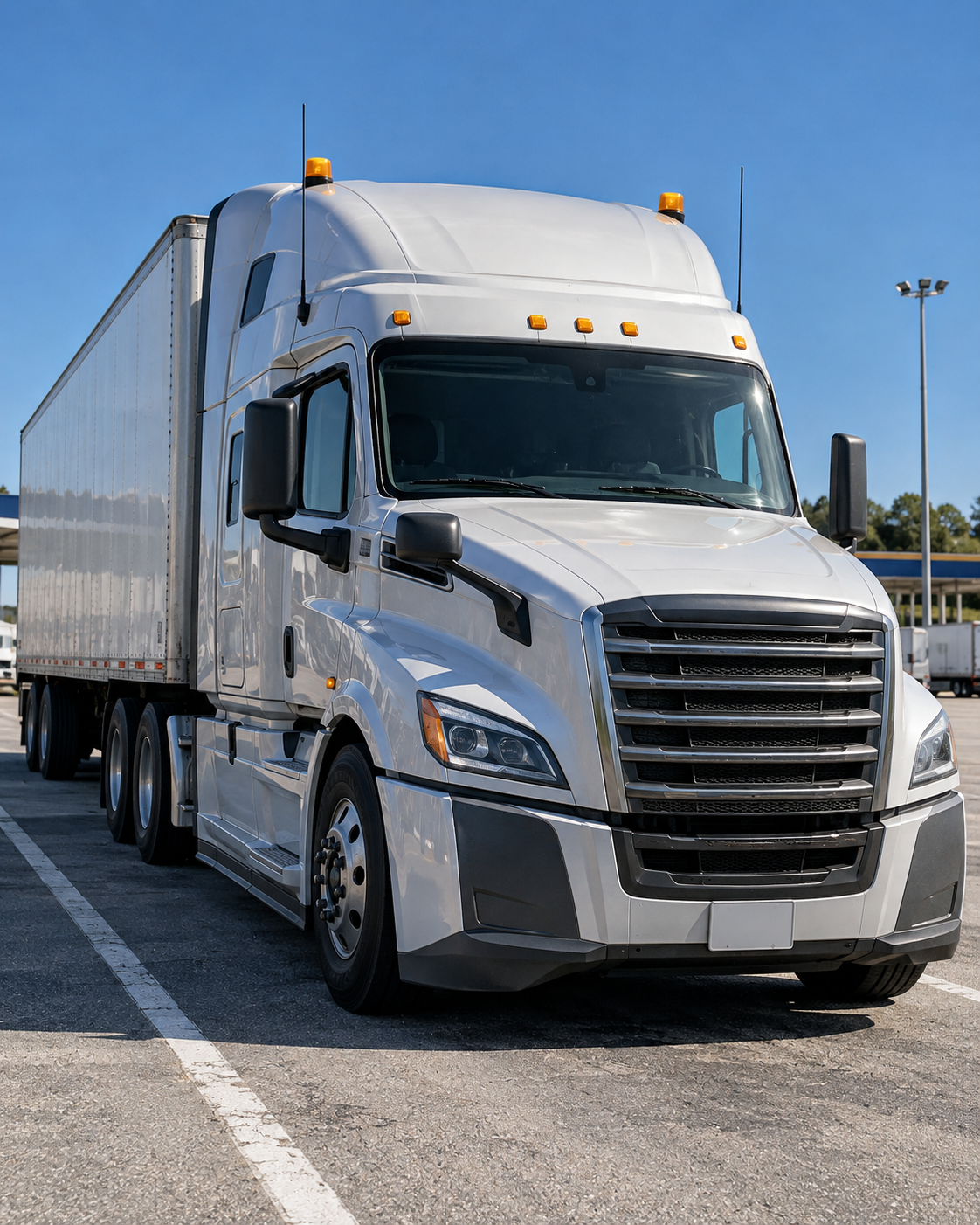
If an unmanned self-driving truck were to stop on the shoulder of a highway, who would get out of the vehicle to set up a warning triangle? Even as autonomous driving technology advances, if existing traffic regulations are based on the assumption of human drivers, problems like this will arise during the actual commercialization process.
Reuters reported on October 8 that the U.S. Department of Transportation has approved a five-year exemption from certain warning device regulations for Aurora and other autonomous truck operators that meet specific criteria. Under the new rules, instead of drivers having to exit the vehicle to install reflective warning devices as they do now, they will be allowed to use high-visibility warning lights mounted on the exterior of the truck cab.
This measure does not mean that safety regulations for all autonomous trucks have been eliminated. This approval is limited to systems that provide warnings when the vehicle is stationary, and it comes with conditions such as advance notification and accident reporting. So, even though it may seem like a minor regulatory change, it has practical significance for Level 4 autonomous driving.
| The existing regulations were based on the assumption of human drivers

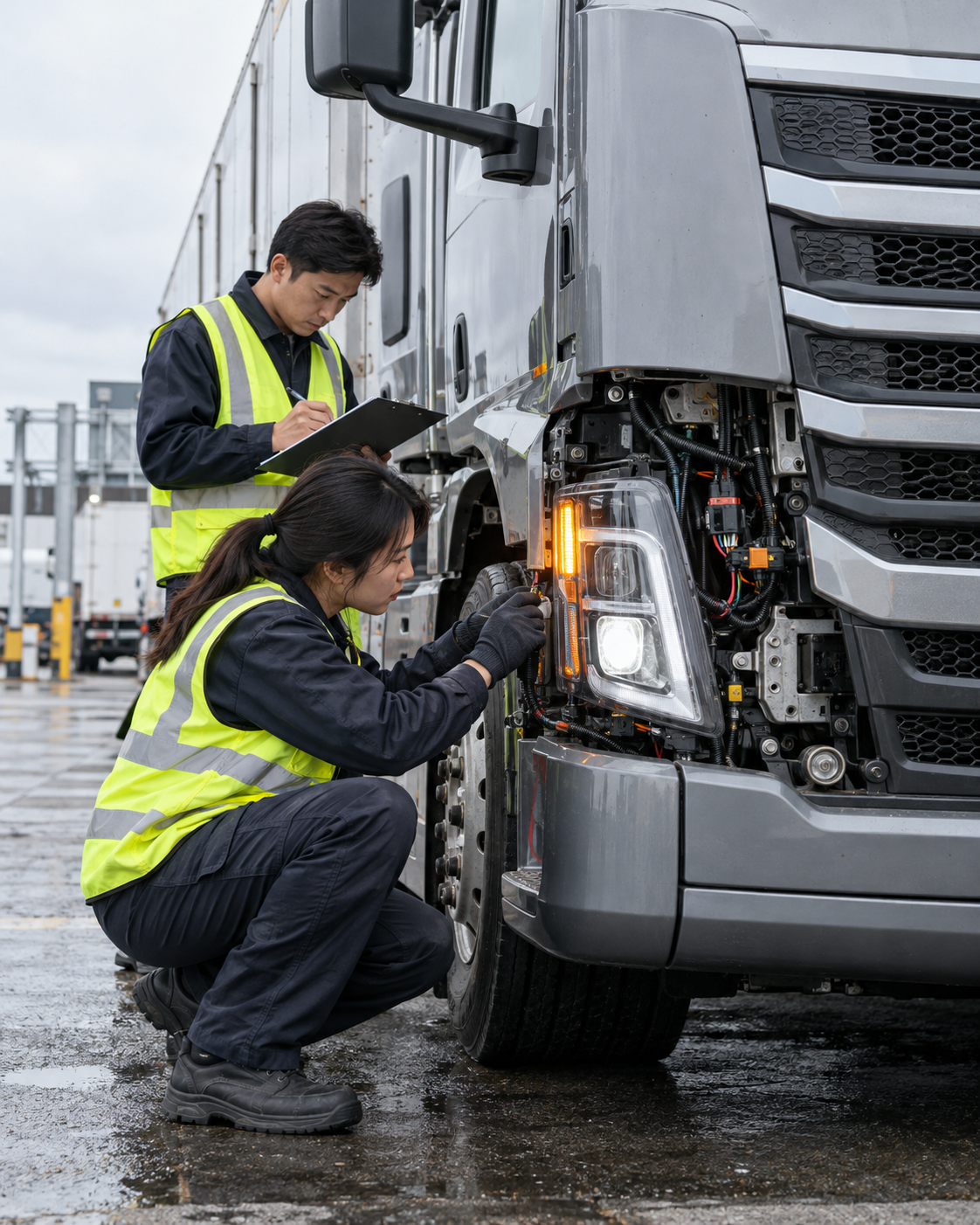
U.S. commercial vehicle safety regulations require the installation of warning devices so that trucks can alert other vehicles to their presence when they are stopped on the road or on the shoulder. Typically, this involves the driver getting out of the vehicle and placing warning signs, such as reflective triangles, at designated locations around the vehicle.
While a truck driven by a human can follow these procedures, a Level 4 autonomous truck with no driver in the cab cannot respond in the same way. Level 4 is a highly automated stage where the system takes over driving within specified operating conditions. It does not mean that the truck will drive itself unconditionally on all roads and in all weather conditions.
If we require driverless trucks to be equipped with existing devices, it will ultimately lead to a situation where a separate person must be assigned to operate the warning devices. This is why not only autonomous driving technology but also the design of regulations is a key factor in the expansion of driverless operations.
| What will we use instead of a warning triangle?
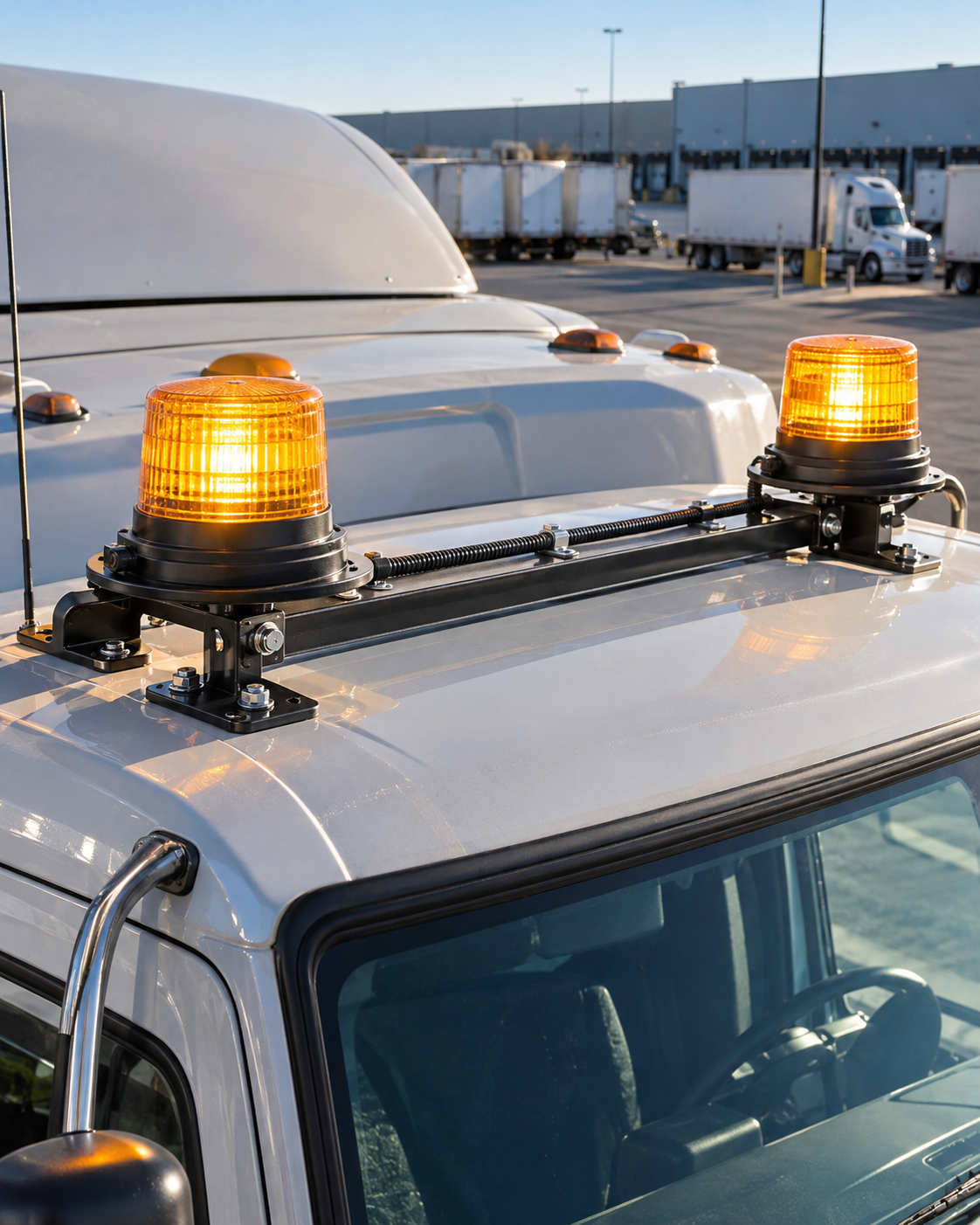
The alternative permitted under this exemption is a high-visibility warning light mounted on the outside of the truck cab—that is, a cab-mounted warning beacon. You can think of it as a device that uses light to warn other road users of a stopped truck in advance.
Reuters reported that the U.S. Department of Transportation determined that this method could provide a level of safety equivalent to or higher than that of existing warning devices. Aurora also emphasized that, since the device is mounted on the vehicle, it can reduce the risk associated with a person getting out of the vehicle to set up a warning triangle.
That doesn't mean, however, that all warning lights are automatically approved. The exemption applies to commercial vehicles equipped with Level 4 autonomous driving systems that meet the relevant conditions and the use of specified devices. It should also be distinguished from decisions regarding the recertification of a vehicle’s braking performance or overall autonomous driving safety.
| From Application in 2023 to Approval in 2026
This decision wasn’t a sudden policy change. Waymo and Aurora had been requesting since 2023 that the U.S. Federal Motor Carrier Safety Administration (FMCSA) allow them to use alternatives to traditional warning triangles when their autonomous trucks come to a stop. In the early stages, the request for an exemption from the relevant regulations was not granted, and a debate ensued between the industry and regulators.
Later, in 2025, Aurora filed a lawsuit against the regulatory agency. However, Reuters reported that the company withdrew the lawsuit after a temporary exemption was granted in October 2025, and that temporary authorization has since been extended several times. Meanwhile, in April 2026, a public comment period was held regarding Aurora’s application for a five-year exemption.
The new information that has now come to light is that this is not merely an application or a temporary permit, but rather that the U.S. Department of Transportation has approved an exemption valid for five years. The difference lies in the fact that the previous uncertain interim measures have been transformed into a regulatory framework that can be maintained over the long term.
| Is this an exclusive license just for Aurora?
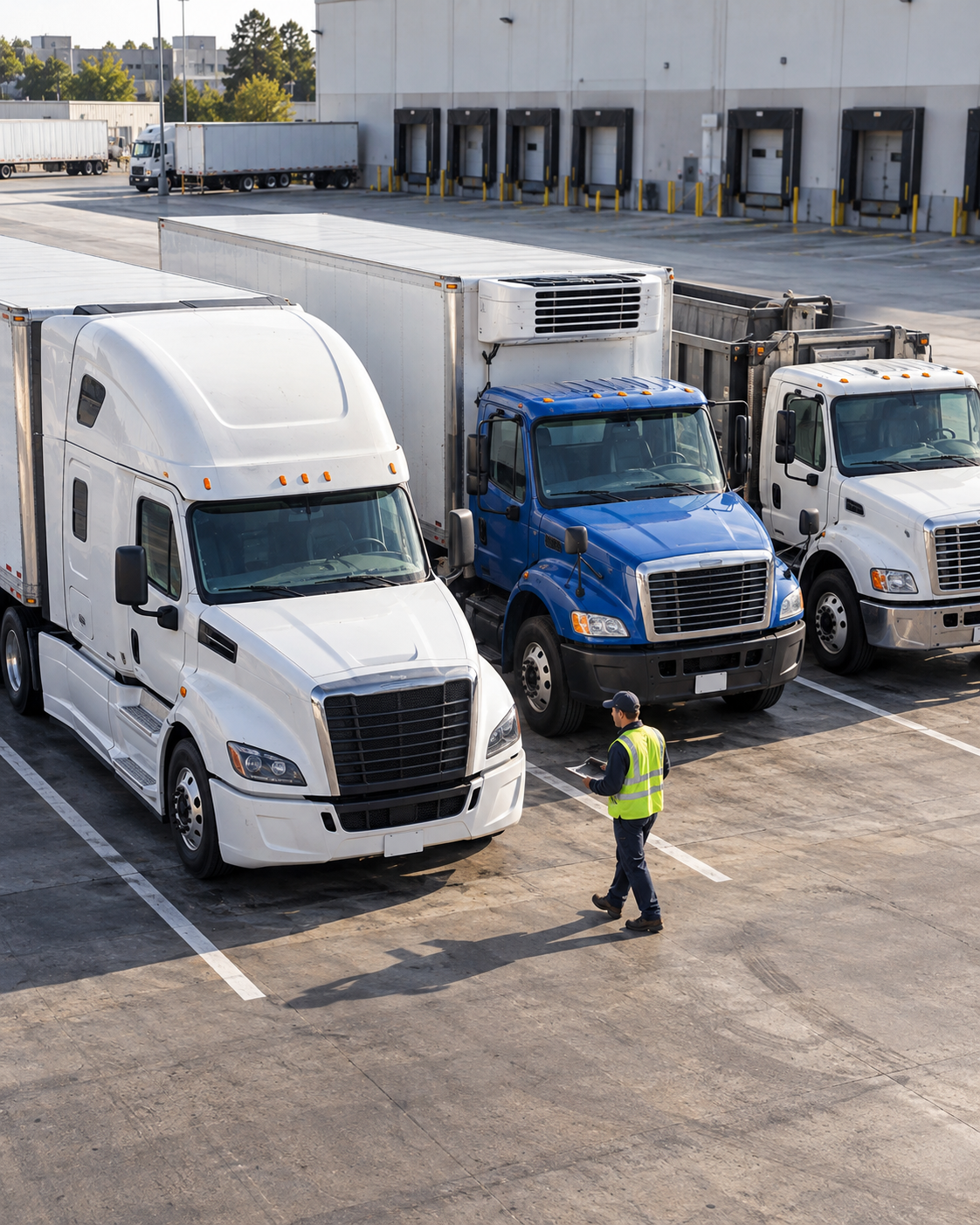
Although the exemption stems from Aurora's application, it is not limited solely to vehicles owned by Aurora. According to a Reuters report and the 2026 federal regulatory application notice, other Level 4 autonomous commercial vehicle operators that meet the requirements will also be able to use the system after completing the relevant procedures.
This is different in nature from a measure designed to benefit a single company. That’s because it’s a case where an alternative solution was approved for a warning system issue that the entire autonomous transportation industry faces. This means there’s now a possibility that new operators will adopt the same warning system.
However, companies wishing to participate must provide advance notice to the FMCSA, and the vehicles and warning devices in question must meet the exemption requirements. Just because approval has been granted doesn't mean that all autonomous truck operators can use the same method without filing any reports.
| The conditions for reporting and withdrawing claims remain unchanged
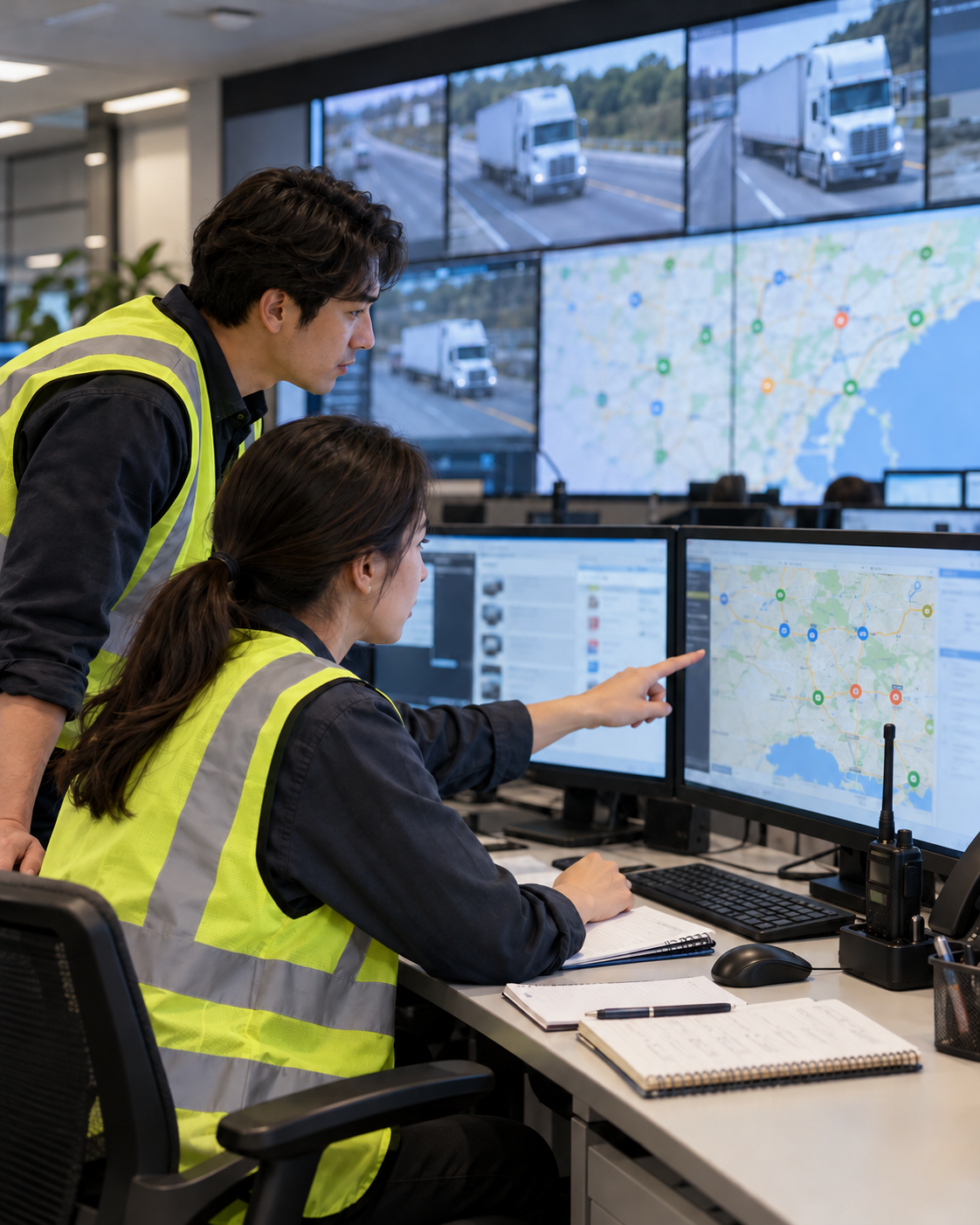
An exemption from regulations does not mean the end of safety management. According to Reuters, companies must report collision accidents that occurred in situations where warning lights were activated or should have been activated to the relevant authorities. If the FMCSA determines that actual safety levels have declined compared to previous standards, it may revoke the exemption.
This condition demonstrates that regulations on new technologies do not operate simply on a binary basis of "allow" or "prohibit." It is an approach that recognizes new safety measures while allowing for the collection of operational data and leaving room to adjust policies if problems are identified.
Ultimately, operators remain responsible not only for technology development but also for consistently performing tasks such as equipment inspections, operation logs, accident analysis, and regulatory reporting. When discussing the cost-saving benefits of autonomous driving, these management costs must also be taken into account.
| What changes will occur in the logistics industry?

Aurora told Reuters that it is currently operating about 20 autonomous trucks on public roads. This serves as evidence that autonomous trucks are no longer merely in the stage of theoretical experimentation. However, operating dozens of trucks and ensuring stable operation within a large-scale, nationwide logistics network are entirely different challenges.
If the regulations regarding warning devices are resolved, the burden of having to assign separate human support staff could be reduced, and operational procedures for long-distance trips could also be simplified. From the perspective of autonomous transportation companies, even a single small exception clause could be a factor that changes how vehicles are deployed or the structure of operating costs.
On the other hand, several challenges remain that could hinder actual business expansion, including road conditions, responding to inclement weather, remote support systems, securing shippers, and liability and insurance in the event of accidents. This approval should not be taken as evidence that the full-scale commercialization of autonomous trucks has been completed.
| What the regulatory agency approved was a specific alternative device.
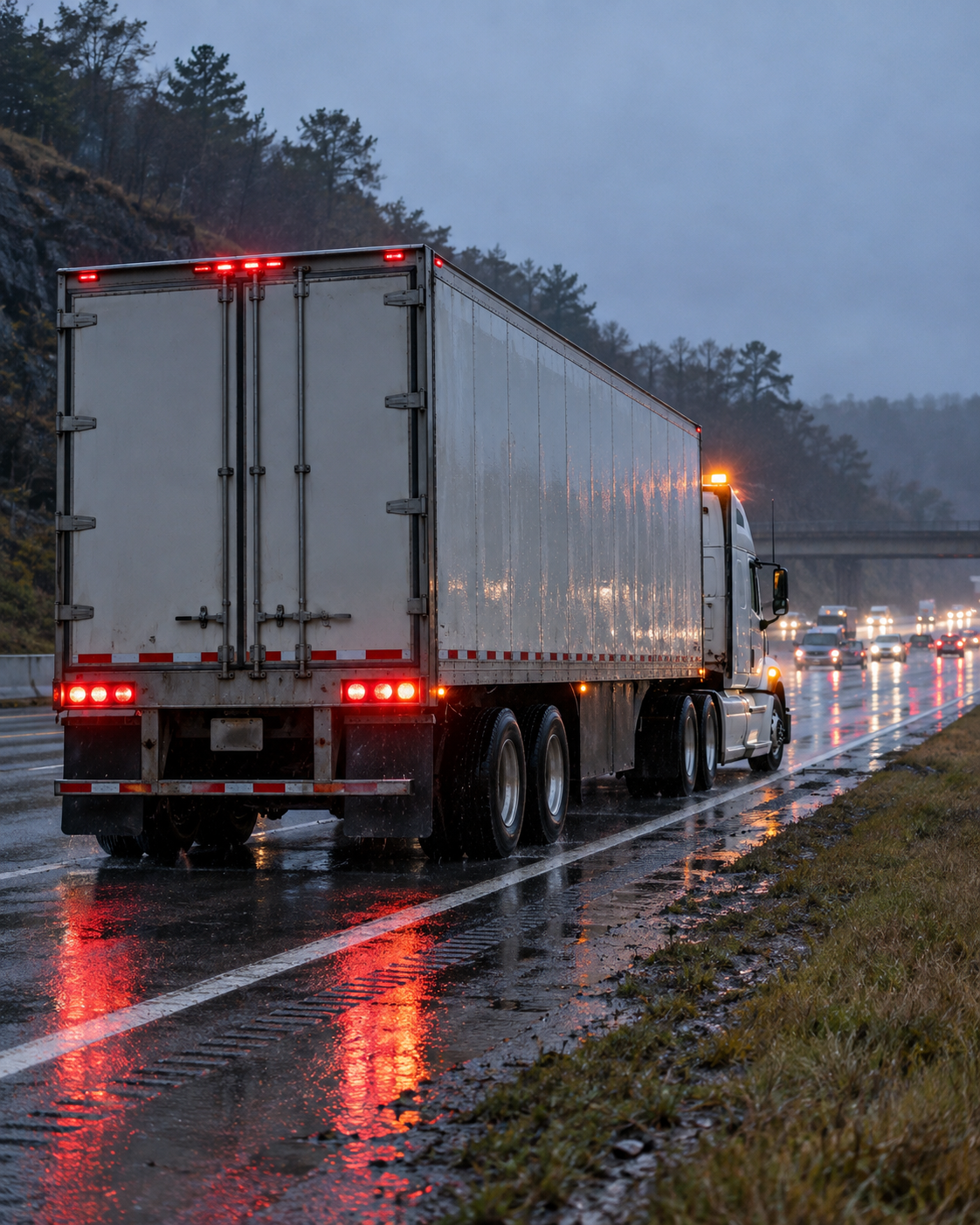
If you summarize this news as “The U.S. has suspended safety regulations for autonomous trucks for five years,” you’ll miss the point. The purpose of the regulations is to reduce the risk of accidents by ensuring that other drivers can recognize large vehicles that have come to a stop, and this decision is an example of allowing a new method to achieve that goal.
Therefore, this measure does not mean that all accident risks associated with the autonomous driving system have been assessed. We still need to continue verifying issues such as how well the warning lights are visible at various distances and under different weather conditions, and whether they can adequately alert drivers to potential dangers depending on where the vehicle is stopped.
It is also noteworthy in that the process of deciding what to keep and what to change when technology conflicts with existing regulations is crucial. This decision can be viewed as one that focuses on the safety objectives the law seeks to protect rather than on the exact wording of the law.
We've started accepting requests to create responsive websites for your projects!
We appreciate your interest ^^

| Changes to Watch for Over the Next 5 Years
What we'll be watching going forward is the extent to which the use of vehicles equipped with beacons expands and the actual accident records. Whether more operators take advantage of the exemption criteria, whether road users adequately recognize the warning lights, and whether regulatory agencies change the requirements will serve as long-term evaluation criteria.
This approval is significant because it removes one of the regulatory barriers—aside from the technology required for autonomous trucks. However, the exemption is limited to specific safety features and may be revoked depending on safety assessments. Progress in autonomous logistics will become more evident when this regulatory flexibility is combined with a proven safety track record on actual roads.
Tags
#Aurora #AuroraInnovation #Self-Driving Trucks #Level 4 Autonomous Driving #Autonomous Logistics #U.S. Department of Transportation #FMCSA #Regulatory Exemption #Autonomous Driving Safety #Smart Logistics #Transportation Technology #Warning Light