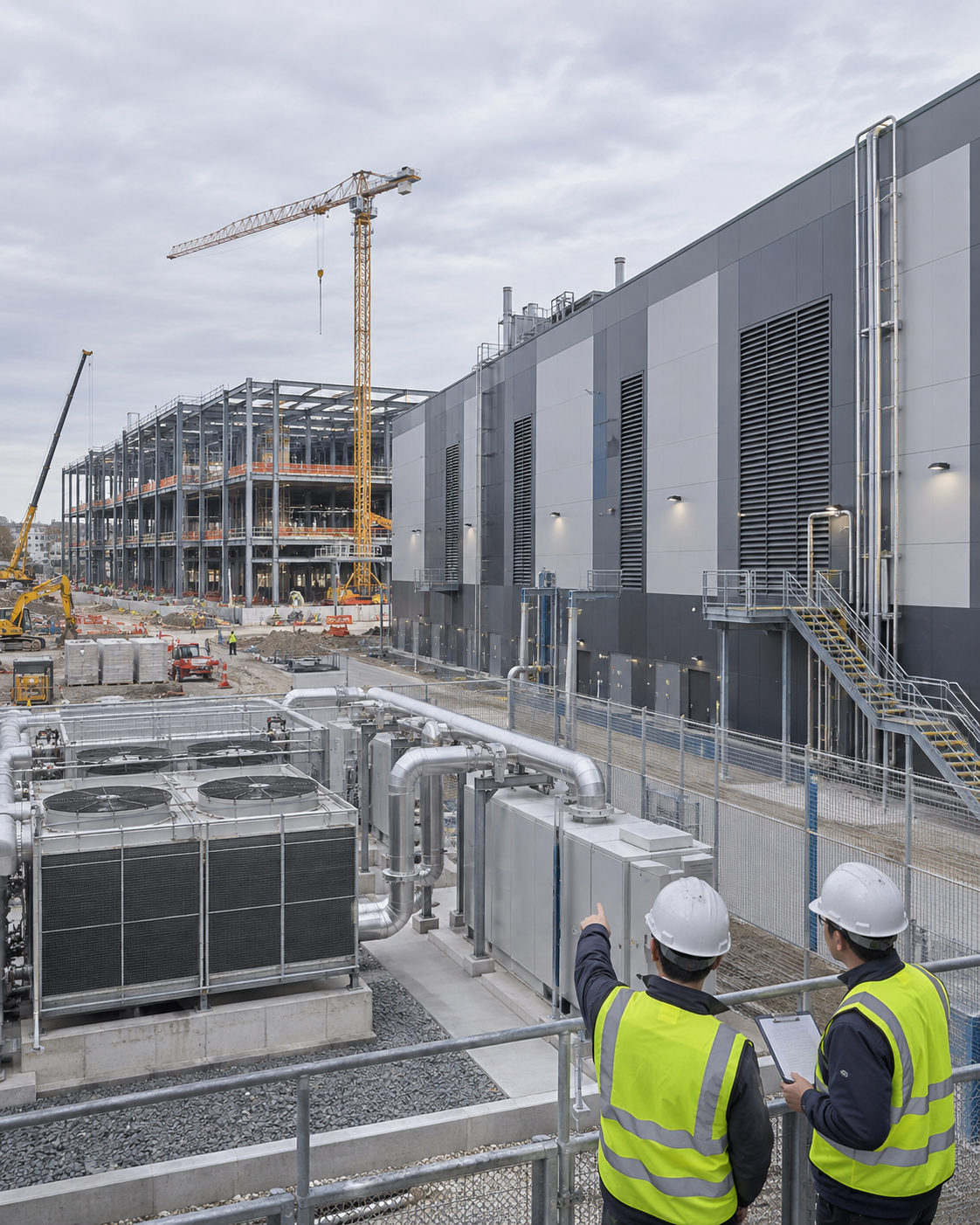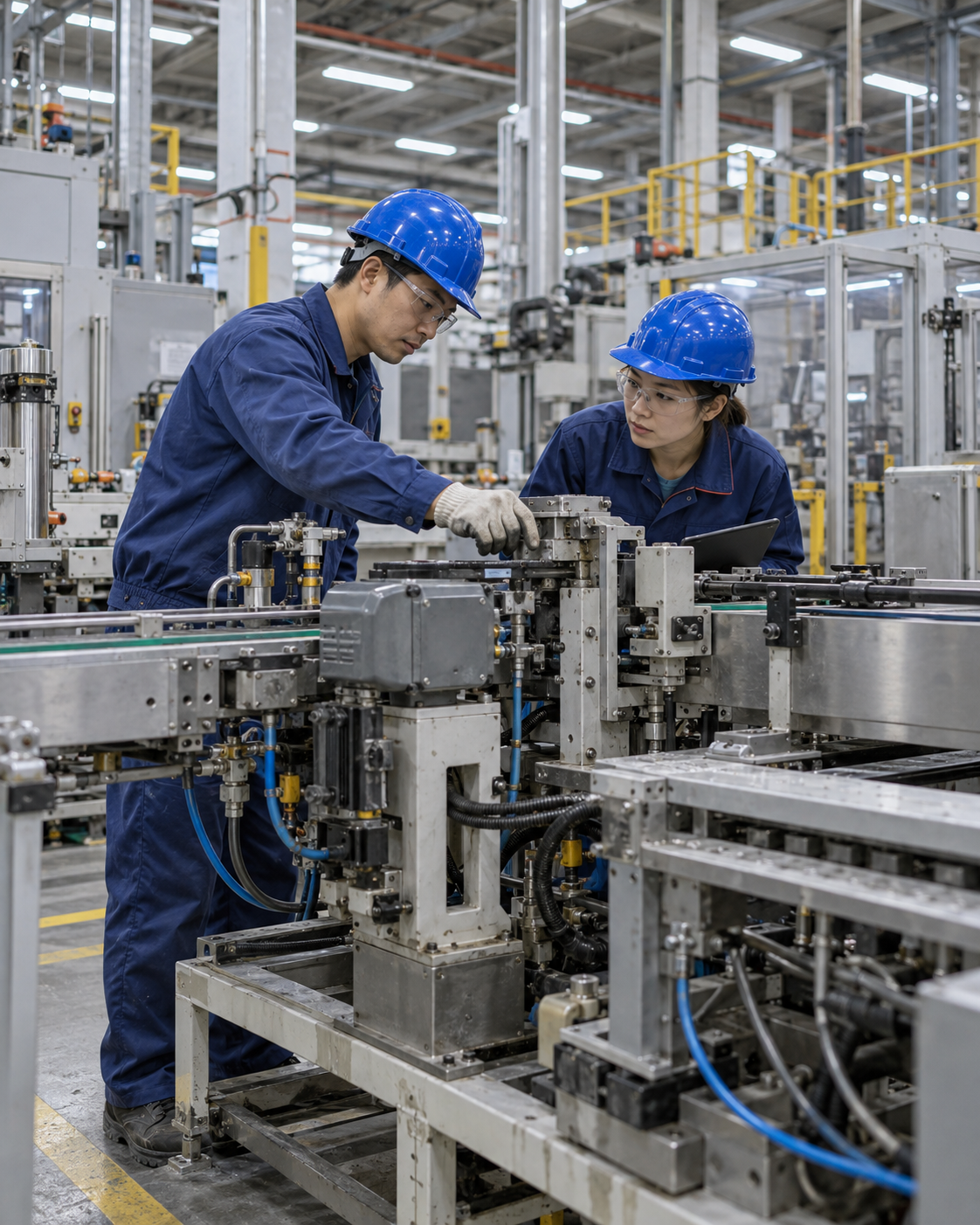
While China has announced plans to further expand investment in AI, robotics, and advanced manufacturing, it has also unveiled a policy stating that it will hold companies accountable for reckless business practices. The document emphasizes both the need to accelerate the pace of technological competition and the need to curb investment bubbles.
The document released on October 9 by the Central Committee of the Communist Party of China and the State Council is titled “Opinions on the Development of New Quality Productive Forces.” “New quality productive forces” is a policy concept in China aimed at boosting productivity through technological innovation and the upgrading of industrial structures. Its scope differs from a plan that simply aims to create a large number of AI companies.
This document outlines a direction that spans basic AI research, computing infrastructure, applications in manufacturing, the promotion of high-tech industries, risk management, and responsible investment. It’s important to note from the outset that this is not an announcement in which the budgets and start dates for specific individual projects have been finalized.
| "New Productive Forces" isn't just a policy for AI
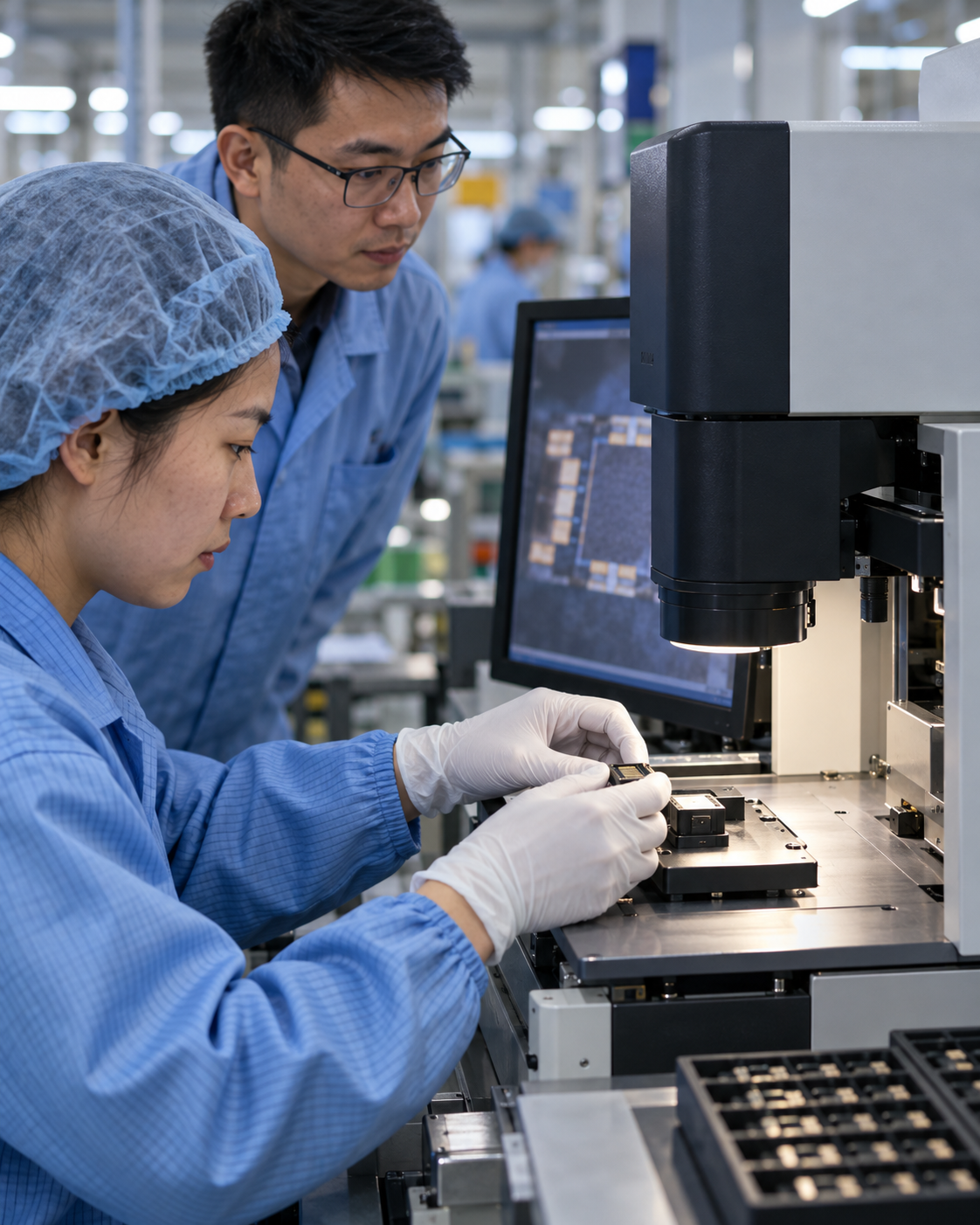
The starting point of the policy is to boost productivity across the entire industry. They set a goal of applying the results of cutting-edge technology research to actual manufacturing and services and upgrading the existing economic structure. AI was positioned as a key pillar among the technologies driving that transformation.
The document integrates original research, core technologies, industrial applications, financial support, and talent development into a single framework. It also outlines a policy to coordinate the roles of national research institutions, universities, and technology-leading companies, and to strengthen industry-led research and development. Additionally, it includes measures to support small and medium-sized enterprises in commercializing technologies through technology transfer.
Therefore, it would be problematic to view this policy as the launch of a specific AI model or the completion of a specific semiconductor facility. The central government first set the direction, and the actual results depended on the follow-up actions taken by local governments and businesses.
| Deepening the integration of the AI Plus strategy into the manufacturing sector

The document states that the government will “fully promote ‘AI+’ initiatives.” This means that AI will not be viewed solely as a standalone software industry, but will be applied to traditional manufacturing, services, and R&D processes. This is also linked to policies aimed at transforming existing factories and supply chains into digital and intelligent systems.
For example, industrial AI—which analyzes process conditions to reduce defects or streamline equipment inspections—offers different value than developing a new chatbot. To apply it to actual equipment, on-site data and operational experience are crucial, and it must be possible to evaluate how much productivity has improved after the technology is implemented.
The policy aims to identify high-value-added use cases that take into account the characteristics of each industry and to establish testing and validation hubs for AI applications. However, the plan to establish these testing hubs does not necessarily mean that such projects are already underway in every region.
| Computing, algorithms, and data are the core foundations.
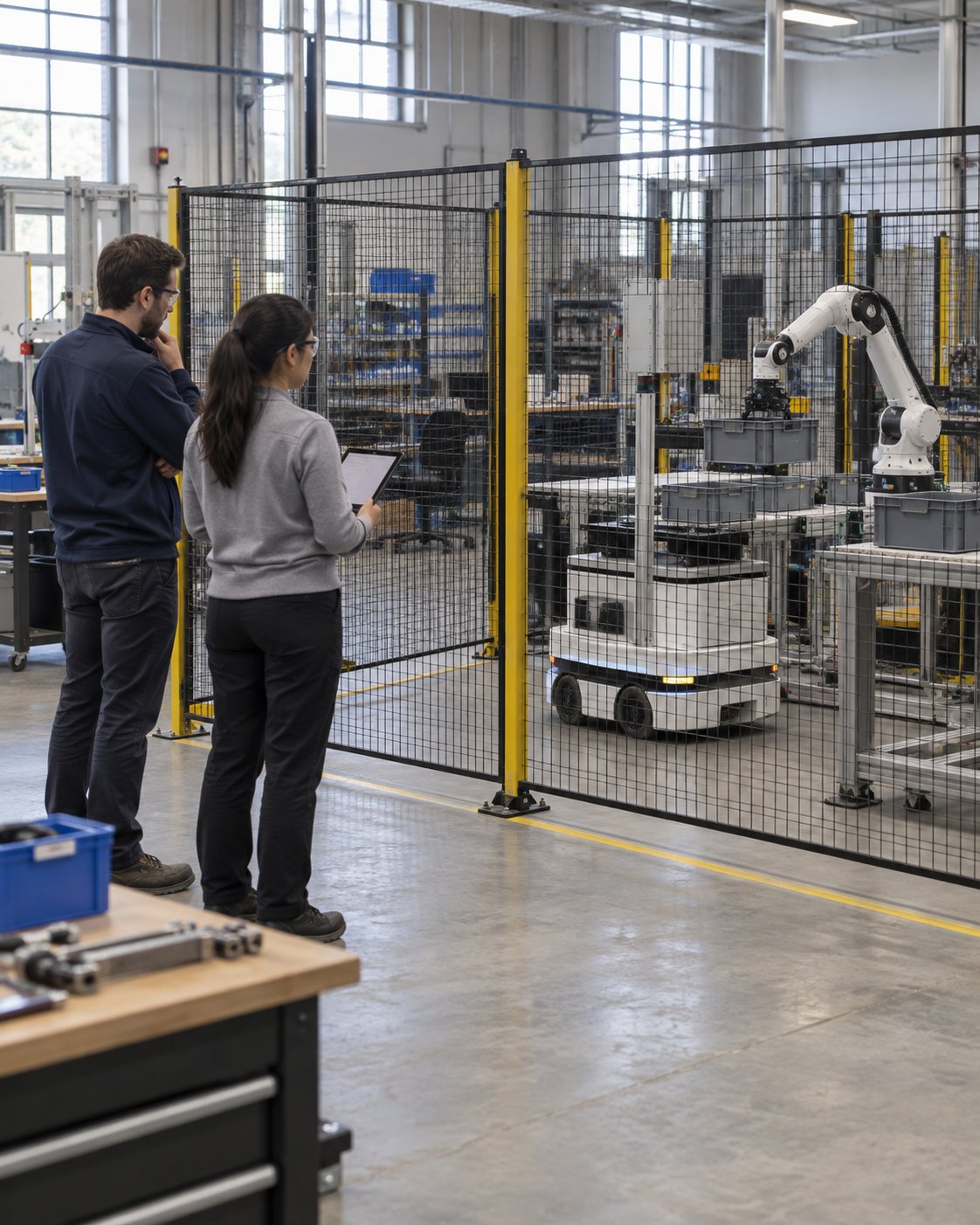
Computing resources, algorithms, and data were highlighted as the three pillars supporting the expansion of the AI industry. This is because even if you improve the model's performance, it will be difficult to apply it in real-world industrial settings if there is a shortage of power or server capacity, or if the data connections required for training and operation are not smooth.
China aims to improve its national computing networks and data infrastructure while continuing existing initiatives such as the digital transformation of manufacturing and the Industrial Internet. From a corporate perspective, this can be interpreted as a signal that the government intends to expand the environment in which AI can be utilized.
However, expanding infrastructure does not necessarily guarantee short-term returns on investment. Electricity, customer demand, and operating costs vary by region, and actual equipment utilization rates may also differ. Therefore, we need to distinguish between which projects ultimately materialize and who secures a stable demand base.
| Humanoids and autonomous vehicles are also included in the industrial strategy.
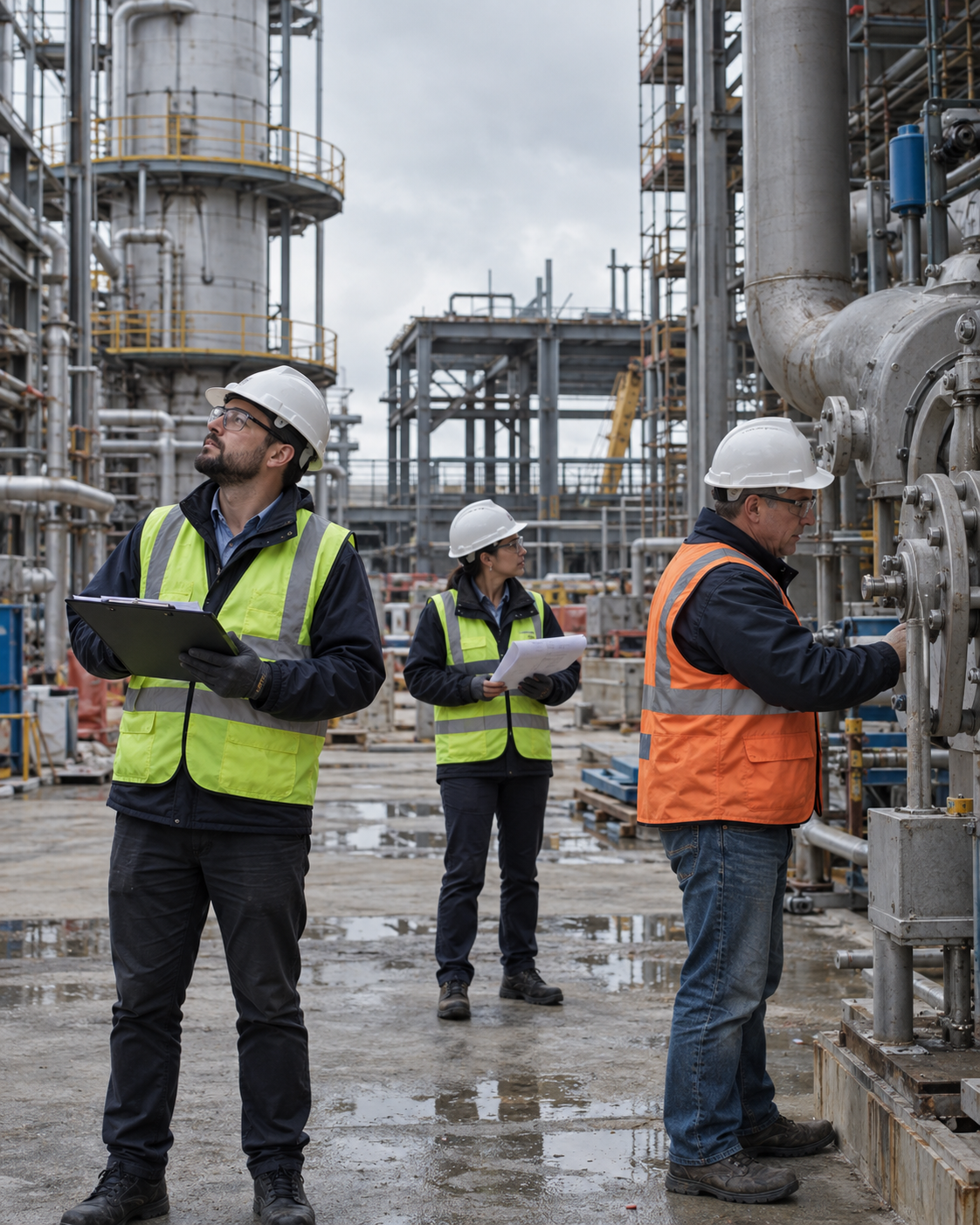
Intelligent connected new energy vehicles, AI-powered smartphones and computers, and humanoid robots were cited as examples of next-generation products that utilize AI. The government plans to provide policy support for this trend, in which technology moves beyond data centers to operate in vehicles, factories, and everyday devices.
The document also identifies embodied intelligence as part of the broader future industries it outlines. Embodied intelligence refers to technology that enables AI to perceive its environment and act through a physical body, much like a robot. Quantum technology, brain-computer interfaces, and 6G communications are also included among the areas to be fostered over the long term.
However, just because a product is on the list of industries to be promoted doesn't mean that its mass production and distribution have already been achieved. Robots, in particular, require verification of safety, price, maintenance, and reliability in repetitive tasks. During the actual implementation phase, on-site operational data becomes more important than demonstration videos.
| Why We Warned Against Excessive Investment and Duplicate Construction

One notable point in this announcement is the warning regarding investment in high-tech industries. The central government cautioned against an approach that involves indiscriminately expanding business operations simply under the guise of “new technology” or competitively building facilities similar to those in neighboring regions. The intent is to put the brakes on investments that fail to enhance the industry’s actual competitiveness.
The policy called for measures to prevent the formation of bubbles, the hollowing out of the real economy, blind investment, and the concentration of investment in specific industries all at once. It also included a directive to collaborate with other regions to integrate technology and supply chains and to build industrial clusters tailored to each region’s strengths.
For this reason, it would be inaccurate to say that the Chinese government has banned all AI investments or the construction of new data centers. The idea is to maintain the direction of support while strictly evaluating the quality of investments. We'll have to wait for subsequent policies and budgets to see which local projects will actually be adjusted.
| The policy also specifies who is responsible for investment failures.
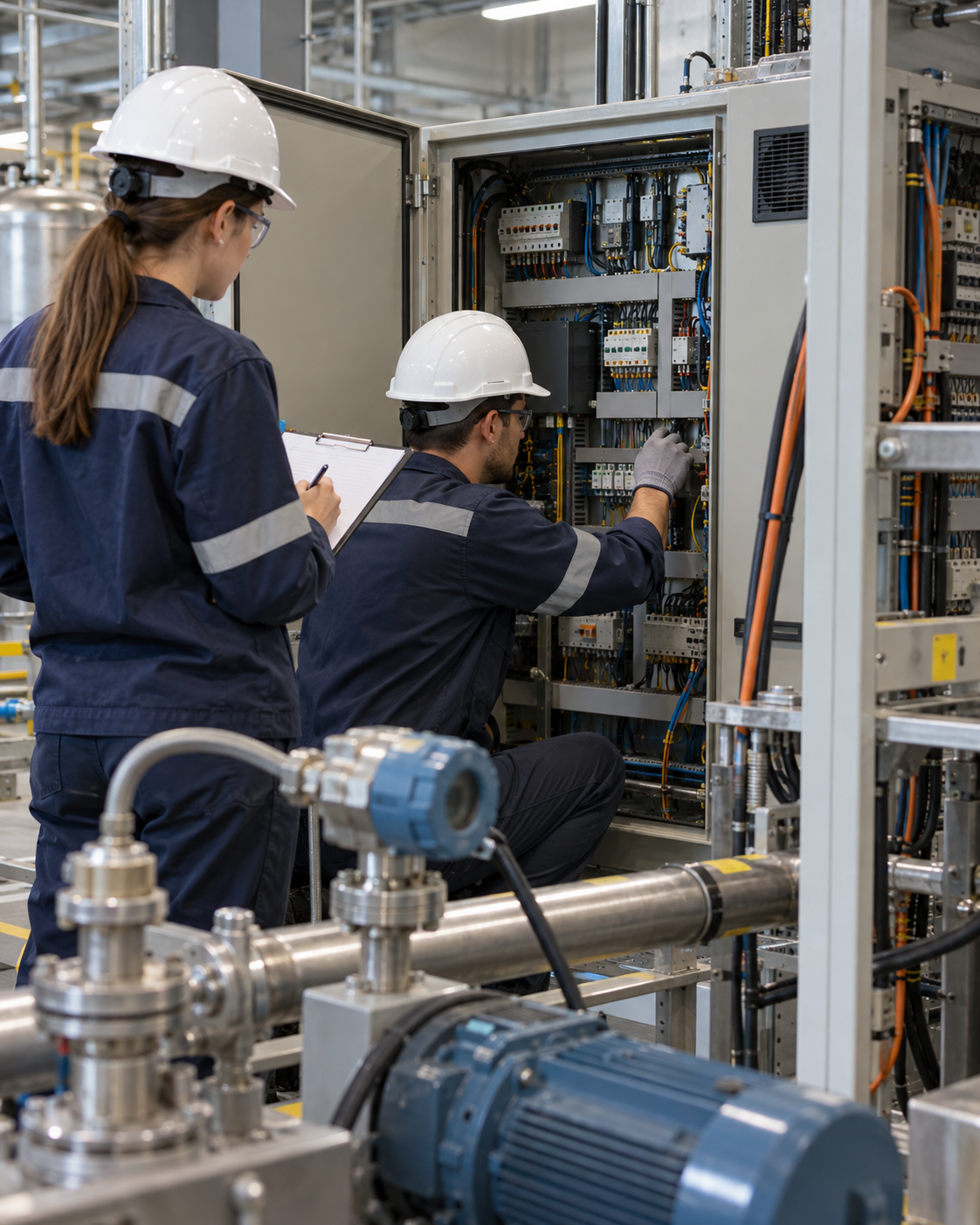
China has stated that it will strictly address practices such as the inappropriate use of regulations under the pretext of policy support or blind investments that result in significant losses. The document even includes a principle stating that those responsible for causing serious losses will be held accountable. This could place a greater burden on local government officials responsible for approving and implementing projects.
This measure is seen as a signal intended to curb companies from indiscriminately expanding into businesses with uncertain profitability. However, the document alone does not provide enough information to determine who will be held accountable, what procedures will be followed, or how the specific level of sanctions will be determined.
For companies, the ability to demonstrate customer demand and actual productivity gains may become more important than the names of subsidies or policies. If the government places greater emphasis on results and risk management than on the size of the investment itself, the evaluation criteria for business plans may change.
| AI safety management has been incorporated into the growth policy
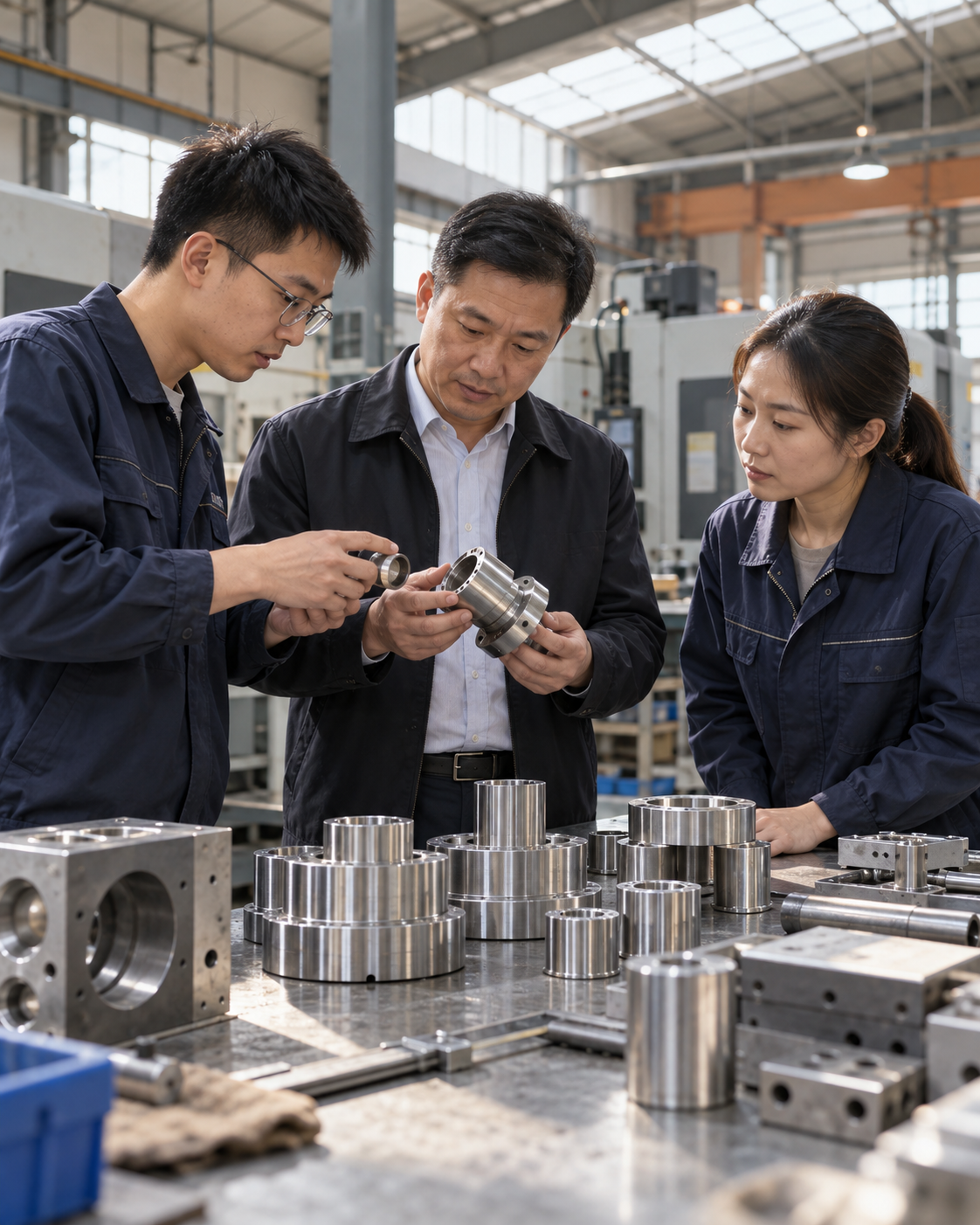
The policy emphasized that AI must be safe, reliable, and controllable. To this end, the government plans to establish systems for technology monitoring, early risk warning, and emergency response, and to strengthen governance and regulatory frameworks for the AI and biotechnology sectors.
This signifies that risk management has been incorporated as part of industrial policy, going beyond the technical aspects of handling security incidents. This is because the more companies apply AI to factory equipment, vehicles, and public services, the more likely it is that incorrect decisions or system failures could lead to real-world harm.
However, this document alone does not mean that the launch of a specific model has been suspended or that a new licensing system has been immediately implemented for all AI services. This is merely a stage where the broad direction of regulation has been outlined, and the actual rules for implementation will be specified in the detailed policies of the relevant agencies.
| The next key point to watch in the technology race is the quality of execution.
Reuters interpreted this policy as a move to strengthen China’s self-reliance amid its technological competition with the United States, while also remaining wary of a bubble in high-tech investment. While China has many industries it wants to foster, capital, labor, power, and customer demand are not unlimited. Ultimately, rather than investing in everything in the same way, it will be important to prioritize and focus on specific areas.
There are three key points to observe. We need to determine which industries the national and local governments are actually allocating budgets to, how effectively AI application hubs are solving on-site problems for companies, and whether principles regarding overheated investment and risk management are being translated into specific evaluation criteria.
What stands out about this announcement is that it didn't treat growth and control as opposing concepts. While the goal of expanding the AI industry remains, it drew a line against competition that focuses solely on increasing the scale of investment. The success of a policy will be determined not by the wording of its announcement, but by productivity on the ground, sustainable demand, and a regulatory system that actually works.

Tags
#China's AI Policy #New Productive Forces #AI Industry #Chinese Economy #High-Tech Industries #AI Investing #Investment Frenzy #AI Safety #Humanoid #Smart Manufacturing #Industrial Policy #AI Plus