A significant development has emerged as the U.S. export controls on AI semiconductors proceed toward a formal legal ruling. Ting-Wei “Willy” Sun, a contractor associated with Super Micro Computer, pleaded guilty to four charges in a case involving his involvement in a scheme to illegally transfer advanced AI servers to China.
When U.S. prosecutors indicted individuals associated with Supermicro last March, the case was still in the indictment phase. What’s new this time is that one defendant pleaded guilty on October 8 in federal court in Manhattan, New York. Reuters reported this on October 9, citing court records.
The figure of $2.5 billion, which is often cited in connection with the scale of the case, refers to the scope of the server purchase and removal plan presented by the prosecution. This amount should not be interpreted as having already been transferred to China, as determined by the court. It is necessary to examine an individual’s guilty plea separately from the liability of other defendants and the company.
| The key point of this news is the shift from "indictment" to "plea of guilty."

According to Reuters, Seon pleaded guilty to four charges, including conspiracy to violate U.S. export control laws, conspiracy to smuggle goods into the United States, conspiracy to defraud the U.S. government, and conspiracy to obstruct justice. While a guilty plea is a significant procedural step that affects the outcome of a trial, it should not be equated with a final sentencing decision or a guilty verdict for other defendants.
Seon-ui’s guilty plea took place on October 8 in the U.S., and the Reuters report was published at 22:27 UTC on the 9th, which is 7:27 a.m. on the 10th in Korea. This explains why there is a time difference between when the incident occurred and when the report was published.
In the indictment announced by the prosecution in March, it was alleged that Seon, along with other individuals, operated a scheme to transfer servers requiring export permits to China. This new development indicates that one of those individuals has, in fact, admitted responsibility; however, it does not mean that all legal proceedings regarding the entire case have been concluded.
| What does $2.5 billion look like?
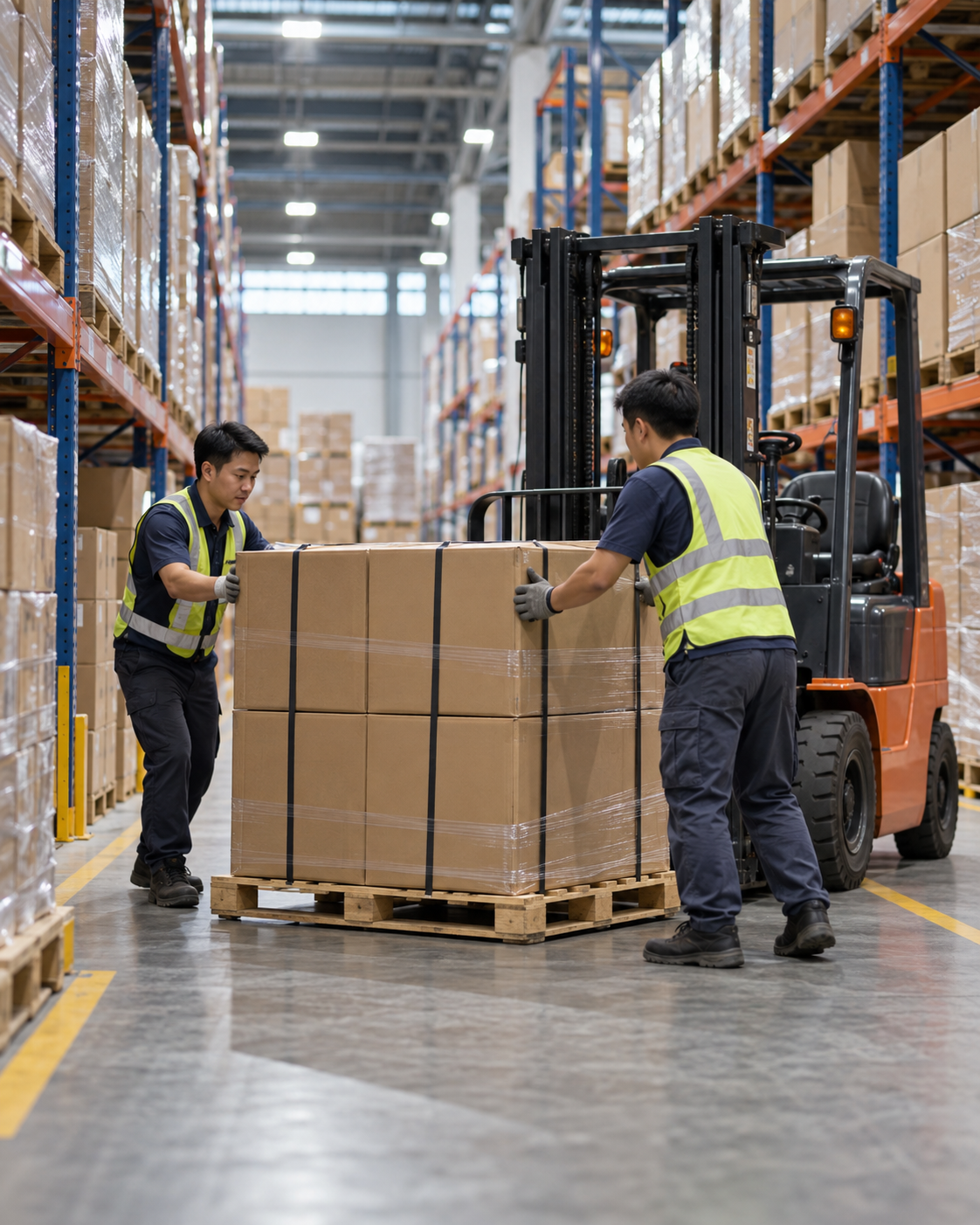
According to the indictment released by the U.S. Department of Justice in March, a Southeast Asian brokerage firm purchased approximately $2.5 billion worth of servers from a U.S. server manufacturer between 2024 and 2025. Prosecutors believe that these purchases and the logistics structure were part of a plan to transfer cutting-edge AI technology to Chinese customers.
Among these claims was a specific allegation that, from late April to mid-May 2025, U.S.-assembled servers worth more than $510 million were illegally shipped to China. It should be made clear that this, too, is an allegation made by the prosecution as stated in the original indictment.
Therefore, stating that $2.5 billion is the confirmed revenue from smuggling, or simply adding it to $510 million, would be an incorrect explanation. The difference is that the former refers to the total volume of purchases cited by the prosecution, while the latter refers to the volume of goods shipped out during a specific period. By distinguishing between the basis for these figures and the stages of verification, readers can gain a more accurate understanding of the case.
| Transaction Structure Involving a Southeast Asian Brokerage Firm
According to the prosecution, servers sold by a U.S. server manufacturer were shipped via a facility in Taiwan to a brokerage firm in Southeast Asia. Authorities claim that while the documents made it appear as though that firm was the end user, the actual destination was a Chinese customer.
The brokerage firm is accused of shipping the goods to China using boxes that had been repackaged and labeled in a way that made it difficult to identify their contents. Prosecutors explained that purchase orders, related records, and correspondence were also prepared in a way designed to conceal the identity of the end user.
The reason this structure is problematic is that export controls aren't a system that only verifies the country of initial sale. It matters who the end user is and even which country the product is re-exported to. In transactions involving multiple companies, if the buyer listed on the documents differs from the actual user, it becomes difficult for both the supplier and regulatory authorities to verify the facts.
| Charged with deceiving investigators by using a mock-up server and even staging a physical inspection
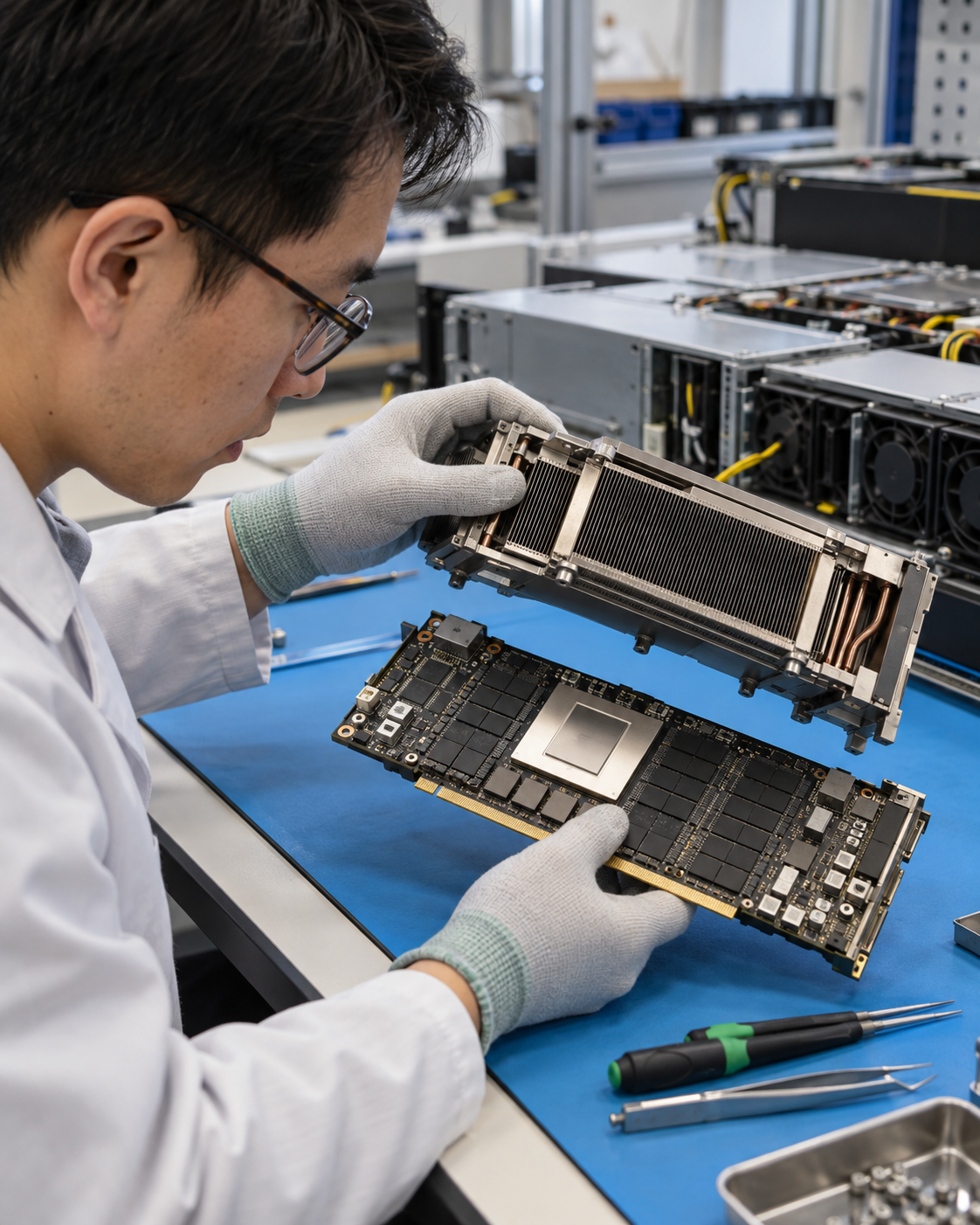
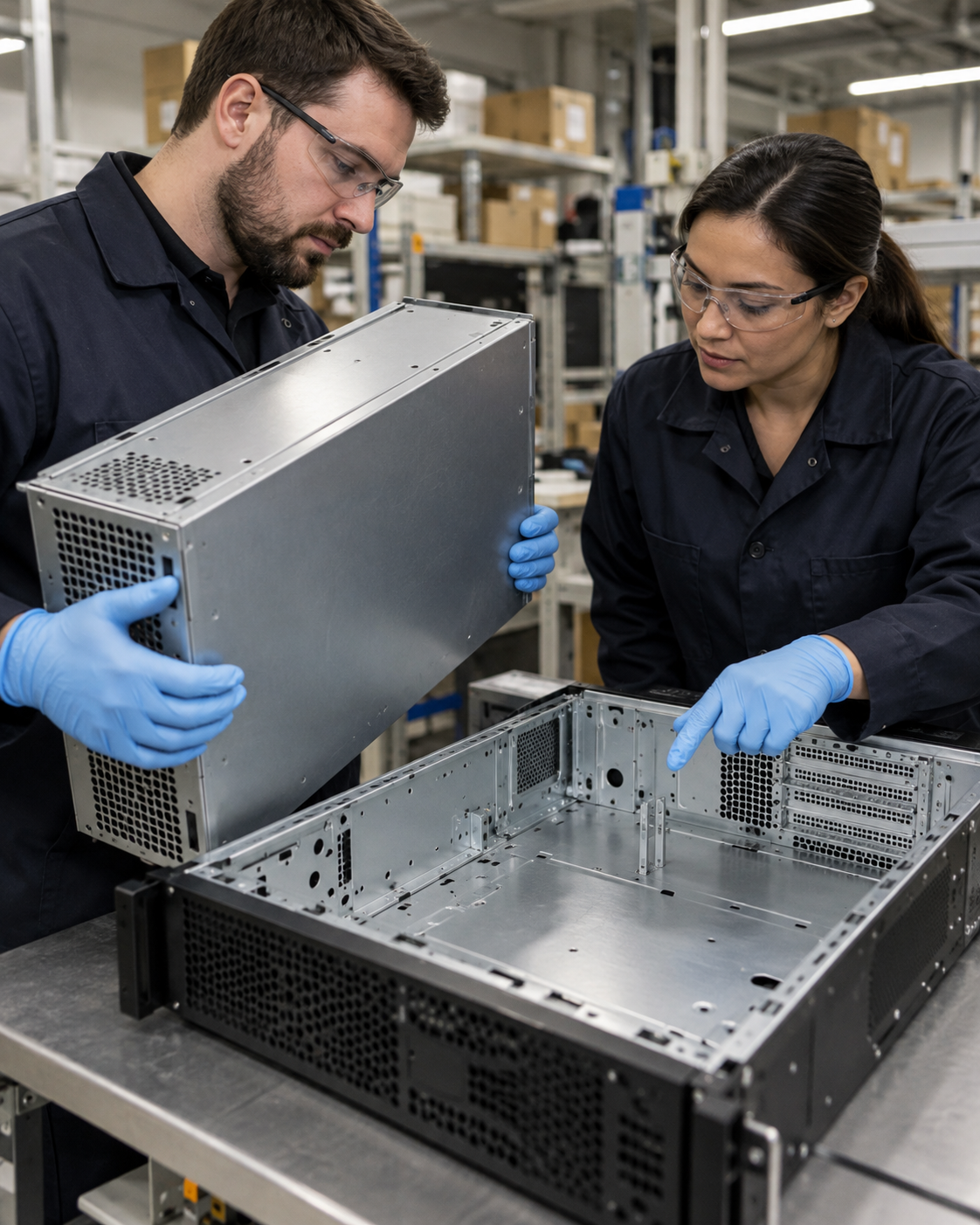
What’s particularly unusual about this case is the “dummy server.” This refers to a non-functional mock-up designed to look exactly like a real server. Prosecutors allege that the individuals involved shipped the actual products elsewhere and placed large quantities of these mock-up servers in the warehouse during on-site inspections to make it appear as though inventory remained.
The Ministry of Justice explained that a mock server was used during the manufacturer’s internal audit in August 2025, and that a similar method was subsequently employed to prepare for an inspection by the U.S. Department of Commerce. According to the indictment, Seon was involved, along with other intermediaries, in the process of relabeling equipment boxes and re-affixing serial number tags.
The allegation goes beyond mere inaccuracies in export documents; it suggests an attempt to mislead the on-site inspection itself. The fact that this guilty plea includes a charge of conspiracy to obstruct justice demonstrates why this process is a crucial part of the case. However, the specific scope of the admissions regarding individual acts will need to be further confirmed through the court records and sentencing proceedings.
| The Background Behind NVIDIA GPUs Becoming Subject to Regulation

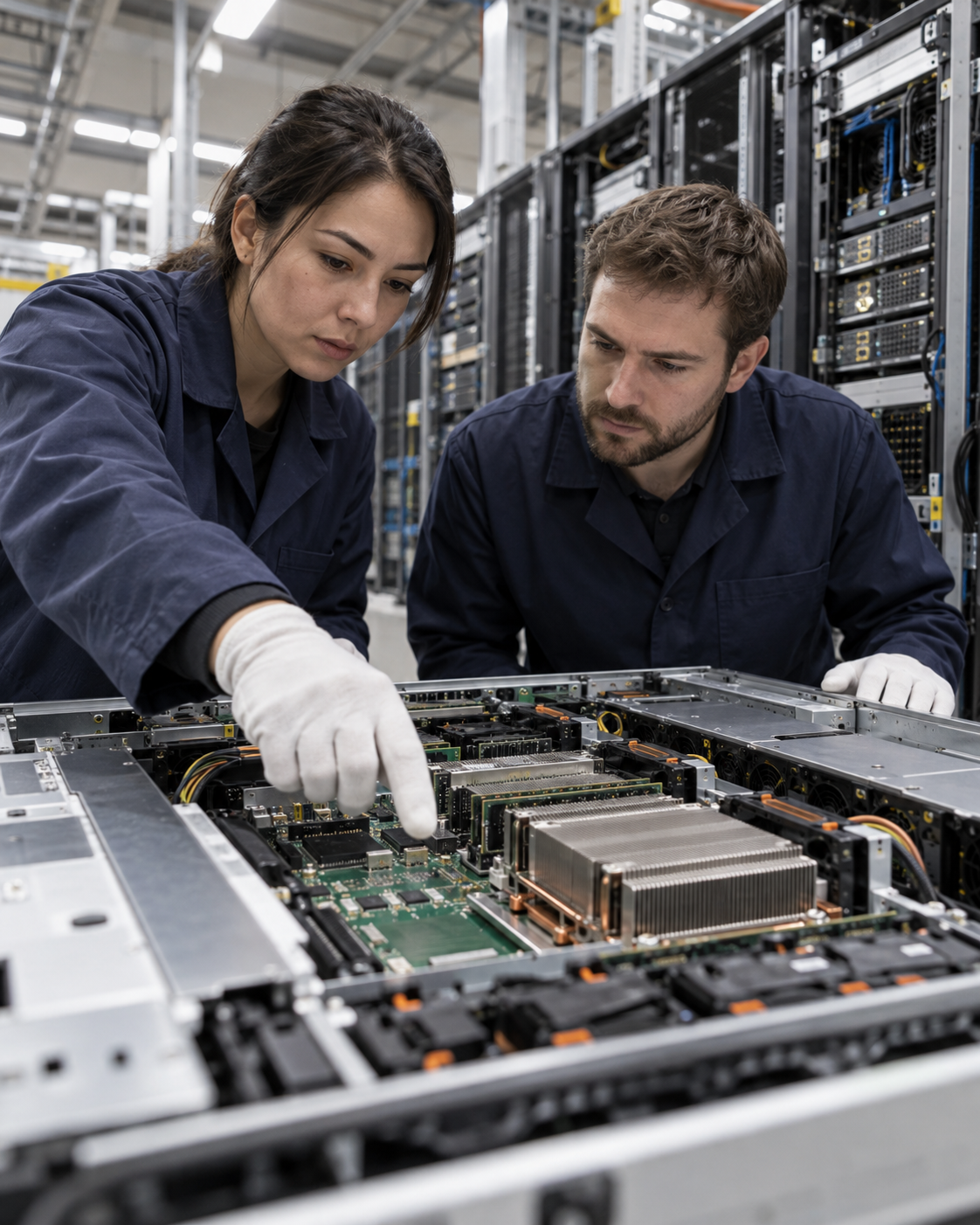
The hardware mentioned in this case refers to high-performance AI servers, including NVIDIA’s B200, H100, and H200 GPUs. GPUs are devices that perform massive matrix operations in parallel, supporting AI model training and inference. Export controls focus not only on the performance of a single chip but also on the computational power of servers composed of multiple connected chips.
The U.S. government has imposed licensing requirements on certain exports and re-exports to China and Hong Kong on the grounds that advanced AI accelerators could be used for national security and military purposes. The indictment also identified the key issue as an attempt to misrepresent the final destination of the servers and transfer them without the necessary licenses.
Of course, this doesn't mean that all NVIDIA products or all transactions involving China are uniformly banned. Requirements vary depending on the type of chip, regulations in effect at the time, performance standards, the counterparty, and the end use. When evaluating a case, it is important to specifically examine which rules applied to the product and transaction at that time.
| This must be distinguished from Supermicro's own criminal liability.
The other two individuals indicted are Supermicro co-founder Yih-Shyan “Wally” Liaw and Ruei-Tsang “Steven” Chang from the Taiwan office. It has been reported that Sun served as a contractor and intermediary rather than a company employee.
Supermicro reaffirmed its previous position that the company itself was not named as a defendant in the indictment. It also told Reuters that it had severed ties with the individuals involved and that its business operations had not been affected. This explanation from the company should be viewed as the company’s claim and should not be confused with the legal proceedings involving the individuals.
At this stage, we cannot say that Liao and Chang’s guilt has been established based solely on Seon’s guilty plea. Furthermore, the fact that a specific company’s server was involved is entirely different from the claim that the company pleaded guilty to criminal charges. That is why the article distinguishes between the scope of liability for individuals, intermediary companies, and manufacturers.
| A Practical Warning for the AI Server Supply Chain

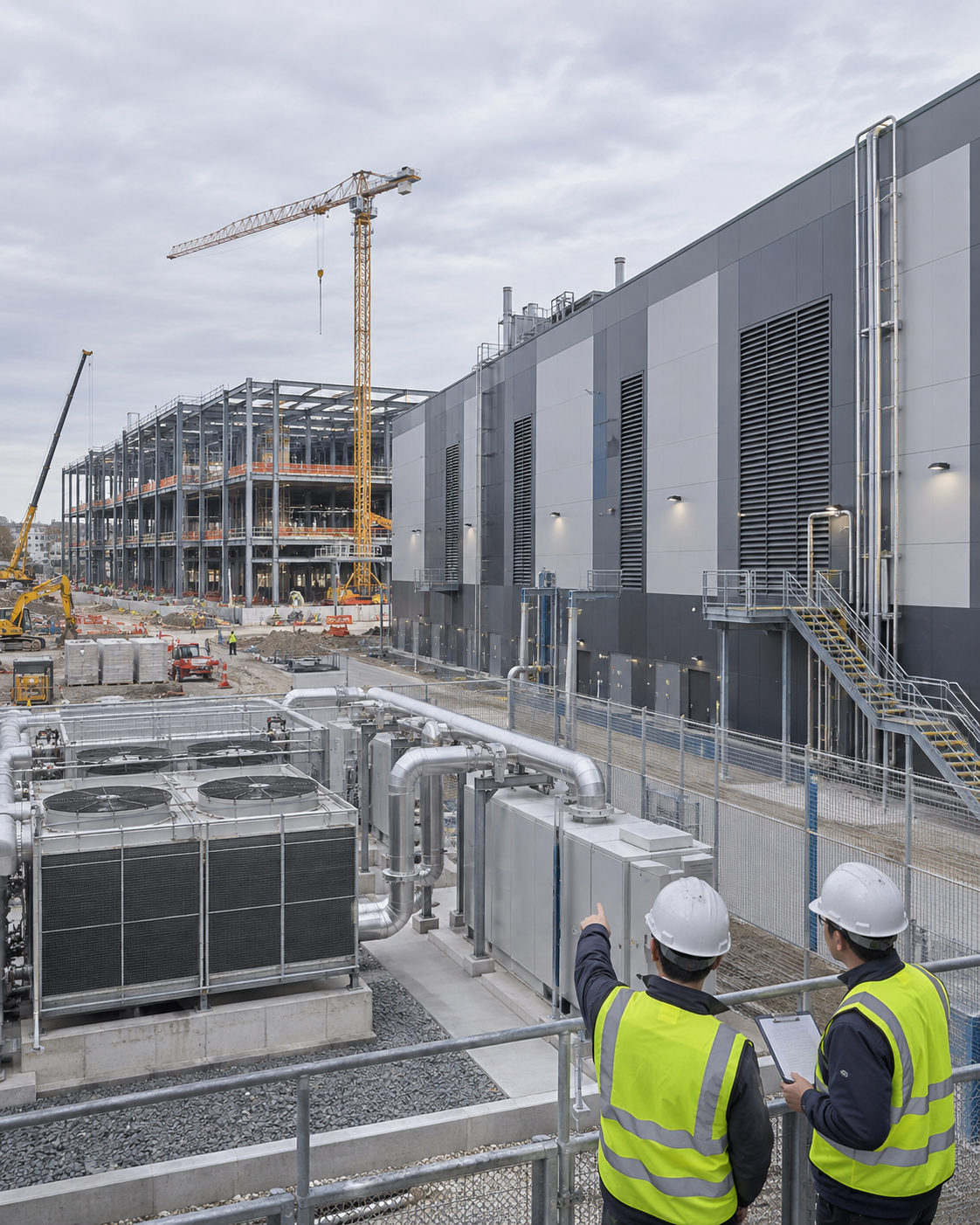
AI servers are often sourced from various countries, then assembled, inspected, and shipped through the logistics chain before reaching the customer. Simply verifying the buyer’s name at the point of sale may not be sufficient to guarantee the final destination. Transparency in the re-export process becomes even more critical, especially when large orders are placed repeatedly and multiple distributors are involved.
To the extent that the allegations in this indictment are found to be true, We can learn the lesson that multiple verification steps—such as document review, serial number verification, physical inspection of equipment, and tracking of logistics routes—are necessary. The allegation that the audit site was staged using mock equipment demonstrates that even the on-site verification process can be misled by false information.
Companies may face increasing pressure to extend their export compliance systems across their entire supply chains. At the same time, it is important to strike a balance: rather than casting suspicion on all global AI server transactions based on isolated incidents, companies should evaluate specific instances of noncompliance and the oversight mechanisms in place.
| From now on, I'll have to look at cases involving other defendants in addition to the one in which the verdict was handed down.
This news is significant because it marks a new phase in the legal proceedings regarding the long-standing allegations of export control circumvention. However, based solely on this Reuters report, it is impossible to draw definitive conclusions about the sentencing schedule, the length of the sentence, the specific details of the defendant’s statement, or the outcome of other defendants’ cases.
Going forward, we’ll need to see what sentences the court imposes based on the guilty plea, how the trials of the other defendants proceed, and how the export control systems of the relevant companies are actually improved. The licensing criteria for advanced GPUs applied by the U.S. also remain a separate policy variable.
If you look only at the large figure of $2.5 billion, it might seem as though all the facts have already been established. However, the only thing that has been clearly confirmed so far is one person's guilty plea. This incident demonstrates that in the competition for AI infrastructure, key competitive factors now include not only performance and supply volume but also end-user validation, transaction records, and the ability to comply with regulations.
References

Tags
#Supermicro #SuperMicro #NVIDIA #AI Server #GPU #B200 #H100 #H200 #U.S. Export Controls #Chinese Semiconductors #AI Infrastructure #International Trade #Server Supply Chain #U.S. Department of Justice