British semiconductor design company Arm recorded revenue of $1.44 billion in the second quarter of fiscal year 2027. This represents a 27% increase compared to the same period last year, notably indicating that demand for data center semiconductors is actually being reflected in Arm's performance. The fiscal year name differs from the standard calendar, and the quarter for which these results were compiled ended on September 30, 2026.
The key point of this announcement is not just the revenue figures. While Arm has long provided technology and design assets to enable other companies to design processors, it is now growing a new business supplying customers with its own directly designed Arm AGI CPUs. This represents a shift for a company that used to receive technology licensing fees, now seeking to generate revenue from the actual supply of server chips.
However, you need to distinguish between the future revenue outlook for AGI CPUs and the revenue already recognized this quarter. The maximum $2 billion mentioned by the company is a forecast covering the 2027 and 2028 fiscal years, so the performance of the new business must be verified through future deliveries and results.
Performance Growth and Changes in Business Structure

Arm announced second-quarter revenue of $1.44 billion, a figure the company described as its highest-ever second-quarter performance. It also highlighted that the company recorded a year-over-year growth rate exceeding 20% for five consecutive quarters. This serves as a clue to gauge whether the AI boom relies solely on sudden, one-off orders or leads to sustained design demand.
Our existing business operates by providing semiconductor design technology and enabling client companies to utilize it to manufacture chips. Since the structure involves accumulating royalties as customers sell products, the risk composition differs from that of manufacturers that must invest directly in individual production facilities. While the newly added in-house silicon business presents an opportunity to expand revenue, it also brings new challenges regarding product supply, inventory, and customer delivery management.
| The difference in temperature between license and royalty revenue
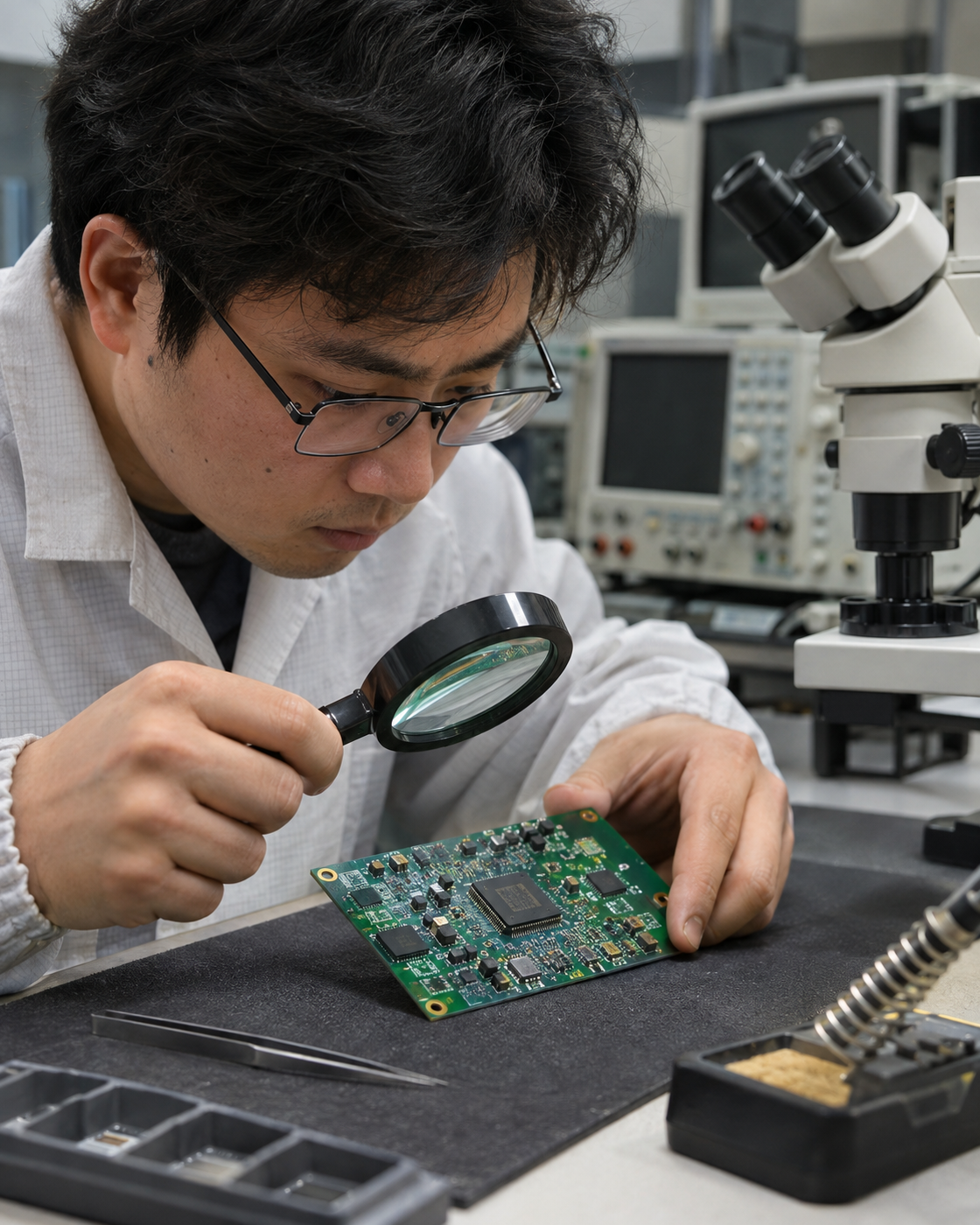
License and other revenue was $773 million, up 50% from the previous year, and royalty revenue was $670 million, an 8% increase. Looking at the difference in growth between the two items, you can understand that it takes time for the adoption of new technologies to translate into actual shipment increases. These two figures may not exactly match the rounded total revenue.
Licenses can arise during the stage of adopting a new design or obtaining access to technology. On the other hand, royalties have the characteristic of growing in scale when chips using the technology are actually shipped. Therefore, while the fact that license revenue has increased rapidly is a positive leading sign, it does not mean that the same growth rate will immediately appear in royalties in the next quarter.
| Data Center Royalty Doubled
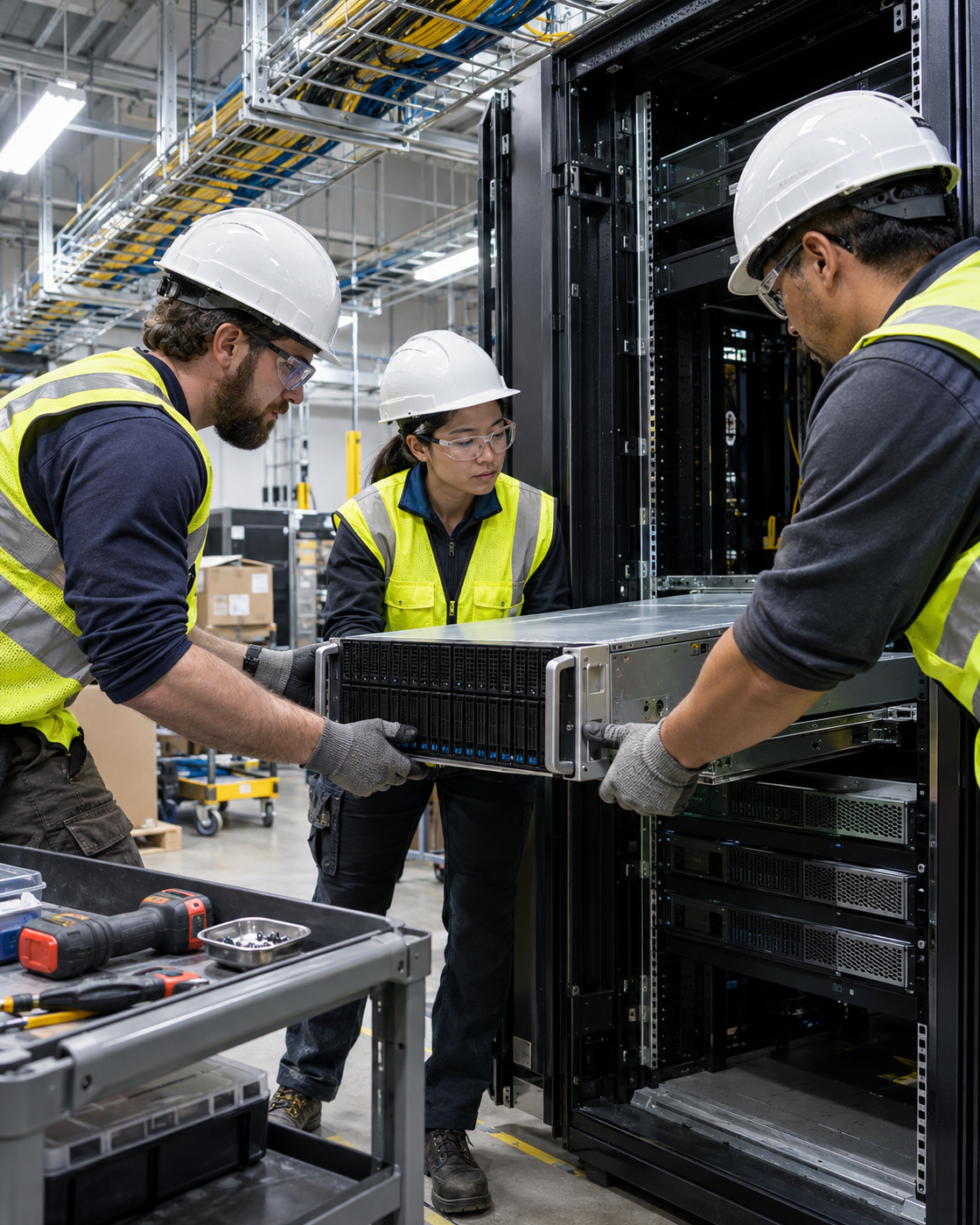
Arm announced that data center-related royalties doubled compared to the same period last year. To operate AI services, you need not only accelerators like GPUs but also CPUs that prepare data, distribute tasks, and manage networks and storage. As the computational performance of GPUs increases, the efficiency of the general-purpose servers supporting them also becomes an important selection criterion.
The expansion of Arm-based server CPUs is linked to the trend of cloud companies adopting their own custom-designed chips, such as AWS's Graviton, Google's Axion, and Microsoft's Cobalt. However, the share of server architectures among major cloud providers announced by Arm is not the same indicator as the total global server market share. It is inaccurate to interpret this as meaning that Arm accounts for half of the world's servers.
| The meaning of directly supplied Arm AGI CPUs
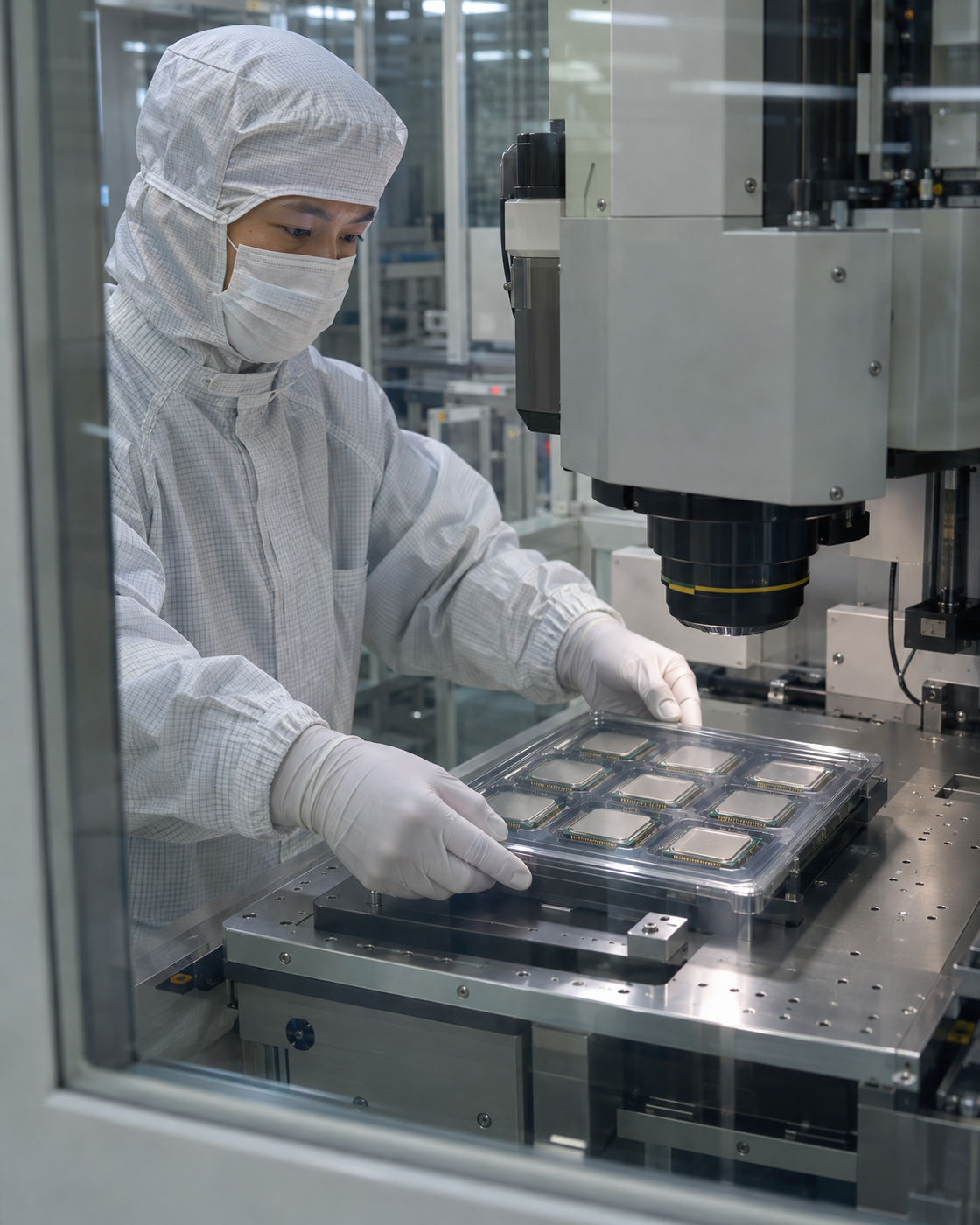
The Arm AGI CPU represents an attempt to directly supply customers with silicon designed by Arm, in addition to providing existing design assets. From the customer's perspective, this allows them to adopt a specific platform without having to independently design the entire server chip, while Arm gains the opportunity to translate the value of the finished product into revenue. The company also emphasized that it leverages the same Arm instruction set and software ecosystem.
However, if both a licensing partner and a business selling chips directly exist simultaneously, the roles can become complex. Since existing customers have differentiated their own products using Arm technology, an area where they can compete with Arm's finished products is emerging. How the company supplies to which customers and in what ways, as well as how it coexists with existing partners, are important points to observe in the mid-to-long term.
| Up to $2 billion forecast and actual delivery schedule

Arm explained that it is increasingly confident that AGI CPU revenue could reach up to $2 billion across fiscal years 2027 and 2028. It stated that it has secured purchase orders from multiple customers, including orders extending into 2027. It also explained that it has secured additional supply volumes for production.
The target for the first commercial delivery is the fourth quarter of fiscal year 2027. This corresponds to the beginning of 2027 on a calendar basis, so it does not mean that $2 billion has already occurred. Oracle Cloud Infrastructure has also announced plans to offer these CPU-based instances in 2027, but you must check the official service announcement for the actual availability and regions.
| Reshaping the Cloud CPU Competition
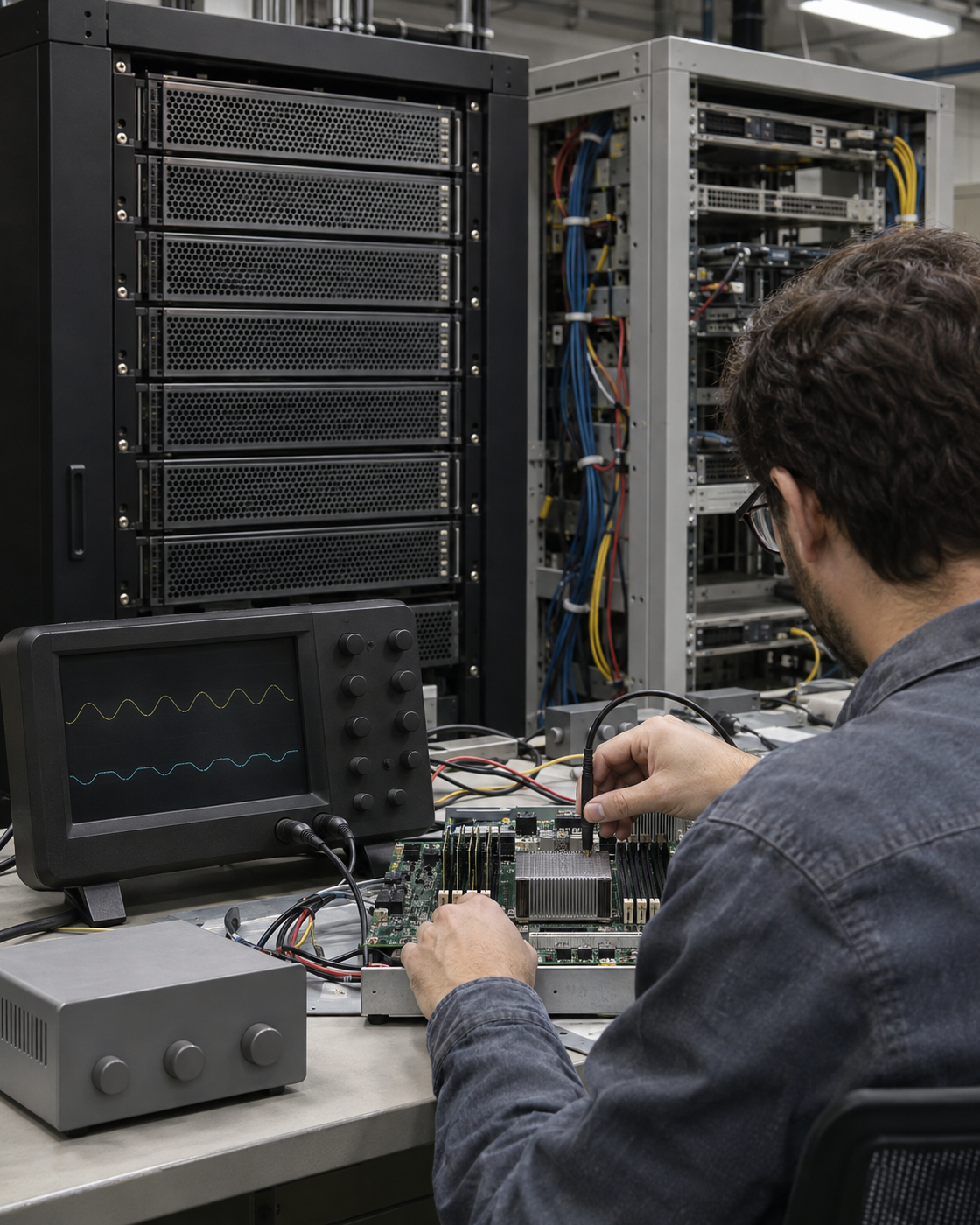
Intel and AMD's x86 product families have long held a dominant position in the server CPU market. Arm architecture has penetrated data centers armed with power efficiency and customer-specific design flexibility, and the proprietary chip strategies of major cloud providers have reinforced this trend. Now, Arm's direct supply model adds a new option to that competition.
Arm said that the adoption of Arm-based servers by large cloud providers has increased from 15% in 2024 to more than 50% in 2025 and is expected to exceed 60% by the end of 2026. This figure is a description of a specific customer group and indicator defined by the company, so it should not be read as sales share of the external market as a whole. Competition results depend on actual build size and operating cost data.
| Criteria for power efficiency claims and verification

Data centers are sensitive to how much work a server can handle within the same space and power. In situations where power contracts and cooling facilities are restricted, throughput and performance per power across the rack can be more important indicators than the top speed of a single chip. This is why Arm is targeting AI infrastructure.
In a comparative analysis of Signal65, Arm introduced that AGI CPUs had about twice the performance per rack compared to AMD EPYC 9755. However, this is based on specific test conditions and comparison subjects. Actual buyers should look at application type, software optimization, server configuration, pricing, cooling costs and maintenance. It's hard to take certain benchmarks as a guarantee that all data centers will have the same performance difference.
| Projections for the next quarter and the challenge of confirming new business
Arm projected revenue of approximately $1.54 billion for the third quarter of fiscal year 2027. While this reflects the company's assessment that demand for AI infrastructure will not weaken immediately, it is important to remember that revenue forecasts differ from confirmed results. The chip supply chain, the pace of customer capital investment, and the profitability gap between existing royalty businesses and new ventures are also variables.
What needs to be checked going forward is whether the first shipment of AGI CPUs proceeds as planned, how the client extends the actual service and how the direct supply business changes the overall profit structure. This announcement signals that Arm is moving beyond being a provider of foundational technologies for AI data centers to becoming a supplier of CPU products, but the success of that transition will be judged more concretely starting with the next earnings report.
Tags
#Arm #ArmHoldings #AGICPU #AI Data Center # Server CPU #Semiconductors #Cloud Infrastructure Licences Royalty #Semiconductor Design #AI Infrastructure