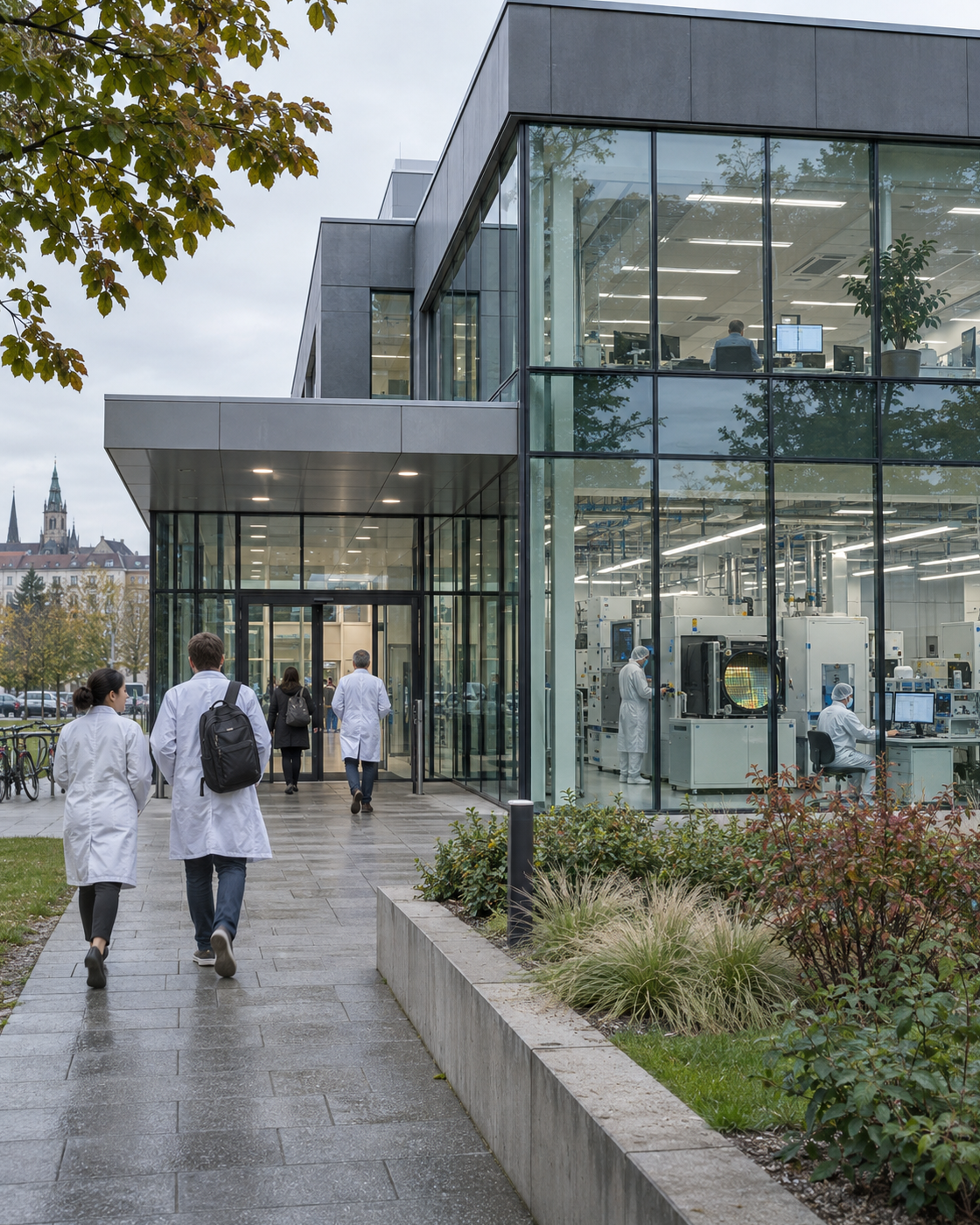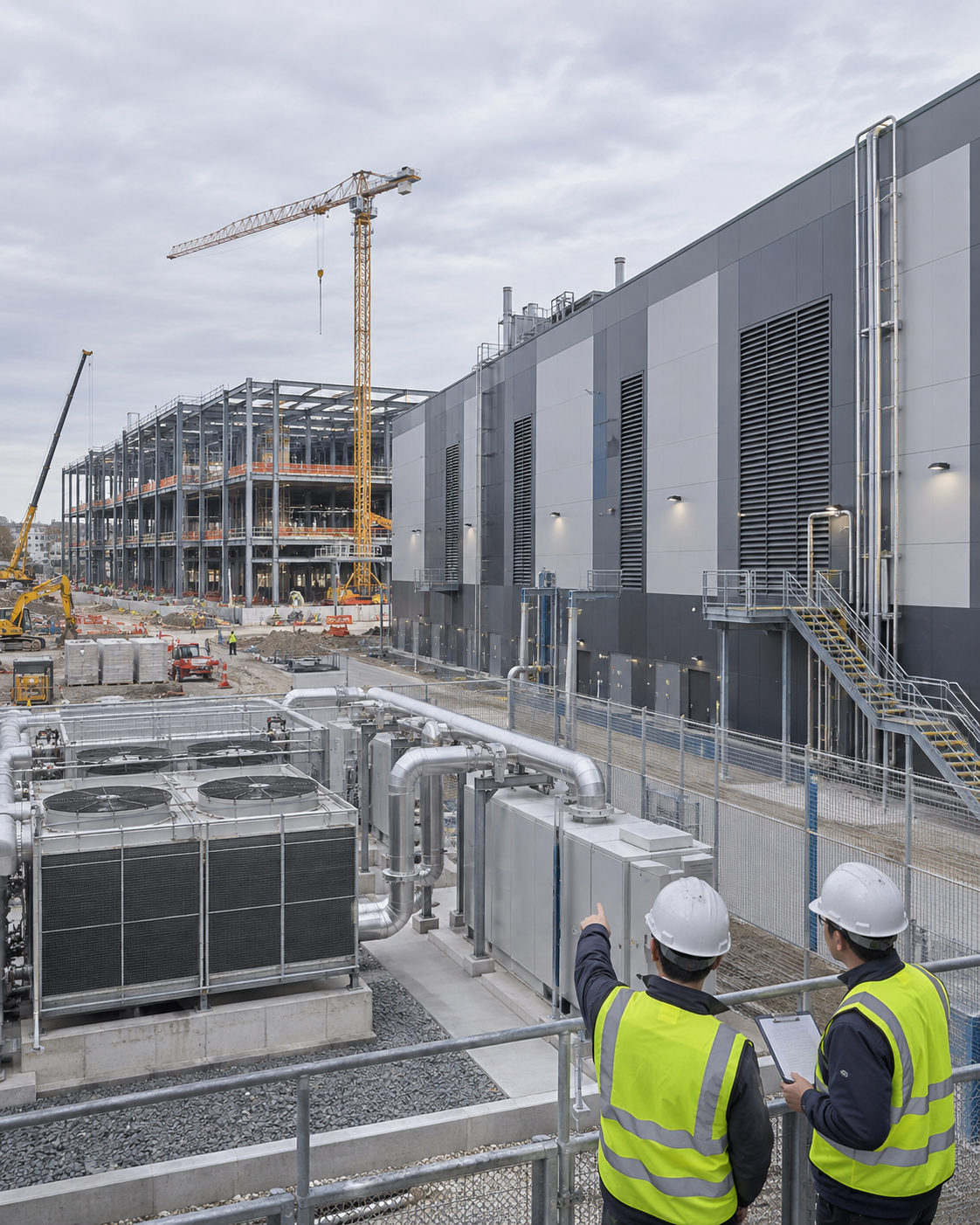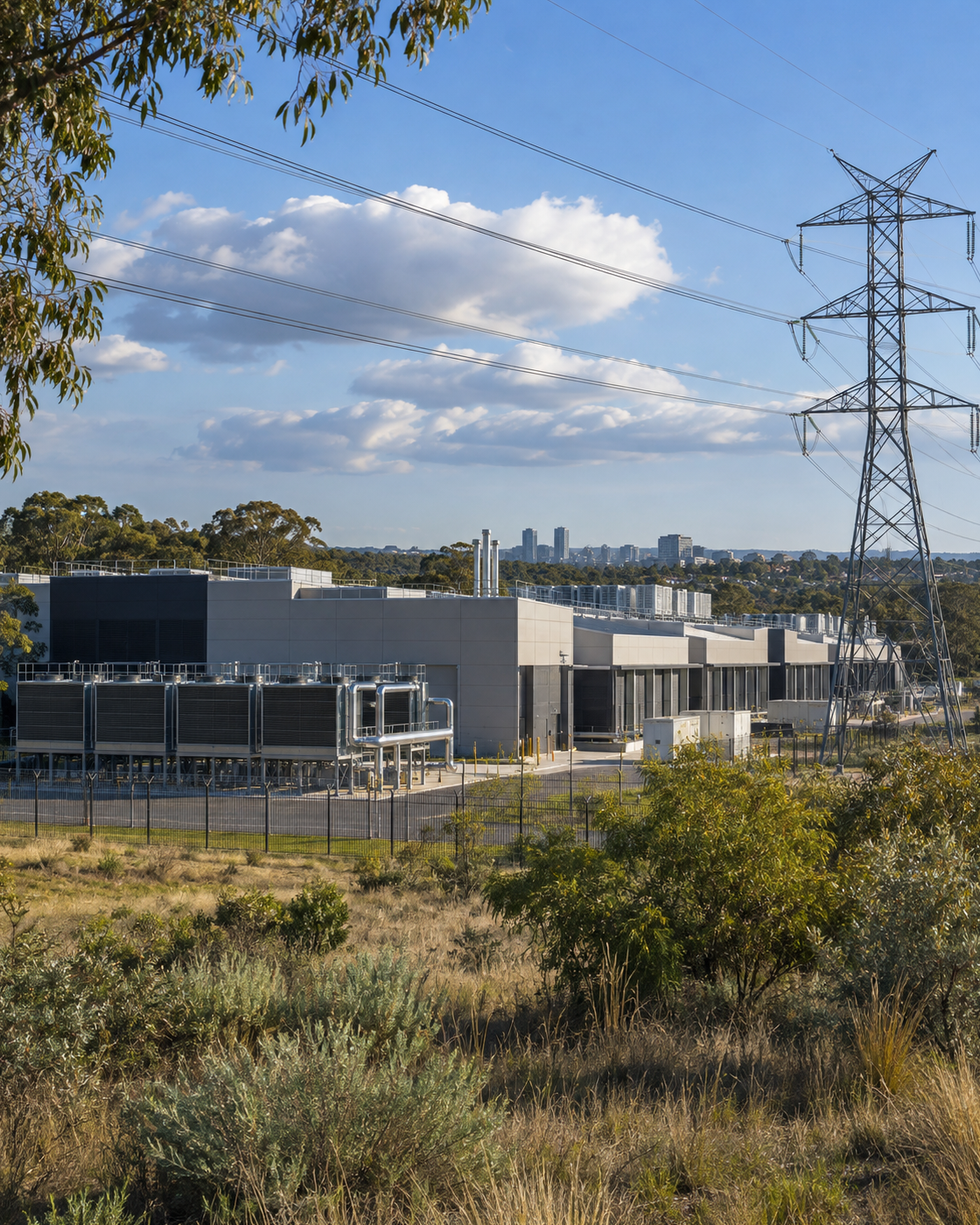
A congressional commission in New South Wales (NSW), Australia, has released a final report pointing to the problem with the data centre licensing system. The core of the report is that it is difficult to properly evaluate the power, water, transportation, and land use burdens that occur when multiple data centers are concentrated in a region, considering only the impact of individual facilities separately.
This investigation is significant in that the conflict surrounding the construction of AI data centers has become more than just a local complaint, it has been subject to an official policy review. The investigators called for greater agency coordination and cumulative impact assessment, but the recommendation to suspend new development and licensing was not included in the final report.
In particular, the minutes of the committee record the process of removing the recommendation to stop licensing by 6 to 1. Therefore, based on the report, it is not true that Australia banned the construction of data centres. What is currently confirmed is the findings and policy recommendations, not a new ban that is effective immediately.
| Institutional vacuum identified by congressional investigation
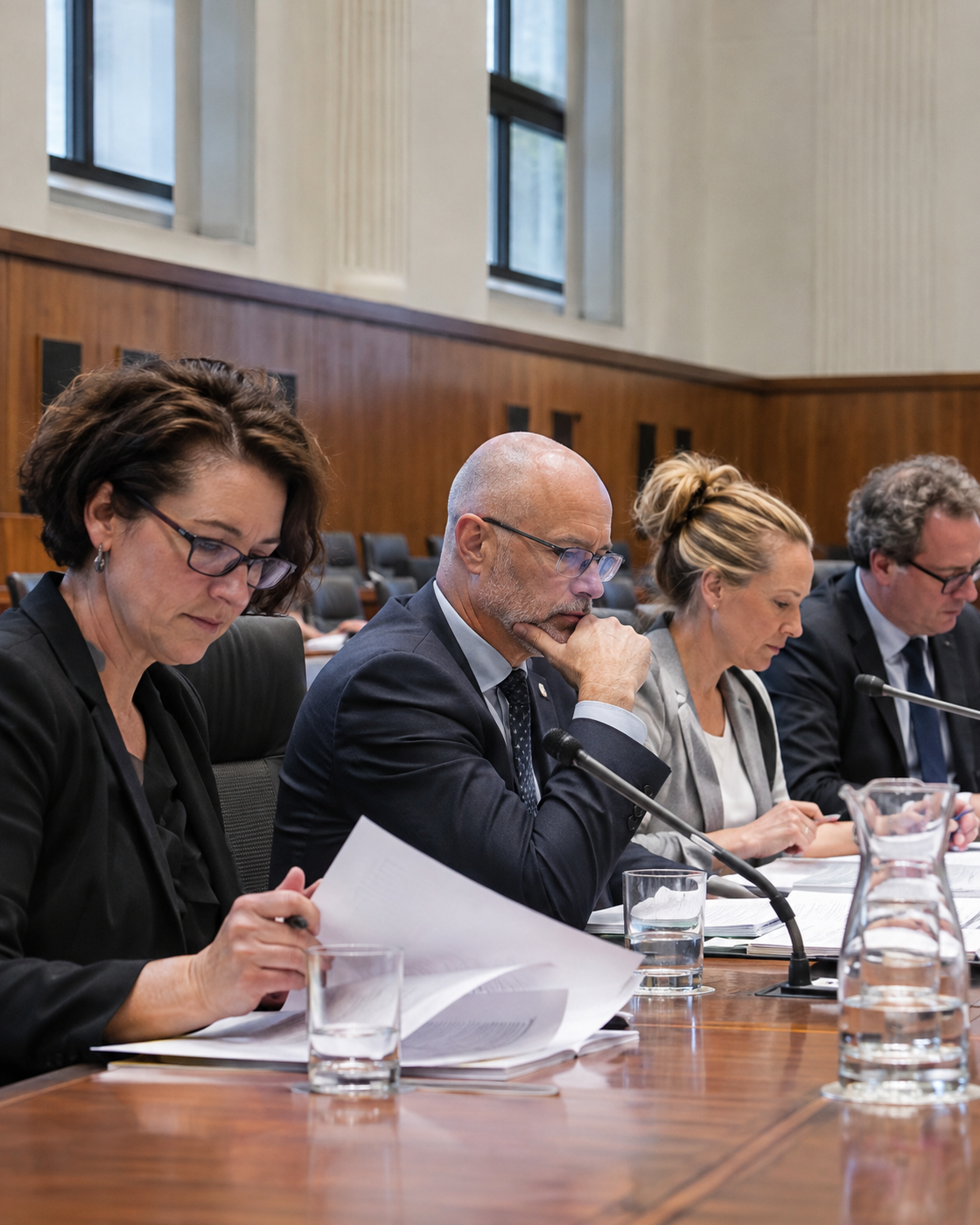
The NSW Parliament's Public Responsibility and Business Committee has been investigating data centres since January 2026 and released its final report on 5 November. According to the official announcement, we received 143 comments, held five public hearings, and conducted field visits to the data center. After reviewing the testimonies of various stakeholders, 26 recommendations were presented.
The problem with the report is that the current planning and approval system does not sufficiently reflect the industry's growth rate and cumulative burden, rather than the existence of the data center itself. If the approving body decides to review each case at the same time, there may be a different demand across the region.
| Difference between individual screening and cumulative impact
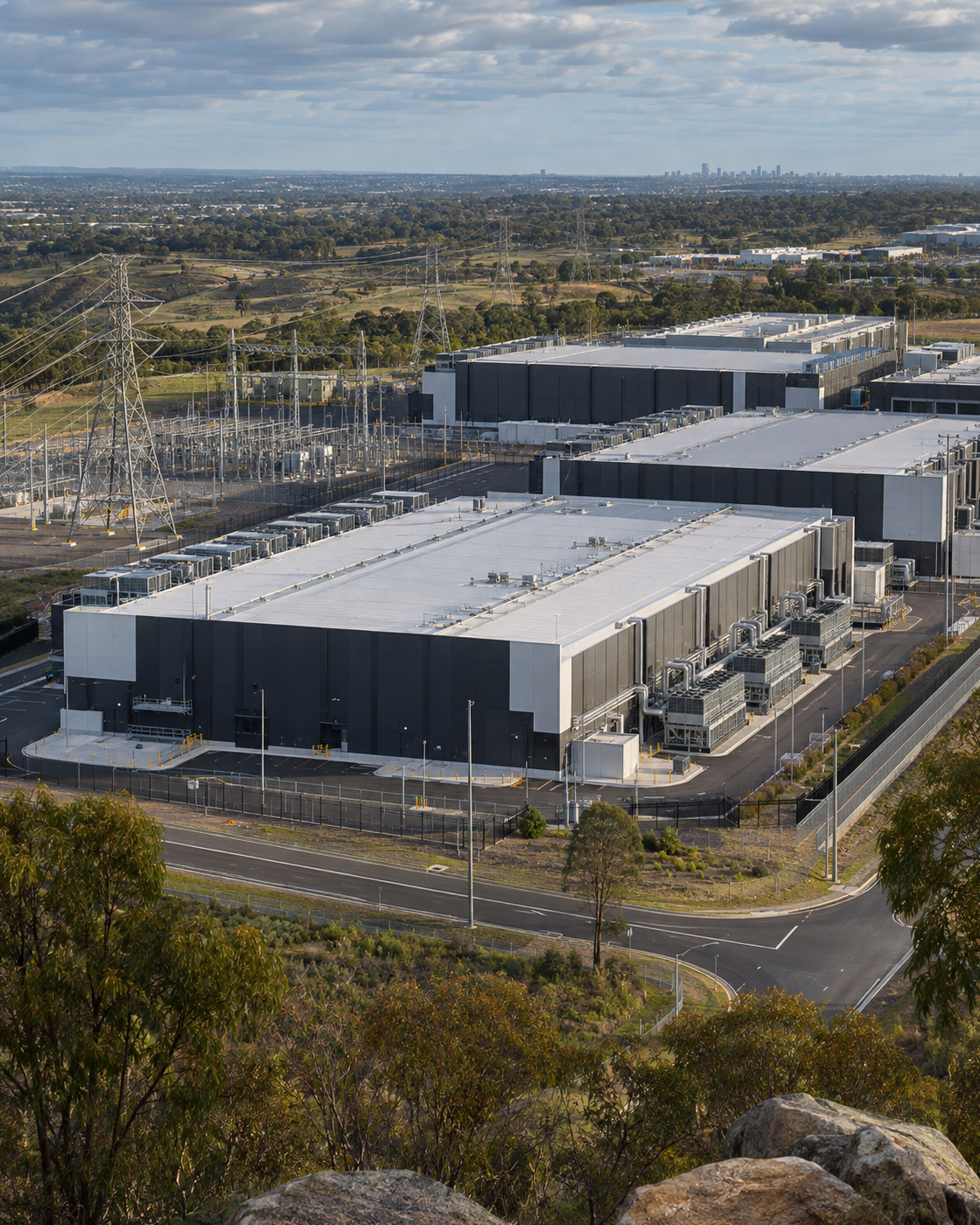
The amount of power or water a data center will acquire can be calculated in the business plan. However, if there are multiple data centers that use the same power grid and water purification facilities, the free capacity of the entire region can be quickly reduced. That's why the fact that each project has passed the statutory standard makes it hard to determine that the entire infrastructure is good enough.
The committee recommended modifying the planning requirements to further emphasize the cumulative impact of the review of important development projects. He identified areas with dense data centers, reviewed dedicated areas with adequate infrastructure, and publicly managed the power and water needs of approved and proposed facilities. This is a proposal to broaden horizons from individual permits to local plans.
| Power grid costs and general user protection
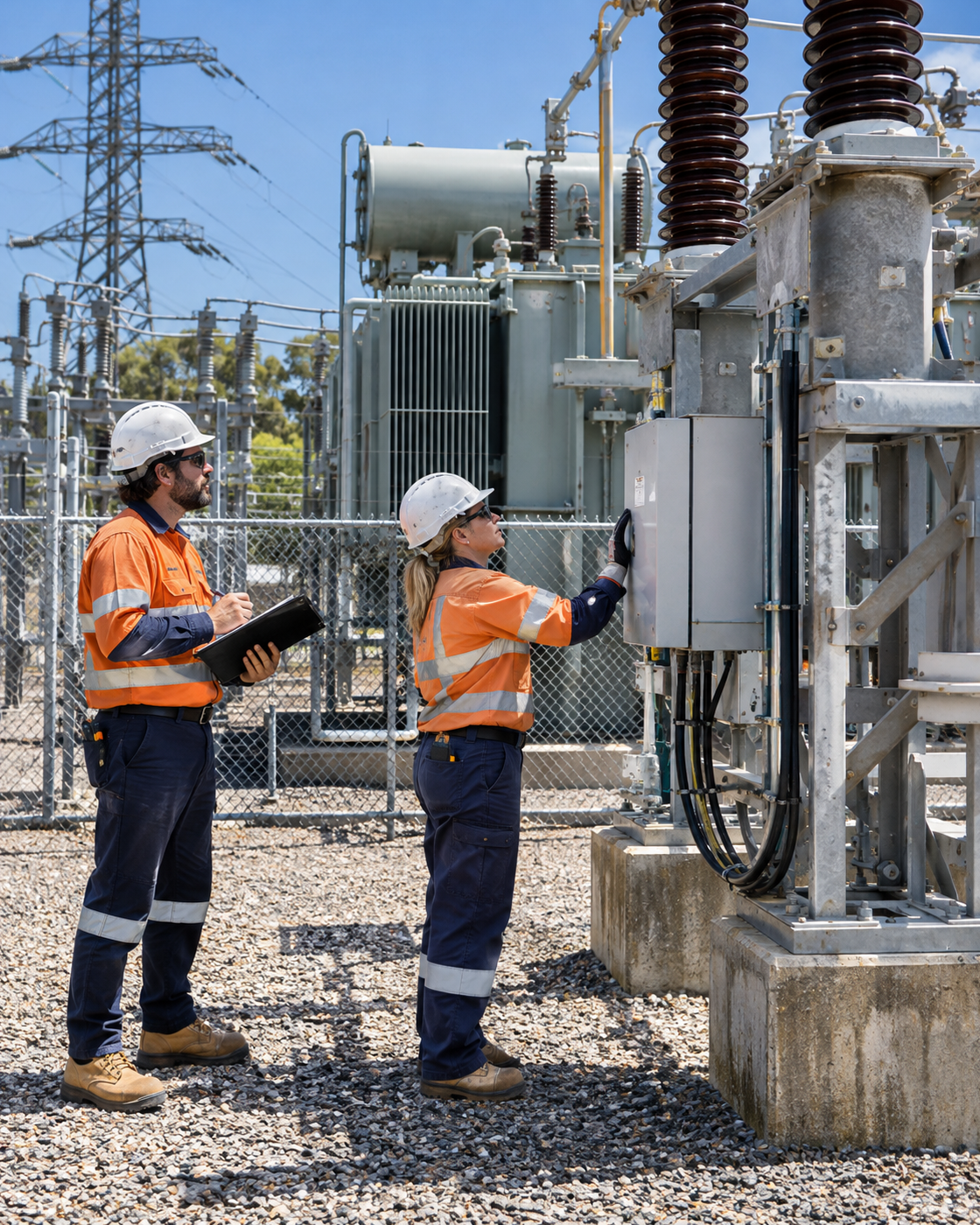
AI data centers may require the expansion of transmission lines and substation facilities to meet the rapidly growing demand for electricity. It is a sensitive issue who will bear the cost at this time. There is a discussion going on that the cost of the new infrastructure required for some businesses should not be transferred to the electricity bills of general households and small businesses.
The NSW Government previously issued a data centre policy system and guidelines in August 2026 and also collected opinions on power grid access and cost recovery reform. This congressional report serves to ask again if there are enough policies already in place or in preparation. The investigation recommendation was not immediately confirmed by the new pricing regulation, so a subsequent government decision is needed.
| Coolant demand and local water supply constraints

Datacenters use cooling equipment to handle server heat. Water usage varies greatly depending on the structure of the facility and how it is cooled, but it is likely to compete with other demand in dry times and urban expansion areas. Insufficient water supply capacity can affect not only new facilities, but also housing development and the operation of existing establishments.
The committee recommended a direction to increase the use of recycled water for cooling and to allow operators to bear the cost of expanding the water infrastructure needed for the data center. It also included a recommendation that a large facility or group of facilities should evaluate the cumulative impact on local water supplies. This does not mean that all data centers use the same amount of water, but that the aggregate demand in a given area should be managed by policy.
| Voting process for removal of construction cessation recommendations

In the investigation process, it was argued to suspend the development and licensing of new data centers until the environmental and social impacts were fully understood. However, the minutes of the final meeting recorded that the proposal to delete the recommendation to stop at the NSW level was passed with six votes in favor and one vote against. The proposal calling for the federal level to stop was also deleted in the same manner.
The chairman who voted against it was Abigail Boyd from the Green Party. In a separate statement, Boyd raised strong concerns about excessive energy and water use. On the other hand, the majority of the members adopted the recommendation to improve the planning and judging system rather than stopping altogether. This difference shows that there is a policy option between acknowledging local environmental concerns and preventing new development altogether.
| Land use conflict with locals
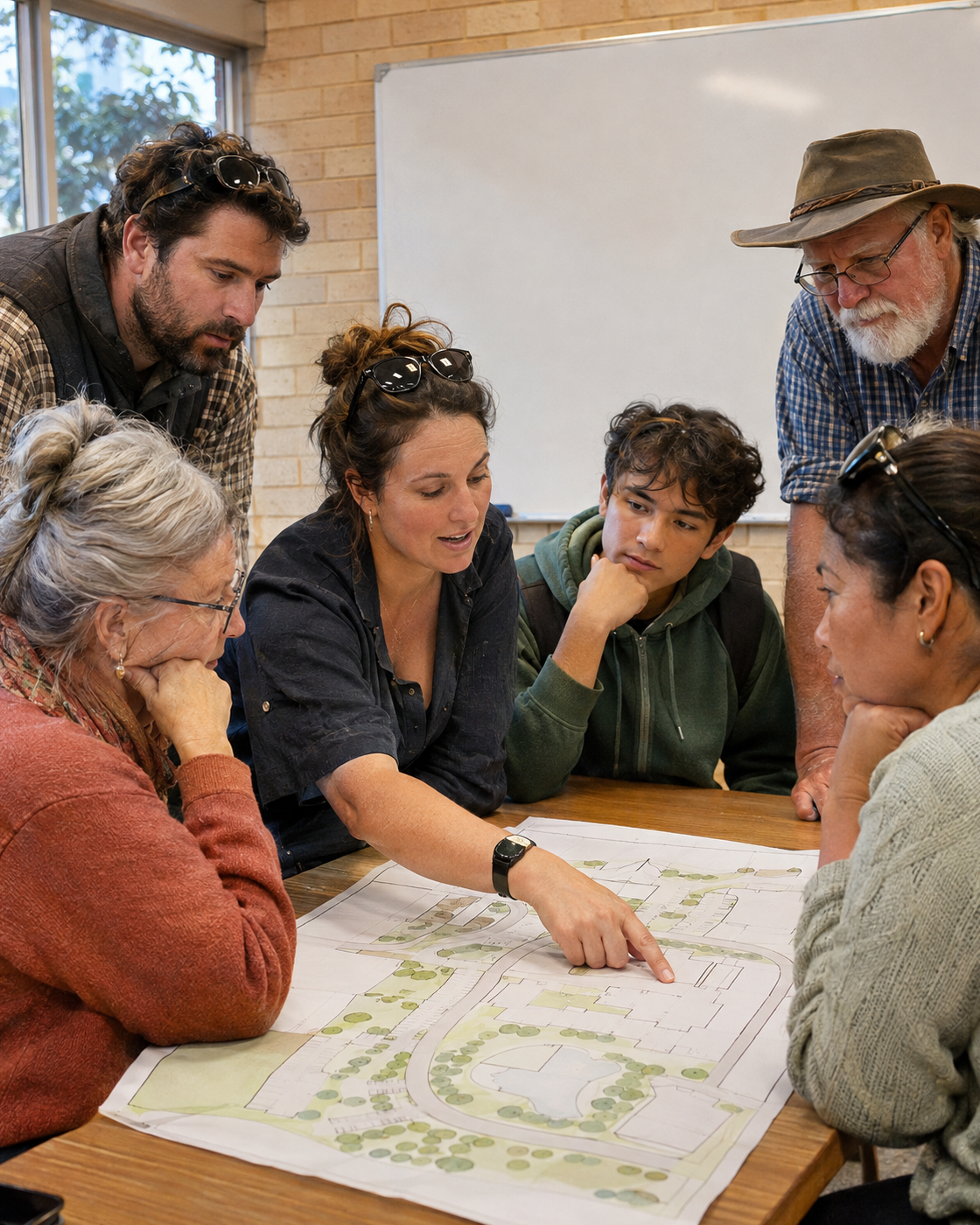
Construction jobs and long-term investments may occur once the data center is in place, but the size of the building, noise from the cooling system, the volume of construction traffic, and other uses of surrounding land must also be taken into account. In particular, in close proximity to residential and industrial facilities, opinions about the living environment are important beyond the direct electricity demand of the business.
The investigation committee recommended a way to improve the process for local governments and residents to participate in the evaluation of important development projects and respond to practical objections. Some people ask me to review how to protect industrial land and housing-related land. Rather than treating dissent as unconditional development, I can understand the need to address issues of facility layout and local infrastructure selection.
| Relationship between existing policies and additional recommendations
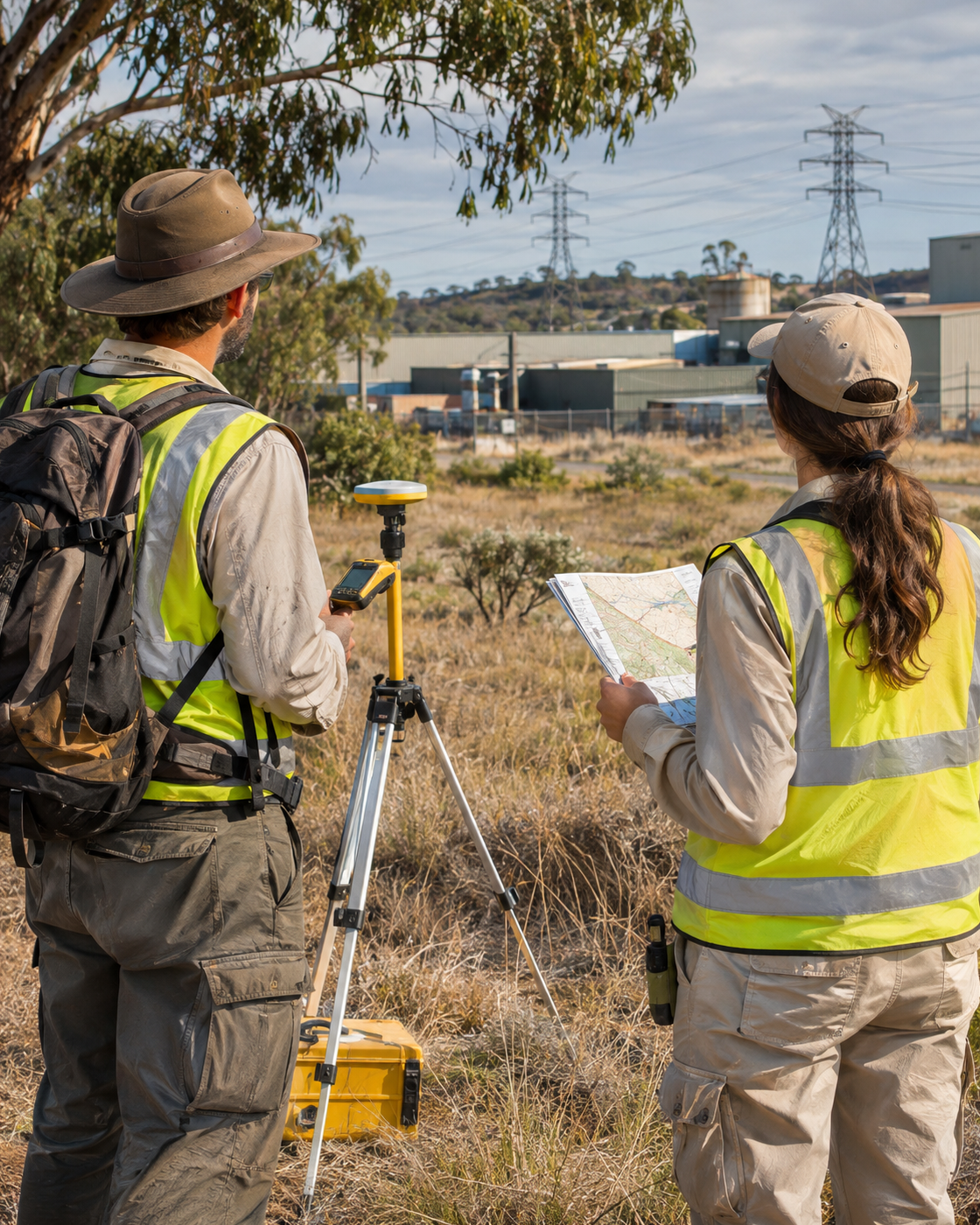
The NSW Government had already released a data centre policy framework in August. These guidelines outline principles for additional supplies of energy and water, environmental performance, and community contributions. Businesses that meet some of the criteria are also presented with policies that promise quick screening. So we don't have to look at this congressional report as a case of introducing new regulation at zero.
Rather, the question is whether to compensate for the gaps in the existing policy. The committee recommended a public register containing the approved facilities, the proposed facilities, and the estimated power and water needs of each facility. As this information accumulates, it can be easier to compare the burden of infrastructure by region. However, the scope of data disclosure and actual regulatory obligations depend on the subsequent design of the government.
| Observation points for government response and future regulation
This report is not a halt to development, but an official recommendation to change the screening and infrastructure policies. The NSW Parliament site has a timeline for the Government to respond to the final report by 5 February 2027. How far the government will accept the recommendation and reflect it in actual laws and guidelines will be revealed in the process.
What we will check in the future is whether cumulative impact assessment is mandatory, the cost of adding power and water is shared, the effectiveness of resident consultation, and the approval schedule of large-scale projects. The most important message of this report is that the expansion of AI infrastructure is not only a matter of computational power, but also a matter of managing regional co-resources and regulatory trust together.
References
NSW Parliament — Report No. 10, Public Accountability and Works Committee: Data centres
NSW Parliament — Inquiry into Data Centres, Report Tabled (5 November 2026)
Infrastructure NSW — NSW releases Data Centre Policy Framework and Guidelines
Reuters — Australia data centre inquiry finds inadequate checks, stops short of moratorium
Tags
Australia #NSW #Data Center #AI Infrastructure Licensing #Power Grid # Water management #Environmental Regulations # Parliamentary Survey # Cumulative Impact Evaluation #Industrial Policy