Opening time: October 27, 2026, 15:08 GMT
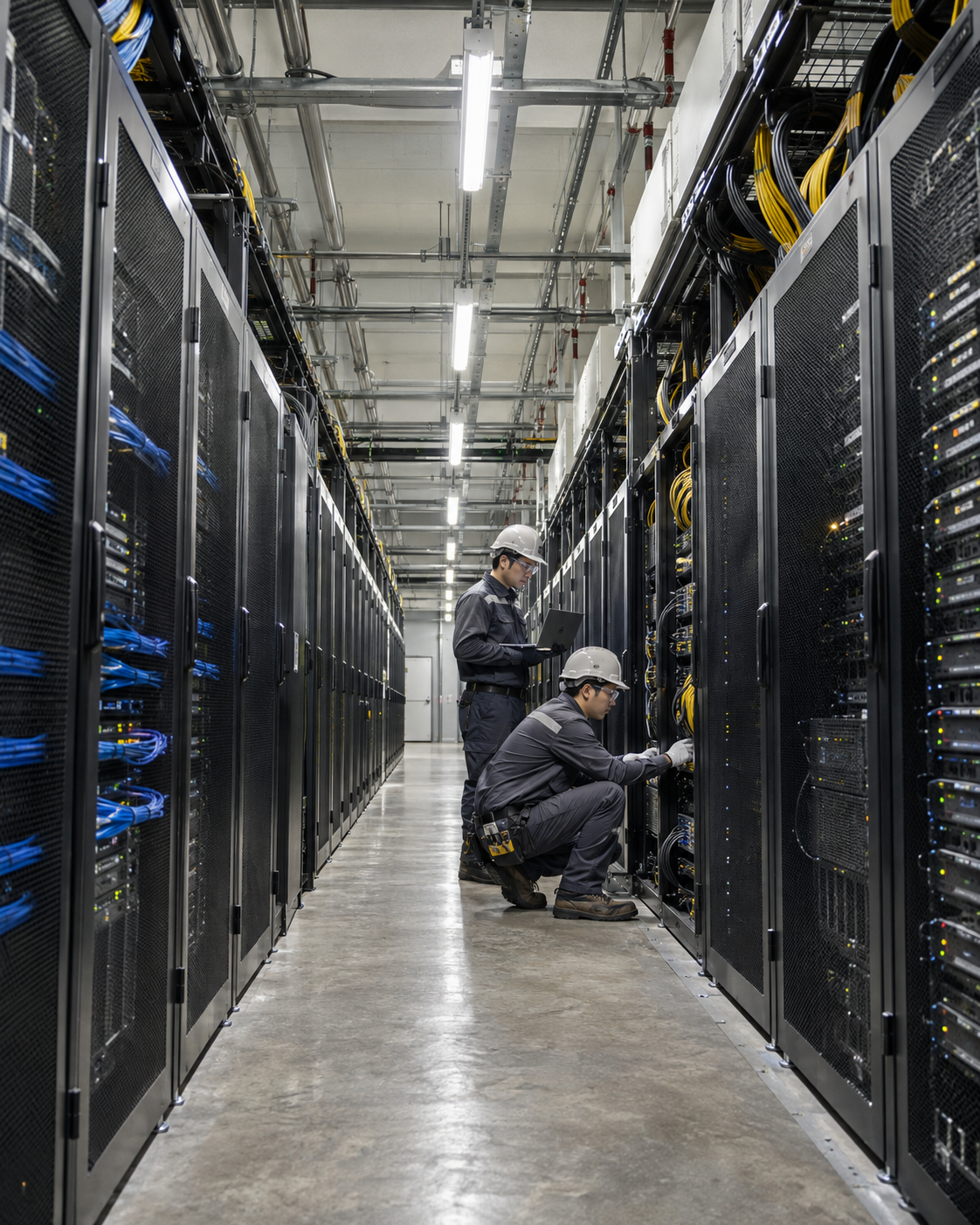
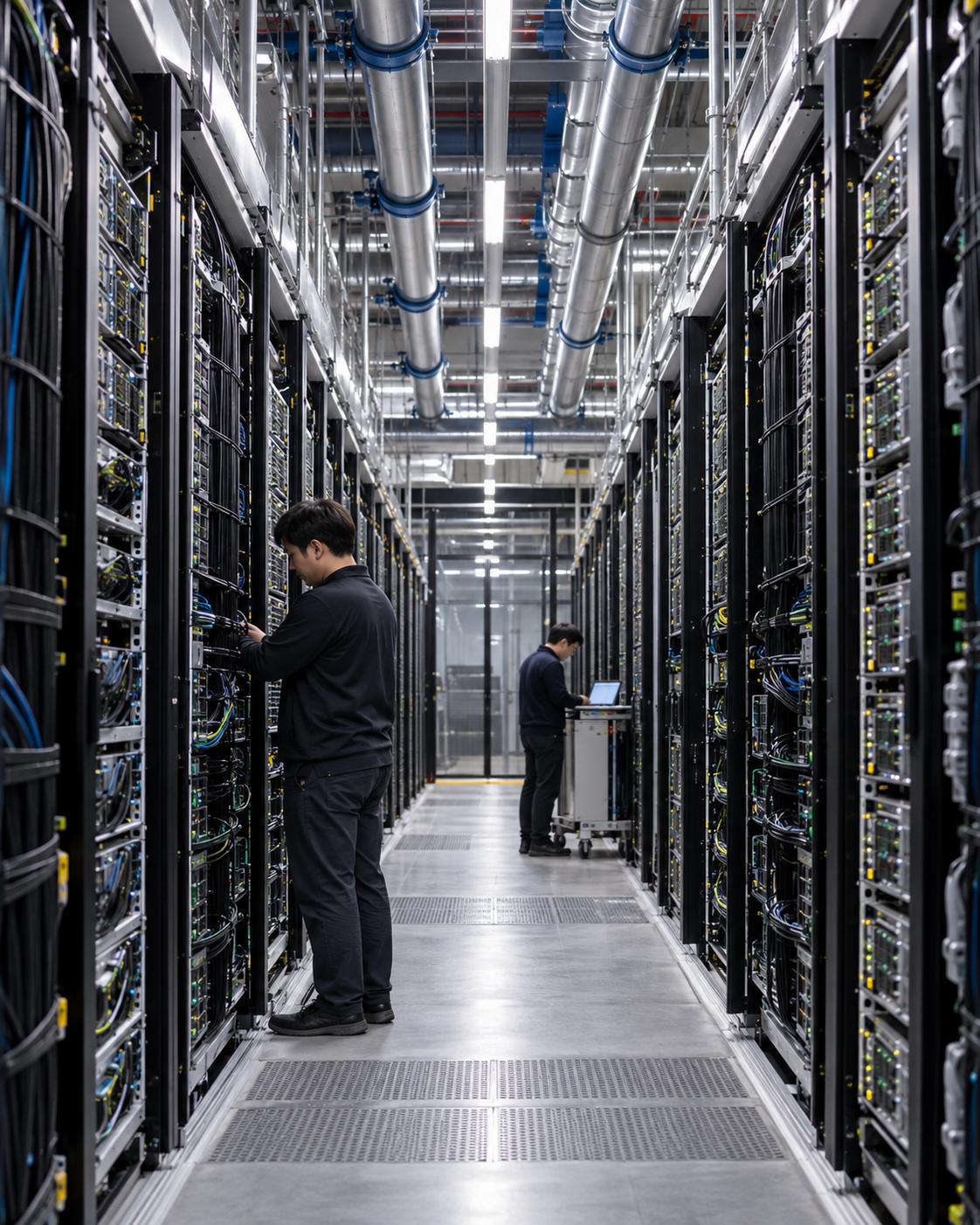
NVIDIA has announced that it will invest $3 billion in a public offering of shares in Meta. At the same time, we decided to expand technical cooperation with Meta's AI agent Muse to learn and execute related models more efficiently. As important as the investment itself is, the server configuration required to operate the AI agent on a large scale has been specified.
Vera Rubin, Vera CPU, Spectrum-X Ethernet, BlueField-4. This shows that system competition that combines CPU, network, and operational security is becoming important beyond the competition that only increases GPU performance.

| What a $3 Billion Equity Investment Plan Means
NVIDIA's official announcement includes a $3 billion investment in Meta's equity offering. The investment policy of participating in the public offering of shares has been disclosed, but it is not a confirmation that all funds have been paid and related transactions have been closed. This decision demonstrates a strategic interest in the fact that Meta's expansion of AI services is closely linked to the demand for NVIDIA infrastructure.
If the chip supplier invests in a major customer, the long-term interest can be stronger than a simple sales contract. However, this investment alone cannot be interpreted as saying that Meta decided to use only certain semiconductors. In fact, Meta also works with other semiconductor suppliers, so investment and exclusive supply should be clearly distinguished.
| Change in Muse model and agent demand

Muse goes beyond just a model that generates sentences for users' questions. It involves a flow that extends to an AI agent that connects to an external service and handles multiple phases of work. NVIDIA explained that it improves the learning and inference performance of the Muse series model together, and promotes optimization to lower the overall cost of ownership. Inference is the process of using the trained model in a real request to produce a result.
In agent services, a single user request can lead to multiple model calls, data retrieval, and tool execution. As the number of users increases, not only the speed of model computation, but also the cost and latency incurred at each stage depend on the quality of service. So, we can see this cooperation as an operation efficiency project beyond the supply of server equipment.
| Split roles between Vera Rubin and Vera CPU
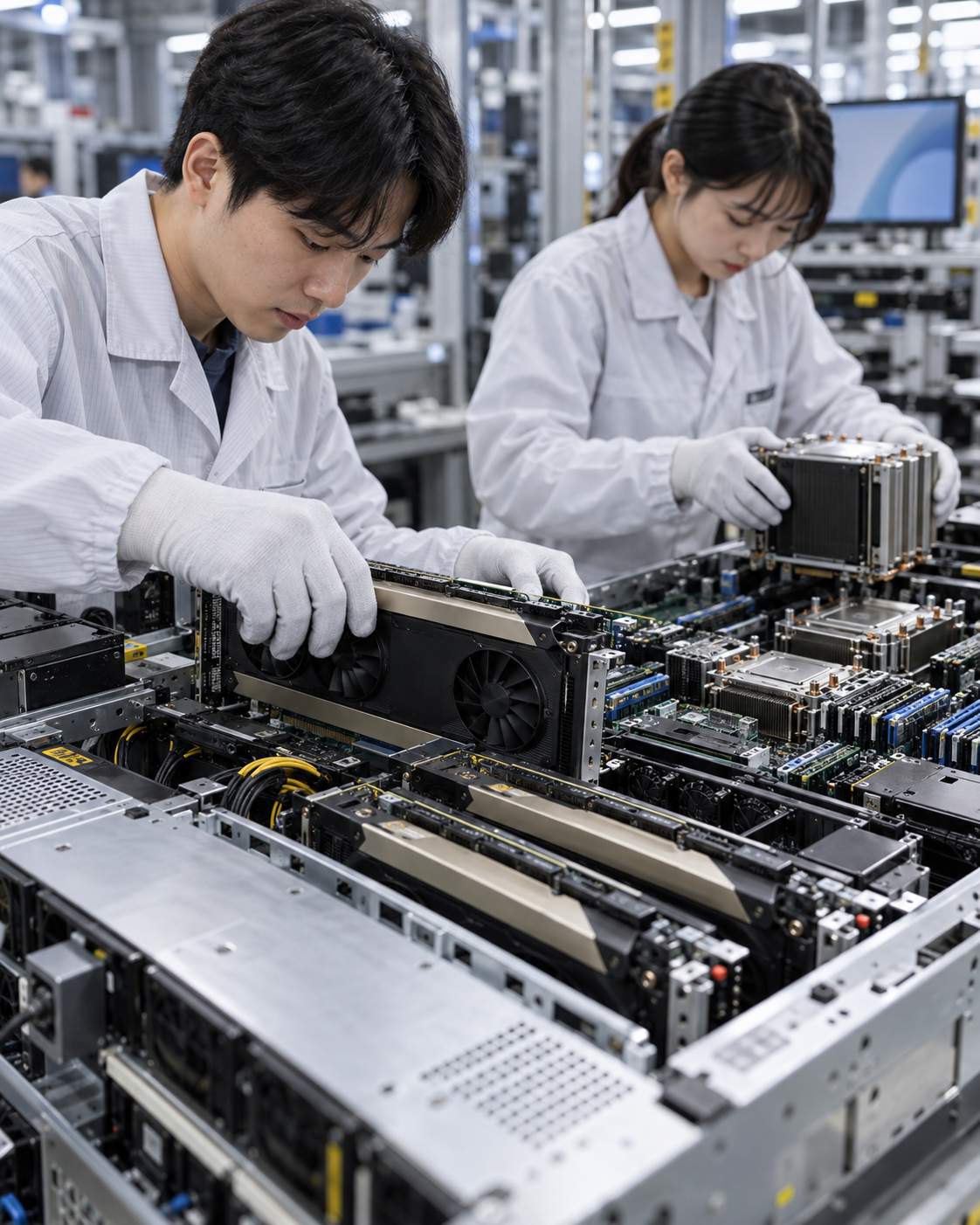
Meta plans to expand the use of NVIDIA Vera Rubin and Vera CPUs for next-generation infrastructure. GPUs are robust to large-scale parallel calculations, and CPUs are great for running external tools or managing the order of multiple tasks. Since agents frequently go back and forth between calculations and normal server processing, the balance of the two resources becomes important.
What's important here is the limitation of only increasing the number of GPUs. After the model finishes calculating, if the CPU operation is pushed, the user still experiences a slow service. The design of coordinating GPU and CPU together is an approach to reduce these bottlenecks. However, there is still insufficient reason to directly translate the performance direction disclosed by the company into the service cost reduction effect of actual customers.
| Optimize including network equipment
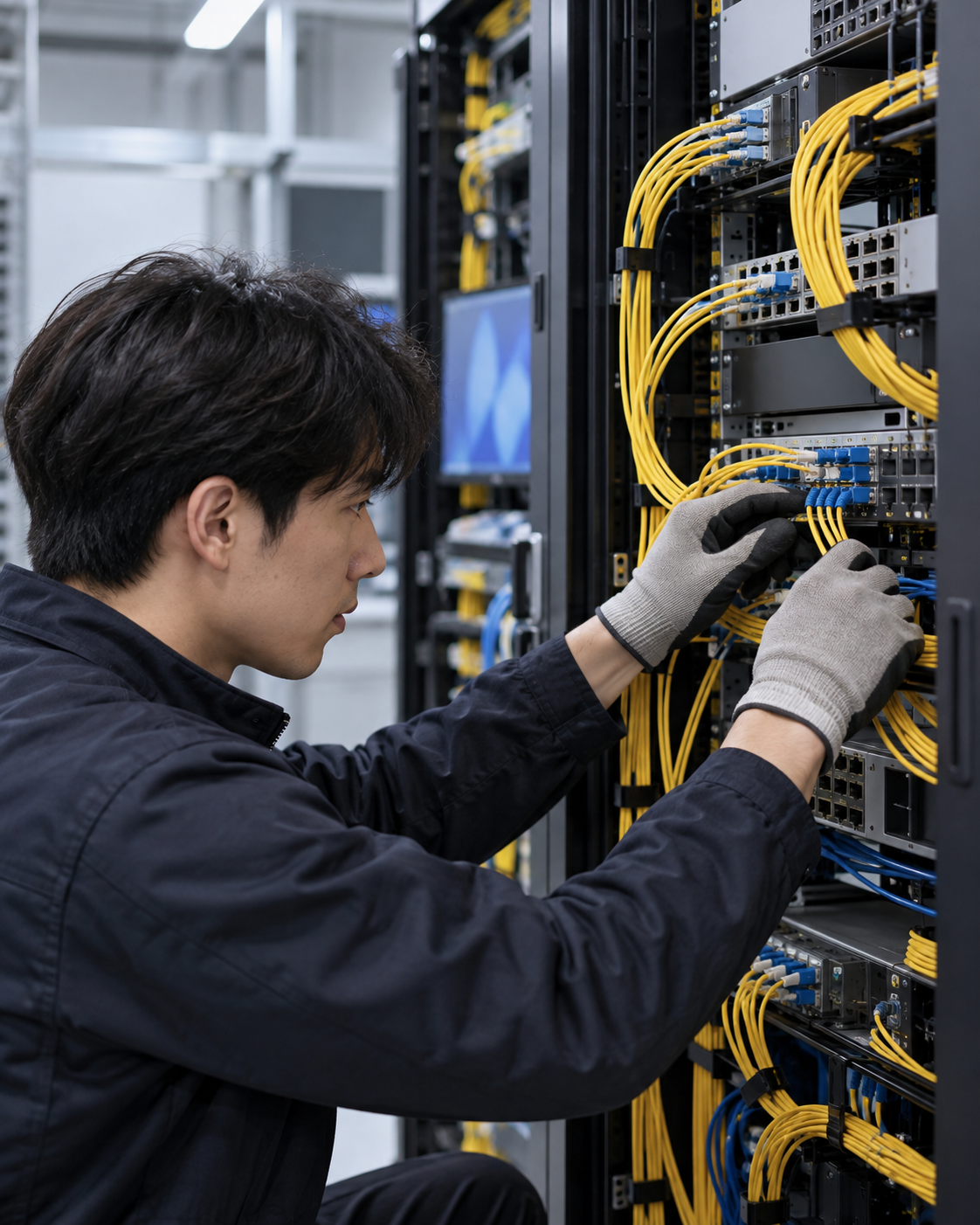
The official announcement also includes Spectrum-X Ethernet and BlueField-4. In large AI servers, the more computational resources there are, the greater the overall efficiency of the network that moves data between servers. The combination of Ethernet-based connectivity and data processing acceleration enables the GPU to design for less time waiting for data.
Choosing a network is not just a matter of replacing equipment. It interfaces with the communication patterns, failover, operating software, and security policies of the entire cluster. The effectiveness of the collaboration can vary depending on how quickly Meta applies the new network components to the actual service. The announcement includes plans for expansion, but it does not mean that the entire system replacement is over.
| Security review in OpenShell and Sentry

Both companies said they are also reviewing the safe execution environment of agents through NVIDIA OpenShell and the possibility of behavioral monitoring cooperation using Sentry. Using the wrong commands or excessive privileges can lead to real damage if an agent handles an email, file, or tool. Therefore, evaluating model responses and controlling execution rights are separate security challenges.
The expression to watch out for here is' review '. We should not accept that the technology has already been applied to all Meta agents by announcing that we are looking at the possibility of security architecture cooperation. In the future, operational-level public data such as privilege separation, execution records, and error response must be provided to evaluate the progress of the actual security system.
| Total Cost of Ownership Driven Competition

One of the goals highlighted by NVIDIA and Meta It is to lower the total cost of ownership, that is, long-term costs, including equipment acquisition costs and power and operating costs. AI services continue to incur the cost of learning the model once, as well as the cost of processing user requests on a daily basis. If we can offer the same performance with fewer resources, it can affect profitability.
However, the total cost of ownership is not determined solely by the theoretical efficiency claimed by the supplier. We need to look at equipment prices, data center power contracts, software optimization capabilities of the development team, and actual usage. This announcement shows the direction of technology optimization, but it should not be interpreted as an external number that verifies the amount of savings in a specific workload.
| Meta's multivendor strategy
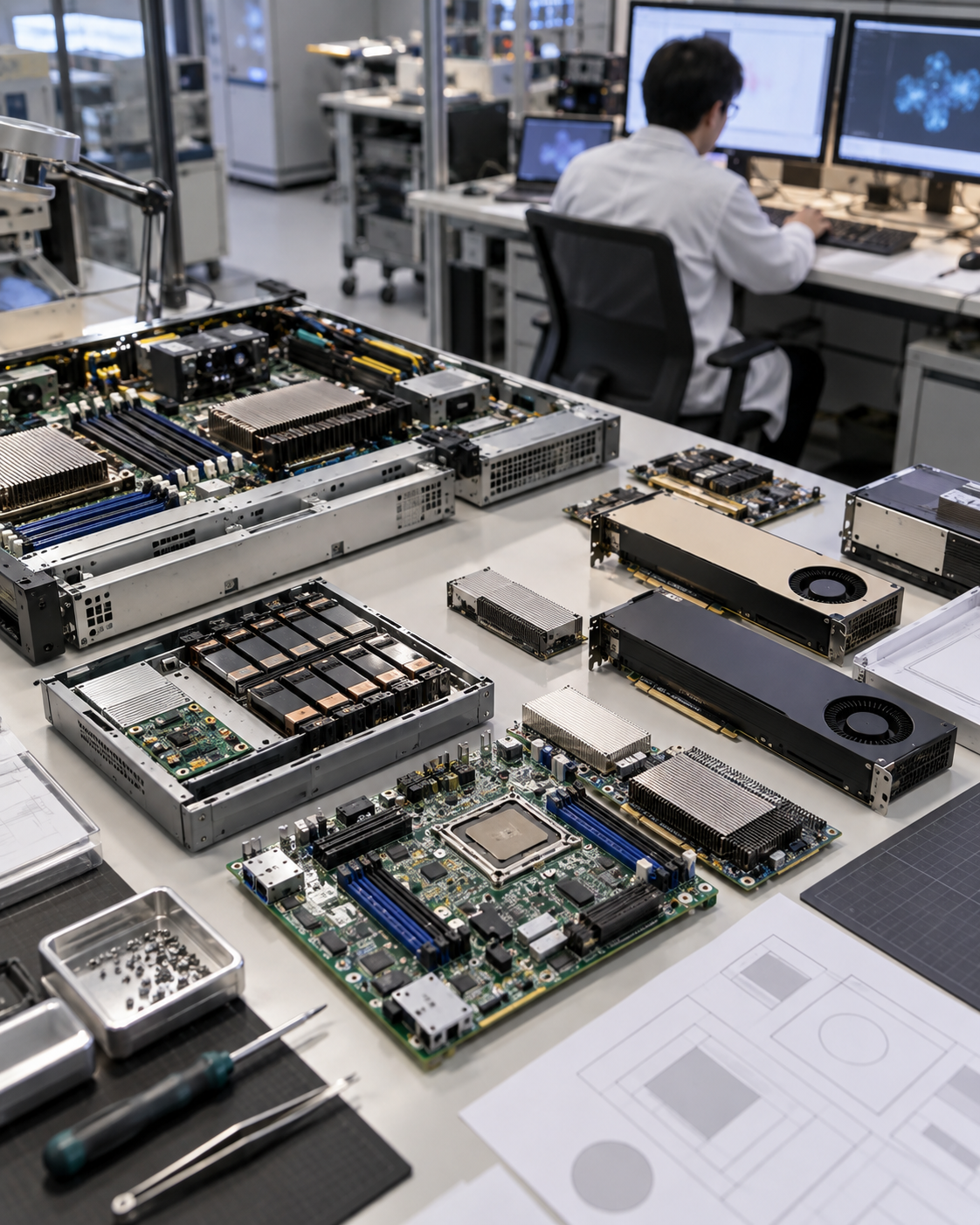
Meta is expanding its cooperation with NVIDIA, while also utilizing infrastructure technologies such as AMD. Therefore, this announcement does not mean that NVIDIA will monopolize all of Meta's AI operations. Large platform companies are more likely to distribute CPUs, GPUs, and network configurations across multiple vendors, depending on supply stability and job characteristics.
Because different vendors have different development environments and support tools, diversification also incurs integration costs. For Meta, the challenge is how flexible it is to deploy models and servers rather than the performance of a single chip. From an NVIDIA perspective, it can be interpreted as a strategy to broaden the customer's reasons for choosing by offering the entire system configuration, not just chips.
| Investment execution and verification of actual services
Confirmed is the announcement of the expansion of $3 billion investment plan and technology cooperation. Whether the future equity offering investment is executed, the actual installation volume of Vera Rubin · Vera CPU, Muse operation cost and user experience changes are subject to follow-up verification. We have to check step by step whether the security cooperation is also in the review stage or applied to the actual product.
Competition in the AI agent market is more likely to shift to how reliably they handle repetitive, real-world tasks than spectacular demonstrations. The weight of this announcement is in designing the infrastructure to support that change. However, it is important not to say that the company's expected performance is replaced with the user's already proven performance.
References
NVIDIA — NVIDIA and Meta Announce Muse Collaboration