Opening time: October 27, 2026, 22:15 GMT
AMD has announced that it is investing $1 billion in a public offering of shares in Meta. At the same time, he disclosed that the rack-unit AI system Helios is already running on the Meta infrastructure, and that EPYC server processors are supporting Muse AI agents. The key point of this announcement is that we have moved from the cooperation plan to the actual system operation.
In a large AI infrastructure, The CPU, network, cooling, and software must work together as well as the GPU unit performance. AMD's announcement illustrates a strategy to combine these components into a single operating environment. However, it is necessary to distinguish between the operation of some systems and the completion of the entire introduction.
| Progress from Cooperation Announcement to Real Operation
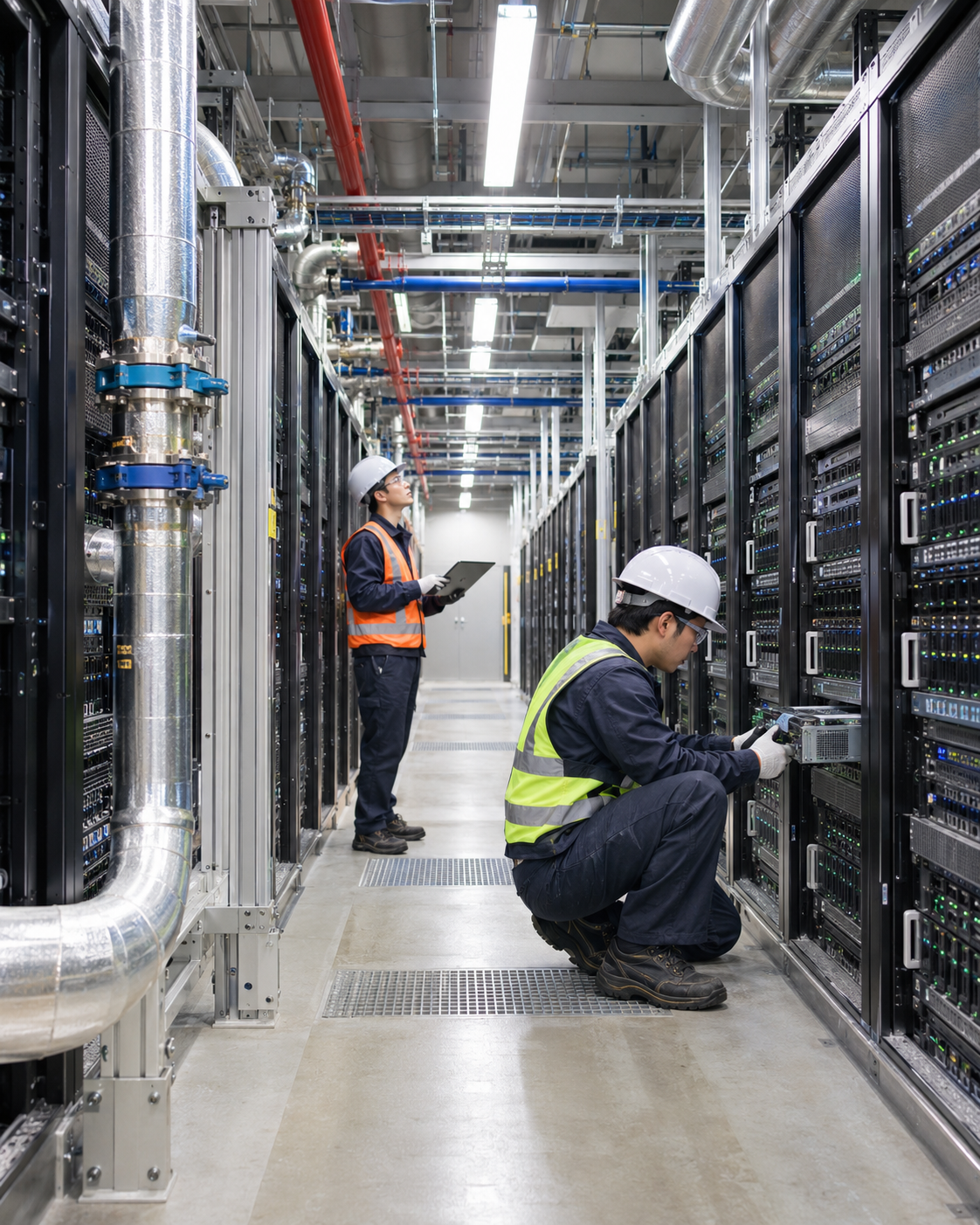
AMD announced on October 27 that the Helios Rackscale system is already running on Meta. Rackscale is not a single server, but a way of organizing multiple computing devices and connecting facilities in racks. Unlike announcing future adoption plans before, the stage of technical cooperation has been raised in that we have confirmed the actual operation.
That doesn't mean that Meta's entire data center has been turned into Helios. What the company disclosed was the fact of operation and the direction of cooperation, and the quantity of installations, the share of commercial traffic, and the reduction in operating costs were not separately presented. The actual size of the batch can only be determined after further information.
| $1 Billion Equity Investment and Business Relationships
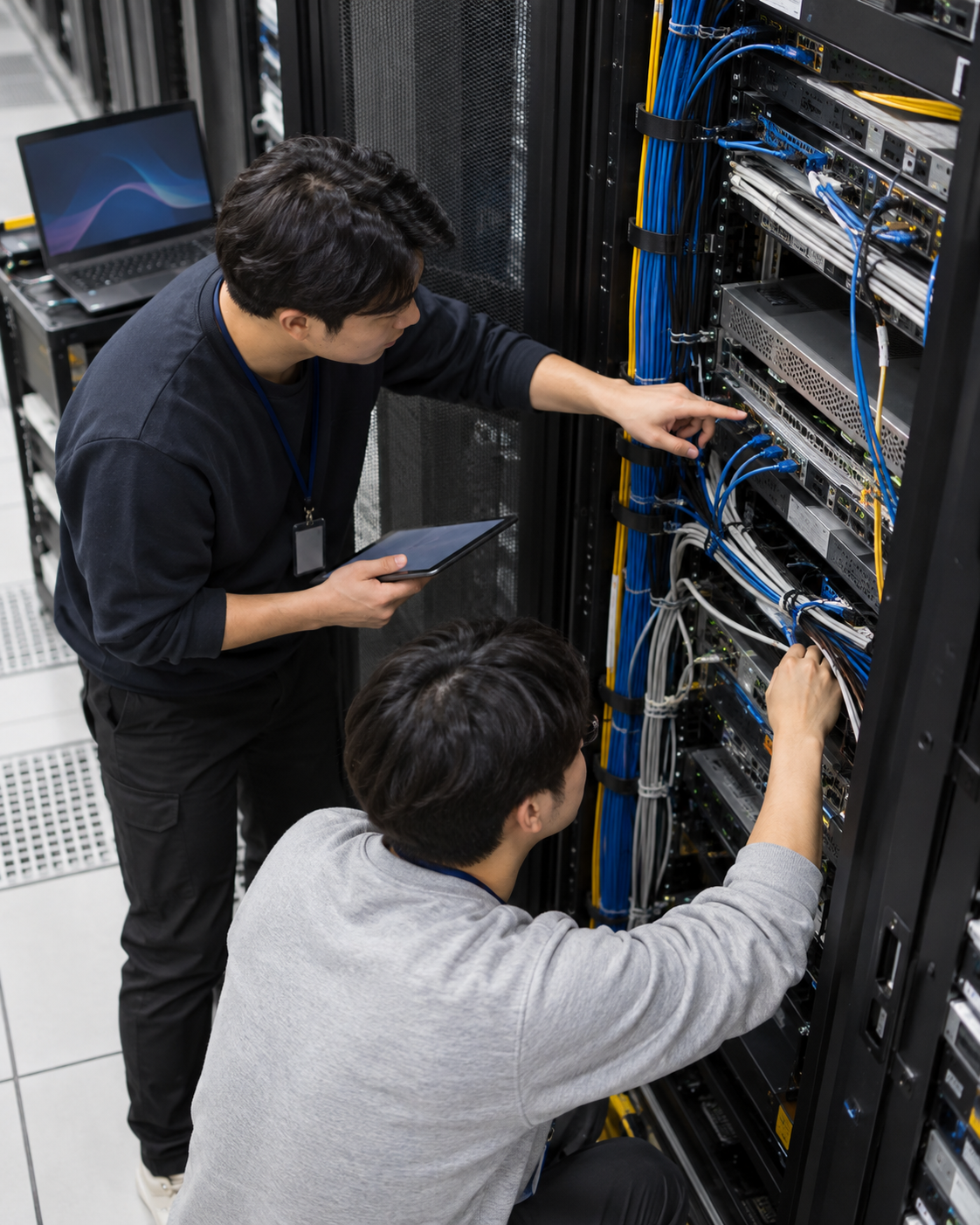
AMD has said it will invest $1 billion in a public offering of shares in Meta. This is a plan to strengthen the capital relationship separately from the system supply. With Meta investing heavily in AI-related computational resources, it appears that the semiconductor company is also motivated to cooperate with customers for the long term.
However, the announcement of participation in the competition is different from the completion of the investment payment, and it is not the purchase amount of a specific product. It cannot be determined by the disclosures alone which schedule the investment funds are actually executed, or whether they are legally linked to existing product supply agreements. Readers should not add up the amount of investment into the sales performance of chips.
| The need for Helios rack unit design
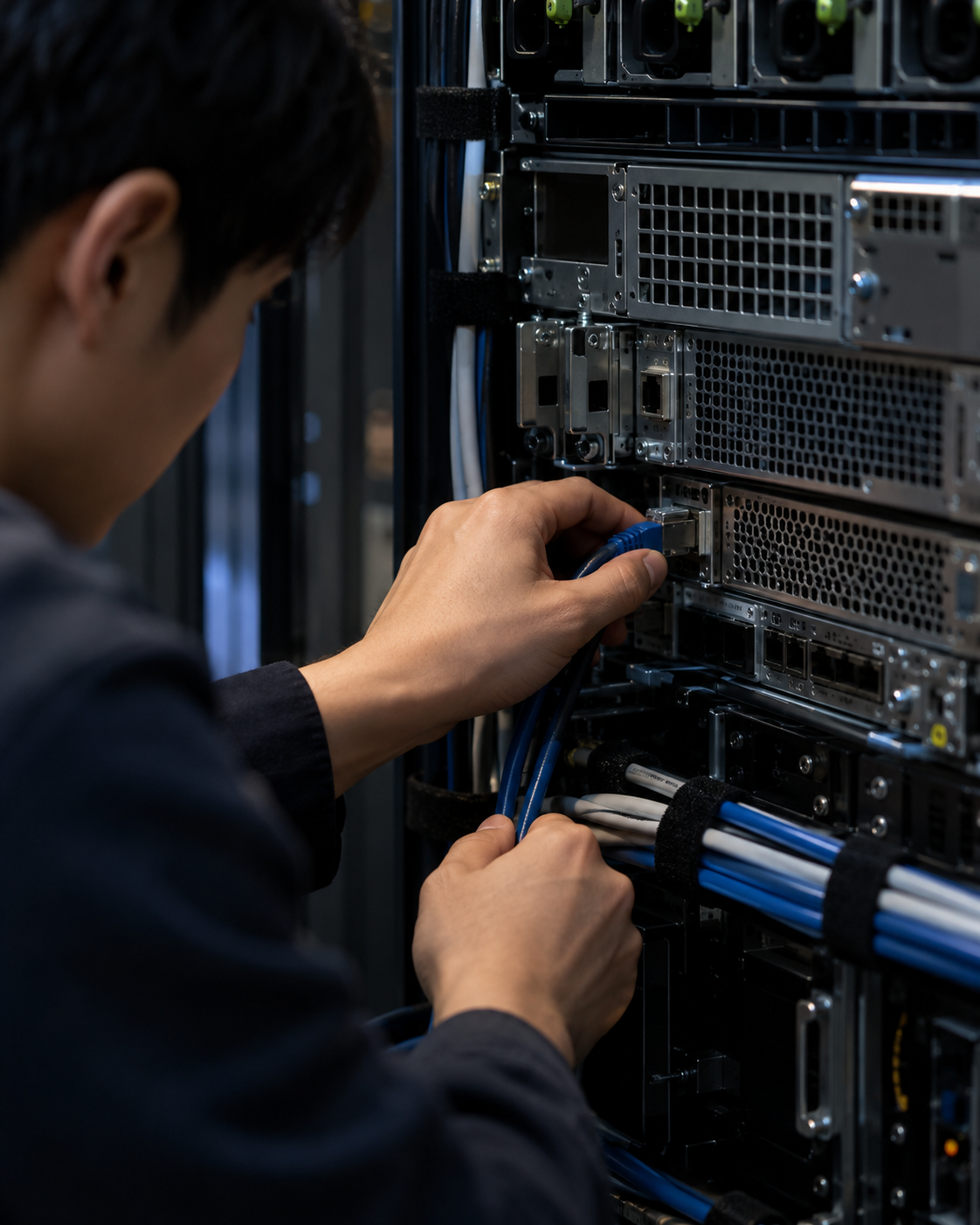
As the size and throughput of AI models increase, having many GPUs alone cannot guarantee efficiency. Data transfer between chips, cooling, power distribution, and recovery in the event of a failure are all tied together as a single design problem. Helios is AMD's approach to addressing these constraints, emphasizing system-level performance and integration.
The model response speed felt by the user is determined by the sum of several factors. Even if the processing speed of some equipment improves, the entire system may slow down if the network or CPU processing is delayed. The fact that Helios is running in Meta is a positive step forward, but we need service load conditions and operational metrics to evaluate actual competitiveness.
| EPYC to Muse agent connection
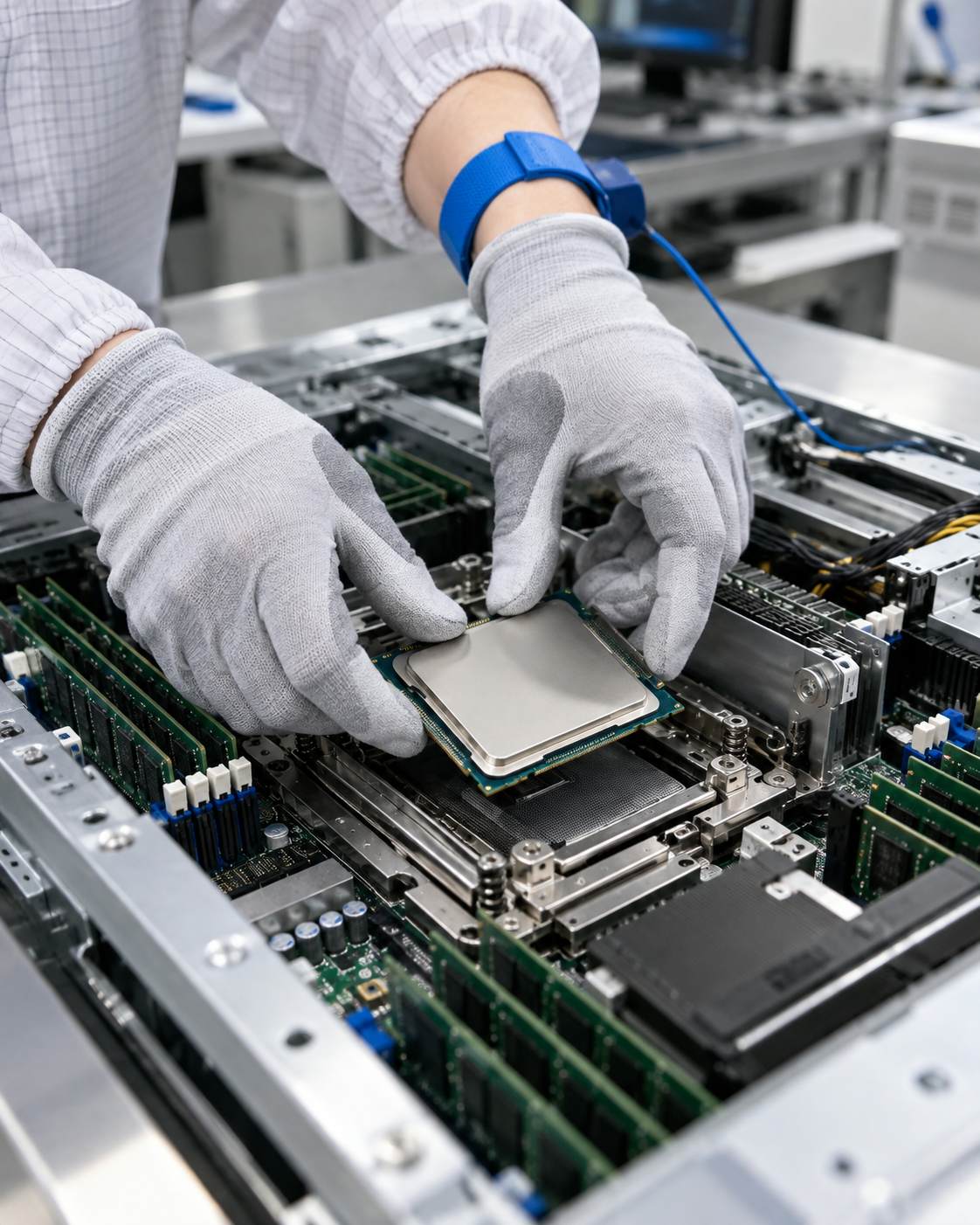
AMD explained that EPYC processors are being used in Meta's Muse AI agents. The role of the CPU grows as agents iterate through common server processes, such as searching or using external tools. This is why the more complex the AI service, the more important it is not just the GPU computation, but also the throughput and efficiency of the CPU connecting multiple tasks.
The fact of using the CPU does not mean that all calculations of the core weights of a specific AI model are done in EPYC. Inside the server, computational resources with different roles coexist, and the agents' actual workflows are distributed across devices. Specific performance effects should wait for benchmarks and operational indicators by service to be disclosed by Meta.
| Instinct GPU and ROCm software
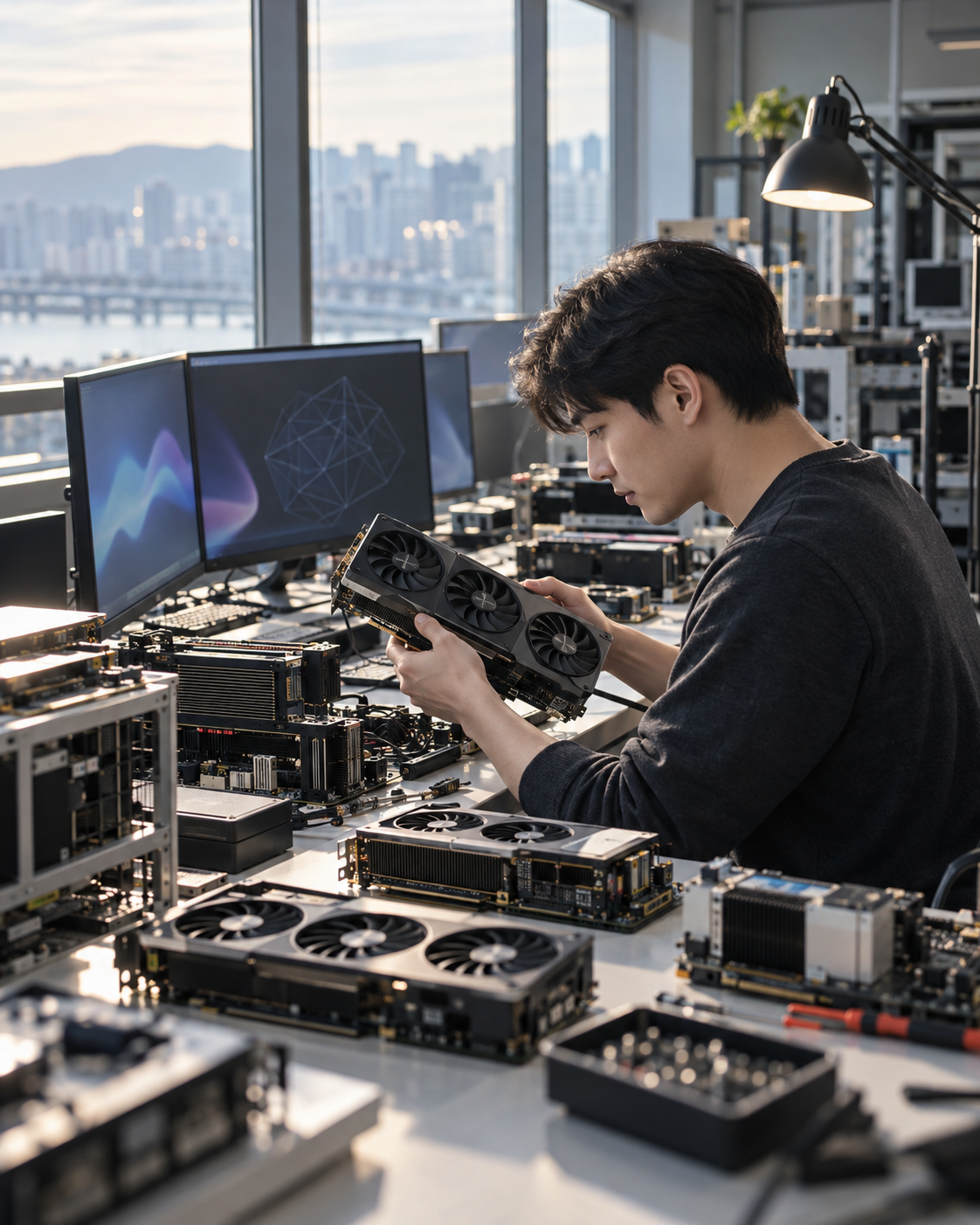
The cooperation between the two companies is not limited to EPYC. AMD explained that Instinct GPUs, Pensando networking, and ROCm software were the foundation of the existing collaboration. When AI developers learn models and create inference services, the hardware performance is as important as the development tools and software compatibility. Even if new accelerators are introduced, excessive code modification and verification costs can narrow the scope of use.
AMD also highlighted point-of-launch support for Meta models such as the Muse Spark Open and Muse Glimmer. Initial support of the development environment may lower the barriers to adoption, but this does not mean that all models and tasks are equally optimized. The actual spread depends on the developer experience and the level of long-term maintenance.
| Scope of next-generation product co-development
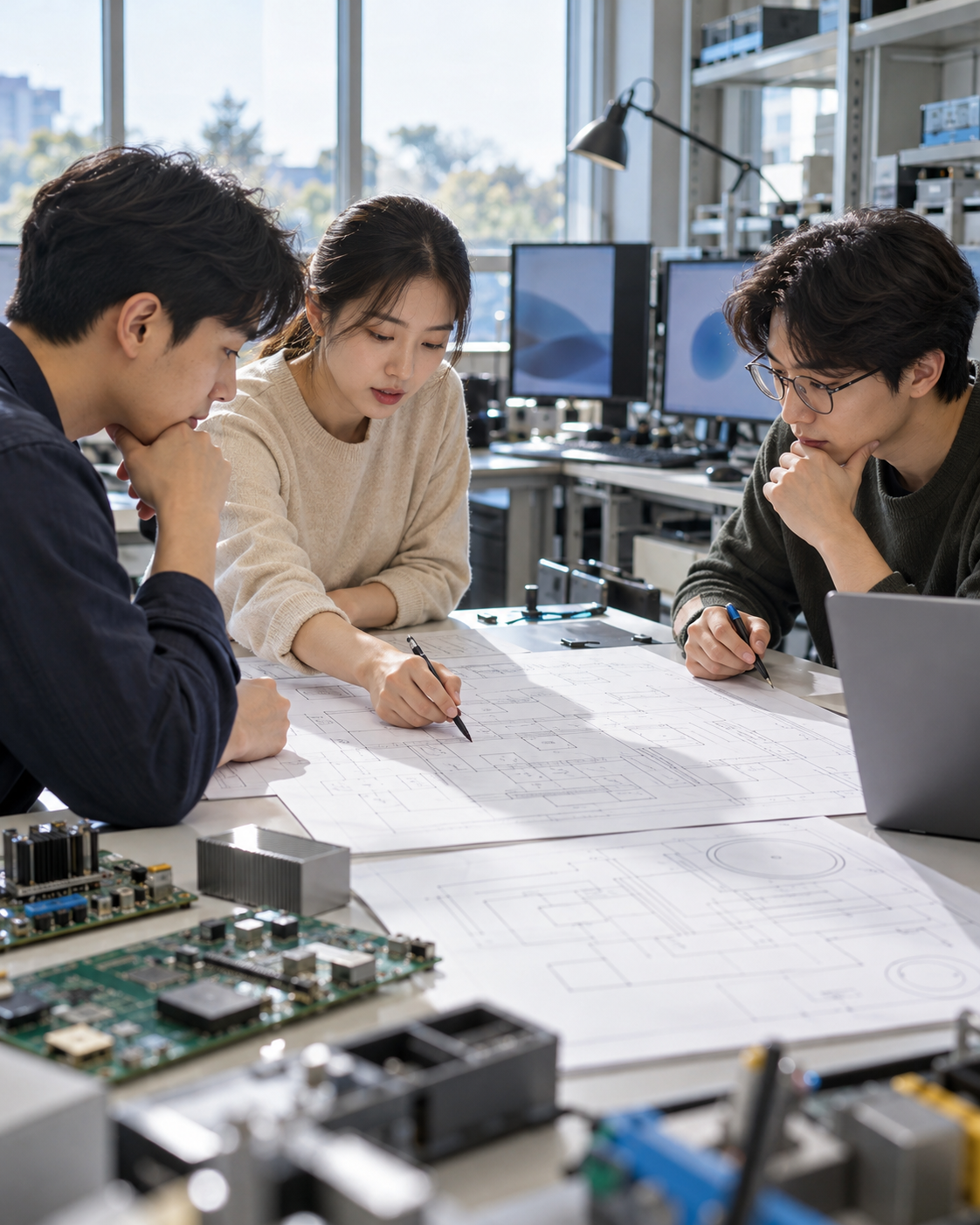
AMD said it is aligning its product roadmap, including current systems as well as next-generation GPUs and CPUs, to Meta's workloads. Delivering the memory capacity, communication structure, and power conditions that large AI operators actually need to suppliers can affect the design of the next generation of products. Co-designing with customers means a deeper technical relationship than unit sales.
However, co-development and product planning are not directly linked to the product launch. Design validation, mass production schedule, system integration, and software maturity should all be followed. It reduces misunderstandings about the technology development stage by distinguishing between the current Helios and the next-generation system to be introduced.
| Competitive coexistence with NVIDIA collaboration
Meta also announced an expansion of its infrastructure cooperation with NVIDIA around the same time. It is an example of a situation where a large customer utilizes multiple semiconductor suppliers together. There is no reason to exclude one company from working with another because the work suitable for each product line is different and the supply volume and price are different.
When Meta uses different systems together, there is room for increased supply stability, but also increased operational complexity. It's because you have to maintain frameworks and communication software in multiple environments. When comparing AMD's actual operating performance, it's more important to look at what work Meta puts into a system than what wins or loses a particular test against a competitor.
| Validation of operating size and investment performance
The key points confirmed in this announcement are the activation confirmation of Helios, the use of EPYC's Muse, and the $1 billion investment plan. In the future, we need to see if the number of installations, actual service coverage, system stability, and throughput per power are disclosed. It is also a separate check on whether the investment has been executed and the schedule of the future product roadmap.
The competition for AI infrastructure can be seen as starting after the technology demonstration. It's because we have to manage power and costs while reliably handling the requests of many users. The announcement that AMD is running real systems on Meta shows the starting point, but not the conclusion of the final performance competition.
Actual service operation metrics can be more useful than peak performance when comparing the competitiveness of the system. We need to look at the power consumed by the server when processing the same AI request, the recovery time after the failure, and how long the CPU and GPU are waiting. In a company like Meta that runs a large service, even a small efficiency difference can affect the overall cost. However, we cannot assume that AMD systems cost less than certain competitors based on the information currently available. After verifying that it is in operation, the comparable conditions of I need actual measurements.
References
AMD — Official Announcement of Expanded Meta Infrastructure Cooperation