Opening time: October 27, 2026, 22:39 GMT
Apple has unveiled a 14-inch MacBook Pro with a new M6 chip and a new iMac. The company reported that the graphics performance of the M6 MacBook Pro is up to 30% higher than that of the M5, and the AI processing performance of the iMac on-device is up to 5 times higher than that of the M4.
This new product shows the flow of running AI on users' computers instead of relying solely on the cloud. However, the performance improvement figures are measured under conditions set by Apple, so they may appear differently depending on the actual app and model.

| Two product lines with M6 chip
Apple unveiled the 14-inch MacBook Pro and iMac with the M6 on October 27. We applied the new chip to different products such as laptops and integrated desktops to emphasize productivity and AI processing power. The two products use the same-named chip generation, but the cooling structure, screen, and purpose of use are different, so the actual experience may not be the same.
There's no reason to immediately link the new product announcement to the need to buy. You need to check the age of the existing computer, the apps you use, the memory configuration, and the screen requirements. Especially for users who do not work with AI, everyday processing speed and price may be more important than the announced maximum AI performance.
| Graphics and AI performance on MacBook Pro

According to Apple, the M6 MacBook Pro improves GPU graphics performance by up to 30% and AI workloads by up to 25% compared to the M5. The 12-core CPU, 12-core GPU, and Neural Engine configuration of the new M6 were presented as major changes. I am interested in how fast the computation is in different tasks, such as photo editing, video processing, code working, and local model execution.
The word 'maximum' is important here. The published value is the high improvement width that came out according to the test conditions and application. This does not mean that all tasks will be 25-30% faster. In some tasks, the storage speed or memory capacity can be a bottleneck. You have to compare based on your app before you buy it.
| Up to 5x AI processing power on iMac

Apple explains that the new iMac is up to five times faster in certain on-device AI tasks than the M4 model. The company gave the speed at which the local model tool handles prompts as one of the comparison criteria. The fact that data can be processed within a computer without being sent to an external server is worth utilizing in terms of privacy and latency.
However, not all generative AI services can run the same locally. The size of the model, the integrated memory capacity, and the level of optimization of the app are different. There is also a heavy work remaining that is more suitable for the cloud. It is accurate to simplify the figure of 5 times as much as the increase in speed throughout the AI function and not understand it.
| Integrated memory and working environment
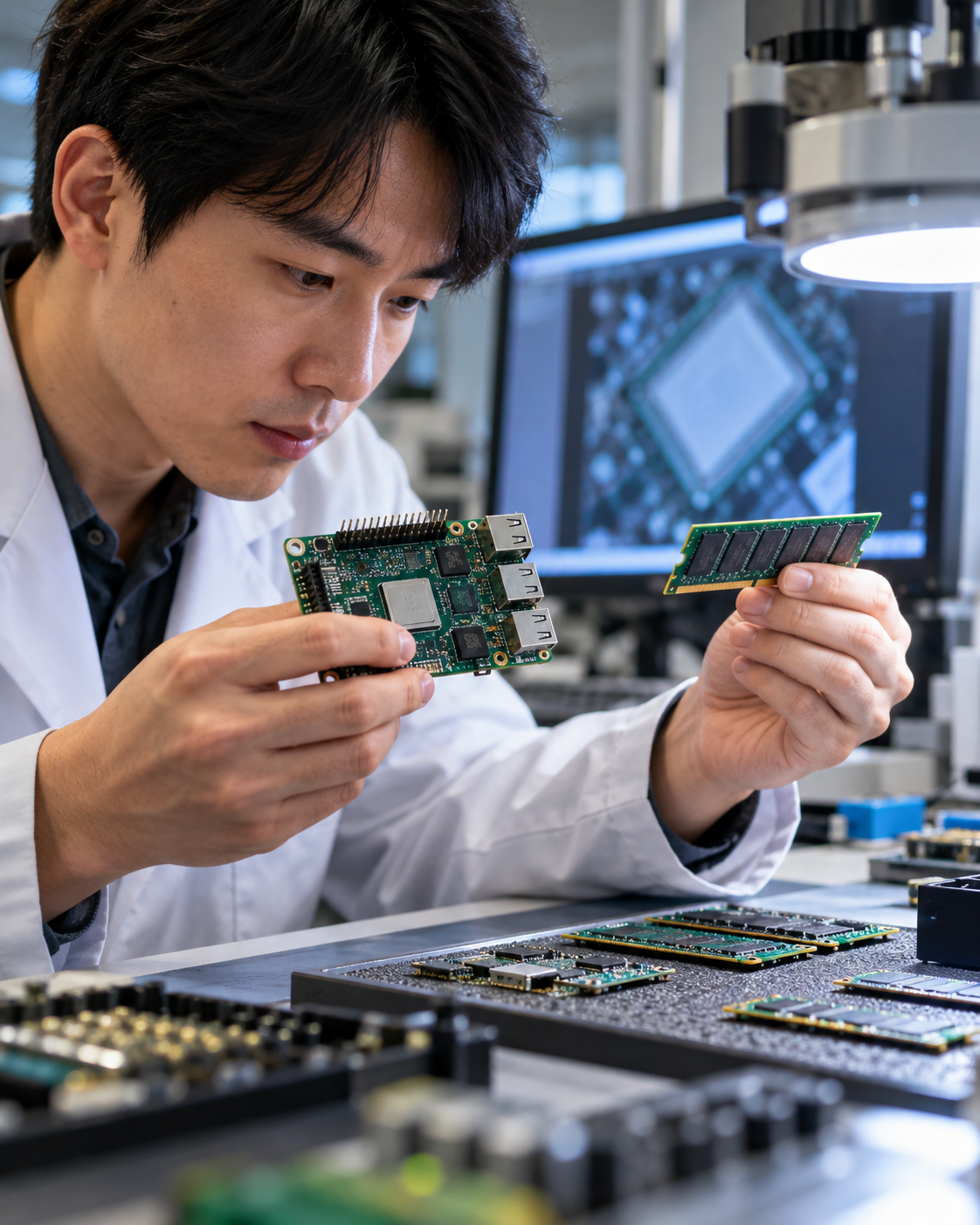
On-device AI needs not only the ability to perform calculations quickly, but also enough memory to store model and input data. The M6 MacBook Pro introduces native 16GB integrated memory, up to 32GB configurations, and up to 170GB/s memory bandwidth. The all-in-one memory structure can give you an advantage when it comes to sharing data between the CPU and GPU.
However, the actual usable model is not determined by the total amount of memory alone. You also need to consider the memory used by the operating system and other apps. If you plan to utilize local AI for a long time, you need to look first at the amount of memory you can choose over the processor name and whether you can change it later.
| Difference between battery and desktop usability

The MacBook Pro has up to 24 hours of battery life, while the iMac highlights the screen and connectivity improvements of the all-in-one desktop. For laptop users, maintaining on-the-go performance and battery time are important, and iMacs at desks can take on a greater proportion of screen quality and peripheral connectivity.
The battery duration depends on the conditions of use, and if the high load AI operation continues, it may differ from the measurement conditions. It makes sense to choose based on the actual experience rather than just saying that the desktop is lighter or the laptop's battery lasts longer.
| Release schedule and US-based pricing

The starting price in the US is $1,999 for the M6 MacBook Pro and $1,499 for the iMac. Apple announced on Oct. 28 that it will start taking pre-orders in 35 countries and regions, and launch in-store sales and product deliveries on Nov. 6. Currently, we are in the process of opening and pre-ordering, and the official sales schedule is in the future.
Since the price by country reflects the difference in exchange rate, taxes, and product composition, the domestic sales price should not be determined by simply converting the price of the US dollar. Apple's official guide to Korea also has a starting price for the MacBook Pro 14. When purchasing, you must check the sales area and memory and storage configuration.
| Practical use of on-device AI

Local AI has the advantage of being able to work with photo correction, document analysis, voice-related processing, and some generative model execution without sending data to an external server. Some functions can be utilized even when the Internet connection is unstable, and it is possible to reduce server requests in repeated tasks.
On the other hand, there is a limit to implementing all the functions provided by the latest large-scale model on a single computer. The actual level of privacy also depends on where the app sends the data, so just using the M6 doesn't mean that all functions will work offline. I have to check the software-specific instructions.
| Purchase criteria for new product evaluation
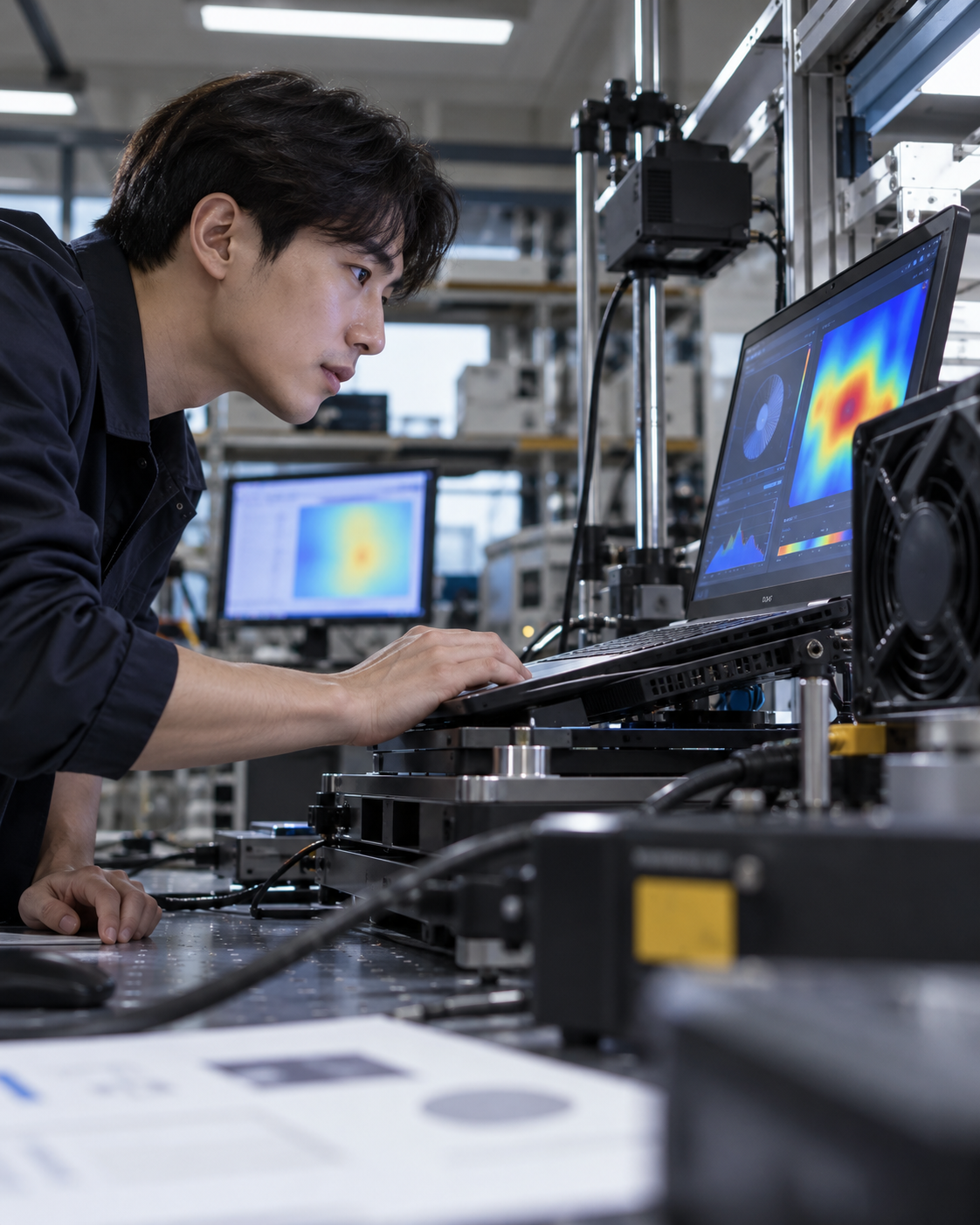
What was confirmed in this announcement is the performance comparison, price, and release schedule presented by Apple and the application of the M6 chip. Since the performance figures are based on the company's own tests, more accurate evaluation is possible when followed by independent use and long load testing. Heat, noise, and battery life are also important verification items.
There is no conclusion that the M5 MacBook Pro or M4 iMac should be replaced immediately. It's good to think about whether you use local AI often, whether existing tasks are slow, and whether you can configure enough memory. The implication of the new chip is that we have a wider range of work to choose from, rather than the same speed boost for all users.
If you're a user who's thinking about replacing a product, it's a good idea to start by thinking about how much your work is affected by the AI accelerator. If local model execution is the main task, memory capacity and processing speed under continuous load are important, but if web browsing and document editing are the majority, the maximum benchmark difference of the latest chip can not be greatly felt. On the other hand, if you use an old Mac, the screen, port, battery, and basic processing speed can all be improved. In the end, this announcement signals that everyone needs a replacement. Rather, it's appropriate to view it as an incident where users who want to take full advantage of local AI have more options.
References
Apple — M6 MacBook Pro 14 Officially Announced Apple — M6 iMac Officially Announced