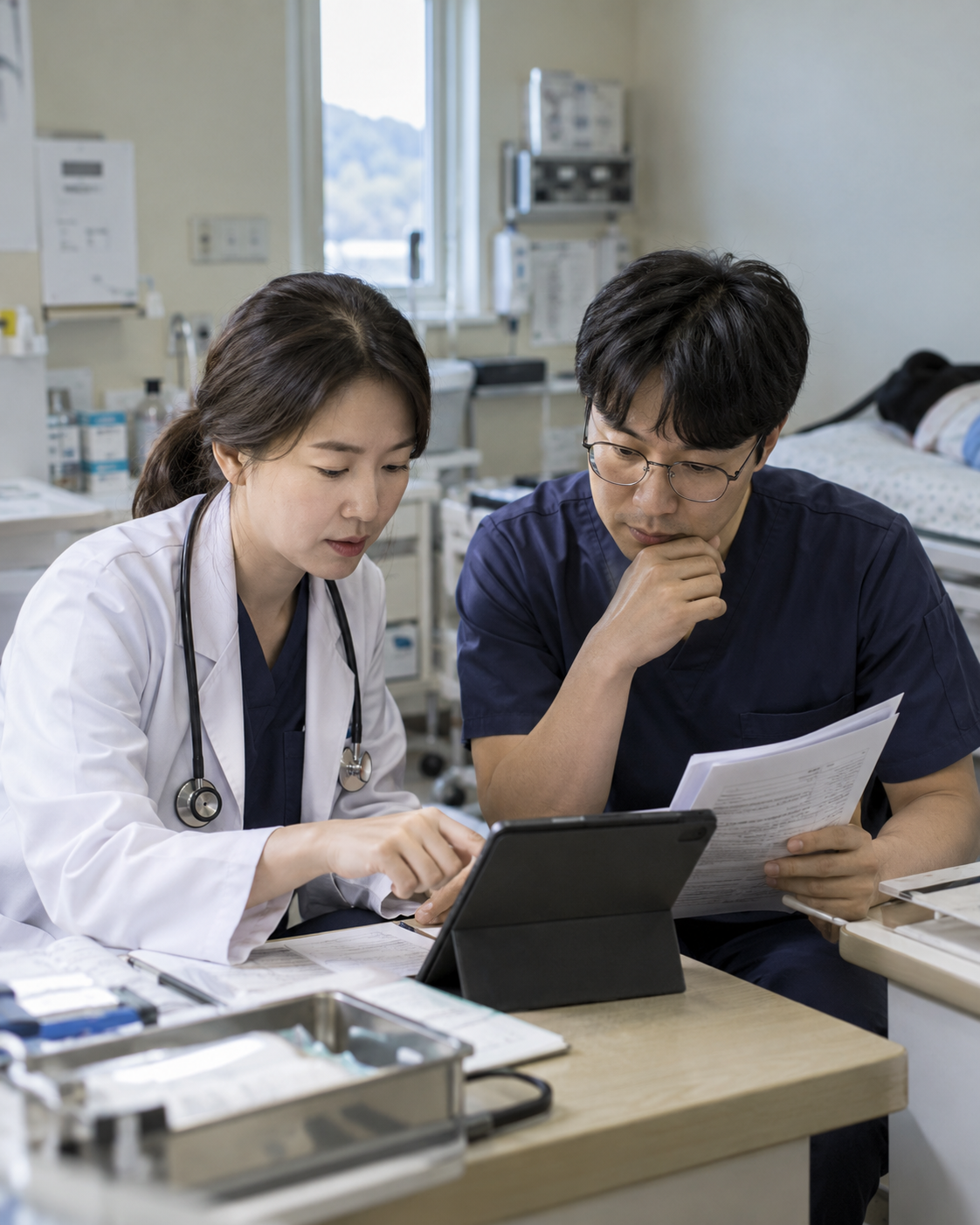
Anthropic and the medical knowledge platform OpenEvidence have agreed to provide free AI-powered clinical decision support services to healthcare professionals in regions with limited access to medical information. According to a Reuters report on September 22, 2026, the program is being gradually expanded to about 100 countries, including Uganda, Angola, Sudan, Haiti, and Mongolia.
This service is a tool designed to help healthcare professionals quickly find research papers or treatment guidelines. It should not be understood as a service where patients receive a diagnosis or decide on a course of treatment based solely on AI-generated responses.
| Who will provide what?

Anthropic provides the underlying AI technology for the service, while OpenEvidence adapts its existing platform—which covers medical literature and clinical guidelines—to regional contexts. OpenEvidence’s services for healthcare professionals are already available in the United States and Europe. This collaboration is focused on expanding the service to low- and middle-income countries where access is limited.
Reuters explained that this is a specialized version available in about 100 countries and provided free of charge to healthcare professionals in those countries. The two companies did not disclose the financial terms of the partnership. It is important to distinguish between the number of countries announced and the fact that the service is already available to all frontline healthcare workers.
| Why We Need to Reflect Local Healthcare Environments

Even with the same medical knowledge, the diagnostic equipment, medications, and specialized medical personnel available vary from region to region. If we base our answer solely on data from high-income countries, we might end up recommending methods that are difficult to implement in real-world settings.
The two companies announced that they would tailor their services to reflect each region’s medical infrastructure and treatment environment. OpenEvidence explained that it had previously worked with health agencies in Rwanda and Botswana to develop tools suited to local conditions. In this process, review by local medical professionals and the timeliness of the data are particularly important.
| How will this help medical staff?
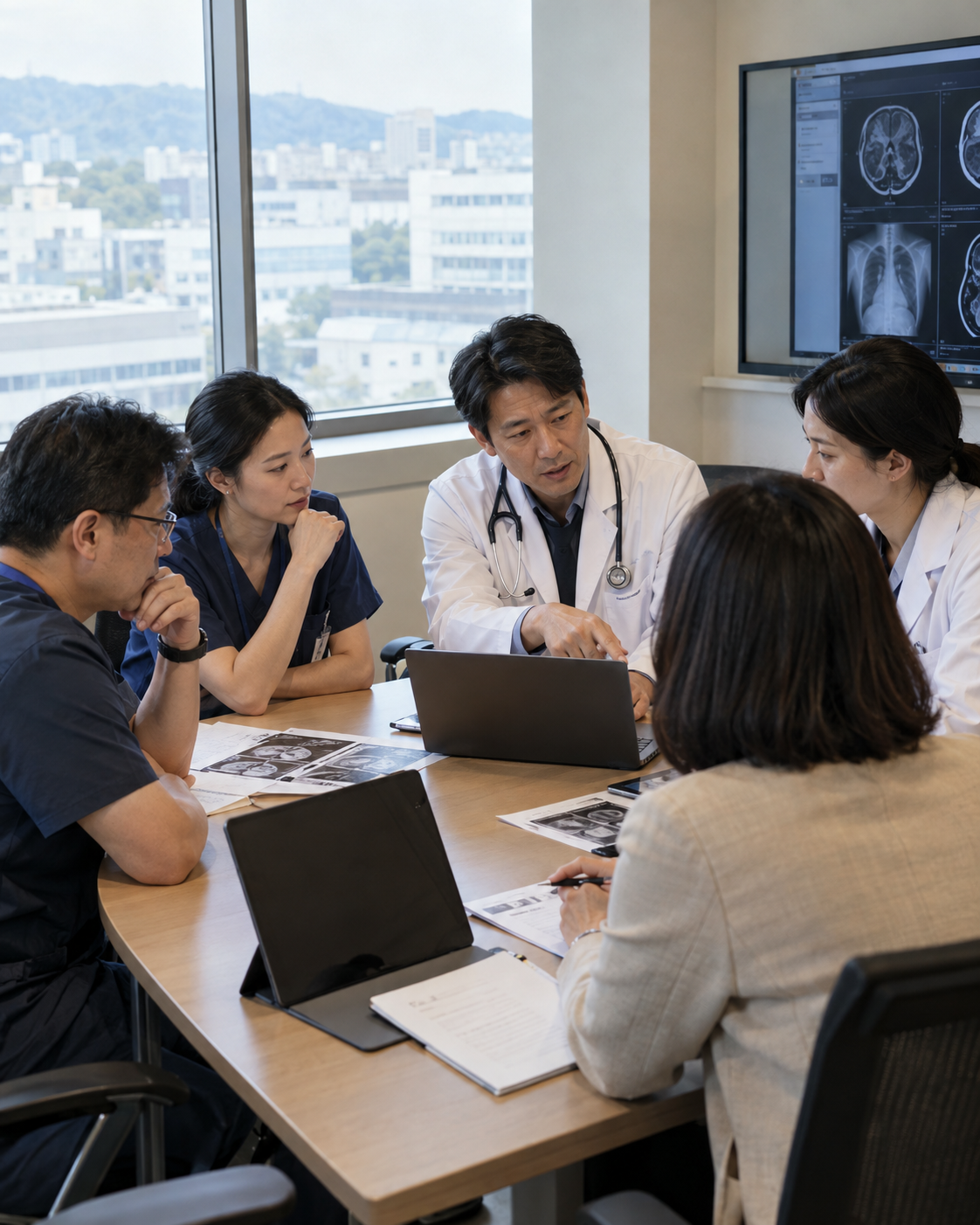
In places where it’s difficult to subscribe to academic journals or consult with specialists, it can take a long time to find the latest evidence. If medical staff can enter questions and verify the underlying research or guidelines, it could help reduce the burden of searching for information.
However, AI explanations cannot replace clinical judgment. Healthcare professionals must double-check whether the reference materials are appropriate for actual patients and local circumstances, and a system is needed to correct information when it is incorrect or outdated.
| The scale of distribution and the actual impact should be considered separately.

While the figure of approximately 100 countries illustrates the scope of the service's expansion, it does not serve as evidence that the number of healthcare professionals using it has increased or that patient outcomes have improved. Internet connectivity, device accessibility, and the availability of local-language medical guidelines can all influence outcomes in the field.
This collaboration is significant because it represents a concrete plan to reduce regional disparities in access to medical information. Going forward, we need to verify actual accessibility, the results of reviews by local experts, how errors are managed, and the impact on medical staff’s work.
Tags
#Anthropic #OpenEvidence #Medical AI #Clinical Decision-Making #Medical Information #Access to Healthcare #Medical Staff #Generative AI #GlobalHealth #Local Healthcare