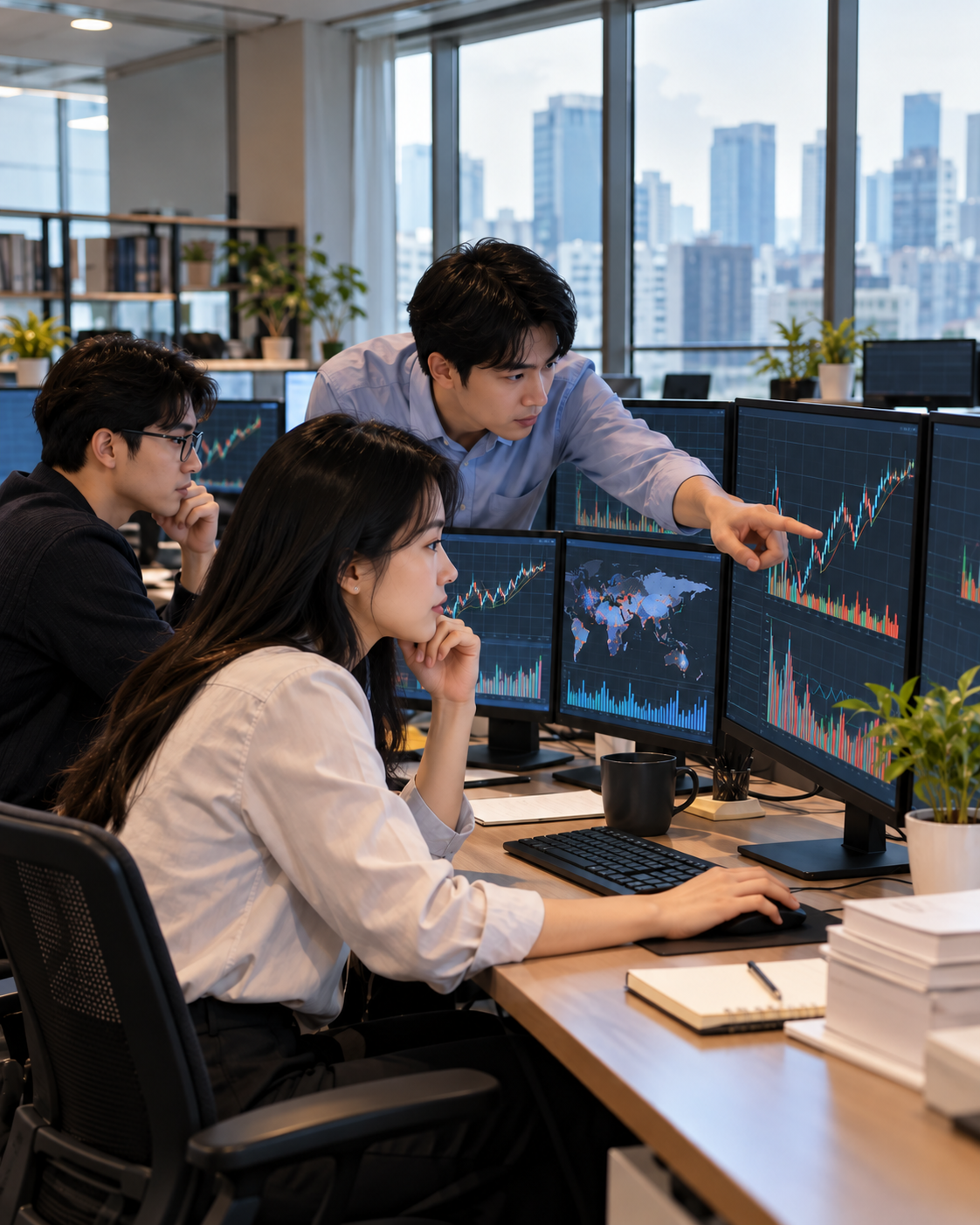
One of the biggest challenges when dealing with over 30 years of financial market transaction records is reading and analyzing the necessary data fast enough. On October 14, the London Stock Exchange Group (LSEG) announced, in collaboration with NVIDIA, a technology that uses GPUs to accelerate the analysis of historical transaction data.
LSEG's Tick History contains approximately 110 trillion rows of data. According to an official announcement, specific benchmarks using NVIDIA cuDF and Polars were able to complete analysis tasks that previously took several hours in just a few seconds. This implies that not only the scale of financial data but also the actual methods of analysis could change.
However, that doesn't mean all banks and securities firms are already taking advantage of this capability. I’ll break it down to examine what types of data were processed and how, how existing access permissions and licenses are maintained, and what points to check during actual use.
| What is LSEG's Tick History?
LSEG is a company that not only operates exchanges but also provides financial data and analytical infrastructure. Tick History is a data service that stores and provides historical price and trading records from various markets, including the stock market.
A "tick" refers to a record of a specific point in time when price and trading information change. While this allows for a more detailed analysis of trading flows than simply comparing daily closing prices, it also results in a massive increase in the amount of data that needs to be processed. LSEG explains that its records, accumulated over more than 30 years, serve as critical foundational data for investment research, market analysis, and risk management. This collaboration focuses on enabling faster processing of that data.
| A data set consisting of 110 trillion rows
According to official data from LSEG, Tick History includes approximately 110 trillion rows of data, covering about 100 million financial instruments and information collected from more than 580 exchanges, trading venues, and data providers. More important than the sheer volume of data is the fact that markets and time zones overlap in complex ways.
Analyzing the trends across multiple historical trading venues requires a great deal of computation to locate the necessary records and organize them by time and commodity. Therefore, when handling large-scale financial data, not only the accuracy of the algorithm but also the speed at which stored data is accessed and processed are factors that determine the scope of the analysis.
| The Roles of cuDF and Polars

cuDF is a GPU-based dataframe processing technology included in NVIDIA RAPIDS. It’s easiest to think of a dataframe as a software structure that handles data organized in rows and columns, like a table. Polars is an analytics library used for fast data processing.
LSEG stated that, in benchmarks utilizing these two technologies, it reduced the time required to analyze years of tick history from several hours to just a few seconds. GPUs excel at processing similar types of calculations in parallel. However, performance varies depending on the optimization method and data format, so the same speed improvements may not be seen in all other financial analyses.
| An explanation of how analysis is performed without replicating the entire dataset
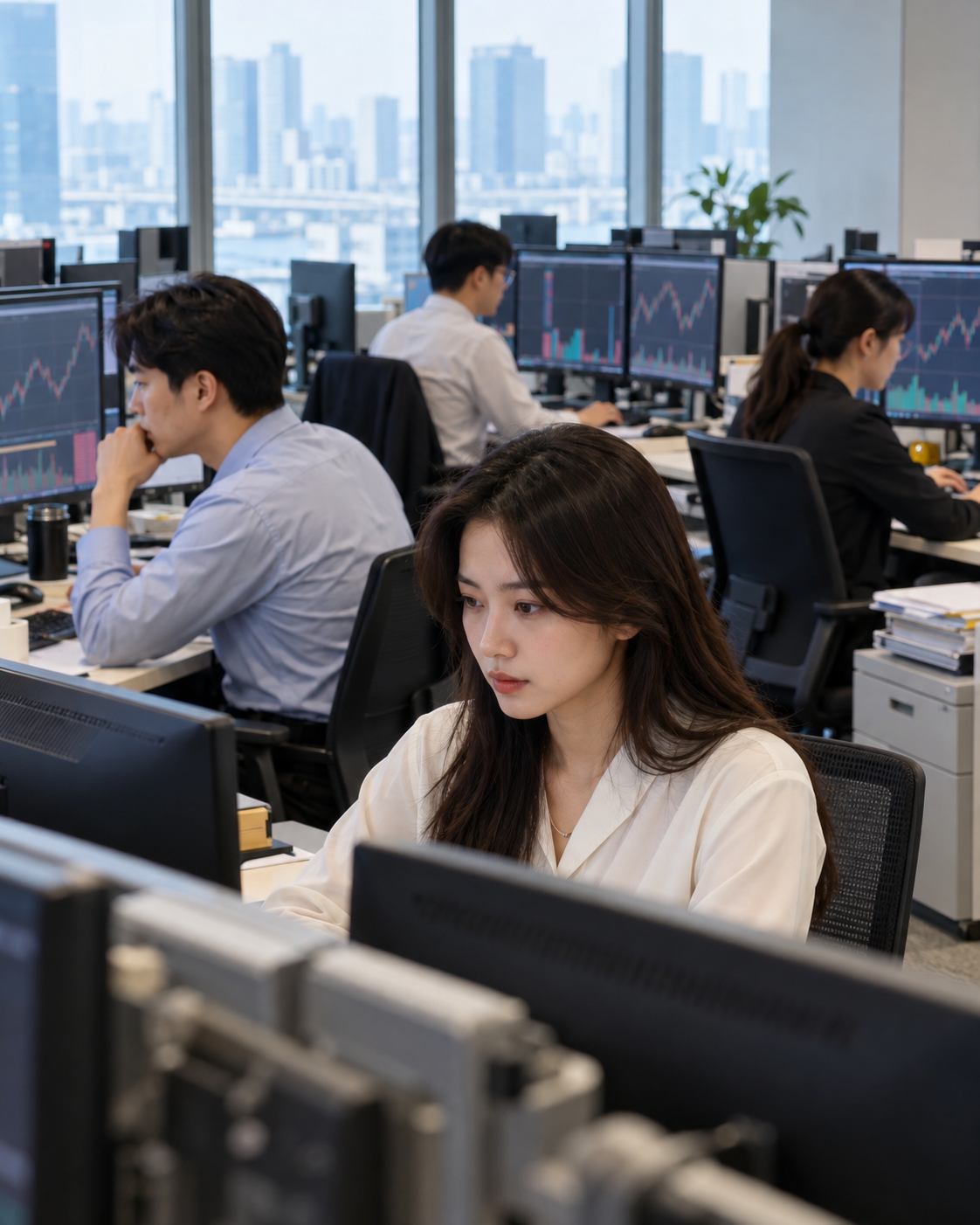
LSEG emphasized that this approach allows for faster analysis without having to separately replicate the entire existing dataset, while still maintaining data usage permissions and access controls. Financial data is voluminous, and usage rights and restrictions may vary depending on the product.
Simply copying data to another environment can increase not only costs but also management responsibilities and compliance issues. Therefore, the value of data processing technology lies not only in fast computation but also in maintaining a system that controls who can access which data. However, the specific implementation methods used by each organization must be verified separately.
| What Changes Will Occur in Quant Strategies and Risk Management?
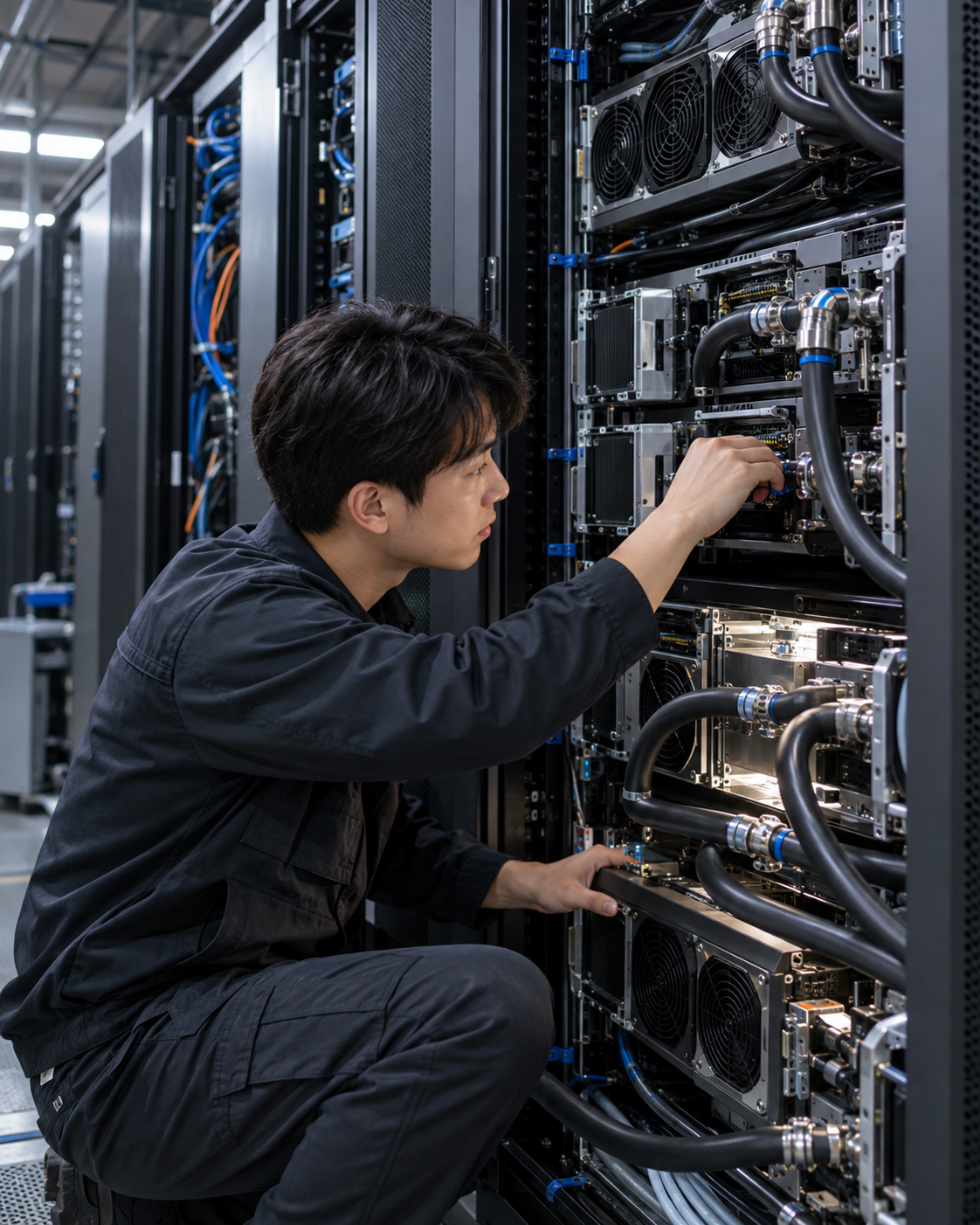
Quantitative research at financial institutions involves validating investment and trading strategies based on historical prices, trading volumes, and other data. As data processing speeds increase, it becomes possible to test various hypotheses using data spanning longer time periods or covering more markets.
In trade execution quality analysis, you can reconstruct past quote flows to assess liquidity or price shocks. In risk management, this can be useful for scenario analysis that simulates various market conditions. However, the fact that the analysis was performed quickly does not automatically guarantee improved returns or predictive accuracy. It is still necessary to validate the model’s validity and data quality.
| A Trading Environment Moving Toward 24-Hour Operation and the Race for Speed

LSEG explained that as the market moves in a trading direction nearly 24 hours a day, it is becoming increasingly difficult to keep up with the situation using only the traditional method of loading data overnight and analyzing it the next day. This is because it may be necessary to make decisions by quickly comparing historical data even during trading hours.
According to operational metrics released by LSEG, real-time network traffic in the first half of 2026 increased by 29% compared to the same period last year, reaching a peak of 26 million messages per second in June. It also reported that requests to the Tick History API rose by 48%. Looking at the rate of data growth, it’s easy to see why reducing processing time is becoming increasingly valuable.
In financial data, data consistency—such as chronological order, product identification, and the reflection of corporate actions—is important, regardless of processing speed. Even if calculations are faster, entering incorrectly organized historical data can distort the results of investment strategy validation.
Backtesting should only use information that was actually available at the time to avoid errors that arise from applying future information in advance. That’s why, even when implementing GPU acceleration, we cannot skip steps such as checking data quality, reviewing licenses, and verifying the reproducibility of results. Whether faster analysis leads to more reliable analysis must be evaluated based on separate criteria.
| Performance testing and commercial service should be kept separate
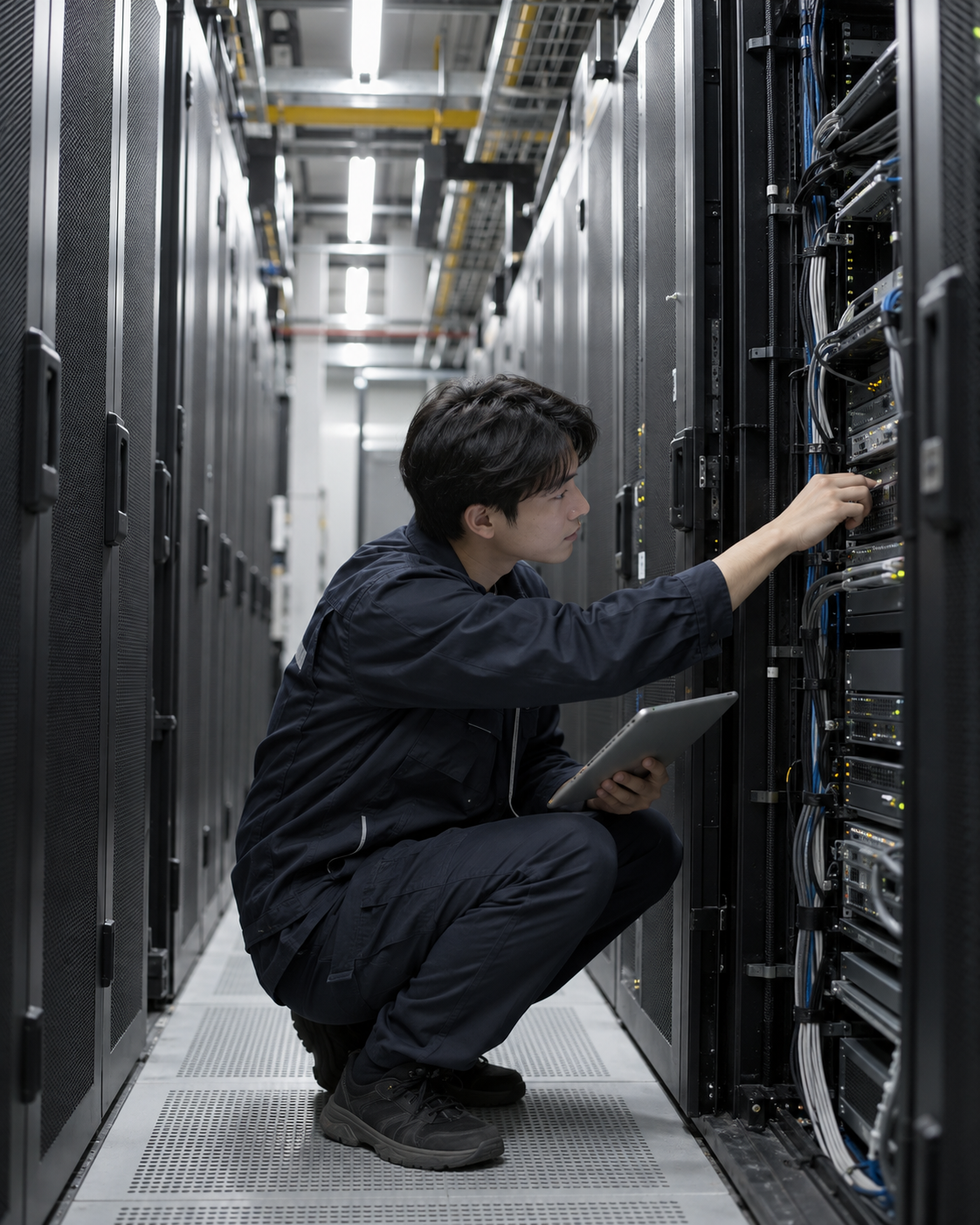
The phrase “from several hours to a few seconds” is striking, but it refers to specific benchmark results cited in the official announcement. Actual perceived performance may vary depending on each financial institution's scope of data use, storage location, analysis code, network latency, and security regulations.
The presentation explained the collaboration and the performance and application of the technology; it does not serve as evidence that all customers worldwide are already provided with the same environment. Furthermore, there are several factors to consider when adopting GPUs, such as equipment costs, usage fees, data transfer methods, and software operations personnel. Both the total cost and compliance with security requirements must be evaluated together.
| For financial AI to advance based on rapid data access,
This collaboration demonstrates that AI in the financial sector relies not only on massive models themselves but also on infrastructure capable of quickly processing reliable data when needed.
LSEG has paved the way for deeper analysis of access-controlled data, and NVIDIA has provided GPU-based processing technology. What remains to be seen are actual implementation cases at financial institutions, as well as verified results regarding repeatable performance, operating costs, and compliance and security controls. The confirmed facts from this announcement are the scale of the data, the technical collaboration, and some benchmark results; it is not a promise that all investment decisions will become accurate within seconds.
Tags
#LSEG #NVIDIA #Financial Data #TickHistory #cuDF #Polars #GPU Acceleration #Quantitative Analysis #Financial AI #Big Data #Market Data #Data Analysis