Recently, Naver and NVIDIA AI FactoryThe news of making is getting a lot of attention.
When I hear the name, I think of a factory where robots assemble AI devices, but the actual meaning is a little different. Huge amounts of GPUs and power, cooling, network, and operations software combined to train AI models and keep them running in real-world services. Computational Infrastructureis close to.
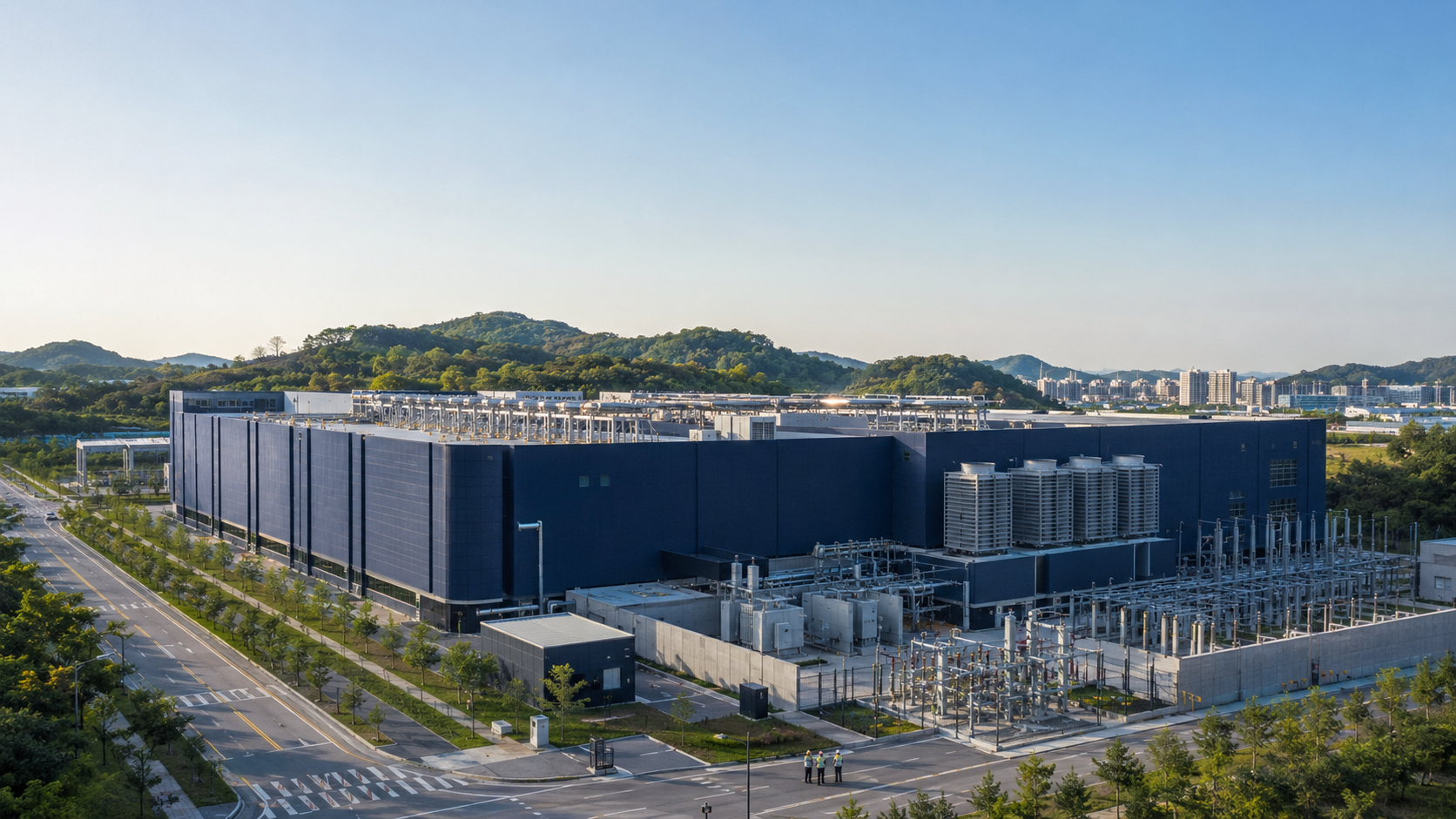
In particular, this plan is not just about increasing the number of servers for Naver services. Sejong City's Hyperscale Data Center Each SejongAs a starting point, we plan to grow into a global AI infrastructure business that uses domestic companies, public institutions, and AI startups, as well as overseas customers.
So what's the difference between a general data center and an AI factory, and why are Naver and NVIDIA making such a large investment right now?
| What does the AI factory make?
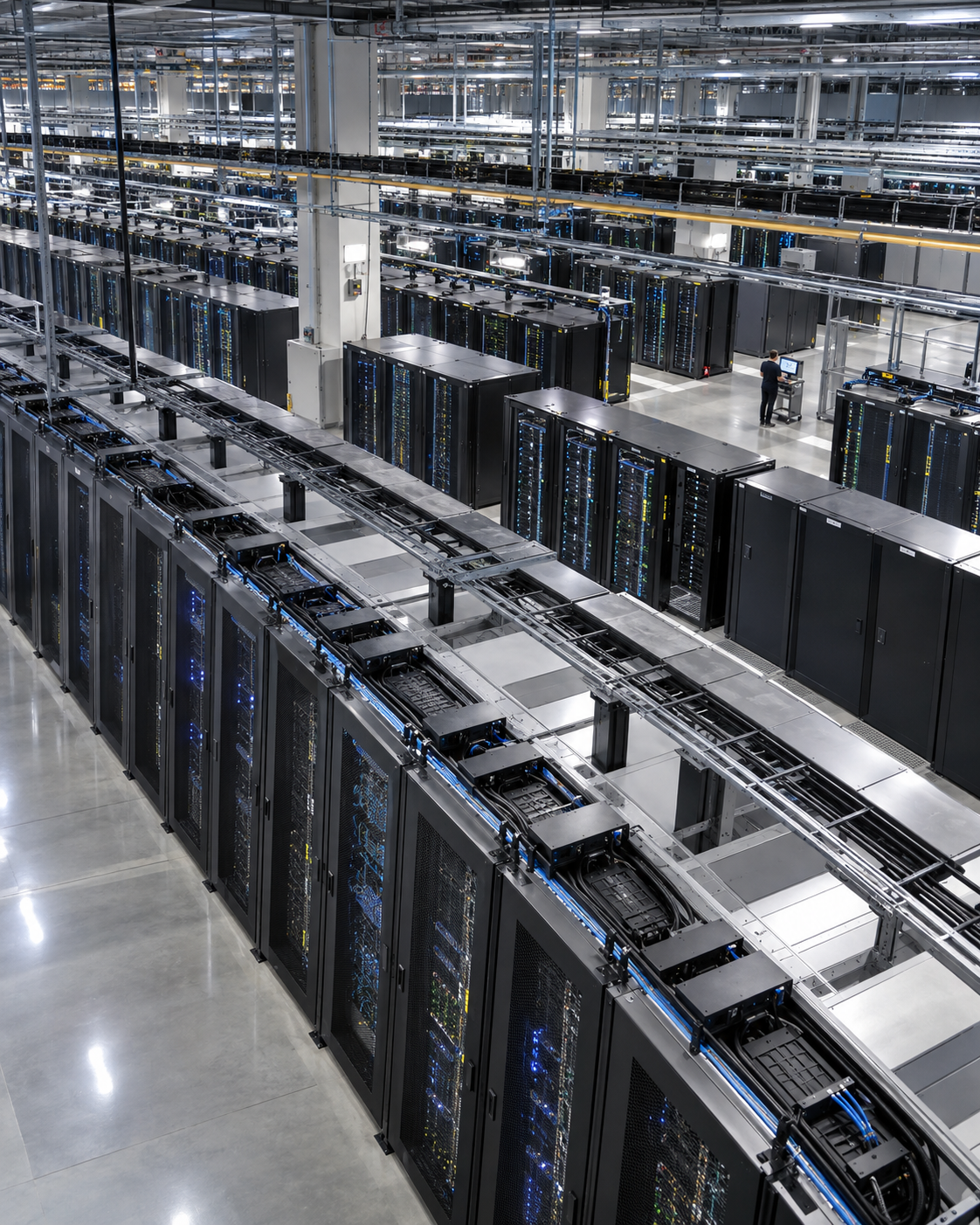
Typical data centers handle a variety of digital tasks, such as websites, file storage, retrieval, and payment, whereas AI factories Learning from AI models, further learning, and large-scale inferenceIt is a dedicated infrastructure that focuses on handling quickly and efficiently.
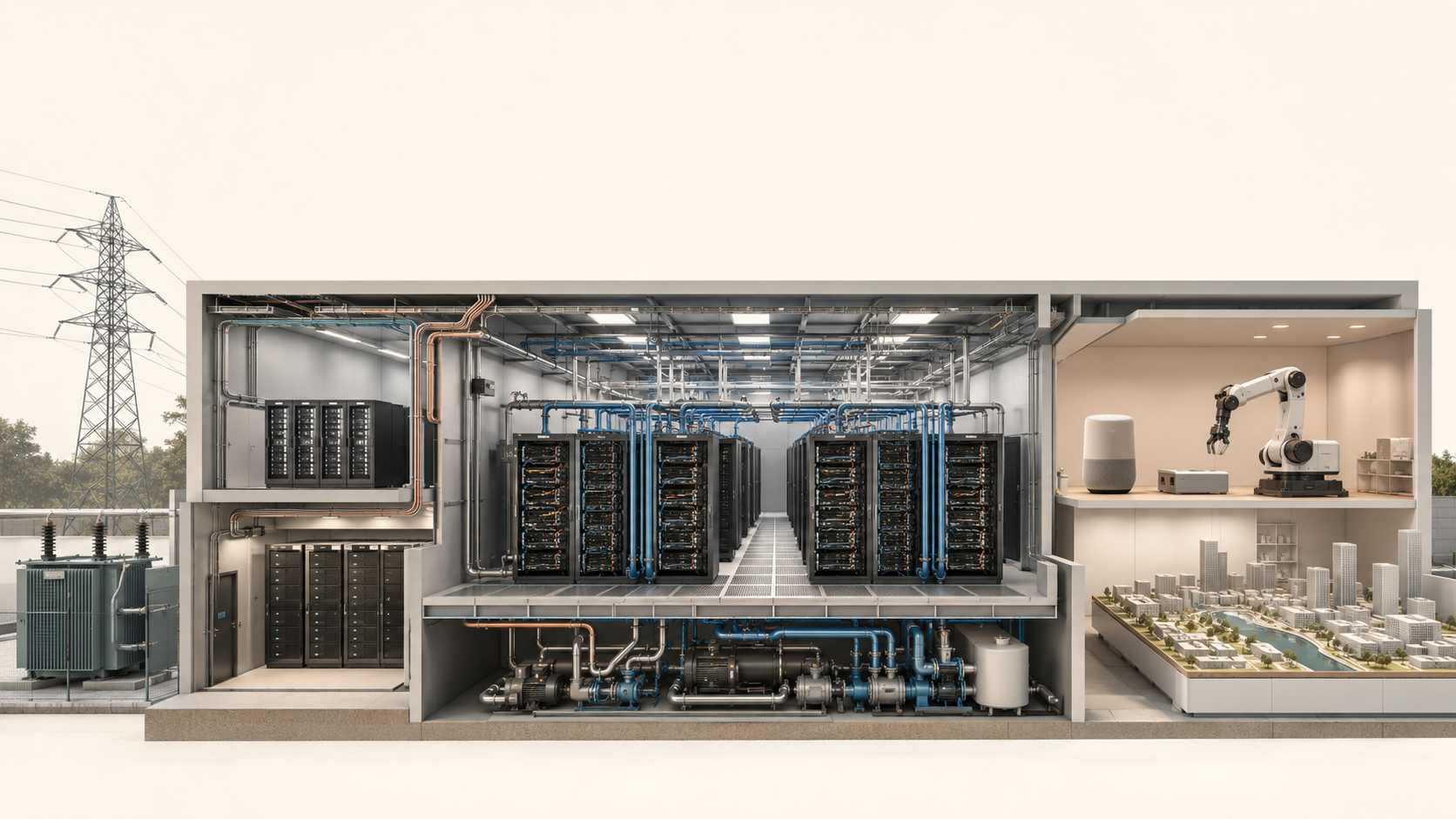
Generative AI means that whenever you answer a question or create an image, TokensTake care of the small unit of information called. The reason why NVIDIA uses the expression AI factory is because of the perspective that they continue to produce large amounts of tokens, i.e., usable AI intelligence, using data and power.
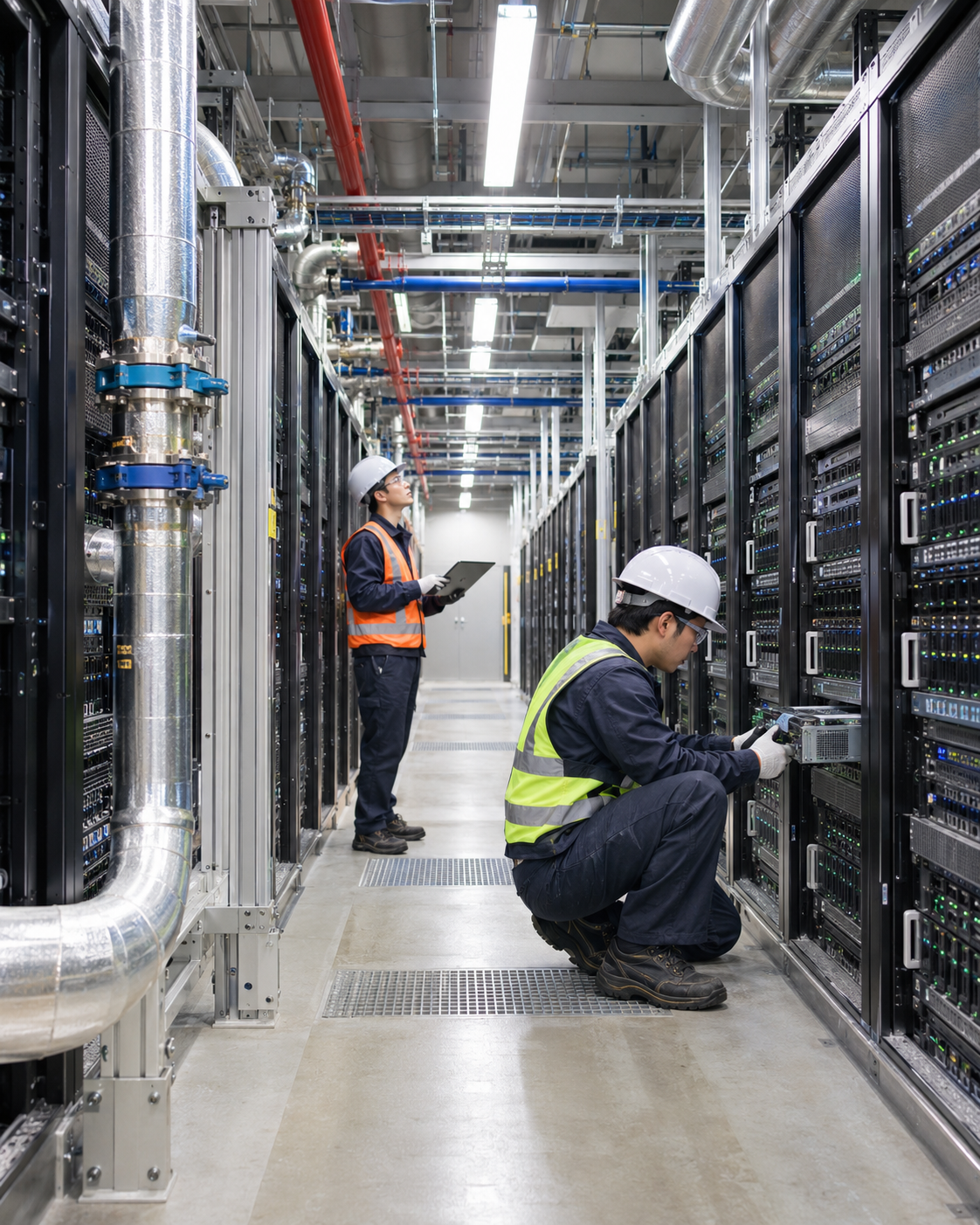
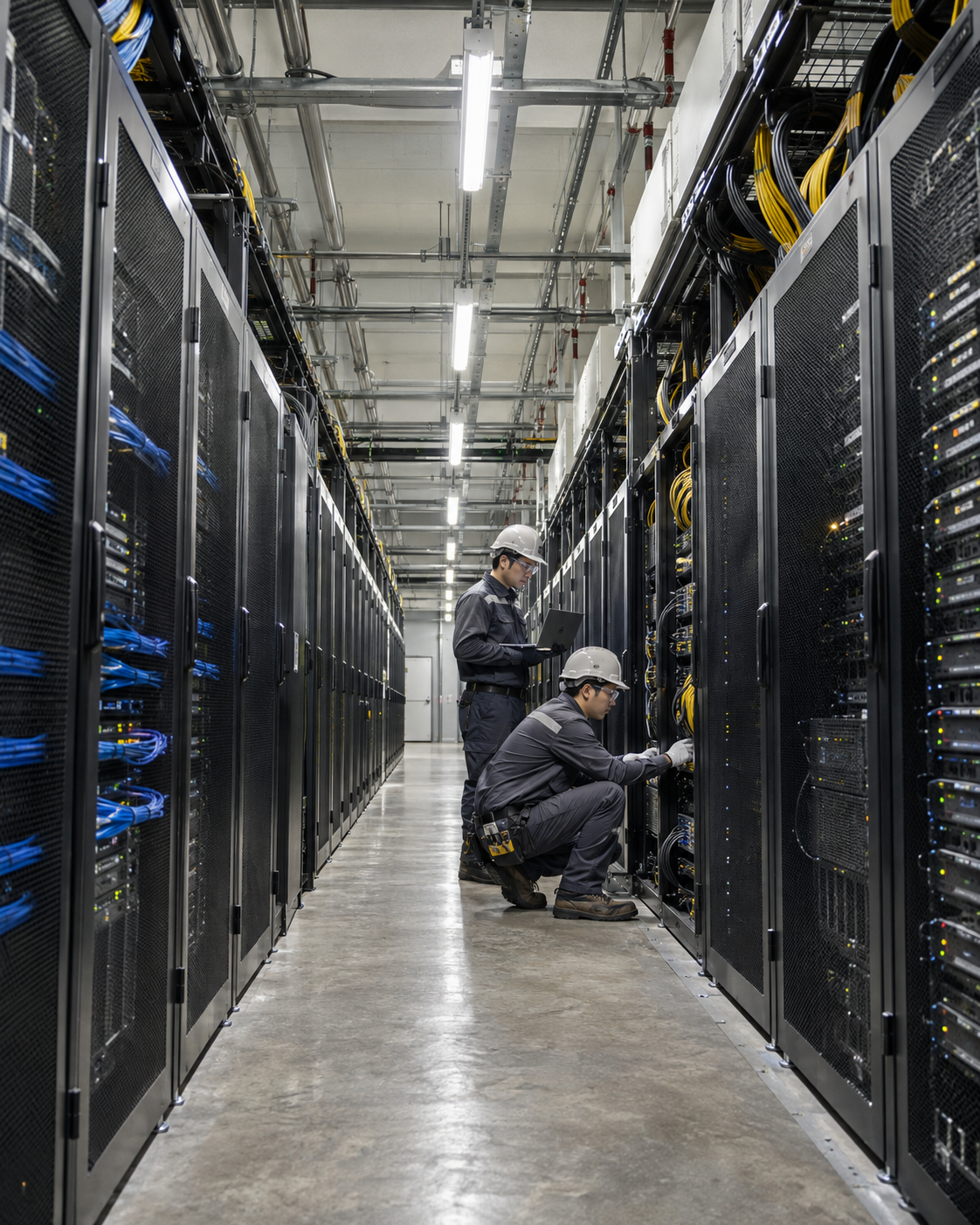
So only high GPU performance doesn't end with high GPU performance. High-speed network, which cools the generated heat Cooling system, Stable power feeding, distributing work and repairing failures SoftwareWe have to move together until. It's easy to understand that the AI factory is not a building with a lot of servers, but a facility that optimizes this entire process like a single production system.
| Implementation plan increased from 55 MW to 200 MW
The first plan that Naver and Nvidia unveiled in June was to operate an AI infrastructure of 55 MW in the first half of 2027. But in the July follow-up announcement, Initial build-out to 200 MW by 2028 There was a message that I was going to enlarge.
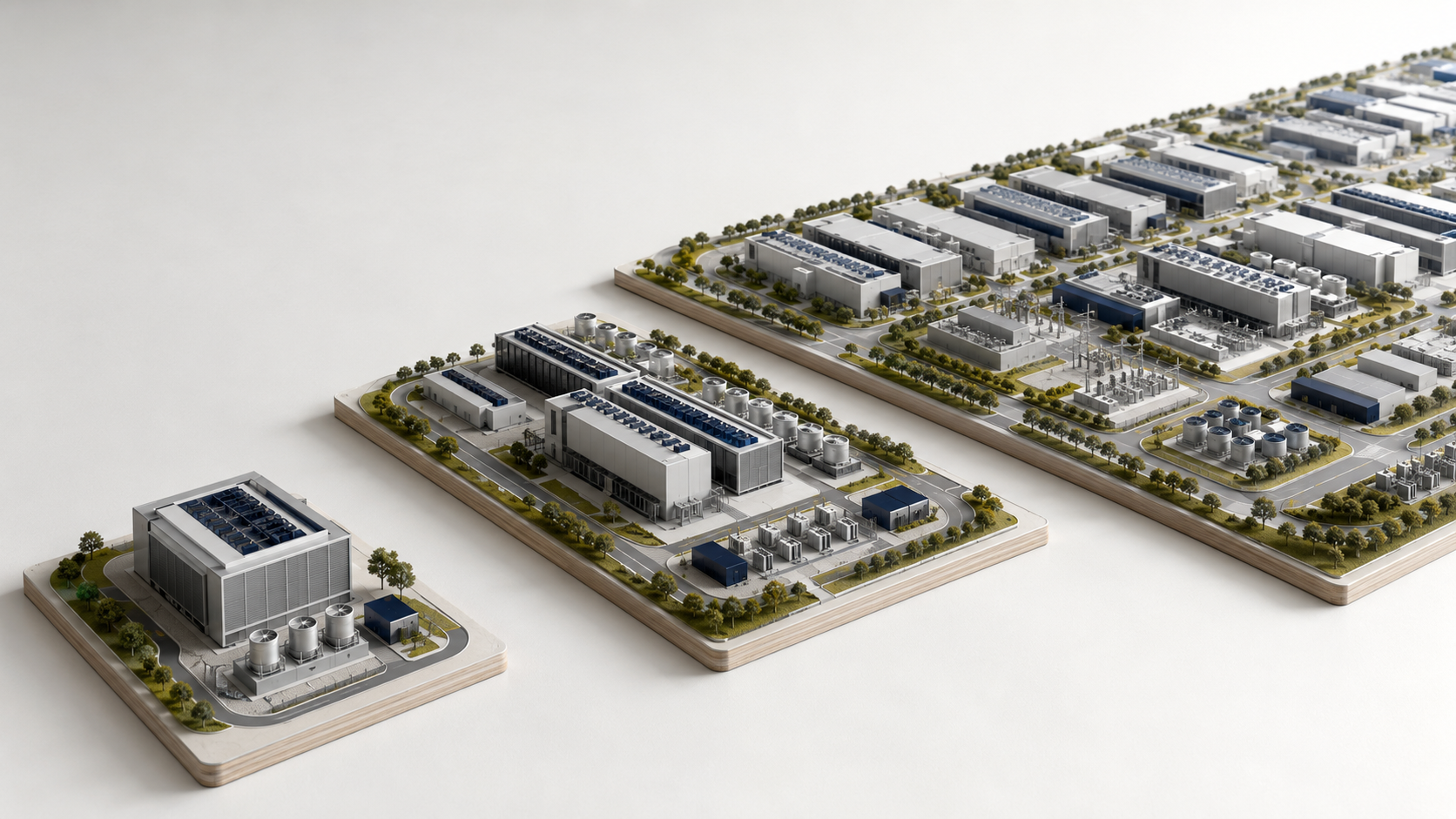
On a 200 MW scale, NVIDIA Approximately 100,000 GPUsThis is going in. Compared to 55MW, it's more than tripled in terms of power. After that, we also set a long-term goal of expanding to 1GW-class infrastructure in line with domestic and international demand.
Here, MW and GW are units that show the amount of power a facility can use. 1 GW is 1,000 MW, so the final target is five times larger than the announced 200 MW. However, it is necessary to distinguish that 1GW is not a scale that is completed immediately, but a long-term roadmap to be phased in.
| What will Naver, Nvidia, and Brookfield take on?
There are three companies at the center of this project.
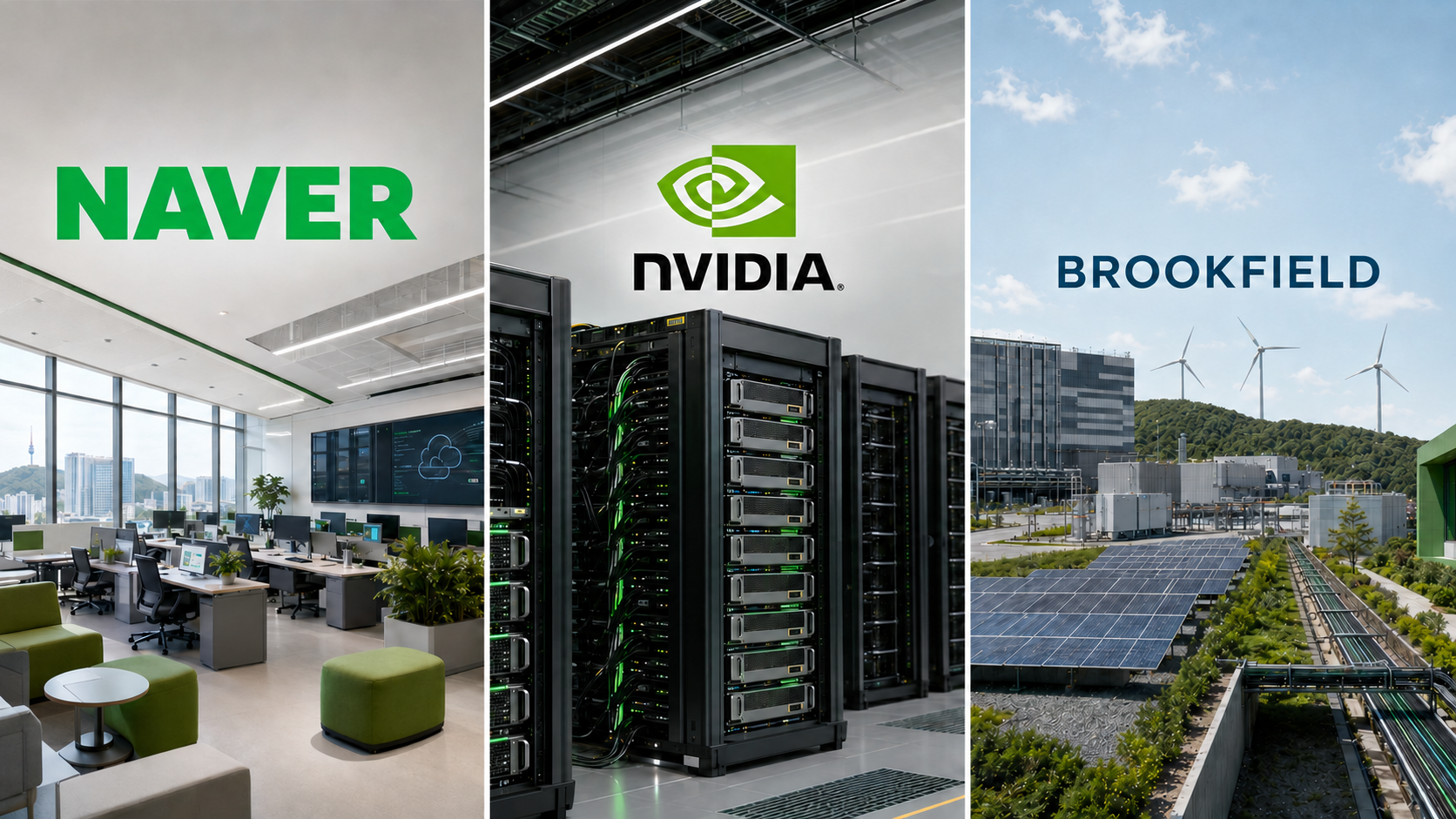
Naveris Each SejongExperience personally operating data centers and large-scale GPU clusters, including. It is also strong that it has a cloud, an AI platform, a model like HyperclobarX, and a real service such as search and commerce. From data centers to AI services, not just companies renting infrastructure Run the entire courseIt means you can do it.
NVIDIAprovides the DSX platform, including GPUs, networks, and software. We're also planning a billion-dollar strategic investment here. not just a provider that sells GPUs, Infrastructure design and development of models, agents, and physical AIOur relationship has widened as partners until.
Global Investors Brookfieldwill underpin infrastructure such as data centers and power Capital Partnersto sign a non-binding agreement for up to $9 billion in funding.
Combining the announcements of the three companies, it is a structure that combines Naver's operational capabilities, NVIDIA's computing technology, and Brookfield's capital and energy infrastructure.
| The point is more than GPUs System.
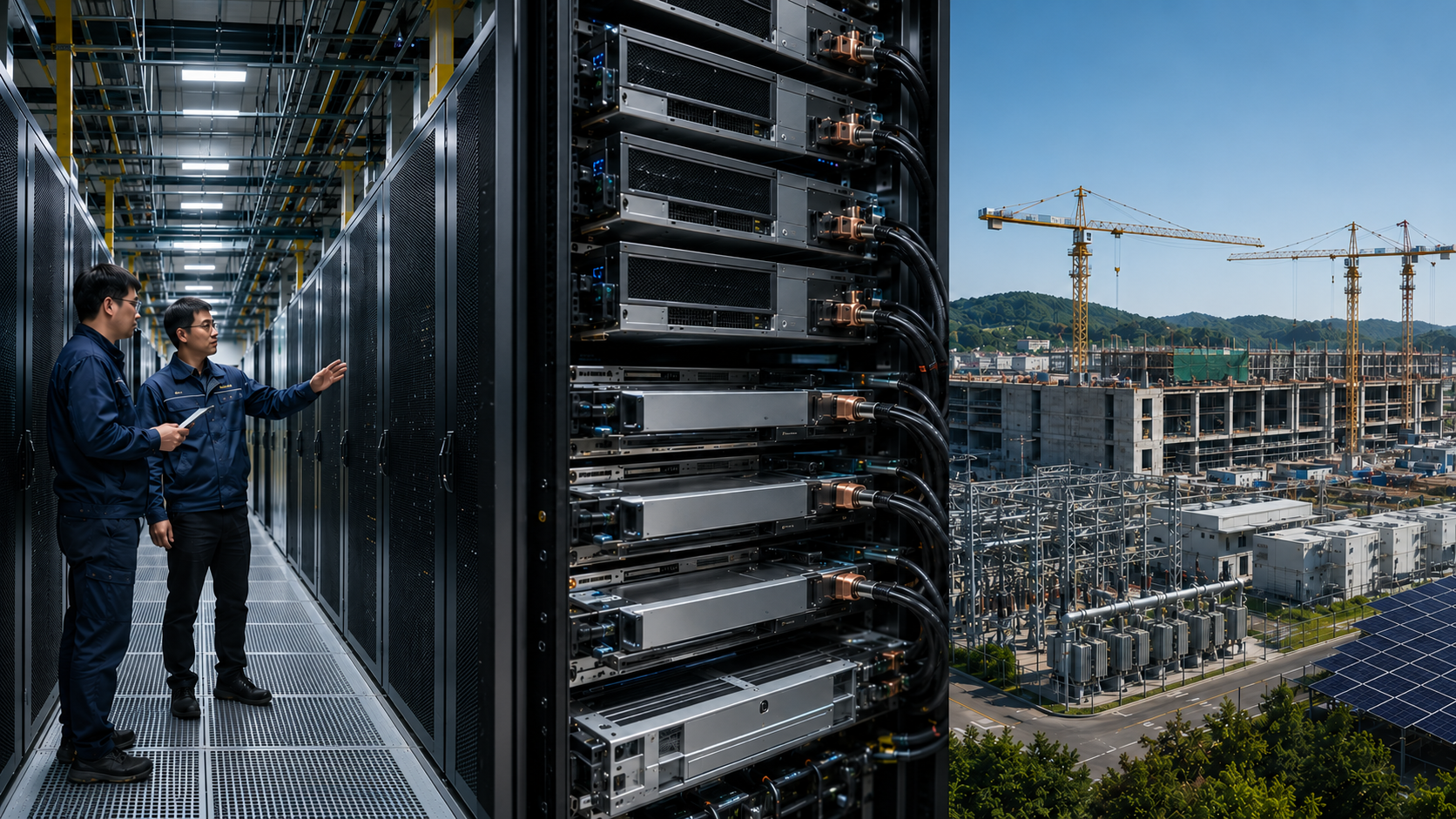
In AI Infrastructure News, the quantity of GPUs is the first thing you notice. However, securing about 100,000 GPUs is not enough to create a stable AI service.
NVIDIA DSX, which will be applied to this facility, is an AI factory platform that designs chips, servers, networks, power, cooling, and operating software. The core goal is to process more tokens within the same power, and reduce the time it takes from deployment to actual service launch.
The 200 MW facility will feature Nvidia Blackwell and the next-generation Vera Rubin platform. At the same time, we plan to support multi-tenant environments where multiple companies share resources, so that we can provide AI computing power to multiple customers rather than a supercomputer Huge AI CloudCloser to.
| Doesn't mean all parts are local
In this project, Sovereign AIThe expression often appears. Sovereign AI The ability of a country or organization to control data, models, and infrastructure in accordance with its own language, culture, and lawsMeaning.
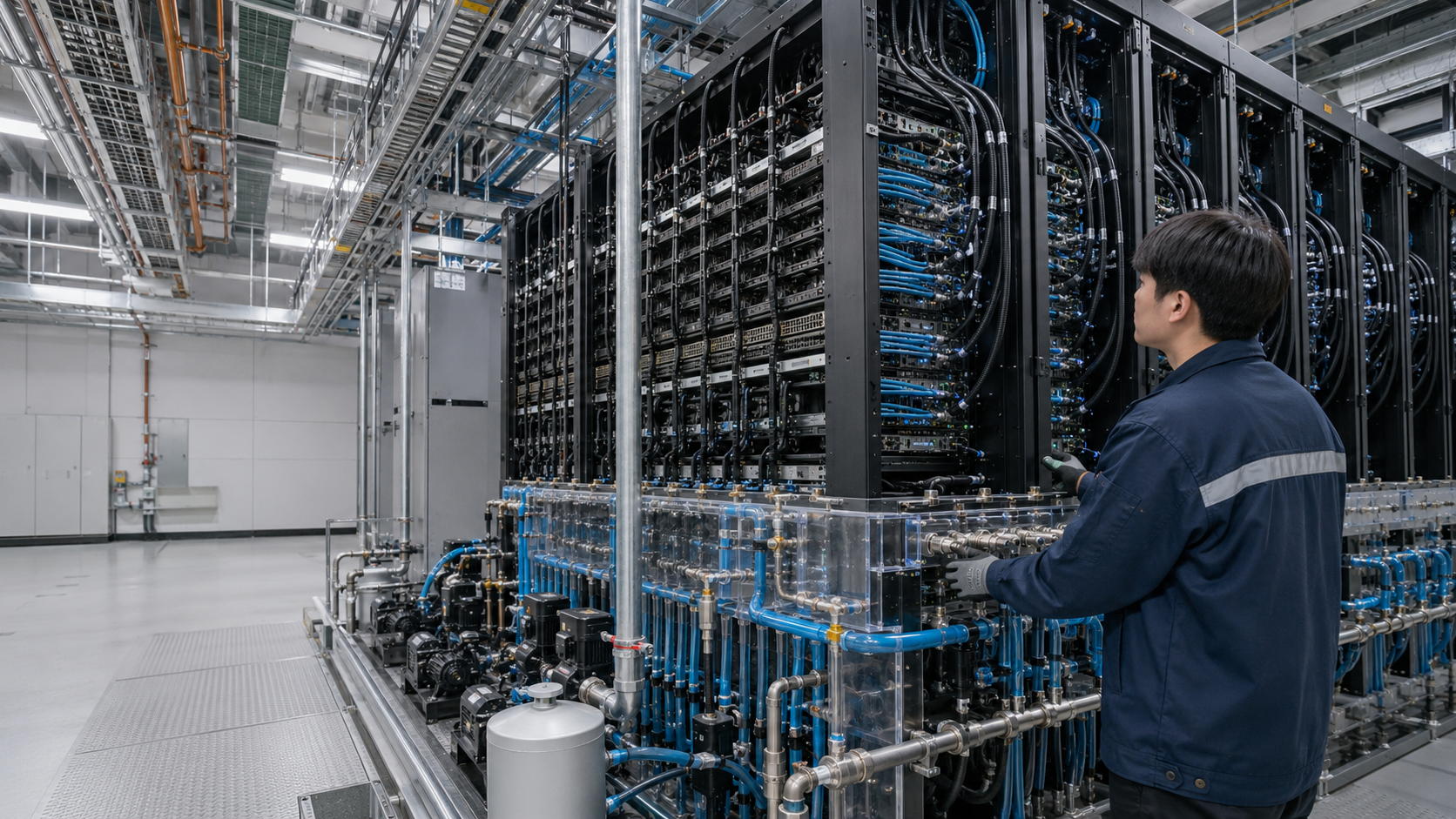
However, this does not mean that all the technology of this AI factory will be made in Korea. Core GPUs and DSX platforms use NVIDIA technology. Instead, Naver operates its own facilities in Korea, providing domestic data, Korean models, security policies, and public and industrial services. Designed for our environmentThe fact that it can be done is close to the core of the Korean style.
In the end, it is accurate to think that it is a strategy to utilize a powerful computing platform abroad rather than complete technological independence, but to take the lead in data and model operation in Korea.
| From Hyperclobar X to Seoul World Model
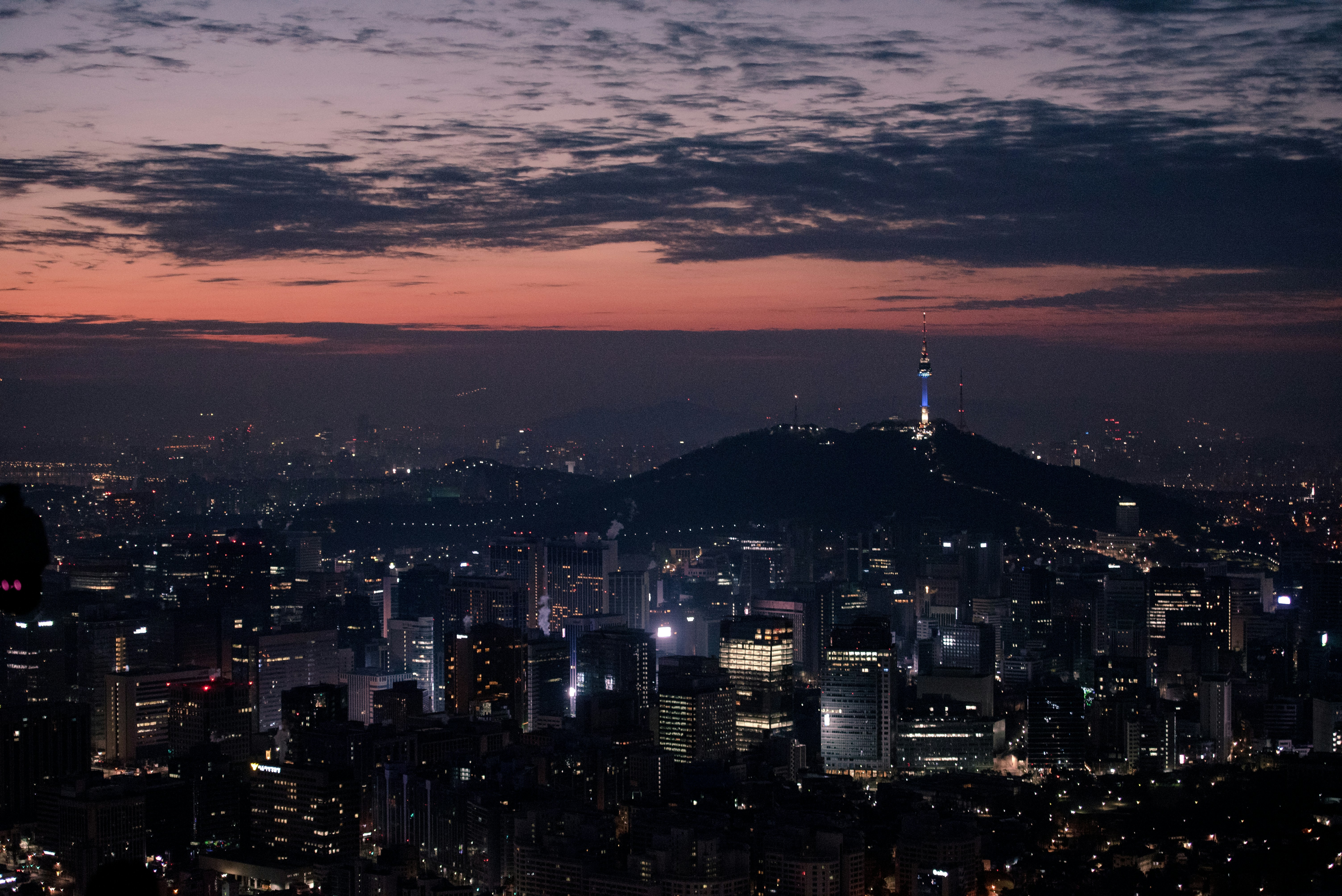
Yohan Cho's photo
This massive infrastructure isn't just used to make chatbots respond faster.
Naver is modernizing HyperclobarX by combining NVIDIA's Nemotron 3 ultra-open model with its own data and learning technology. In the second half of this year, we'll be using NVIDIA's agent toolkit Domestic AI agent platformI also plan to showcase it.
There is also cooperation in the field of physical AI that understands the real space. We are developing the Seoul World Model by combining the NVIDIA Cosmos World Foundation Model with the street view and spatial modeling data held by Naver. Making the roads and spaces of cities understandable by AI can broaden the scope of use in fields such as autonomous driving, robotics, logistics, and urban simulation.
In other words, the result of the AI factory is not a large language model. Korean AI, agents that do the work, models that learn real-world space, AI services for enterprises that are created at the same time base onIt'll be like this.
| How will it affect you?
If it is built according to plan, domestic companies and startups can have more options to access large-scale AI computing resources. Nowadays, it is difficult to acquire high-performance GPUs directly and often you have to rely on overseas clouds, but if a large-scale GPU cloud is available in Korea, Benefits in terms of data movement, latency, and domestic regulatory responseThis could happen.
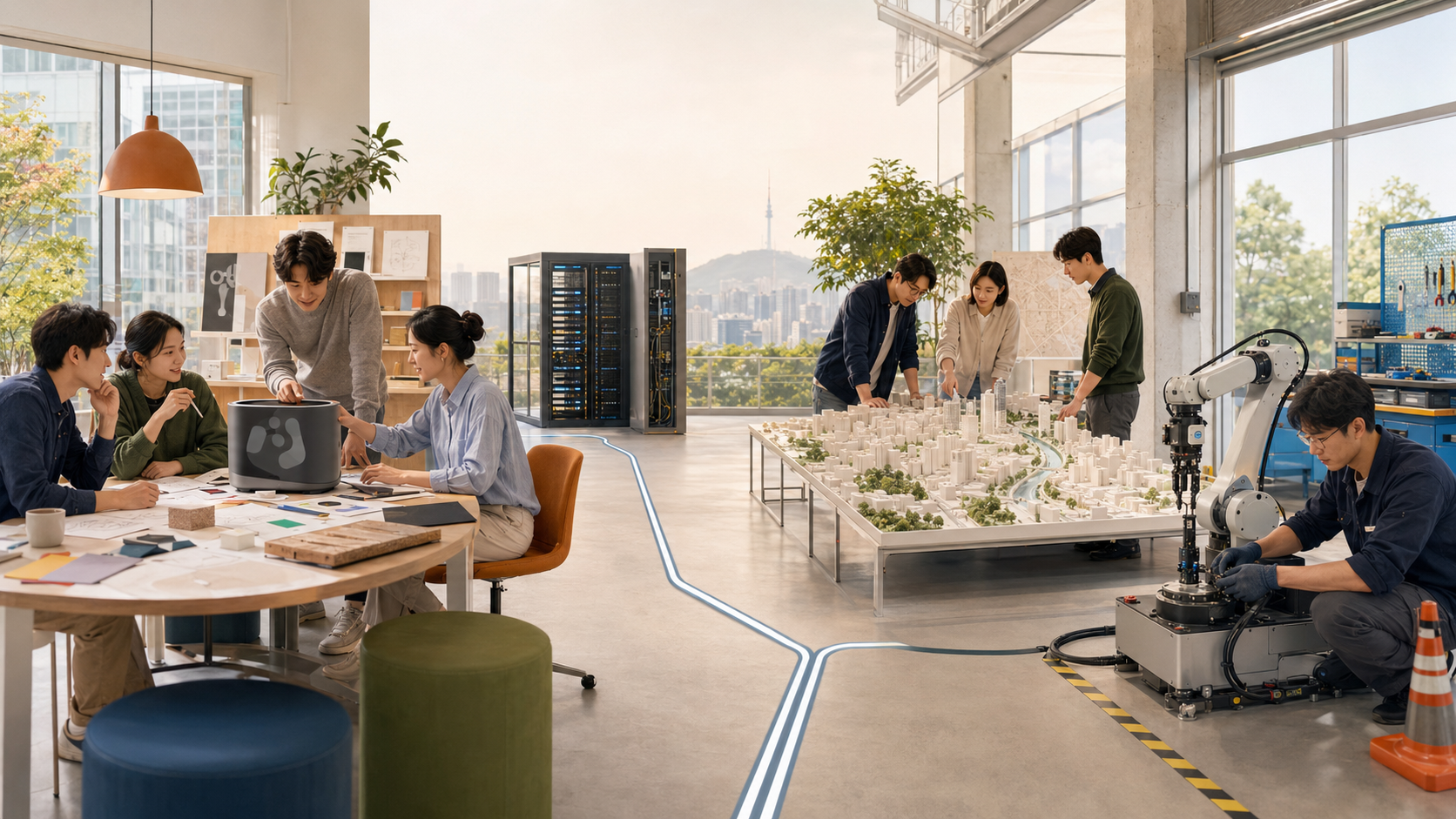
There is a possibility that model development specialized for Korean and domestic industry data will also speed up. This is because in areas where real-world environment and security are important, such as manufacturing, robotics, mobility, and public services, infrastructure tailored to local data and operating conditions is needed rather than simply importing general-purpose AI.
From the standpoint of Naver, it can be an opportunity to expand beyond a search- and advertising-driven Internet company to a global infrastructure provider that provides AI computing resources. The fact that it is targeting not only Asia, but also the demand for sovereign AI in Europe and the Middle East is another part of this plan from the expansion of domestic data centers.
| Do more than plan
The scale of this announcement is certainly impressive, but not all facilities and investments have been completed yet.
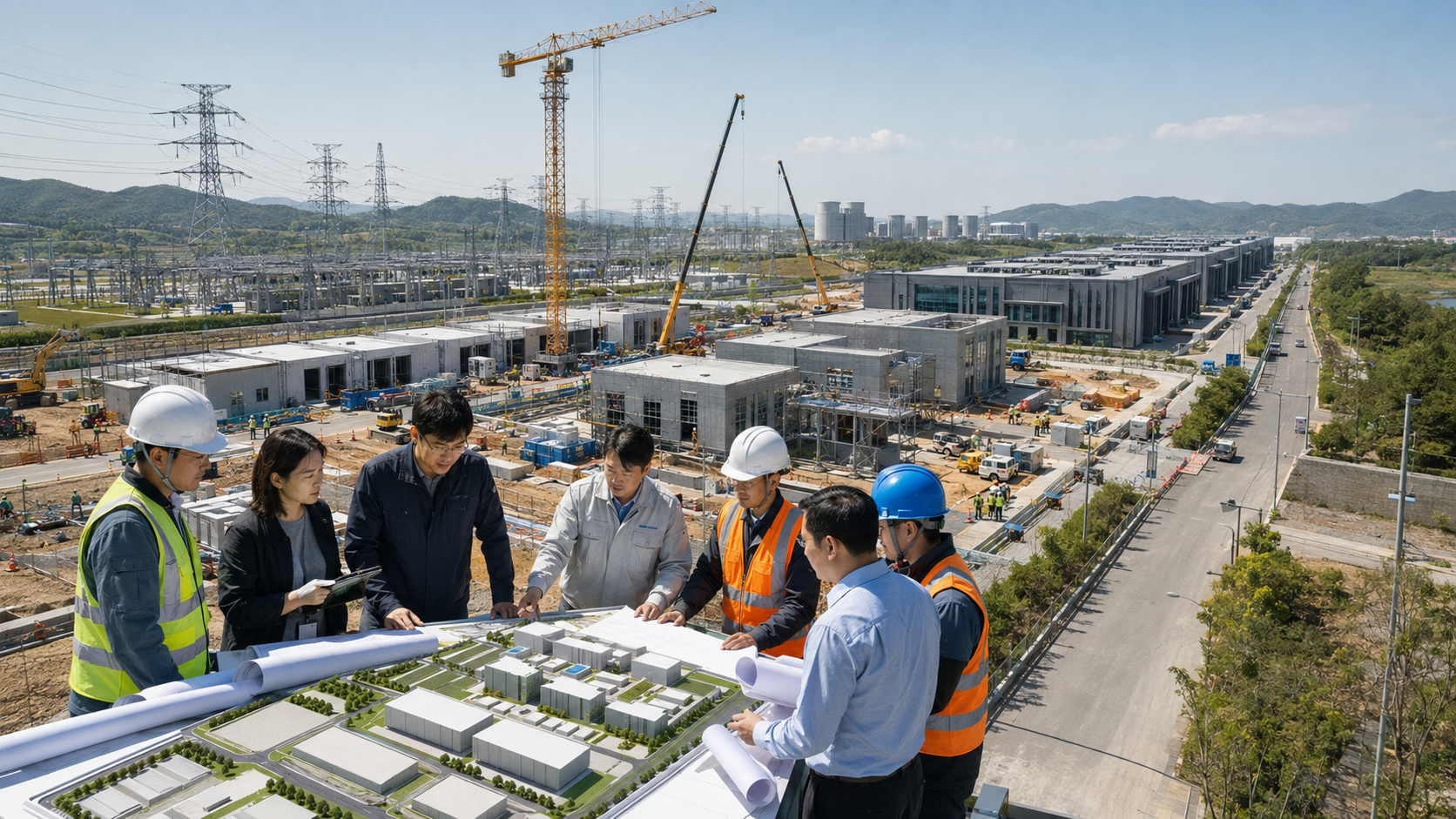
NVIDIA's $1 billion investment is based on the usual closing conditions and Naver's separate funding. Brookfield's support of up to $9 billion is currently Steps of non-binding conditional agreementThat's why we have to keep checking the final contract and the actual execution scale.
Power supply and transmission networks, cooling facilities, construction schedules, and local permits are also important variables. If you want to go beyond 200 MW to 1 GW, you need energy that is as stable and efficient as a GPU. It is also a part of watching the price and distribution standards that domestic startups, universities, and public institutions can actually use.
In addition, it remains an important challenge how to manage NVIDIA platform dependency while promoting Sovereign AI, and what standards domestic companies' data and technology will be protected by.
The real meaning of this cooperation is not just in the number of about 100,000 GPUs. Korea is trying to create a foundation that goes beyond markets that use AI models and directly operates large-scale AI and supplies it to other companies.
If the 55MW operation in 2027 and the 200MW expansion in 2028 continue as planned, and the actual customers and services are filled, each Sejong can become an important production base for the Korean AI industry. Now, the standard of competition is shifting not only to who announces bigger models, but also to who can keep AI running more reliably and efficiently.
Thanks for reading.
If you have more questions, feel free to ask in the comments!

References
Naver | Naver · NVIDIA Announces Construction of Gigawatt-Large AI Factory
Naver | Brookfield, Nvidia and National AI Factory Infrastructure Expansion
NVIDIA Korea | Korea's National AI Factory Infrastructure Expansion
Naver #NVIDIA #AI Factory # Korean AI #SovereignAI # Naver Cloud # Gwangsejong #NVIDIADSX #GPU # HyperclobarX #Physical AI # Seoul World Model # Brookfield #AI Data Center