When it comes to the competition in AI infrastructure, the first component that comes to mind is the GPU.
However, in order to continuously store and quickly retrieve the data generated by AI, High-Capacity SSDs and NAND FlashIt's also necessary. The financial results and long-term contracts recently announced by SanDisk provide concrete evidence that the focus of AI investment is expanding from computing devices to storage devices.
SanDisk's revenue for the fourth quarter of fiscal year 2026 was $8.965 billion, up from a year ago 372% It went up. Data center revenue rose 103% from the previous quarter to $2.977 billion, and the minimum contract revenue from the long-term supply agreements the company disclosed totaled a whopping $93.9 billion.
In this post, rather than focusing on how much SanDisk's earnings have grown, I'll examine why, in the age of AI, a system is being established to secure storage device supplies years in advance.
| Fourth-quarter revenue increased approximately 4.7-fold in just one year.
SanDisk's financial results for the fourth quarter of fiscal year 2026, released on August 5, are as follows. This quarter covers the period ending July 3, 2026.
|
Item |
Fourth Quarter of Fiscal Year 2026 |
Comparison Criteria |
Increase/Decrease |
|
Total Revenue |
$8.965 billion |
$1.91 billion in the same period last year |
372% increase |
|
Data Center Revenue |
$2.977 billion |
$1.467 billion in the previous quarter |
103% increase |
|
Edge Revenue |
$5.432 billion |
$3.663 billion in the previous quarter |
48% increase |
|
Consumer Sales |
$556 million |
$820 million in the previous quarter |
32% decrease |
|
GAAP Net Income |
$6.903 billion |
A net loss of $23 million compared to the same period last year |
Return to Profitability |
Total revenue increased by 51% compared to the previous quarter. However, not all of this increase came from higher sales volume. Of the increase in revenue compared to the previous quarter, the company About one-third is due to increased sales volume, and about two-thirds is due to price increasesHe explained that it came from there.
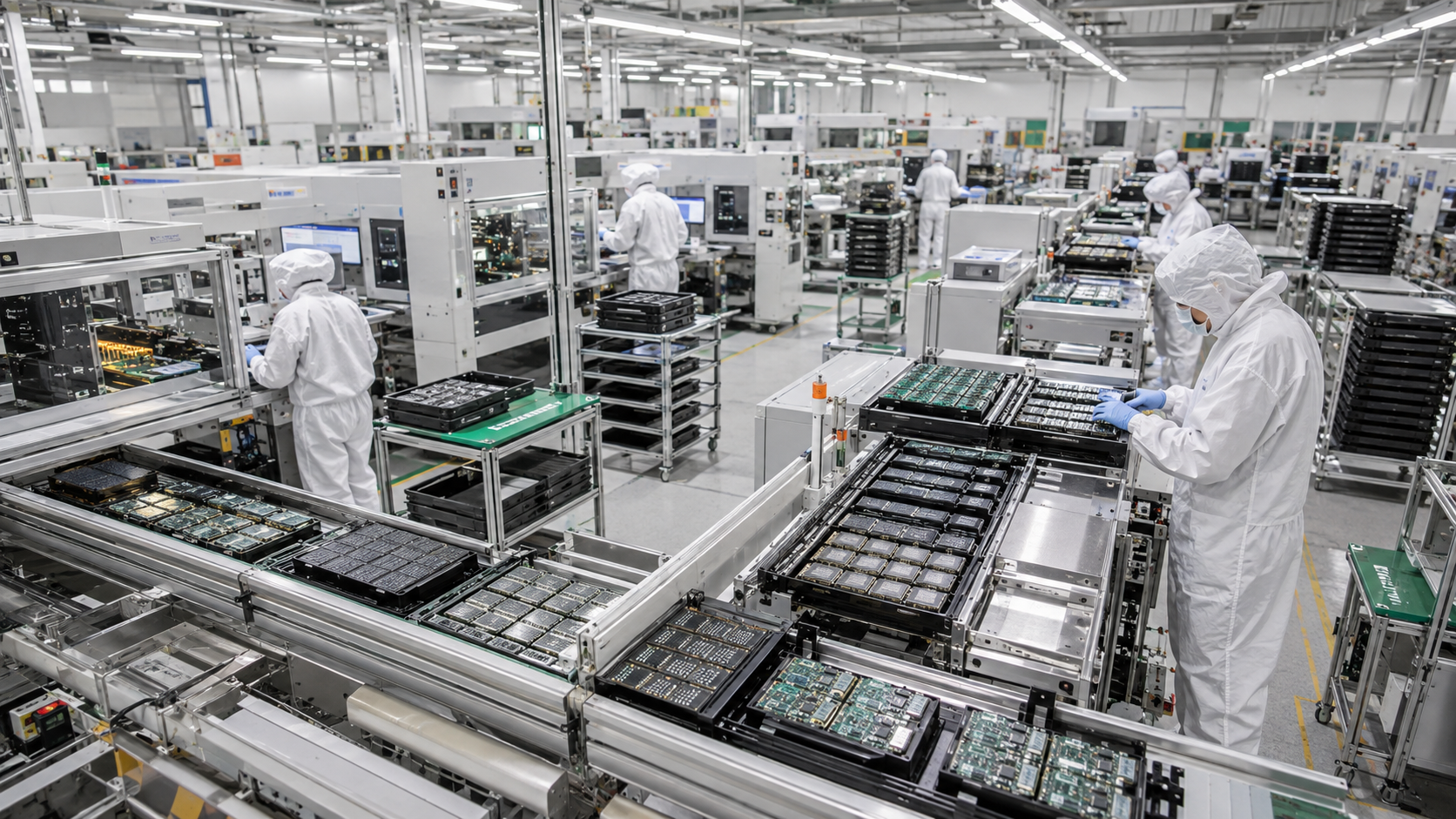
In other words, while it is clear that demand for AI data centers has strengthened, we must also recognize that the rise in NAND and storage device prices—driven by tight supply—had a significant impact on earnings.
| Data centers saw the fastest growth.
The key highlight of this earnings report is the data center segment. Quarterly revenue reached $2.977 billion, more than double that of the previous quarter and a 1,298% increase compared to a year ago.
The share of total revenue accounted for by data centers has also risen to about 33.2%. A year ago, data centers accounted for 12% of total bit shipments, but that figure rose to 38% this quarter.
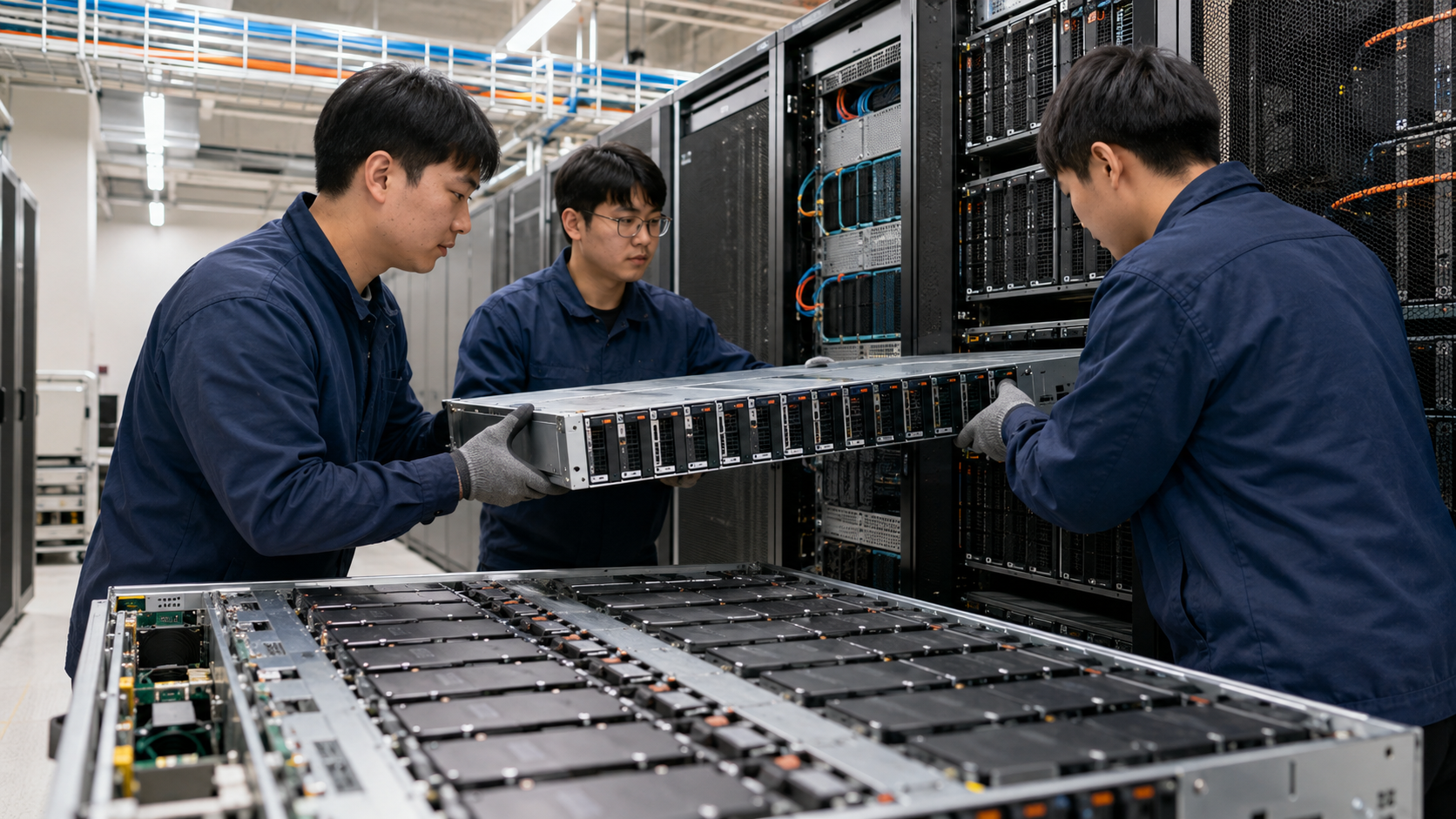
The change is evident even on an annual basis. Data center revenue for fiscal year 2026 reached $5.153 billion, a 437% increase from the previous year. This is why SanDisk has described the data center as its fastest-growing market and a key driver of long-term growth.
In contrast, revenue in the consumer segment—which includes products such as memory cards and USB storage devices—fell 32% from the previous quarter and 5% from the same period last year. Rather than the consumer storage companies we’re familiar with, In other words, the company is increasingly positioning itself as a semiconductor firm that supplies large-scale flash memory to AI data centers.Easy.
| Why does AI require so much storage?
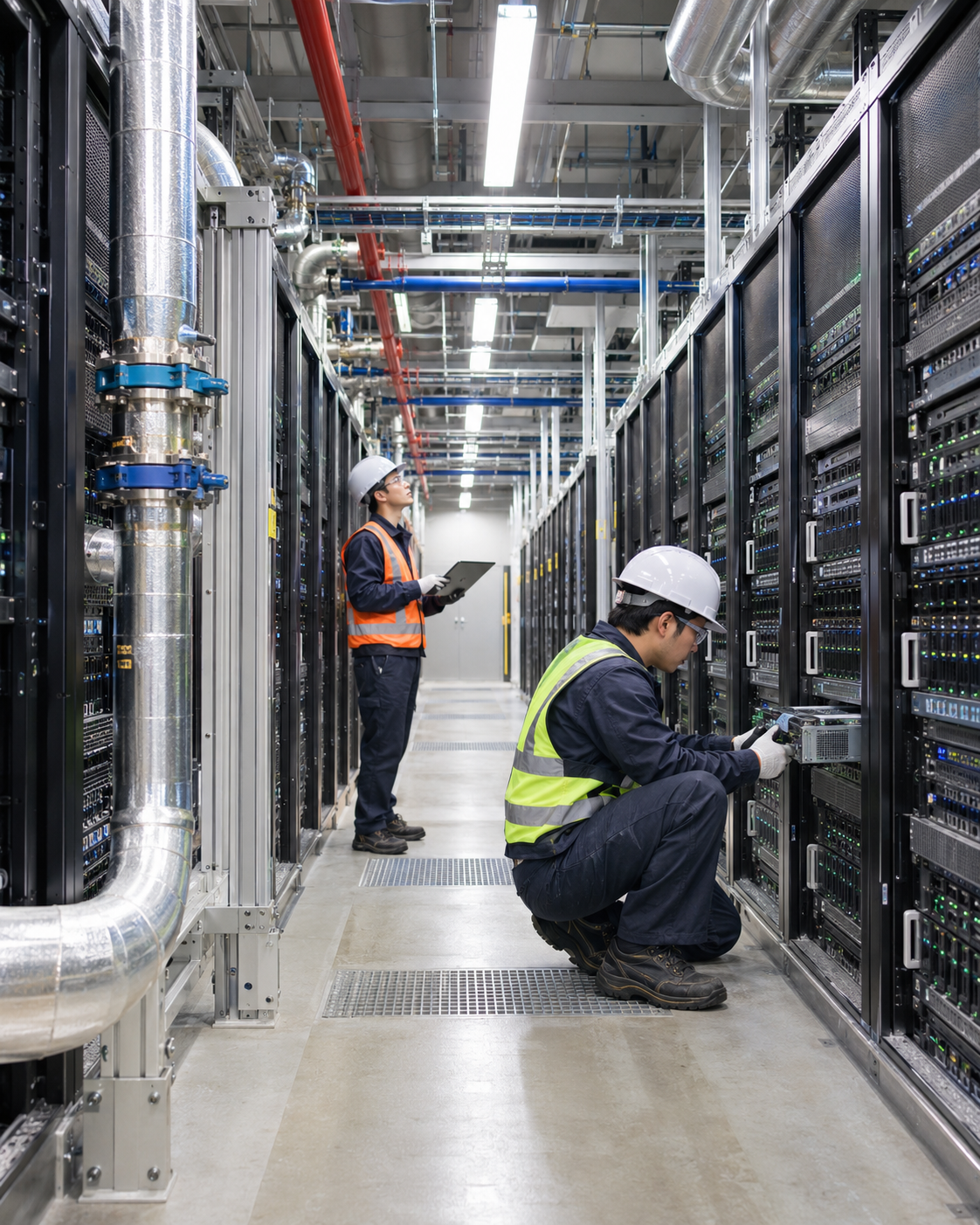
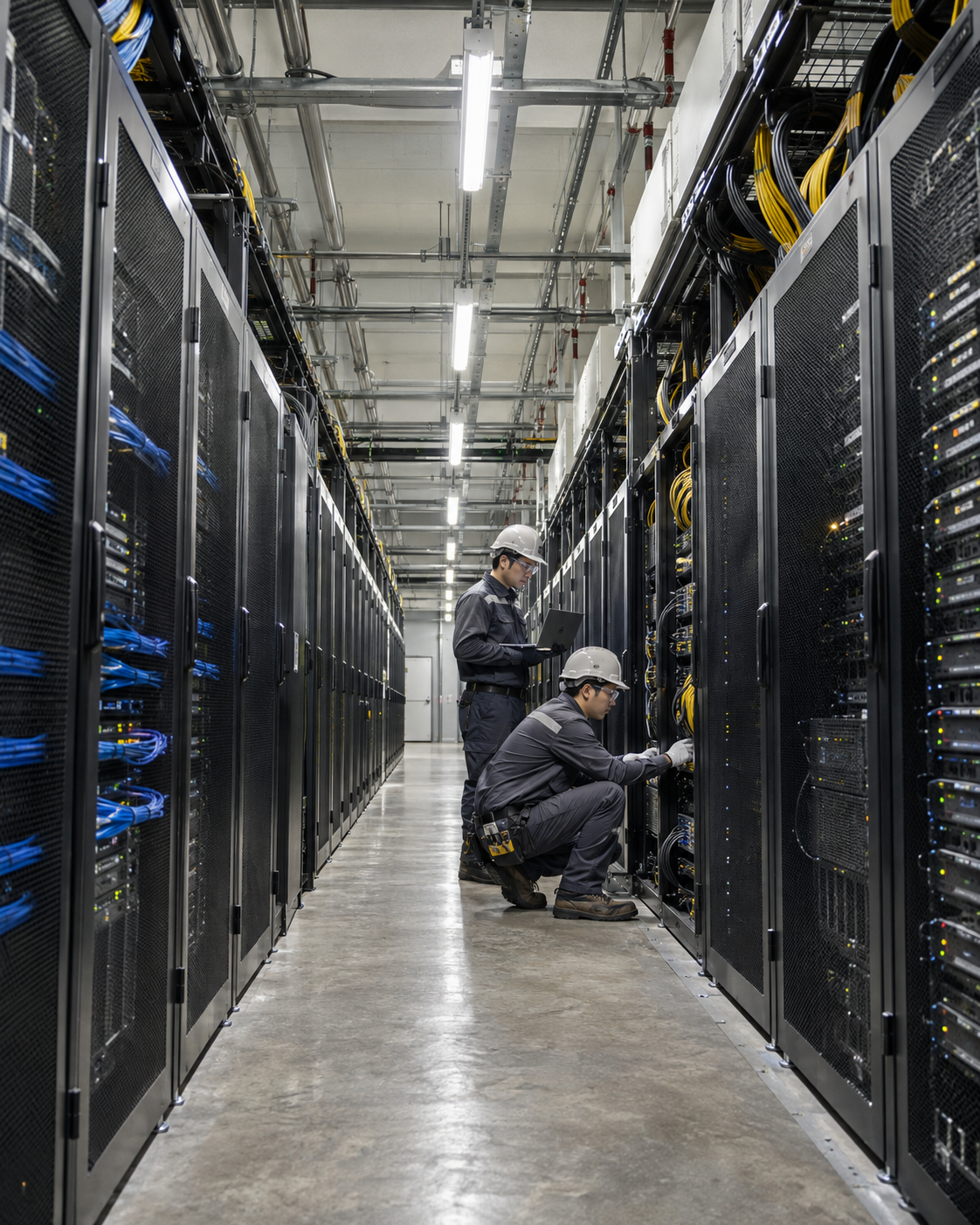
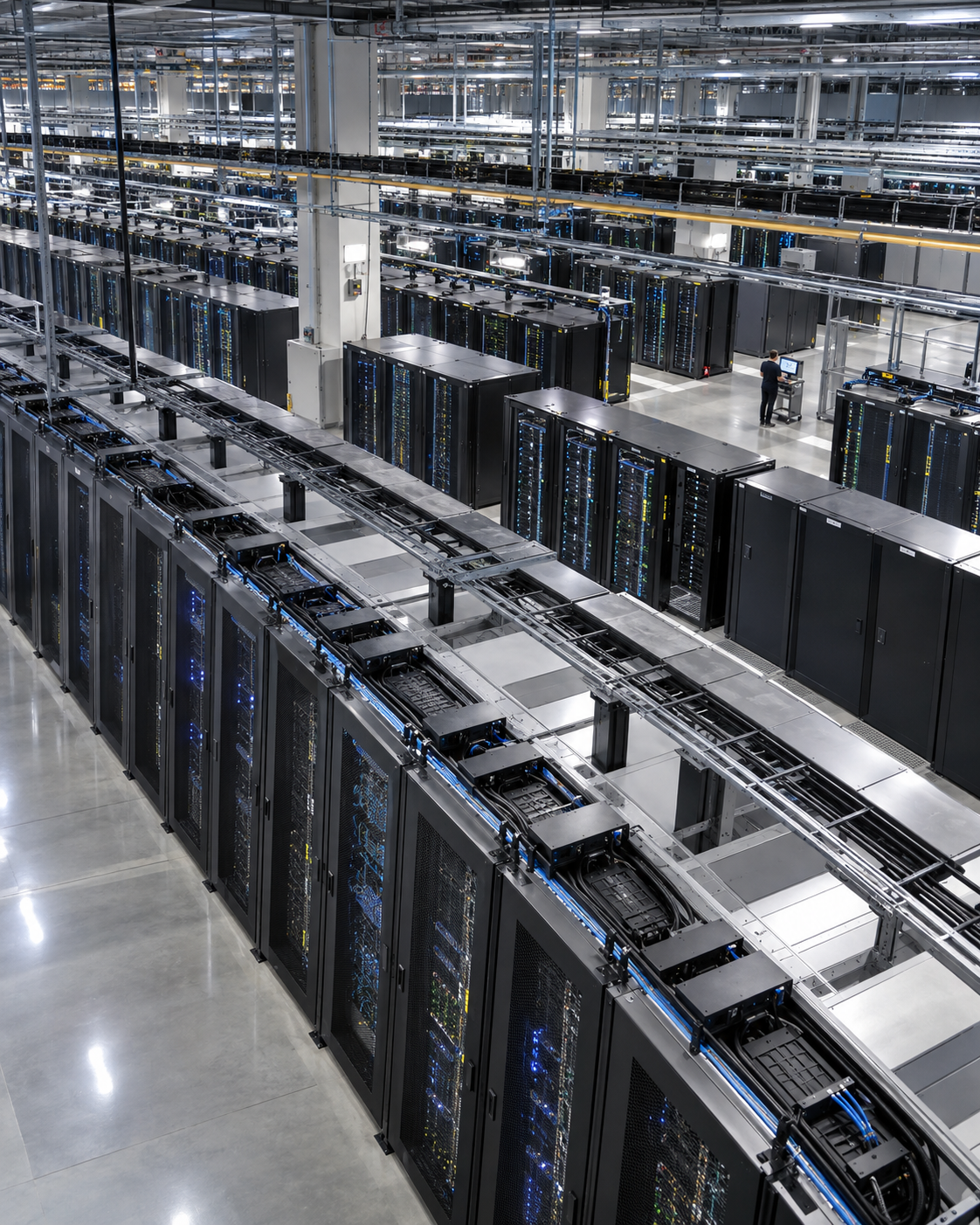
An AI data center isn't complete just by installing a lot of GPUs. It also requires training data, model checkpoints, a search database, user request logs, and images and videos newly generated by the AI, such as Store the ever-growing amount of informationI have to.

In particular, as the focus of the AI market shifts from training large-scale models to inference for actual service operations, the role of storage devices could become even more significant. Every time requests from countless users are processed, the necessary data Quickly Read and, the newly generated results again SaveIt's because I have to.
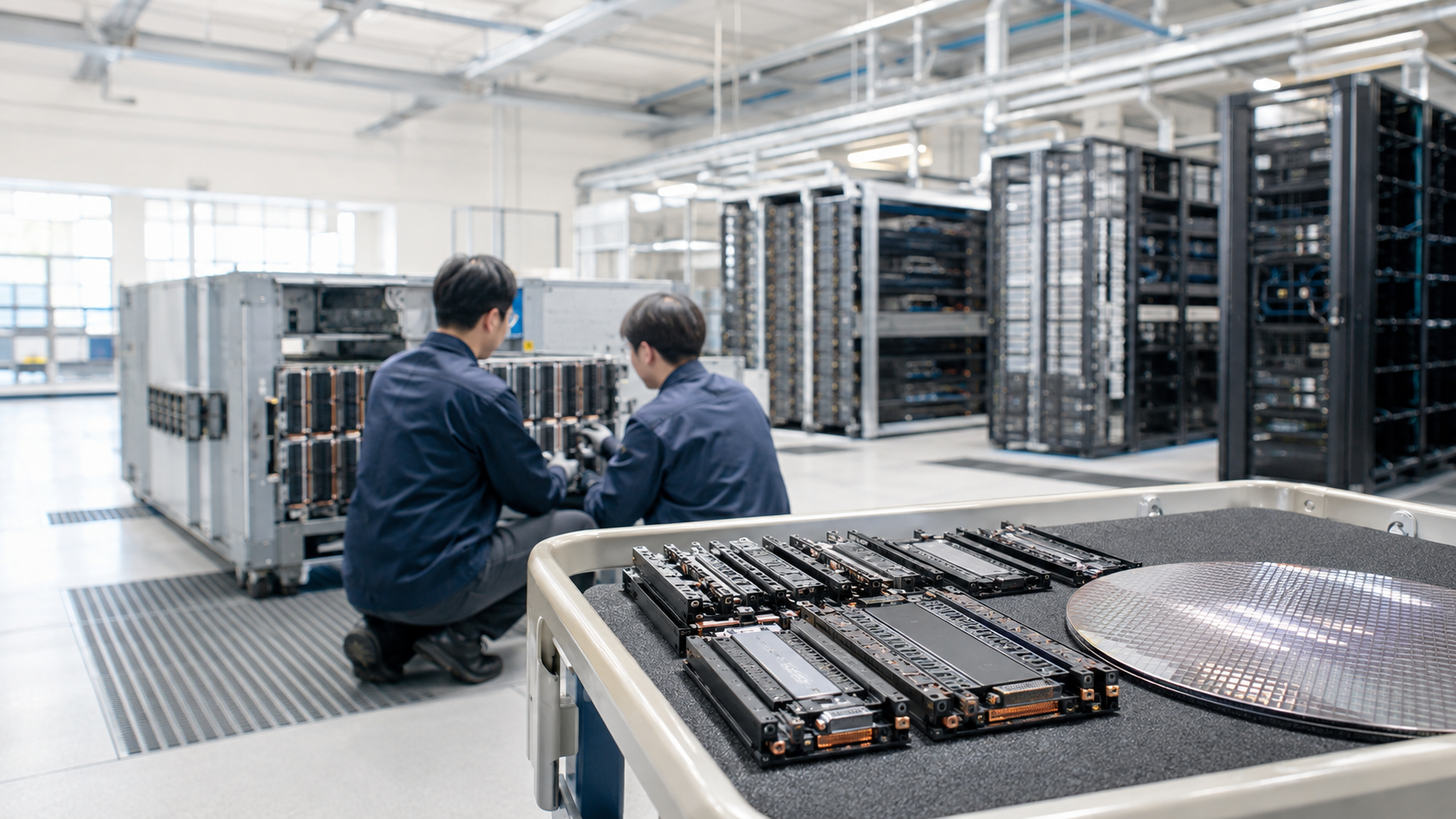
Standard hard drives excel at storing large amounts of data at a relatively low cost. In contrast, enterprise-grade SSDs have low latency and can quickly process multiple requests, making them ideal for use close to AI computing devices. Ideal for storing frequently used dataYeah.
Ultimately, AI infrastructure requires the following four elements to work in tandem.
GPUs and Acceleratorsis in charge of calculations, and
High-Bandwidth MemoryIt quickly provides the data needed during calculations, and
Enterprise SSDs and NAND FlashIt stores and retrieves large amounts of data, and
Power and Cooling SystemsA structure that ensures the stable operation of the entire system
This means that simply securing a GPU supply doesn't guarantee the expansion of an AI data center. If there is a shortage of storage, the expensive computing devices may not receive the data they need in a timely manner, which could reduce the overall efficiency of the system.
| The $93.9 billion isn't revenue that has already been earned.
The most significant figure in this announcement is the minimum contract revenue of $93.9 billion under long-term contracts. SanDisk refers to this as a new business model, or an “NBM” contract.
The $93.9 billion mentioned here does not refer to revenue recognized this quarter or cash already received from customers. The total of the minimum future revenue calculated based on the minimum price specified in the contractWow.
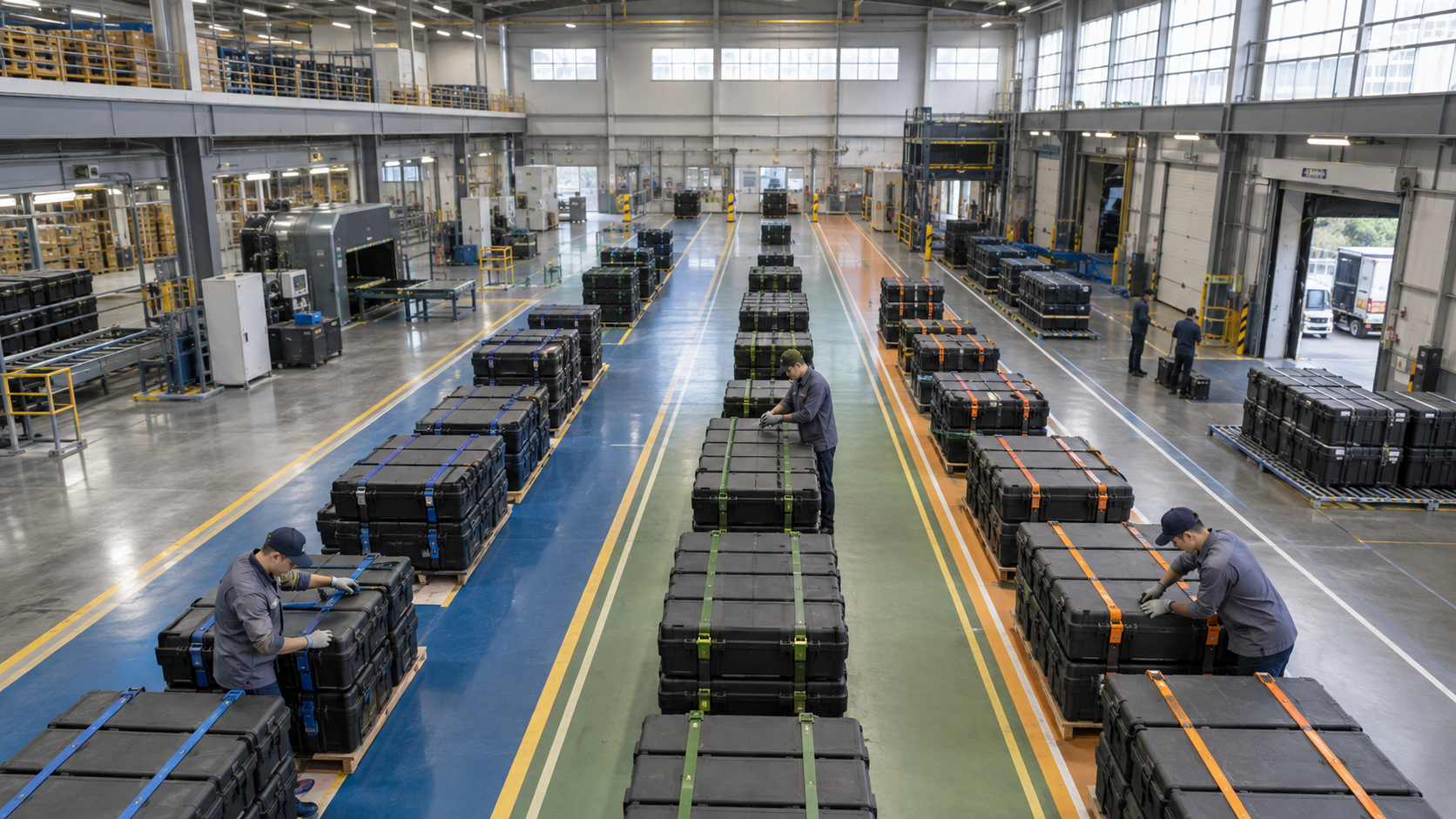
The key conditions outlined in the official announcement are as follows.
We have signed contracts with eight customers in the data center and edge markets.
Based on the lowest price, the minimum contract revenue is $93.9 billion.
The weighted average contract term is four years or more, and the longest contract is five years.
We have secured financial guarantees totaling $16.5 billion, including cash deposits and financial products.
The outstanding obligations at the end of the quarter were $59.8 billion, and when contracts signed after the end of the quarter are included, the total is $91.1 billion.
Half of the bits produced in fiscal year 2027 and about two-thirds of those produced in fiscal year 2028 are expected to be supplied under this contract.
Considering that SanDisk's total revenue for fiscal year 2026 was $20.248 billion, $93.9 billion is Approximately 4.6 times last year's annual revenueThat's correct. This scale generally aligns with the fact that the contract term is four years or longer.
However, caution is needed as the number of customers and contracts varies depending on the source. SanDisk’s official announcement states there are eight customers, while its official press release indicates that five additional contracts were signed following the five announced in April, which could be interpreted as a total of 10. In contrast, Reuters reported 6 customers and 8 contracts. In this article, we have prioritized the figures from the company’s official announcement regarding contract size, duration, and the number of customers.
| The structure is shifting from quarterly contracts to multi-year contracts
The memory semiconductor market is a classic cyclical industry where prices fluctuate significantly based on supply and demand. When demand falls, inventory builds up and prices drop; however, when supply becomes scarce, prices and profits can rise rapidly.

In the past, customers often negotiated volume on a quarterly basis. However, building an AI data center requires multi-year planning and massive capital investment. If the necessary storage devices aren’t secured in time, it could become difficult to fully utilize even the GPUs and power infrastructure that have already been installed.
As a result, customers now have a stronger incentive to secure supply volumes and price ranges in advance through long-term contracts. From SanDisk’s perspective, this makes it easier to forecast future sales volumes and allows the company to plan factory investments and production more reliably.
This contract includes both a fixed price and a variable price, and the variable price has a minimum and maximum limit. A structure that reduces the risk of sharp price drops for suppliers and limits the risk of excessive price increases for customersThat's one way to look at it.
The competition in AI infrastructure is not simply Who bought more GPUs?Beyond Who has secured the power, memory, and storage supply chains for a longer period?It also implies that it is turning into a battle.
| Despite Strong Results, There Are Risks to Consider
While the figure of $93.9 billion is a strong indicator of long-term demand, it does not mean that future revenue is guaranteed without any risk.
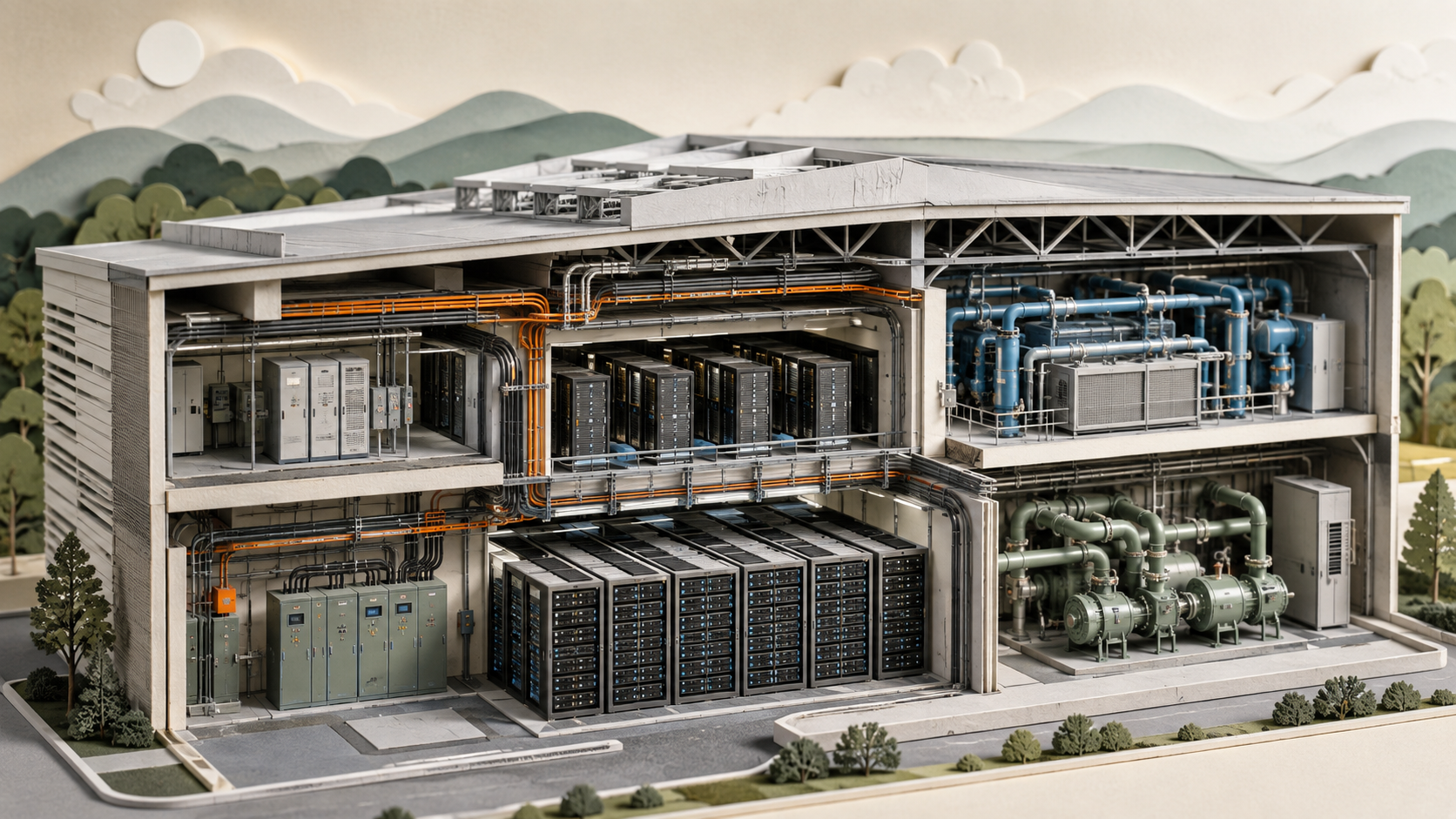
First, Price EffectHey. About two-thirds of this quarter’s revenue growth came from price increases. Going forward, if NAND supply increases or demand slows down and prices fall, it may be difficult to maintain the current growth rate and profitability.
Second, Execution Risk of Long-Term ContractsWell, actual revenue is recognized over several years, depending on the customer’s data center construction schedule, product certification, quarterly supply volumes, and contract terms. You shouldn’t interpret the total contract amount by simply adding it to current earnings.
Third, Concentration of SupplyWow. SanDisk relies heavily on its joint production structure with Kioxia. If the production transition is delayed or process issues arise, it could become difficult to supply the required volume under long-term contracts.
Fourth, Technological ChangeHey. The capacity, speed, and power efficiency required by AI data centers are constantly changing. The longer the contract term, the greater the challenge of ensuring that current products remain competitive in the next generation as well.
| What should we watch out for in the next quarter?
SanDisk expects revenue for the first quarter of fiscal year 2027 to be between $10.3 billion and $10.8 billion. If the company hits the midpoint of that range—$10.55 billion—that would represent an increase of about 18% compared to this quarter.
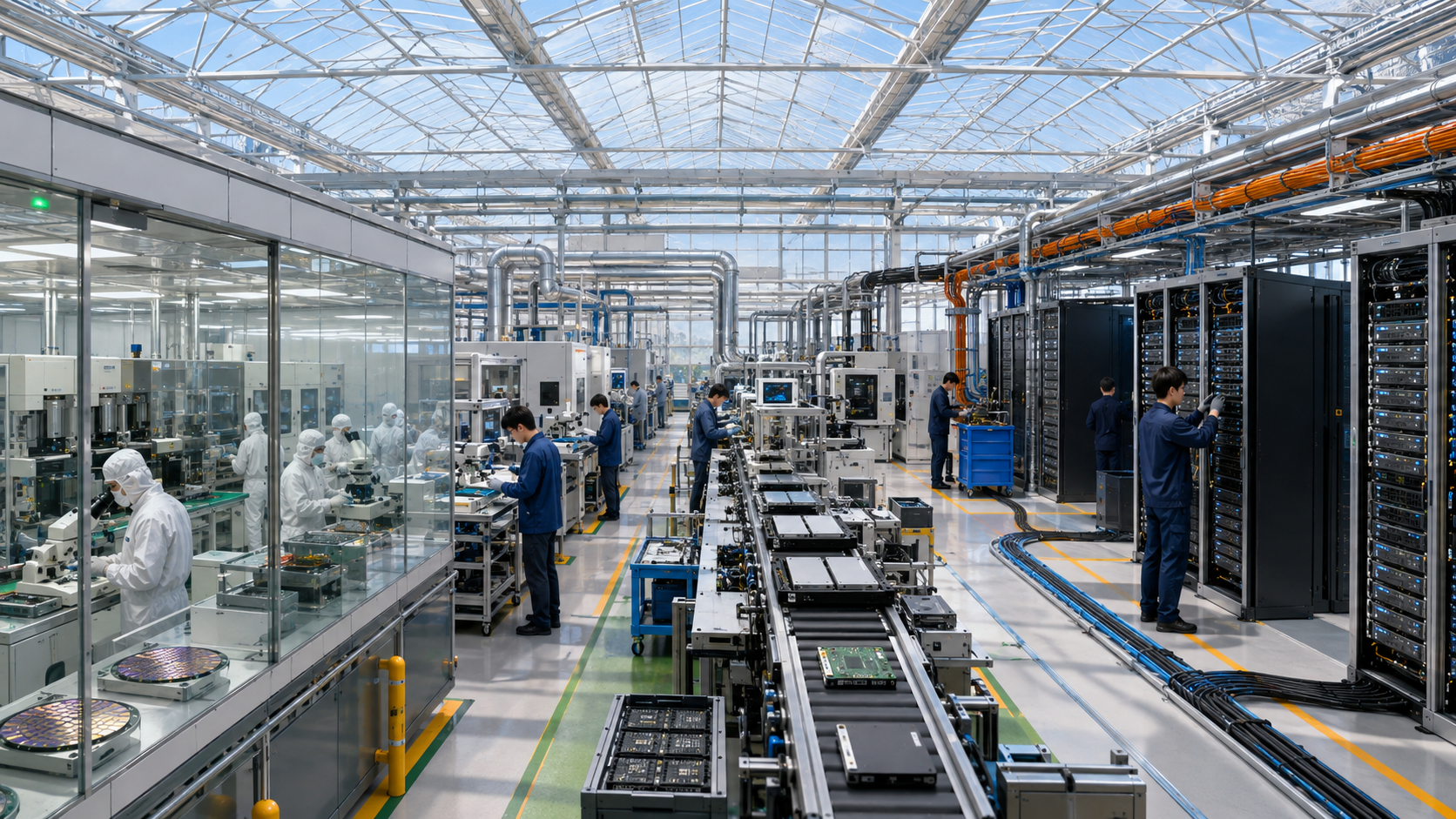
From now on, it’s better to look at the following items along with total sales rather than just total sales alone.
Is the share of data center revenue in total revenue continuing to increase?
Whether the remaining performance obligations under long-term contracts are consistently converted into actual revenue
Which drives growth: sales volume or price?
Can the company maintain profitability while supplying more than half of its production under long-term contracts?
Is mass production of the next-generation BiCS8 and BiCS10, as well as enterprise SSDs, proceeding as planned?
The fact that the stock price briefly fell by about 8% in after-hours trading following the earnings announcement also shows just how high market expectations were. This was largely due to the fact that, with the stock price having already risen significantly this year, some investors had been expecting even better results—rather than the numbers themselves being poor.
Conclusion
The most significant change in SanDisk’s latest earnings report isn’t just the 372% increase in revenue itself. It’s the fact that AI data center customers have begun to view storage devices not as components purchased on a quarterly basis, but as critical infrastructure for which they must secure supply years in advance.
The minimum contract revenue of $93.9 billion and a contract term of at least four years can be seen as a sign that the scope of the AI infrastructure competition has expanded beyond GPUs to include SSDs and NAND flash.
However, this growth is largely driven by price increases resulting from supply shortages. We’ll need to see whether long-term contracts actually translate into shipments and revenue, and how long the high prices and profitability can be sustained, before we can determine whether this shift represents a temporary semiconductor boom or a structural market transformation.
Thank you for reading my post again today!

References
SanDisk Announces Financial Results for the Fourth Quarter of Fiscal Year 2026
Report on SanDisk's AI Demand and Long-Term Purchase Agreements — Reuters
Data as of: August 6, 2026, Korea Standard Time
#Sandisk #SanDisk #AI Data Center #Enterprise SSDs #NAND Flash #AI Infrastructure #Semiconductors #Data Storage #IT News #Tech News