The focus of the AI semiconductor competition is gradually shifting.
While the focus until now has been on how quickly massive AI models can be trained, now The bigger challenge is how quickly and cost-effectively we can make the trained model available to a large number of users....is on the rise.
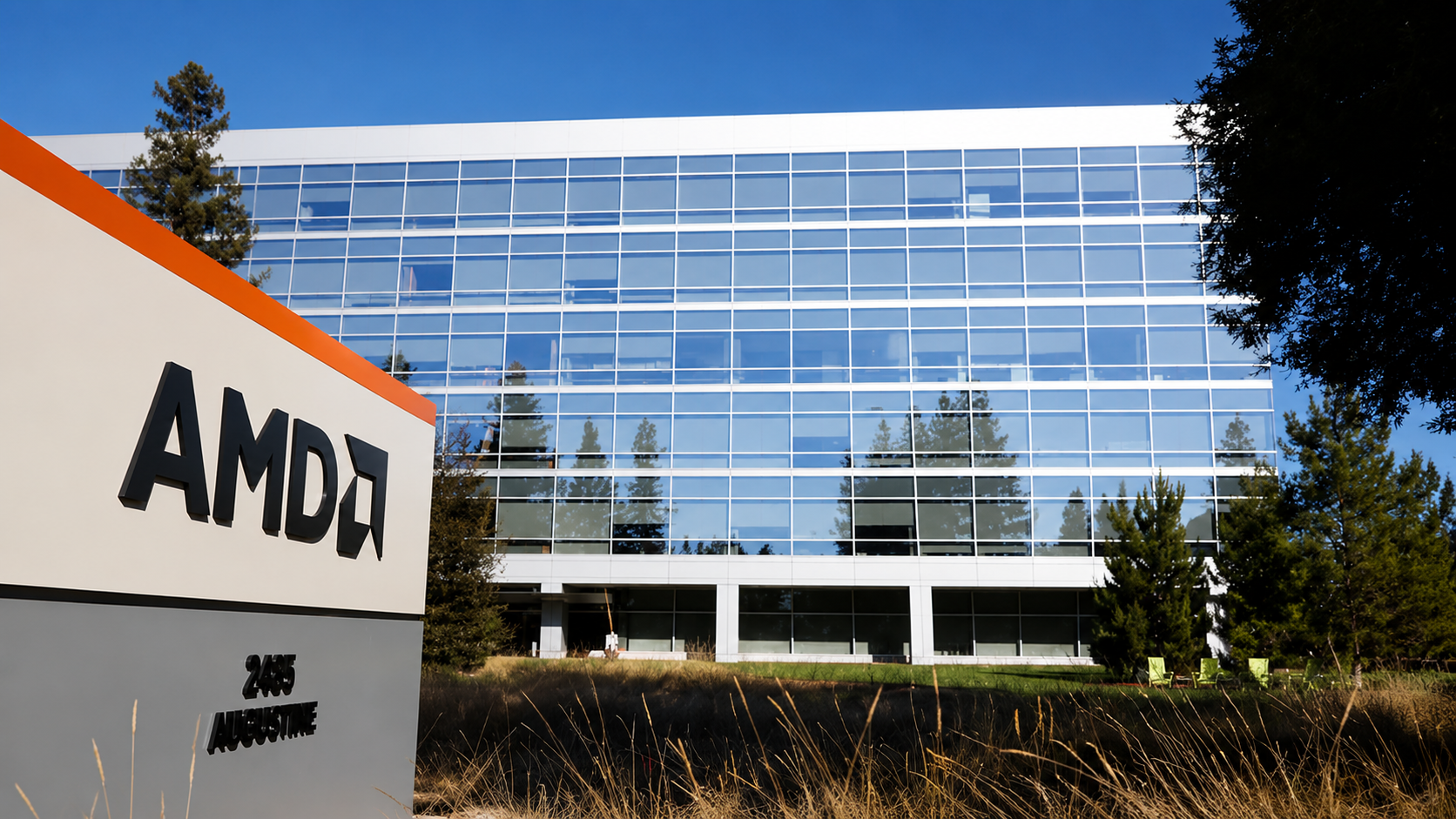
Amid this trend, AMD announced on August 6, 2026, that a Canadian AI semiconductor startup TaalasWe have signed a definitive agreement to acquire [company name].
The acquisition price has not been disclosed, and the deal has not yet closed. While regulatory approvals and customary closing conditions remain, this agreement alone makes it quite clear how AMD intends to tackle the AI inference market.
| AMD has TaalasReasons for Choosing [...
Taalas is a Toronto, Canada-based company founded in 2023 StartupWow.
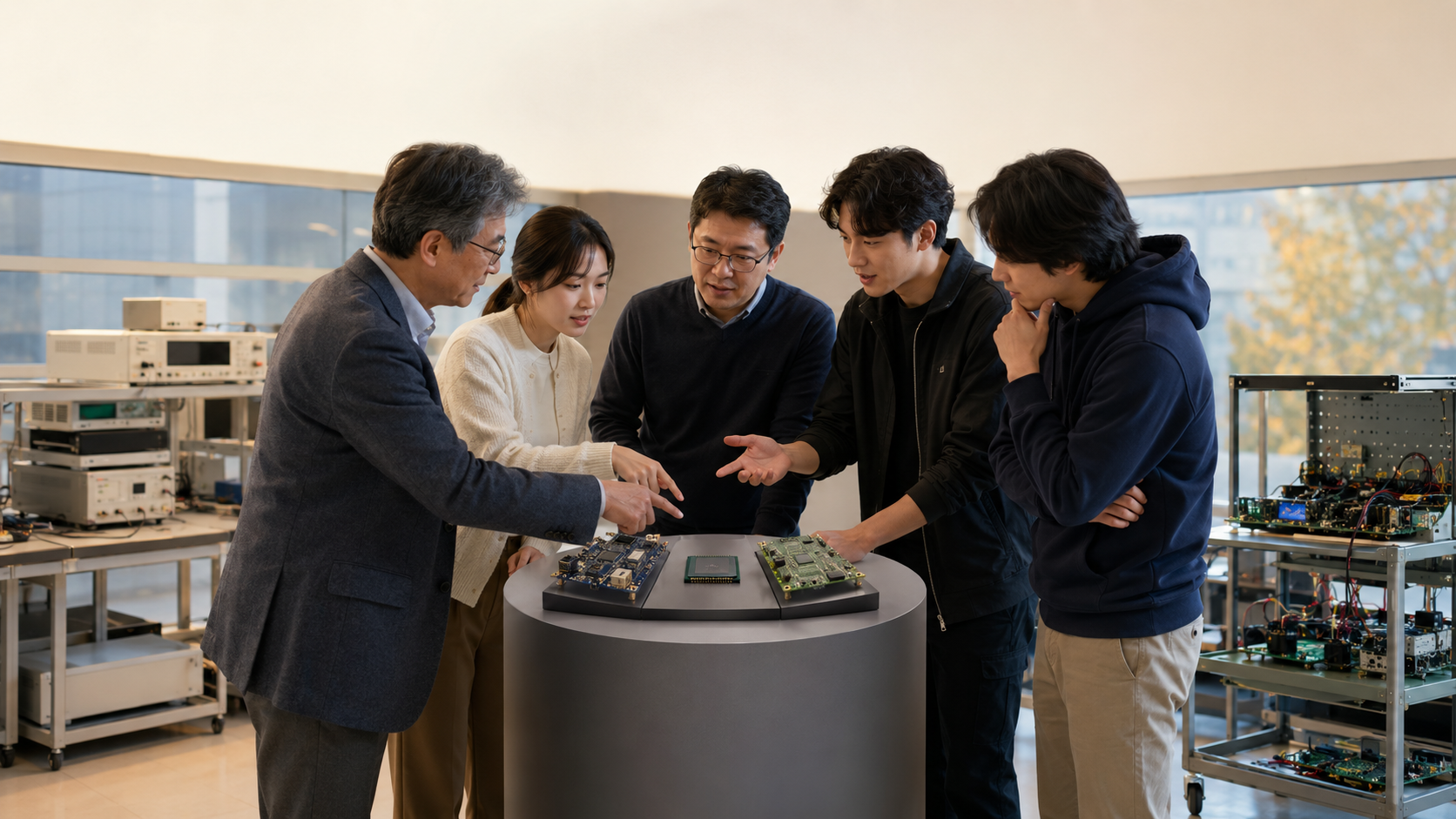
The company has focused on the inference aspect of AI models. Inference refers to the actual execution phase in which a pre-trained model answers user questions, analyzes images and audio, and produces predictive results.
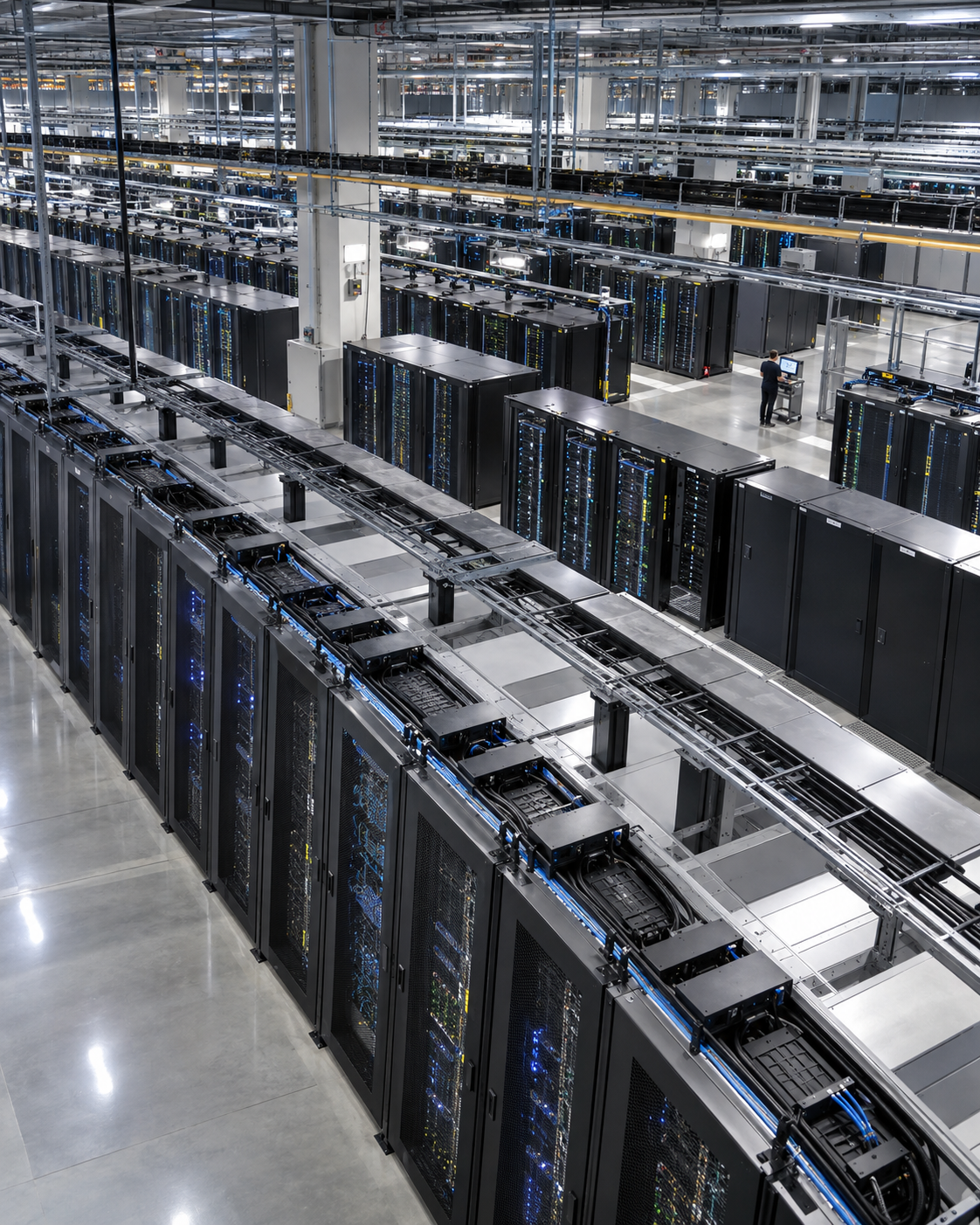
As generative AI services become more widely used, the number of inference requests continues to grow. Even if the cost per response seems small, when repeated hundreds of millions of times, power consumption, memory usage, and server costs are bound to increase significantly.
According to an official announcement from AMD, Taalas technology focuses on reducing computational and memory bottlenecks that arise in general-purpose architectures....AMD believes this technology will help differentiate its products in terms of inference performance and efficiency.
Taalas is February 2026: $169 millionreceived additional investment, and up to that point, The cumulative investment amounts to approximately $219 millionThat's right. It's also worth noting that AMD chose a team that had secured funding and technical personnel, rather than one with just a preliminary idea.
| Rather than AI training InferenceWhy this is becoming more important
AI training is the process of building models using large amounts of data. In contrast, inference is The process of continuing to run the completed model in a live production environmentEasy.
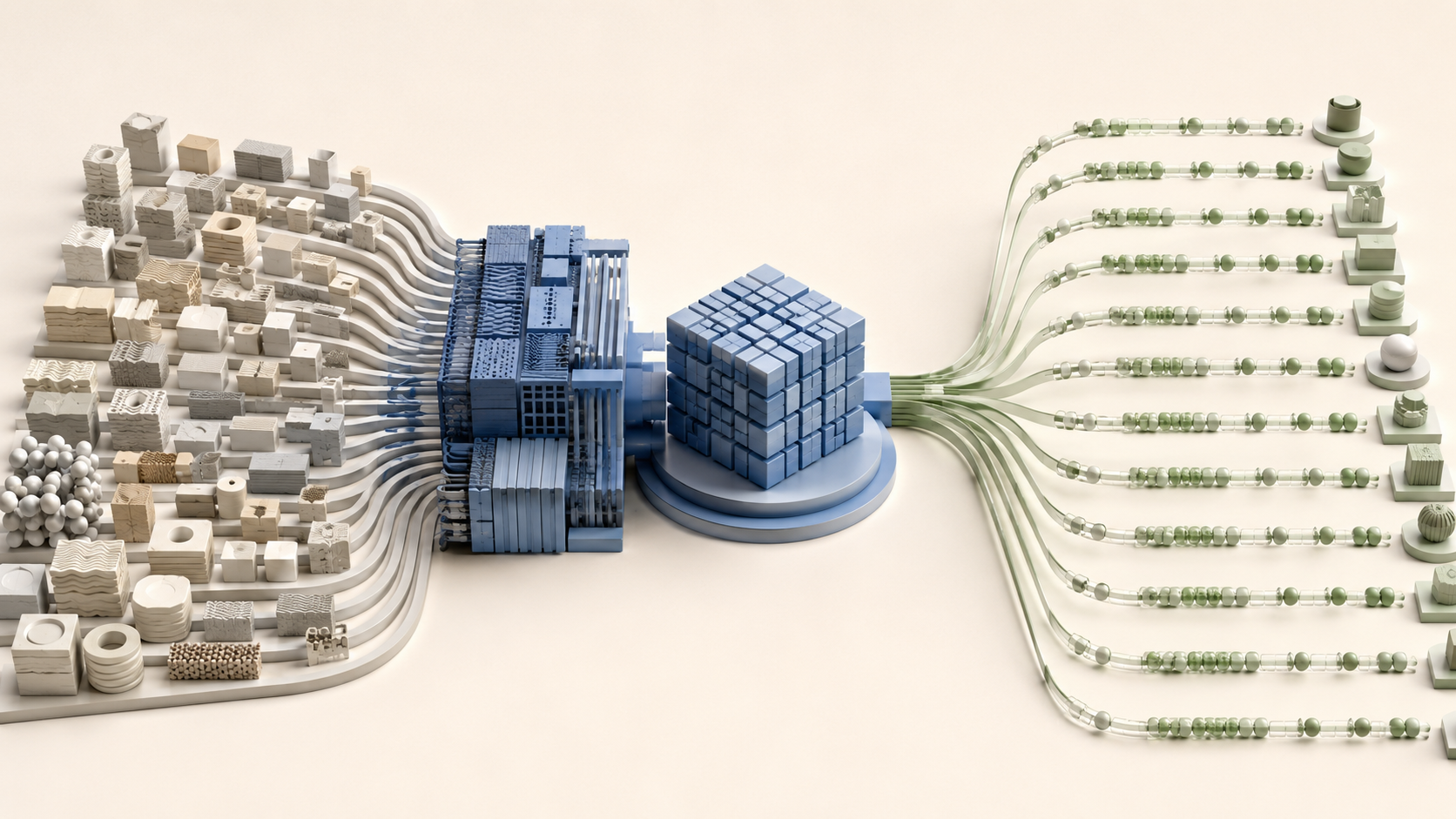
Training requires significant resources, but it can be completed at a specific point in time. Inference, on the other hand, is repeated every day and every hour as long as the service is running. As the number of users increases, so does the number of requests that need to be processed, and response times and operating costs directly determine the service’s competitiveness.
Reducing latency is particularly important for services that require real-time responses, such as AI assistants, search, translation, recommendations, and robots. If there were a semiconductor that could deliver the same results faster while using less power and costing less, it would undoubtedly be attractive to data center operators.
That's why semiconductor companies are investing not only in general-purpose GPUs that handle all types of tasks but also in chips and systems that are better optimized for specific inference tasks. AMD's agreement to acquire Taalas can be seen as a move in response to this shift.
| How does Taalas' approach differ from that of a standard GPU?
The biggest advantage of a GPU is its flexibility. It can run various types of AI models by switching between software implementations and can handle a wide range of tasks, from training to inference.
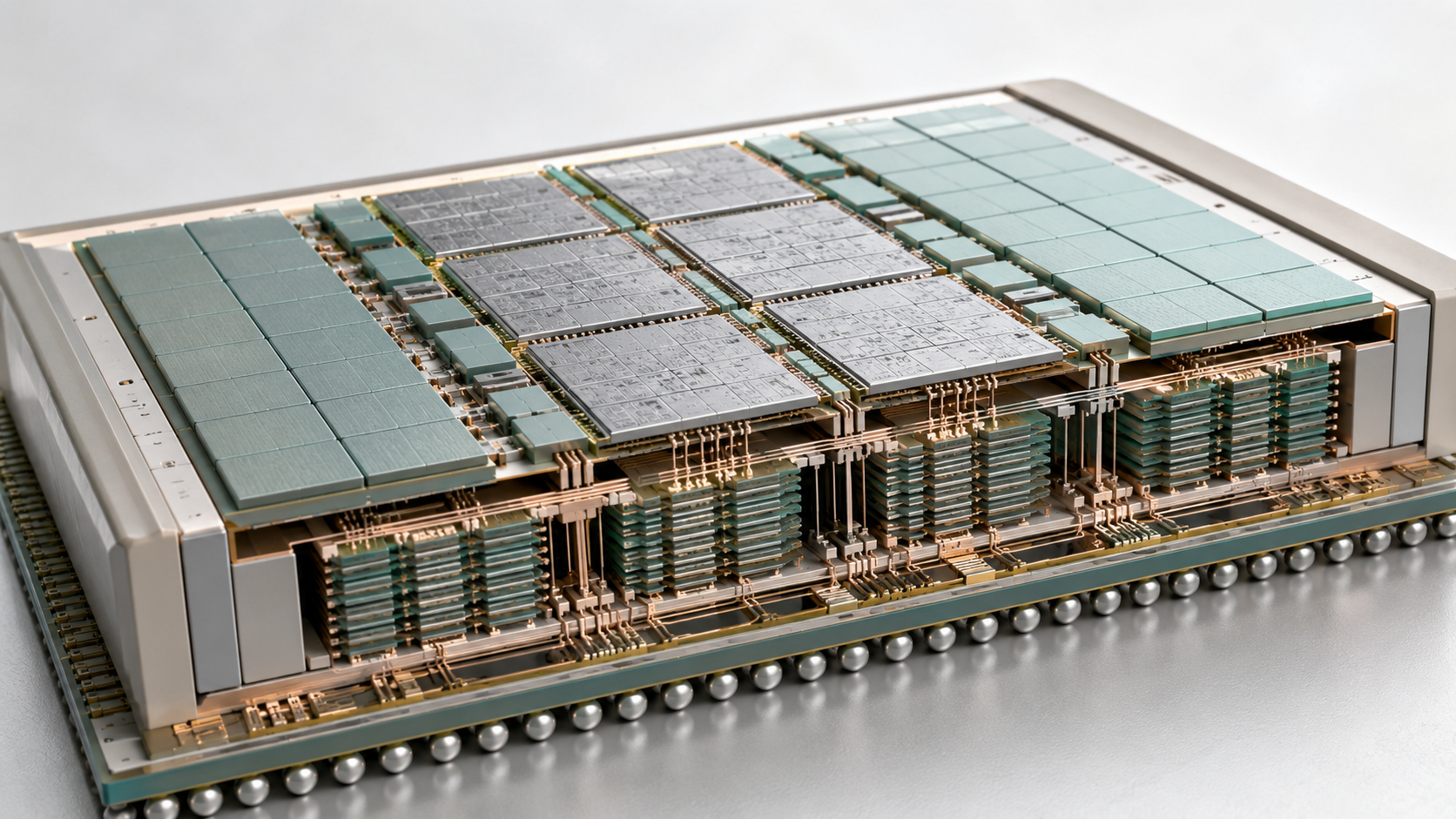
Taalas took a different approach. The company explained to Reuters that Implementing parts of an AI model directly on siliconIt's a structure designed to create chips tailored to specific models. By actively utilizing fast on-chip memory, To reduce the burden of data moving back and forth between external memory and the processing unit No.
This approach has the potential to improve speed and efficiency when running a specific model repeatedly. However, it may be less flexible than a general-purpose GPU when the model changes frequently or when a single chip needs to handle a variety of tasks.
Ultimately, rather than one completely replacing the other, dedicated inference chips and GPUs are more like partners that divide roles based on the nature of the task. This is why AMD has announced that it will develop Taalas technology as a system-level solution to be used in conjunction with Instinct GPUs.
| AMD's goal is not just a single chip, but Full-StackWow
The key term AMD emphasized in this announcement was Full-Stack AI PlatformWow.
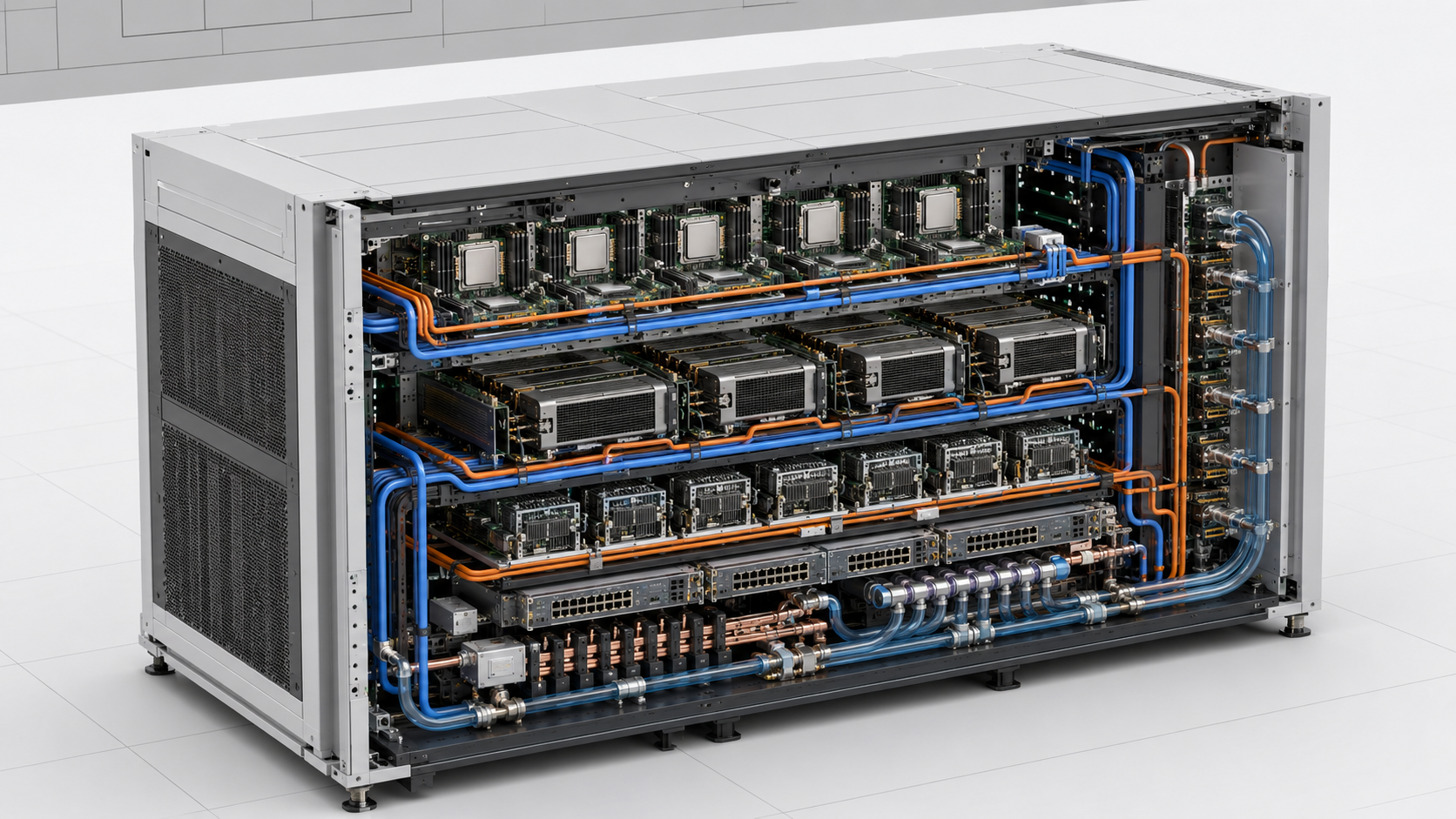
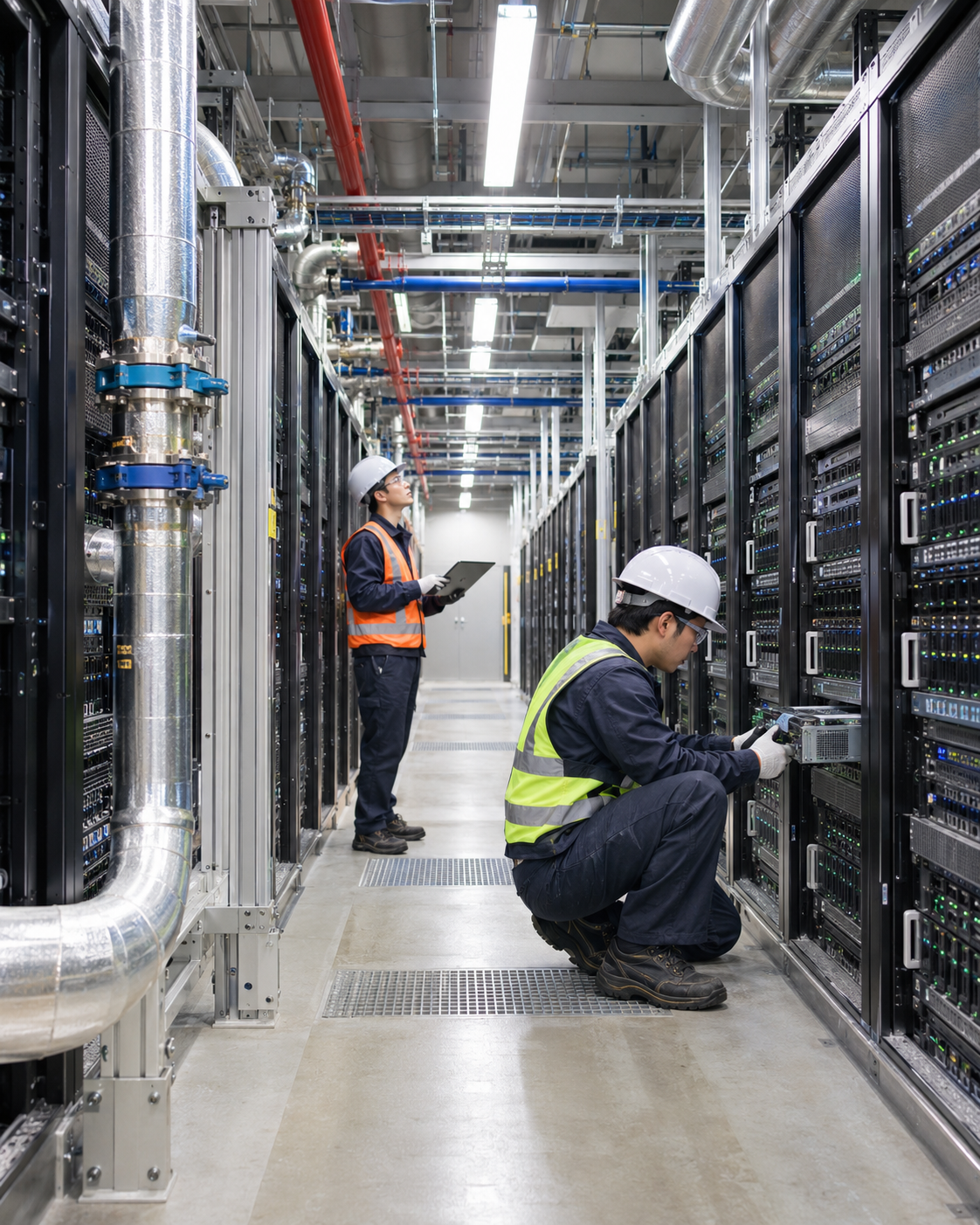
AMD plans to integrate Taalas technology not only as a standalone product but also with the Helios rack-scale system, Instinct GPUs, EPYC CPUs, and ROCm software. The company announced that it will incorporate the technology into its accelerator roadmap and develop system-level solutions that work in conjunction with Instinct GPUs.
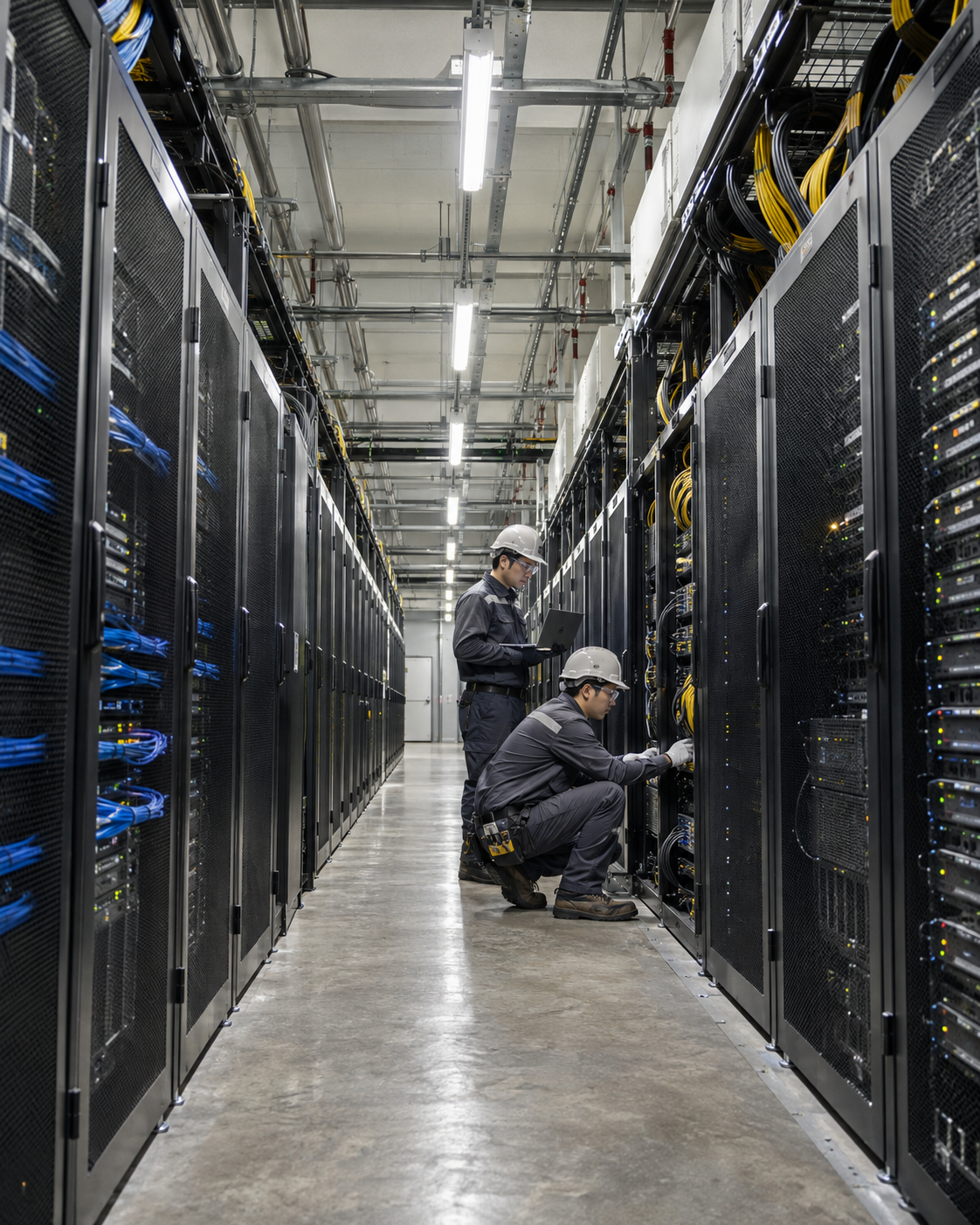
The reason this strategy is important is This is because the performance of modern data centers isn't determined by a single GPU aloneWow. The CPU, accelerator, memory, network, cooling, and software all have to work together seamlessly to boost actual throughput and operational efficiency.
AMD already offers CPUs, GPUs, networking, and software. By adding model-specific inference technology to this mix, customers gain options that allow them to combine versatility and efficiency based on their specific workloads.
AMD's recent trend of acquiring AI-related companies and technical teams—such as MK1, MEXT, and FastFlowLM—one after another fits into this same context. Rather than stopping at simply building faster GPUs, Efforts to establish the comprehensive framework necessary for AI implementationIt can be seen that...
| NVIDIAThe competition with them has also entered a new phase.
NVIDIA's strength in the AI semiconductor market isn't just due to GPU performance. A major competitive advantage is that it offers a comprehensive solution that includes CPUs, networking, rack-scale systems, and the CUDA software ecosystem.
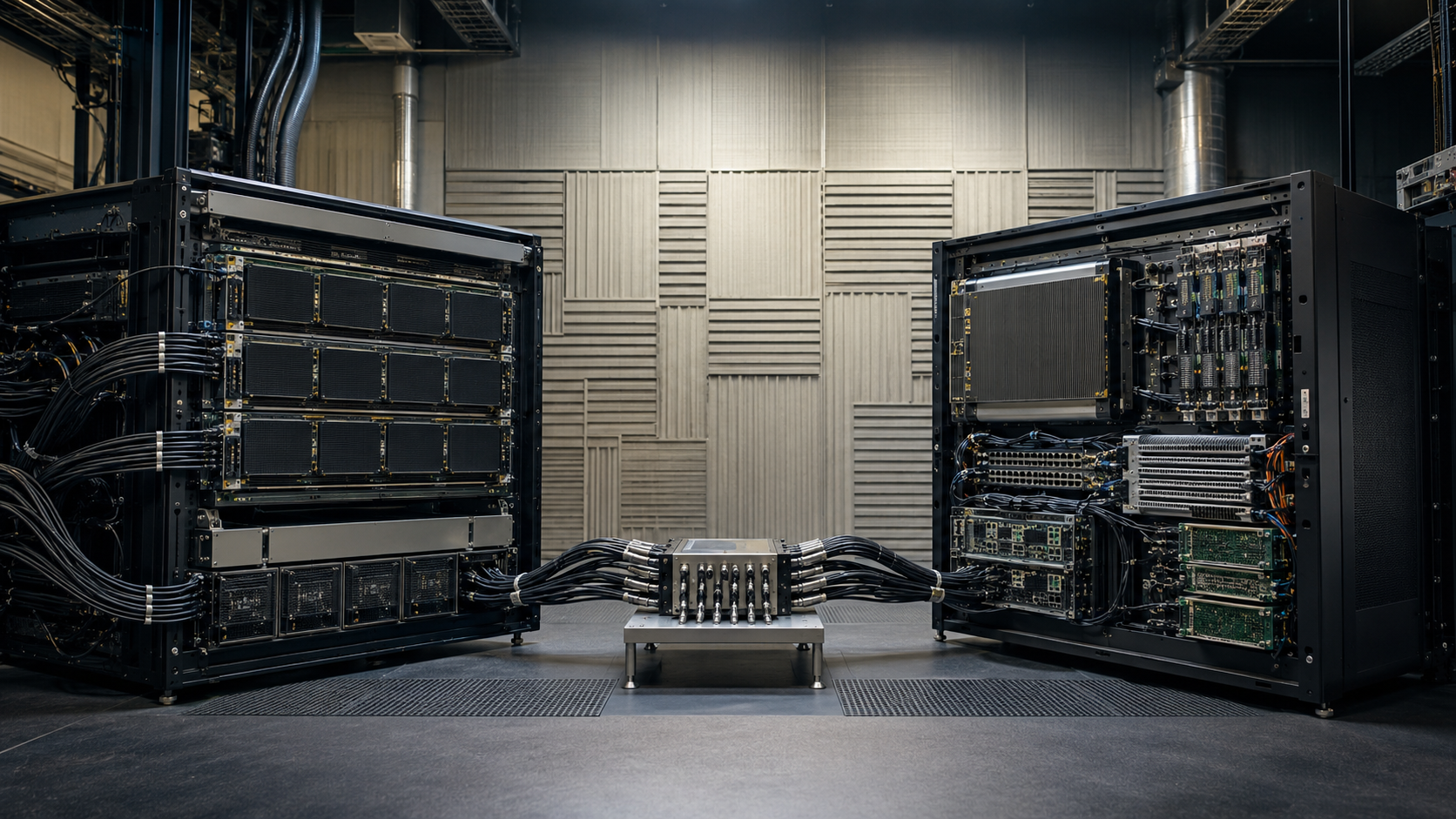
According to Reuters, NVIDIA also unveiled new processors and AI systems based on technology from the inference chip startup Groq in March 2026. Both companies are seeking to boost the efficiency of their overall systems by incorporating inference technology from sources outside the realm of general-purpose accelerators.
AMD's decision to choose Taalas makes sense in this competitive landscape. Simply boosting the performance of the Instinct GPU wasn't enough; a separate card was needed to improve speed and power efficiency for specific inference tasks.
From now on, rather than which company's GPU is faster, Which platform can reliably handle a variety of AI tasks at the lowest cost?That's likely to be the more important question.
| There are still some things that need to be checked
It's too early to say for certain that this contract will immediately change the market landscape.
First of all, the acquisition must actually be finalized, and it has not yet been disclosed when Taalas technology will be incorporated into AMD’s product roadmap. Specific product names, release dates, performance, power efficiency, and pricing are also unknown at this time.
While model-specific chips promise high efficiency, what really matters is how quickly they can be customized for specific models. In an environment where AI models evolve rapidly, another key challenge is how to combine the efficiency of dedicated chips with the flexibility of general-purpose GPUs.
Software support, including ROCm, is also essential. Even with good hardware, if developers can’t easily deploy and manage models, the actual adoption rate may be slow.
Therefore, the key points to look for going forward are The timing of the acquisition's completion, the release date of the first integrated product, performance, power consumption, and costs in a real-world service environment, and whether major cloud customers will adopt itThat's one way to look at it.
The Changes Revealed by This Acquisition
AMD's agreement to acquire Taalas signals that the competition in AI semiconductors is shifting from a focus on training GPUs to a competition encompassing the entire system, including inference.
Taalas's model-specific silicon isn't meant to replace AMD's Instinct GPUs. Rather, it's more like a piece of the puzzle that, when combined with EPYC CPUs, Instinct GPUs, ROCm, and Helios, allows you to choose the acceleration method best suited for your task.
As AI services become more integrated into our daily lives, the ability to run a finished model countless times quickly and cost-effectively will become just as important as the ability to train a model thoroughly once.
If this agreement is successfully finalized and leads to an actual product, it seems highly likely that the competitive landscape between AMD and NVIDIA will expand beyond GPU performance benchmarks to include inference costs and system efficiency.
Source
Reuters: AMD deepens AI inference bet with Taalas deal as chip race heats up
Reuters: Chip startup Taalas raises $169 million to help build AI chips to take on Nvidia
#AMD #Taalas #AI Semiconductors #AI Inference #Inference Chip #AMDInstinct #EPYC #ROCm #NVIDIA #Data Center