The focus of the AI competition has shifted from model performance to Securing Computing InfrastructureIt's moving quickly toward that.
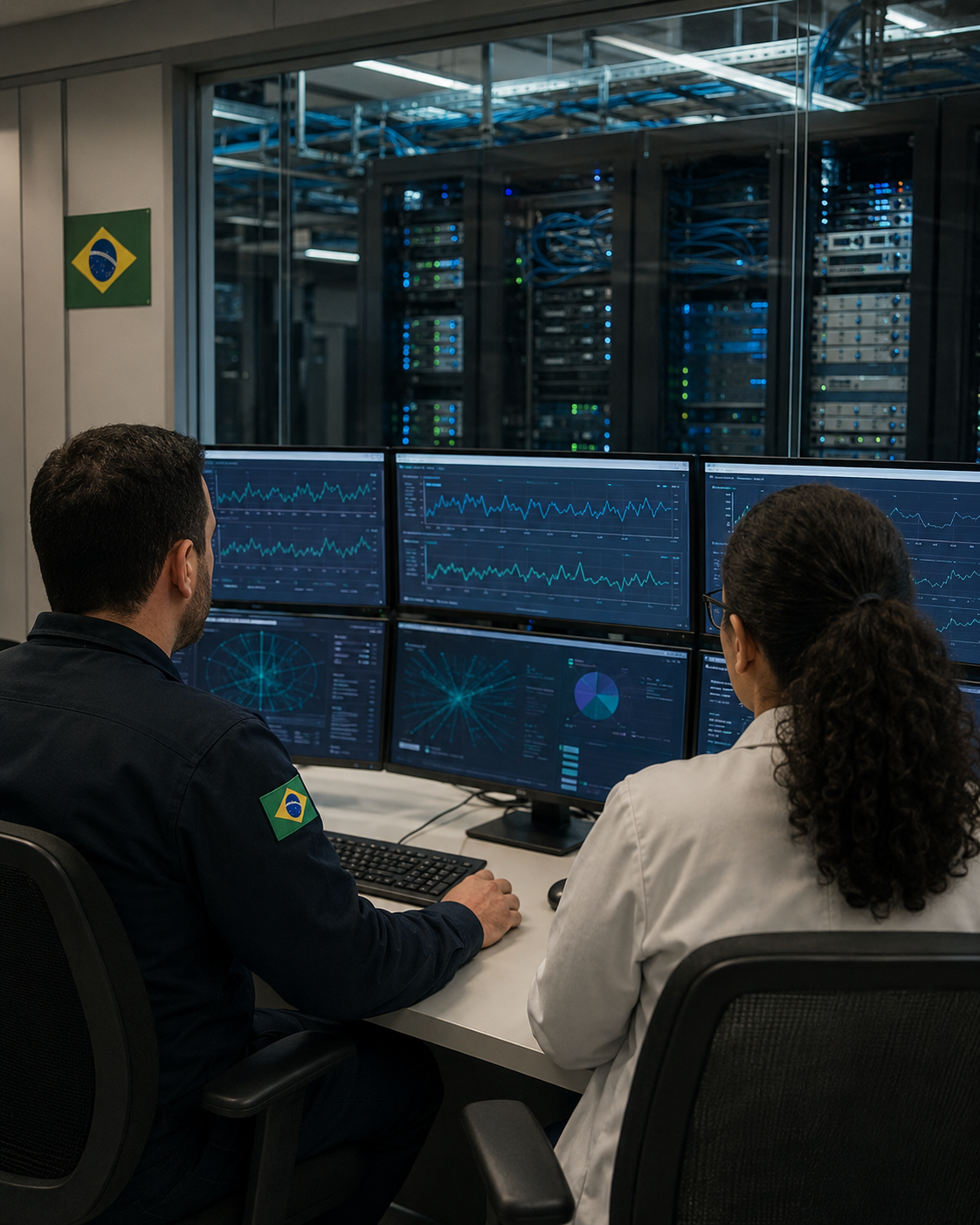
This time, Brazil is the underdog 2.3 billion reais, or approximately $444.2 million according to Reuters They announced their AI investment plan on a large scale.
What stands out is that they didn’t entrust all their resources to a single country or company. They opted for a strategy that broadens their technological options by separately pursuing an infrastructure project for large language models (LLMs) with a Chinese company and a megascale supercomputer project—for which U.S.-made GPUs are the leading contenders.
This announcement isn't just about buying more servers. Countries Seeking to Secure AI SovereigntyIt's a good example of the kinds of realistic strategies Korea can choose between the United States and China.
| Investing 2.3 billion reais in two supercomputing projects
The key investments announced by the Brazilian government fall into two main categories.
|
Category |
Investment Amount |
Location |
Key Points |
|
Supercomputing Infrastructure for LLM Development |
1.3 billion reais |
Rio de Janeiro |
To be used in the development of general-purpose and industry-specific large language models in collaboration with Huawei and iFlytek |
|
Mega-scale AI Supercomputer |
About 1 billion reais |
State of Rio Grande do Norte |
Pushing Ahead with a Competitive Bidding Process with the Goal of Ranking Among the Top 10 in the World for AI Processing Performance |
The Rio de Janeiro project, with an investment of 1.3 billion reais, is being carried out in partnership with China’s Huawei and iFlytek. The Brazilian government plans to use this infrastructure not only for general-purpose LLMs but also for the development of specialized models tailored to specific industries.
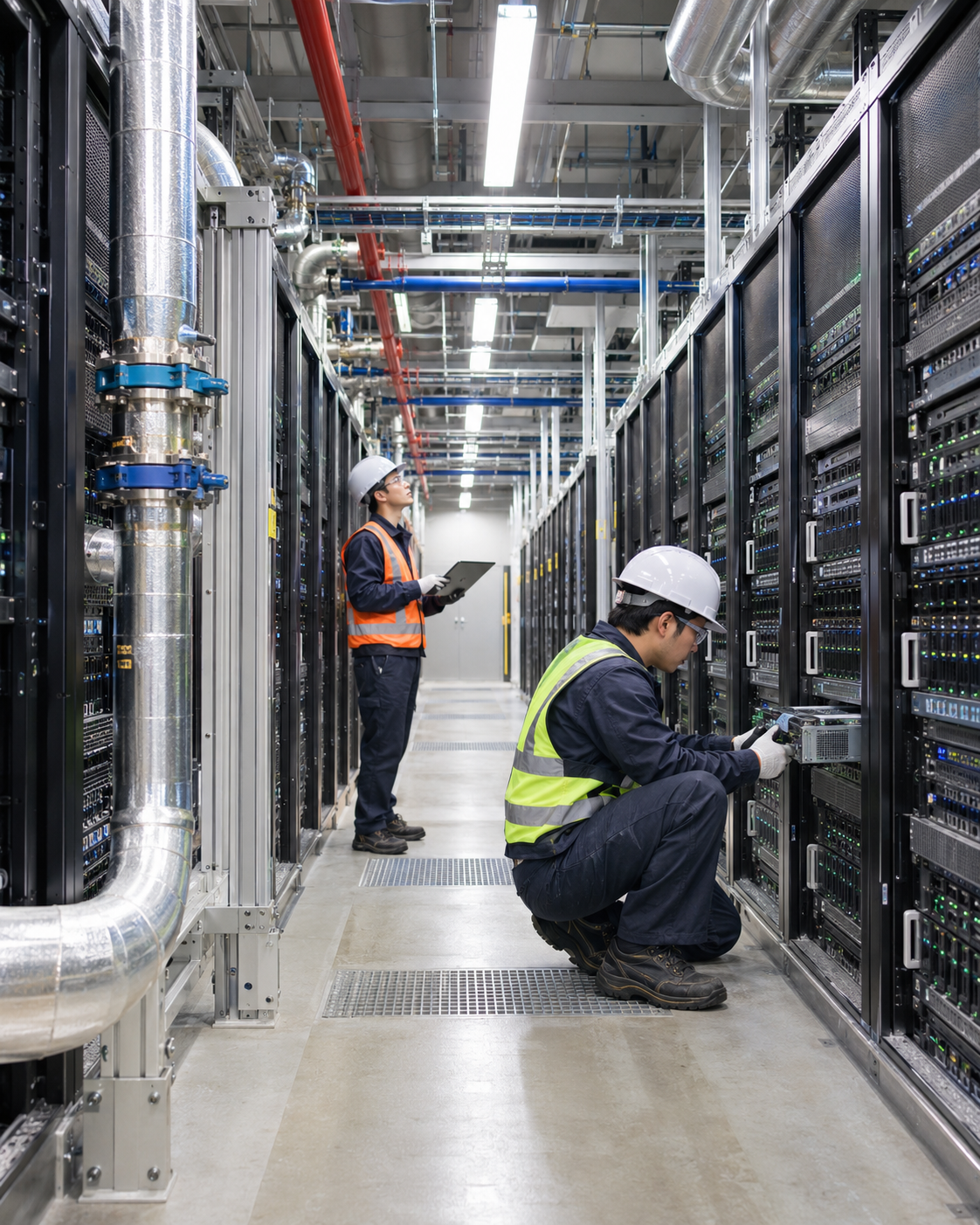
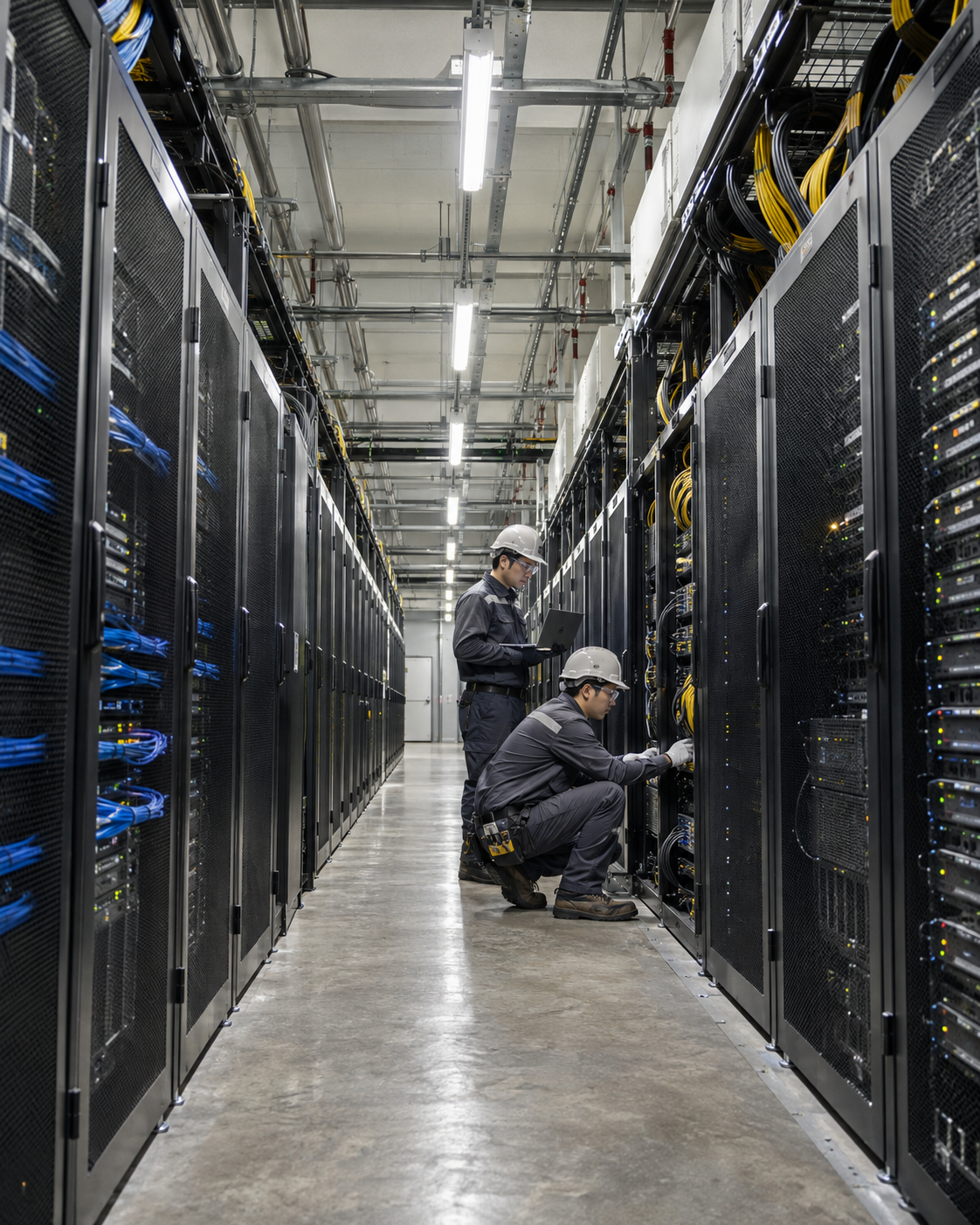
A separate 1 billion real project involves plans to install a massive AI supercomputer in the state of Rio Grande do Norte in northeastern Brazil. The installation site requires the large-scale computing facilities necessary for Selected based on energy supply conditionsOkay.
The investment funds are scheduled to be disbursed in phases through the FNDCT, Brazil's Fund for Scientific and Technological Development.
| The Significance of LLM Infrastructure Developed in Partnership with Chinese Companies
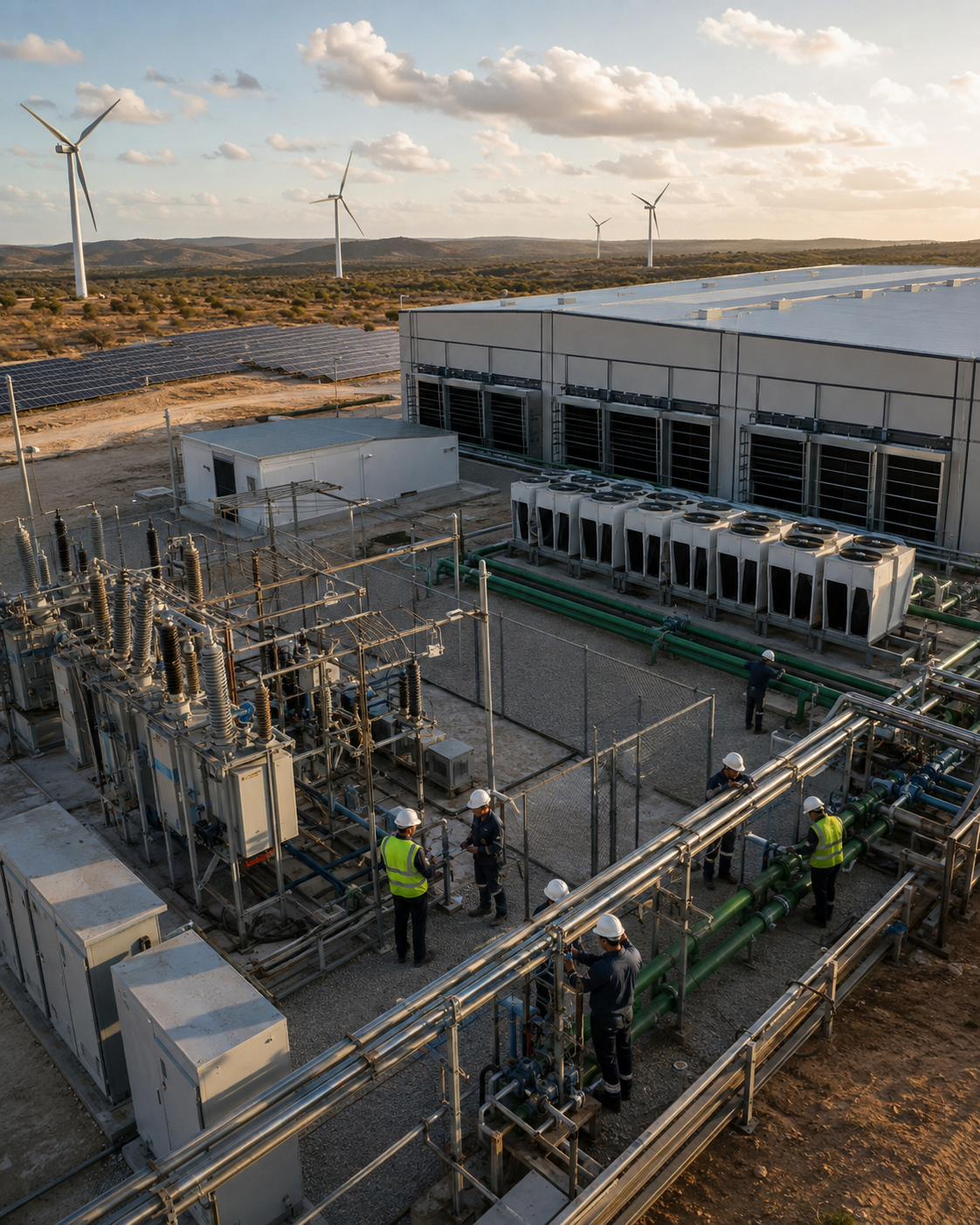
The purpose of the Rio de Janeiro project isn't simply to bring in and use overseas AI services.
The key is for Brazil to secure the computing resources it needs domestically to develop and train its own models. Data and This is because only by managing computing resources within the country can we continue to develop models that reflect the Portuguese language and the local industrial environment.
The partnership involving Huawei and iFlytek is scheduled to begin in July 2027. If it is implemented as planned, Brazil will go beyond simply increasing its use of external cloud services Establish the foundation necessary for in-house AI research and service developmentIt turns out that way.
However, since we are utilizing equipment and technology from foreign companies, it is important to define the terms of the contract regarding data access rights and the scope of software control. This is because the mere fact that the servers are located in Brazil does not guarantee complete technological self-reliance.
| The adoption of U.S.-made GPUs remains the most likely option
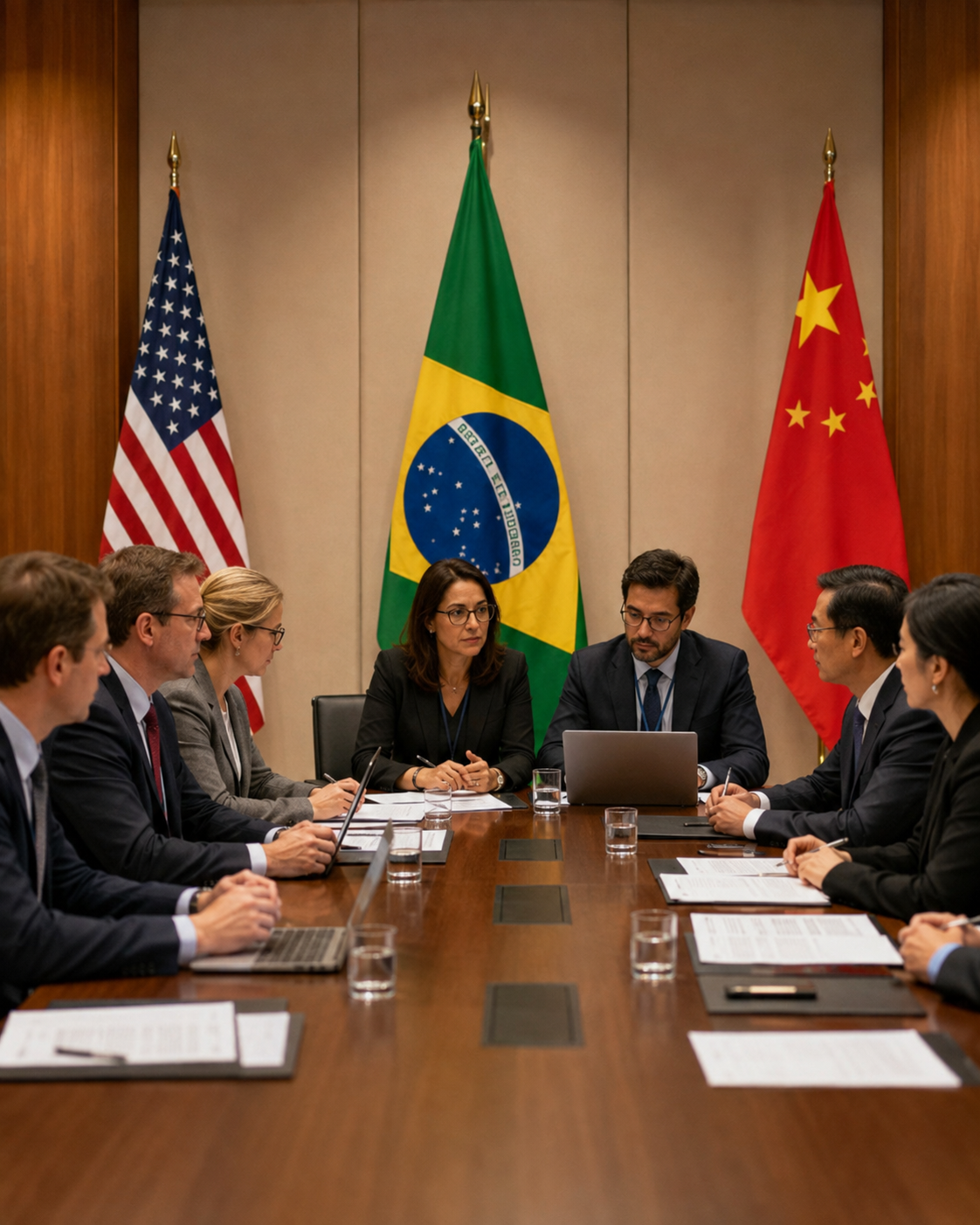
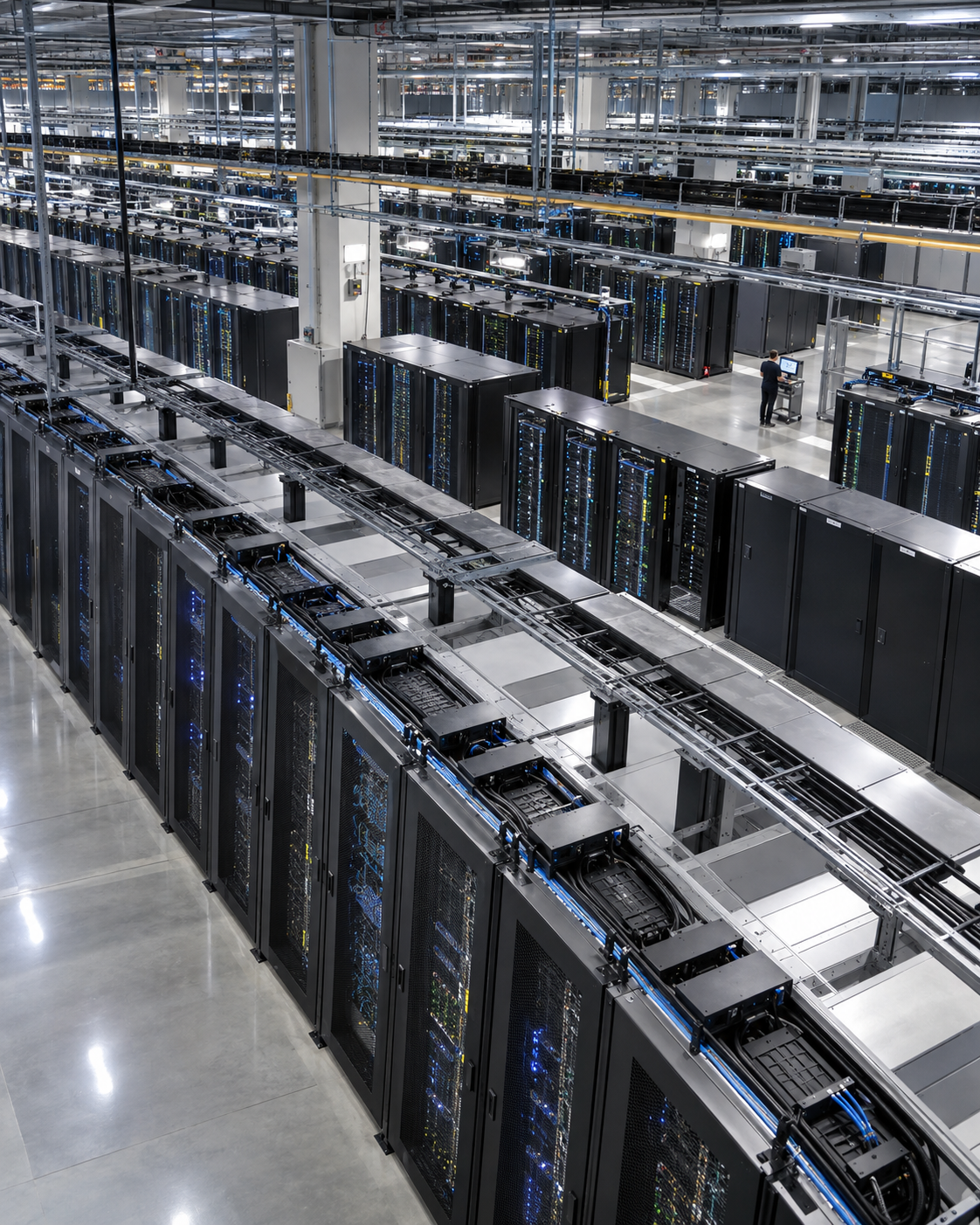
The second supercomputer to be installed in the state of Rio Grande do Norte aims to rank among the top 10 in the world in terms of AI processing performance.
There’s one point we need to clarify here. Suppliers are selected through a competitive bidding process, and currently So far, the only reports suggest that Nvidia is the frontrunnerHey. The supply contract with Nvidia hasn't been finalized yet.
The Brazilian government has set a goal of having this supercomputer operational by the end of 2027. The actual hardware configuration and its global ranking at the time of completion will only be confirmed once the bidding results, delivery schedule, and final benchmark results are available.
Therefore, “top 10 in the world” does not refer to current performance evaluation results, but rather Deployment targets set by the Brazilian governmentThat's the correct way to look at it.
| Why didn't they choose just one of the United States or China?

The Brazilian government has stated regarding this strategy that A stance of not relying on any single company, technology, or country...he revealed.
Once an AI supercomputer is built, replacing hardware or migrating software involves significant costs. If it is tailored from the outset to a single company’s hardware and development environment, it may become difficult to adapt to future price negotiations or changes in the supply chain.
Deploying U.S. and Chinese technologies in different business areas diversifies supply chains and provides greater flexibility to compare and choose among the strengths of each ecosystem. It also reduces the risk that the entire AI plan could come to a halt if the adoption of one technology becomes difficult due to export restrictions or changes in diplomatic relations.
Brazil has deep trade ties with China, and the United States is a major investor in Latin America, including Brazil. Rather than giving up cooperation with either side, Brazil should cooperate with both countries while A decision aimed at securing the country's autonomyIt can be read as.
| Brazil on AI Sovereignty
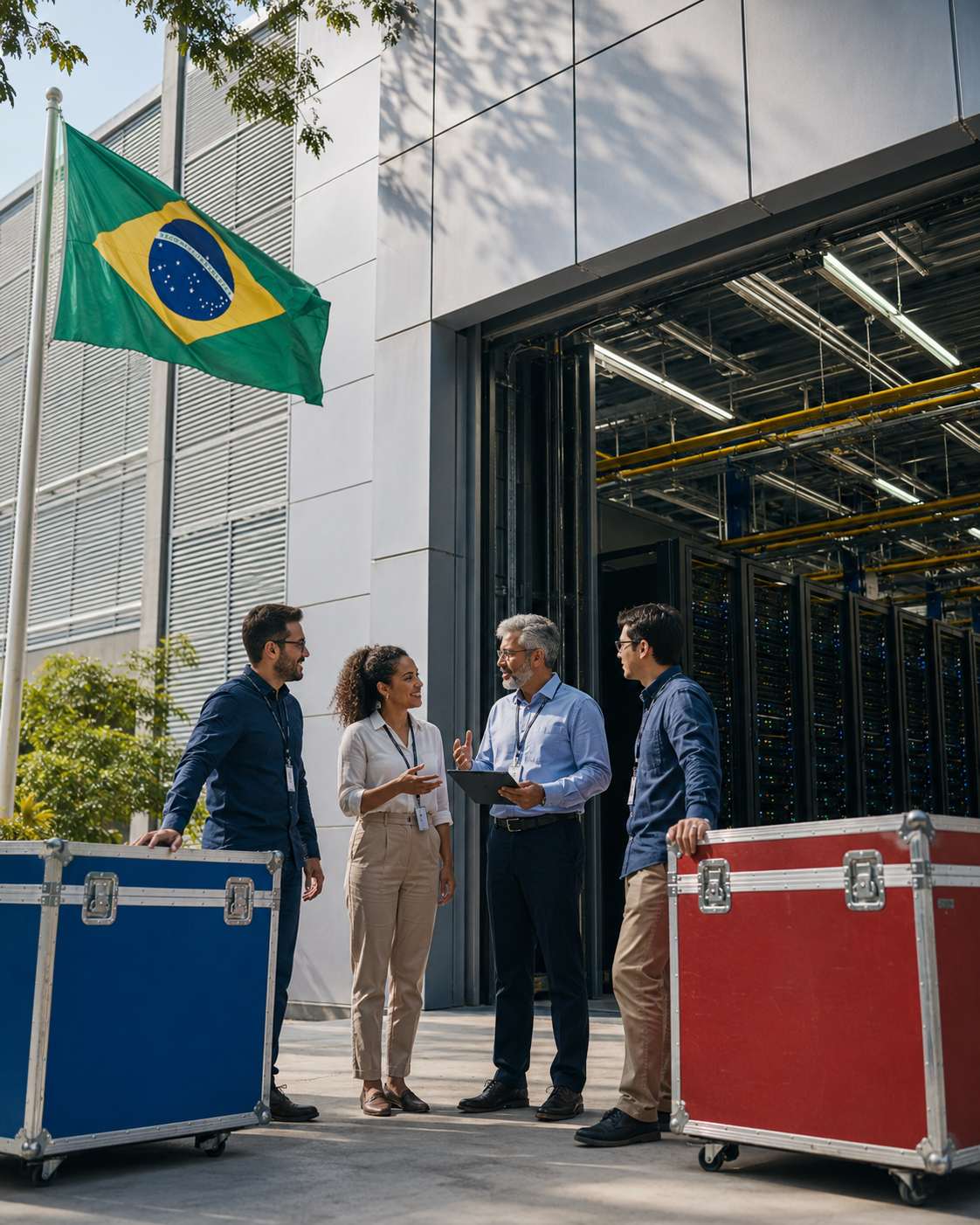
AI sovereignty does not necessarily have to be interpreted narrowly to mean that all semiconductors and software must be produced using only domestic technology.
The key is to have what is needed To ensure a stable supply of computing resources, to autonomously determine what data to process and where, and to establish a structure that allows the national AI plan to continue even without a specific provider, Yes.
In addition to supercomputers, Brazil is also pursuing cooperation with Spain on the development of open-source RISC-V-based semiconductors. It also announced plans to establish a national center dedicated to algorithm transparency and trustworthy AI, as well as a public-private partnership for Brazilian cloud services.
The idea is to tie together hardware procurement, cloud operations, semiconductor research, and AI surveillance systems into a single policy package.Wow. This is also why it's hard to view this investment as merely a data center expansion.
| The factors that will determine success or failure lie in the period following implementation
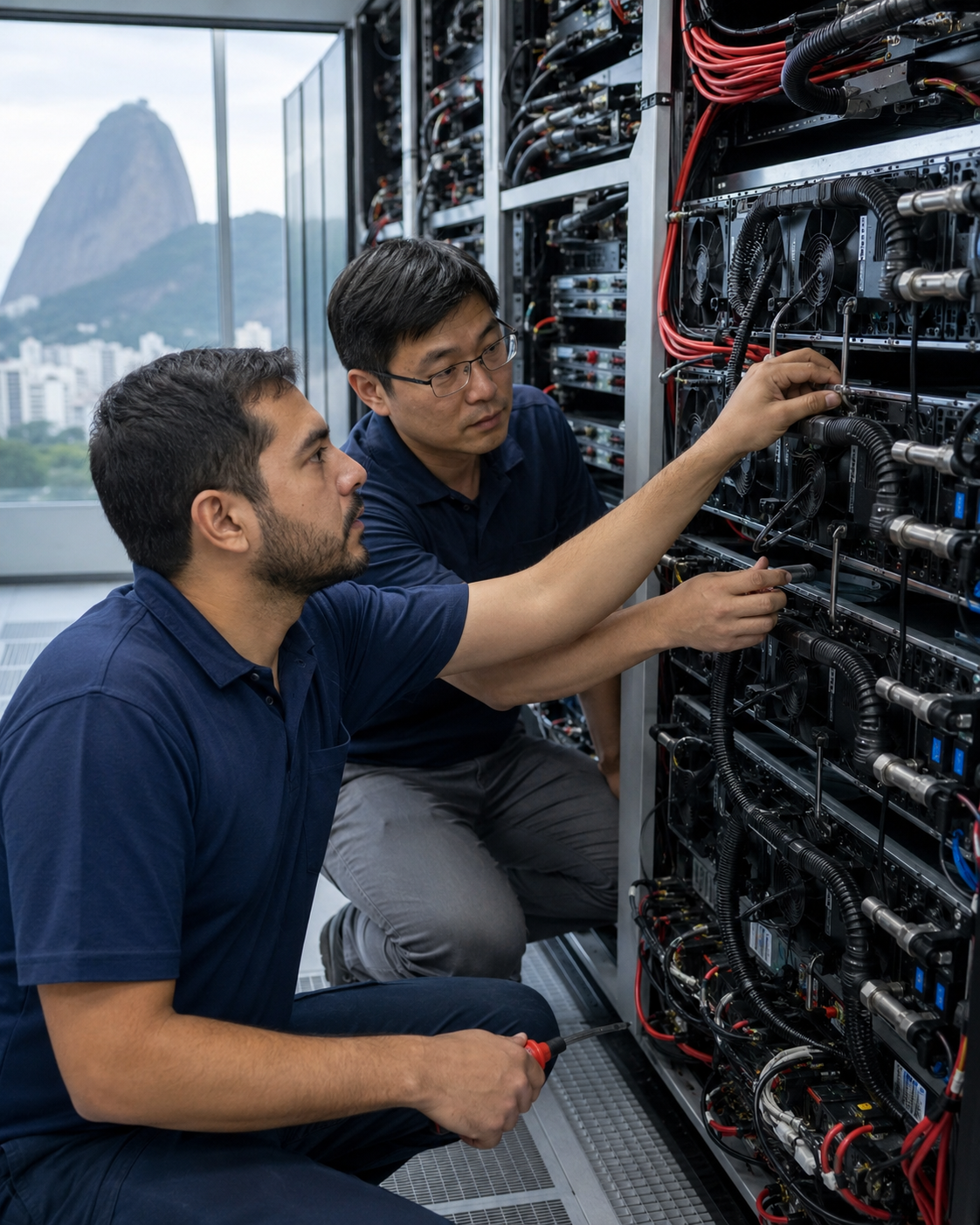
A country’s competitiveness in AI doesn’t automatically come about simply through a large budget and high-performance equipment.
First, we need to make sure the competitive bidding process is completed as planned and that the equipment is delivered by 2027. Another key issue is whether we can reliably operate the large-scale power and cooling systems.
Since we’ll be using two different technology ecosystems side by side, another key issue is how seamlessly we can integrate software and data formats. We also need to establish a pool of specialized personnel, usage policies, and project selection criteria so that research institutions and companies can actually make use of the supercomputer.
Finally, we need to examine the extent to which Brazil clearly controls data access rights and security responsibilities. Without this condition, “AI sovereignty” could remain nothing more than a slogan referring to foreign equipment installed domestically.
| A New Option for Third Countries in the AI Infrastructure Race
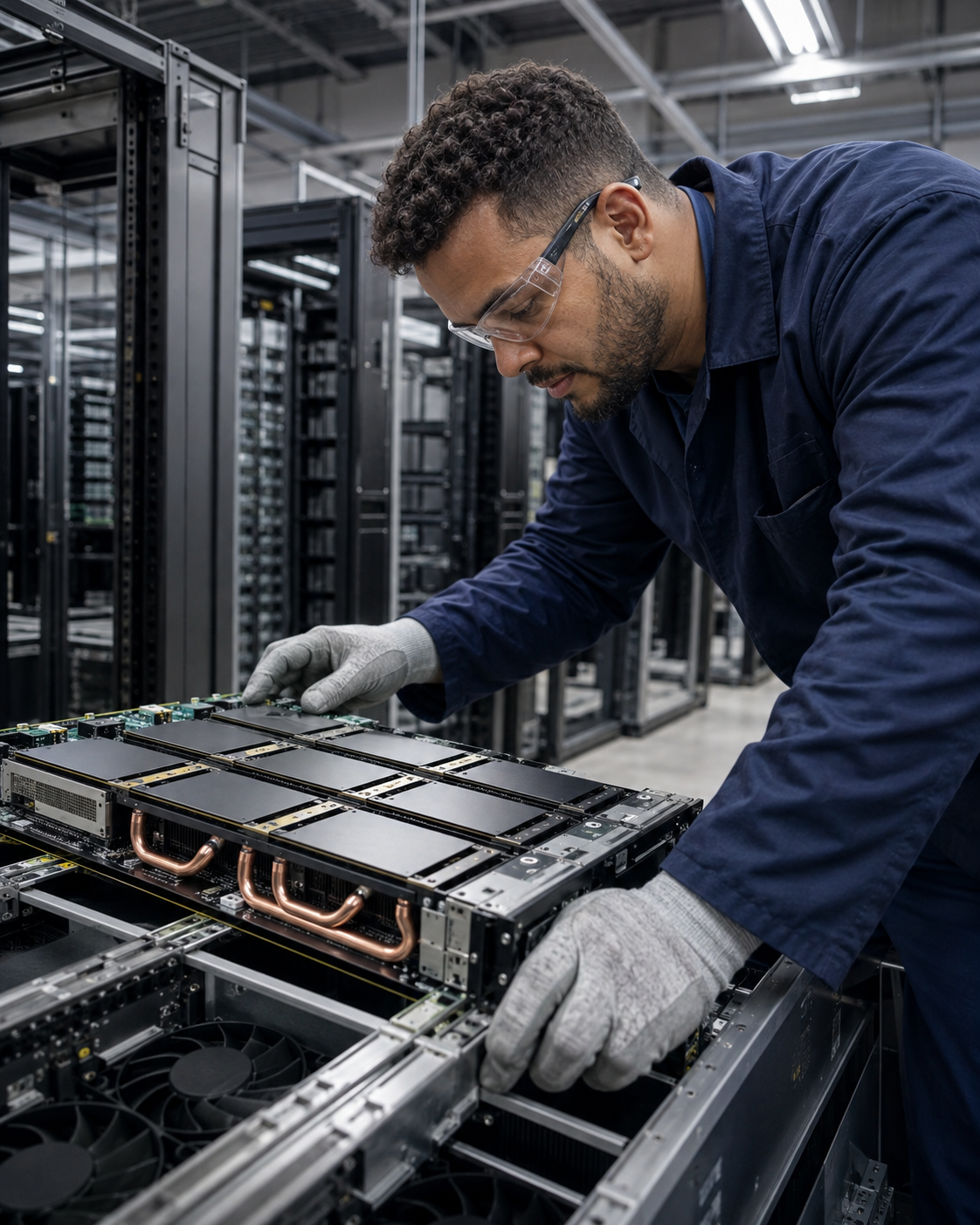
Brazil's latest plan is an example of deploying both ecosystems—rather than choosing between U.S. and Chinese technology—across different projects.
Achieving complete technological self-reliance requires a long time and enormous costs. Therefore, Brazil has chosen to combine readily available foreign technologies while retaining control over computing resources and data.
If both projects go live as planned, Brazil will have the infrastructure to meet Latin America’s AI demand on its own, without relying solely on external services. Conversely, if the company fails to manage suppliers and integrate systems effectively, its strategy of pursuing both ecosystems could end up increasing costs and complexity.
Ultimately, the key to this investment is Rather than which company's chips are used, the question is whether the country can maintain its freedom of choice and control while utilizing various technologies....in that regard.
Thank you for reading!

References
#Brazil #Artificial Intelligence #AI Supercomputer #AI Infrastructure #AI Sovereignty #Huawei #iFlytek #Nvidia #Data Center #Global IT