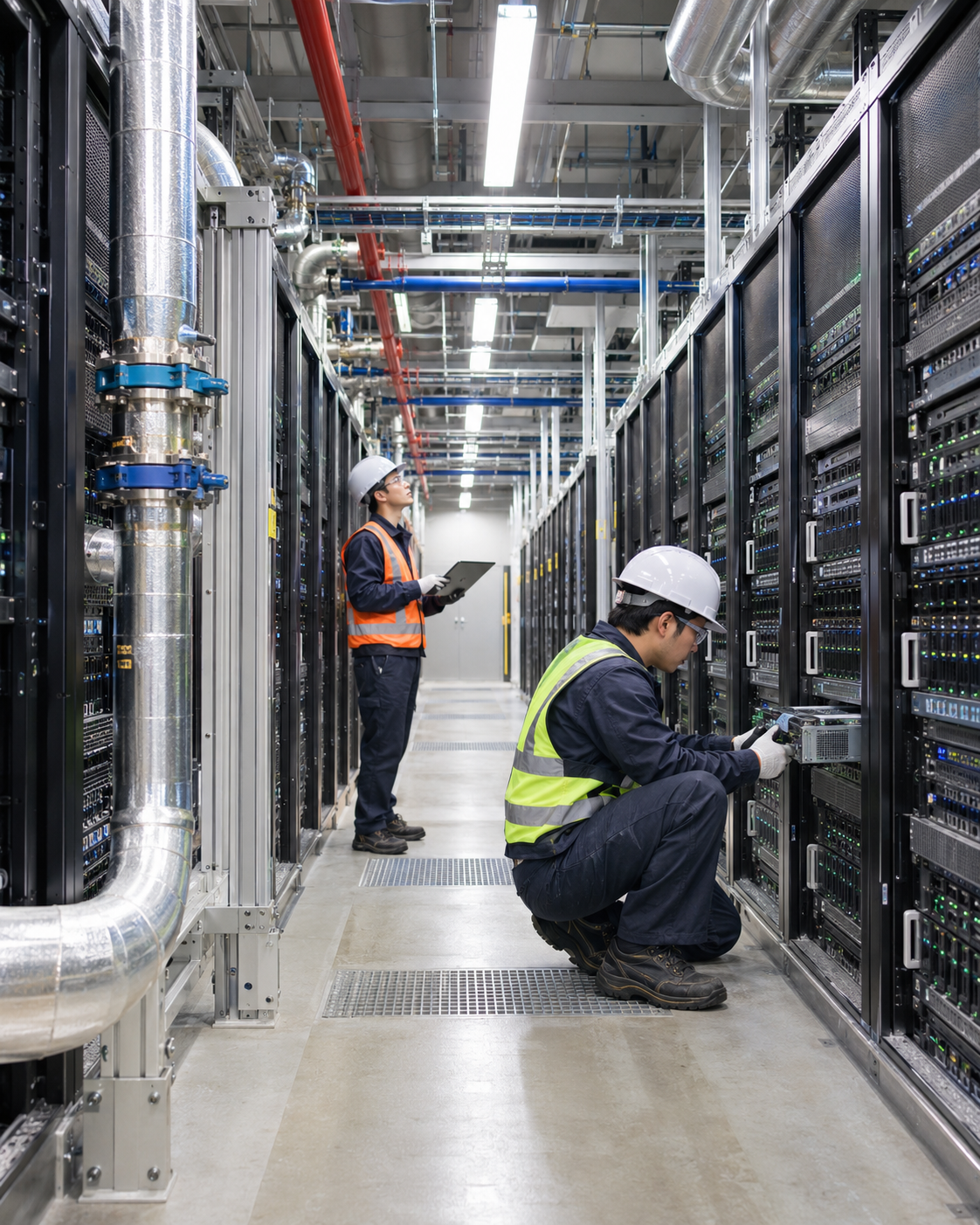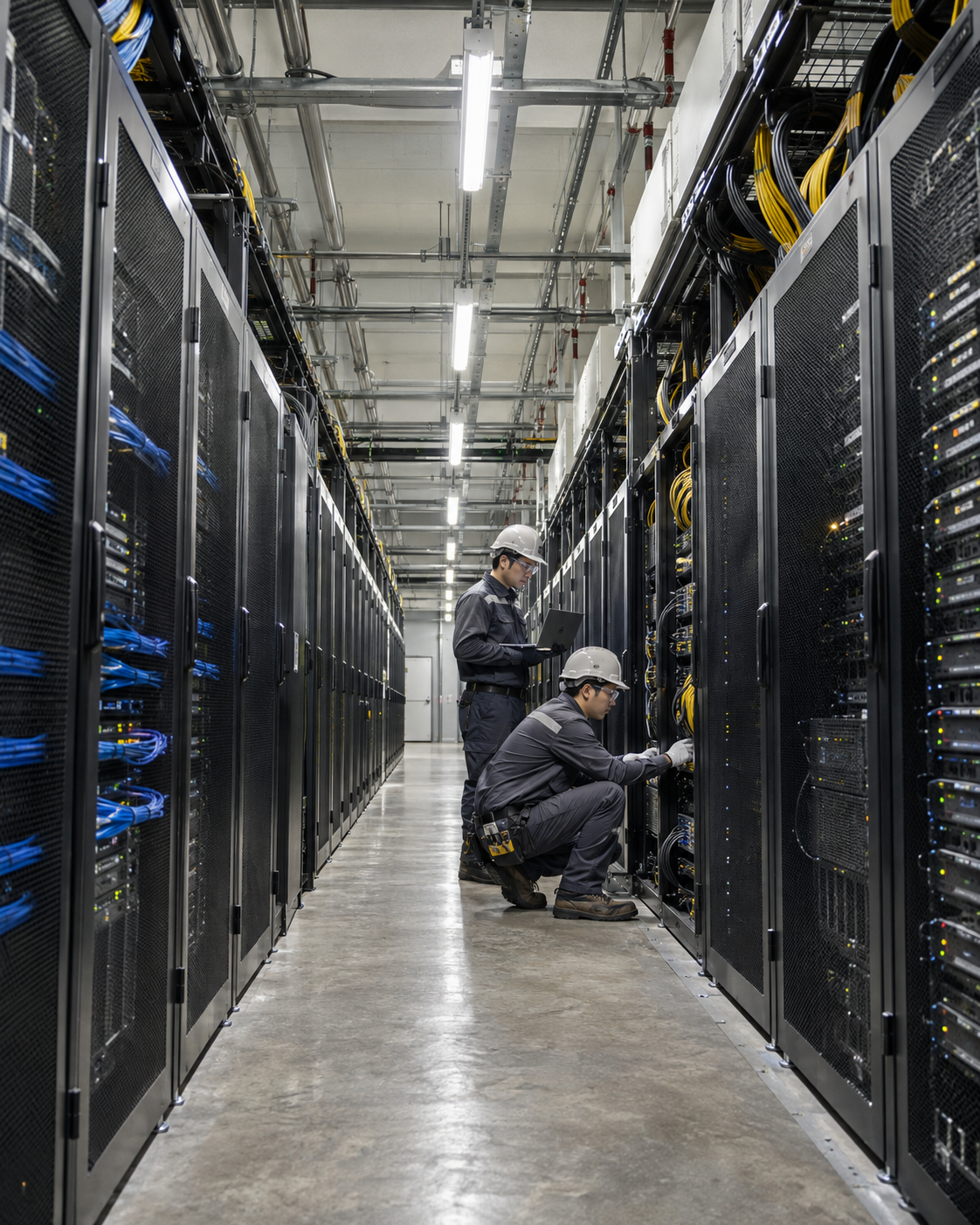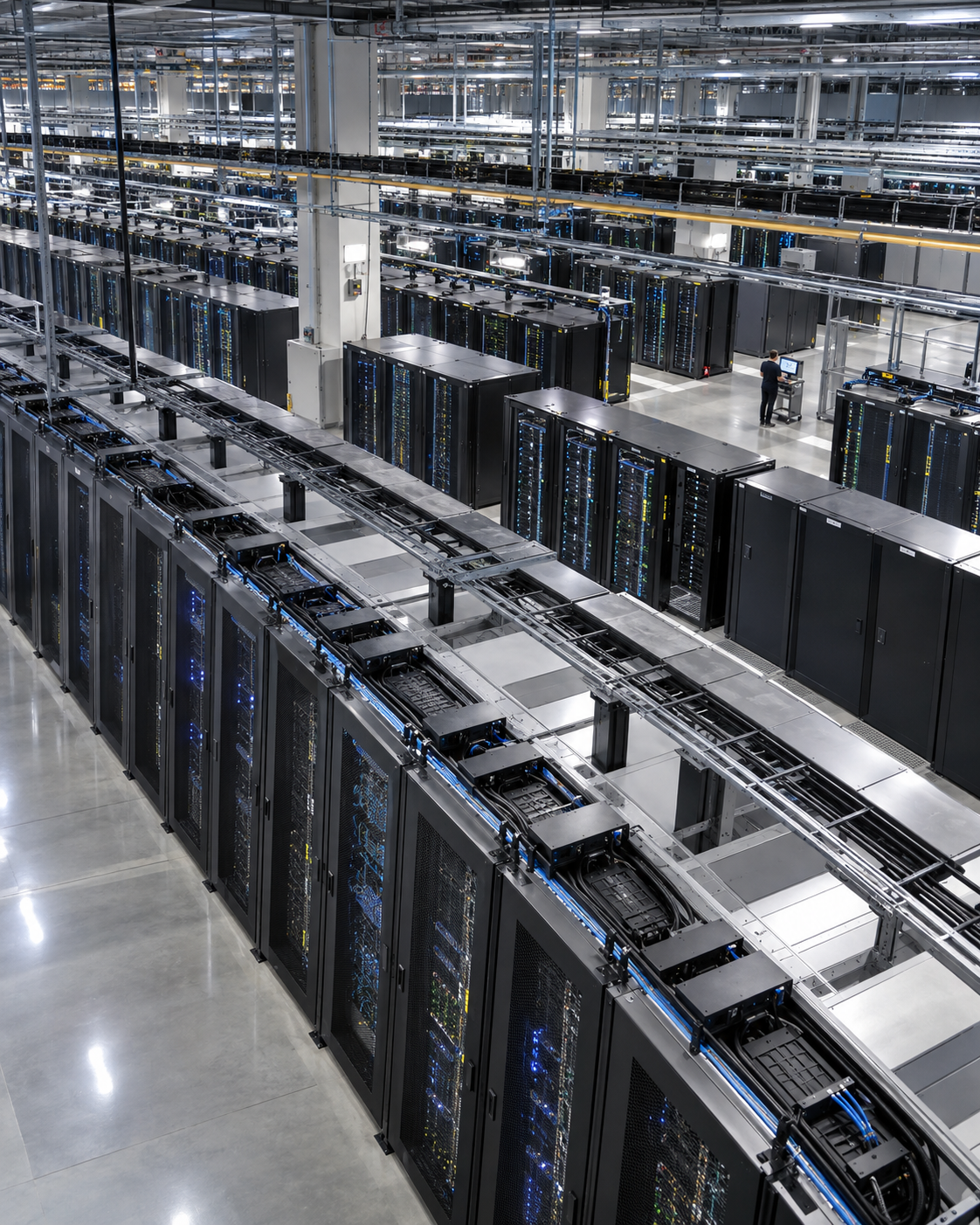
As competition in AI intensifies, what is also on the rise is Power and Cooling Demands in Data CentersWow.
Even when companies try to install more of the latest GPUs, there are cases where power grid connections, cooling infrastructure, securing land, and obtaining various permits cannot keep up with the pace.
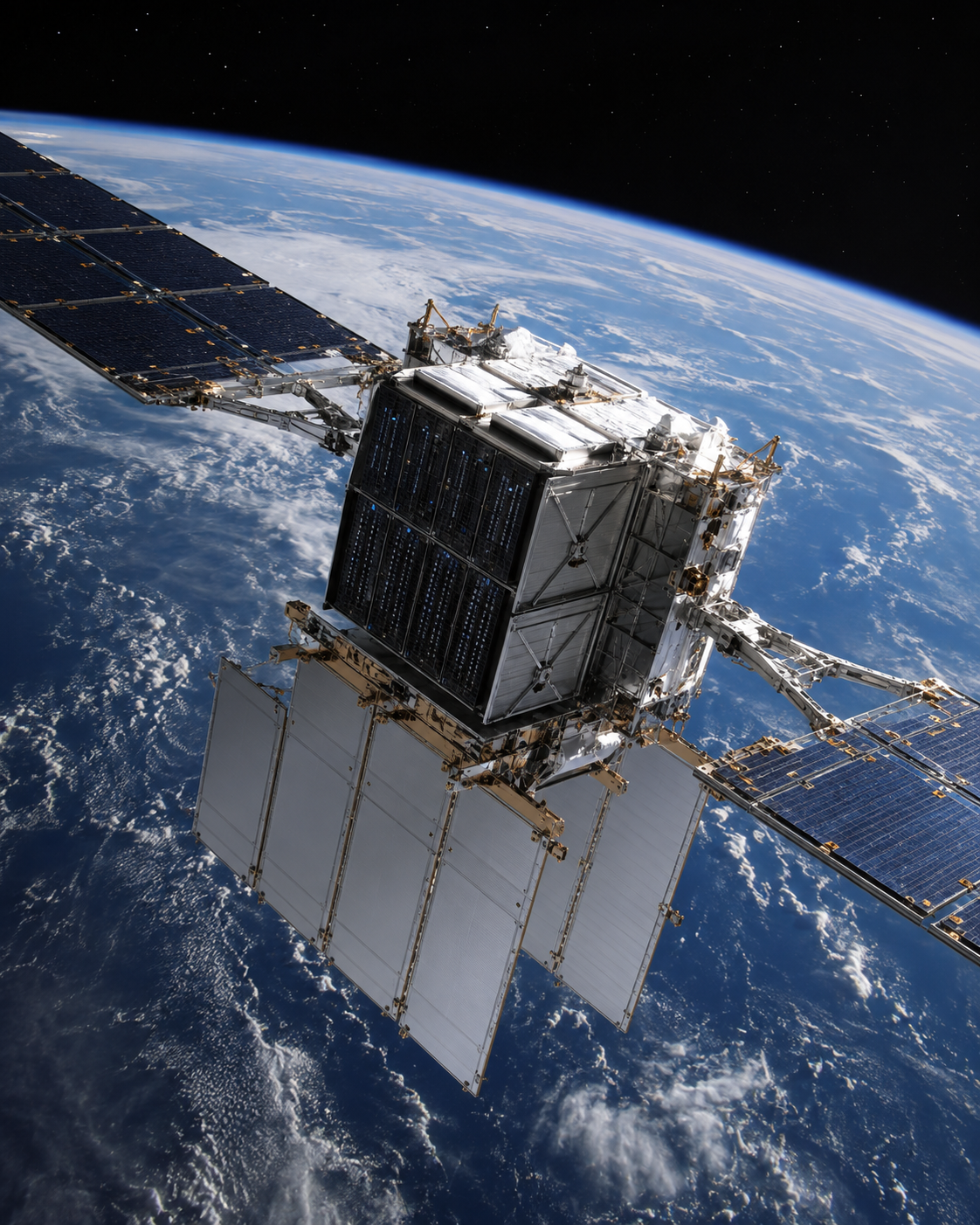
Instead of solving this problem on Earth, there’s a company that’s trying to move the data center itself into orbit. It’s Starcloud, a U.S. startup founded in 2024.
Starcloud announced on August 21 in a local press release that Raised an additional $250 million (approximately 347 billion won)...the company announced. The company's post-investment valuation from this round stands at $2.3 billion, and NVIDIA and Cisco Investments have also joined as new investors.
| Starcloud Doubles Its Valuation in Just Half a Year
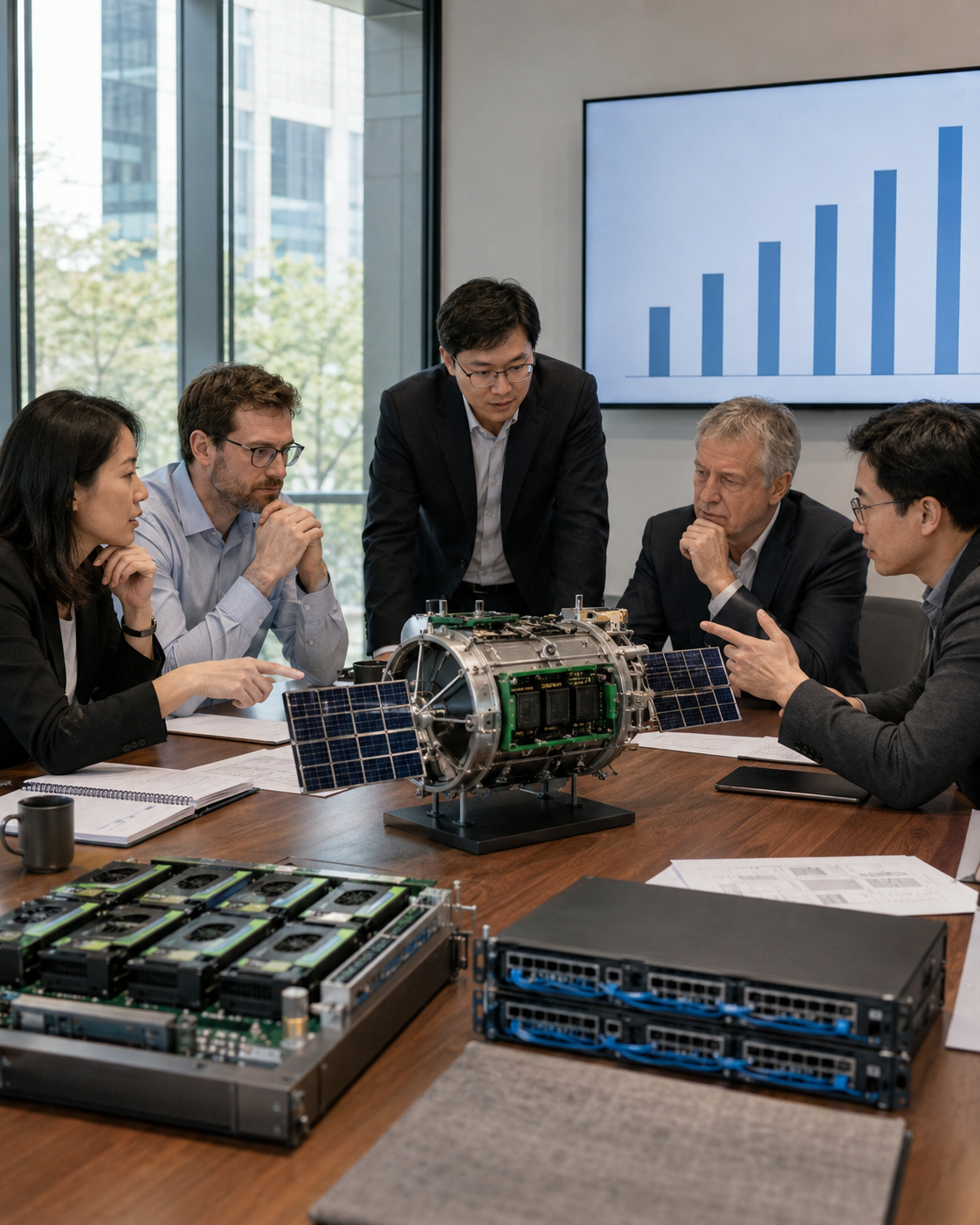
This investment is not so much a completely new round as it is a follow-on to the Series A round we conducted last March.
At the time, Starcloud raised $170 million and was valued at $1.1 billion. About five months later, in this latest funding round, the company secured an additional $250 million, bringing its valuation to $2.3 billion. Since its founding in 2024, its cumulative funding has reached $450 million.
Manhattan West led the investment round. In addition to existing investors such as Benchmark, EQT, and Soma, NVIDIA and Cisco Investments joined as new investors. However, the specific amounts invested by each company were not disclosed.
The new funding will be used to expand satellite production capacity, conduct joint engineering with NVIDIA, develop next-generation products, and secure future launch capacity.
It’s also important to note that the $2.3 billion mentioned here refers not to the market capitalization of a publicly traded company, but to the post-investment valuation determined in this private investment round. A high valuation does not necessarily mean current revenue or that the business is fully operational.
| What Makes a Space Data Center Different?
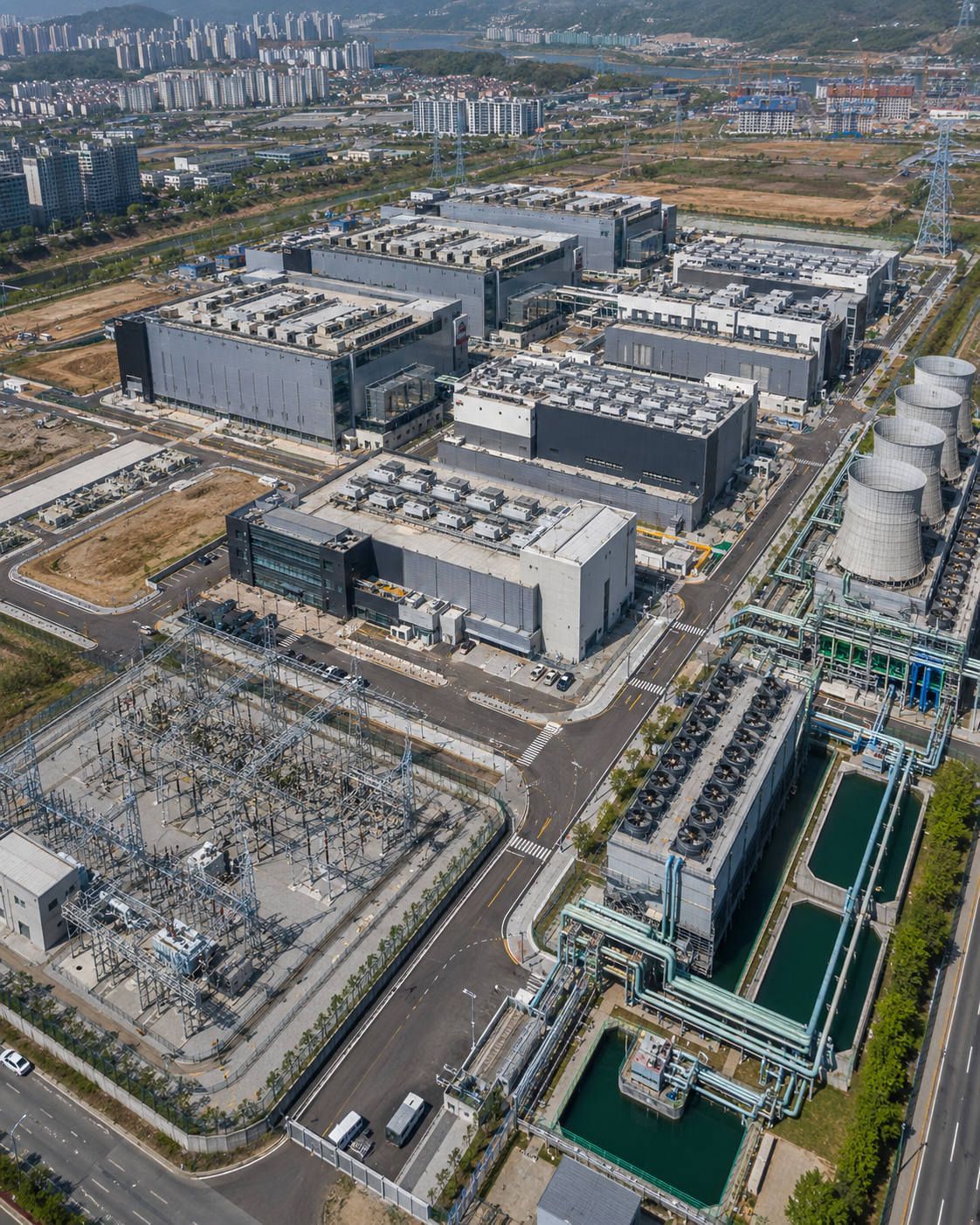
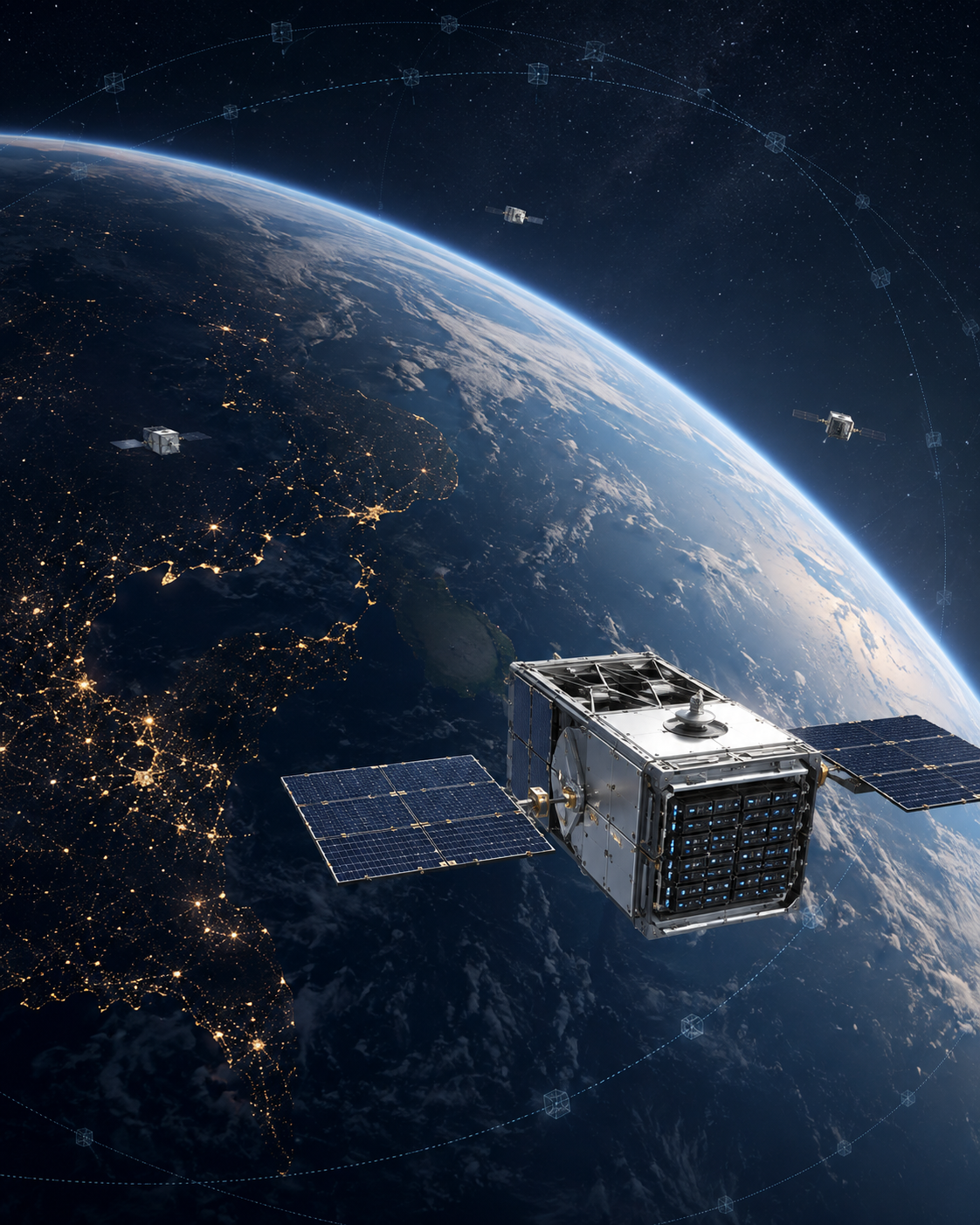
The Space Data Center is A concept that involves placing GPUs and server-class computing equipment on satellites to perform AI training, inference, and satellite data processing in low Earth orbitWow.
One common application involves first analyzing the vast amounts of imagery and sensor data captured by Earth observation satellites while in orbit, and then transmitting only the necessary results to the ground. This reduces communication bandwidth and processing time compared to downloading all the raw data.
From a longer-term perspective, the goal is to provide large-scale AI computing in space, much like a ground-based cloud. Starcloud highlights the advantages of space-based data centers, noting that they can utilize solar power almost continuously and avoid the constraints of ground-based sites, power grids, and regulatory approvals.
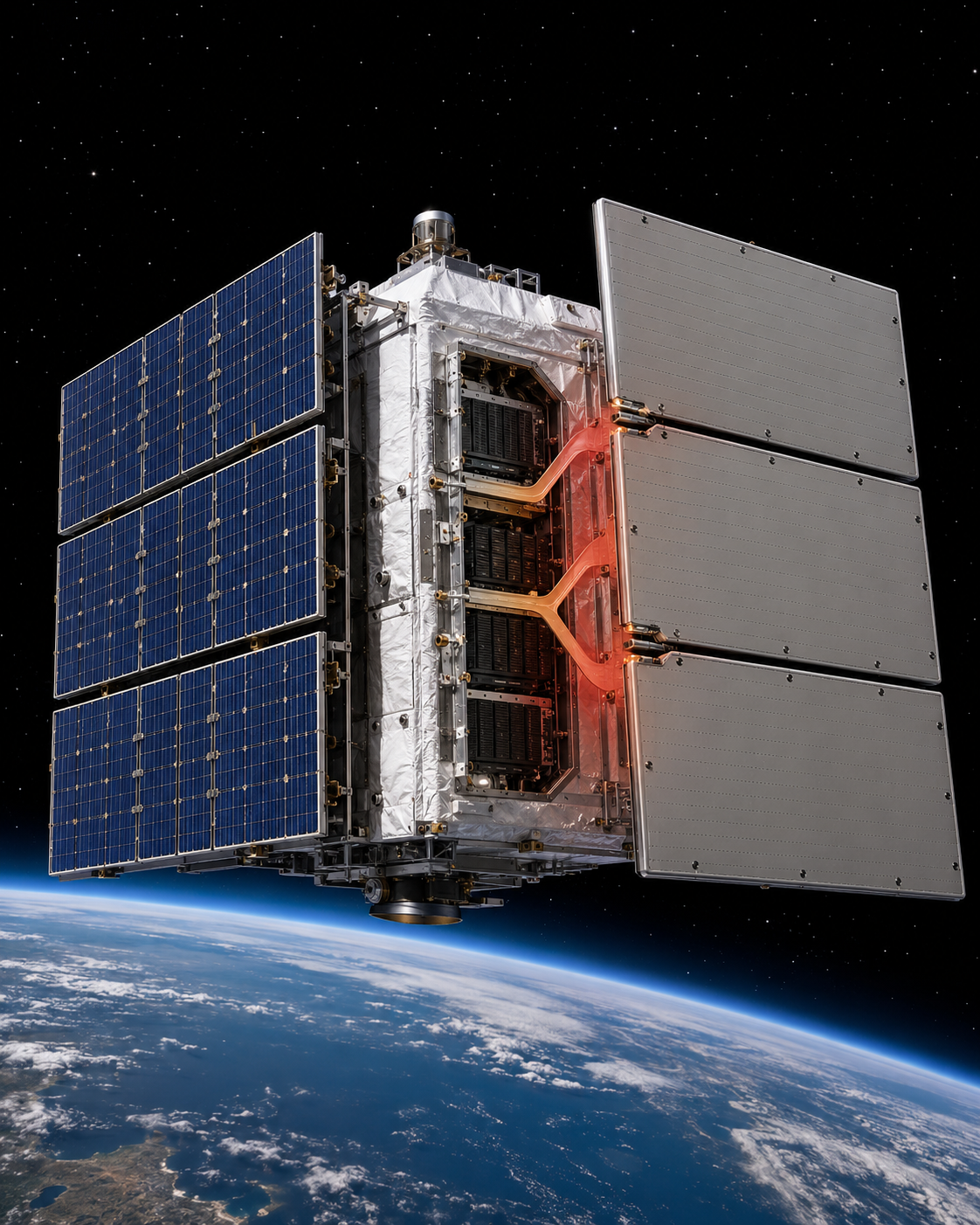
However, just because it's space doesn't mean the cooling problem is automatically solved. Since convection cooling using air is not possible in a vacuum, the heat generated by the server must first be transferred to a large heat sink and then dissipated by radiation. That's right. While securing sunlight may be advantageous, the overall system design—including the size and weight of the heat sink—is the key challenge.
| Why NVIDIA and Cisco Invested Directly
What stands out most in this news is NVIDIA's involvement.
Starcloud and NVIDIA are jointly developing the NVIDIA Space-1 Vera Rubin Module for space environments. The goal is to provide data center-class AI computing within the satellite’s limited size, weight, and power constraints, while withstanding radiation and extreme temperature fluctuations.
NVIDIA explains that the Rubin GPU in this module delivers up to 25 times higher computational performance per GPU than the existing H100 in space-based AI inference.That's right. However, these figures represent performance targets set by NVIDIA, and the Space-1 module is still a product scheduled for future release. Its performance and stability in an actual orbital environment must be verified separately.
Cisco Investments' involvement can also be seen as more than just a financial investment. This is because high-speed networks, optical communications, and security technologies are essential for space data centers to connect multiple satellites and ground stations as if they were a single computing infrastructure. In this announcement, Cisco stated its intention to extend its expertise in secure data center infrastructure to the space data center sector.
The fact that NVIDIA, a GPU supplier, and Cisco, a provider of network infrastructure, have both invested at the same time can be seen as a sign that the supply chain surrounding space computing is gradually taking shape.
| What Starcloud Actually Demonstrated
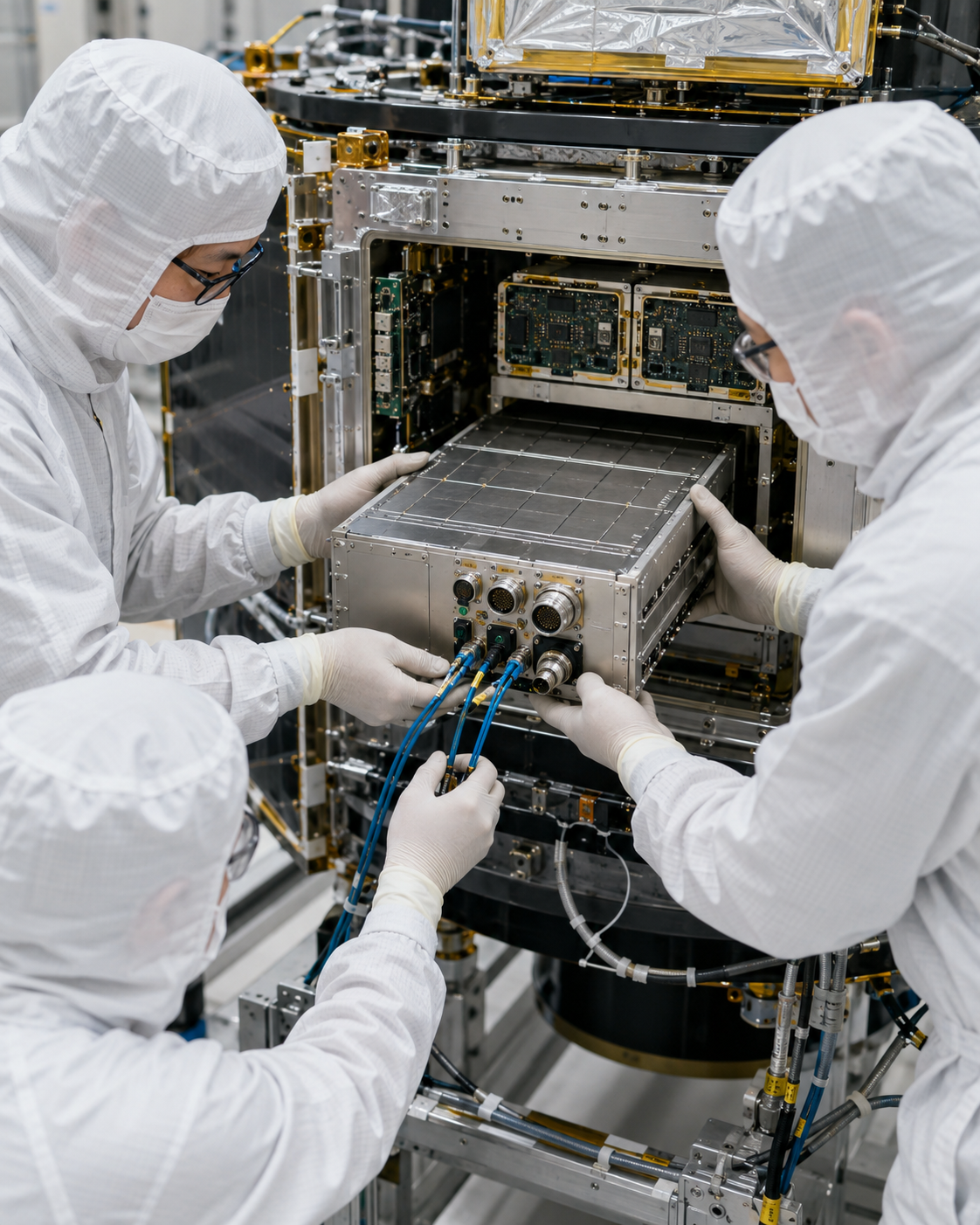
Starcloud isn't just a company that has only disclosed its long-term plans.
According to the company's announcement, Starcloud-1—launched in November 2025—was equipped with an NVIDIA H100 GPU, and the company tested the training, inference, and fine-tuning of small AI models in orbit. The company also revealed that it ran Google's Gemini model in orbit.
This achievement is more of a technical demonstration showing that server-class GPUs can operate in space. It is still a long way from the stage of connecting multiple satellites to provide commercial cloud services to customers.
Starcloud is currently setting up a production facility of approximately 100,000 square feet (about 9,300 square meters) in Woodinville, Washington, and is establishing a production line for its next-generation Starcloud-3 satellites.
| 88,000 satellites and 20 GW do not reflect the current scale
Starcloud's final proposal calls for 88,000 satellites and a total orbital computing capacity of 20 GW.
Looking at the numbers alone, it might seem as though a massive commercial data center network is already within reach, but this is not based on currently secured facilities or confirmed deployment scales—it is the company’s long-term vision.
Here is a summary of the facts we have confirmed so far and our plans for the future.
|
Category |
Confirmed Information |
Meaning |
|
Investment |
Secured an additional $250 million |
Securing Funds for Production, Development, and Launch Preparations |
|
Enterprise Value |
$2.3 billion as of immediately after the investment |
Valuation determined in a private investment |
|
Technology Demonstration |
Starcloud-1 Equipped with H100 |
Testing the Feasibility of Operating Server-Class GPUs in Orbit |
|
Production Preparation |
Construction of a facility covering approximately 9,300 square meters |
Laying the Groundwork for Expanded Production of Starcloud-3 |
|
Long-Term Vision |
88,000 satellites · 20 GW |
Targets that have not yet been established |
Therefore, the significance of this investment does not lie in the fact that a 20-GW-class space data center will soon be completed. Rather, it lies in the fact that the company has secured the funding and industry partners needed to scale up small-scale technology demonstrations into mass production and commercial services.
| Challenges to Be Addressed
First is Launch Costs and ScheduleWow. To deploy satellites on a large scale, you need an affordable and repeatable launch system, and you have to secure enough launch capacity when you need it.
Second is Heat and RadiationWow. High-performance GPUs generate a lot of heat, but in space, it’s difficult to dissipate that heat as easily as in air-cooled or liquid-cooled data centers. We need to protect the electronic components from radiation while also reducing the weight of the large heat dissipation structures.
Third is MaintenanceHey. While you can replace a broken server at a ground-based data center, repairing or replacing equipment in orbit is much more difficult and costly. The short replacement cycle for AI semiconductors—where hardware can quickly become obsolete once launched—is also a burden.
Fourth is Telecommunications and RegulationHey. We need to establish a stable optical communication network between satellites and the ground network, and we also need to resolve issues related to frequency and orbital usage approvals, as well as space debris management.
Ultimately, the fact that something is technically possible and the fact that it can become an economically viable service are two different matters.
| What This Investment Signals for the AI Industry
This investment illustrates a trend in which the scope of competition in AI infrastructure is expanding from GPU procurement to power, cooling, networking, launch vehicles, and space manufacturing.
In particular, NVIDIA isn't just selling chips—it's acting as an investor helping to build a new AI computing market. Cisco, too, sees an opportunity to expand the scope of its network and security infrastructure all the way to orbit.
It seems unlikely that Starcloud will replace ground-based data centers anytime soon. However, in fields such as Earth observation—where data is generated in space from the very beginning—processing it on-site Orbital ComputingThis can prove its practicality first.
What we need to look at going forward is not so much the flashy target figures, but rather Actual Space-1 deployment schedule, Starcloud-3 production rate, securing launch capacity, paying customers, and service pricingHey. These metrics need to be made public so we can determine whether the space data center sector is transitioning from just a topic for investment to a sustainable industry.
Thank you for reading!
Starting today, instead of one post per day, I’ll post based on the number of issues that come up each day.
It looks like the number of posts will change! I'll do my best from now on!!

References
Reuters — Orbital data center startup Starcloud valued at $2.3 billion in latest funding
NVIDIA — NVIDIA Launches Space Computing, Rocketing AI Into Orbit
#Starcloud #StarCloud #Space Data Center #NVIDIA #Cisco #AI Data Center #Space Computing #Artificial Intelligence #Data Center #IT News