
Chinese memory semiconductor company CXMTis the next-generation mobile DRAM, LPDDR6 Xiaomi's new foldable smartphone begins mass production 18 Fold...announced that it would supply [...]. This is particularly significant because it marks the first instance of the technology being incorporated into actual consumer products, moving beyond the sample stage of development.
Xiaomi has also confirmed its supply plans, and the 18 Fold is scheduled to launch in September 2026. The new smartphone will feature a 3-nanometer mobile processor designed in-house by Xiaomi. Xring O3It is scheduled to be equipped with this chip, which supports LPDDR6.
It is also noteworthy that CXMT announced the start of mass production of LPDDR6 less than a year after it began mass production of LPDDR5. However, since it’s difficult to conclude that yield, supply volume, actual power consumption, and performance have all been verified based solely on the mass production announcement, the results after launch will be crucial.
| LPDDR6

LPDDR is a type of low-power DRAM used in devices—such as smartphones and tablets—that need to minimize power consumption. It serves as a temporary workspace for quickly exchanging the data needed while apps and operating systems are running.
LPDDR6 is a standard focused on increasing bandwidth and improving power efficiency compared to previous generations. Its importance is growing as memory-intensive tasks—such as high-resolution graphics, camera processing, and generative AI running on devices—become more common.
Based on the products announced by CXMT, the maximum transmission speed is 12,800 megabits per second, The maximum capacity is 16GBHey. The speed and power efficiency achieved on actual smartphones are influenced not only by memory but also by the processor, thermal design, and software optimization.
| Xiaomi 18 Fold
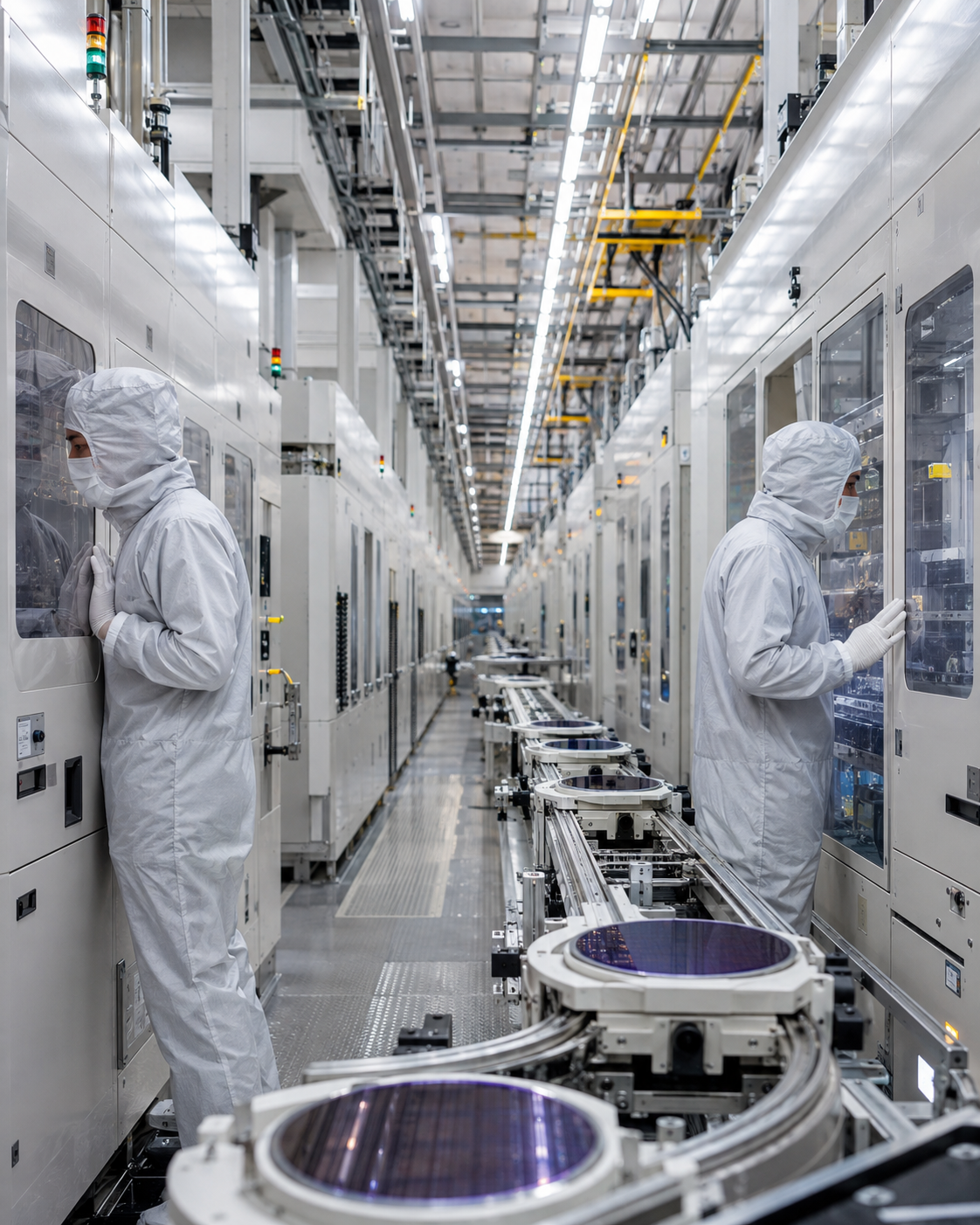
CXMT announced that LPDDR6 will be featured for the first time in the Xiaomi 18 Fold. Xiaomi plans to unveil the 18 Fold in September, and it will feature its own in-house developed Xring O3 I plan to configure the processor and CXMT memory together.
For memory modules of the new standard, stability in finished products is more important than lab performance. Foldable phones, with their folding and unfolding design, present challenges in managing space and heat dissipation, making them a tough test case for evaluating memory performance and power consumption.
After its release, we'll need to examine issues such as overheating during extended use, stability when running multiple apps, and the perceived performance of AI features and games. Initial shipment volumes and defect rates will also be key indicators for assessing CXMT's actual mass production capabilities.
| To the next generation in less than a year

According to Reuters, CXMT began mass production of LPDDR6 less than a year after it started mass production of the previous generation, LPDDR5. Judging by the speed of this generational transition alone, it is clear that the company is moving to rapidly narrow the technology gap with global leaders.
However, just because the product generation names are the same doesn't mean that the manufacturing processes, yield rates, and supply volumes are the same. A semiconductor company's competitiveness is determined not only by design specifications but also by its ability to maintain consistent quality during mass production and deliver the quantities required by customers on time.
This shipment will serve as a litmus test—not just a declaration that CXMT can meet the latest specifications, but a chance to verify whether its flagship products actually meet the required quality standards.
| Xring O3
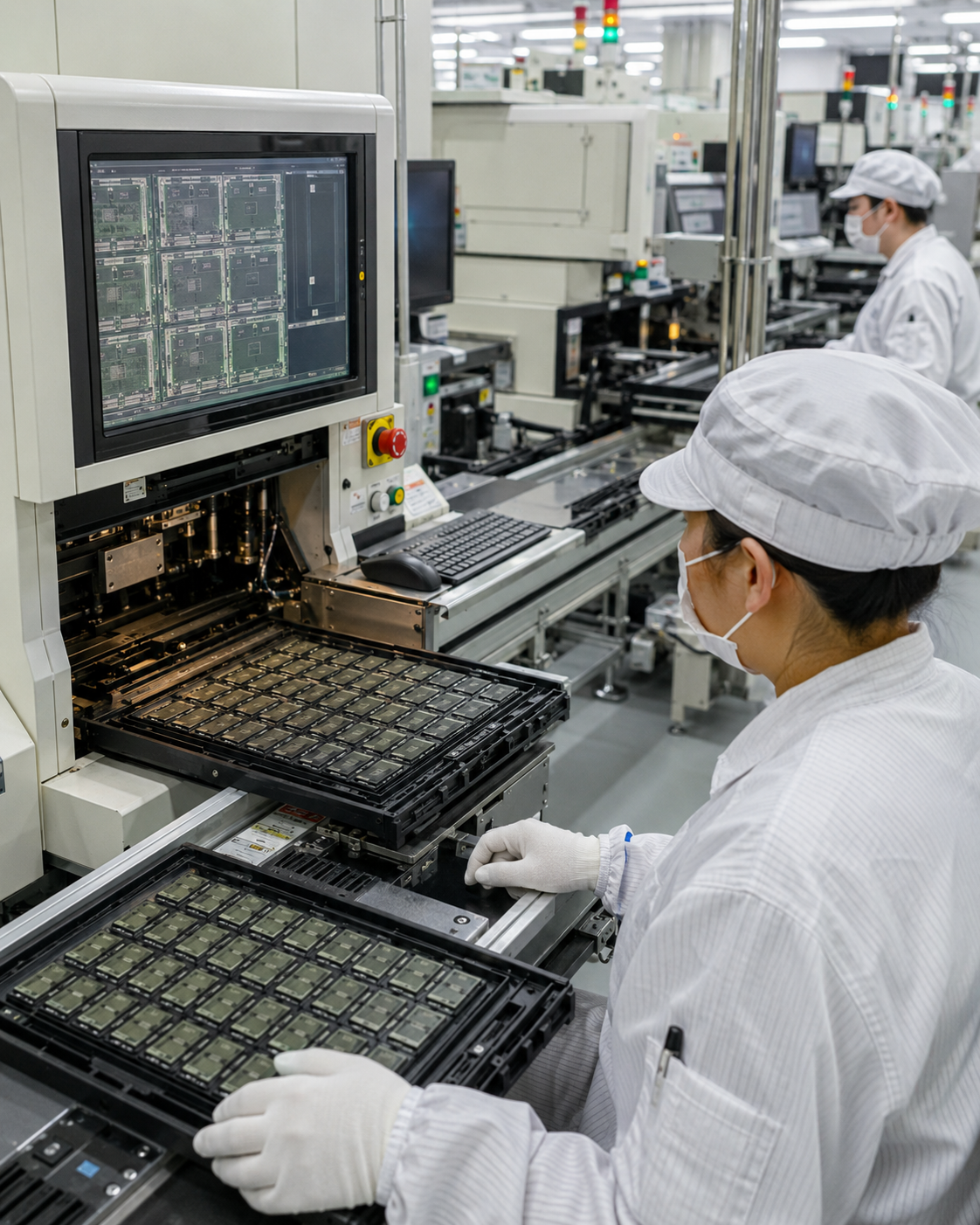
Xiaomi plans to equip the 18 Fold with its own 3-nanometer mobile processor, the Xring O3. Since the processor and memory are both supplied by Chinese companies, this move holds significant symbolic importance not only from a technological standpoint but also in terms of the supply chain.
If smartphone manufacturers work together to coordinate the compatibility of processors and memory, they can accelerate the optimization of performance and power management. Conversely, since a production delay in even a single component can directly affect the schedule for the finished product, a stable collaboration system is necessary.
As Chinese tech companies seek to increase the proportion of domestically sourced key semiconductors, this partnership could serve as a model for expanding supplies to other smartphone and tablet manufacturers.
| Beyond mobile, to servers and cars as well
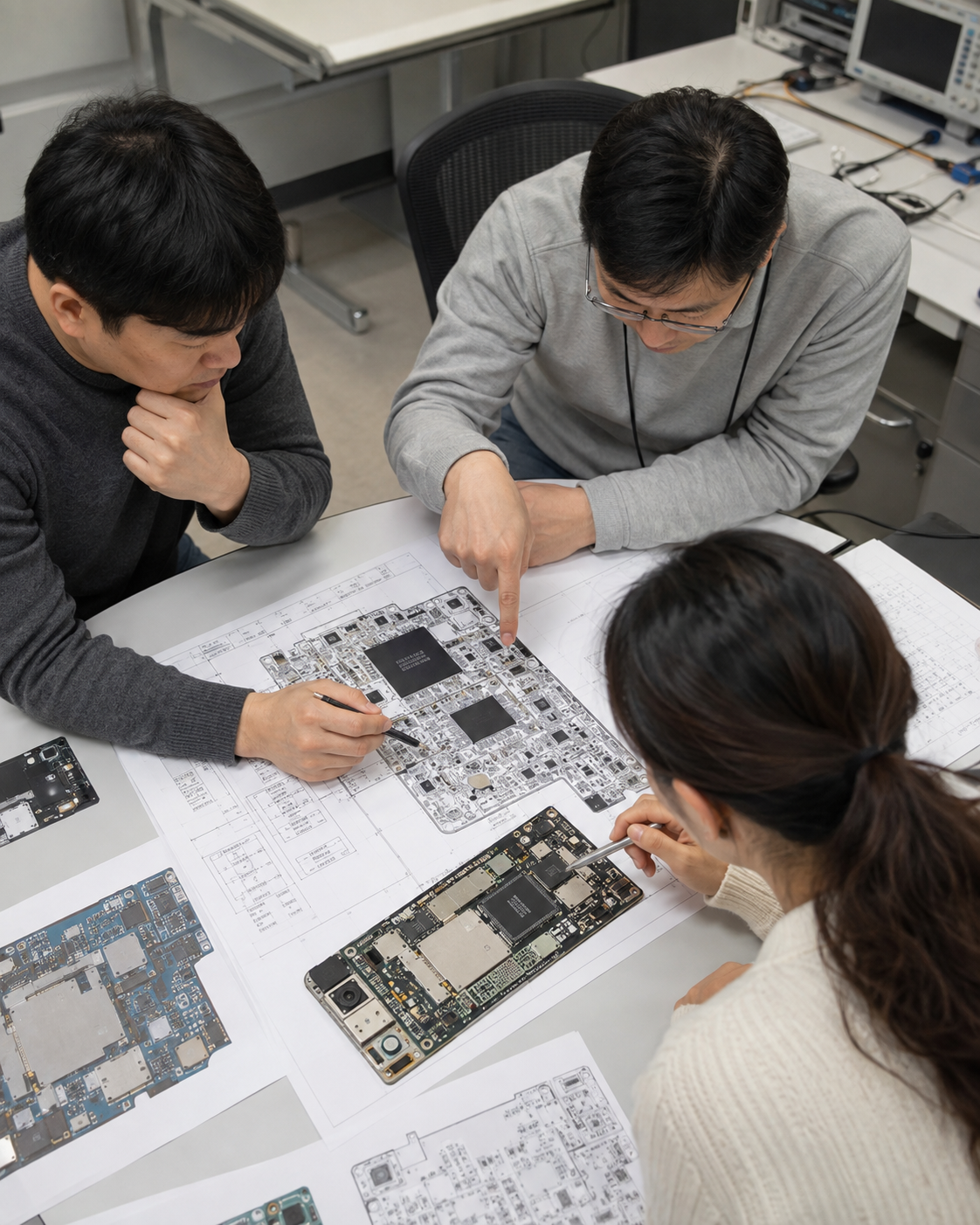
In its first-half report, CXMT stated that it had sent LPDDR6 samples to key customers and noted that the technology can be used not only in mobile devices but also in servers and smart cars. This is because there is a growing number of devices that require both low power consumption and high bandwidth.
However, sample shipments, customer validation, and mass production contracts are all different stages. Although the supply of the Xiaomi 18 Fold has been officially confirmed, specific customers in the server and automotive sectors, as well as the mass production schedule, have not yet been disclosed.
Automotive memory requires a long service life and high reliability standards, while server memory requires stability and the ability to supply in large volumes. You must verify the certifications and customer validation results for each sector separately.
| Yield and Supply

CXMT's mass production of LPDDR6 signals that China's memory industry has reached the stage of commercial products based on the latest mobile standards. In particular, the fact that supplies to actual flagship smartphones have been confirmed can be seen as a step beyond a simple technology demonstration.
Still, it's too early to make a definitive judgment about the competitive landscape in many respects. To assess the Xiaomi 18 Fold’s competitiveness in sustainable mass production, we need to verify its actual sales volume, CXMT’s share of supply, yield rates and unit prices, long-term operational stability, and whether it has secured other clients.
Tags
#CXMT #Xiaomi #Xiaomi #LPDDR6 #Xiaomi18Fold #XringO3 #Mobile DRAM #Memory Semiconductors #FoldablePhone #Chinese Semiconductors #Semiconductor Infrastructure #Smartphone