Chinese DRAM companies CXMTIn its first half-year earnings report since going public, the company saw its revenue increase nearly tenfold and returned to a substantial profit. Demand for AI data centers and computing equipment led to memory shortages and price increases, driving the significant jump in earnings.
Revenue for the first half of 2026 was 150.31 billion yuancompared to the same period last year 873.64% It went up. Net income attributable to the controlling shareholder is 77.605 billion yuan... a year ago A loss of 2.332 billion yuanIt returned to profitability.
Although the growth rate is very high, it is heavily influenced by the assumption that current high prices and supply shortages will persist. These earnings results not only demonstrate CXMT’s expansion of production and product improvements but also highlight the strong cyclical nature of the memory industry.
| From 15.4 billion yuan to 150.3 billion yuan
CXMT's revenue for the first half of last year was approximately 15.438 billion yuanThat was the case. This year, the figure jumped to 150.31 billion yuan, representing a growth rate of 873.64%.
During the same period, cost of goods sold—a component of operating expenses—rose to approximately 22.934 billion yuan, though the increase was significantly slower than the growth in revenue. According to the filing, the gross profit margin for the company’s core business also remained high, a result largely attributable to the sharp rise in memory prices and high factory utilization rates.
It wasn't just an increase in sales volume; the simultaneous improvement in selling prices and product mix amplified the results. This was driven by the shift in bargaining power within the overall DRAM market toward suppliers, driven by demand for AI servers and high-performance computing.
| Return to Profitability
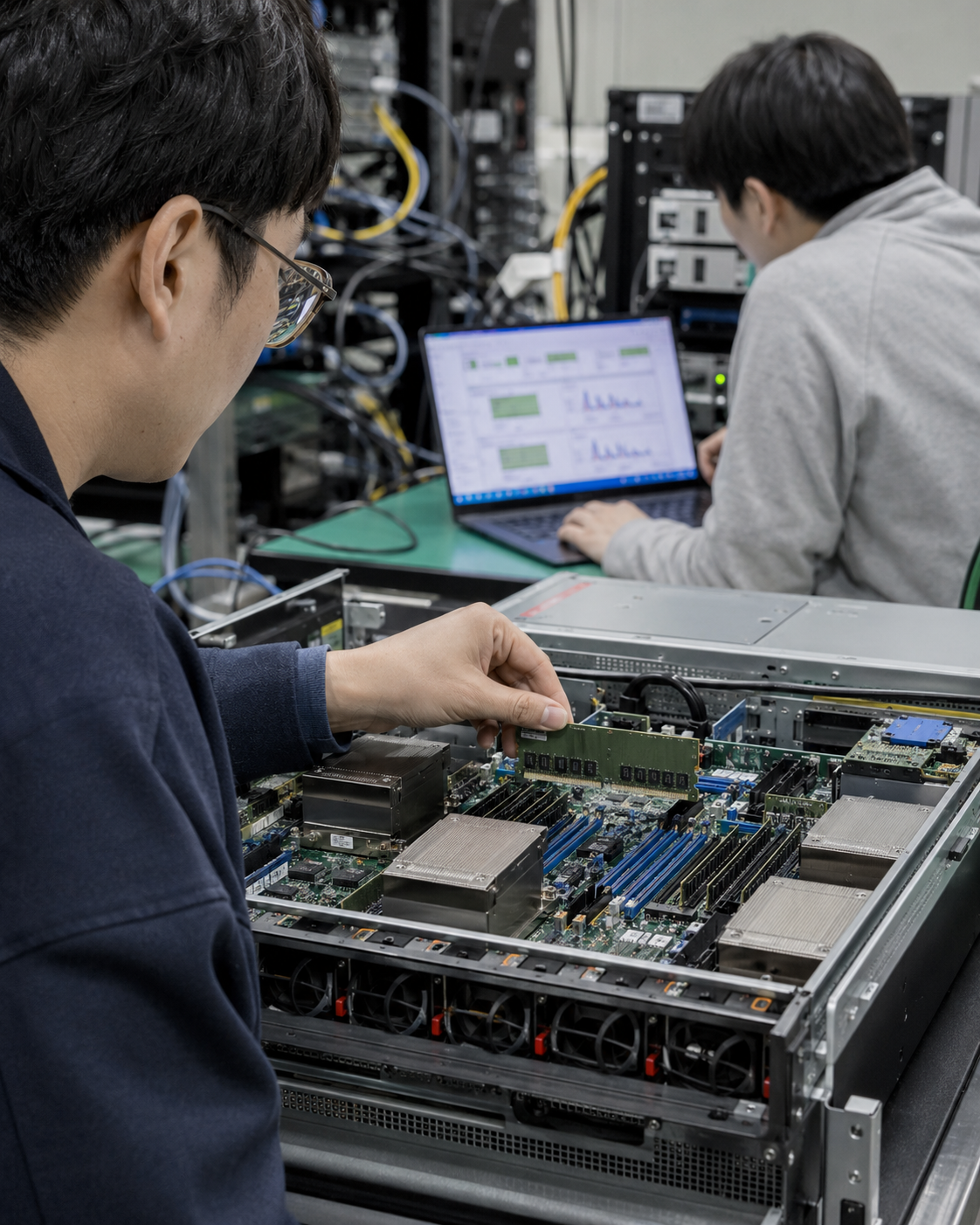
Net income attributable to controlling shareholders turned from a loss of 2.332 billion yuan in the first half of last year to a profit of 77.605 billion yuan this year.
Because the memory industry involves massive costs for factory construction and equipment investments, losses can quickly mount when selling prices fall below production costs. Conversely, when supply is tight, prices rise, and factory utilization rates increase, profits also surge sharply.
Therefore, rather than attributing this return to profitability solely to improvements in the company’s competitiveness, it is more appropriate to view it as the result of a combination of factors: expanded production, product diversification, and an upturn in market conditions.
| Demand for AI
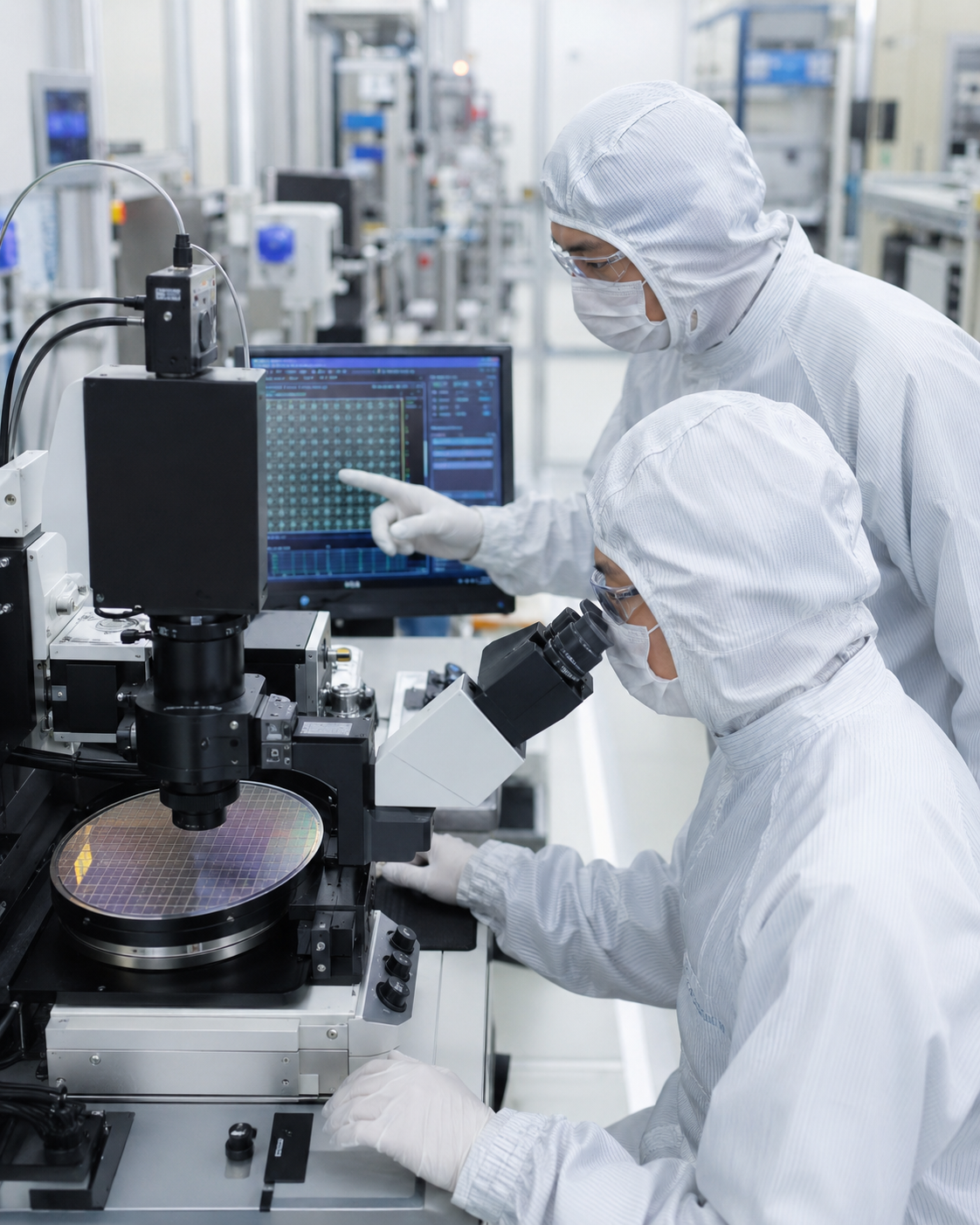
AI data centers require not only GPUs but also large quantities of server DRAM, high-bandwidth memory, and storage devices. If major manufacturers focus their production capacity on high-value-added products for AI, the supply of DRAM for general-purpose servers, PCs, and mobile devices could also become tight.
CXMT explained that the global DRAM supply shortage and rising prices in the first half of the year were the main factors behind its improved performance. The fact that Chinese cloud, internet, and smartphone companies increased their procurement of domestically produced memory also contributed to the sales growth.
However, the supply shortage could ease if AI investment slows down or if new production capacity from global companies enters the market. It's hard to view the current earnings growth rate as if it were the long-term growth rate.
| DDR5 and LPDDR6
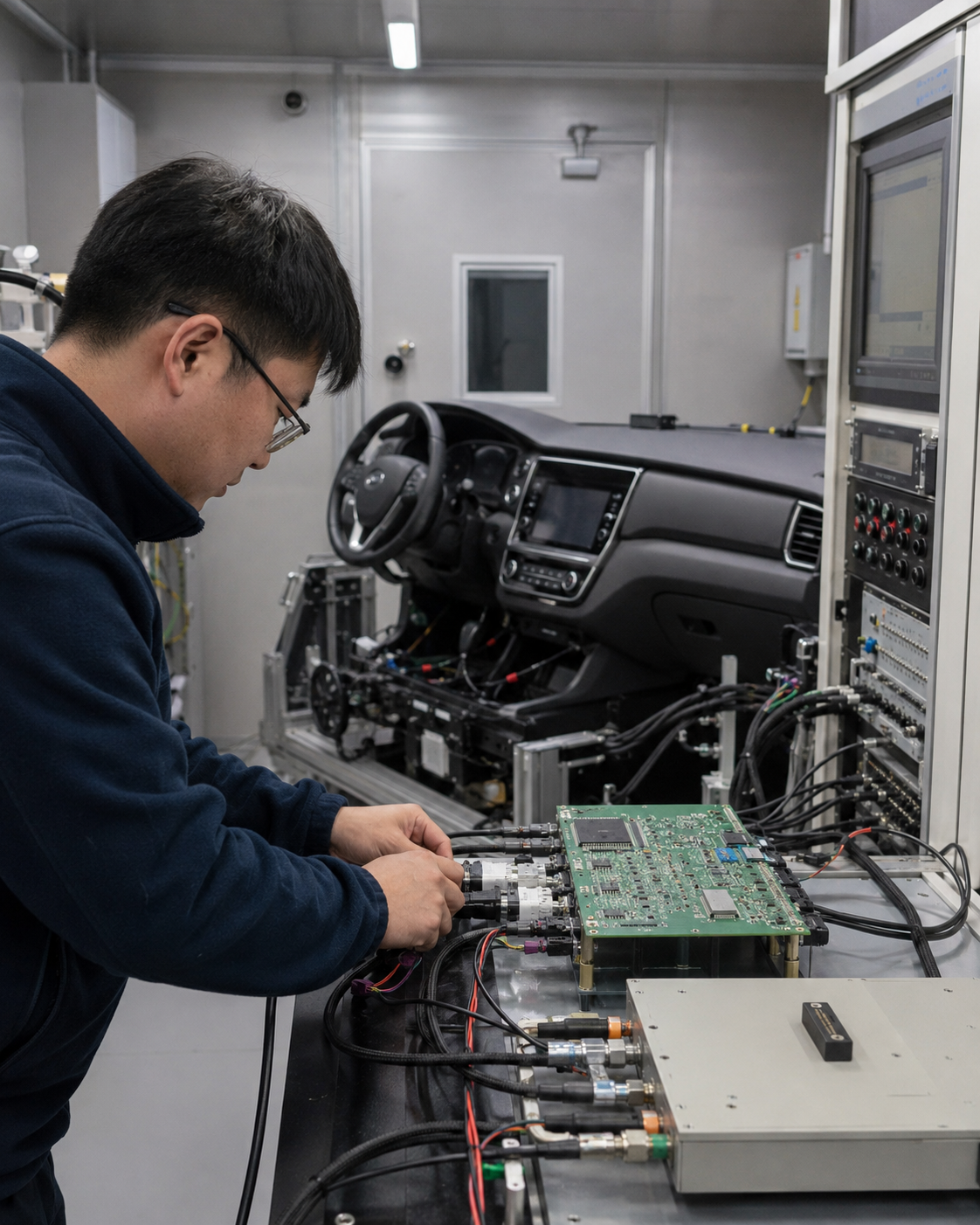
CXMT is increasing its production of DDR5, which is used in PCs, workstations, and servers, and expanding the proportion of high-margin products in its portfolio. In the first half of the year, sales of DDR products benefited from both an improved product mix and rising prices.
The next-generation product for mobile devices, LPDDR6The company also sent samples to key clients, showcasing a maximum transfer speed of 12,800 Mbps and a maximum capacity of 16 GB. Subsequently, the company officially announced that it would begin mass-producing LPDDR6 for the Xiaomi 18 Fold.
For new products to translate into sales, we need customer validation, stable yield rates, and the ability to supply in large volumes. Disclosing technical specifications and achieving significant sales volume are two different stages, so we need to continue monitoring sales trends for each product.
| Research and Development Expenses
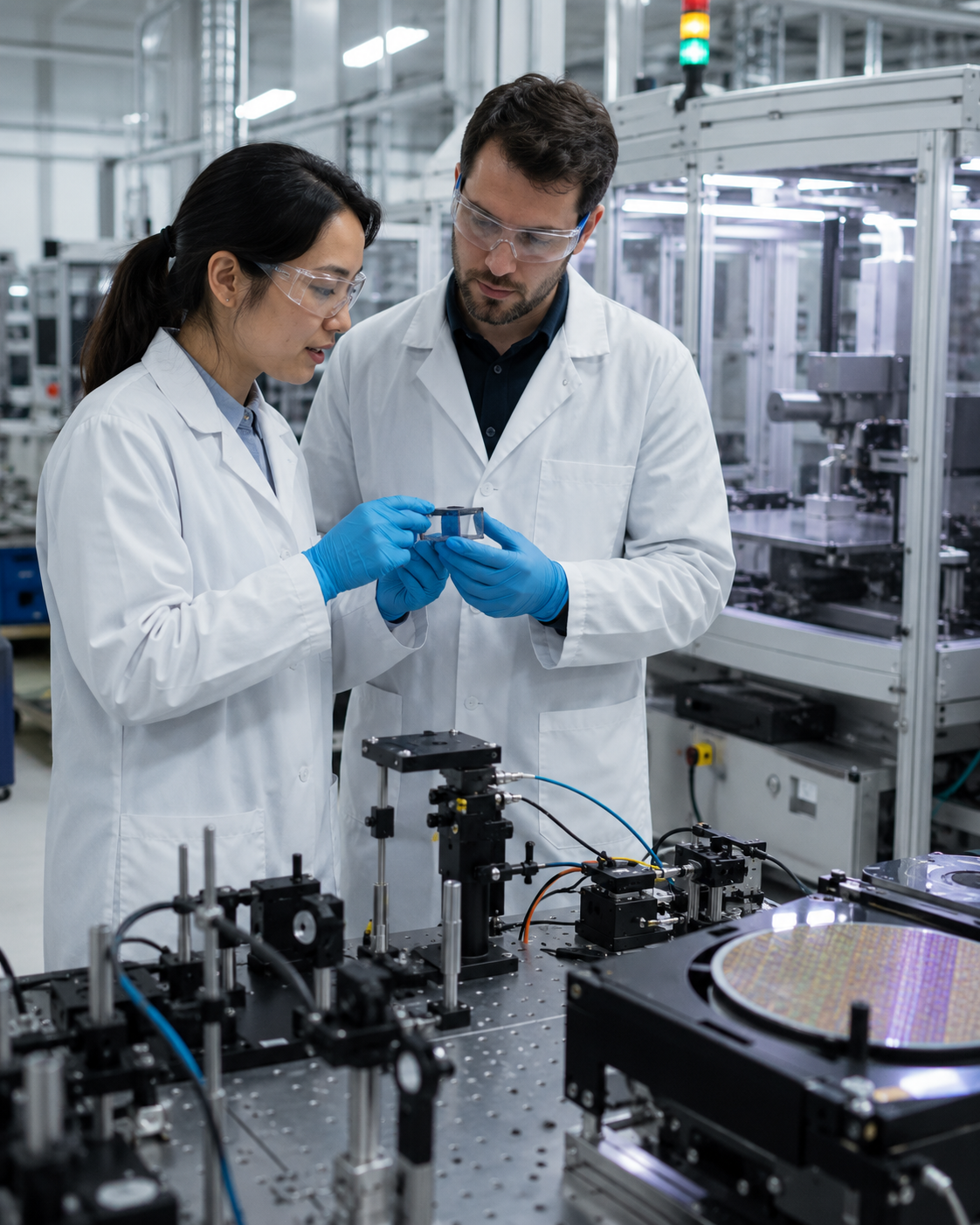
Research and development expenses for the first half of the year totaled approximately 5.537 billion yuancompared to the previous year 51.27% It has increased. Although the proportion of R&D expenses relative to revenue has decreased as revenue has grown much faster, the actual amount invested has increased.
For memory companies to narrow the technology gap, they must simultaneously transition to finer process nodes, improve cell structures, and boost design, packaging, and production yields. Their long-term competitiveness will hinge on how efficiently they reinvest the profits from a single boom cycle into next-generation products and production facilities.
Through its IPO, CXMT now has greater capacity to invest the funds raised and its operating profits into technology development and production expansion. On the other hand, large-scale capacity expansions could become a burden in the form of fixed costs if market conditions take a turn for the worse.
| Projected Shortage in the Second Half of the Year
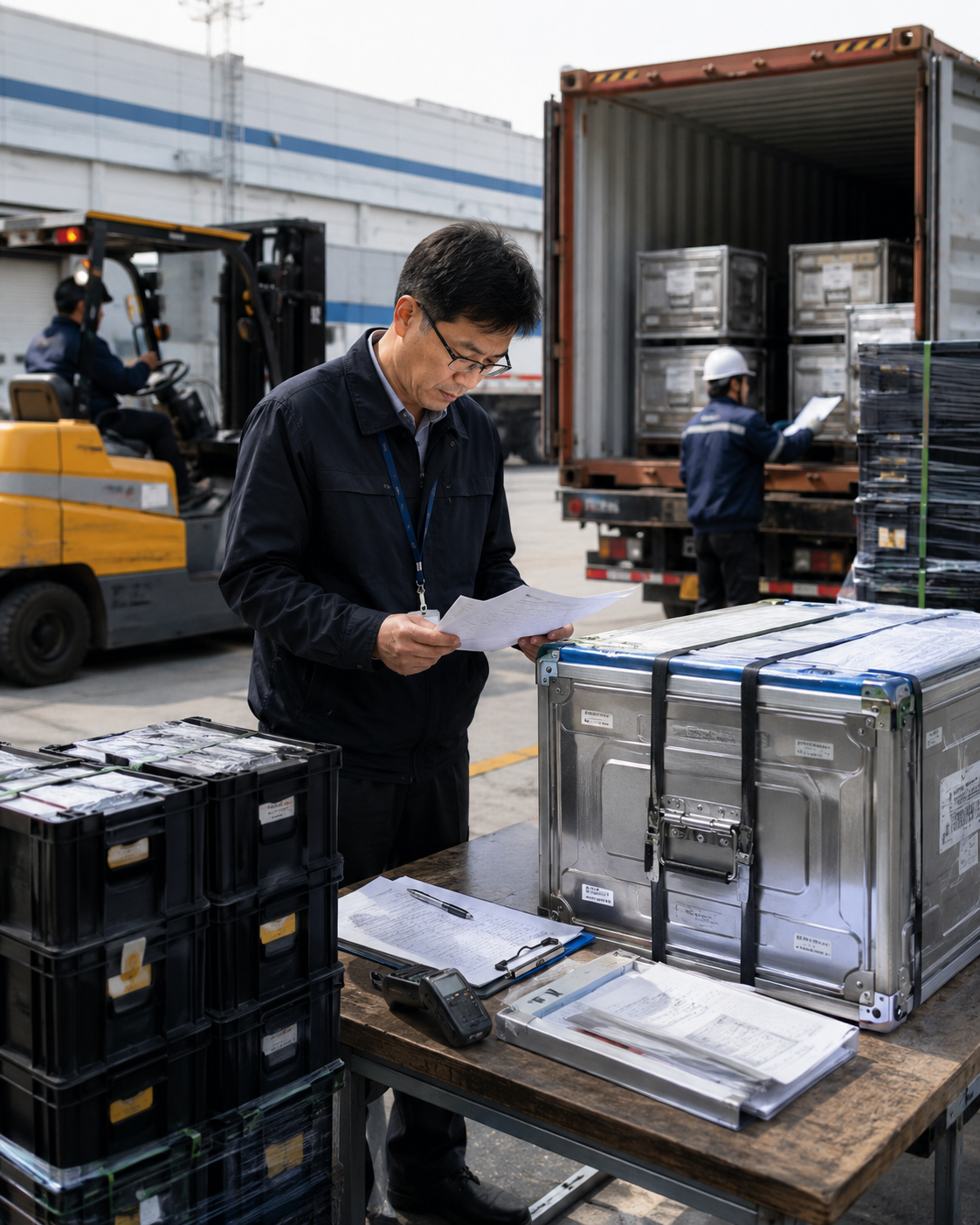
CXMT expects the global DRAM supply shortage to continue into the second half of 2026. If this forecast proves accurate, prices and utilization rates are likely to remain high, but this is, after all, just the company's official forecast.
The company also noted the risk that global trade conflicts and additional export restrictions could impact its supply chain and production. U.S. regulations, access to key manufacturing equipment, and changes in customers’ procurement strategies could be major variables affecting its financial performance.
The key takeaway from these earnings is that CXMT has capitalized on the AI-driven memory boom to grow both its scale and profitability at the same time. Going forward, we need to determine how long the high profits will last, whether yield rates will stabilize after the expansion, and whether we can maintain our competitiveness even after market conditions return to normal.
References
Tags
#CXMT #Jangshin Memory #DRAM #DRAM #Memory Semiconductors #AI Data Center #Semiconductor Earnings #LPDDR6 #DDR5 #Chinese Semiconductors #Semiconductor Infrastructure #AI Infrastructure